
Reviewed · TRADITIONAL CRAFTS
Tokyo: Kintsugi Art Repair Workshop
Broken pottery gets a second life here. In a small Tokyo workshop, you repair ceramic pieces, fill gaps, and trace the damage with gold-colored paint. The result is not a hidden repair but a visible part of the object’s character. I like the hands-on format and the fact that you leave with something you made, not just a photo.
I also like the calm pace, patient instruction, and easy fit in a busy Tokyo day. The instructor Hijiri earned special praise for clear, kind guidance, and English interpretation helps you follow each step. The main consideration is that this is a shortened workshop, not a full month-long professional kintsugi process, and $125 is a serious price for 90 minutes.
Key points at a glance
- A small class of up to five: You get close guidance instead of watching from the back of a room.
- A real repair process: You may work with broken pieces, putty, sanding, and metallic paint.
- Bring your own ceramic item if suitable: It must fit the size limits and have only one or two cracks.
- A short Tokyo activity: The class lasts 90 minutes and is about 15 minutes by subway from Asakusa.
- English support throughout: An English-speaking instructor or interpreter helps explain the Japanese instruction.
- A useful souvenir with limits: Your finished piece can hold dry food, but it is mainly for decoration.
What makes kintsugi worth learning in Tokyo
Kintsugi is more than a way to glue a bowl back together. The repair line is deliberately shown, often with gold or gold-colored material, so the damage becomes part of the design. That idea gives this workshop more weight than a standard craft class. You are not copying a generic souvenir. You are learning a Japanese approach to wear, repair, and beauty.
The class offers a practical introduction rather than a long study of the craft. Traditional kintsugi can take about a month, while this session compresses the process into 90 minutes. That distinction matters. You get to practice the main stages and leave with a finished object, but you should not expect to master every traditional lacquer technique in one sitting.
I find the short format appealing for a Tokyo itinerary. You can fit it between sightseeing in Asakusa, Nihonbashi, or central Tokyo without giving up half a day. It also gives you a quiet change of pace after temples, department stores, and crowded train platforms.
More Craft Workshops in Tokyo
- Tokyo Sumo Experience: Chanko & Mochi with a Former Pro
★ 4.8 · 567 reviews - Kintsugi Experience: Art of Golden Joinery in Tokyo
★ 5.0 · 467 reviews - Tokyo Chopstick Making Workshop with Artisan
★ 5.0 · 466 reviews
Meeting at Nihonbashi Mutoh Main Store
The meeting point is Nihonbashi Mutoh Main Store, in the Nihonbashi Mutoh Main Store building at 1-8-13 Nihonbashihoncho, Chuo City, Tokyo. From Asakusa, the workshop is described as about 15 minutes by subway, making it a workable add-on if you are staying or sightseeing in that part of the city.
The shop itself adds value to the visit. You may see finished kintsugi pieces, ceramics, lacquerware, tenugui, chopstick sets and rests, table linens, and bento boxes. That means you can look at more polished examples before or after your class, and you have time to browse Japanese craft items beyond the workshop project.
Give yourself a little time to find the entrance. You must arrive at least five minutes early, and the session begins on time. This is not the kind of activity where you can wander in late and catch up during the introduction. The end time is fixed too, so punctuality protects your working time.
The first choices: selecting a piece and preparing the repair
The exact object you use can vary. Some sessions provide pieces for you to work on, and some people bring their own ceramic vessels. If you bring something from home, keep the rules in mind before packing it in your suitcase.
The item must be ceramic, no larger than 15 centimeters in diameter and 15 centimeters high. It can have one or two cracks. A chipped or cracked mug handle cannot be repaired in this workshop, and a larger break may not be finished within the 90-minute period.
These limits are sensible for a short class, but they are easy to overlook. A favorite family bowl with several breaks may be too ambitious. If you bring a personal item, choose a small ceramic vessel with a simple crack. The staff can also tell you if the damage is too extensive for the allotted time.
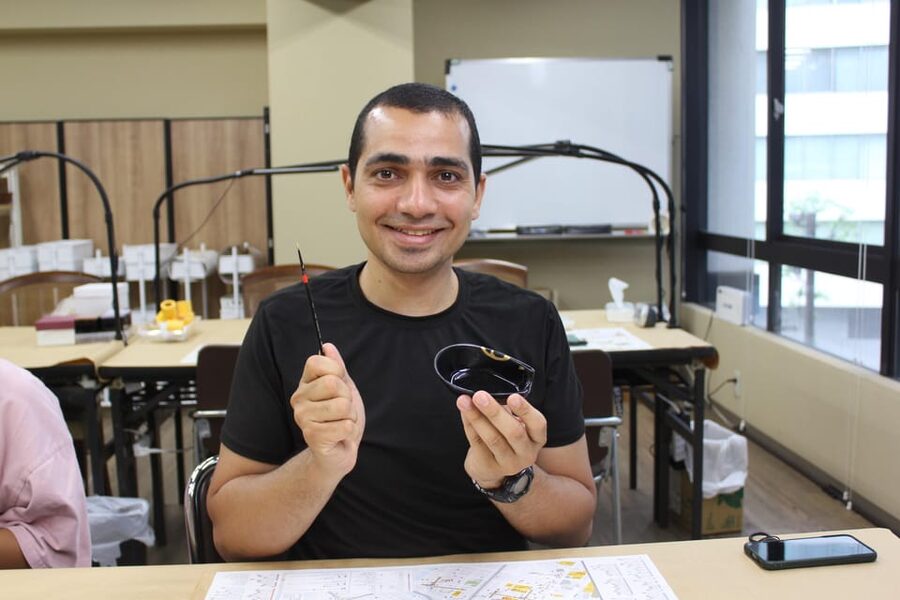
Once the work begins, you may choose from available pieces or discuss the item you brought. The small group size, limited to five participants, should give you time to ask questions and get help at your table. One session had only two people, creating a very personal class, while another had three participants. Group size can vary, but the maximum is low.
Repairing cracks, filling gaps, and adding color
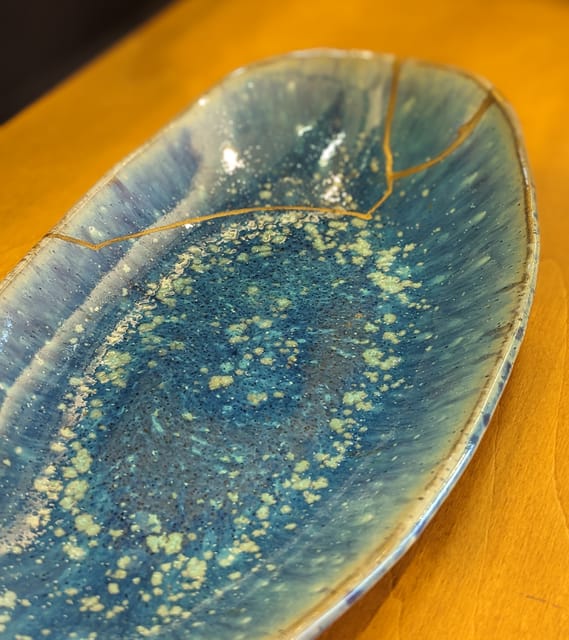
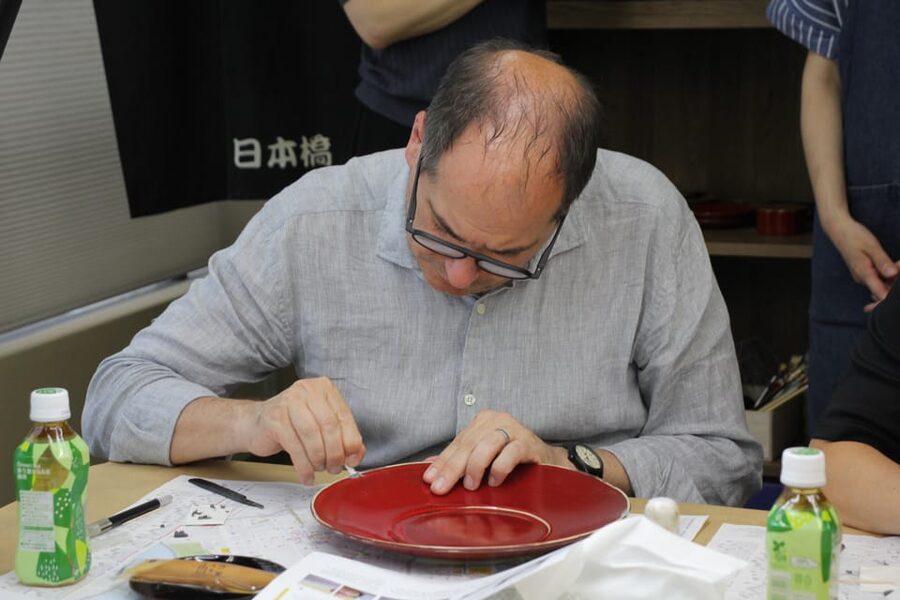
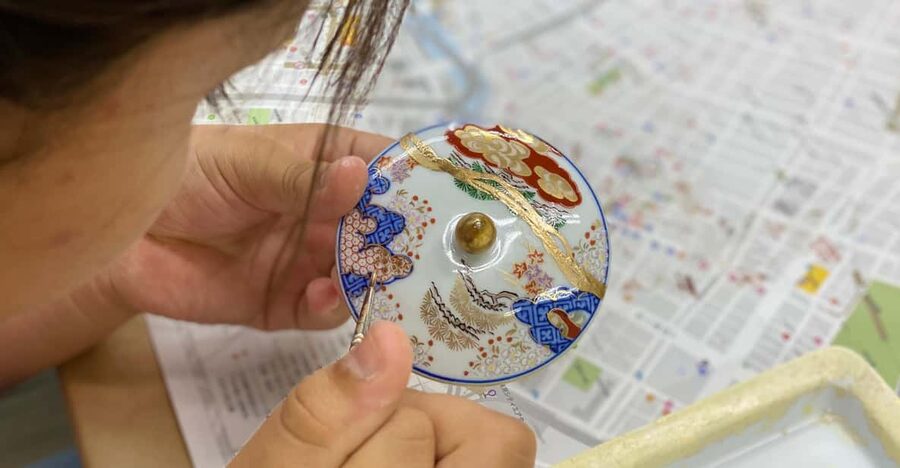
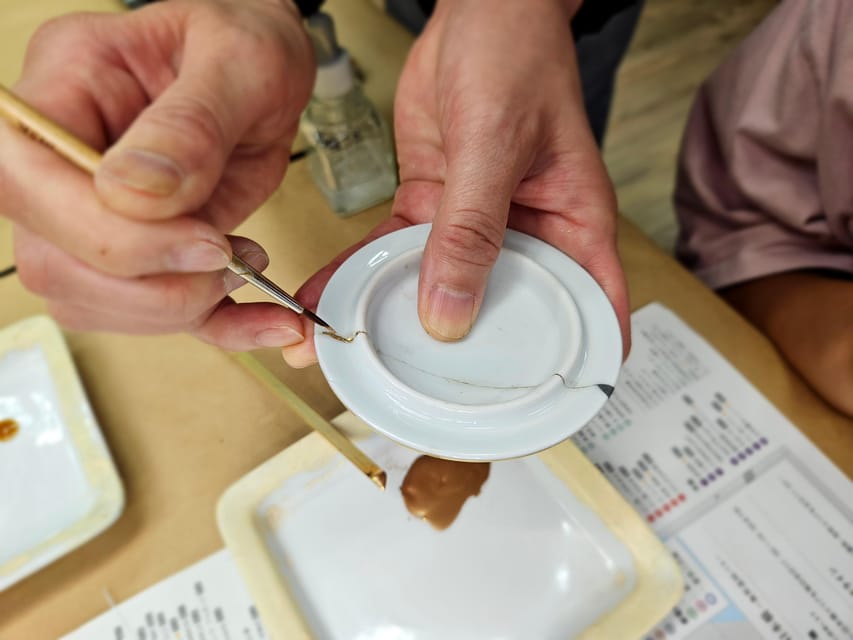
The process is hands-on from the start. You may work through the stages of joining broken parts, securing them, filling missing areas with putty, smoothing the surface, and applying metallic paint along the repair line.
For a broken object, taping the pieces together can feel like assembling a small puzzle. The alignment matters. If the parts do not sit correctly, the finished seam will not look right. This is where patient instruction makes a difference, especially for a first attempt.
Putty helps fill chips and small gaps. Sanding then gives the surface a cleaner finish. These steps are not flashy, but they show why kintsugi is a craft rather than a quick decoration project. The final metallic line depends on the preparation underneath it.
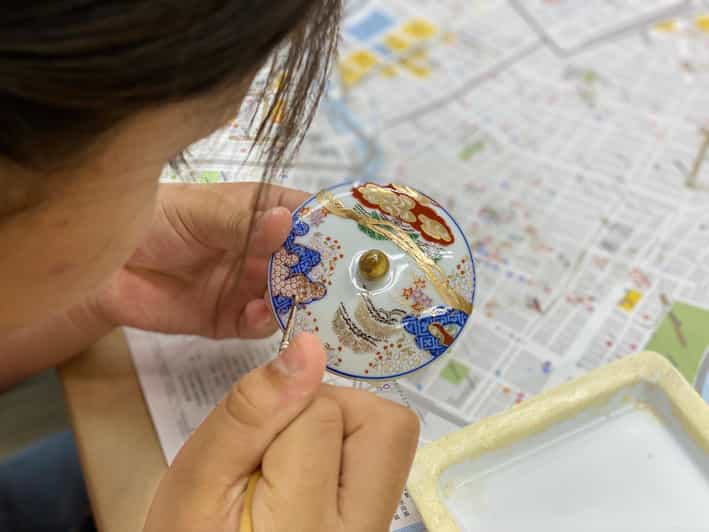
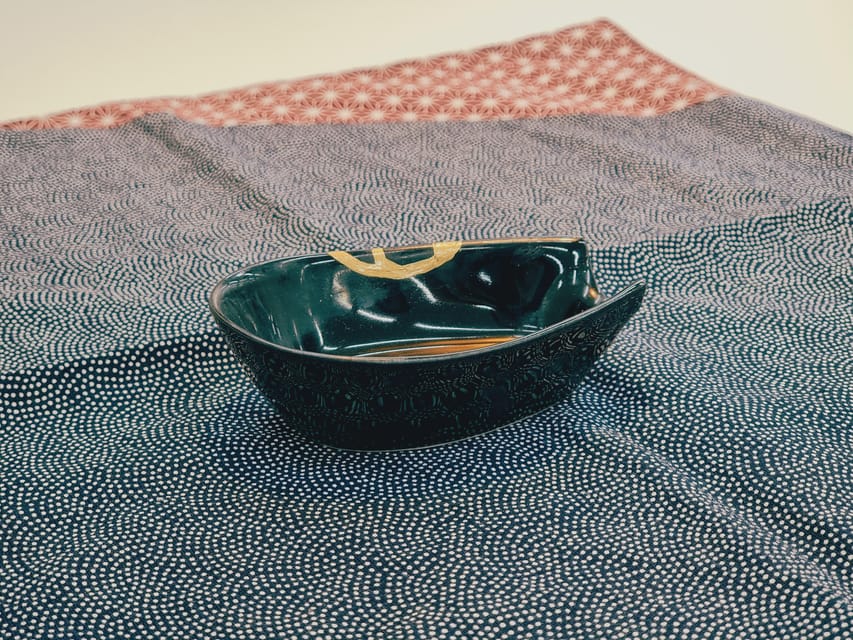
The last stage is painting the seams. The description presents this as applying gold, while the workshop format and first-hand accounts describe metallic paint. You should think of the finished item as a workshop version of kintsugi, designed to be completed during your visit. It gives you the visual idea and the basic method without claiming to reproduce the full professional process.
The instructor guides you as you work, rather than leaving you to follow a long demonstration from a distance. Hijiri was singled out for being patient, helpful, and clear. Other instruction is supported by English interpretation, so you can ask about each stage even when the Japanese instructor is leading the craft work.
Same trip, a completely different kind of day:
- 1-Day Tokyo Bus Tour
★ 5.0 · 14,250 reviews - Tokyo: TOKYO SKYTREE® Admission ticket
★ 4.5 · 11,192 reviews - Tokyo: teamLab Planets TOKYO Digital Art Museum Entry Ticket
★ 4.6 · 9,779 reviews - Tokyo: Sumo Show Experience with Chicken Hot Pot and a Photo
★ 4.8 · 6,678 reviews
A calm class with room to concentrate
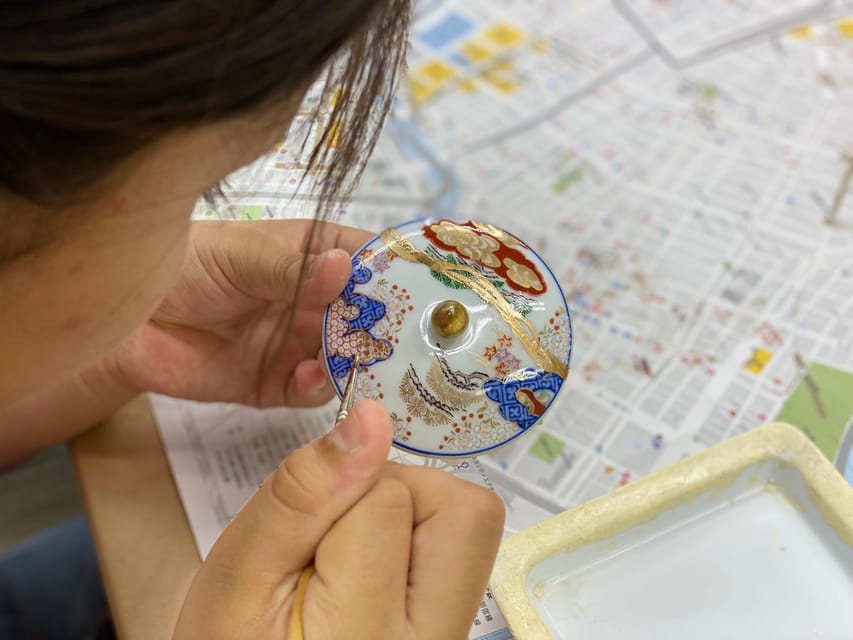
The setting is quiet, which may be one of the best parts of the experience. Kintsugi requires steady hands and some patience, and the workshop gives you a break from Tokyo’s fast pace. One participant compared the experience to meditation, and that description makes sense without overselling it. You are concentrating on a small object, one repair line, and the next careful step.
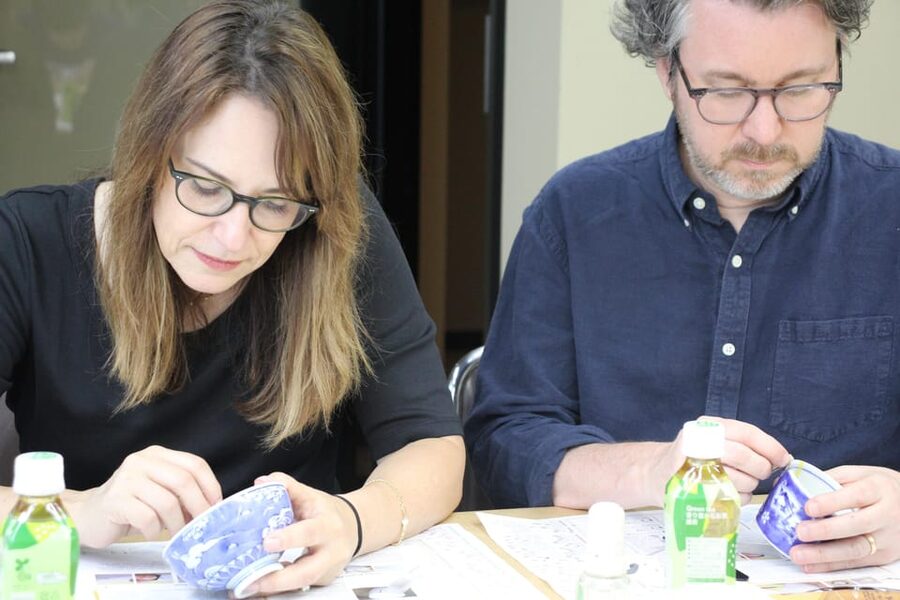
The atmosphere is friendly and relaxed. You sit alongside skilled makers at times, giving you a chance to see professional work while handling your own project. That contrast is useful. It shows the difference between a polished craft and a first attempt, while also reminding you that careful repair begins with simple steps.
The instructors are repeatedly described as kind and encouraging. That matters because the finished line may not be perfectly straight, and the repair will reflect your own hand. The goal is not machine-like perfection. It is to understand the process and make an object with a visible record of its repair.
The English support appears to be strong. One English-speaking host may work with a Japanese instructor, with interpretation at the table. If you want a lecture about Japanese craft theory, prepare yourself by reading a little before you arrive. The class gives you practical instruction first, with cultural context worked into the activity rather than delivered as a long talk.
What you take home, and what you should not expect
Your finished piece is included in the price. That is a real benefit, since your souvenir has a personal connection to your time in Tokyo. A shop-bought bowl may be more polished, but it will not carry the memory of you repairing its cracks.
The piece is mainly intended for decoration. It can hold dry food items, but it is not presented as a fully restored vessel for regular wet-food use. I would treat it as a display piece, small tray, or conversation starter rather than a daily dish.
If you bring your own object and the work needs more time to cure, the staff may protect and box it for you. One participant brought home a carefully packed project that needed about a week to cure. This is worth considering if the object has sentimental value. The workshop can help restore it, but you should not expect to use it immediately after class.
You may also finish more than one item in some sessions, but that should not be your expectation. The time available, the size of the repair, and the material used will affect what you can complete. A small provided piece gives you the best chance of finishing comfortably.
Is $125 a fair price for 90 minutes?
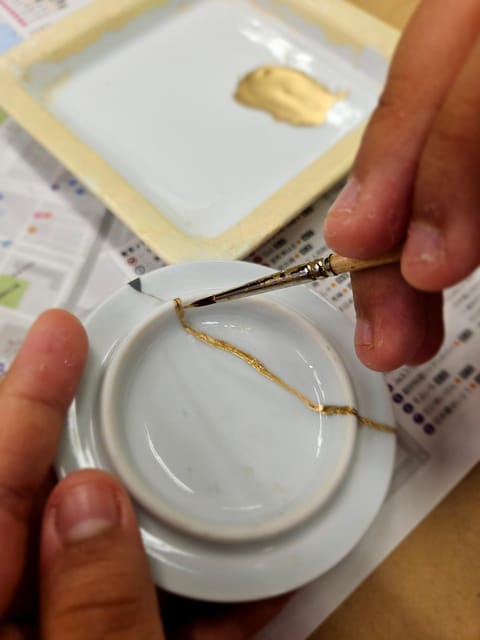
At $125 per person, this is not a budget craft stop. You are paying for a small class, an instructor, English support, materials, a take-home item, and access to a specialized Japanese craft experience. The value is strongest if you care about making something yourself and want direct help rather than a quick demonstration.
The price is harder to justify if your main aim is a detailed study of traditional kintsugi. A 90-minute class cannot cover every stage of a process that may take a month in its full form. One participant finished in about 35 minutes and felt the workshop offered less craft theory than expected. That possibility is worth keeping in mind.
For many people, the time saving will balance the cost. You can add the activity to a packed Tokyo schedule and still leave with a meaningful souvenir. It also works well for couples or friends who want a shared activity without spending an entire day indoors.
I would compare the cost with what you would pay for a high-quality Japanese craft item, then ask yourself if making the object is the point. If you want a finished product only, shop in the store. If you want to learn, handle the materials, and make a piece with your own repair marks, the price becomes easier to defend.
Who should book this workshop?
This experience suits adults and older teenagers who enjoy quiet, focused activities. The minimum age is 13, and anyone under 18 must be accompanied by a guardian. It is a good choice for couples, small families with older children, solo visitors who enjoy craft work, and anyone seeking a break from Tokyo’s major sights.
It also suits people who like meaningful souvenirs. Your finished piece will not be identical to someone else’s, and its imperfect line is part of the point. If you enjoy pottery, Japanese design, restoration, or hands-on cultural activities, you will probably get more from the class than someone looking for a fast photo opportunity.
I would be cautious about booking if you have a large or badly damaged object to repair. The size, crack count, ceramic-only rule, and fixed 90-minute end time make this a poor match for complex restoration. Bring a simple vessel, or use one supplied at the shop.
Wear comfortable clothes. You do not need to bring tools or other materials, and the workshop supplies what you need. Still, avoid clothing you would be upset to mark while handling craft materials.
Booking, cancellation, and timing details
The activity lasts 90 minutes, with starting times available according to the date you choose. The class is in English, and the group is limited to five people. You can cancel up to three days in advance for a full refund.
Arrive at least five minutes before the scheduled start. Late arrival cuts into your repair time, and the workshop cannot extend the finish time for anyone who has not completed the piece. That rule is especially important if you bring an object with several repair steps.
The activity is recommended only for people aged 13 and up. Since the work involves small pieces and careful handling, younger children are not suitable for this session.
Should you book the Tokyo kintsugi class?
Book it if you want a peaceful, practical cultural activity and a souvenir made by your own hands. The small group, helpful English instruction, and patient guidance make it approachable for a first attempt. Hijiri’s calm teaching style, the quiet room, and the chance to see professional work nearby add to the appeal.
Skip it if you want a full technical course, a guaranteed repair of a complicated heirloom, or the cheapest possible souvenir. This is a compact introduction to kintsugi, not a month-long apprenticeship.
For most visitors with 90 minutes to spare, I think the workshop earns its place in a Tokyo plan. Choose a small ceramic object, arrive early, and treat the finished piece as decorative art. Its uneven gold line will remind you of the afternoon better than another mass-produced gift.
FAQ
How long does the Tokyo kintsugi workshop last?
The workshop lasts 90 minutes. The session begins promptly and cannot be extended for participants who need more time.
Where is the meeting point?
Meet at Nihonbashi Mutoh Main Store in the Nihonbashi Mutoh Main Store building, 1-8-13 Nihonbashihoncho, Chuo City, Tokyo, Japan.
Is the workshop taught in English?
Yes. English instruction or interpretation is provided during the activity.
Can I bring my own pottery to repair?
Yes, if it is a ceramic vessel within the size limit of 15 centimeters in diameter and 15 centimeters high. It may have one or two cracks. Mug handles with chips or cracks cannot be repaired.
What age is required for the activity?
The workshop is for ages 13 and up. Minors must be accompanied by a guardian.
Can I use the repaired item for food?
The completed piece can hold dry food items, but it is mainly intended for decorative use.
Just added around Tokyo
- Kawagoe Japanese Food Tour : Unagi Kaiseki and Sake near Tokyo★ 5.0 · 30 reviews
- Kawagoe 4hr Private Tour with Licensed Guide (Kawagoe Dep)★ 5.0 · 13 reviews
- Little EDO Sushi Making workshop in Kawagoe★ 5.0 · 18 reviews
- 【R34】Tokyo:Private Daikoku tour in Modified R34★ 4.9 · 92 reviews
- :Tokyo,Shibuya/ Pro Photography in Kimono / English-Friendly★ 5.0 · 26 reviews
- Tokyo:Celebrate Unique Japanese New Year Tradition Festivity★ 3.9 · 20 reviews
- Tokyo: Allstar Food Tour★ 4.7 · 29 reviews
- Tokyo: West-Side Cycling and Food Tour with Guide★ 5.0 · 37 reviews
Traditional Crafts, compared.
Tokyo Sumo Experience: Chanko & Mochi with a Former Pro
Our verdict →
Kintsugi Experience: Art of Golden Joinery in Tokyo
Our verdict →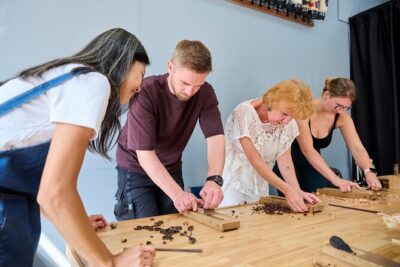

Matcha Making Experience with Mochi Sweets in Asakusa
Our verdict →
Authentic knife making experience at a blacksmith in Kyoto
Our verdict →

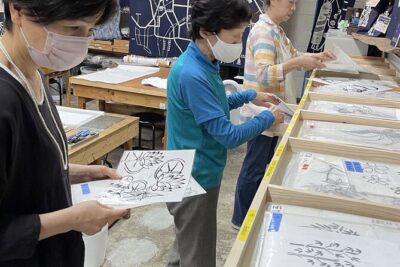
Roketsu dyeing experience: M course Roketsu Dyeing Experience
Our verdict →Browse the lists this tour appears in