

Reviewed · WORKSHOPS
Tokyo: Edo Kiriko Traditional Glass Carving Class
Edo Kiriko turns an ordinary glass into something personal through careful cuts, light, and color. In this 90-minute Asakusa workshop, you choose a glass and pattern, practice on spare material, then use traditional carving techniques to make a piece of your own.
I especially like the wide choice of glasses and patterns, which lets you make something that feels personal rather than selecting from one fixed project. I also like the patient, hands-on teaching, with instructors such as Ze offering clear English guidance and gentle corrections.
The main consideration is simple: cutting glass accurately is harder than it looks. Your finished piece may not have the precision of the instructor’s work, though the class is designed for beginners and you can still take home a useful, attractive souvenir.
Key points to know

- More than 20 glass designs: Choose from clear and colored glasses, including blue, pink, and yellow.
- Dozens of pattern samples: Select a design suited to your skill level and the shape of your glass.
- Practice comes first: You get time to try the cutting technique before working on your final piece.
- English and Japanese instruction: Instructors explain the process clearly and offer individual help.
- A practical Asakusa location: Sokichi is about 30 seconds from Asakusa Station, close to Senso-ji.
- A handmade souvenir: You take home the glass you carve during the class.
What Edo Kiriko means in this class
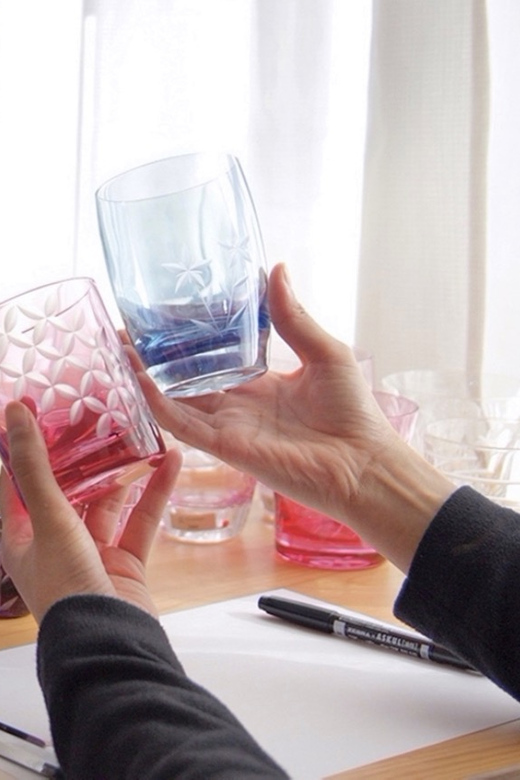
Edo Kiriko is a traditional Japanese glass-carving craft with more than 180 years of history. The basic idea is easy to understand: a colored surface or colored glass catches the eye, while carved lines reveal lighter glass beneath it.
The skill lies in controlling the cutting tool. A simple star, line, or geometric shape can look clean and deliberate when cut well. A small wobble becomes part of the finished design if your hand shifts. That makes this a real craft class, not a quick decoration stop.
You do not need previous experience. The class offers choices from beginner to expert level, but all options are suitable for first-timers. I would still choose a pattern that matches your patience and concentration. A simpler design gives you more room to learn the technique, while a detailed pattern asks for steadier handwork.
The finished item also has more meaning than a standard souvenir. You are not simply buying an Edo Kiriko glass from a shop. You are making the cuts yourself, with an instructor helping you correct mistakes and improve the result.
A few more Tokyo half-days worth comparing
- 1-Day Tokyo Bus Tour
★ 5.0 · 14,250 reviews - Tokyo: TOKYO SKYTREE® Admission ticket
★ 4.5 · 11,192 reviews - Tokyo: teamLab Planets TOKYO Digital Art Museum Entry Ticket
★ 4.6 · 9,779 reviews
Arriving at Sokichi near Asakusa Station
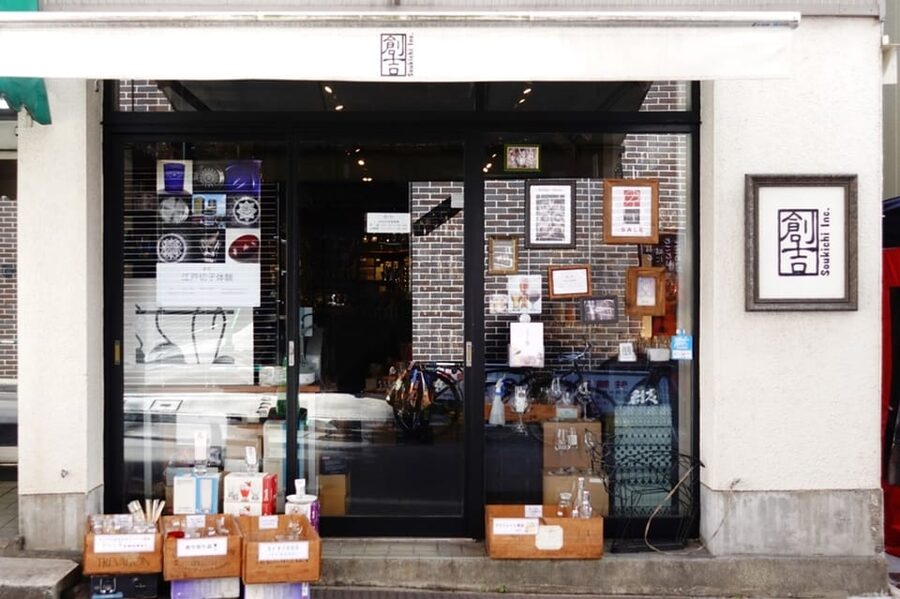
You begin at Sokichi, a glassware shop about 30 seconds from Asakusa Station. Speak with a staff member inside or at the shop, and you will be escorted to the room used for the class.
The location is one of the strongest practical features. Asakusa can be crowded around Senso-ji and the main shopping streets, but the workshop room is described as a quieter space away from the noise. One class took place just above the glassware shop, which makes the setting feel connected to the craft rather than like a generic activity room.
Give yourself enough time to find the shop and get oriented. The room is down a small side street, though it is easy to find once you are near the meeting point. The class itself does not include transportation, so you arrange your own way to Asakusa Station.
This location also works well as part of a half-day in the area. Senso-ji is about five minutes away according to one timing estimate, and Tokyo Skytree is roughly 15 minutes away. You can schedule the workshop between sightseeing stops without committing to a full-day excursion.
Choosing your glass and pattern

The selection process is a key part of the experience. You can choose from more than 20 kinds of glasses, with dozens of pattern samples to guide you. The course includes six types of clear and colored glass, including blue, pink, and yellow options.
Color matters because it changes how your carving appears. A cut pattern may show differently on clear glass than on a colored surface. The shape of the glass matters too. A design that looks balanced on a broad surface may feel crowded on a narrower one.
The instructor can explain how different designs will look on different glasses. That advice is useful because the sample that catches your eye may not be the best match for the piece you select.
Take a moment before committing. You want a design you can enjoy looking at, but you also want one you can reasonably complete in the time available. The beginner-friendly setup gives you choices, not pressure to attempt the hardest pattern.
The first practice cuts
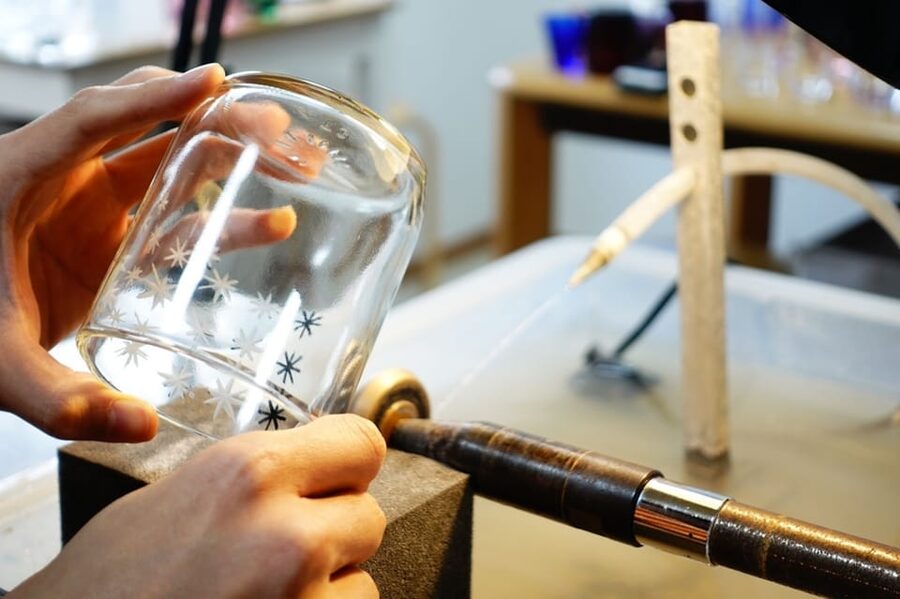
The class does not throw you straight onto your final glass. You have time to practice first, including simple star shapes. This is important because the tool and the pressure needed are not immediately natural.
Practice shows you how much control the cutting process requires. Making a mark is fairly straightforward. Making that mark neat, even, and correctly placed is the more difficult part.
The instructor watches your technique and offers suggestions. Ze, one of the instructors associated with the class, is described as kind, patient, and thorough. His guidance includes supportive corrections when early attempts do not go as planned. Another instructor was praised for explaining designs clearly in English and for helping participants understand how the pattern would work on their chosen glass.
Use the practice time fully. It is tempting to rush toward the final piece, especially in a short workshop, but those early attempts give you a better feel for the tool. They also help you decide how ambitious your final pattern should be.
More Hands-On Experiences in Tokyo:
- Sushi Making Tokyo Roll and Authentic Japanese Sushi Class
★ 5.0 · 3,971 reviews - Tokyo: Roll and Authentic Sushi Making Class in Asakusa
★ 4.9 · 1,957 reviews - Tokyo Shinjuku Chopsticks Making Class
★ 5.0 · 1,763 reviews - Tokyo: Sushi Making Class in a Happi Coat near a Famous Spot
★ 4.9 · 1,377 reviews
Cutting your own Edo Kiriko glass
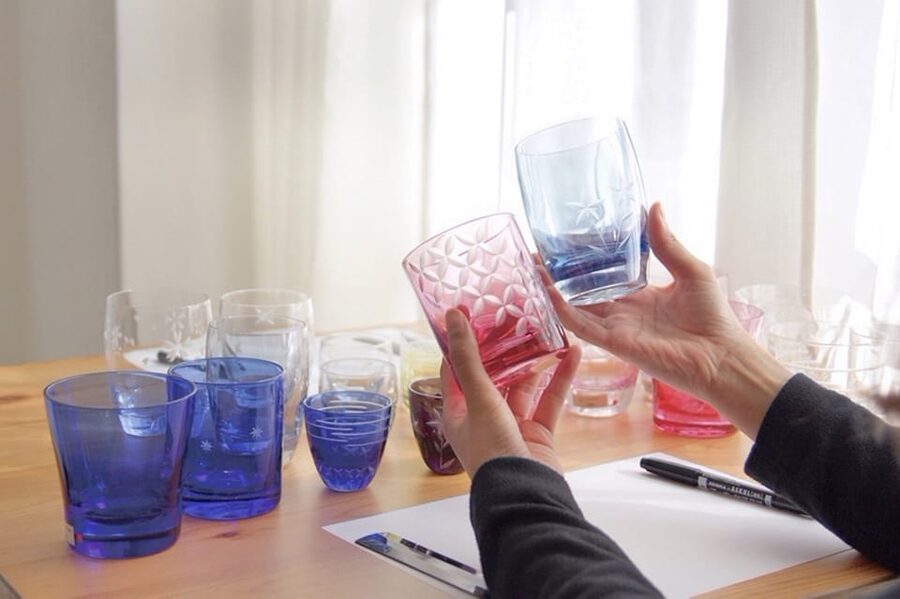
Once you have selected your glass and design, you begin the final work. The instructor explains the traditional cutting method and stays available while you work.
This is the part where the 90-minute duration makes sense. You have enough time to practice, choose, cut, and receive help without turning the session into a long technical course. The time can pass quickly because you are focused on small details.
You work independently, but you are not left alone with the equipment. The instructor can point out an uneven line, suggest a correction, or help refine the result. Some finishing work may be adjusted by the instructor so your piece is safe and presentable. That is helpful, though you should understand that the final object may include both your work and the instructor’s careful touch.
Do not expect museum-level precision from a first attempt. The instructors’ own carvings can look remarkably exact, which gives you a useful picture of what the craft can become with practice. Your goal is different: learn the method and create a piece that shows your effort.
A crooked etching is not a disaster. It may become part of the handmade character of the glass. The important question is whether you want a perfectly uniform object or a personal souvenir that records what you learned in Tokyo.
What the instruction is like
The class is offered in English and Japanese. English-speaking visitors have access to instructors who can explain the steps, give feedback, and answer questions about the designs.
The strongest part of the teaching is the balance between explanation and personal help. You receive enough instruction to understand what to do, then get time to work with the instructor nearby. That format suits people who prefer learning by trying rather than listening to a long lecture.
The class also appears suited to mixed experience levels. Beginners can choose simple patterns and ask for help, while anyone with more craft experience can select a more demanding design. There is no need to arrive with artistic confidence. The process gives you a starting point and lets you build from there.
If cultural background matters to you, ask questions during the class. The workshop teaches the basic story of Edo Kiriko, but a fuller explanation may require you to ask for the available pamphlet or request more information. You can get more from the experience by showing curiosity about the craft, not just concentrating on the final object.
Group size and personal attention
A small class is a good match for this activity because the work requires close attention. One session had four participants, allowing each person time with the instructor. The instructor’s patient manner is especially useful when several people are working at different speeds.
You may make faster progress than another participant, or you may need more correction. The format allows you to work at your own level rather than keeping pace with a large group.
The class is not a performance or demonstration where you simply watch a master work. Your hands stay busy for most of the session. That makes the experience more rewarding, but it also means you need to be comfortable concentrating on a small piece of work.
Tie back long hair before you arrive. A hair tie is the only specific item listed as something to bring, and it is a sensible precaution when working at a hands-on station.
Is the $30 price good value?
At $30 per person, this is a reasonably priced Tokyo activity. The fee includes the glass-carving class, an instructor, and colored glass. Transportation is not included, but the meeting point is so close to Asakusa Station that getting there is straightforward.
The value comes from the combination of instruction and a take-home object. Many Tokyo experiences give you a short demonstration or a snack that disappears quickly. Here, you spend 90 minutes learning a traditional craft and leave with a glass connected to the time you put into it.
The price is especially fair if you want a break from temple visits, shopping, and city sightseeing. It gives you a quiet indoor activity without taking up an entire day.
The value is less obvious if you only want a flawless piece of Edo Kiriko. In that case, buying a finished glass may be more suitable. This class is for you if the making matters as much as the final object.
Who should book this workshop?
I would recommend it to couples, families with older children, solo visitors, and friends who want a creative activity in Asakusa. It also suits anyone looking for a souvenir that feels connected to Japanese culture and personal effort.
You do not need to think of yourself as artistic. The process is beginner-friendly, and the instructor helps you recover from early mistakes. You do need enough patience to work carefully and accept that handmade results are not always perfectly symmetrical.
It is a good choice for a rainy day or for a slower break in a busy Tokyo schedule. The quiet workshop setting gives you a change of pace, while the nearby location makes it easy to combine with Senso-ji or Skytree.
I would be more cautious about booking it for very young children who may struggle to sit still and control the tool. The supplied details do not specify an age limit, so check the available booking information if you are planning the class for a child.
Booking details worth knowing
The experience lasts 90 minutes, with starting times based on availability. You can cancel up to 24 hours in advance for a full refund, and a reserve-now, pay-later option is available. These terms help if your Tokyo schedule is still shifting.
The class starts at Sokichi. Speak to the shop staff, and they will take you to the class room. Since transportation is not included, plan your own route to Asakusa Station.
Wear something comfortable for a seated, hands-on activity. Bring a hair tie if you have long hair. No other special equipment is listed.
Should you book the Edo Kiriko class?
Book it if you want more than a photograph from Asakusa. The class gives you a clear introduction to a Japanese craft, patient instruction in English or Japanese, a choice of colored glasses and patterns, and a handmade object to carry home.
The best reason to go is the process. You practice, make imperfect cuts, receive help, and watch a plain glass take on a design. If you need a perfectly polished result, buy one from a shop instead. If you value a souvenir because you made it yourself, this $30 workshop is one of the better-value creative activities in Tokyo.
FAQ
Where does the Edo Kiriko glass class meet?
The experience begins at Sokichi, a glassware shop about 30 seconds from Asakusa Station. Speak with a staff member, and they will escort you to the room used for the class.
How long does the class last?
The class lasts 90 minutes.
What languages are spoken during the class?
Instruction is available in English and Japanese.
Do I need previous glass-carving experience?
No. The class offers beginner-friendly options, and you practice before working on your final glass.
What can I choose for my project?
You can choose from more than 20 kinds of glasses and dozens of pattern samples. The course includes six types of clear and colored glasses, including blue, pink, and yellow.
Can I take my finished glass home?
Yes. You make an original glass during the class and take it home as a souvenir.
What should I bring?
Bring a hair tie, particularly if you have long hair. Transportation is not included.
Can I cancel the booking?
You can cancel up to 24 hours in advance for a full refund. A reserve-now, pay-later option is also available.
Just added around Tokyo
- Kawagoe Japanese Food Tour : Unagi Kaiseki and Sake near Tokyo★ 5.0 · 30 reviews
- Kawagoe 4hr Private Tour with Licensed Guide (Kawagoe Dep)★ 5.0 · 13 reviews
- Little EDO Sushi Making workshop in Kawagoe★ 5.0 · 18 reviews
- 【R34】Tokyo:Private Daikoku tour in Modified R34★ 4.9 · 92 reviews
- :Tokyo,Shibuya/ Pro Photography in Kimono / English-Friendly★ 5.0 · 26 reviews
- Tokyo:Celebrate Unique Japanese New Year Tradition Festivity★ 3.9 · 20 reviews
- Tokyo: Allstar Food Tour★ 4.7 · 29 reviews
- Tokyo: West-Side Cycling and Food Tour with Guide★ 5.0 · 37 reviews
Workshops, compared.
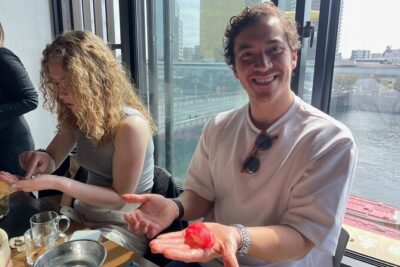
Sushi Making Tokyo Roll and Authentic Japanese Sushi Class
Our verdict →
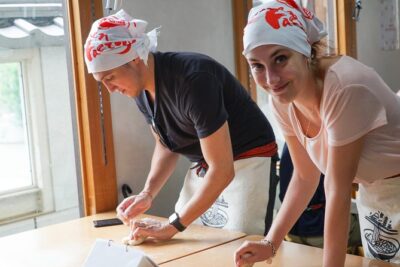
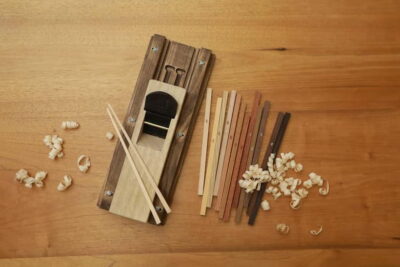
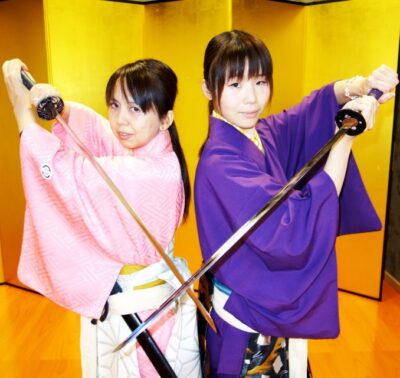
Ninja 1-hour Hands-on Lesson by Japanese master in Kyoto -Entry
Our verdict →
Browse the lists this tour appears in