
Reviewed · CALLIGRAPHY CLASSES
Tokyo: Calligraphy Workshop Craft Your Own Art in Asakusa
The most rewarding part of this Asakusa workshop is that you do not simply watch someone write beautiful characters. You practice the strokes yourself, slowly and repeatedly, then turn that practice into a piece you can keep. Mei teaches in English and brings a calm, patient manner to an art that rewards concentration.
I like two things in particular: the class gives you time to improve before making your final piece, and you can use both a traditional brush and a modern fude pen. The small group, limited to 10 people, also means you should get useful guidance rather than a quick demonstration from across the room.
The main consideration is time. The session is advertised as 90 minutes, or 1 to 1.5 hours, but some classes have lasted closer to two hours when the instruction and final artwork took longer. That is welcome if you have room in your schedule, but less convenient if you have a tightly packed Tokyo day.
Key Points to Know Before You Book
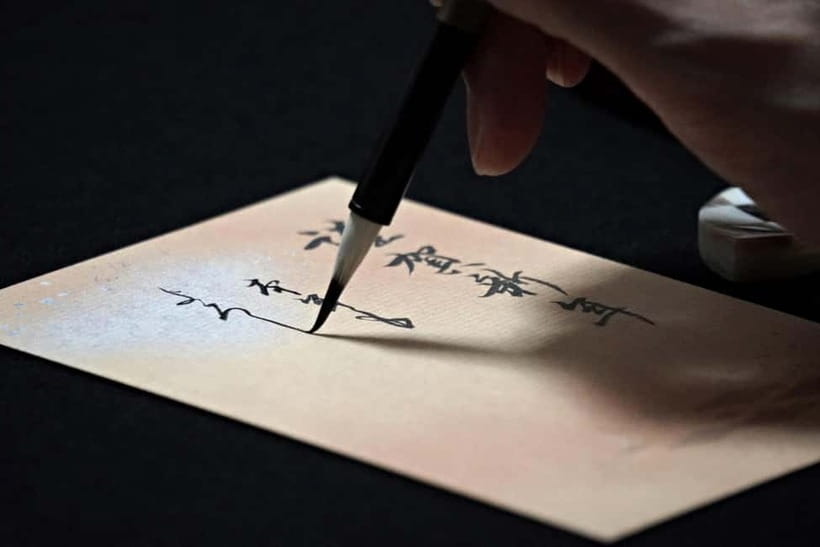
- Mei leads the English-language class: She explains the strokes, writing order, cultural background, and practical brush technique in clear terms.
- You practice before making the final artwork: Expect repeated work on basic strokes rather than an instant jump to finished calligraphy.
- Your souvenir is made by you: The final piece may be created on a scroll, fan, or hard-backed square, giving you more than a standard shop purchase.
- You use two kinds of tools: Traditional brushes provide the classic feel, while the fude pen offers more control and precision.
- The class suits complete beginners: No previous calligraphy experience is required, and patient guidance is part of the format.
- The workshop is in central Asakusa: Meet at Tokyo Tourist Lounge Asakusa, on the fifth floor of the building.
A Quiet Art Class in the Middle of Asakusa
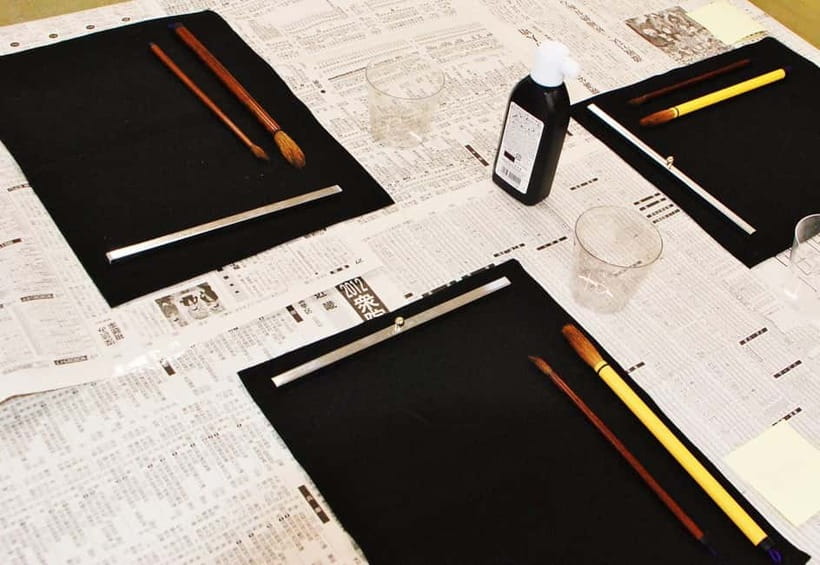
Asakusa is one of Tokyo’s best districts for cultural activities. You can spend the day around temples, old-style shopping streets, and the Sumida River, then step indoors for a slower, more focused hour with brush and ink.
That change of pace is part of the appeal. Tokyo can fill your senses quickly. Calligraphy asks you to sit still, pay attention to the movement of your hand, and let each stroke finish before starting the next. You do not need to be artistic to benefit from that rhythm.
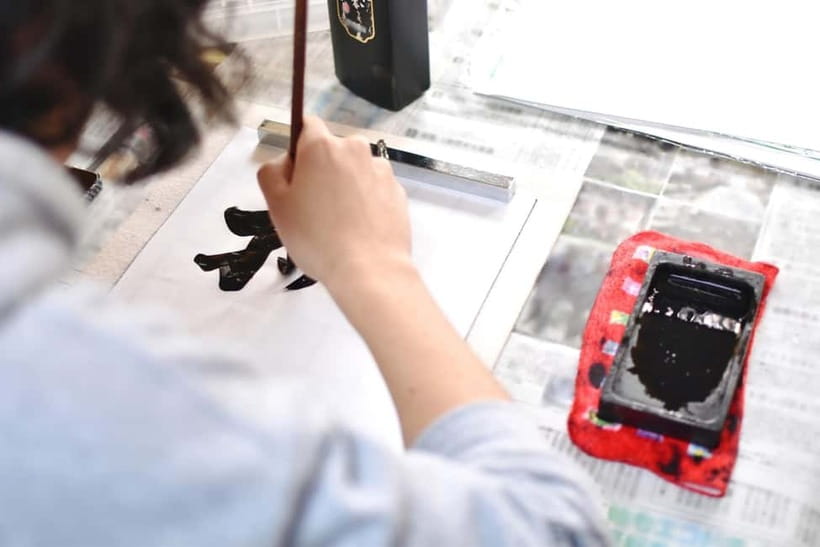
This is a hands-on class rather than a formal demonstration. Mei introduces Japanese calligraphy, often called shodo, and explains the background of the art before moving into practice. You learn how the brush is held, how pressure affects a stroke, and why stroke order matters.
The class takes place at Tokyo Tourist Lounge Asakusa, on the fifth floor. Transportation is not included, so you need to make your own way there. The meeting point is useful to note carefully because the activity is held inside a building rather than at a famous outdoor landmark.
More Calligraphy Classes in Tokyo
- Tokyo: Calligraphy on Kanji Fan & Scroll with Drink
★ 5.0 · 210 reviews - Let’s experience calligraphy in YANAKA, Taito-ku, TOKYO !!
★ 5.0 · 127 reviews - Tokyo: Calligraphy Workshop & Original T-Shirt Creation
★ 4.9 · 105 reviews
The First Practice Strokes Matter Most
The opening practice is not filler. It gives you the control needed for the final artwork.
You work on basic brush movements and stroke order, building a feel for how the brush responds. This is where the instructor’s patience matters. A beginner may press too hard, lift the brush too quickly, or lose control at the end of a line. Mei’s role is to correct those small problems before they become part of the final piece.
You should expect to make mistakes. That is normal here, and the design of the class allows for practice before you commit to your finished work. The lesson is not about producing museum-quality calligraphy in one sitting. It is about understanding the movement well enough to create something personal and pleasing.
The printed templates are helpful, especially if you are unfamiliar with Japanese characters. You can focus on the shape and order of the strokes instead of trying to remember everything at once. The guidance also helps you choose a character that fits your ability.
This makes the activity suitable for adults and children, according to the experience details. It also works for people who already draw or paint. An artist may notice the balance of line, pressure, and empty space in a different way, but the class does not assume any art background.
Traditional Brushes and the Fude Pen
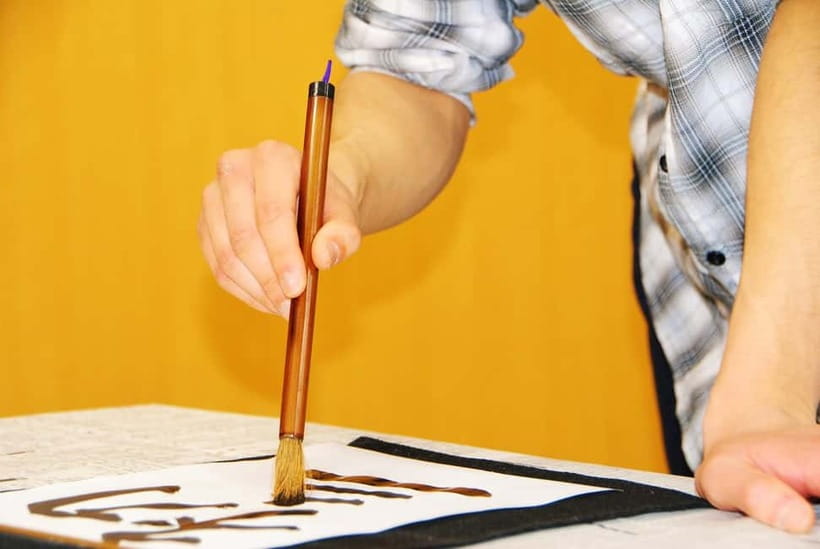
The workshop gives you two distinct ways to write.
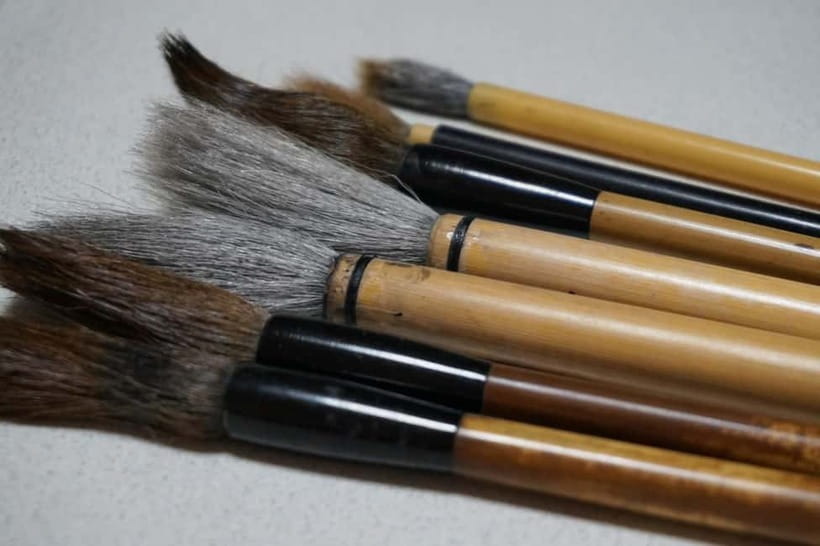
The traditional brush offers the classic calligraphy experience. It responds to pressure and speed, so a single stroke can become thicker or thinner as your hand moves. This can feel less predictable at first, but that uncertainty is part of learning the craft.
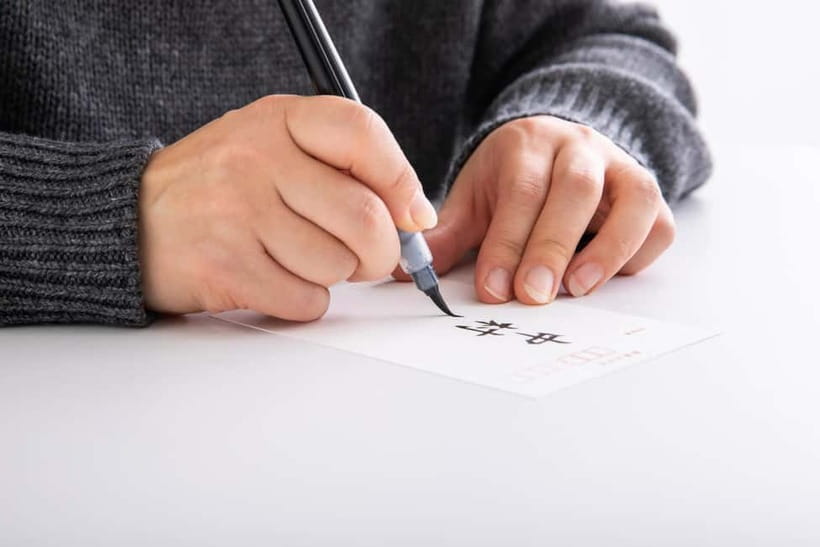
The modern fude pen is easier to control. It has a brush-like tip but behaves more neatly, allowing you to work on precision without dealing with quite as much ink and brush movement. It is a useful contrast to the traditional tool, not a replacement for it.
I like this combination because you can compare old and modern approaches in one lesson. If the brush feels difficult, the fude pen gives you another way to understand the shapes. If you enjoy the traditional brush, you get more time to work on the feel of it.
Do not expect the two tools to produce identical results. The brush gives a softer and more expressive line, while the pen can make practice feel more controlled. For many beginners, that comparison helps explain why Japanese calligraphy is a physical skill rather than simply a matter of copying symbols.
Choosing a Character and Making Your Final Piece
After practice, you write characters of your choice. The templates and instructor’s advice help you select something manageable and meaningful.
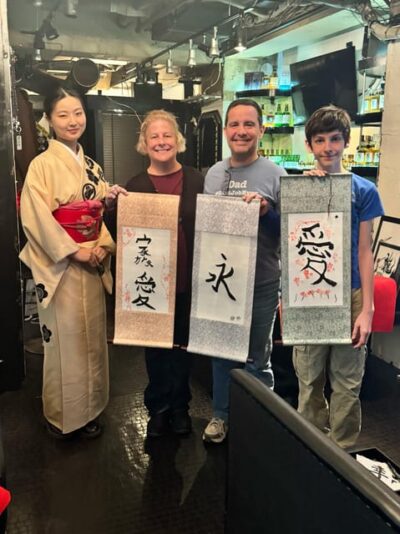
This is the point where the class becomes personal. You are not just reproducing a sample on ordinary practice paper. You are working toward an artwork to take home. Depending on the format selected, the final piece may be placed on a scroll, fan, or hard-backed square.
The format matters because it turns the result into something you can display. A scroll has a traditional look, while a fan or square backing gives the piece a different shape and feel. The supplied information does not specify that every class offers every format, so ask what is available when you arrive if the presentation is important to you.
You also get time to make the piece match your own skill level. That is a real advantage for beginners. A good final artwork is not necessarily the most complicated one. It is the one where you feel the strokes are under control and the character looks intentional.
I would not book this expecting a flawless professional result. You are paying for instruction and the experience of making the piece, not for a master artist to create it for you. The small imperfections are part of its value. They show where you were in your learning at that moment.
More Craft Workshops in Tokyo
- Tokyo Sumo Experience: Chanko & Mochi with a Former Pro
★ 4.8 · 567 reviews - Kintsugi Experience: Art of Golden Joinery in Tokyo
★ 5.0 · 467 reviews - Tokyo Chopstick Making Workshop with Artisan
★ 5.0 · 466 reviews - Tokyo: Matcha Making Experience with Mochi Sweets in Asakusa
★ 4.9 · 388 reviews
Mei’s Teaching Style and the Small Group
Mei is the central reason this experience works well for first-time students. She explains the history and importance of calligraphy, then keeps the focus on practical instruction. Her English is described as very good, which makes a technical art easier to follow.
The teaching style is patient and encouraging. That matters because brush writing can make people self-conscious, especially when another person’s strokes look effortless. You are given permission to practice, adjust, and try again rather than being pushed straight toward a final result.
The group is limited to 10 participants. That is still a group class, but it is small enough for the instructor to move around and provide individual help. You should not assume a private lesson, yet the format is more personal than a large cultural demonstration.
The class can also suit mixed-ability groups. One person can be completely new to Japanese writing while another has an art background. The practice stage lets each student work at a suitable pace, and the final piece can reflect individual ability.
How Long the Workshop Really Takes
The stated duration is 90 minutes, with the wider description giving a range of 1 to 1.5 hours. That makes it easy to fit into a half-day in Asakusa.
Still, allow some flexibility. One recorded class lasted two hours, with the instructor spending extra time helping students. That may happen when the group needs more practice or when everyone is finishing a final piece.
For planning, I would avoid booking a major timed attraction immediately afterward. Give yourself room to finish without watching the clock. If the workshop runs to its advertised schedule, you will have plenty of time for nearby Asakusa sightseeing. If it takes longer, you will not have to abandon another reservation.
The pace is likely to feel calm rather than rushed. That is good for the learning, but it means this is not a quick activity you squeeze into a 30-minute gap.
Is $38 a Fair Price?
At $38 per person, the value depends on what you want from a cultural activity.
You receive an instructor-led class, use of traditional brushes, use of a modern fude pen, practice materials, and a final artwork to take home. You also get cultural context and direct correction, which are difficult to gain from simply buying a calligraphy set in a shop.
The strongest value is for someone who wants to make a personal souvenir rather than purchase a ready-made object. Your artwork will not be perfect, but it will carry the memory of the place, the character you chose, and the effort you put into the strokes.
The price is less attractive if you only want a short photo opportunity or a quick introduction. The class is built around practice, so you need to be willing to spend time learning. I would also factor in the cost and time of reaching the meeting point, since transportation is not included.
With a top rating from 58 reviews and repeated praise for the teaching, the price looks reasonable for a small English-language class in central Tokyo. The final artwork adds lasting value, especially for couples, families, and anyone who wants a souvenir with a story behind it.
Who Will Enjoy This Most?
I would recommend this workshop to:
- First-time visitors who want a cultural activity with real participation
- People who like drawing, painting, crafts, or other careful handwork
- Families looking for an activity suitable for beginners
- Couples and friends who want a shared souvenir
- Visitors who need a quiet indoor plan on a rainy day
- Returning visitors who have already seen the major Asakusa sights
- Anyone who prefers a small class over a large group demonstration
You do not need to know Japanese characters. You do not need previous calligraphy experience. You do need enough patience to repeat a stroke several times and accept that your first attempt may not look like the example.
This is also a good choice for a slower day in Tokyo. The art encourages concentration, and the workshop can feel refreshing after hours of sightseeing. It is not physically demanding, and the activity is wheelchair accessible.
Practical Details Before You Go
The activity is offered in English, and the instructor is Mei. Meet at Tokyo Tourist Lounge Asakusa, located on the fifth floor of the building. Since transportation is not provided, check your route before setting out.
The group size is limited to 10 participants. That cap is worth noting if you want personal help with your strokes, but you should still expect to share the class with other people.
The workshop is suitable for beginners, with no prior experience required. You use the provided traditional brushes and fude pen, then take your personal calligraphy artwork home.
You can cancel up to 24 hours before the activity for a full refund. The reserve-now-and-pay-later option also helps if your Tokyo schedule is still changing. Check available starting times when choosing a date.
Should You Book This Asakusa Workshop?
Book it if you want to slow down, learn a real Japanese art form, and leave with something you made yourself. The patient instruction, small group, English teaching, and choice of traditional brush or fude pen make it a strong fit for beginners.
I would skip it only if your schedule is packed too tightly for a 90-minute class, or if you are looking for a polished souvenir made by an expert rather than a hands-on lesson. For most people, the small imperfections will be the point. They will remind you that you did more than visit Tokyo. You sat down, practiced, and made a piece of it your own.
FAQ
Where is the calligraphy workshop held?
The meeting point is Tokyo Tourist Lounge Asakusa, located on the fifth floor of the building.
How long does the activity last?
The listed duration is 90 minutes. The wider description gives a range of 1 to 1.5 hours, though some sessions may take longer.
How much does the workshop cost?
The price is $38 per person.
Is the class taught in English?
Yes. The instructor language is English, and Mei leads the workshop.
Do I need previous calligraphy experience?
No. The activity is designed for beginners, and no prior experience is required.
What tools will I use?
You will use traditional calligraphy brushes and a modern fude pen, also known as a brush pen.
Do I get to take home my artwork?
Yes. The workshop includes a personal calligraphy artwork to take home. The final piece may be made on a scroll, fan, or hard-backed square.
Is transportation included?
No. You are responsible for getting to and from the workshop. The activity itself is wheelchair accessible, and the group is limited to 10 participants.
Just added around Tokyo
- Kawagoe Japanese Food Tour : Unagi Kaiseki and Sake near Tokyo★ 5.0 · 30 reviews
- Kawagoe 4hr Private Tour with Licensed Guide (Kawagoe Dep)★ 5.0 · 13 reviews
- Little EDO Sushi Making workshop in Kawagoe★ 5.0 · 18 reviews
- 【R34】Tokyo:Private Daikoku tour in Modified R34★ 4.9 · 92 reviews
- :Tokyo,Shibuya/ Pro Photography in Kimono / English-Friendly★ 5.0 · 26 reviews
- Tokyo:Celebrate Unique Japanese New Year Tradition Festivity★ 3.9 · 20 reviews
- Tokyo: Allstar Food Tour★ 4.7 · 29 reviews
- Tokyo: West-Side Cycling and Food Tour with Guide★ 5.0 · 37 reviews
Calligraphy Classes, compared.
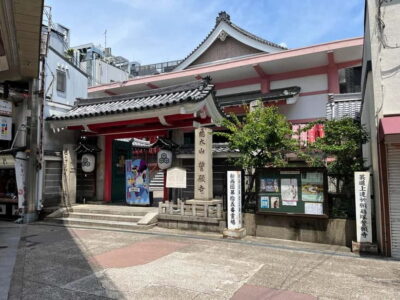
Calligraphy class at Buddhist temple in city center
Our verdict →
Let’s experience calligraphy in YANAKA, Taito-ku, TOKYO !!
Our verdict →
An Amazing set of Cultural experience: Kimono, Tea Ceremony and Calligraphy
Our verdict →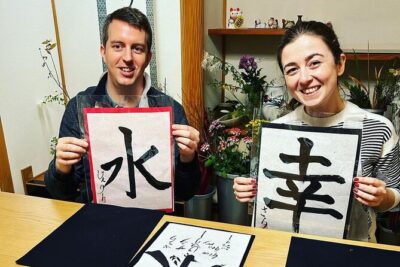
Private Japanese Calligraphy in Kyoto – Learn Shodō with a Master
Our verdict →
Browse the lists this tour appears in