
Reviewed · SUSHI EXPERIENCES
Sushi or Traditional Japanese Cuisine in a Kyoto Home with Emika
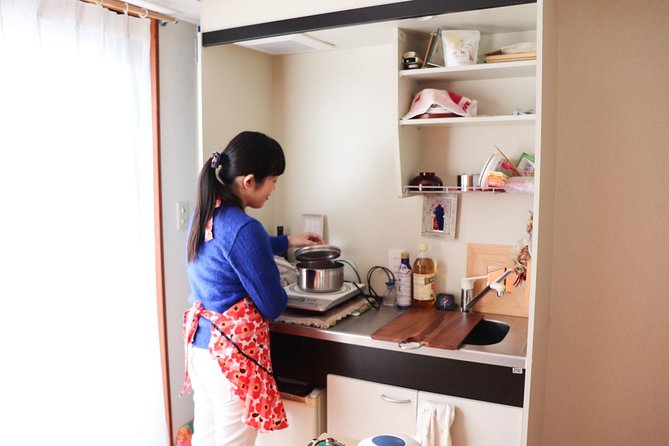
A meal in Emika’s Kyoto home gives you something a restaurant cannot: a seat at a local family table. You’ll share sushi, miso soup, rice, seasonal obanzai dishes, sweets, and conversation, with matcha prepared in the traditional style by Emika or her father.
I like the focus on seasonal, locally sourced food, including produce from Emika’s own garden. I also like the private format. Your group gets time to ask about Kyoto life, cooking, tea, and daily customs without being folded into a large tour.
The main consideration is the short length. At about 90 minutes, this is a compact meal and cultural visit, not a long cooking class. The home setting also means the experience depends on your comfort with a personal, conversational format.
Key points to know before booking
- Emika’s Kyoto home: Meet a local host at 31-30 Katsurainariyamacho in Kyoto’s Nishikyo Ward for a private meal.
- Seasonal obanzai cooking: Expect traditional Kyoto dishes built around vegetables, seafood, rice, soup, and whatever is in season.
- Matcha and family tradition: Tea may be prepared by Emika or served by her father, who is described as a master of the tea ceremony.
- Lunch or dinner choice: The flexible timing makes this easier to fit around sightseeing.
- About 90 minutes: The visit is focused and manageable, but it leaves little room for a long cooking lesson.
- Private and personal: Only your group participates, with local alcohol included and hotel transport not included.
Sitting down to a Kyoto home meal
The heart of this experience is simple: you go to Emika’s home, sit around the dining table, and eat together. That setting changes the tone from a meal purchased at a restaurant to a chance to talk with someone who lives in Kyoto.
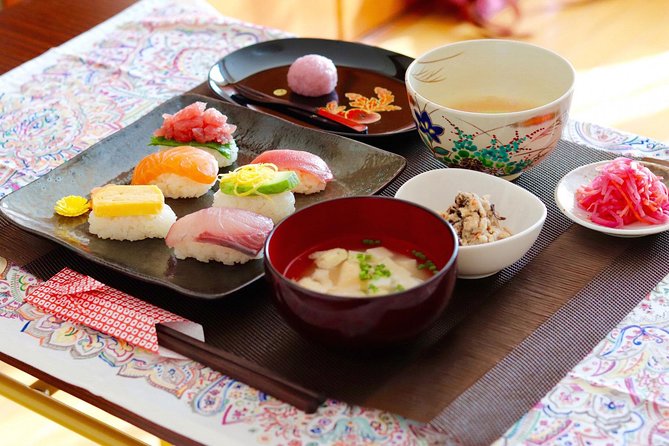
Your meal may include sushi, miso soup, rice, traditional obanzai dishes, and a sweet chosen to go with matcha. The menu changes with the season, so you should not expect a fixed restaurant-style list. That is part of the appeal. Obanzai cooking is closely tied to everyday Kyoto food, especially seasonal vegetables and seafood.
You may also see some of the preparation take place in front of you. Emika has shown visitors the traditional way to make sushi and miso soup, and the food is prepared with fresh ingredients. Several dishes may arrive as part of the meal, rather than one large main course. This gives you a better sense of how a Japanese home meal can be built from several modest dishes.
I would come ready to ask questions. You can talk with Emika about the ingredients, drinks, Kyoto, and her way of life. She is described as polite, quiet, witty, and warm, so the conversation may feel gentle rather than highly animated. That suits visitors who prefer a calm meal with room to notice the food.
More Sushi Experiences in Kyoto
- Sushi Making in Kyoto! Same-day bookings welcome!
★ 5.0 · 713 reviews - The Original Small-Group Sushi Making Class in Kyoto
★ 5.0 · 436 reviews - Kyoto: Small-Group Authentic Sushi Making Workshop
★ 5.0 · 137 reviews
Obanzai cooking and the value of seasonal food
Obanzai is one of the most useful ideas to understand here. It refers to traditional Kyoto home cooking that makes good use of seasonal ingredients, often including vegetables and seafood. Rather than centering everything on a single showpiece dish, the meal may offer a range of small preparations.
This matters because it gives you a taste of food connected to the city and its surroundings. You are not simply ordering a famous Japanese dish from a menu. You are eating the kind of seasonal cooking that can reflect what is available locally and what a household chooses to prepare.
The produce may come from local sources, and Emika has prepared meals using vegetables from her own garden. That detail gives the meal a personal touch without turning it into a farm visit or a formal food tour. You can ask how ingredients are grown, chosen, or used, but the main activity remains eating and talking.
The menu can change according to the season. If you have your heart set on a particular sushi selection or side dish, keep expectations flexible. The strength of this meal is the home cooking and personal setting, not a guaranteed menu.
Sushi, soup, and sweets at the table
Sushi is part of the experience, but it is not presented as a specialized sushi-making workshop. You may learn how Emika prepares sushi in the traditional way, along with miso soup. The emphasis is on seeing and tasting familiar Japanese foods in a home context.
Miso soup, rice, and side dishes help round out the meal. The food is described as fresh and traditionally prepared, with several courses possible. You might find that the smaller dishes are as interesting as the sushi because they show how vegetables and seafood are handled in everyday Kyoto cooking.
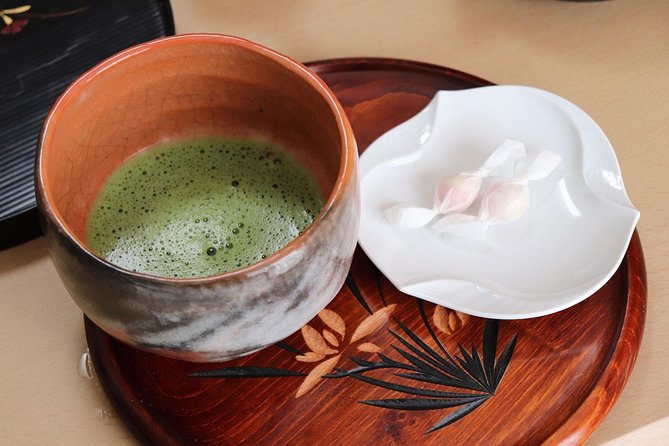
A sweet is served with matcha. That pairing gives the meal a clear final stage, moving from the shared food to a more formal tea moment. If you enjoy noticing the rhythm of a meal, this progression is one of the nicest parts of the visit.
Local alcohol is included. The information does not specify which drink will be served, so you should treat it as an included local beverage rather than plan around a particular sake or beer. If you do not drink alcohol, you can focus on the tea and food instead.
The matcha moment with Emika or her father
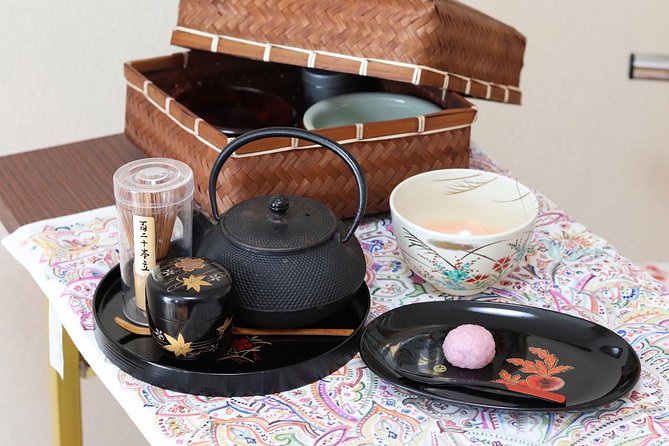
The tea service may begin or end the visit. Emika or her father prepares a freshly made cup of traditional matcha, and her father has been described as a master of the tea ceremony. That family connection adds a special layer to the visit.
This is not advertised as a long formal tea-school lesson. Still, you can expect more than a casual cup of green tea. The preparation gives you a glimpse of the care and etiquette connected with matcha, while the sweet served alongside it helps explain how the flavors work together.
Some visitors have been invited to take part in a small tea ceremony. The word small matters here. You should expect a personal introduction to the custom rather than a lengthy performance or a full-day study session.
I especially like this part for visitors who have already seen Kyoto temples and gardens but want contact with a living household tradition. The tea is not detached from the meal. It comes from the family, the home, and the conversation.
Same trip, a completely different kind of day:
- PERFECT KYOTO 1-Day Bus Tour
★ 5.0 · 13,518 reviews - Kyoto: Fushimi Inari, Kinkakuji, Bamboo Grove 1 Day Bus Tour
★ 4.8 · 4,316 reviews - Kyoto: Tea Ceremony in a Traditional Tea House in Kiyomizu
★ 4.9 · 3,519 reviews - Kyoto Geisha Walking Tour: Gion District & Hidden Gems
★ 4.7 · 3,273 reviews
A private format with a quiet pace
Only your group participates, so this is a private experience rather than a shared dining event. That gives you control over the conversation and makes it easier to raise specific questions about Japanese food or Kyoto life.
The private setup may suit couples, families, or small groups who want a calm cultural activity. It can also work well for people who find large group food tours tiring. You are not rushing between several restaurants or trying to hear a guide over a crowd.
The tradeoff is that a private home meal asks you to participate socially. If you want a fast meal with minimal conversation, this may feel slower than you prefer. The point is not only to eat. It is to share time with Emika and learn through the setting.
The host’s personality may also shape the visit. Emika is described as quiet, sweet, witty, polite, and courteous. That suggests a warm but low-key interaction. You should not expect a loud entertainer or a highly scripted presentation.
Timing, location, and getting there
The experience lasts about 1 hour and 30 minutes. You can choose lunch or dinner, which is useful when arranging a Kyoto day around temples, shopping, or evening plans. The shorter format also makes it easier to fit into a packed itinerary.
The meeting point is 31-30 Katsurainariyamacho, Nishikyo Ward, Kyoto, 615-8025, Japan. The activity begins and ends at the same location. Hotel pickup and drop-off are not included, so you need to make your own way to the home.
The location is near public transportation, but the supplied details do not identify a specific station, route, or travel time. Check the exact route before leaving your hotel and allow enough time to arrive at a private residence. A mobile ticket is provided, and confirmation is received at booking.
Because this is a home visit, arrive at the stated meeting point rather than expecting a restaurant sign or a hotel lobby desk. The simple end point makes the next part of your day easy to plan, but you may need a little extra time to orient yourself in the residential area.
Is $79 a fair price?
At $79 per person, this costs more than a basic Japanese lunch. You are paying for several things at once: a private meal, a local host, seasonal home cooking, conversation, matcha preparation, and local alcohol.
The value depends on what you want from a food experience. If you are comparing this with a restaurant meal, the price will seem high. A restaurant gives you more menu choice and often a longer, more flexible dining window. It does not normally give you access to a Kyoto home, a family tea tradition, or direct conversation with the cook.
The price makes more sense for you if personal contact matters. Emika’s own garden produce, explanations of sushi and miso soup, and the possible tea service by her father add details that cannot be ordered separately from a standard menu.
The 90-minute duration keeps the total commitment reasonable, but it also limits the amount of instruction. I would book this for a focused cultural meal, not for a full cooking course. If hands-on cooking is your top goal, confirm what participation is possible before booking.
Dietary needs and practical expectations
You should provide specific dietary requirements in the Special Requirements box when booking. That is important because the menu changes by season and may include seafood, miso, rice, sweets, local alcohol, and other home-prepared dishes.
The available information does not promise a particular allergy menu or list every possible substitution. Give clear details early rather than waiting until you arrive. You can also ask about alcohol if that matters to you, since local alcohol is included.
Service animals are allowed, and the activity is near public transportation. No other accessibility details are provided, so contact the provider if you need information beyond those points.
Free cancellation is available if you cancel at least 24 hours before the local start time. Changes or cancellations made less than 24 hours before the experience are not accepted for a refund.
Who will enjoy this Kyoto meal most?
I would choose this for you if you want to see how food connects with a local household. It suits people who value conversation, seasonal ingredients, and small cultural details more than a polished restaurant setting.
It is also a good fit for:
- Couples who want a personal meal away from busy dining streets
- Families interested in Japanese food and tea customs
- First-time visitors who want a gentle introduction to obanzai cooking
- Repeat visitors who have already covered Kyoto’s major sights
- Food lovers who enjoy fresh, home-prepared dishes and changing menus
- Visitors who prefer a private activity to a large group tour
You may want to skip it if you need a guaranteed menu, a long hands-on cooking lesson, or a highly structured presentation. The experience is personal and home-based, so flexibility is part of the deal.
Should you book Sushi or Traditional Japanese Cuisine in a Kyoto Home?
Book it if you want more than a meal. The best parts are the private Kyoto home, seasonal obanzai dishes, food from Emika’s garden, and the chance to see matcha prepared by Emika or her father. The small tea ceremony and direct talk about Kyoto add real value.
I would be especially keen to book this for a first visit to Kyoto when you want one meal that feels connected to local daily life. Just remember the practical limits: it lasts about 90 minutes, transport is your responsibility, the menu varies, and it is not a full cooking class.
At $79, this is a fair choice for a personal cultural experience. It is less compelling if you are only looking for the cheapest sushi lunch. For a quiet table, home cooking, and a family link to Japanese tea, it offers something a restaurant cannot.
FAQ
Where does the experience take place?
It takes place in Emika’s home at 31-30 Katsurainariyamacho, Nishikyo Ward, Kyoto, 615-8025, Japan.
How long does the meal last?
The experience lasts approximately 1 hour and 30 minutes.
Can I choose lunch or dinner?
Yes. You can choose a lunch or dinner time when booking.
What food is included?
The meal may include sushi, miso soup, rice, traditional obanzai dishes, and a sweet served with matcha. The menu varies by season.
Is matcha included?
Yes. The experience includes freshly prepared traditional matcha tea, made by Emika or her father.
Is alcohol included?
Local alcohol is included.
Is hotel pickup provided?
No. Hotel pickup and drop-off are not included. You must make your own way to the meeting point.
Is this a private experience?
Yes. Only your group participates in the activity.
Can I share dietary requirements?
Yes. You should provide any specific dietary requirements in the Special Requirements box when booking.
Just added around Kyoto
- Sekka Cotton Furoshiki Class★ 5.0 · 19 reviews
- Kyoto Sword Experience – includes Museum Ticket/Ninja Experience★ 4.5 · 149 reviews
- Scenic Green Tea Fields of Hidden Kyoto & Local Tea Exp (Private)★ 5.0 · 32 reviews
- Secret Eastern Kyoto Biking Adventure★ 5.0 · 44 reviews
- Private Sake Tasting in Central Kyoto with Sake Sommelier★ 5.0 · 32 reviews
- Samurai School in Kyoto: Samurai for a Day★ 5.0 · 202 reviews
- Samurai Performance and Casual Experience: Kyoto Ticket★ 4.5 · 115 reviews
- SHIRAKAWA Japanese Culture Experiences with private English staff★ 5.0 · 16 reviews
Sushi Experiences, compared.
Sushi Making Tokyo Roll and Authentic Japanese Sushi Class
Our verdict →
Sake Omakase in Tokyo: Guided Tasting by Certified Sommeliers
Our verdict →
Browse the lists this tour appears in