
Reviewed · SUSHI EXPERIENCES
Sushi Making in Kyoto! Same-day bookings welcome!
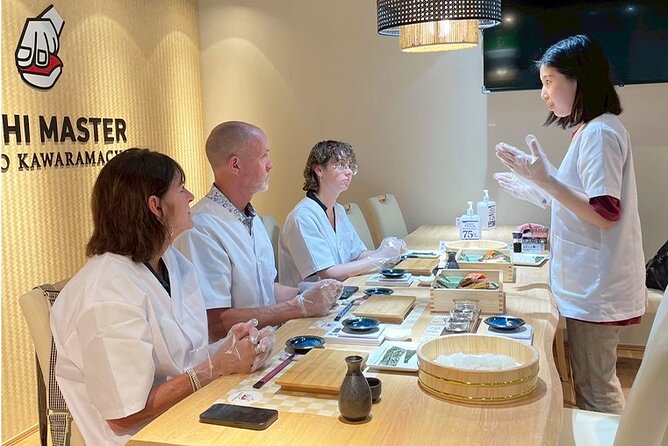
Kyoto’s Sushi Master class turns lunch into a hands-on lesson. You learn a little about Japanese food culture, shape your own sushi, and then eat the results. The friendly English-speaking instructors, including Kioko and Rio on some sessions, are especially good with first-timers and children. I like the mix of simple cultural context and practical work, plus the fact that your food is both the lesson and the meal.
I also like the location near Kawaramachi, so you can fit this 90-minute class into a day of shopping and sightseeing. The price of $53.72 is fair for the instruction, ingredients, meal, and small gifts, though drinks cost extra. The main drawback is finding the room, and the lesson is more of a cheerful introduction than serious chef training.
Key points to know before you book
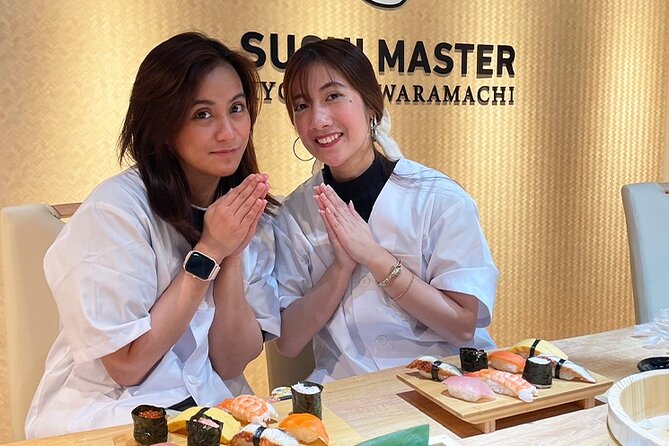
- You make and eat your own sushi: The course centers on nigiri and rolls, with the advertised plan including 10 pieces.
- English instruction is built in: Staff explain the steps clearly and help beginners by hand when needed.
- Children are welcome: Families with children as young as six have found the class easy to follow and fun.
- The room is easy to miss: Search for Sushi Master Kyoto Kawaramachi, then look for the upstairs space near the Skechers store.
- Sake is available but extra: You can order alcohol, soft drinks, or a sake sampler with your meal.
- The class lasts about 90 minutes: It is a useful rainy-day or hot-weather activity in central Kyoto.
Making sushi in the heart of Kawaramachi
This class takes place in Kyoto’s Kawaramachi area, a handy base for shops, restaurants, and evening walks. The meeting address is 4071 Sakuranocho, College Town Shino Koji Building, in Nakagyo Ward.
The location is central, but the entrance needs care. The room is inside a shopping center and can be reached by stairs next to the Skechers store on the second floor. I would not rely on simply arriving at the street address and expecting a large restaurant sign.
Search Google Maps for Sushi Master Kyoto Kawaramachi, rather than using only the postal address. Give yourself extra time, especially if you have a child with you or are arriving for a fixed start. One visitor spent close to an hour looking for the room, while another found it easily after following the upstairs landmark.
That small bit of planning matters. Arriving calm gives you time to settle in and listen to the opening explanation instead of starting the class in a rush.
More Sushi Experiences in Kyoto
- The Original Small-Group Sushi Making Class in Kyoto
★ 5.0 · 436 reviews - Kyoto: Small-Group Authentic Sushi Making Workshop
★ 5.0 · 137 reviews - Sushi – Authentic Japanese Cooking Class – the best souvenir from Kyoto!
★ 5.0 · 93 reviews
The 90-minute class, step by step
The experience lasts about an hour and a half. It begins with a short introduction to sushi and Japanese food culture, followed by the practical work and a meal made from your own creations.
The opening lesson gives you useful context without turning the class into a lecture. You learn about the place of sushi in Japanese cuisine and the different forms you may be making. This is a good fit if you want more than a restaurant meal but do not want a long cooking course.
The rice lesson is an important part of the experience. Sushi rice is not simply ordinary cooked rice placed under fish. Its texture and seasoning affect how well the piece holds together and how it tastes with the topping. The class explains the basics, though you should keep your expectations in check: this is an introduction, not a full professional lesson in rice production.
Next comes the hands-on section. The advertised course focuses on nigiri and rolls, with 10 pieces listed as the standard amount. Some class descriptions and participant accounts refer to three styles and 12 pieces, so the exact combination or count may change with the session and available ingredients.
You work with guidance from the instructors rather than watching from the side. The teachers show you how to handle the rice, add toppings, shape nigiri, and roll the sushi. You then cut the rolls and arrange the pieces before sitting down to eat.
The staff’s patient approach is one of the strongest reasons to book this class. First-time sushi makers are not expected to have neat hands or perfect technique. The instructors help you through the fiddly parts, and children receive extra encouragement when they need it.
What you actually learn, and what you do not
I would describe this as a friendly sushi introduction, not culinary school. You learn the basic forms, how to work with sushi rice, and how to assemble several pieces. You also get a short explanation of sushi’s background and place in Japanese food culture.
The class does not appear to spend much time teaching you how to cut raw fish. It also may not cover sushi rice preparation in the detailed, technical way a serious cook hopes for. If your goal is to reproduce restaurant-quality sushi from scratch at home, you may want a longer course with more time for knife work, ingredient preparation, and rice seasoning.
For most people, that lighter approach is a benefit. You can focus on making food, laughing at the imperfect pieces, and learning enough technique to understand what goes into a basic sushi meal. I especially like this balance for families and couples who want an activity rather than a formal cooking examination.
The class also works well for experienced cooks who want a relaxed food stop. A professional chef may find the instruction basic, but the social side and the chance to try several forms still make it enjoyable.
Eating your own work
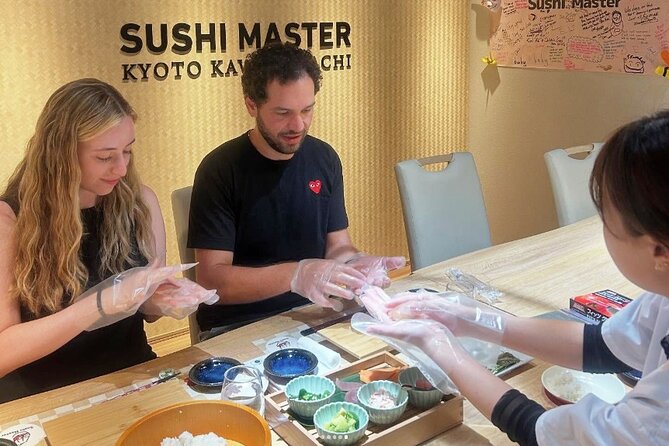
The best part comes after the shaping and rolling: you eat what you made. This turns the class into a proper lunch or light meal rather than a demonstration followed by a separate restaurant bill.
Your finished sushi includes the ingredients supplied for the course. The exact toppings may change depending on availability, so do not book expecting a precise fish list. If you have allergies or follow a vegetarian diet, note this in the special requirements section when booking and tell the staff in advance.
The meal is a useful measure of value. At $53.72 per person, you are paying for instruction, food, the room, staff time, and small gifts. You are not just buying 10 pieces of sushi, so the price makes more sense if you want an activity with your meal.
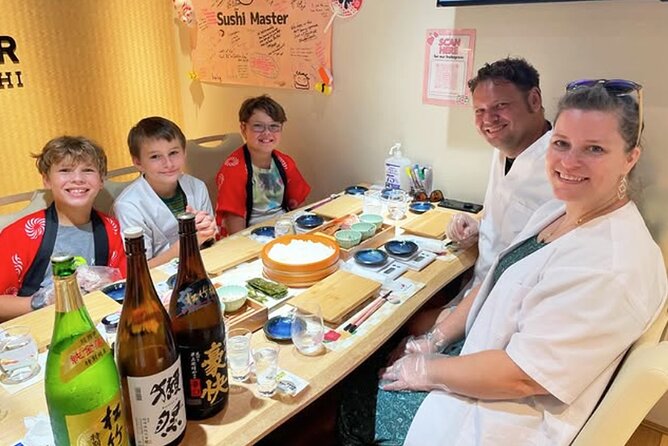
You can also order drinks during the class. Soft drinks and alcohol are not included. Sake is available, and one option mentioned by participants is a flight or sampler of several types. That can be a fun addition for adults, but keep the extra cost in mind. One account found the drinks expensive for their quality, so I would treat them as optional rather than part of the core value.
Families may prefer Japanese soda, including the marble-in-the-bottle style mentioned by parents. Again, drinks cost extra, but the option can add a playful touch for children.
Same trip, a completely different kind of day:
- PERFECT KYOTO 1-Day Bus Tour
★ 5.0 · 13,518 reviews - Kyoto: Fushimi Inari, Kinkakuji, Bamboo Grove 1 Day Bus Tour
★ 4.8 · 4,316 reviews - Kyoto: Tea Ceremony in a Traditional Tea House in Kiyomizu
★ 4.9 · 3,519 reviews - Kyoto Geisha Walking Tour: Gion District & Hidden Gems
★ 4.7 · 3,273 reviews
Why children tend to enjoy this class
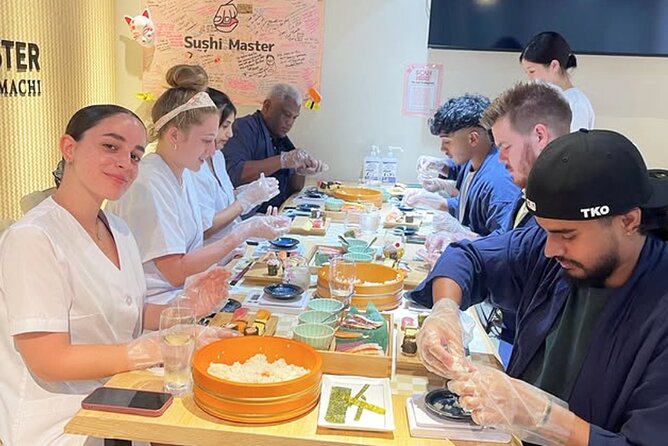
The class is well suited to families because children get to handle the food and see a result quickly. There is no long wait for a complicated dish. They roll, cut, arrange, and eat within the same session.
The instructors make a point of encouraging young participants. Children aged six, eight, nine, and eleven have all been included in positive family experiences, and the teaching style appears warm rather than strict. A child who has never tried making sushi can still take part with help.
I would still consider your child’s patience and comfort with unfamiliar food. The activity lasts 90 minutes, and the group may include up to 30 people. A small child may need help with shaping or cutting, but the adults in the family can join the work rather than watch from a separate table.
For families touring Kyoto, this also offers a break from temples and walking. It is indoors, practical, and easy to understand even when everyone is tired. The class is especially useful on a hot or rainy day.
English instruction and the atmosphere
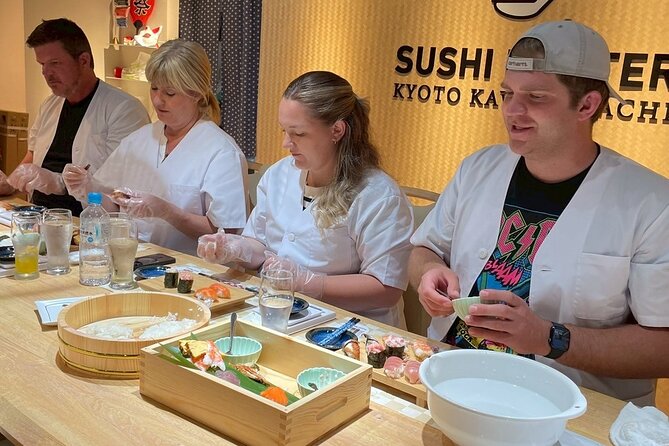
English-speaking instructors guide the class, which removes much of the stress for visitors unfamiliar with Japanese cooking terms. The teaching is described as clear, playful, and patient. Staff members help with the physical steps, answer questions, and keep the pace moving.
Some sessions feature instructors named Kioko and Rio. The staff may vary, but the class is designed for international visitors and includes people from several countries. You do not need previous sushi-making experience.
The mood is social. You may share the room with couples, families, and solo participants, and the maximum group size is 30. The listed group limit means this is not guaranteed to be an intimate private lesson. At the same time, the practical format keeps you involved rather than seated for a long presentation.
You may receive a Sushi Master Certificate and small parting gifts. These are lighthearted souvenirs rather than formal qualifications, but children and first-time cooks tend to enjoy the ceremony.
How the value compares with a normal sushi lunch
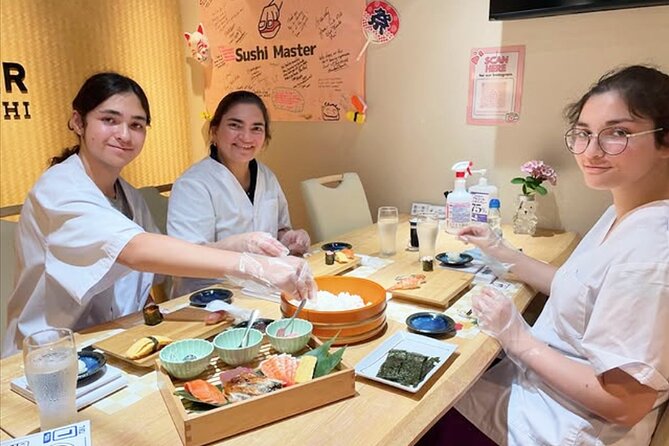
A normal sushi lunch gives you better control over the menu and may offer more refined preparation. This class gives you something different: time with instructors, an explanation of the food, and the satisfaction of assembling your own meal.
At just under $54, I see the price as reasonable if you value the activity. Ingredients are included, your finished sushi is included, and gifts are provided. The price is less attractive if you only want to eat sushi or already know how to make nigiri and rolls.
The class also saves time. It takes about 90 minutes and ends where it begins, so you can place it between shopping, a museum visit, or an afternoon walk around central Kyoto. There is no hotel pickup or drop-off, but the central Kawaramachi setting makes independent arrival simple once you locate the correct building.
Same-day booking may be available, which helps if your plans change. I would still book ahead during busy periods, especially for a family group, and check your confirmation for the start time and meeting details.
Who should book, and who should skip it
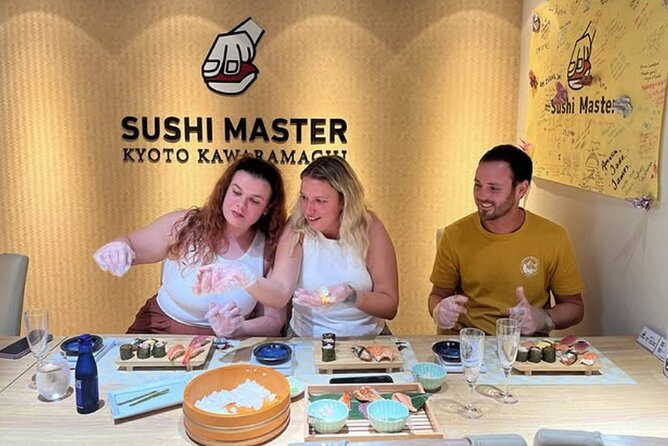
I would recommend this class if you want:
- A first taste of Japanese cooking
- A family activity with active participation
- A rainy-day or hot-weather break
- A meal that doubles as a cultural experience
- English instruction in central Kyoto
- A relaxed introduction to nigiri and rolls
You may want to skip it if you are looking for advanced knife skills, detailed fish preparation, or a serious lesson on sushi rice. The class gives you the basics and plenty of hands-on time, but it is built around enjoyment rather than technical mastery.
It is also worth thinking about your appetite and dietary needs. You eat the sushi you make, and ingredients can vary. Allergies and vegetarian preferences should be provided in advance so the staff can plan appropriately.
Practical details that affect your visit
Your booking is confirmed at the time of reservation. The activity begins and ends at the same meeting point, with no hotel transportation included.
The class accepts mobile tickets, which is useful when you are moving around Kyoto with a phone rather than printed paperwork. Keep the meeting address and Google Maps search term ready before you leave your hotel.
Free cancellation is available when you cancel at least 24 hours before the local start time. Cancellations or changes made less than 24 hours ahead are not accepted for a refund.
The experience can accommodate up to 30 people. That is a useful limit to know if you prefer small classes, since the actual session may feel more like a shared workshop than a private lesson.
Should you book the Sushi Master class?
I would book this if you want an easy, cheerful food activity in Kyoto and do not need advanced culinary training. The combination of English instruction, a meal you make yourself, friendly help for children, and a central location gives the class solid value at $53.72.
Just allow extra time to find the room, budget separately for drinks, and understand that the lesson focuses on basic assembly rather than cutting fish or mastering every part of sushi preparation. If those limits fit your plans, this is a good way to turn a standard lunch into a memorable Kyoto activity.
FAQ
How long does the sushi-making class last?
The class lasts approximately 90 minutes, including the introduction, sushi-making lesson, and time to eat your creations.
What types of sushi will I make?
The advertised course includes nigiri and rolls, with 10 pieces listed. The exact types and number may vary depending on the session and ingredient availability.
Is the class taught in English?
Yes. English-speaking instructors lead the activity and explain the sushi-making steps.
Are ingredients and the finished sushi included?
Yes. Sushi ingredients and the sushi you make and eat are included in the experience price.
Are drinks included?
No. Soft drinks and alcohol cost extra. Sake, including possible sampler options, can be ordered during the class.
Is the class suitable for children?
Yes. The experience is presented as suitable for families, and children aged six, eight, nine, and eleven have taken part in successful sessions. Adult assistance may still be useful for younger children.
Where does the class meet?
The meeting point is at 4071 Sakuranocho, College Town Shino Koji Building, Nakagyo Ward, Kyoto. Search for Sushi Master Kyoto Kawaramachi on Google Maps and look for the upstairs space near the Skechers store.
Just added around Kyoto
- Sekka Cotton Furoshiki Class★ 5.0 · 19 reviews
- Kyoto Sword Experience – includes Museum Ticket/Ninja Experience★ 4.5 · 149 reviews
- Scenic Green Tea Fields of Hidden Kyoto & Local Tea Exp (Private)★ 5.0 · 32 reviews
- Secret Eastern Kyoto Biking Adventure★ 5.0 · 44 reviews
- Private Sake Tasting in Central Kyoto with Sake Sommelier★ 5.0 · 32 reviews
- Samurai School in Kyoto: Samurai for a Day★ 5.0 · 202 reviews
- A Privately Guided Photoshoot in Beautiful Kyoto by a Pro★ 5.0 · 18 reviews
- Samurai Performance and Casual Experience: Kyoto Ticket★ 4.5 · 115 reviews
Sushi Experiences, compared.
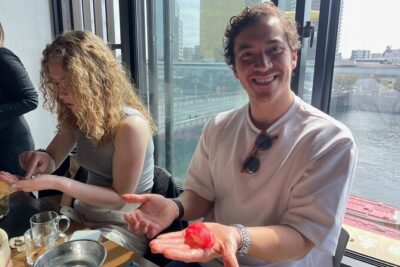
Sushi Making Tokyo Roll and Authentic Japanese Sushi Class
Our verdict →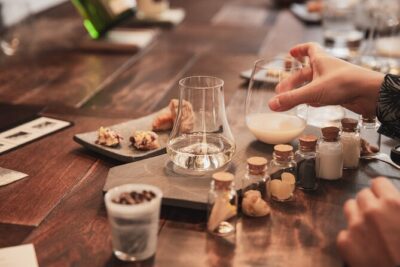
Sake Omakase in Tokyo: Guided Tasting by Certified Sommeliers
Our verdict →
Browse the lists this tour appears in