
Reviewed · FOOD TOURS
Shinjuku: Food Tour – 15 Dishes at 4 Eateries
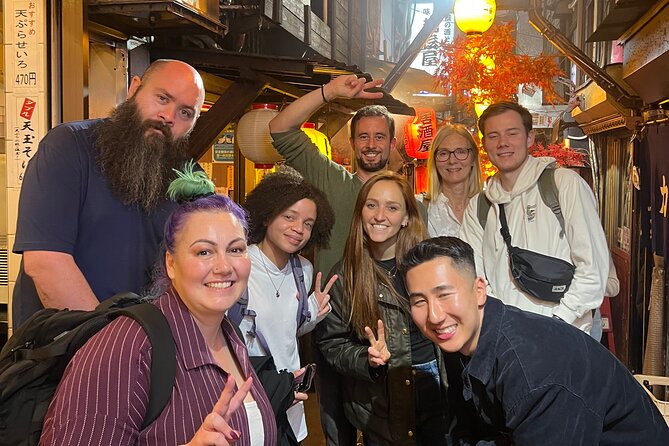
Shinjuku’s best food is often tucked behind station exits, above narrow stairways, or inside tiny izakayas. This tour gives you a practical shortcut through that maze, with 15 dishes at four eateries and a guide to handle the ordering, seating, and neighborhood details. I like the small maximum of 10 people, and I like that the meal includes drinks rather than leaving you to guess what pairs well. The main catch is the amount of walking between stops, and the food quality can vary from one eatery to the next.
I also like the range. You may try sashimi, tonkatsu, Okinawan dishes, and sake-based drinks while moving from Kabukicho to Nishishinjuku. Guides including Dai, Mak, Lisa, Naoya, Haydn, Yota, and Alma have been praised for adding useful context about customs and local life. Still, this is partly a Shinjuku walking tour, so it suits curious eaters more than anyone wanting a quiet, polished restaurant dinner.
Key points to know before booking
- Four eateries in about three hours: The tour breaks one meal into several stops, so you sample more than you would at a single restaurant.
- Up to 10 people: The small group helps with conversation, ordering, and getting seats in compact Japanese restaurants.
- Food and drinks are included: You can expect a filling spread, with past menus including sashimi, tonkatsu, Okinawan food, and alcoholic drinks.
- Kabukicho and Nishishinjuku: You see both the famous entertainment district and a less tourist-focused restaurant area.
- A walking tour as much as a food tour: The route includes Omoide Yokocho and Shinjuku streets, with some distance between dining stops.
- Guide quality matters: Dai, Mak, Lisa, Naoya, Haydn, Yota, Alma, and others have received strong praise for clear English, good pacing, and cultural insight.
Why this Shinjuku food tour works
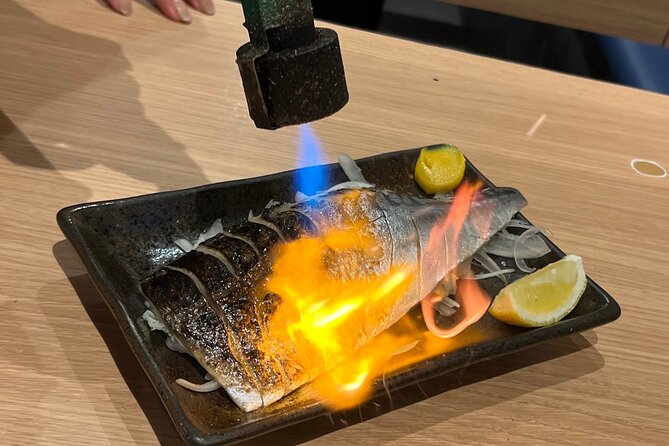
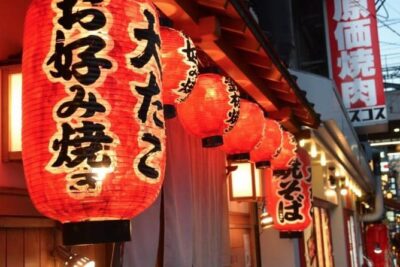
Shinjuku can feel like several cities stacked together. One block has department stores and polished towers. The next has red-lit lanes, tiny bars, noodle counters, and restaurants that are easy to miss if you cannot read the signs.
That is where this tour earns its keep. You are not simply handed a list of dishes and sent into a restaurant. A guide leads you through the district, explains what you are seeing, and turns dinner into a three-hour introduction to Shinjuku.
The group limit of 10 is important. Many of the restaurants in this area are small, and a large party would be awkward. With fewer people, it is easier to sit together, ask questions, and hear the guide while walking.
The tour also removes several common stresses. You do not need to choose four restaurants, work out what to order, or wonder how much food is enough. Food and drinks are included, and the experience ends back at the meeting point near Shinjuku Station.
The tradeoff is that this is not a carefully staged tasting menu. It is a neighborhood food crawl. One stop may be excellent, another merely decent. Several people have especially liked the sashimi and unusual Okinawan dishes, while others found some items average. Keep your expectations broad: you are sampling Shinjuku, not eating at four top-end restaurants.
More Food Tours in Tokyo
- Tokyo: Shinjuku Food Tour (13 Dishes at 4 Local Eateries)
★ 5.0 · 6,603 reviews - Tokyo Tsukiji Fish Market Food and Culture Walking Tour
★ 5.0 · 3,184 reviews - Tokyo: Shinjuku Food Tour (15 Dishes and 4 Eateries)
★ 4.9 · 2,033 reviews
Starting near Shinjuku Station
The meeting point is AOKI Shinjukunishiguchi Honten at 1-chome 8-5 Nishishinjuku. That puts you near the west side of Shinjuku Station, one of Tokyo’s largest transport hubs.
Allow extra time to find the exact meeting spot. Shinjuku Station is famously large, and a wrong exit can put you several blocks from where you need to be. A mobile ticket is provided, and confirmation arrives when you book.
The tour lasts about three hours. Since it combines walking, conversation, and multiple meals, wear comfortable shoes and arrive ready to eat gradually. You will not sit down for one long dinner. Instead, you move from place to place, with food appearing along the way.
The route ends back at the starting point. That is useful if you plan to continue sightseeing or take the train afterward, though you should still allow a little time at the end rather than scheduling a tight connection.
Kabukicho: food in Tokyo’s entertainment district
The first major stop is Kabukicho, one of Tokyo’s best-known entertainment districts. The area is packed with restaurants, bars, signs, cinemas, hotels, and nightlife. It is also home to the large Godzilla Head, which looks down over the streets and provides one of the tour’s easiest photo stops.
Kabukicho can seem intimidating at first, especially after dark. A guide gives you a clear route and explains the setting instead of leaving you to wander through unfamiliar lanes. The food stop here introduces the tour’s basic rhythm: arrive, eat, hear some context, and move on.
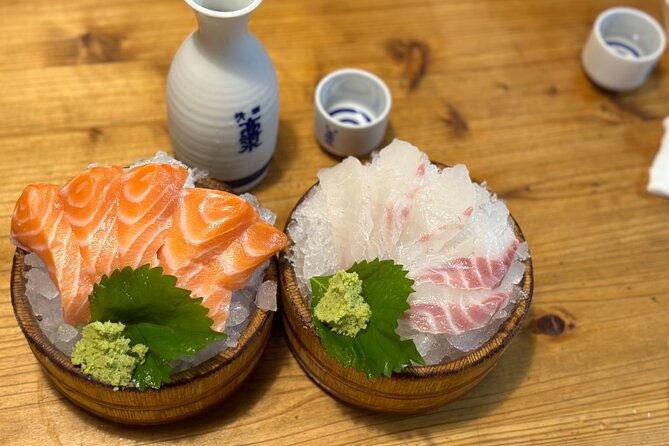
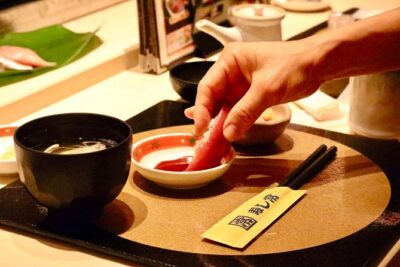
Past menus and guide-led selections have included seafood, sashimi, drinks, and dishes from outside the usual sushi-and-ramen circuit. One especially praised meal included around seven varieties of sashimi. Another stop included Okinawan food and sake sours, giving you a taste of regional Japanese cooking rather than only Tokyo staples.
The exact dishes can change, so do not book this expecting a fixed printed menu. That flexibility is part of the appeal, but it also means the experience depends on the day’s restaurant choices and your guide.
The cultural talk in Kabukicho may include the district’s entertainment business, red-light history, and organized crime. Some people find this fascinating. If you are mainly interested in food, you may find the talk a little heavy on nightlife and local underworld stories. The balance depends on the guide.
Omoide Yokocho and the old izakaya feel
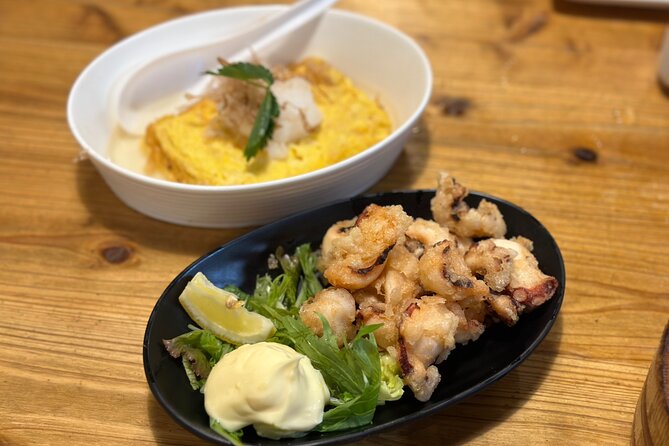
The route then passes Omoide Yokocho, often called Memory Lane. This narrow restaurant lane is known for small izakayas and eateries with roots reaching back to the postwar period.
You may not spend a full meal here, but the 15-minute walk gives you a useful contrast with Kabukicho. Omoide Yokocho feels compressed and old-fashioned, with tiny storefronts and closely packed seating. It shows how much of Tokyo’s food culture is built around modest places where people stop for a quick meal and a drink.
This is a sightseeing section as much as a dining section. Your guide can point out the character of the lane and explain how izakayas fit into Japanese social life. You get a glimpse of a place that can be difficult to understand if you only see it from the outside.
The narrow setting has a practical drawback. You will be walking in a crowded urban area, and the route may not feel leisurely. If you prefer a slow meal with plenty of personal space, this middle section may be less appealing than the restaurant stops.
Same trip, a completely different kind of day:
- 1-Day Tokyo Bus Tour
★ 5.0 · 14,250 reviews - Tokyo: TOKYO SKYTREE® Admission ticket
★ 4.5 · 11,192 reviews - Tokyo: teamLab Planets TOKYO Digital Art Museum Entry Ticket
★ 4.6 · 9,779 reviews - Tokyo: Sumo Show Experience with Chicken Hot Pot and a Photo
★ 4.8 · 6,678 reviews
Nishishinjuku: a quieter restaurant side of the district
The tour continues into Nishishinjuku, an area many first-time visitors overlook. This side of Shinjuku is better known for office towers and local dining spots than for the neon image associated with Kabukicho.
Here, the guide takes you to another local restaurant. This is one of the more valuable parts of the route because it moves beyond the famous sights. You see how Shinjuku works as a place where people live and work, not just a nightlife district.
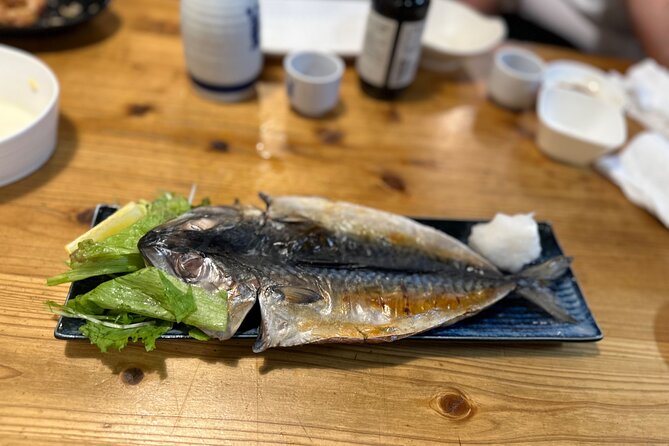
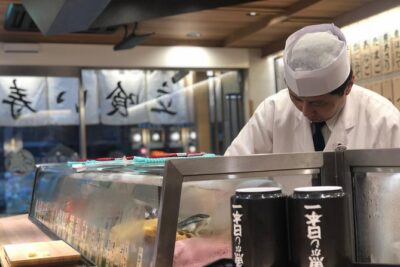
This stop can also show the range of Japanese food more clearly. Depending on the menu, you might encounter tonkatsu, seafood, regional dishes, or small plates meant to be shared. Tonkatsu has been singled out as a particularly strong dish on some tours, while Okinawan food has provided a less expected change of pace.
I would pay attention to how the meal is served. You may learn why certain dishes are shared, how drinks fit into an izakaya meal, and which customs are useful to know during the rest of your time in Japan. The guide’s explanation can turn an unfamiliar plate into something you can order confidently later.
The distance between Kabukicho, Omoide Yokocho, and Nishishinjuku is the tour’s clearest weakness. One person found the guide walked too quickly and spoke mostly to people nearest him. Another found the amount of walking excessive, even though the food and guides were good. Stay near the guide, wear good shoes, and speak up if you cannot hear.
The food: 15 dishes, but not a fixed menu
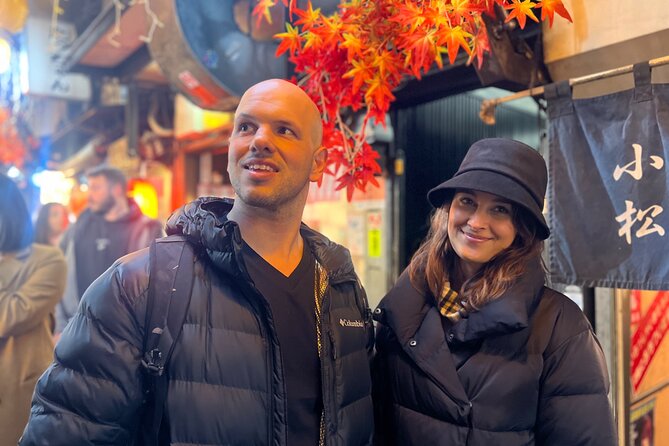
The promise of 15 dishes sounds generous, and the food is generally plentiful enough to count as a full evening meal. You are not paying for one sample at each stop. Several plates are shared, giving you the chance to try many flavors without ordering a full portion of each.
The strongest selections described from these tours include:
- Fresh sashimi, sometimes served in several varieties
- Tonkatsu
- Okinawan specialties
- Seafood
- Sake-based drinks and other beverages
- Small dishes served in izakaya style
That range is a major reason to book. If you are visiting Japan for the first time, you may not know which regional dishes to seek out or how to order several items for a group. The tour lets you test foods in a guided setting.
The food is not praised equally at every stop. Some diners found nearly every selection delicious and filling. Others thought only the first eatery was worthwhile, or found most dishes average apart from the tonkatsu. That difference is worth taking seriously. This is a good choice for variety and discovery, not for diners who judge a tour only by the standard of each individual restaurant.
Drinks are included, and some people especially enjoyed the sake sours. If you do not drink alcohol, the food remains the main focus, but the available nonalcoholic options are not specified. If that matters to you, ask the operator before booking.
The guides shape the whole evening
The guide is the most important variable on this tour. The best ones do more than escort you between restaurants. They explain ingredients, local manners, neighborhood changes, and the difference between places aimed at office workers, residents, and nightlife crowds.
Dai has been praised for combining good food with history and neighborhood details. Mak has been described as enthusiastic and well informed about the dishes and streets. Lisa has led groups to places that are easy to miss, while Naoya has been praised for choosing stops that show the range of Tokyo food.
Other highly regarded guides include Haydn, Yota, Alma, Fu, Naruto, Izzy, Kaira, and Akia. Naruto, in particular, has been praised for clear English, wide cultural experience, and detailed discussion of Shinjuku. Yota is known for explaining both food and drinks, and Alma for a friendly, entertaining style.
Guide assignments can change, so you cannot guarantee a particular person unless the operator confirms it. What you can expect is a professional guide, but the pace, humor, and amount of historical discussion will vary.
If you want to get the most from the evening, ask questions. Point to a dish you do not recognize. Ask how you might order it on your own. The tour is at its best when you treat it as an introduction to Japanese dining, not simply as a conveyor belt of plates.
Is $77.60 a fair price?
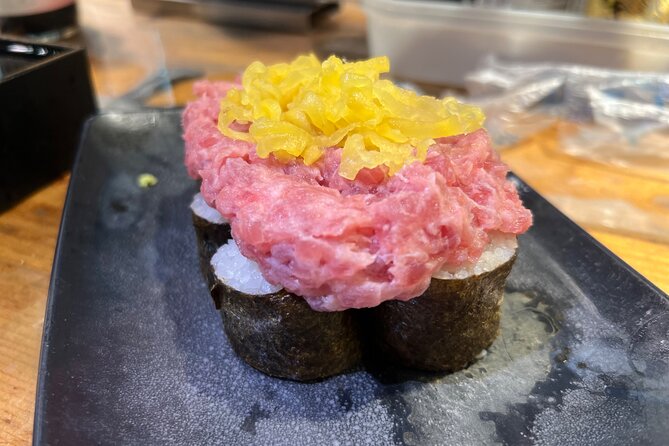
At $77.60 per person, the price is reasonable if you would otherwise pay for several drinks, multiple shared dishes, and a guide over three hours. Fifteen dishes across four eateries can add up quickly in Tokyo, especially when you include the convenience of reserved stops and someone who handles the route.
The value is not only the quantity. You also pay for access to places you might skip, help with unfamiliar food, and a chance to understand Shinjuku while eating. That matters most during a short Tokyo visit or early in your trip, when a guided food walk can help you plan later meals.
The value drops if you dislike group dining, walk slowly, or want every restaurant to feel special. You may prefer to spend the same money on one excellent meal if you already know Tokyo’s food scene and feel comfortable ordering alone.
The rating is listed as 4.9 from 493 ratings, with 98 percent recommending it. Those figures suggest a strong overall experience, but the lower scores point to the main risks: uneven food, a rushed guide, and long walks between stops. The price is fair, provided you value variety and local orientation more than fine dining.
Who should book this experience?
I would recommend it to first-time Tokyo visitors who want to understand how Shinjuku eats. It is also a good fit for solo visitors, couples, and small groups who enjoy sharing plates and meeting people from different countries.
It works especially well during the first few days of a Japan trip. You can learn basic food customs, discover dishes you may want to seek out again, and get a useful sense of Shinjuku’s layout.
It may not suit you if you want a slow, elegant dinner, have limited mobility, or dislike walking between meals. Most people can participate, but the tour does involve city walking and a quick pace at times. Anyone with strict dietary needs should confirm what can be provided before booking, since the available food details do not list specific allergy or dietary arrangements.
Cancellation is free up to 24 hours before the local start time. Changes or cancellations inside that window are not accepted for a refund.
The final call
Book this Shinjuku food tour if you want a broad taste of Tokyo with a local guide, especially if you are unsure how to approach izakayas, sashimi, regional food, or Kabukicho. The combination of four eateries, included drinks, and neighborhood stories gives you more than a simple meal.
Skip it if your priority is perfect food at every stop or a short, stationary dinner. For everyone else, the $77.60 fee buys a useful first look at Shinjuku, with enough dishes to make the evening feel like a real meal and enough local context to help you eat better for the rest of your trip.
FAQ
How long does the Shinjuku food tour last?
The tour lasts approximately three hours.
How many eateries does the tour visit?
The route includes four eateries, with about 15 dishes served across the stops.
What food and drinks are included?
Food and drinks are included. Past selections have included sashimi, tonkatsu, Okinawan food, seafood, and sake-based drinks, but the exact dishes may vary.
Where does the tour start and finish?
It starts at AOKI Shinjukunishiguchi Honten, 1-chome 8-5 Nishishinjuku, Shinjuku City, Tokyo. The activity ends back at the meeting point.
How large is the group?
The tour has a maximum of 10 people.
Can I cancel for a full refund?
Yes. You can cancel at least 24 hours before the experience’s local start time for a full refund. Cancellations or changes made less than 24 hours before the start are not accepted.
More Food & Drink in Tokyo
- Best of Shinjuku: Izakaya Food Tour (4 Stops, 14+ Tastings)
★ 5.0 · 1,863 reviews - Tokyo: Tsukiji Fish Market Food and Walking tour
★ 5.0 · 1,724 reviews - Eat and Drink Like a Local: Tokyo Ueno Food Tour-Taverns&Ramen
★ 5.0 · 957 reviews - Tokyo: Shibuya Food Tour (13 dishes and 4 Eateries)
★ 5.0 · 770 reviews
Just added around Tokyo
- Kawagoe Japanese Food Tour : Unagi Kaiseki and Sake near Tokyo★ 5.0 · 30 reviews
- Kawagoe 4hr Private Tour with Licensed Guide (Kawagoe Dep)★ 5.0 · 13 reviews
- Little EDO Sushi Making workshop in Kawagoe★ 5.0 · 18 reviews
- 【R34】Tokyo:Private Daikoku tour in Modified R34★ 4.9 · 92 reviews
- :Tokyo,Shibuya/ Pro Photography in Kimono / English-Friendly★ 5.0 · 26 reviews
- Tokyo:Celebrate Unique Japanese New Year Tradition Festivity★ 3.9 · 20 reviews
- Tokyo: Allstar Food Tour★ 4.7 · 29 reviews
- Tokyo: West-Side Cycling and Food Tour with Guide★ 5.0 · 37 reviews
Food Tours, compared.
Shinjuku Food Tour (13 Dishes at 4 Local Eateries)
Our verdict →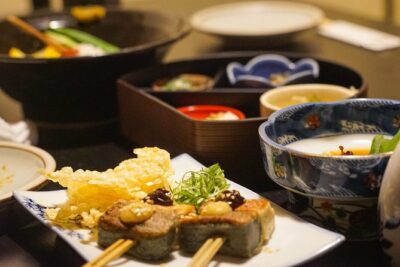
Kyoto Night Foodie Tour in Gion (9+ dishes + 6 Sake tastings)
Our verdict →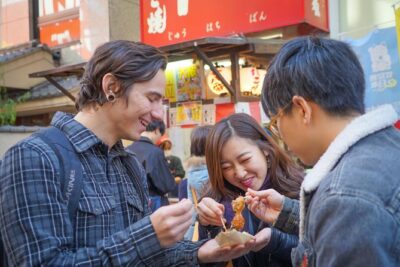
Osaka Local Foodie Walking Tour in Dotonbori and Shinsekai
Our verdict →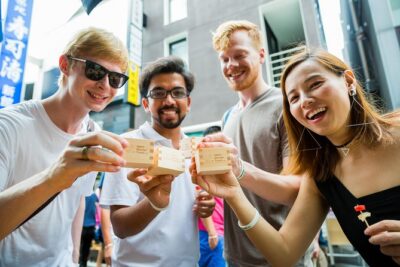
Food Tour in Ueno with 10+ Tastings of Japanese Classics
Our verdict →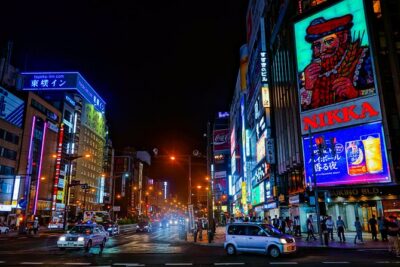
Browse the lists this tour appears in