
Reviewed · TRADITIONAL CRAFTS
Private Tour Through the Tokyo National Museum & Ukiyo-e
Ueno Hill tells a compact story of Japan: temple grounds shaped by the Tokugawa Shogunate, a public park transformed during the Meiji period, and a museum filled with samurai armor and colorful ukiyo-e woodblock prints. This private walk links those pieces instead of treating the museum as a box of unrelated objects.
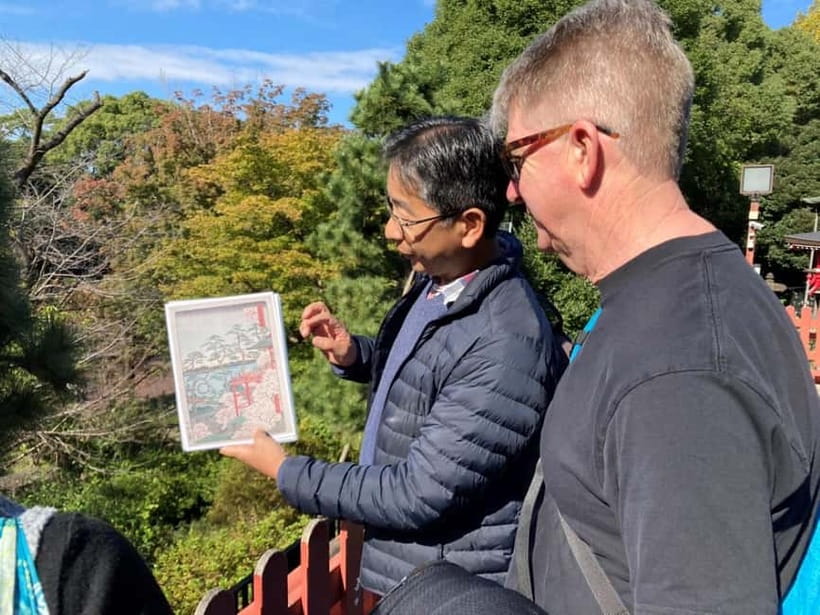
I like the quiet wooden stage at Kiyomizu Kannondo, where you look across Ueno Park from a temple with strong Kyoto connections. I also like the private format, since guides such as Shigeru, Mieko, and Masahito have answered questions, adjusted the pace, and made time for particular museum sections.
The main consideration is time. Two and a half hours gives you a useful introduction, but not a full museum visit. One stop may receive less attention than you hoped, especially if you want detailed guidance through several galleries or if your group walks slowly.
Key points before you book
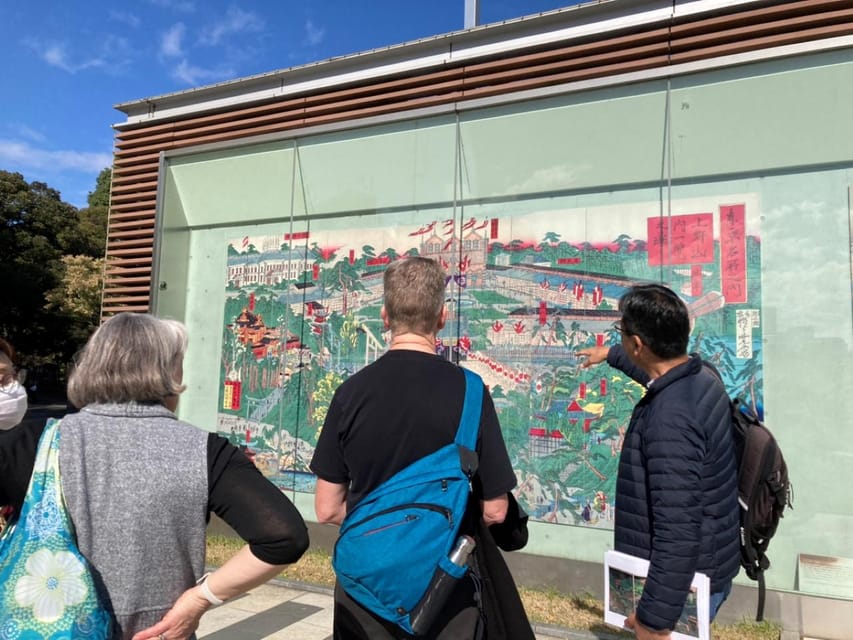
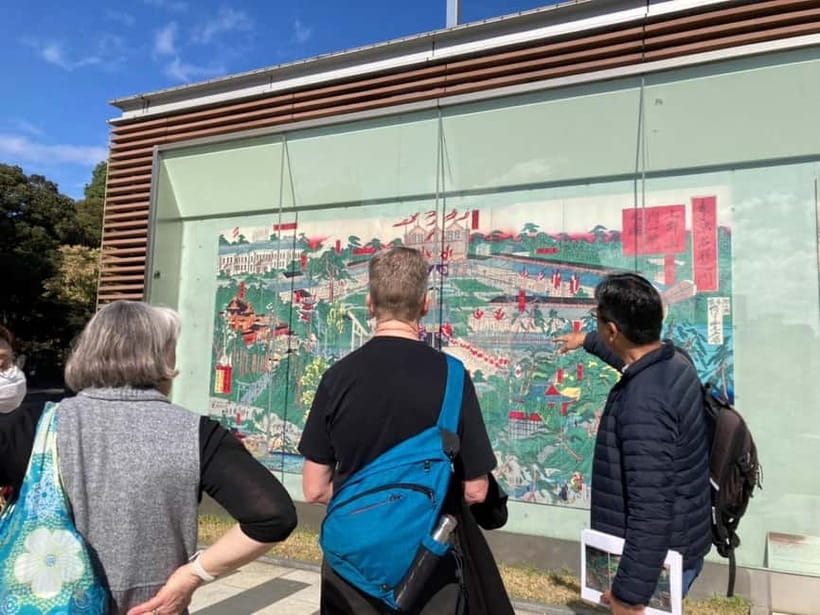
- Ueno’s past comes together in one walk: Learn how Kaneiji Temple grounds changed through the Edo period, the Meiji Restoration, and the Battle of Ueno.
- Kiyomizu Kannondo offers the best pause: Its wooden stage provides a memorable view over Ueno Park and a welcome break from museum interiors.
- Ukiyo-e and samurai armor anchor the museum visit: You can connect famous visual art with the warrior culture that shaped Japan.
- The private guide makes the difference: Ask for extra attention to a particular gallery, as Masahito did for a group interested in two specific museum areas.
- The tour stays in English: Guides including Mieko, Shigeru, Hattori Yutaka, and Masahito have led groups through the park and museum.
- Plan for walking and stairs: Comfortable shoes, water, sunscreen, and a hat matter, and the activity is not suitable for wheelchair users or people with mobility impairments.
Why Ueno is a smart place to study Tokyo’s past
Ueno can look like a simple park on a Tokyo map. It is much more than that. The hill once formed part of the broad grounds of Kaneiji Temple, a major religious site during the Edo period. Its position and institutions gave it an important place in the city’s story.
The tour uses that setting well. You do not begin with a museum label and then try to imagine the world behind it. You first walk through the former temple area, see surviving religious sites, and hear how Ueno changed during the Meiji Restoration and the Battle of Ueno.
That context helps the museum visit make sense. Samurai armor is no longer just a display of metal and decoration. Ukiyo-e prints become part of a wider picture of Japanese society, art, and daily life. You may not remember every date, but you should leave with a clearer sense of how the objects connect.
The private format is useful here. Your guide can spend more time on the parts that interest you and less time on displays that do not. The exact balance depends on your guide and your questions, but the structure gives you more control than a large group walk.
More Craft Workshops in Tokyo
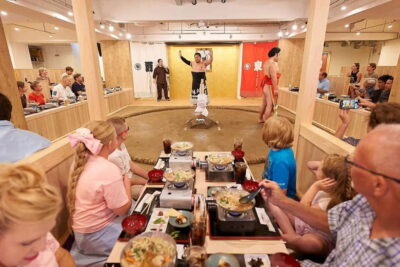
- Tokyo Sumo Experience: Chanko & Mochi with a Former Pro
★ 4.8 · 567 reviews - Kintsugi Experience: Art of Golden Joinery in Tokyo
★ 5.0 · 467 reviews - Tokyo Chopstick Making Workshop with Artisan
★ 5.0 · 466 reviews
Starting at Family Mart, not inside Ueno Park
The meeting point is in front of the Family Mart Ueno Park Branch. It faces the street and is not inside Ueno Park, so take that detail seriously when you plan your arrival.
This is a practical meeting spot, but it is also easy to get wrong if you head directly into the park. Give yourself enough time to identify the storefront and wait on the street-facing side. The tour ends at the Tokyo National Museum, not back at the convenience store.
Your first task is simply to get comfortable with the guide and the route. Since the tour lasts 150 minutes, a prompt start matters. You will be walking outdoors before entering the museum, so wear shoes that can handle uneven paths and extended standing.
Kiyomizu Kannondo and the view from its wooden stage
Kiyomizu Kannondo is the tour’s calmest stop. This temple is surrounded by trees and offers a quieter atmosphere than the larger city streets nearby. The wooden stage gives you a broad view of Ueno Park and creates a natural place for photographs.
The name recalls Kyoto’s Kiyomizudera, but the setting here is distinctly part of Ueno. Your guide can use the temple to explain the former Kaneiji grounds and the way religious buildings remain woven into the modern park.
I would not rush this stop. It is one of the few points where you can pause, look outward, and let the story settle. The view is not just a photo opportunity. It helps you understand Ueno as a public space built over layers of religious and political history.
The stop is listed as both a photo stop and a guided visit. That means the amount of explanation may depend on questions and on the pace of your group. If you want more time here, say so early. The tour is private, so asking for a short pause is reasonable.
Ueno Toshogu Shrine and Tokugawa connections
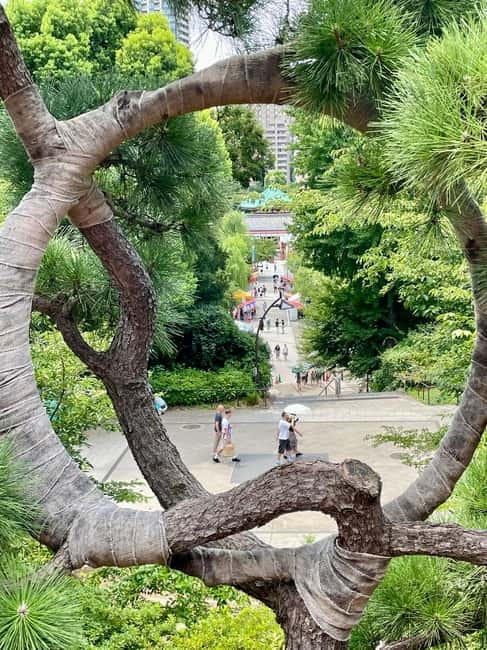
Ueno Toshogu Shrine adds a political thread to the walk. It has connections with the Tokugawa Shogunate, the military government that ruled Japan during the Edo period. The shrine gives your guide a concrete place to explain that period rather than relying only on museum labels.
This is a sightseeing and photo stop, but it also helps bridge the outdoor and indoor parts of the experience. After seeing a functioning religious site connected with the ruling family, you enter a museum where objects from Japan’s past are preserved and displayed.
The shrine stop may appeal especially to you if you enjoy architecture, political history, or the relationship between religious practice and government power. If your main interest is ukiyo-e, it is still worthwhile because it supplies the background that shaped the era in which many prints were made.
As with Kiyomizu Kannondo, you should expect walking and time on your feet. The tour is not designed for wheelchair users or people with mobility impairments, and the activity information specifically advises against booking if mobility is a concern.
More Museum Tours in Tokyo
- Tokyo: teamLab Planets TOKYO Digital Art Museum Entry Ticket
★ 4.6 · 9,779 reviews - Tokyo: Samurai Ninja Museum Guided tour and Experience
★ 4.6 · 1,010 reviews - Ninja Experience (Family Friendly) at Samurai Ninja Museum TOKYO
★ 5.0 · 441 reviews - Tokyo Studio Ghibli Museum and Ghibli Film Appreciation Tour
★ 4.5 · 421 reviews
Entering the Tokyo National Museum
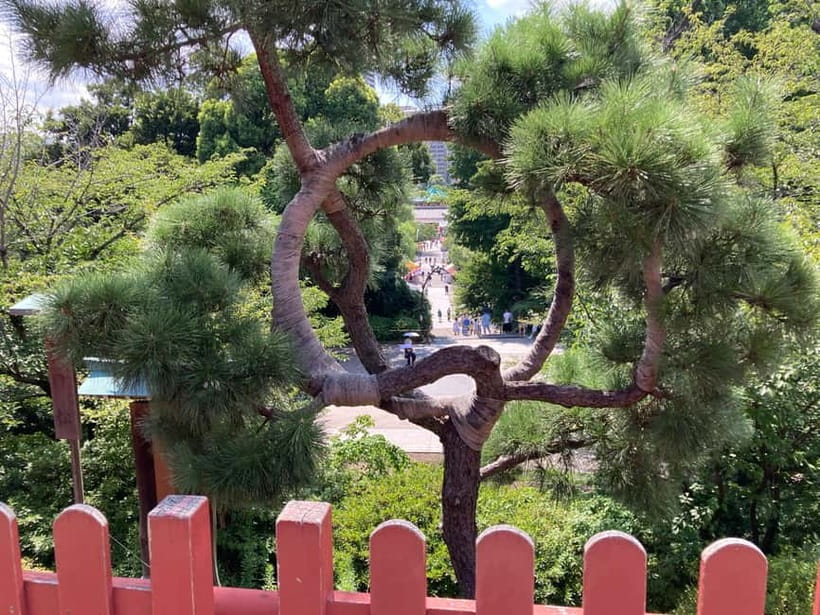
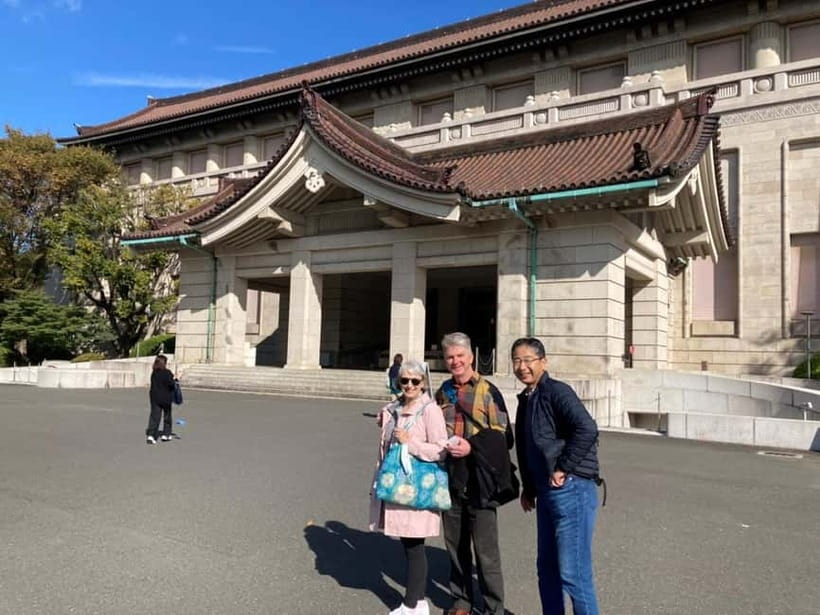
Admission to the Tokyo National Museum is included, which removes one of the practical decisions from your visit. The museum is the tour’s final stop, and you finish there rather than returning to the starting point.
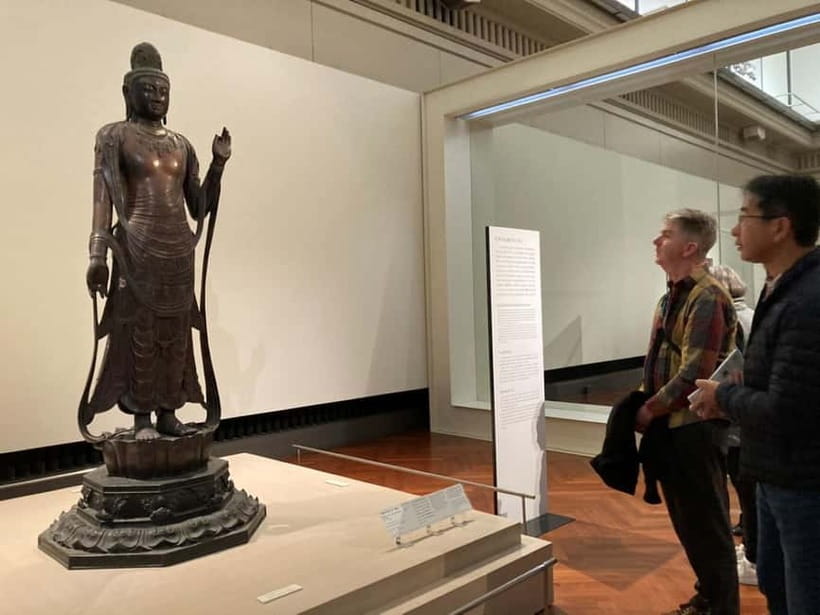
The museum contains a wide range of Japanese art and cultural objects. The experience specifically highlights samurai armor and colorful ukiyo-e woodblock prints. Those two subjects give the visit a strong shape: one reflects the warrior class and its visual presence, while the other shows the appeal of printed images in Japanese culture.
Your guide’s role matters most here. Several guides have been praised for clear explanations of Japanese history, patience with children, and answers to detailed questions. Masahito, for example, made sure a group had enough time in two areas they particularly wanted to see. That is exactly the kind of advantage you hope for in a private museum tour.
Still, keep your expectations measured. This is not a complete museum orientation or an object-by-object study session. One person specifically wanted more focused guidance through individual works and more direction inside the galleries. If that is important to you, tell your guide at the start which subjects or objects matter most.
The best approach is to arrive with two or three priorities. You might ask for samurai armor, ukiyo-e, or another specific area that interests you. A private guide can then shape the museum portion around those requests, though the total museum time remains limited by the 150-minute schedule.
How the private guide changes the experience
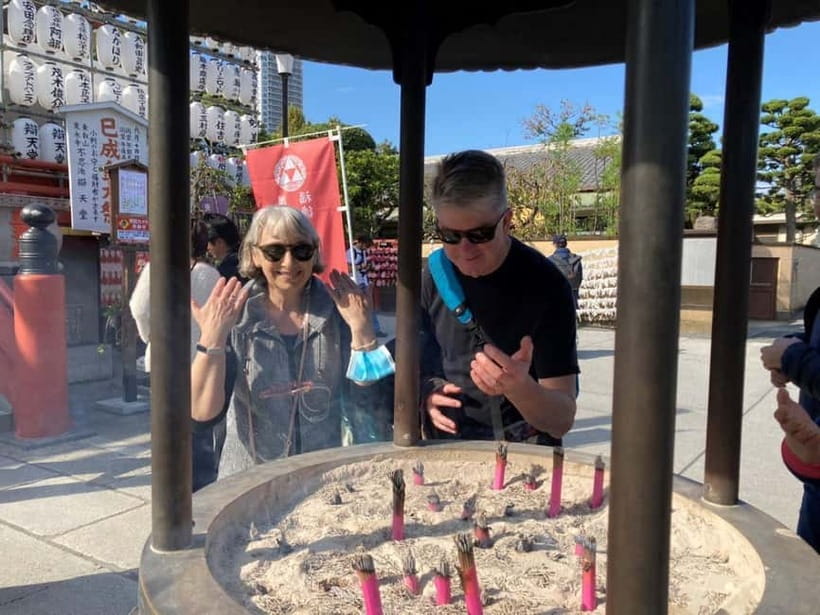
The guide is the central reason to choose this tour instead of simply visiting Ueno Park and the museum on your own. You receive an English-language explanation as you move between sites, and the private setting lets you ask questions without worrying about holding up a large group.
The guides named in the feedback bring different strengths. Shigeru has been praised for clear explanations of Japanese history and for suggesting a good place for lunch afterward. Mieko has explained the story of Ueno’s grounds from earlier periods through the present day. Hattori Yutaka has taken photographs for the group and paid close attention to comfort.
Masahito has been particularly useful for groups with a focused museum plan. Another guide was described as patient with children, which matters if your family needs a slower pace or short breaks. These details suggest a service built around personal attention rather than a fixed speech delivered at every stop.
You should still take an active role. Tell the guide if you have children, if you need a pause, or if you want to spend more time with ukiyo-e than with shrine architecture. The private format works best when you use it to shape the visit.
What the 150-minute schedule really gives you
Two and a half hours is enough for a well-paced introduction to three important sites. It is not enough to examine every section of the Tokyo National Museum or linger at every temple building.
The outdoor portion comes first, with Kiyomizu Kannondo and Ueno Toshogu Shrine before the museum. That order works well because it gives you historical and visual context before you encounter the collection. It also means you should prepare for weather, sun, and walking at the beginning of the tour.
The museum portion may feel shorter than expected if your guide spends time explaining the park and shrines. I see that as a fair trade for a tour focused on Ueno as a connected historical area. If you want a long museum study session, book extra independent time at the museum after the tour.
The tour ends at the museum, so you can continue exploring on your own if opening hours and your schedule allow. The supplied details do not promise a specific amount of additional museum time, so treat that as a planning possibility rather than a guaranteed feature.
Price and value at $74 per person
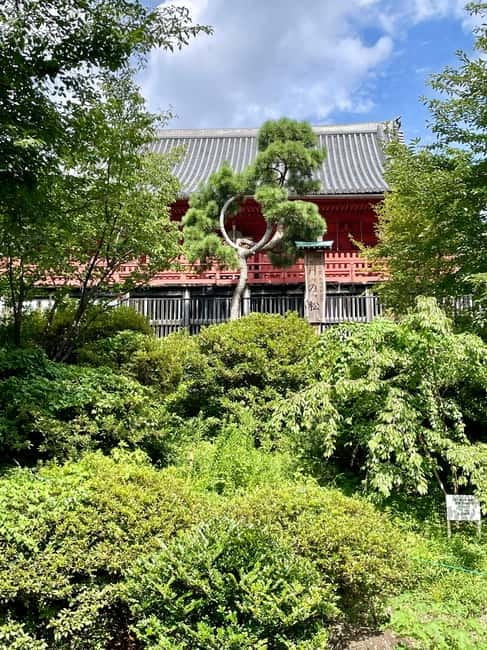
At $74 per person, this is not the cheapest way to see Ueno. You are paying for a private English-speaking guide, museum admission, access to Kiyomizu Kannondo, and a route that links several places into one story.
The value is strongest for first-time visitors who want orientation. You avoid having to work out how the temple sites, the Tokugawa period, the Battle of Ueno, and the museum fit together. You also have someone available to answer questions as they arise.
The value is weaker if you prefer wandering alone, already know Ueno well, or want to spend most of the day studying museum objects. Independent visitors can give themselves more time in the galleries and set their own pace.
For families, the private price may be easier to justify because the guide can answer children’s questions and adjust the pace. For a couple or small group with a clear interest in Japanese art, the ability to request specific museum areas adds useful value.
Practical preparation for the walk
Wear comfortable shoes. You will move between outdoor historical sites and the museum, and the activity is not suitable for people with mobility impairments or wheelchair users.
Bring water, sunscreen, a hat, and a camera. These are simple items, but they matter during the outdoor portion, especially if you are visiting in warm weather. Smoking and flash photography are not allowed.
Flash restrictions are particularly important in museum settings. Follow the guide’s instructions and the museum’s rules around photography. A camera is welcome, but it should not interfere with the displays or other people in the galleries.
The tour is offered in English and uses a private group format. Free cancellation is available up to 24 hours before the activity for a full refund, and you can reserve now and pay later. Those policies are useful if your Tokyo schedule is still moving around.
Who should book this Ueno experience
I would choose this tour if you want a clear introduction to Ueno and prefer explanations over solitary sightseeing. It is a good match for first-time visitors, families interested in history, and anyone who wants to connect ukiyo-e and samurai culture with the places where Japan’s political and religious story unfolded.
It also suits you if English-language help matters. The guides have handled questions, family groups, photography, rest breaks, and requests for particular museum sections.
I would think twice if you have limited mobility, dislike walking, or want a highly detailed museum examination. The tour covers several sites in 150 minutes, so its strength is connection and context, not exhaustive study.
Should you book it?
Book this private Ueno tour if you want the park, shrines, and museum to feel like parts of one story. The outdoor stops are short but meaningful, and the museum admission plus private English guidance makes the $74 price reasonable for visitors who value orientation and personal questions.
Before starting, tell your guide your priorities. Ask for ukiyo-e, samurai armor, specific galleries, or extra time for children. If you do that, the tour can give you a focused introduction rather than a rushed checklist of Ueno sights.
FAQ
How long does the tour last?
The tour lasts 150 minutes, or two and a half hours.
What language is the tour conducted in?
The tour is conducted in English with a live English-speaking guide.
Is this a private tour?
Yes. The activity uses a private group format.
Where do I meet the guide?
Meet in front of Family Mart Ueno Park Branch. The store faces the street and is not inside Ueno Park.
Where does the tour finish?
The tour finishes at the Tokyo National Museum.
Is admission to the Tokyo National Museum included?
Yes. Tokyo National Museum admission is included, as is access to Kiyomizu Kannondo.
Can I cancel for a full refund?
Yes. You can cancel up to 24 hours in advance for a full refund.
Is the tour suitable for wheelchair users?
No. The activity is not suitable for wheelchair users or people with mobility impairments.
Just added around Tokyo
- Kawagoe Japanese Food Tour : Unagi Kaiseki and Sake near Tokyo★ 5.0 · 30 reviews
- Kawagoe 4hr Private Tour with Licensed Guide (Kawagoe Dep)★ 5.0 · 13 reviews
- Little EDO Sushi Making workshop in Kawagoe★ 5.0 · 18 reviews
- 【R34】Tokyo:Private Daikoku tour in Modified R34★ 4.9 · 92 reviews
- :Tokyo,Shibuya/ Pro Photography in Kimono / English-Friendly★ 5.0 · 26 reviews
- Tokyo:Celebrate Unique Japanese New Year Tradition Festivity★ 3.9 · 20 reviews
- Tokyo: Allstar Food Tour★ 4.7 · 29 reviews
- Tokyo: West-Side Cycling and Food Tour with Guide★ 5.0 · 37 reviews
Traditional Crafts, compared.
Tokyo Sumo Experience: Chanko & Mochi with a Former Pro
Our verdict →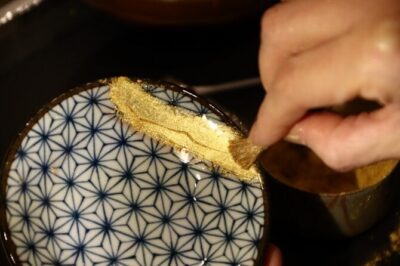
Kintsugi Experience: Art of Golden Joinery in Tokyo
Our verdict →

Matcha Making Experience with Mochi Sweets in Asakusa
Our verdict →
Authentic knife making experience at a blacksmith in Kyoto
Our verdict →
Roketsu dyeing experience: M course Roketsu Dyeing Experience
Our verdict →Browse the lists this tour appears in