
Reviewed · SAMURAI EXPERIENCES
Odawara: Guided Ninja & Samurai Tour of Odawara Castle
Odawara’s best trick is turning castle history into something you can physically try. You’ll see authentic samurai armor, helmets, and swords, then trade quiet museum displays for a lively ninja class with shuriken, blow darts, sword practice, breathing, and movement.
I like the clear mix of history and play, and I like the guides’ personal touch. Jeff and Naoya are praised for explaining the castle in an easy, relaxed way, while instructors such as Shudo are patient with children and beginners. The main consideration is time: 150 minutes moves quickly, and the class may appeal more to hands-on learners than to visitors seeking a long, quiet museum visit.
Key points to know before you book
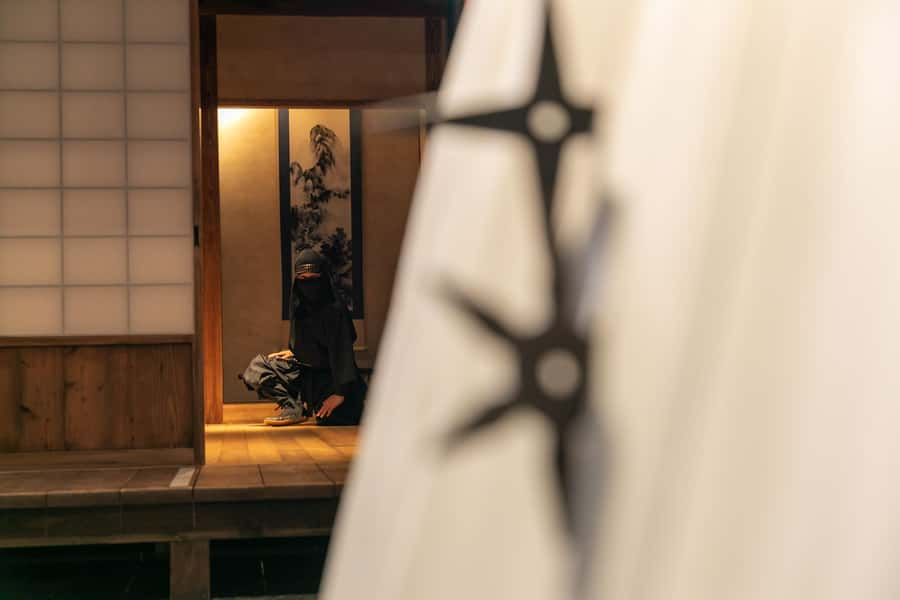
- You train inside the Ninja Museum after regular hours, giving the final class a special feel.
- The Samurai Museum displays real armor, helmets, and swords, not just modern costumes.
- The walking tour explains the Hojo clan, who ruled Odawara for five generations during the Sengoku period.
- Ninja clothing is supplied, so you can take part without preparing a costume.
- The class suits families especially well, with patient instruction for younger children and beginners.
- At $116 per person, the price covers the guide, both museum admissions, and the 1.5-hour workshop.
Why this Odawara tour works so well

I like tours that let you move between information and action. This one begins with samurai objects and castle stories, then lets you try the skills associated with ninja training. That balance gives you a better sense of feudal Japan than a visit based only on reading labels.
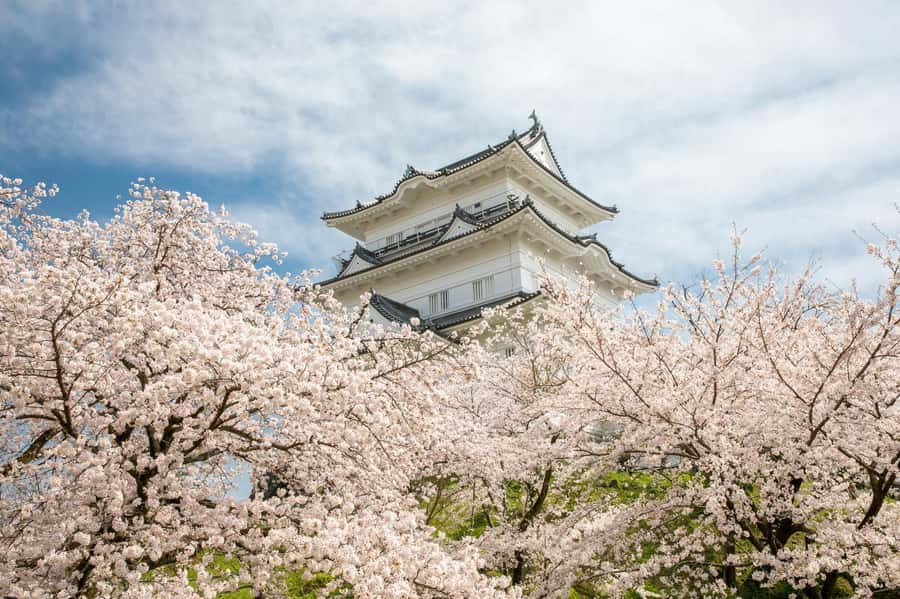
The setting helps. Odawara sits south of Tokyo between the Pacific coast and the Hakone mountains, so it makes a useful side trip from the capital. The castle park also has a pleasant seasonal atmosphere, especially when blossoms are out. You are not simply entering a studio for a themed activity. You are walking through the grounds of a real castle site before training in its Ninja Museum.
The tour lasts 150 minutes. That is long enough to cover the main historical stops and spend serious time in the class, but short enough to fit into a day of sightseeing in Odawara. You should still expect a fairly full schedule. The walking portion takes about an hour, followed by a 1.5-hour ninja workshop.
More Ninja Experiences in Hakone:
- Tokyo: Samurai Ninja Museum Guided tour and Experience
★ 4.6 · 1,010 reviews - Skip the lines Basic Ticket at SAMURAI NINJA MUSEUM KYOTO
★ 4.5 · 632 reviews - Ninja 1-hour Hands-on Lesson by Japanese master in Kyoto -Entry
★ 5.0 · 489 reviews
Starting at the Ninja Museum entrance
You meet your English-speaking guide at the entrance of the Odawara Castle Ninja Centre, also called the Ninja Museum. This is both the starting point and the place where the tour ends, which keeps the route simple.
The first part is not a theatrical ninja show. Your guide sets the scene by explaining the role of ninja and samurai in feudal Japan. The distinction matters. Popular culture often turns ninja into magical figures, while this tour places them within the politics, warfare, and daily life of the period.
Guides such as Jeff and Naoya have been singled out for a casual teaching style, humor, and willingness to answer questions. That is useful here because the subject can become confusing quickly. You will hear about clans, castles, warriors, and shinobi, but the guide can connect those pieces as you walk.
Odawara Castle Park and the Hojo story
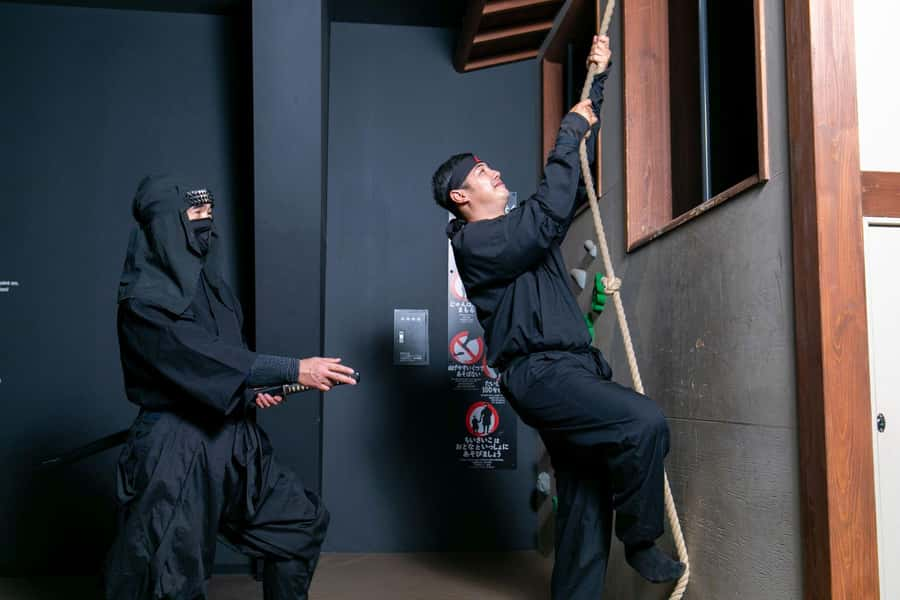
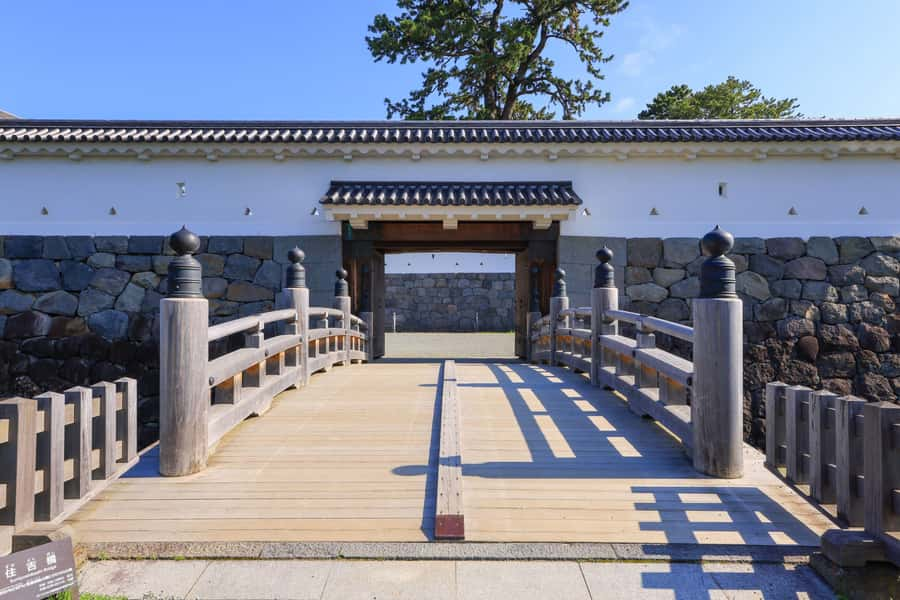
The walk through Odawara Castle Park takes about 40 minutes. You will hear about the castle’s role as the home of the Hojo clan, which ruled the region for five generations during the Sengoku period.
This is where the tour gives Odawara a stronger identity. The castle is not treated as a generic Japanese fortress. Its story is tied to the Hojo family and to the long period of conflict that shaped feudal Japan. You may also hear the story of the castle holding out for three months, a detail that helps explain why the site mattered.
The park provides a welcome change of pace from indoor exhibits. You can look up at the castle structures, walk between the historic areas, and take in the seasonal scenery. Blossom season adds color, but the park remains worthwhile outside that period because the setting gives scale to the history.
The walk is also the least playful part of the tour. If you want nonstop ninja activities, you may find the first hour slower than expected. I see that as a fair trade, since the class makes more sense once you understand the place and period behind it.
Samurai armor at the Tokiwa Kimon Samurai Center
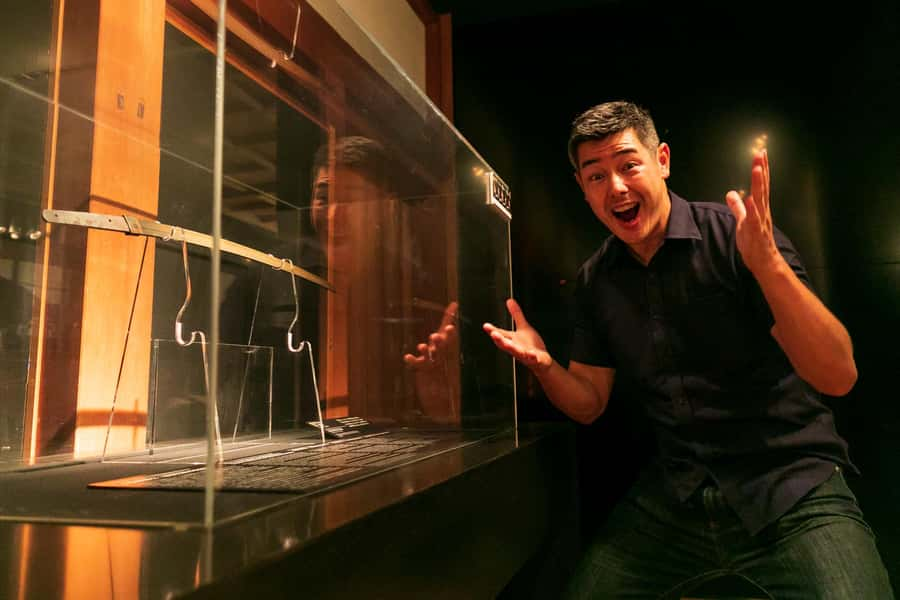
The tour then visits the Tokiwa Kimon Samurai Center, listed as a 20-minute stop. Here you see authentic samurai artifacts, including armor, helmets, and swords.
Twenty minutes is not enough for a long museum study, but it is enough for a focused introduction. I like this format because the objects act as a visual anchor for the guide’s explanations. Armor shows you how status and protection were displayed. Helmets and swords bring the warrior class into view in a direct way that written history often cannot.
You should not expect a huge museum collection or hours of independent browsing. The stop is designed to support the walking tour and prepare you for the practical class. If your main interest is samurai art, weapons, or detailed museum interpretation, you may want extra time in Odawara beyond the tour.
For most visitors, though, the short visit works. You see real objects, hear how they fit into samurai culture, and then continue to the castle grounds instead of spending the whole afternoon indoors.
More Samurai Experiences in Hakone:
- Tokyo: Samurai Restaurant Show Ticket with 2 Drinks
★ 4.5 · 1,307 reviews - Kyoto Samurai Experience
★ 5.0 · 1,294 reviews - Kyoto: Kendo and Samurai Experience with Uniform and Gear
★ 4.9 · 815 reviews - Kyoto: Samurai Sword Class by Experts in Traditional Arts
★ 4.9 · 657 reviews
The castle itself adds needed context
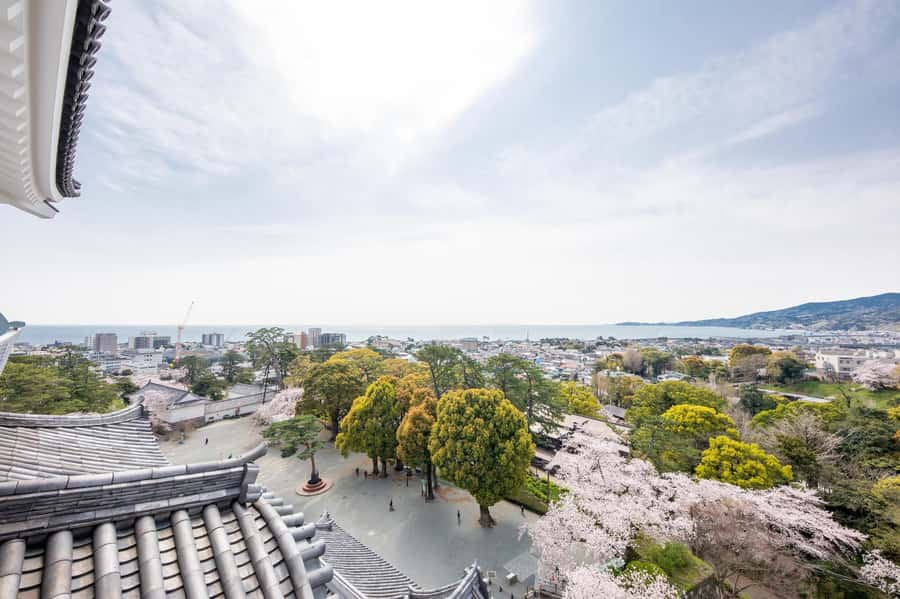
The guide continues around the Castle Main Keep and may include a visit up the castle tower, as described by one participant. From there, you can take in the view and understand the site’s position between the sea and mountains.
The castle stop matters because ninja history can otherwise feel detached from the places where it unfolded. Here, the Hojo clan story, castle defenses, samurai culture, and shinobi activity all connect. You are hearing about people who worked within a political and military system, not just characters from films and animation.
I also like the chance to ask questions during this section. The guides have been described as easygoing and willing to tailor explanations to what interests your group. That is valuable if your party includes different ages or different levels of interest in Japanese history.
The castle portion may be less comfortable in poor weather because it involves walking outdoors. Still, the tour has accommodated a last-minute booking on a rainy day, and the main draw remains the indoor Ninja Museum class.
Inside the after-hours ninja workshop
The final section is the heart of the tour. You enter the Ninja Museum after regular hours for an exclusive workshop lasting about 1.5 hours.
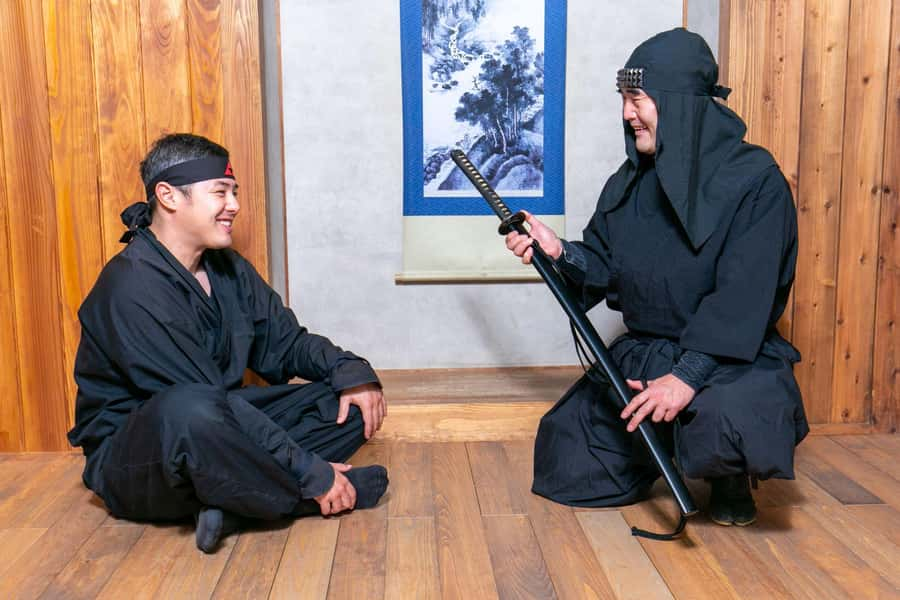
You receive ninja attire for the training. That small detail changes the mood right away, especially for children. You are not only watching an instructor demonstrate techniques. You are given a role to play and a clear sequence of exercises.
The session covers fundamental breathing, meditation, focus, and movement. These elements give the class more substance than a simple weapon demonstration. You learn that ninja training is presented as control and discipline, not just throwing stars.
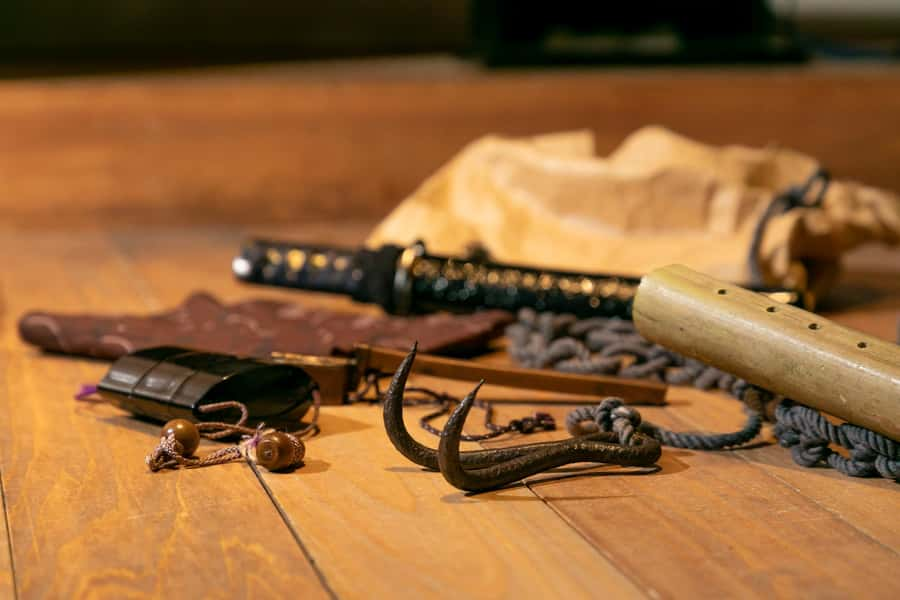
Then comes the part most people will remember: practice with ninja tools and weapons. Activities include throwing shuriken, using blow darts, and working with a sword. The class ends with traditional ninja hand gestures.
The exact feel depends on the instructor, but Shudo, also spelled Shidou in some accounts, is described as energetic, encouraging, and skilled in martial arts. That combination matters. Beginners need clear instruction, and children need patience when the first shuriken misses its target or the blow dart goes astray.
You should expect a hands-on lesson rather than advanced martial arts training. The aim is participation, focus, and fun. The class gives you a taste of the movements and rituals associated with ninja practice, not a qualification as a real shinobi.
Why families tend to get so much from it
I would put this near the top of the list for families with children who are interested in ninja. A six-year-old can take part in the simple target activities, while adults get the history and cultural context that make the session more meaningful.
The class also gives a mixed-age group something to share. One person can enjoy the museum objects, another can focus on castle history, and everyone can take part in the final workshop. Younger children may need help with the equipment and movements, but the instructors are described as patient and encouraging.
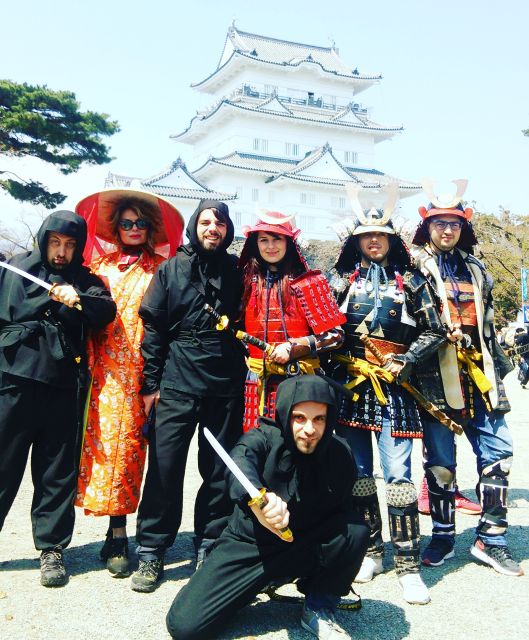
It is not only for families. Couples and adult friends can enjoy it too, especially if you like activities that are a little silly without becoming empty entertainment. The training includes meditation, breathing, etiquette, and movement, so there is more here than dressing up for photographs.
The main limit is that visitors who dislike participation may feel exposed. You will be asked to try the techniques yourself. If you prefer to observe from the edge, the museum and castle sections still offer value, but the tour’s strongest moments come from taking part.
What the $116 price includes
At $116 per person, this is not a cheap castle visit. The price makes more sense when you count what is included: an English-speaking guide, admission to the Samurai Museum, admission to the Ninja Museum, and ninja attire for the workshop.
You are also paying for a private-feeling after-hours class rather than only general museum admission. The 150-minute schedule gives you a guided walk, two historical settings, and a substantial practical lesson. For a family, the cost can add up quickly, so I would book it because of the combination, not just because you want to see Odawara Castle.
If your plan already includes a separate castle visit and you mainly want to walk around the grounds, this may be more than you need. If you want an activity that joins local history with something memorable and physical, the value is stronger.
The reserve-now, pay-later option and free cancellation up to 24 hours before the start give you some planning flexibility. Check the available starting times before building the rest of your Odawara day around it.
Practical details that affect your day
The tour is conducted in English. That makes the guide’s explanations especially useful at the museum and castle, where context may not be obvious from the displays alone.
Food and drinks are not included, so plan those separately. The route returns to the Ninja Museum entrance, which helps you continue your day without having to locate a new ending point.
You should allow for outdoor walking in the castle park and indoor activity during the workshop. Wear clothes that let you move comfortably, though the supplied ninja attire is included for the training. Seasonal blossoms can add to the park’s appeal, but you do not need to schedule the tour only during blossom season.
Because the activity includes weapon practice, meditation, movement, and a sword exercise, pay attention to the instructor’s directions. The point is controlled practice, not speed or force.
Who should book this experience
I recommend it most strongly to families, first-time visitors to Odawara, and anyone who wants more than a standard castle tour. It works especially well for people who enjoy learning through action.
You should also consider it if you are staying in Tokyo and want a worthwhile day trip with a clear focus. The location south of Tokyo makes Odawara practical to add to a wider Japan itinerary, and the tour itself gives you a ready-made plan for the castle area.
History fans may appreciate the Hojo clan material and the samurai artifacts, but serious museum specialists may want longer visits at their own pace. Likewise, visitors seeking a quiet photographic walk may find the guided schedule too structured.
For most families and couples, the mix is the strength. You get real historical objects, a castle setting, seasonal park scenery, and a class that gives everyone something to do.
Should you book the Odawara ninja and samurai tour?
I would book it if you want the castle visit to end with a story you can physically take part in. The best feature is the progression from samurai armor and Hojo history to breathing, movement, shuriken, blow darts, and ninja gestures.
The price is high for a short Odawara activity, but the included admissions, guide, clothing, and long workshop make it easier to justify. Choose it for the hands-on class and the human guides, not simply for a quick look at the castle.
If your group includes children, this is one of the safer choices for keeping history interesting. If you dislike costumes or audience participation, spend your time at the castle and museums independently instead. For everyone else, this is a lively and well-focused way to understand why Odawara remains more than a stop between Tokyo and Hakone.
FAQ
How long does the Odawara ninja and samurai tour last?
The tour lasts 150 minutes. About 40 minutes are spent walking through Odawara Castle Park, about 20 minutes visiting the Samurai Center, and about 1.5 hours in the Ninja Museum workshop.
Where does the tour begin?
Meet your English-speaking guide at the entrance of the Odawara Castle Ninja Centre, also called the Ninja Museum. The tour returns to this same location.
What museums are included?
Admission to the Samurai Museum and the Ninja Museum is included in the price.
Is the tour offered in English?
Yes. The tour includes a live English-speaking guide.
What happens during the ninja class?
The workshop covers breathing, meditation, movement, ninja rituals, and the use of tools such as shuriken, blow darts, and a sword. It ends with ninja hand gestures.
Is ninja clothing included?
Yes. Ninja attire for the training workshop is included. Food and drinks are not included.
More Castle Tours in Hakone
- Odawara: Odawara Castle Tenshukaku Entrance Ticket
★ 4.2 · 30 reviews - Osaka Castle: Museum and Tower Entry Ticket
★ 4.5 · 2,380 reviews - Tokyo Castle & Imperial PalaceーShogun Walking Tour
★ 4.7 · 1,068 reviews - Kyoto: Nijo-jo Castle and Ninomaru Palace Guided Tour
★ 4.7 · 1,020 reviews
Just added around Hakone
- Hike Japan Heritage Hakone Hachiri (Half Day)★ 5.0 · 18 reviews
- Easygoing Nature Walk in Hakone Tour★ 5.0 · 15 reviews
- Hakone Adventure: Explore Nature’s Beauty and Tranquility★ 4.2 · 14 reviews
- From Tokyo: Hakone Full Day Customizable Private Tour★ 5.0 · 15 reviews
- Hakone Full-Day Private Tour(Tokyo DEP.) with Government-Licensed Guide★ 4.5 · 19 reviews
- Hakone Hachiri: Old Tokaido Highway Hiking Tour★ 4.9 · 22 reviews
- Kowakien Yunessun Hot Springs Entry Ticket★ 4.2 · 23 reviews
- Hakone 8 hour Private Tour with Government-Licensed Guide★ 5.0 · 63 reviews
Samurai Experiences, compared.



Browse the lists this tour appears in