
Reviewed · HAKONE TOURS
Hakone Adventure: Explore Nature’s Beauty and Tranquility
Hakone’s appeal is that you get a little of everything in one day: a mountain train, volcanic steam vents, a ropeway over an ancient crater, a boat across Lake Ashi, and the red torii of Hakone Shrine. It is one of Japan’s best sightseeing days for scenery that keeps changing.
I like the variety of transport, since each ride gives you a different view, and I like having an English-speaking guide to handle the many changes. Guides including Yumiko, Taku, and Yuuki have been praised for being attentive and helpful. The main catch is price: at $139 per person, you still pay the transport fares separately, and crowds can make the schedule tight.
Key points to know before you book
- Hakone by four kinds of transport: Ride the Tozan mountain train, cable car, ropeway, and sightseeing boat instead of seeing the region from one bus window.
- Owakudani’s active volcanic valley: Walk near steaming vents, smell the sulfur in the air, and learn why the area is still geologically active.
- Lake Ashi and Hakone Shrine: Cruise past forested slopes and finish near the famous torii gate and lakeside shrine.
- Private English-speaking guidance: Your guide can help with route changes, tickets, timing, and local context.
- A full day with variable timing: The listed duration ranges from 270 to 570 minutes, so check the departure option and allow extra time.
- Transport costs are extra: The tour price covers the guiding service and route planning, not the fares for trains, cable cars, ropeways, boats, or buses.
A full Hakone day built around movement
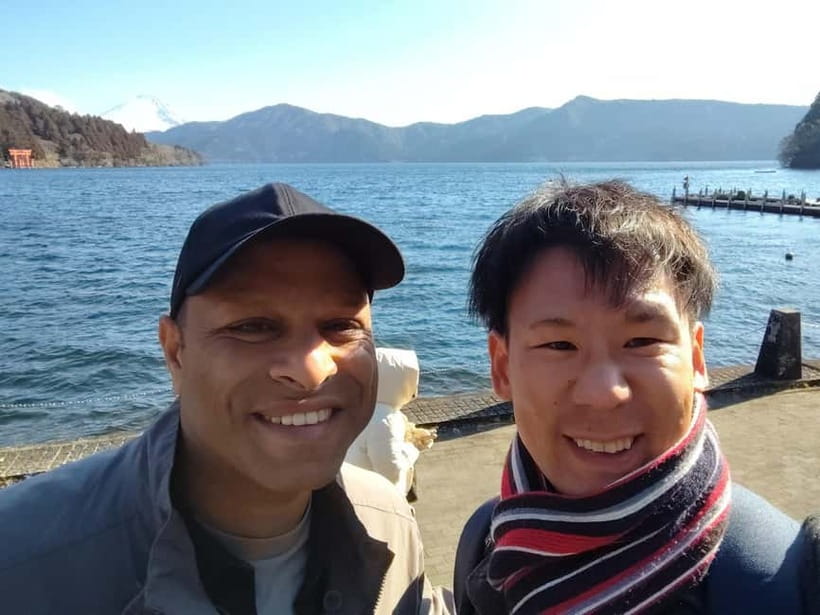
Hakone is not a place where the sights sit neatly along one street. You move through a mountain resort area by rail, cable car, ropeway, boat, and bus. That is the fun of it, but it can also be confusing if you are trying to connect everything on your own.
This private tour gives you a guide for the full journey. The point is not simply to reach Owakudani or Lake Ashi. It is to show how the area changes as you climb from the railway towns into the volcanic highlands, then descend toward the lake and shrine.
You can join from four starting areas: Mukoyama Park, the Shinjuku Police Station Shinjuku Station East Exit police box, Hakone-Yumoto Station, or the Odawara Station Tourist Information Center. The exact meeting place depends on the option you choose, so check it carefully and arrive 15 minutes early.
The experience is designed for a private group, which gives you more personal attention than a large coach outing. It also means the price is higher. This is a guided route for someone who values help with connections and explanations, not the cheapest way to collect Hakone’s sights.
A few more Hakone half-days worth comparing
- Hakone 6 hour Private Tour with Government-Licensed Guide
★ 5.0 · 218 reviews - Custom Private Tour in Hakone with a Certified Local Guide
★ 5.0 · 91 reviews - Hakone 8 hour Private Tour with Government-Licensed Guide
★ 5.0 · 63 reviews
The Hakone Tozan Railway climbs through the mountains
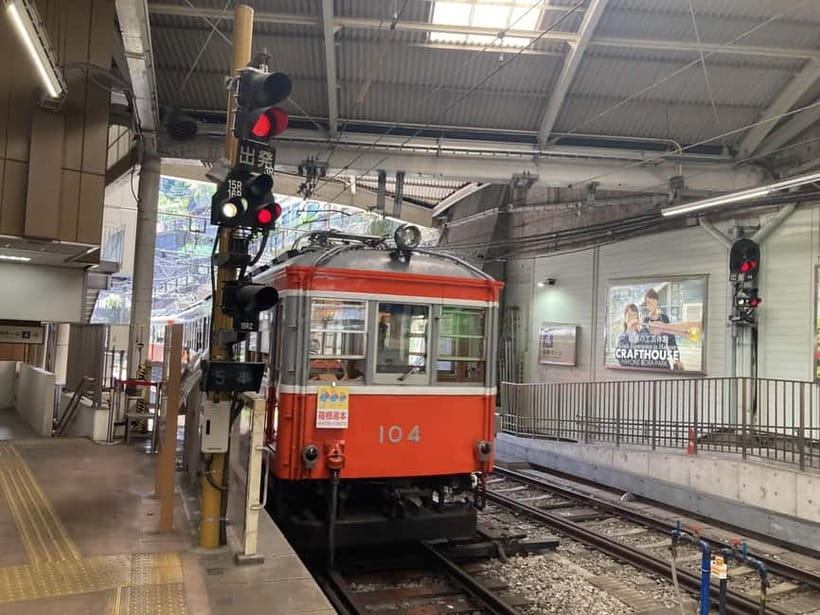
The first major ride is the Hakone Tozan Railway, Japan’s only mountain railway. The train takes about an hour, climbing through wooded slopes and narrow valleys with seasonal views outside the windows.
The railway is special because the journey itself is part of the attraction. This is not a fast transfer from one point to another. The train works its way upward through the mountains, and your guide can explain Hakone’s development as a mountain resort and an important route between regions.
The scenery changes with the season. You might see fresh green foliage, autumn color, or a quieter winter view of the mountain slopes. The train section also gives you a gentle beginning before the steeper rides later in the day.
You should still think of this as a working public railway, not a reserved scenic train with a guaranteed private view. Crowds and seating can vary. Keep your camera ready, but do not spend the whole ride staring through the lens. The movement through the mountain valleys is the point.
Cable car and ropeway over volcanic ground
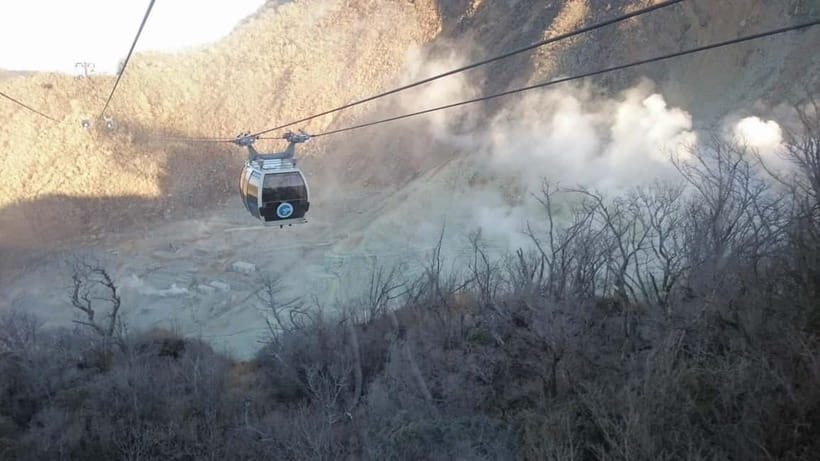
After the train, the route continues by cable car for about 40 minutes. From there, you take the ropeway above Hakone’s volcanic area. This sequence is one of the strongest parts of the day because you experience Hakone from increasingly higher viewpoints.
The cable car carries you upward through the mountain resort area, while the ropeway gives you a much broader view over valleys and the Hakone caldera. The caldera is the large crater formed by ancient volcanic eruptions. From above, you get a clearer sense that Hakone is not just a pretty mountain town. It is a volcanic region shaped by powerful forces.
The ropeway can become the day’s main bottleneck. A long queue caused one group to lose enough time that Hakone Shrine had to be skipped, even though it was a Monday. That warning matters. The tour includes many moving parts, and a delay on one ride affects every later stop.
If you are booking this experience, avoid assuming that the listed time will always feel generous. The duration can range from 270 to 570 minutes, depending on the option and schedule. Crowds, weather, and transport lines can make a big difference.
Owakudani brings you close to active volcanic vents
Owakudani is the most unusual stop. Steam rises from vents in the ground, and the air carries a clear sulfur smell. You are seeing an active geothermal area, not simply a scenic overlook with a dramatic name.
The visit is scheduled for about 20 minutes, which is enough for a first look and some photographs, but it is not a long hike through the valley. Your guide explains the volcanic activity, local traditions, and stories linked with the site.
One familiar local feature is the black egg, a food associated with Owakudani. The volcanic environment gives the stop a strong sense of place, and the egg is a memorable detail to look for if it is available during your visit.
Bring warm clothing even if Tokyo feels mild. Higher elevations can feel cooler, and weather can shift quickly. Comfortable shoes matter too, since there is walking between transport stops and viewing areas.
Cloud or poor weather can also affect what you see. Owakudani can still be worthwhile when Mt. Fuji is hidden, because the steam and volcanic ground remain the focus. The views from the ropeway, however, are much less rewarding in low cloud.
Same trip, a completely different kind of day:
- Private Tour – Hakone Day Trip! A Tour to Explore All Must-Sees!
★ 5.0 · 58 reviews - Private Hakone Half-day Car Tour with Hotel Pickup – Local Guide
★ 5.0 · 48 reviews - Hike Hakone Hachiri
★ 5.0 · 48 reviews - Hike Japan Heritage Hakone Hachiri with certified mountain guide
★ 5.0 · 46 reviews
Lake Ashi changes the mood
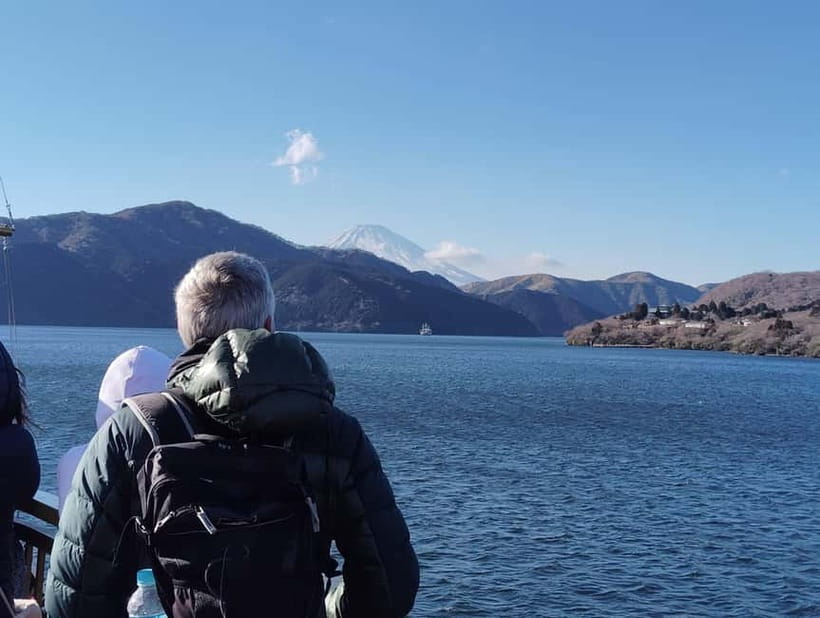
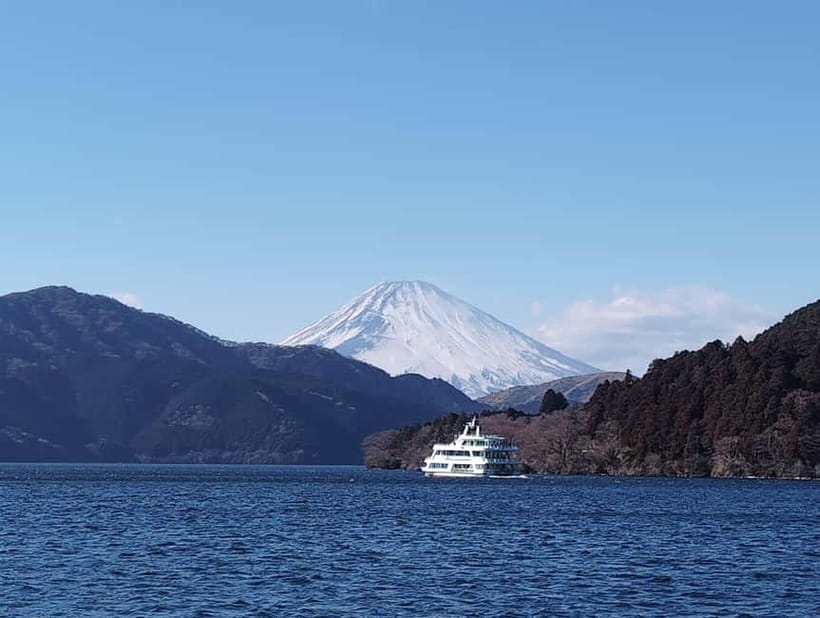
After the volcanic highlands, the day turns calmer at Lake Ashi. The lake lies within the Hakone caldera, surrounded by wooded hills. A sightseeing cruise takes about 50 minutes, giving you time to sit down and watch the scenery pass.
This is a welcome change after the stairs, platforms, queues, and transfers of the mountain section. You can rest while your guide manages the next part of the route. On a clear day, Mt. Fuji may appear beyond the lake, though visibility is never guaranteed.
The cruise is also your best chance to see Hakone’s famous torii gates from the water. The bright red gates create a strong contrast with the lake and surrounding hills. Bring a camera, but keep your expectations tied to the weather. Cloud cover prevented a clear Mt. Fuji view for some departures, while the lake and volcanic area still provided plenty to see.
The boat ride is not just a pleasant break. It connects the natural and cultural sides of Hakone. The lake reflects the area’s volcanic origins, while the torii and shrine point to its role in Japanese spiritual life.
Hakone Shrine and the old Tokaido route
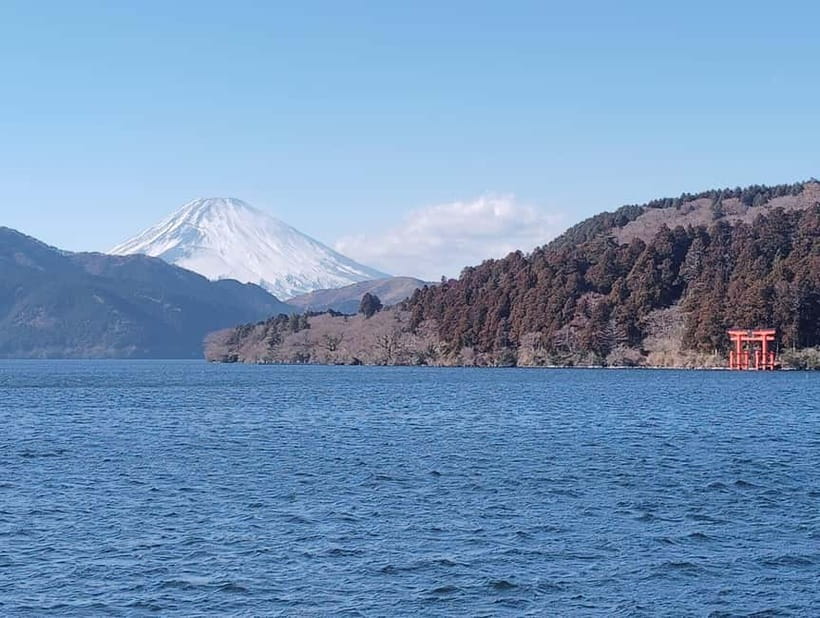
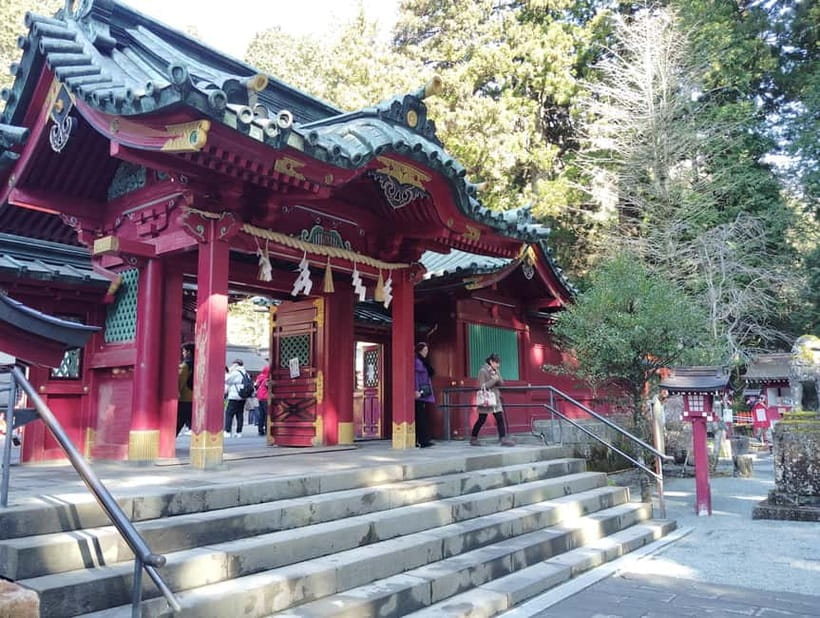
The itinerary allows about 45 minutes at Hakone Shrine, followed by a shorter 10-minute Lake Ashi visit. The shrine is known for its lakeside setting and red torii gate, one of Hakone’s most recognizable sights.
The stop gives you a chance to slow down and consider the cultural side of the region. Hakone was once an important checkpoint town along the old Tokaido Road, the historic route linking Tokyo and Kyoto. The area was not only a mountain retreat. It also controlled movement through a difficult section of the route.
The shrine visit can feel rushed if transport queues have eaten into the schedule. This is the main reason I would not book a tight return train from Hakone or Tokyo on the same day without a generous buffer. One group missed the shrine because a ropeway queue took too long.
If the shrine matters most to you, ask about timing at the start of the tour and keep your afternoon flexible. The guide may help you make the best use of the available time, but no guide can remove a long public-transport queue.
The final bus ride and drop-off choices
A bus or coach section of about 45 minutes brings the day toward its end. Drop-off is available at Hakone-Yumoto Station or the Shinjuku Station East Exit police box, depending on the option booked.
This flexibility is useful if you are staying in Hakone or returning to Tokyo. Starting in Hakone avoids the long trip from Tokyo and lets you focus on the mountain route. Starting from the Tokyo area may suit you if you want one organized day without planning separate trains and local connections.
The route can take as little as 270 minutes or as long as 570 minutes. That is a large range, so you should check the actual schedule rather than treating this as a fixed-length tour. If you have a reserved train afterward, allow plenty of time. A scenic day becomes stressful when every queue threatens your departure.
What the $139 price really buys you
The price is $139 per person, but it does not include transportation fares or food and drinks. That distinction is important. You are paying mainly for the private English-speaking guide, route planning, explanations, and help with the sequence of public transport.
The fares can add up across the mountain railway, cable car, ropeway, cruise, and bus. Someone comfortable reading Japanese signs, checking schedules, and handling queues may find the tour expensive compared with buying a Hakone transport pass or arranging the route independently.
I would look at the price this way: it can be good value if you want a full day of guidance and do not want to manage several connections. It is weaker value if you are mainly paying to get from one sight to another and feel comfortable doing that yourself.
The guides are a major part of the value. Yumiko was described as prompt, enthusiastic, and considerate. Taku was praised for making transport changes easier and for offering extra help to someone with slight mobility concerns. Yuuki was noted for being friendly, accommodating, and strong on local information. Kyo also received positive comments for useful explanations.
That pattern tells you what this experience does best: personal assistance and context. It is not a bargain transport package.
The walking, weather, and mobility questions
You need comfortable shoes. There is walking between stations, platforms, viewing areas, the lake, and shrine grounds. The experience is not suitable for people with mobility impairments, pregnant women, or people with heart problems, according to the provided activity information.
The route includes elevation changes and several modes of transport. Even with a considerate guide, this is not a low-effort sightseeing day. If you have only slight mobility concerns, mention them when booking and at the meeting point. A guide may be able to help with the practical parts, but the tour still follows a mountain route.
Dress for changing conditions. Warm clothing is recommended, as are sunscreen and a camera. Check the forecast before leaving. Clear weather can bring Mt. Fuji into view, while cloud may hide it completely. The tour remains worthwhile in mixed weather, but the famous Fuji views are a bonus, not a promise.
Smoking is not allowed. Food and drinks are not included, so plan for your own refreshments during the day.
Who will get the most from this experience
I would choose this tour if you are visiting Hakone for the first time and want to connect the major sights in one organized day. It suits you especially well if transfers make you nervous, you want English explanations, or you prefer a private group to a large bus tour.
It also works for people who want more than a single lake cruise or shrine visit. The strength is the range: railway, cable car, ropeway, volcanic valley, boat, shrine, and bus. You see how the parts fit together.
I would hesitate if you are watching your budget, have a fixed return train, or prefer to linger at each stop. The schedule can be tight, particularly when the ropeway is crowded. You may also pay significantly more than an independent transport pass once the separate fares are added.
The tour offers free cancellation up to 24 hours before departure and allows you to reserve now and pay later. Those policies help if your Japan plans are still shifting, but they do not change the need to check the meeting point, actual start time, and transport costs.
Should you book the Hakone Adventure?
Book it if you want one private, guided route through Hakone’s main sights and place a high value on help with public transport. Guides such as Yumiko, Taku, and Yuuki have made the experience more personal, and the mix of train, ropeway, volcanic valley, lake cruise, and shrine gives you a strong first look at the region.
Skip it if your main goal is the lowest possible price or a slow visit with plenty of time at every stop. Buy or arrange the transport yourself if you are comfortable with connections, and keep the money for an extra meal or a longer stay in Hakone.
For the best chance of enjoying this tour, go in good weather, avoid the busiest days when possible, wear shoes made for walking, and do not schedule a tight train immediately afterward. The scenery is impressive, but the day works best when you leave room for Hakone’s mountain transport to move at its own pace.
FAQ
How much does the Hakone Adventure cost?
The listed price is $139 per person. Transportation fares are paid separately during the tour, and food and drinks are not included.
How long does the experience last?
The duration ranges from 270 to 570 minutes. Check the available departure option for the exact starting time and expected length.
Where can I join the tour?
The available starting points are Mukoyama Park, the Shinjuku Station East Exit police box, Hakone-Yumoto Station, and the Odawara Station Tourist Information Center. The meeting point depends on the option booked.
Where does the tour finish?
The available drop-off points are Hakone-Yumoto Station and the Shinjuku Station East Exit police box.
Is an English-speaking guide included?
Yes. The experience includes a live English-speaking guide throughout the journey.
What transport will I use?
The route uses the Hakone Tozan Railway, cable car, ropeway, sightseeing cruise, and bus or coach. The activity information states that transportation fares are not included in the tour price.
What should I bring?
Bring comfortable shoes, warm clothing, sunscreen, and a camera. Check the weather forecast and dress for changing conditions.
Can I cancel the booking?
You can cancel up to 24 hours in advance for a full refund. The activity also offers a reserve-now, pay-later option.
Just added around Hakone
- Hike Japan Heritage Hakone Hachiri (Half Day)★ 5.0 · 18 reviews
- Easygoing Nature Walk in Hakone Tour★ 5.0 · 15 reviews
- From Tokyo: Hakone Full Day Customizable Private Tour★ 5.0 · 15 reviews
- Hakone Hachiri: Old Tokaido Highway Hiking Tour★ 4.9 · 22 reviews
- Kowakien Yunessun Hot Springs Entry Ticket★ 4.2 · 23 reviews
- Hakone Full-Day Private Tour(Tokyo DEP.) with Government-Licensed Guide★ 4.5 · 19 reviews
- Odawara: Odawara Castle Tenshukaku Entrance Ticket★ 4.2 · 30 reviews
- Odawara: Guided Ninja & Samurai Tour of Odawara Castle★ 5.0 · 25 reviews
Hakone Tours, compared.
Hakone 6 hour Private Tour with Government-Licensed Guide
Our verdict →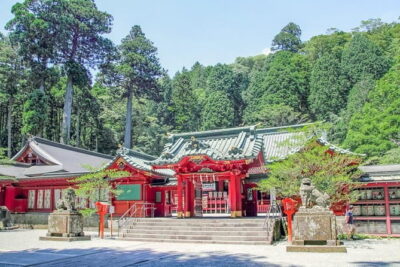
Private Tour – Hakone Day Trip! A Tour to Explore All Must-Sees!
Our verdict →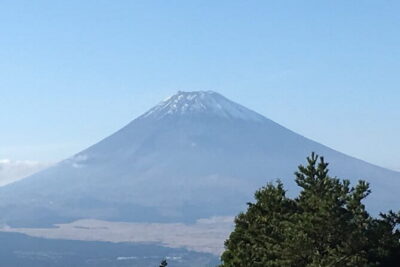
Traverse Outer Rim of Hakone Caldera and Enjoy Onsen Hiking Tour
Our verdict →
Browse the lists this tour appears in