
Reviewed · HISTORICAL TOURS
Miyajima Half-day Trip Historical Walking Tour
Miyajima is easy to visit on your own, but it is much harder to understand on your own. This small-group walking tour connects the island’s famous torii gate and Itsukushima Shrine with the Buddhist world of Daisho-in, local food, and the island’s living traditions. Guides such as Hika, Hiro, Eri, Yuji, and Mariko have been praised for making the visit feel personal, not rushed.
I especially like the six-person maximum, which gives your guide room to answer questions and adjust the pace. I also like that lunch includes Hiroshima specialties such as oysters and momiji dumplings, rather than leaving you to guess what to order. The main consideration is stamina: you will walk for hours, encounter stairs and hills near Daisho-in, and deal with intense heat or rain depending on the season.
Key points to know before you book
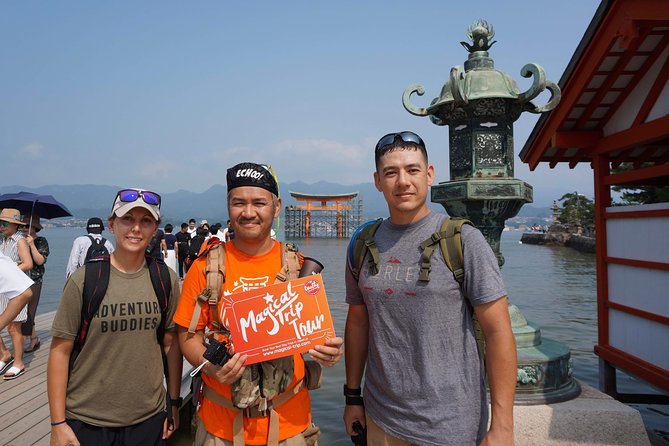
- Ferry views begin the experience: The crossing offers views of the Seto Inland Sea and Miyajima’s famous Otorii Gate.
- The tour links major sights with context: You visit Itsukushima Shrine, Daisho-in Temple, Momijidani Park, Senjokaku, and Omotesando Street.
- Groups are capped at six people: This is small enough for a more flexible, conversational outing.
- Lunch is part of the price: Expect a Hiroshima-style meal featuring fresh or grilled oysters and momiji dumplings, with limited vegetarian and vegan choices.
- Daisho-in is the physical high point: The temple area includes stairs and hills, but it is one of the most rewarding stops.
- The ferry costs extra: Allow 500 yen, about $4, for the round trip.
Why this Miyajima walk works so well
Miyajima can look like a postcard stop: red shrine buildings, a giant torii gate, tame deer, forested hills, and food stalls selling oysters and maple-leaf cakes. That is only the surface. The island is also a sacred place where Shinto worship, Buddhist practice, pilgrimage, and everyday island life sit close together.
That is where a guide earns the fee. You are not simply pointed toward the next photo stop. You get explanations of Japanese spirituality, the meaning of the shrine buildings, Buddhist statues at Daisho-in, and the role of the island’s religious sites. Several guides have also been praised for their photo help, local food suggestions, humor, and willingness to slow down for breaks.
The tour lasts about five and a half hours. That is long enough to see the essential sights without turning the day into a frantic checklist. It also means you should wear proper walking shoes and bring water. Summer in Japan can be extremely hot and humid, with stated highs reaching 40°C, while winter can be cold enough to reach -5°C.
The meeting point is at 1-chōme-3-26 Miyajimaguchi in Hatsukaichi, near public transportation. The group then takes the ferry to the island and returns to the same meeting point at the end.
More Day Trips in Hiroshima
- Peaceful Hiroshima & Miyajima UNESCO 1 Day Bus Tour
★ 5.0 · 5,309 reviews - Hiroshima: Hiroshima and Miyajima UNESCO Sites 1-Day Tour
★ 4.9 · 2,330 reviews - From Hiroshima: Hiroshima & Miyajima 1 Day Tour with Lunch
★ 4.7 · 395 reviews
Crossing the Seto Inland Sea to Miyajima
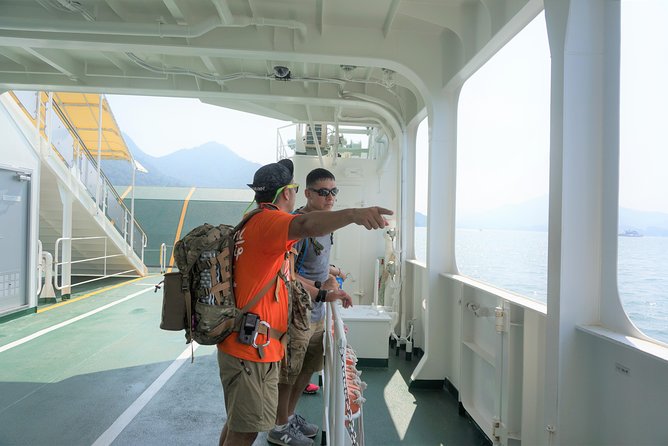
The ferry is not just a transfer. It gives you a first look at the island from the water, with open views across the Seto Inland Sea. As Miyajima comes closer, the Otorii Gate becomes the visual focus.
The ferry fare is not included in the advertised price. You pay 500 yen for the round trip, about $4. That is a small extra cost, but it is worth knowing in advance because the tour price otherwise includes shrine and temple admission, lunch, a certified guide, and tour photos.
The meeting arrangement is practical for anyone staying in Hiroshima or nearby Hatsukaichi, but you should plan your route to Miyajimaguchi carefully. The activity starts on the mainland side, not at the shrine itself. The tour then ends where it began.
Walking the shore to the Otorii Gate
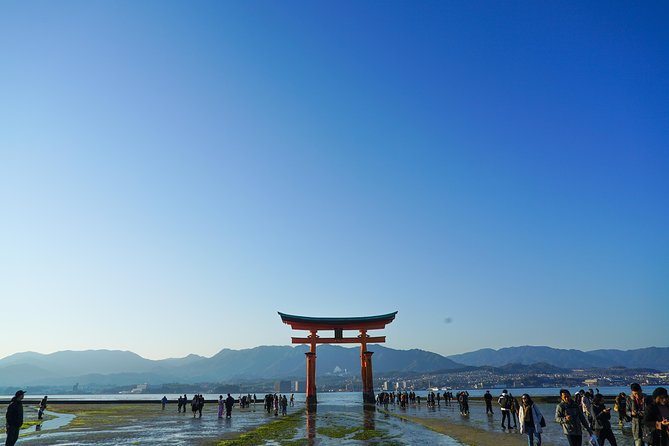
Once on Miyajima, the walk follows the coast toward the Otorii Gate and Itsukushima Shrine. This shoreline approach gives you time to see the gate from changing angles instead of arriving directly in front of it.
Tide conditions affect the view. At low tide, you may be able to walk right up to the gate, as one particularly memorable outing did. At other times, the gate appears to float offshore, which is the classic image most people come to see. The tour does not promise a particular tide, so treat the water level as part of the day’s changing conditions.
Keep your camera ready, but do not let the gate become the entire visit. The guide helps place it within the wider religious setting of the island. You also have a better chance of getting useful photos when someone else knows where to stand and is willing to take pictures.
Deer are commonly seen around Miyajima and may appear along the route. They add charm, but the main point of this walk is the island’s sacred architecture and cultural meaning.
Itsukushima Shrine and the floating architecture
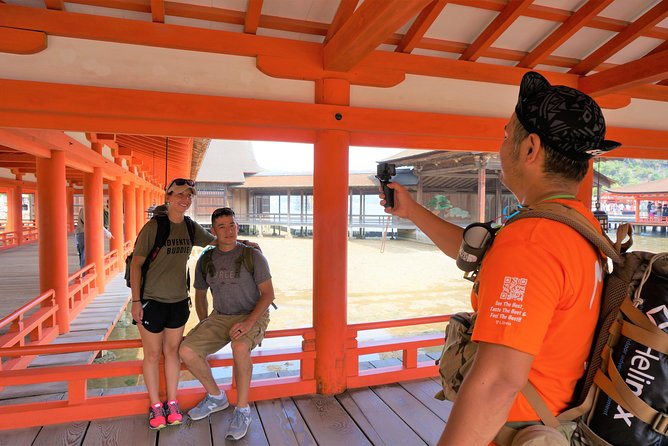
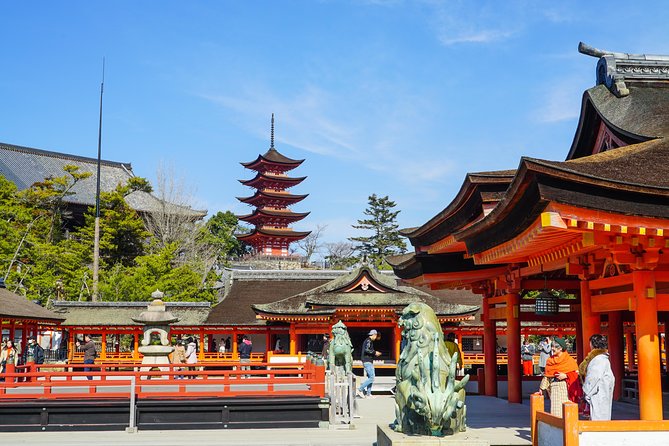
Itsukushima Shrine is the tour’s central historic sight. Built during the Heian period, from 794 to 1192, it is known for architecture designed to relate to the tides. The shrine’s location and form help explain why Miyajima has such a strong spiritual identity.
Your guide explains the buildings and the religious traditions connected with them. This is useful because the shrine can otherwise become a quick sequence of red corridors and photo stops. With context, you can pay attention to the relationship between the water, the gate, the worship spaces, and the island itself.
Admission to the shrine is included. The visit is also one of the easier parts of the walk, with plenty to see without needing a steep climb. Still, crowds can affect the pace. The tour is designed to keep you moving through the major areas, not to provide unlimited quiet time at every building.
More Historical Tours in Hiroshima
- Hiroshima Historical Walking Tour – Why A-Bomb was Dropped
★ 4.8 · 893 reviews - Hiroshima Peace (Heiwa) Walking Tour at World Heritage Sites
★ 5.0 · 872 reviews - Hiroshima: History of Hiroshima Group Walking Tour
★ 4.8 · 266 reviews - Hiroshima: Peace Walking Tour of World Heritage Sites
★ 4.9 · 190 reviews
Daisho-in Temple, the tour’s richest stop
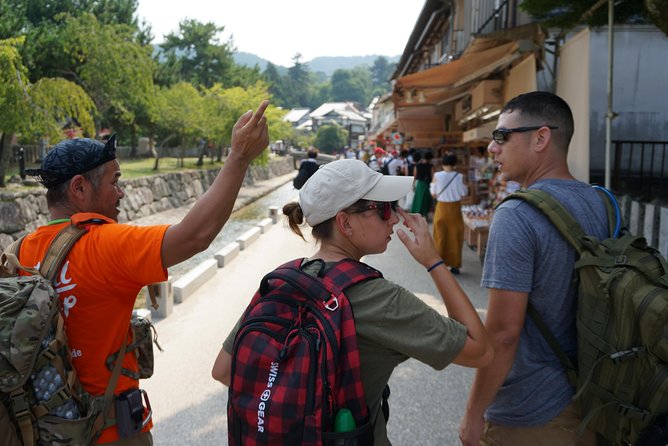
For many people, Daisho-in is the highlight. This is the main temple of the Omuro school of Shingon Buddhism, and the guide explains Buddhist ideas along with the statues and religious details found around the grounds.
The atmosphere changes here. Itsukushima Shrine is known for its grand setting and formal architecture. Daisho-in feels more intimate and layered, with many statues and smaller details that reward a slow look. This is the place where a guide’s explanation can change what you notice.
There are stairs and hills. Several outings included breaks for people who needed them, and that flexibility matters. The climb is manageable for most participants, but this is not a flat stroll from the ferry to the shopping street. Comfortable shoes are important, especially if the stones are wet.
If you have limited time on Miyajima, do not skip Daisho-in in favor of more shopping. The temple gives the island its strongest sense of religious depth and is more than a brief photo stop.
Momijidani Park and Senjokaku
Momijidani Park provides a quieter break from the shrine area and shopping street. The stop is mainly for photos, so do not expect a long nature walk. It is a pleasant place to pause and enjoy Miyajima’s wooded setting.
Senjokaku is the common name for the main hall of Toyokuni Shrine, also called the Terminal Shrine of Itsukushima Shrine. Your guide gives an explanation of the building and its place on the island. The stop adds another layer to the religious history without requiring a separate long visit.
Together, these two stops keep the route from becoming a simple shrine-and-food outing. You see different types of sacred buildings and have chances to slow down between the more crowded sections.
Lunch on Omotesando Street
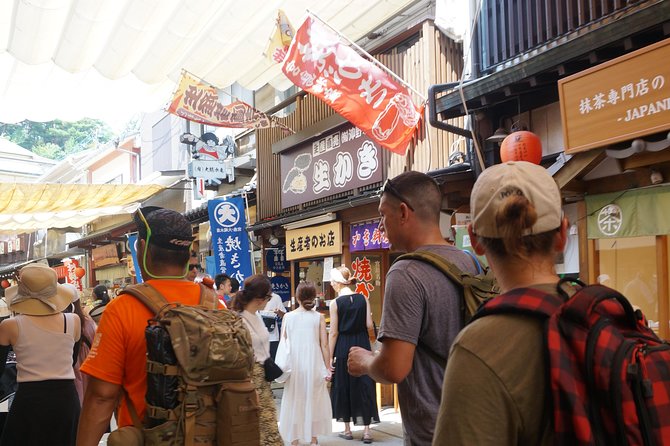
Food is one of the tour’s strongest practical features. Omotesando Shopping Street is lined with food stalls and souvenir shops, with grilled oysters and other Miyajima specialties readily available.
The included Hiroshima local lunch may feature fresh or grilled oysters and momiji dumplings. Some outings also included foods such as fried oysters, unagi, soft-serve ice cream, and a final sweet stop at a favorite local cafe. Exact dishes can vary by stop and availability, so think of the meal as a local tasting experience rather than a fixed restaurant menu.
Momiji dumplings are maple-leaf-shaped cakes associated with Miyajima. They make an easy snack and a good edible souvenir. Your guide can also help you choose among the food stalls, which is useful when menus are crowded or unfamiliar.
Dietary planning needs care. Vegetarian and vegan lunches are available but limited. Gluten-free lunch is not available. The operator cannot guarantee allergy-free food because meals are prepared in kitchens it does not control. Tell the operator at least one day before the tour about allergies or dietary needs, but understand that substitutions may not always be possible.
What the small group changes
The maximum group size is six. That matters more on a walking tour than it might on a bus excursion. You can hear explanations more clearly, ask questions without holding up a large crowd, and get help with photos.
The small size can also produce an unexpected benefit: some departures may feel almost private. Several bookings had only one or two people, while a family of five had a private outing within the six-person limit. That is not guaranteed, but the cap gives you a good chance of avoiding the impersonal feel of a large tour.
Guides have different personalities, yet the strongest pattern is clear. Hika was praised for his patience and explanations, Hiro for professionalism and warmth, Eri for detailed local insight and frequent breaks, Yuji for going beyond the basic route, and Kiki for adding lesser-known corners and stories. Mariko was able to meet a group directly on the island when plans changed, showing useful flexibility.
The single serious problem reported was a missed meeting, with the guide failing to appear because the reservation had not been checked. That appears to be an isolated service failure against an otherwise very strong record, but it is still worth taking your confirmation details and contact information seriously on the day.
Is $109.43 a fair price?
At $109.43 per person, this is not the cheapest way to reach Miyajima. You can pay the ferry fare and walk around independently for far less. The value comes from what is bundled into the experience: a certified guide, entrance fees to the included shrines, temples, and museum, tour photos, and a local lunch.
The price makes the most sense if you want cultural explanation and food guidance. It is also a good fit if you have only half a day and do not want to spend time sorting out the best route between the gate, shrine, temple, park, and shopping street.
The value is weaker if you prefer long independent stops, already know Japanese religious architecture well, or mainly want a quick photo at the torii gate. This is a walking and learning experience, not simply transportation to a scenic viewpoint.
Weather, walking, and practical comfort
Bring water and a hat in summer. Humidity can make the walk feel harder than the distance suggests, and shade is not guaranteed at every stop. In rain, the island can still be beautiful, but wet paths and temple steps call for good footwear.
The tour runs in all kinds of weather unless the operator says otherwise. Rainy outings have still included the main sights, lunch, and helpful adjustments from guides. Low clouds and drizzle can soften the island’s appearance, though the Otorii Gate may be less dramatic in poor light.
Most people can participate, and all ages are welcome. Still, the walk includes stairs and hills, especially around Daisho-in. Ask for breaks if needed. The best approach is to treat this as an active half-day, not a sit-down sightseeing trip.
Free cancellation is available up to 24 hours before the start time. Changes or cancellations inside that window are not accepted for a refund. Keep the mobile ticket accessible and confirm the meeting point before leaving Hiroshima.
Who should book this Miyajima tour?
I would choose this tour if you are visiting Miyajima for the first time and want more than the standard gate photo. It suits couples, families, solo visitors, and small groups who value a friendly guide, local food, and a clear route through the island’s major sights.
It is especially useful for anyone who wants help understanding Shinto and Buddhism without taking a formal lecture. The combination of Itsukushima Shrine and Daisho-in gives you two very different religious settings in one outing.
I would think twice if you have serious food allergies, require gluten-free meals, dislike walking on hills, or want a completely independent schedule. In those cases, the fixed route and limited meal flexibility may cause frustration.
Should you book it?
Book this Miyajima walking tour if you want the island explained as a sacred place, not just presented as a pretty day trip. The small group, strong guides, included lunch, and visit to Daisho-in give it real value.
If you do book, wear walking shoes, bring water, allow 500 yen for the ferry, and notify the operator about dietary needs at least a day early. The best reason to choose it is simple: you see the famous sights, then learn why they matter.
FAQ
How long does the Miyajima walking tour last?
The tour lasts approximately five hours and 30 minutes.
Where does the tour begin?
It begins at 1-chōme-3-26 Miyajimaguchi, Hatsukaichi, Hiroshima 739-0411, Japan.
Does the tour include the ferry to Miyajima?
No. The round-trip ferry costs 500 yen, about $4, and is paid separately.
What sights are included?
The route includes Miyajima, the Otorii Gate, Itsukushima Shrine, Daisho-in Temple, Momijidani Park, Senjokaku, and Miyajima Omotesando Shopping Street.
Is lunch included?
Yes. A Hiroshima local lunch is included, with food such as fresh or grilled oysters and momiji dumplings.
Are vegetarian or vegan meals available?
Vegetarian and vegan lunch choices are available but limited. Gluten-free lunch is not available.
How many people can join the tour?
The maximum group size is six people.
What happens if I need to cancel?
You can cancel for a full refund up to 24 hours before the experience starts. Cancellations or changes made less than 24 hours before the start time are not accepted for a refund.
More Half-Day Tours in Hiroshima
- Miyajima Half-day Private Tour with Government Licensed Guide
★ 5.0 · 184 reviews - Hiroshima: Miyajima Island Half-Day Tour with Guide
★ 4.9 · 71 reviews - Kyoto Arashiyama Bamboo forest & Garden Half-Day Walking Tour
★ 5.0 · 413 reviews - Half-day Tokyo Afternoon Tour by Hato Bus
★ 4.0 · 269 reviews
More Walking Tours in Hiroshima
- Hiroshima City 4hr Private Walking Tour with Licensed Guide
★ 5.0 · 437 reviews - Hiroshima Walking Tour Why A Bomb was dropped to Hiroshima
★ 5.0 · 347 reviews - Hiroshima: Food and Culture Guided Walking Tour with Dinner
★ 4.9 · 212 reviews - Hiroshima: Miyajima Half-day Historical Walking Tour
★ 4.7 · 100 reviews
Just added around Hiroshima
- Full Day Hiroshima and Miyajima Tour by Bullet Train from Kyoto★ 4.5 · 120 reviews
- Hiroshima Saijo Sake Tasting Tour with visit to 7 Breweries★ 5.0 · 104 reviews
- The Peace Memorial to Miyajima : Icons of Peace and Beauty★ 4.5 · 31 reviews
- Shore Excursion from Hiroshima Port : Private Tour in Hiroshima★ 5.0 · 17 reviews
- Okunoshima Rabbit Island Cycling Tour with Local Guide★ 4.5 · 17 reviews
- Hiroshima & Miyajima All-Inclusive Tour w/Licensed guide Pancho★ 5.0 · 54 reviews
- Private Full Day Hiroshima Tour★ 4.5 · 29 reviews
- Hiroshima Private Tour with a Local – Highlights & Hidden Gems★ 4.5 · 24 reviews
Historical Tours, compared.

Imperial Palace and Shogun Historical Walking Tour
Our verdict →
World Heritage Kyoto & Nara Uji Authentic Matcha Experience
Our verdict →
Kyoto Gion: 2-Hour Geisha Culture & History Walking Tour
Our verdict →
Hiroshima Historical Walking Tour – Why A-Bomb was Dropped
Our verdict →
Yanaka Walking Tour: Historic and Traditional District of Tokyo
Our verdict →
Shinjuku Historical Walking Tour & Secret Backstreets
Our verdict →
Mt. Fuji Heritage Tour: Traditional Villages, Lakes & Shrine
Our verdict →Browse the lists this tour appears in