
Reviewed · HISTORICAL TOURS
Hiroshima: Peace Walking Tour of World Heritage Sites
Hiroshima’s hardest stories are best understood on foot, where the museum’s exhibits connect with trees, shrines, memorials, and streets that survived the atomic bombing. This five-hour peace tour gives you that wider setting, not just a museum visit.
I like the local guide’s personal perspective, especially when guides such as Yasue, Yuji, Etsko, and Yuki add family stories or explain Japanese customs. I also like the change of mood at Orizuru Tower, where you fold a paper crane, look across the rebuilt city, and finish with lunch. The main drawback is emotional and practical: the museum can be crowded, and the subject matter is painful. You need to arrive early and keep moving with the group.
Key points at a glance
- A local view of Hiroshima: Guides explain the city’s past, recovery, and peace message in clear English.
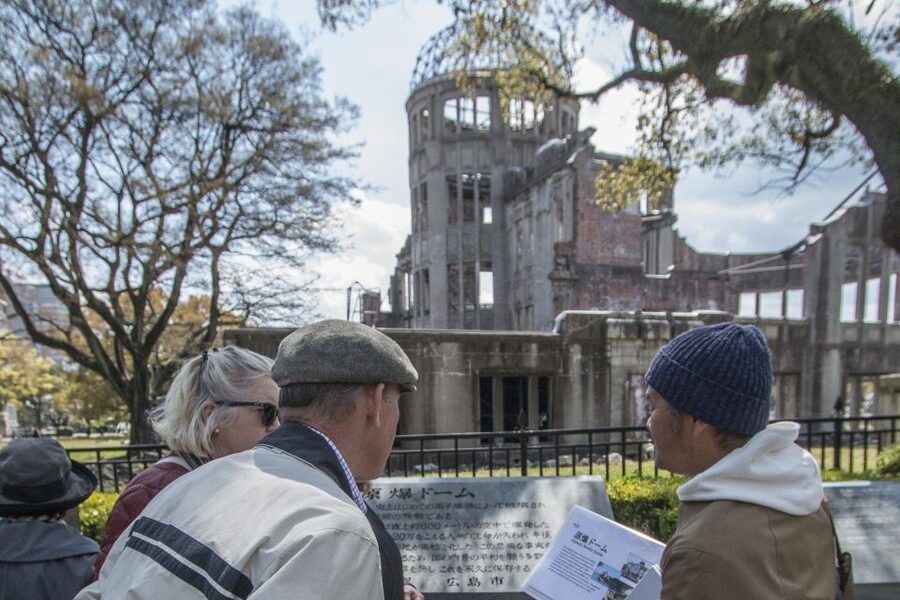
- More than a museum visit: The route connects the Peace Memorial Museum with Peace Park, the Atomic Bomb Dome, Aorigi Tree, and Shirakami-sha Shrine.
- A thoughtful change of pace: Orizuru Tower offers wide city views and a paper-crane activity after the sobering museum.
- Lunch is included: The meal commonly features Hiroshima’s famous okonomiyaki, though food choices are limited.
- Small-group feel: Private and small-group options are available, making it easier to ask questions and discuss difficult topics.
- A strict start time: Meet 10 minutes early. Arrivals more than 15 minutes late cannot join and do not receive a refund.
Why this Hiroshima tour works so well
Hiroshima is not a place you simply tick off with a photograph at the Atomic Bomb Dome. The city asks you to slow down and consider what happened, how ordinary people endured it, and how Hiroshima chose to speak about peace afterward.
That is where a guide makes a real difference. The Peace Memorial Museum has a large amount to absorb, and its displays can feel stark or confusing without context. A good guide helps you understand the human stories without turning the visit into a lecture.
The strongest part of this experience is the connection between the sites. You see the museum, walk through the park, pause at surviving trees and memorials, and finish near the Dome, where the scale of the destruction becomes easier to grasp. The route also leaves room for present-day Hiroshima, including the view from Orizuru Tower and a shared lunch.
The activity lasts 270 minutes and costs $92 per person. That is not the cheapest way to visit the Peace Memorial area, but the fee includes the museum, Orizuru Tower, lunch, a local English-speaking guide, and tour photos. If you want a structured half-day with someone to explain what you are seeing, the price is reasonable.
If you prefer to spend hours alone in the museum or read every display at your own pace, this may feel too guided. The museum is sometimes very crowded, and the schedule may require you to move on before you have seen every exhibit.
More Historical Tours in Hiroshima
- Hiroshima Historical Walking Tour – Why A-Bomb was Dropped
★ 4.8 · 893 reviews - Hiroshima Peace (Heiwa) Walking Tour at World Heritage Sites
★ 5.0 · 872 reviews - Miyajima Half-day Trip Historical Walking Tour
★ 5.0 · 284 reviews
Meeting at Montbell near Kamiya-cho-nishi Station
The tour begins in front of the Montbell store near Kamiya-cho-nishi Station. It is a one-minute walk from the station, and your guide will hold an orange sign marked Magical Trip Tour.
Plan to arrive at least 10 minutes before the stated start time. This is not a casual recommendation. Anyone arriving more than 15 minutes late cannot join the tour, and there is no refund or rescheduling.
That strict start makes sense. The day includes several timed admissions and a meal, so one late arrival can disrupt the entire group. I would allow extra time to find the station exit and the shop, especially if you are carrying luggage or arriving from Hiroshima Station.
The route is primarily on foot around the central Peace Memorial area. Wear comfortable shoes and bring water. Additional drinks and food are not included, though they can be purchased during the day.
Shirakami-sha Shrine adds a quiet opening
The first stop is Shirakami-sha Shrine, with about 25 minutes set aside for a visit. This is a useful introduction to Japanese religious customs before the tour turns to the events of 1945.
A guide can show you the proper approach and explain respectful shrine behavior. One guide, Kippei, was especially appreciated for helping a participant understand the correct protocol before entering. That small moment matters because it turns a quick photo stop into a cultural visit.
The shrine also gives you a calm start. Hiroshima’s peace sites carry considerable emotional weight, and beginning with a place of worship helps set a respectful tone. Do not expect a long historical presentation here. The value is in the ritual, the setting, and the contrast with the stops that follow.
The Peace Memorial Museum requires patience
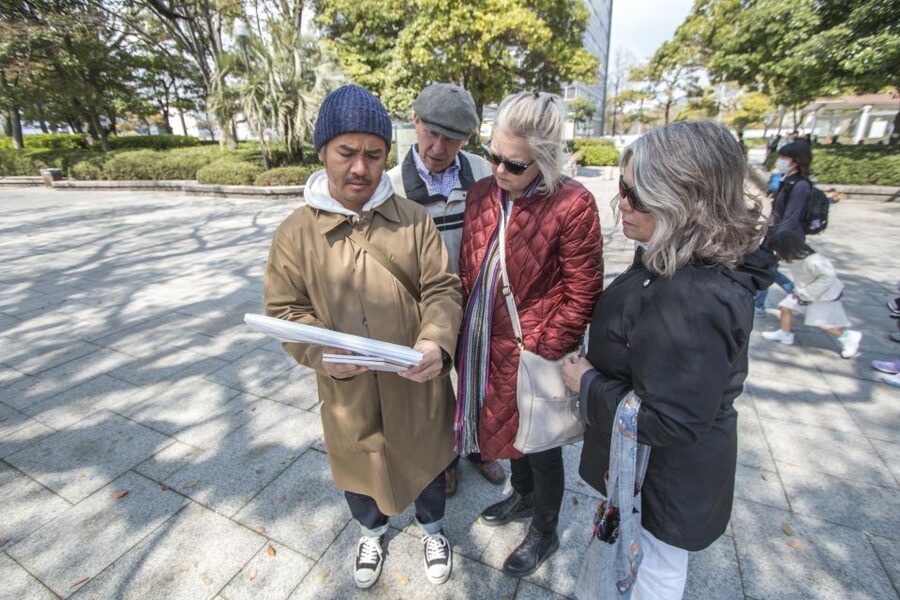
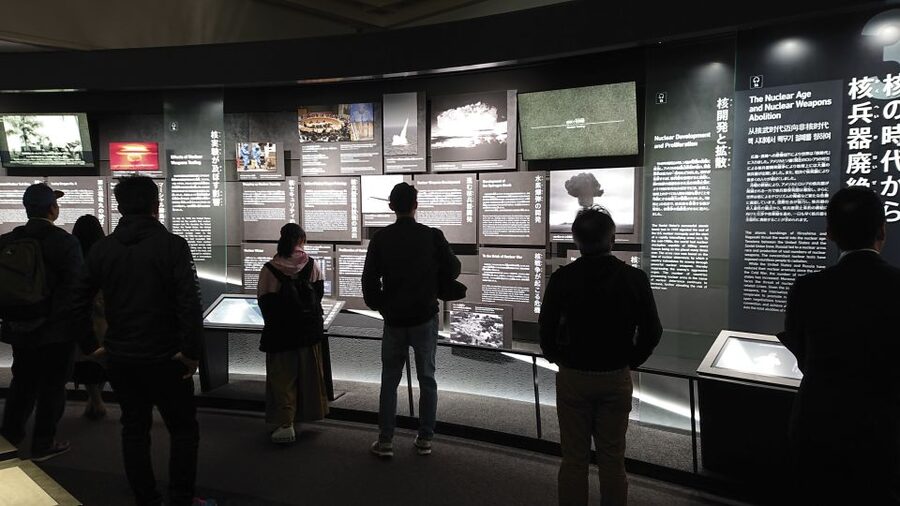
The museum is the emotional center of the tour. You will see exhibits about the atomic bombing, the damage to Hiroshima, and the way residents coped with the aftermath. The displays include artifacts and personal stories, so this is not a light sightseeing stop.
The guided visit lasts about an hour. That is enough to make the museum meaningful, but not enough to read every panel carefully. The building can be extremely crowded, particularly during busy periods. You may need to stay close to your guide and accept that some exhibits will receive only a brief look.
I recommend treating this as an introduction rather than your only museum visit. If you want more time with individual displays, return independently later if possible. One guide helped a participant re-enter after the tour, but you should not assume that arrangement will always be available.
The best guides handle this part with care. They explain facts clearly, answer questions, and notice when people need a quiet pause. Several guides, including Yuji, Aki, Etsko, and Yasue, have been praised for making the difficult material understandable without rushing people emotionally.
You may hear personal connections to Hiroshima. One guide spoke about a grandmother affected by the bombing, while others have shared local perspectives on the city’s recovery. Guide assignments vary, so the exact stories and style will depend on who leads your group.
Give yourself permission to feel upset. This is a serious memorial site, not an attraction to rush through with a camera. The tour’s message is not only about destruction. It also addresses endurance, rebuilding, and the city’s continuing work for peace.
More Walking Tours in Hiroshima
- Hiroshima City 4hr Private Walking Tour with Licensed Guide
★ 5.0 · 437 reviews - Hiroshima Walking Tour Why A Bomb was dropped to Hiroshima
★ 5.0 · 347 reviews - Hiroshima: History of Hiroshima Group Walking Tour
★ 4.8 · 266 reviews - Hiroshima: Food and Culture Guided Walking Tour with Dinner
★ 4.9 · 212 reviews
Walking Peace Memorial Park and its living reminders
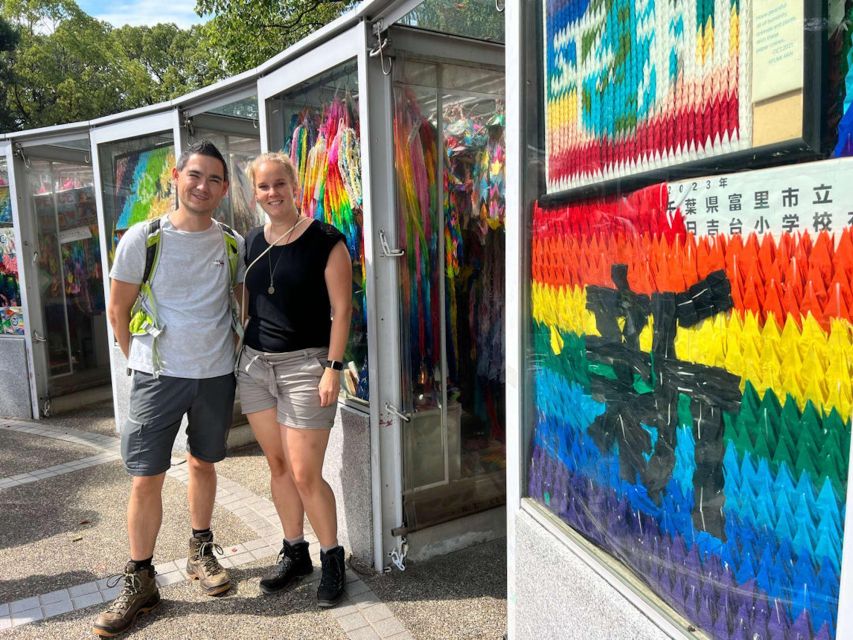
After or around the museum visit, the tour continues through Hiroshima Peace Memorial Park. This is where the information inside the museum gains physical scale.
The park includes memorial sites connected to the bombing and the people affected by it. Your guide explains what you are seeing and points out details that are easy to miss when walking alone. The pace is generally relaxed, but the exact order can shift depending on crowd levels and the guide’s approach.
Aorigi Tree is one of the most meaningful stops. The tree survived the atomic bombing and later became a sign of hope as Hiroshima recovered. Seeing a living tree among the memorials gives the story a different texture. It reminds you that the city is not frozen in 1945.
The park also allows time for questions. This is useful because Hiroshima’s history raises complicated issues about war, civilian suffering, memory, and peace-building. The guides do not simply recite dates. They help connect the past with the city you are walking through today.
The Atomic Bomb Dome puts the story in front of you
The Atomic Bomb Dome is the tour’s most recognizable site and a UNESCO World Heritage Site. Its damaged structure remains near the river, surrounded by a modern city that has been rebuilt around it.
The Dome is powerful because it is physical. Museum displays can feel distant once you leave the building, but the Dome gives you a direct view of what survived. Your guide explains its connection to the bombing and why it remains a central symbol of Hiroshima.
This stop is not just about architecture. It asks you to consider why some ruins are preserved and how a city chooses to remember. The contrast between the fragile remains and the active city around them is difficult to miss.
The Dome can be busy, especially near the river. Your guide helps you find the important viewpoints and explains the site without making you fight for attention in a crowded area. Take a moment to look beyond the usual photograph. The surrounding river, park, and city are part of the experience.
Orizuru Tower offers a needed change of mood
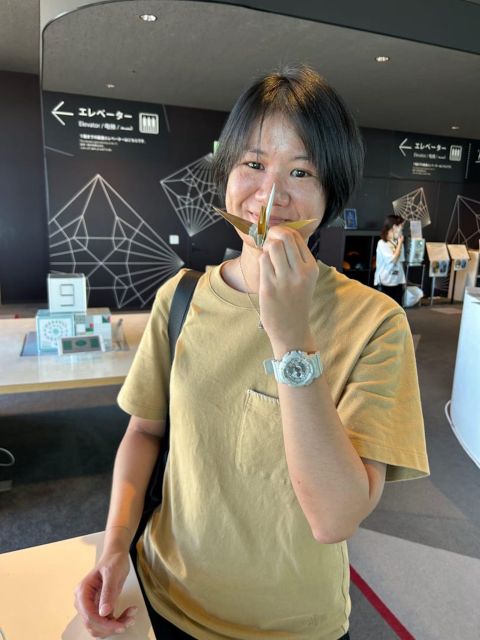
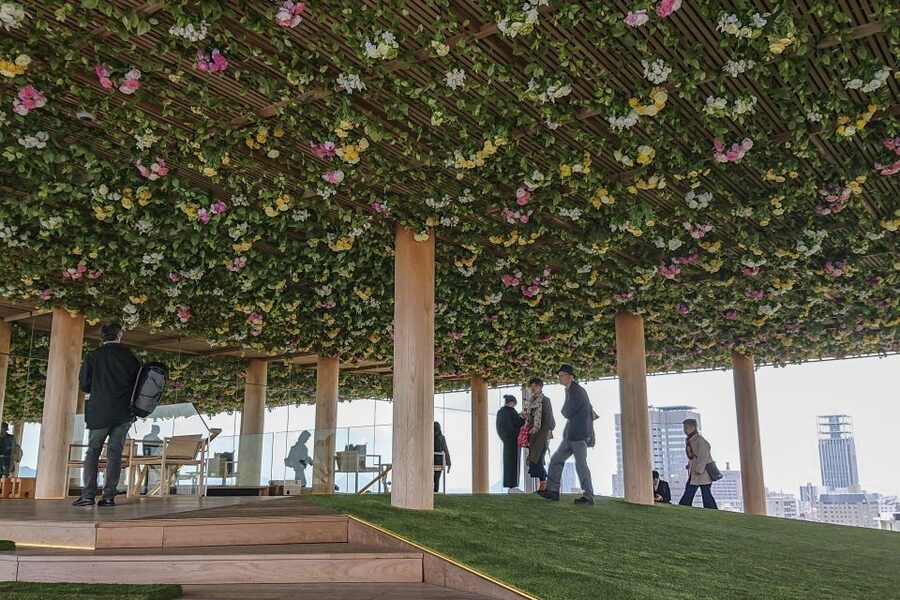
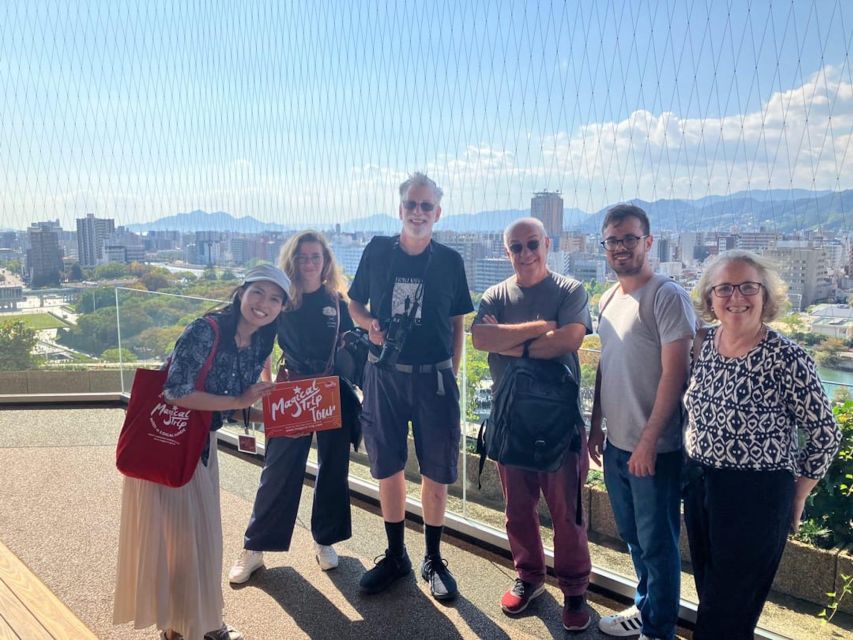
Orizuru Tower brings a welcome shift after the museum and memorial sites. Its observatory provides wide views across Hiroshima, and the breeze at the top offers a physical break from the enclosed museum.
The tower is tied to the Japanese paper crane, or orizuru, a symbol of peace. You will learn how to fold one and make a wish for peace. This activity sounds simple, but it gives the subject matter a hands-on ending. You are not only listening. You are taking part in a small act connected with Hiroshima’s peace message.
The paper-crane activity was a favorite part of the day for many participants, especially the moment when a finished crane could spiral down to join others in the building. Some guides also add personal touches, such as writing names in Japanese or giving a small handout at the end.
The view is another reason to value the tower. You can see the scale of the rebuilt city from above, which helps you understand the distance Hiroshima has traveled since 1945. The entry ticket also allows a return visit for sunset, according to the activity information. Confirm the current access terms on the day if you hope to return.
Lunch brings the group back to ordinary life
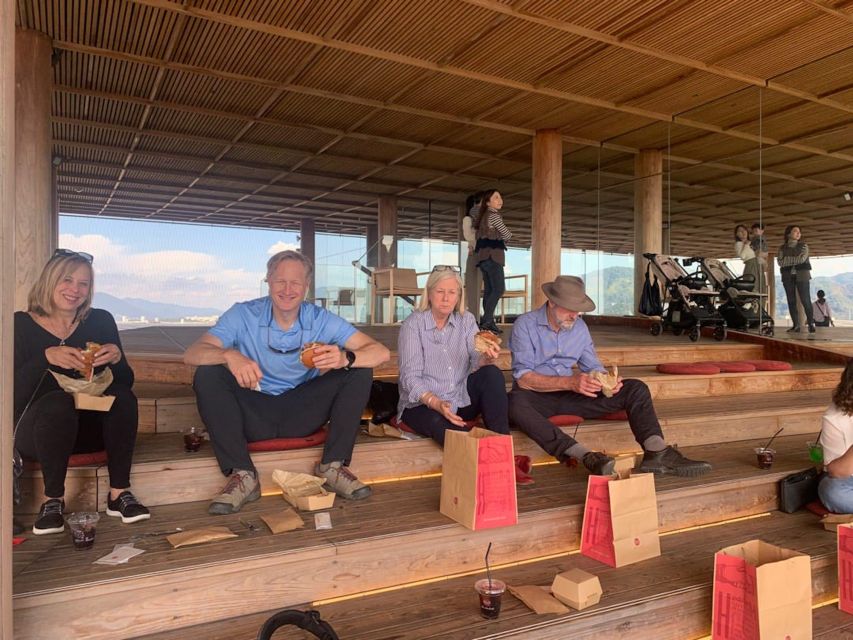
Lunch is included and usually features Hiroshima-style okonomiyaki, the city’s famous savory pancake. It is a good choice for this tour because it is local, filling, and social. After a heavy morning, sitting down with the guide and other group members gives everyone a chance to talk about what they have seen.
The meal has one limitation. Food choices are not broad, and one participant wished for a choice of okonomiyaki flavors after eating the dish on a previous day. Vegetarian options are limited in many Japanese restaurants, and the tour is not suitable for people with gluten intolerance.
Tell the operator about dietary requests or allergies at least one day before the tour. Same-day requests cannot be accommodated. The food is prepared in kitchens not operated by MagicalTrip, and an allergy-free meal cannot be guaranteed.
Additional food and drinks are not included. If you need coffee, snacks, or extra water, plan to buy them separately.
Guide quality is the real value
The sites themselves are essential, but the guide determines how much you take away. The strongest guides on this experience have been warm, patient, and willing to answer questions rather than simply follow a script.
Yasue has been praised for her heartfelt message about peace and her ability to connect with families and teenagers. Yuji has been singled out for clear English, strong local knowledge, and a calm way of narrating difficult events. Etsko has received praise for personal attention, local insight, and kindness when people became emotional. Yuki has been appreciated for enthusiasm, family stories, and an easy way of explaining the city.
Those names do not guarantee your assigned guide. They do show the range of guide styles available. The activity is conducted in English, and private or small-group formats are offered. A smaller group is particularly useful here because you can ask questions without holding up a large crowd.
Some guides also take group photographs and send them afterward. Others add small personal touches, such as printed information or help with Japanese names. These extras are not the reason to book, but they can make the day feel more personal.
Who should book this peace walking tour?
I would recommend it to a first-time Hiroshima visitor who wants the essential peace sites explained in one half-day. It is also a strong choice if you are visiting Hiroshima for only one day and want to use your time well.
Families with older children and teenagers may find the structure helpful. The museum is serious, but the crane activity, city views, shrine visit, and lunch give the day some variety. One family described the experience as a major highlight of a 10-day Japan trip.
You should also consider it if you are interested in Japanese culture beyond the bombing. The shrine customs, paper-crane tradition, local food, and discussion of Hiroshima’s rebuilding give the tour a wider frame.
I would hesitate to book it for very young children, anyone who dislikes guided schedules, or anyone who needs a strict gluten-free meal. The museum content is graphic and upsetting in places, and the walking schedule does not allow unlimited time at every display.
Is $92 a fair price?
At $92 per person, the tour is good value if you want a guide, museum entry, Orizuru Tower entry, lunch, photos, and a planned route. Buying each element separately may cost less, but you would need to organize the timing, interpret the sites yourself, and find a suitable lunch.
The best value comes from the explanations. Hiroshima’s memorial sites are easy to visit independently, but the connections between them are less obvious. A local guide can explain why a tree matters, what a memorial represents, and how the city presents its past to the world.
The price is less attractive if you already know the museum well or want to spend several hours reading every display. In that case, independent visits give you more control.
Should you book it?
Book this tour if you want a thoughtful, well-organized introduction to Hiroshima with a local English-speaking guide. The combination of museum, park, Dome, shrine, tower, paper crane, and lunch gives you both the painful history and the living city that followed it.
Go in prepared for an emotional day, crowded museum conditions, and a firm schedule. Arrive early, tell the operator about food needs in advance, and do not expect to see every museum panel.
For most first visits, I think the guided format is worth the $92. Hiroshima is too important to treat as a quick photo stop, and the right guide can help you leave with a clearer understanding of both the tragedy and the city’s hope for peace.
FAQ
How long does the Hiroshima Peace Walking Tour last?
The tour lasts 270 minutes, or about five hours.
Where does the tour begin?
Meet in front of the Montbell store near Kamiya-cho-nishi Station. It is about a one-minute walk from the station.
How early should I arrive?
Arrive 10 minutes before the scheduled start time. Arrivals more than 15 minutes late cannot join the tour, and no refund or rescheduling is offered.
Is the tour conducted in English?
Yes. The tour includes a live English-speaking guide.
What is included in the price?
The price includes entry to the Hiroshima Peace Memorial Museum and Orizuru Tower, lunch, a five-hour guided tour, and tour photos.
Are vegetarian or allergy-friendly meals available?
Vegetarian choices are limited. You must provide dietary requests or allergy information at least one day before the tour, but allergy-free meals and all dietary restrictions cannot be guaranteed. The tour is not suitable for people with gluten intolerance.
Can I cancel the booking?
You can cancel up to 24 hours in advance for a full refund. A reserve-now, pay-later option is also available.
Just added around Hiroshima
- Full Day Hiroshima and Miyajima Tour by Bullet Train from Kyoto★ 4.5 · 120 reviews
- Hiroshima Saijo Sake Tasting Tour with visit to 7 Breweries★ 5.0 · 104 reviews
- The Peace Memorial to Miyajima : Icons of Peace and Beauty★ 4.5 · 31 reviews
- Shore Excursion from Hiroshima Port : Private Tour in Hiroshima★ 5.0 · 17 reviews
- Okunoshima Rabbit Island Cycling Tour with Local Guide★ 4.5 · 17 reviews
- Hiroshima & Miyajima All-Inclusive Tour w/Licensed guide Pancho★ 5.0 · 54 reviews
- Private Full Day Hiroshima Tour★ 4.5 · 29 reviews
- Hiroshima Country Cycling: Explore Rural Life 1 HR from City★ 5.0 · 22 reviews
Historical Tours, compared.
Imperial Palace and Shogun Historical Walking Tour
Our verdict →
World Heritage Kyoto & Nara Uji Authentic Matcha Experience
Our verdict →
Kyoto Gion: 2-Hour Geisha Culture & History Walking Tour
Our verdict →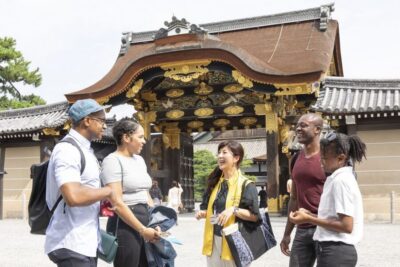
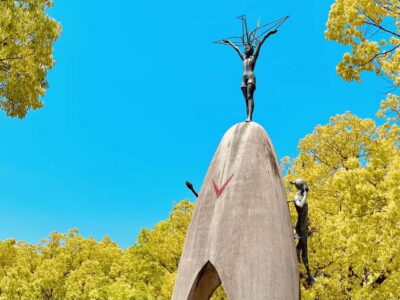
Hiroshima Historical Walking Tour – Why A-Bomb was Dropped
Our verdict →
Yanaka Walking Tour: Historic and Traditional District of Tokyo
Our verdict →
Shinjuku Historical Walking Tour & Secret Backstreets
Our verdict →
Mt. Fuji Heritage Tour: Traditional Villages, Lakes & Shrine
Our verdict →Browse the lists this tour appears in