
Reviewed · HIROSHIMA TOURS
Hiroshima & Miyajima All-Inclusive Tour w/Licensed guide Pancho
Miyajima’s floating torii and Hiroshima’s Peace Memorial Park make a powerful pairing, and this private day tour connects both by train, ferry, and local buses. Licensed guide Pancho, or Tetsuo Hamano, adds local context, family stories, and room for questions rather than rushing you from one photo stop to the next.
I like the private format, which lets Pancho adjust the pace for your group, and I like the practical help with trains, ferries, lunch choices, and accessibility concerns. The main drawback is the travel time: about 7.5 hours includes several local connections, so the actual time at the major sites feels shorter than the clock suggests.
Key points
- Pancho’s Hiroshima family perspective: Expect historical explanation alongside personal stories about the city’s recovery.
- Miyajima’s major sights: Visit Itsukushima Shrine, the famous Otorii Gate, and Daishoin Temple.
- Peace Park with context: See the Atomic Bomb Memorial Mound, Atomic Bomb Dome, Children’s Peace Monument, and other memorials.
- Public transport included: The price covers essential JR, ferry, and bus fares, but not private transportation.
- Museum visit handled independently: The Peace Memorial Museum is not part of the guided route, allowing private time if you choose to enter.
- Food is your own expense: You can choose from Hiroshima specialties such as okonomiyaki, tsukemen, ramen, sushi, and light meals.
Two Hiroshima stories in one carefully planned day
This experience links two very different sides of Hiroshima. On Miyajima, you encounter Shinto worship, Buddhist temples, sea views, and one of Japan’s most recognizable gates. Back in the city, you walk through places shaped by the atomic bombing of 1945 and the long work of remembrance and recovery.
That contrast gives the day its purpose. Miyajima is not simply a scenic island added to a city tour, and Peace Memorial Park is not just a collection of monuments. With Pancho, you get a local guide who explains how religion, history, family memory, and daily life fit together.
The tour is private, so only your group participates. That matters here. Hiroshima can raise difficult questions, and you may want to pause, ask for clarification, or change the pace without worrying about a larger group waiting.
Pancho is described as a Hiroshima native and a licensed local guide. His English communication is a major part of the experience, especially if you want to ask about local customs or the human side of the city’s past. He also communicates before the tour, which can help you discuss meeting arrangements, mobility needs, or food preferences ahead of time.
A few more Hiroshima half-days worth comparing
- Peaceful Hiroshima & Miyajima UNESCO 1 Day Bus Tour
★ 5.0 · 5,309 reviews - Hiroshima: Hiroshima and Miyajima UNESCO Sites 1-Day Tour
★ 4.9 · 2,330 reviews - Hiroshima / Miyajima Full-day Private Tour with Government Licensed Guide
★ 5.0 · 1,298 reviews
Miyajima begins with a famous gate and changing tides
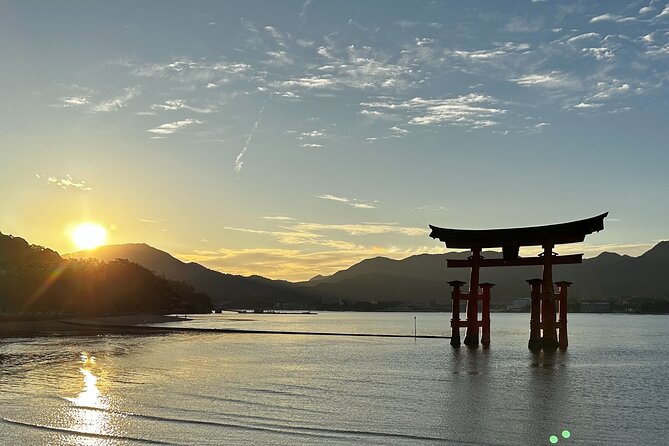
The day starts with Miyajima, formally known as Itsukushima. The island is known for the large Otorii Gate that appears to float offshore at high tide. That effect depends on the tide, so the view will not look identical at every hour.
Pancho takes you to viewpoints for photographs and explains the gate’s role in Shinto practice. This is more useful than simply stopping for the standard picture. You learn why the gate is placed in the water, how the shrine relates to the island, and why Miyajima has become such a familiar image of Japan.
The Miyajima portion lasts about three hours and ten minutes, including the shrine and temple visits. That is enough time for the main sights, but it is not a slow island day with long wandering time. If you want the ropeway, mountain walks, extended shopping, or a leisurely meal, you should ask Pancho in advance whether the schedule can accommodate them.
The island portion also involves walking and public transport connections. You need moderate physical fitness, and comfortable shoes make sense. A member of one group had a knee concern, and Pancho was able to discuss wheelchair needs in advance, but Daishoin Temple itself can be difficult to access by wheelchair.
Itsukushima Shrine puts the island’s spirituality first
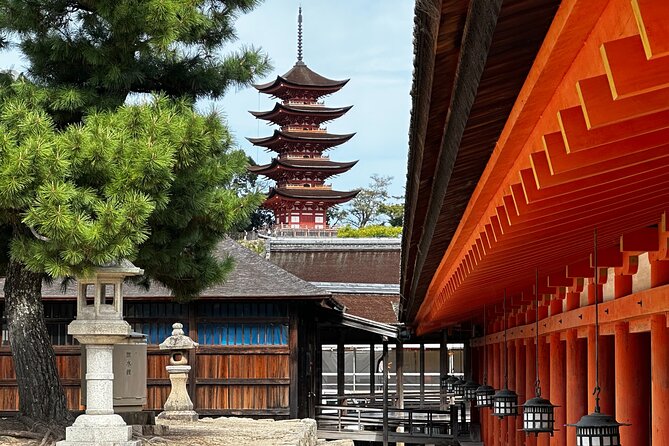
The tour includes admission to Itsukushima Shrine, a UNESCO World Heritage site. The shrine’s position near the water gives it a character unlike the inland shrines you may have seen elsewhere in Japan. Its buildings, walkways, and gate work together with the tide and shoreline.
You spend about 30 minutes inside the shrine. That is enough for a guided introduction and photographs, though it will feel brief if you want to study every building or linger on your own. Pancho’s role is especially useful here because the design can be easy to admire without understanding its religious meaning.
The Otorii Gate receives another 30-minute stop as a separate part of the visit. This gives you time to see it from a good angle rather than treating it as a quick glimpse from the shrine. At low tide, the gate may be reachable from the shore, while at higher water it appears to float. The tour does not promise a particular tide view, so treat the changing conditions as part of the experience.
Shrine admission is included in the $340 price. That removes one small task during a busy day and makes the cost easier to judge, especially for a private group that wants a guide rather than a self-guided visit.
Daishoin Temple adds a quieter Miyajima stop
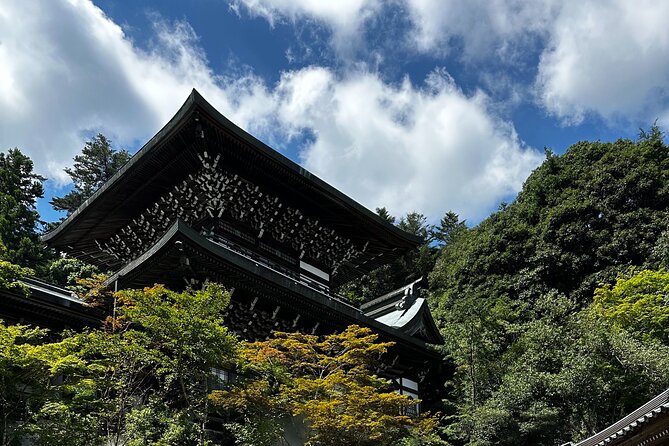
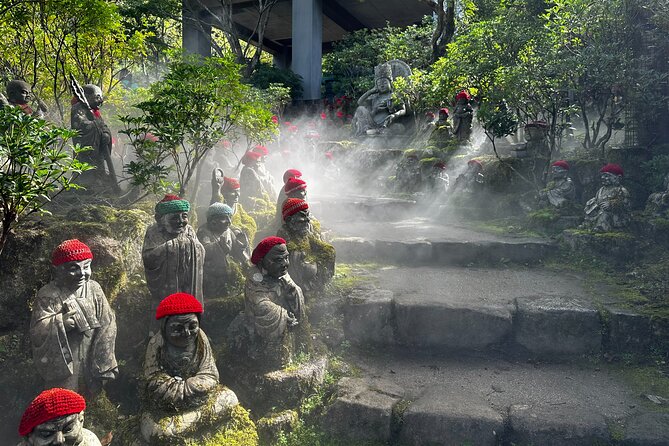
Daishoin Temple is one of Pancho’s favorite places on Miyajima, and it offers a different mood from the shrine. The temple is picturesque and gives you a look at Japanese Buddhist practice. Pancho can explain religious and cultural details while pointing out features that are easy to miss on your own.
You have about 40 minutes here. The schedule may also allow optional views of the Five-Story Pagoda and Senjokaku Pavilion, depending on timing and your group’s interests. Those additions are useful for people who want a wider view of Miyajima’s religious buildings, but the tour’s main promise is the temple visit itself.
This is also the clearest accessibility caution in the schedule. Daishoin can be difficult to access by wheelchair. If anyone in your group has trouble with stairs or uneven routes, contact Pancho before booking and explain the situation. He has shown flexibility with mobility concerns, but the physical character of the temple cannot simply be removed.
More Guided Tours in Hiroshima:
- Hiroshima City 4hr Private Walking Tour with Licensed Guide
★ 5.0 · 437 reviews - Hiroshima 2hr Peace Cycling Tour with Local Guide
★ 5.0 · 321 reviews - Hiroshima: Peace Cycling Tour with Local Guide
★ 4.8 · 286 reviews - Hiroshima & Miyajima: Full-Day Private Tour & Licensed Guide
★ 4.8 · 252 reviews
Lunch is flexible, local, and not included
Near Peace Memorial Park, the tour allows about 50 minutes for lunch. You pay separately, and Pancho can help you choose from local and familiar options.
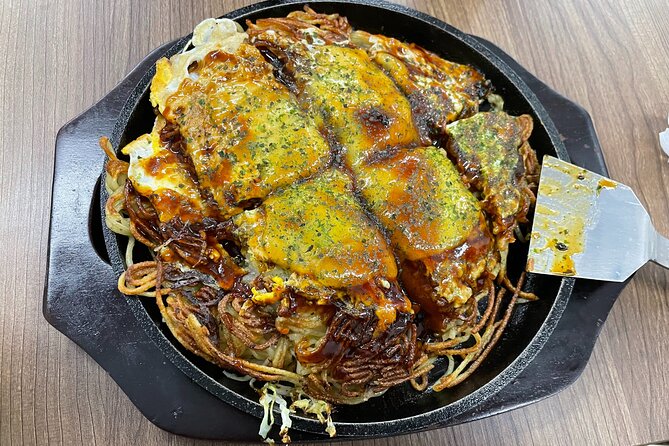
Possible choices include okonomiyaki, Hiroshima-style dipping noodles called tsukemen, ramen, casual sushi, local comfort food, and lighter meals. This flexibility is useful for a private group with mixed tastes. It also helps if you need vegan or gluten-free advice, since Pancho specifically offers guidance with those food needs.
Fifty minutes is a practical lunch break, not an extended restaurant outing. You should tell Pancho about dietary restrictions before the day begins so the meal does not become a last-minute search. Food and drinks are not part of the tour price, so keep that extra cost in mind when comparing the package with a cheaper walking tour.
Hiroshima Peace Memorial Park asks for your attention
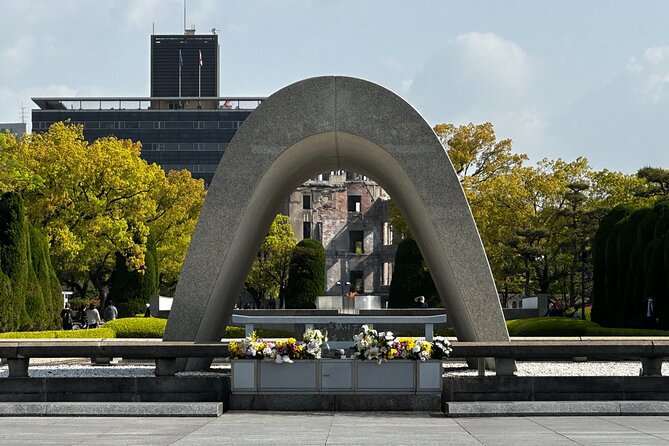
The Peace Memorial Park portion lasts about one hour and twenty minutes. Pancho leads you through the memorial grounds and explains the events of 1945, the impact on Hiroshima, and the city’s later efforts toward peace and recovery.
The Atomic Bomb Memorial Mound is a small, ground-level monument marking the area near the hypocenter, where the bomb detonated in the air. It is easy to pass without context. A guide helps you understand why this modest-looking place matters.
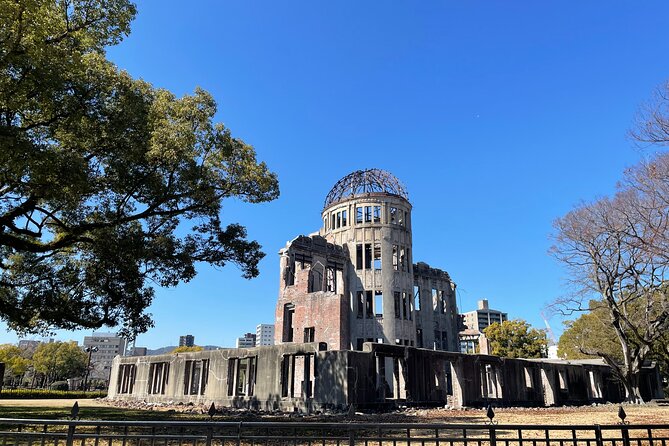
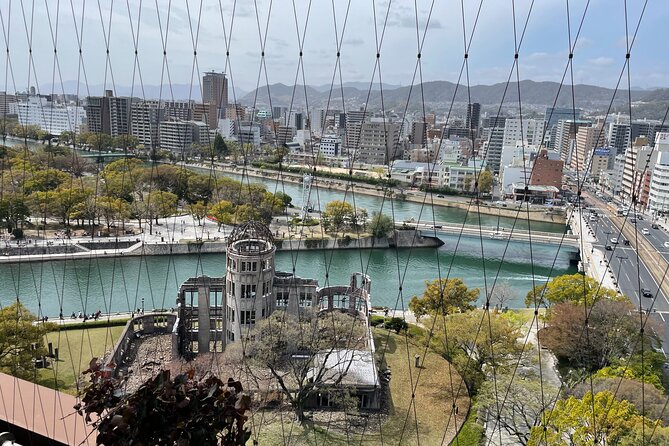
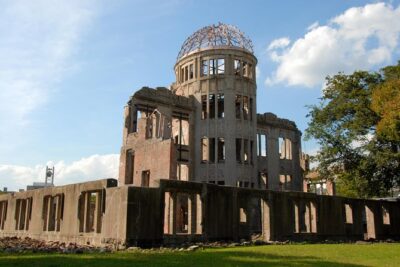
The Atomic Bomb Dome is the city’s most recognizable surviving structure from the bombing. Pancho discusses why it remained standing and why Hiroshima was selected as the target. These are difficult subjects, but the private setting lets you ask direct questions and take time when needed.
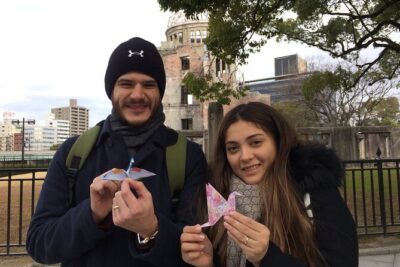
The route also includes the Children’s Peace Monument, associated with Sadako Sasaki and the paper cranes made in her memory. The memorial brings the effects of war down to a human scale, especially for families and younger visitors.
This portion can feel heavy. One person described the day as emotionally difficult and felt that the actual site visits took only about two hours because of the transport between them. I think that is a fair caution. Hiroshima should not be treated as a quick checklist, but you should also know that local trains, a ferry, and buses take a meaningful part of the day.
Why the Peace Memorial Museum is not guided
The Peace Memorial Museum is not included as a guided stop. The tour’s approach is to give you historical context at the outdoor memorials, then leave the museum experience for private reflection if you choose to enter.
That choice has advantages. Museums about mass violence can be intensely personal, and you may prefer to move at your own speed without commentary. You can also decide how much time you want to spend with the exhibits rather than following a fixed group schedule.
The museum entrance fee is listed separately at ¥200 per person. The tour does not stop there as part of its general route, so confirm your plans with Pancho if the museum is essential to your day. Do not assume the guide fee includes museum admission or a guided interior visit.
Some descriptions of the day may leave you expecting the museum, particularly because the outdoor memorials lead naturally toward it. The clear practical point is this: the tour guides the Peace Park monuments, not the Peace Memorial Museum interior.
Public transport is part of the experience
The $340 per-person price includes Pancho’s guide fee, Itsukushima Shrine admission, and essential public transportation. That includes JR service, the ferry, and local buses. Private transportation is not included.
You meet at 1-2 Matsubaracho in Hiroshima’s Minami Ward, and the tour ends back at the meeting point. Some groups have also arranged to meet Pancho near their hotel or coordinate with a bullet train arrival, but the stated meeting point is the one you should use when planning.
The transport network is not a nuisance to hide. It is how the two locations are connected, and moving through Hiroshima by train and ferry gives you a more ordinary view of the region than staying inside a private vehicle. Still, connections take time, and the day may feel active rather than leisurely.
If you are comparing this with a small group tour, the key value is not luxury transport. You are paying for a private guide who handles the route, explains what you are seeing, and adjusts the day when possible.
Is $340 per person a fair price?
For a private 7.5-hour tour, $340 per person is a serious expense. It makes the most sense for couples, families, or small groups who value personal guidance and want both Hiroshima and Miyajima covered in one day.
The price includes several useful costs: the guide, shrine admission, JR travel, ferry travel, and buses. It does not include lunch, drinks, private transport, or the Peace Memorial Museum fee. You should add those items when setting your budget.
I see the strongest value in the time saved from planning the route yourself. Hiroshima and Miyajima are easy to visit independently if you are comfortable managing train schedules, ferry connections, shrine tickets, and timing. The private tour earns its price when you want Pancho to handle those details and give you context along the way.
It is less compelling for a solo visitor on a tight budget, or for someone who wants long unstructured time on Miyajima. A less expensive group option or self-guided day may suit you better.
Who will get the most from Pancho’s tour?
I would choose this experience if you want a personal introduction to Hiroshima and have only one full day for both the city and Miyajima. It also suits families with different ages because the private format allows questions, lunch choices, and some pace changes.
The tour is a good match if you value local stories. Pancho shares family perspectives about Hiroshima and its recovery, while also explaining the religious meaning of Miyajima’s shrines and temples. That combination gives the day more feeling than a simple transport-and-photo outing.
It may be less suitable if you dislike scheduled movement, have very limited walking ability, or want a long museum visit. Daishoin can be hard for wheelchair users, public transport is unavoidable, and the day covers a lot of ground.
The tour is also worth considering for visitors with vegan or gluten-free needs. Pancho can advise on meal choices, though you still pay for your own food and should discuss the details in advance.
Should you book this Hiroshima and Miyajima tour?
Book it if you want a private, guided day that combines the peaceful religious setting of Miyajima with the serious memorials of Hiroshima. Pancho’s strongest qualities are his local connection, clear English communication, patience, and willingness to answer questions. His paper-crane activity and small practical touches, such as helping with photo spots and ferry logistics, can add warmth to the day.
Think twice if you want the Peace Memorial Museum included, private car transport, or a slow afternoon on the island. Those are not part of the standard plan.
For most people, I would book this tour when the $340 price fits the budget and Hiroshima is a major purpose of the Japan trip. The route is busy, but the combination of two UNESCO-related sites, local transport, personal guidance, and time for serious reflection gives you a meaningful single-day introduction.
FAQ
How long does the Hiroshima and Miyajima tour last?
The tour lasts approximately 7 hours and 30 minutes.
What is included in the tour price?
The price includes Pancho’s guide fee, admission to Itsukushima Shrine, and essential public transportation, including JR trains, the ferry, and local buses.
Is lunch included?
No. Lunch and drinks are not included. You can choose from options such as okonomiyaki, tsukemen, ramen, casual sushi, local comfort food, and light meals.
Is the Peace Memorial Museum included?
No. The tour does not include a guided visit to the Peace Memorial Museum. If you choose to enter, the listed admission fee is ¥200 per person.
Does the tour include private transportation?
No. Private transportation is not included. The route uses public trains, a ferry, and buses.
What places do I visit on Miyajima?
You visit Miyajima, Itsukushima Shrine, the Otorii Gate, and Daishoin Temple. Optional sights may include the Five-Story Pagoda and Senjokaku Pavilion, depending on time and interest.
Will I see the famous floating torii gate?
Yes. The tour includes a visit to the Itsukushima Shrine Otorii Gate and time for photographs. Its floating appearance depends on the sea tide.
What Hiroshima memorial sites are included?
The route includes the Atomic Bomb Memorial Mound, Atomic Bomb Dome, Hiroshima Peace Memorial Park, and the Children’s Peace Monument.
Is this a private tour?
Yes. Only your own group participates in the activity.
Where does the tour start and end?
The stated meeting point is 1-2 Matsubaracho, Minami Ward, Hiroshima. The activity ends back at the meeting point.
Is the tour accessible for wheelchair users?
Travelers should have moderate physical fitness, and Daishoin Temple can be difficult to access by wheelchair. Pancho can discuss mobility needs in advance, so contact him before booking if accessibility is important.
Can I cancel the tour?
You can cancel up to 24 hours before the start time for a full refund. Cancellations or changes made less than 24 hours before the start time are not accepted for a refund.
Just added around Hiroshima
- Full Day Hiroshima and Miyajima Tour by Bullet Train from Kyoto★ 4.5 · 120 reviews
- Hiroshima Saijo Sake Tasting Tour with visit to 7 Breweries★ 5.0 · 104 reviews
- The Peace Memorial to Miyajima : Icons of Peace and Beauty★ 4.5 · 31 reviews
- Shore Excursion from Hiroshima Port : Private Tour in Hiroshima★ 5.0 · 17 reviews
- Okunoshima Rabbit Island Cycling Tour with Local Guide★ 4.5 · 17 reviews
- Private Full Day Hiroshima Tour★ 4.5 · 29 reviews
- Hiroshima Private Tour with a Local – Highlights & Hidden Gems★ 4.5 · 24 reviews
- Miyajima Guided Tour and Fresh Oyster Farm Tour★ 5.0 · 20 reviews
Hiroshima Tours, compared.
Peaceful Hiroshima & Miyajima UNESCO 1 Day Bus Tour
Our verdict →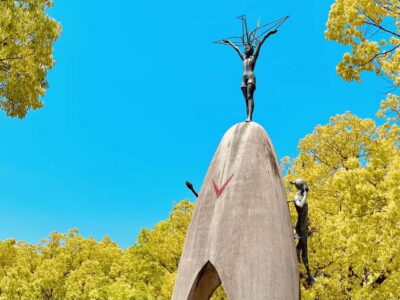
Hiroshima Historical Walking Tour – Why A-Bomb was Dropped
Our verdict →
Hiroshima Peace (Heiwa) Walking Tour at World Heritage Sites
Our verdict →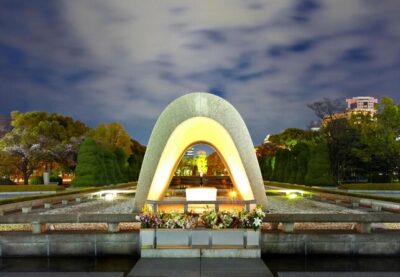
Hiroshima City 4hr Private Walking Tour with Licensed Guide
Our verdict →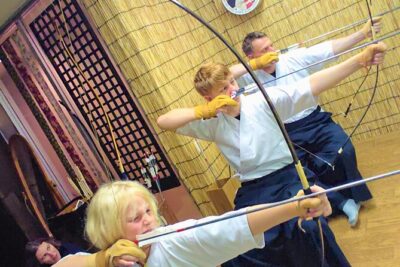
Japanesel Archery Experience HIROSHIMA CASTLE SHARAKU
Our verdict →
Browse the lists this tour appears in