
Reviewed · BULLET TRAIN TRIPS
Full Day Hiroshima and Miyajima Tour by Bullet Train from Kyoto
Hiroshima and Miyajima make a powerful pair: one is a sacred island of deer, shrines, and sea views; the other asks you to face one of the darkest moments of the 20th century. This full-day trip links both by reserved bullet train, saving you the work of arranging several trains, buses, and a ferry.
I like the way the tour puts Miyajima first, giving you a beautiful and calmer start before the serious afternoon at Hiroshima Peace Memorial Park. I also like the licensed English-speaking guide, with guides such as Masako, Azusa, Akiko, Hiro, and Takeshi receiving especially warm praise for clear explanations and good organization.
The tradeoff is time. You cover a huge amount of ground in about 13 hours, and some people find the museum visit or Miyajima lunch stop too short. The Kyoto meeting point can also be hard to find, so arrive early.
The day at a glance
- A reserved Shinkansen ride from Kyoto to Hiroshima: Your long-distance transport is arranged, with reserved seating in a standard car or Green Car.
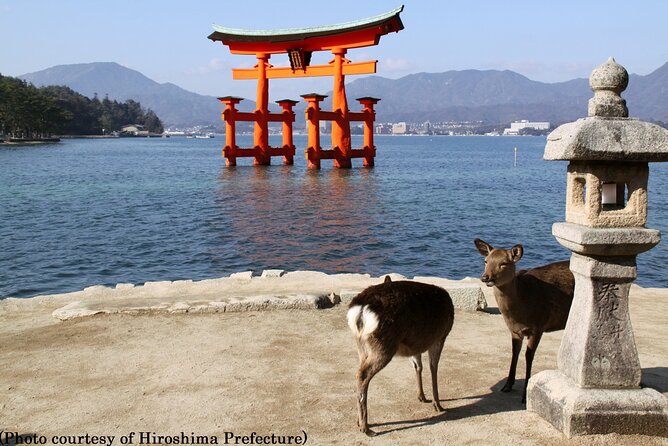
- Itsukushima Shrine on Miyajima: See the famous shrine and its torii gate, which appears to float at high tide.
- Lunch on your own: Choose from oysters, Hiroshima-style okonomiyaki, conger eel rice bowls, and other island food.
- A guided visit to Hiroshima Peace Memorial Park: Learn about the bombing, its victims, and the city’s recovery.
- The Atomic Bomb Dome and Children’s Peace Monument: See the preserved remains of a building near the blast site and thousands of paper cranes.
- A tightly packed 13-hour schedule: The tour ends at Kyoto Station around 9pm, with no hotel drop-off.
Why this Kyoto day trip works
The chief advantage is simple: Hiroshima is far enough from Kyoto that doing it independently takes planning. You need to match a Shinkansen with local transport, reach Miyajima, board the ferry, return to central Hiroshima, and still leave time for the Peace Memorial Museum before catching the train home.
This tour takes care of that chain. Staff meet you at Kyoto’s Sunrise Tours Desk, walk you to the station, and help you board. At Hiroshima, a local guide takes over for the city and Miyajima portion. That handoff matters because the day has little spare time.
The train ride takes roughly one hour and 40 minutes to two hours each way. That is a long stretch, but the reserved seating makes it easier than scrambling for space on your own. The journey also gives you a useful pause between Kyoto’s temples and Hiroshima’s difficult history.
The group can reach 40 people, so this is not a private outing. Still, the structure is orderly, and several guides have been praised for keeping people together, watching the clock, and making the transfers clear. Audio equipment has not always worked well, so stay close to the guide, especially in crowded areas.
More Shinkansen Trips in Hiroshima:
- Osaka/Kyoto: Hiroshima Miyajima Bus Tour & Shinkansen Ticket
★ 4.7 · 919 reviews - From Osaka: Hiroshima and Miyajima Day Trip by Bullet Train
★ 4.6 · 83 reviews - Mt Fuji and Hakone 1-Day Bus Tour Return by Bullet Train
★ 5.0 · 26,383 reviews
Starting at Kyoto Station before 7:30am
Your meeting point is the JTB Sunrise Tours Desk in the B1F level of Avanti, across from Kyoto Station’s Hachijo Exit. This location is convenient once you find it, but the downstairs setting is easy to miss. There is limited signage in the main station areas, and some people have spent too long looking for the desk.
I would arrive well before the 7:30am start. Give yourself time to locate Avanti, go downstairs, and confirm the meeting point without rushing. Staff then guide you on foot to Kyoto Station for the Shinkansen.
The early start is part of the price of seeing both destinations in one day. You will spend much of the morning on the train, but the seats are reserved and the route is straightforward. If you want a slow morning, a late dinner, or time to wander Kyoto that night, this is not the right day trip.
Miyajima and Itsukushima Shrine
After reaching Hiroshima Station, you continue by train or vehicle to Miyajimaguchi, then board a boat for Miyajima. The crossing adds a welcome change of pace. The island is traditionally regarded as sacred, and its best-known sight is Itsukushima Shrine, founded in the sixth century and later shaped by the refined architecture of the Heian period.
The shrine’s great attraction is its setting. The large torii gate sits offshore and can appear to float when the tide is high. Tide conditions affect the view, so do not expect the gate to look identical in every photograph. The shrine buildings, water, and wooded hills create a striking first half to the day.
Free-roaming deer are another part of the Miyajima experience. They add charm, but remember that they are not tame pets. Keep food and paper items secure if a deer comes close.
The schedule generally gives about an hour at the shrine and island, with some accounts describing around 80 minutes of free time. That is enough to see the main shrine area and grab food, but not enough for a leisurely exploration of every lane, shop, or hillside path.
This is where the itinerary feels tightest. If you want photographs, lunch, shopping, and a longer look at the shrine, you will need to move with purpose. Follow the guide’s instructions about where and when to meet. The island is easy to enjoy, but the ferry and Hiroshima schedule will not wait for a long browsing session.
Lunch on Miyajima, with no meal included
Lunch is not included, so plan to pay for it yourself. The island is known for oysters, Hiroshima-style okonomiyaki, and conger eel rice bowls. These are useful choices if you want a meal tied to the region rather than a generic stop.
The practical problem is time. You may be choosing food, eating, taking photographs, and finding the meeting place within roughly an hour. Vegetarian options can be limited, so if you have dietary needs, ask the guide for help as soon as you arrive. The tour does not promise a vegetarian meal or any specific restaurant.
I would not wait until the last few minutes to order. Pick a restaurant quickly, or choose something easy to carry if the schedule is moving fast. The tour’s value lies in linking two major sites, not in providing a relaxed island lunch.
More Train Trips in Hiroshima:
- Mt Fuji & Hakone Cruise, Drum Show Bullet Train 1 Day from Tokyo
★ 4.0 · 7,413 reviews - Tokyo Mt Fuji 5th St & Hakone Cruise Bus Tour w/Bullet Train
★ 4.4 · 5,024 reviews - From Tokyo: Mt. Fuji & Hakone Tour w/ Return by Bullet Train
★ 4.2 · 1,278 reviews - From Tokyo 1-Day Kyoto English-guided Tour by Bullet Train
★ 4.0 · 376 reviews
Hiroshima Peace Memorial Park and Museum
After returning by boat and vehicle or train, the tone changes sharply. Hiroshima Peace Memorial Park was created after the Pacific War and now serves as a place of remembrance and peace. Your guide explains the events leading to August 6, 1945, the bombing itself, and Hiroshima’s recovery afterward.
The Peace Memorial Museum is the emotional center of the afternoon. Exhibits present the human effects of the atomic bomb through objects, photographs, and personal accounts. Some material is disturbing, especially for younger children, so parents should consider that before booking.
The guided portion helps you understand what you are seeing. A good guide can connect the museum displays with the park’s monuments and the city beyond it. Guides including Sato, Taeko Watanabe, Masako, and Azusa have been praised for making the subject clear while treating it with care and respect.
You should expect about an hour in the museum. That is useful but not generous. The museum can be crowded and, at times, hot, and the main building alone can take most of your allotted time. If you read every display closely, you may feel rushed.
This is the biggest question to ask yourself before booking: do you want a broad introduction to both Miyajima and Hiroshima, or a longer museum visit? The tour favors breadth. People who care most about Hiroshima’s wartime history may prefer to visit independently and spend several hours in the museum.
The Atomic Bomb Dome and the park monuments
The Atomic Bomb Dome is one of the few buildings near the blast center that remained partly standing. It has been preserved as a warning about nuclear war and as a symbol of peace. Seeing the structure in person is different from seeing a photograph because the surrounding modern city makes its survival more immediate.
The tour allows about 40 minutes for the Dome and nearby sights. You also see the Children’s Peace Monument, covered with paper cranes made by children, and the Atomic Bomb Memorial Mound, which holds the ashes of roughly 70,000 victims. Many of those people were unidentified or had no surviving relatives to claim their ashes.
These stops give context before or after the museum. They also slow the day down emotionally. Do not treat this as just another photo stop. The guide’s explanations are especially valuable here, but keep close if the group is large or the audio receiver is not working well.
Guides make the difference
The Hiroshima portion includes a National Government Licensed English Guide Interpreter. The actual guide varies, and the experience depends heavily on the person leading your group.
The strongest guide reports describe people who were warm, clear, attentive, and good at managing a large group. Masako is praised for safety and organization. Azusa is remembered for humor and useful information. Taeko Watanabe is praised for keeping the day moving while adding details that would be easy to miss alone. Akiko, Hiro, Sato, Takeshi, and others are also described as friendly and engaging.
English ability has not been equally strong with every guide. One poor experience involved a guide who read from notes, gave short answers, and changed the schedule without explaining it well. That appears to be an exception rather than the general pattern, but it is a fair reminder that group tours are not fully predictable.
Audio receivers have also been an issue on some departures. If you cannot hear, move closer and tell the guide promptly. Do not assume the problem will fix itself in a crowded park or museum.
The return to Kyoto around 9pm
At the end of the Hiroshima visit, you return to Hiroshima Station and board the Shinkansen for Kyoto. Reserved seating is included, though seats may not be specifically designated in advance. The trip back gives you time to rest, but you will likely be tired by then.
The tour ends at Kyoto Station around 9pm. There is no hotel transfer, so you must make your own way from the station. That is easy enough for many people, but it matters if you are staying far from central Kyoto or traveling with small children.
The full day runs about 13 hours and 20 minutes. Road traffic, ferry timing, station transfers, and crowd levels can change the order and arrival times. Build flexibility into your evening rather than booking a late dinner or another fixed activity.
Is $399.71 a fair price?
At $399.71 per person, this is expensive compared with arranging a basic Kyoto to Hiroshima train trip yourself. The price includes round-trip Shinkansen transport, local transportation, the ferry, Miyajima’s visitor tax, admission fees, and the licensed guide. Lunch is extra.
The value comes from coordination. You do not need to work out the ferry connection, local buses, museum admission, or return train while moving through a very full day. You also receive historical context that guidebooks and signs cannot always provide.
The price is less convincing if you want freedom. You cannot easily linger on Miyajima, spend several hours in the museum, or leave the group for a long independent lunch. A self-planned visit may suit you better if you are comfortable handling train schedules and want to set your own pace.
For a first visit to Japan, or for anyone with only a short stay in Kyoto, the cost can be justified. You are paying for time saved and a carefully linked route, not just transportation.
Who should book this tour?
This trip suits you if you want to see both Miyajima and Hiroshima in one demanding day. It is especially useful for families and first-time visitors who prefer clear transport arrangements and a guide’s explanation at the memorial sites.
It also suits people who enjoy a full schedule and do not mind an early start or late finish. Most people can participate, but the day includes walking, ferry transfers, station movement, and long hours away from your hotel.
You may want another plan if you need a slow pace, have limited mobility, dislike group schedules, or want to study the Peace Memorial Museum in detail. Children under six may join free, but they do not receive a bus seat unless booked at the child rate. Children under 15, or anyone not yet in middle school, must be accompanied by a parent or guardian. Written parental permission is required for participants under 18.
Should you book it?
Book this tour if your priority is seeing the major Hiroshima and Miyajima sights without managing the transport yourself. The reserved Shinkansen, ferry, admissions, and local transfers remove much of the day’s logistical work.
Skip it if the museum is your main reason for visiting Hiroshima. You will probably want more than the scheduled hour, and Miyajima receives a similarly short visit. The strongest choice depends on your aim: this is an efficient introduction to two major places, not a relaxed, detailed study of either one.
Free cancellation is available up to 24 hours before the start time. Confirm the meeting point carefully, arrive early, bring money for lunch, and keep your evening open after the return to Kyoto.
FAQ
How long does the tour last?
The tour lasts approximately 13 hours and 20 minutes. It starts at 7:30am and returns to Kyoto Station around 9:00pm.
Where does the tour start?
You meet at the JTB Sunrise Tours Desk in the B1F level of Avanti, across from Kyoto Station’s Hachijo Exit.
Where does the tour end?
The tour ends at Kyoto Station. Hotel drop-off is not provided.
Is lunch included?
No. Lunch is on your own at Miyajima. Local choices include oysters, Hiroshima-style okonomiyaki, and conger eel rice bowls.
Is the bullet train included?
Yes. Round-trip Shinkansen transportation between Kyoto and Hiroshima is included, with reserved seating in a standard car or Green Car.
Is the ferry to Miyajima included?
Yes. Transportation costs and the Miyajima visitor tax are included.
How large can the group be?
The tour can have a maximum of 40 participants.
Can I cancel for a refund?
You can cancel at least 24 hours before the experience starts for a full refund. Cancellations or changes made less than 24 hours before the start time are not accepted for a refund.
More Full-Day Tours in Hiroshima
- Hiroshima / Miyajima Full-day Private Tour with Government Licensed Guide
★ 5.0 · 1,298 reviews - Full Day Hiroshima and Miyajima Bus Tour from Hiroshima
★ 4.5 · 371 reviews - Hiroshima & Miyajima: Full-Day Private Tour & Licensed Guide
★ 4.8 · 252 reviews - Hiroshima & Miyajima: Private Full-Day Tour with a Local Guide
★ 5.0 · 39 reviews
Just added around Hiroshima
- Hiroshima Saijo Sake Tasting Tour with visit to 7 Breweries★ 5.0 · 104 reviews
- The Peace Memorial to Miyajima : Icons of Peace and Beauty★ 4.5 · 31 reviews
- Shore Excursion from Hiroshima Port : Private Tour in Hiroshima★ 5.0 · 17 reviews
- Okunoshima Rabbit Island Cycling Tour with Local Guide★ 4.5 · 17 reviews
- Hiroshima & Miyajima All-Inclusive Tour w/Licensed guide Pancho★ 5.0 · 54 reviews
- Private Full Day Hiroshima Tour★ 4.5 · 29 reviews
- Hiroshima Country Cycling: Explore Rural Life 1 HR from City★ 5.0 · 22 reviews
- Hiroshima Private Tour with a Local – Highlights & Hidden Gems★ 4.5 · 24 reviews
Bullet Train Trips, compared.
Mt Fuji and Hakone 1-Day Bus Tour Return by Bullet Train
Our verdict →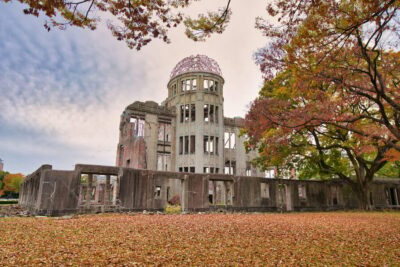
Osaka/Kyoto: Hiroshima Miyajima Bus Tour & Shinkansen Ticket
Our verdict →Browse the lists this tour appears in