
Reviewed · GEISHA & MAIKO EXPERIENCES
Kyoto: Kiyomizu-dera, Fushimi Inari & Gion Geisha District
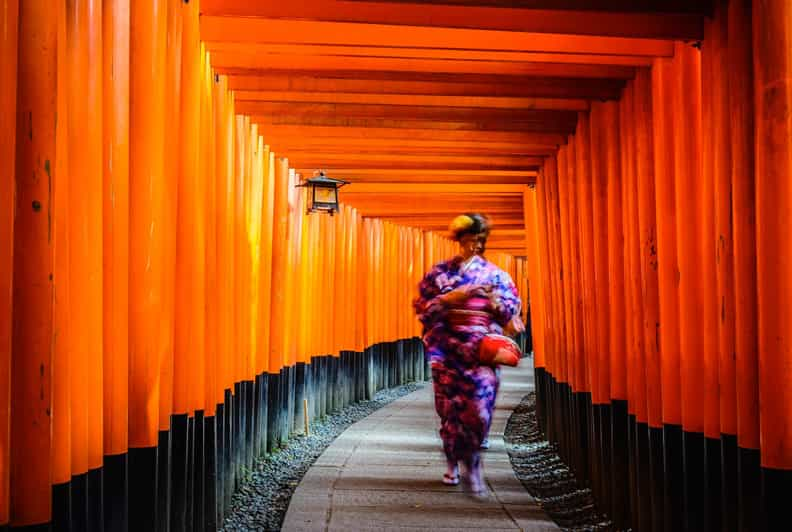
Fushimi Inari’s long passage of vermilion torii gates is Kyoto at its most cinematic, but this tour gives the famous scene useful context instead of leaving you to wander without a clue. With certified guide Roberto, you’ll connect Shinto beliefs at Fushimi Inari with Buddhist traditions at Kiyomizu-dera, then walk into old Kyoto through Gion.
I like the private format, which gives Roberto room to adjust his explanations and take photos for your group. I also like the practical mix of major sights and street-level Kyoto, especially the wooden lanes of Ninenzaka and Sannenzaka and the explanation of geisha and maiko life. The main consideration is pace: four hours includes two temples, several walks, and public transport, so this is not a gentle sightseeing stroll.
Key points at a glance
- Three major Kyoto experiences in four hours: Fushimi Inari, Kiyomizu-dera, and Gion are linked in one compact route.
- A certified local guide: Roberto is a Kyoto City Certified Tourist Guide who leads in English or Spanish.
- A private group: You can ask questions, request explanations, and receive help taking photos without sharing the tour with strangers.
- Public transport is part of the plan: Trains and city buses keep the route moving, but fares are extra.
- Kiyomizu-dera costs 500 yen extra: This is the only stated admission fee, while food, drinks, and transport are also separate.
- Expect plenty of walking and steps: Comfortable shoes, water, and a reasonable level of fitness matter.
Starting at Kyoto Station and heading to Fushimi Inari
Your meeting point is in front of the 7-Eleven at the JR Kyoto Station Building, on the first floor near the Kyoto Tower side exit. Roberto holds an iPad and a red card marked RBRT, making him easier to spot in the station’s large, busy interior.
The first train ride takes about 10 minutes. That short transfer gets you quickly from the modern transport hub into the setting of Fushimi Inari Taisha, one of Kyoto’s best-known Shinto shrines.
The use of public transport keeps the tour practical. You are not paying for a private vehicle, but you do need to handle your own train and bus fares. The route also gives you a small taste of how Kyoto works day to day, with the guide helping you move between major sights rather than spending half the morning finding the correct platform or stop.
More Temple & Shrine Tours in Kyoto
- Kyoto: Fushimi Inari, Kinkakuji, Bamboo Grove 1 Day Bus Tour
★ 4.8 · 4,316 reviews - Kyoto: Tea Ceremony in a Traditional Tea House in Kiyomizu
★ 4.9 · 3,519 reviews - Kyoto: Tea Ceremony Ju-An at Jotokuji Temple
★ 4.9 · 3,207 reviews
Fushimi Inari and its thousand red gates
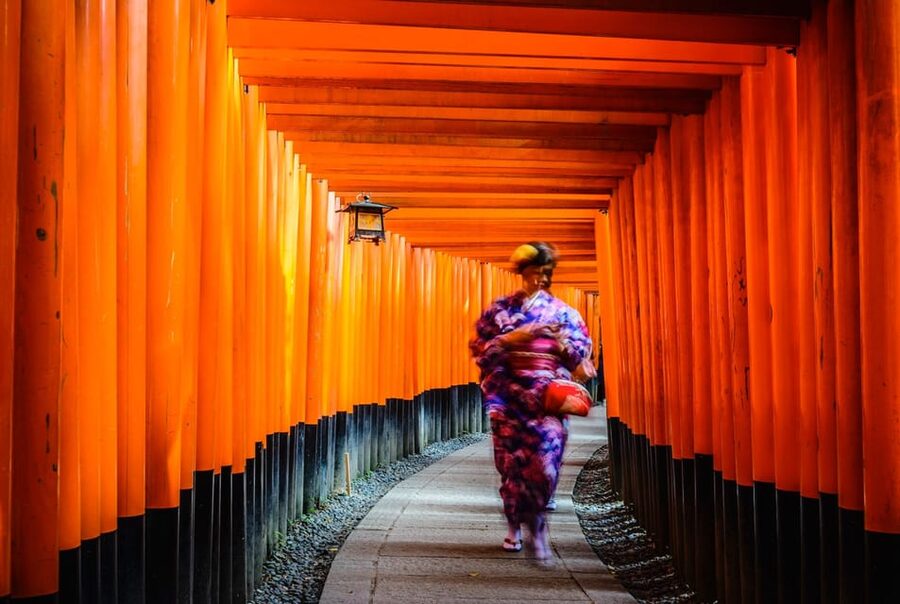
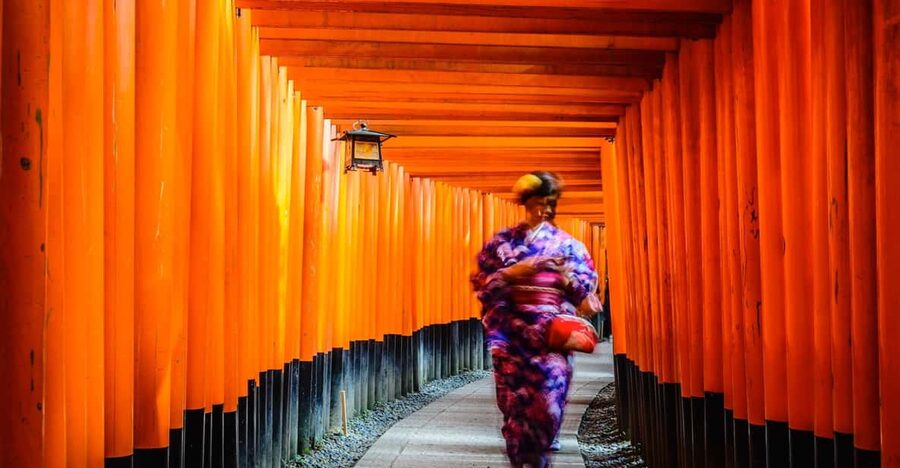
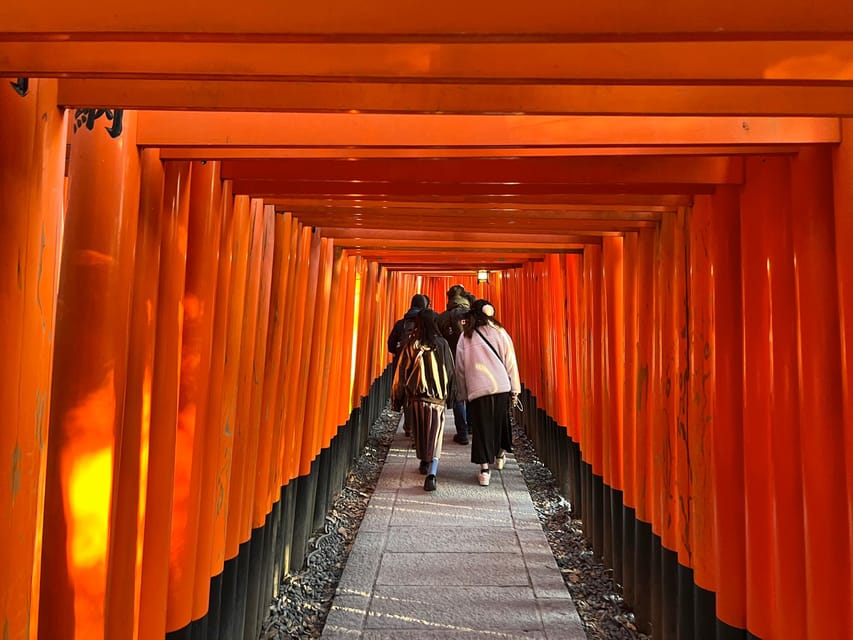
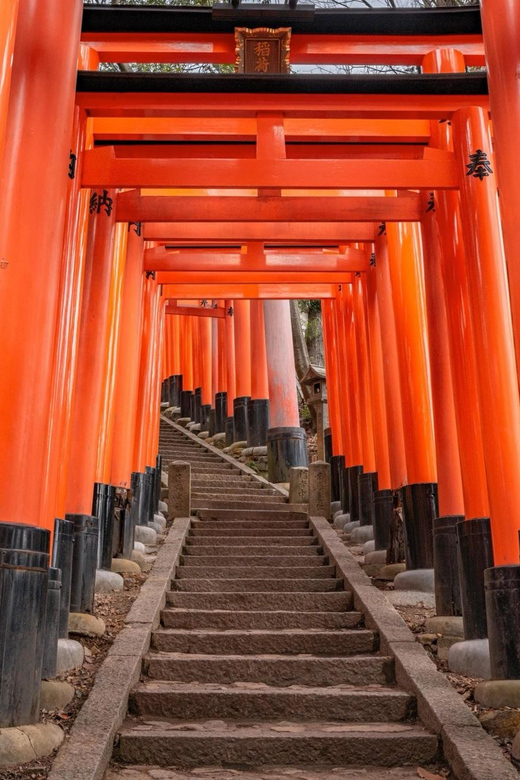
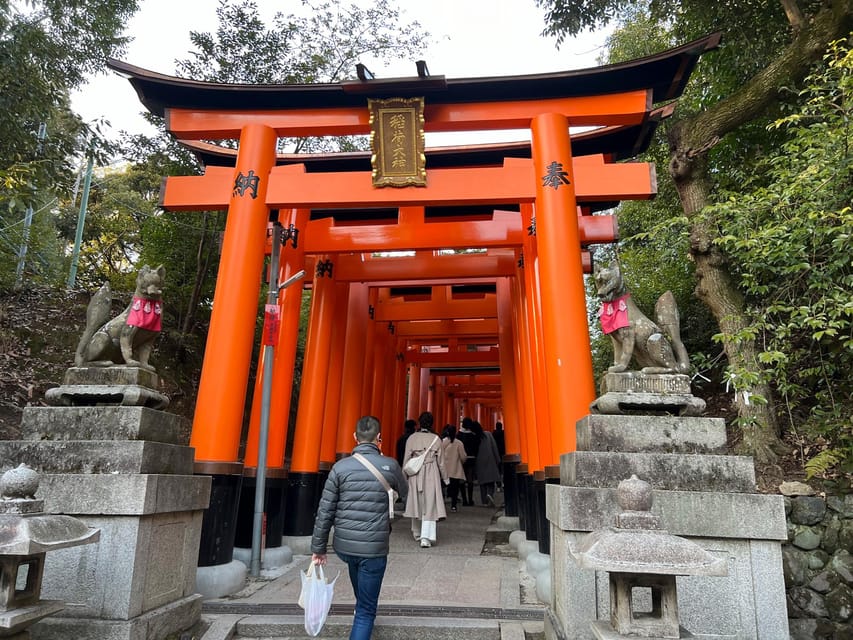
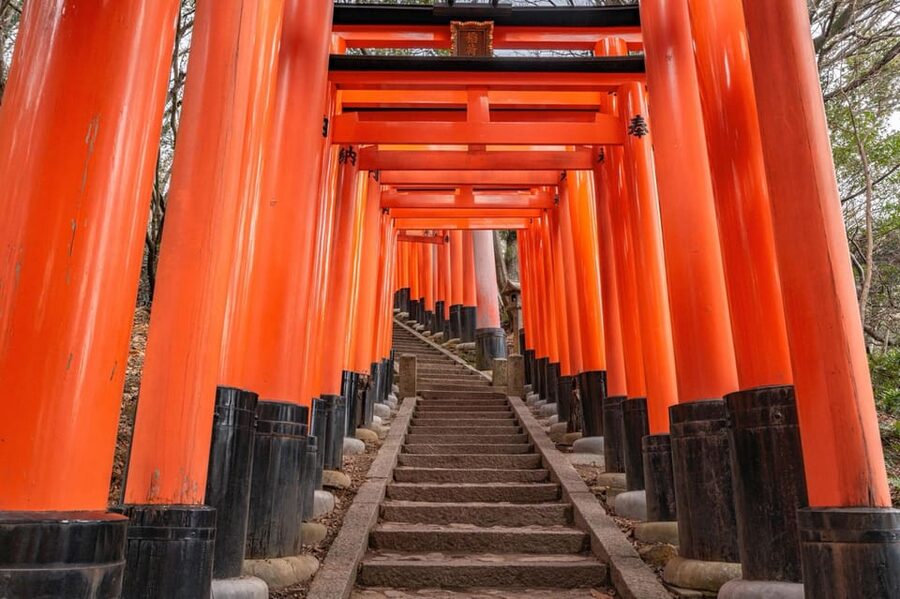
Fushimi Inari is famous for its seemingly endless rows of vermilion torii gates. These gates form a long uphill path through the wooded grounds of Mount Inari, and the color creates one of Kyoto’s most memorable scenes.
The tour allows about 75 minutes here. That is enough time for a guided look at the shrine and a meaningful walk beneath the gates, though it is not a full hike to every part of the mountain. You should think of this stop as a focused introduction rather than an athletic climb.
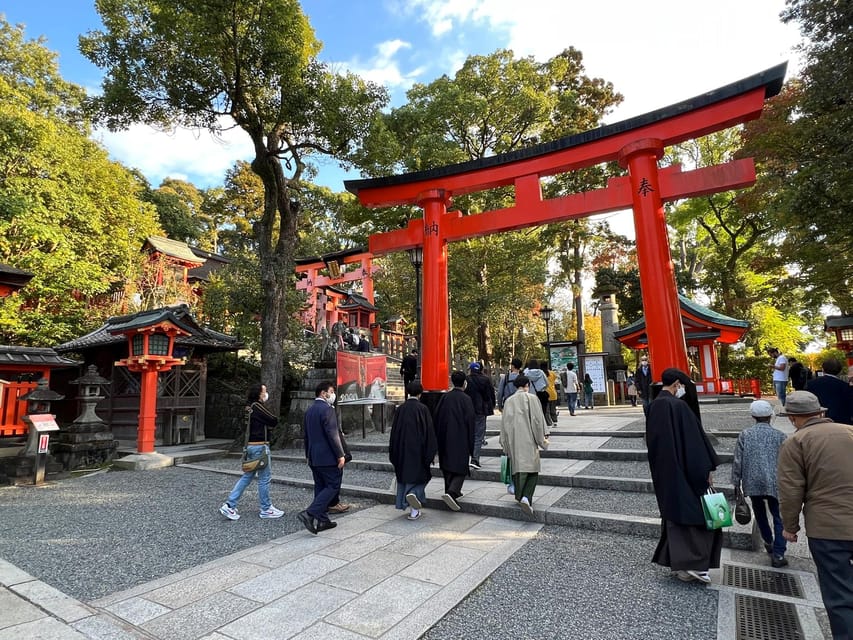
Roberto explains the shrine’s ancient origins and the basics of Shinto, Japan’s native religious tradition. That background changes how you see the site. The torii are not simply decoration. They mark a connection between ordinary space and sacred ground, and Fushimi Inari is tied to Inari, a deity associated with rice, prosperity, and work.
The route can feel crowded near the lower gates, especially at popular times. Walking farther along the trail usually brings a quieter atmosphere, but the path rises and includes uneven sections. If you have back, mobility, or fitness concerns, this is an important part of the tour to consider before booking.
Bring water. There is no reason to make this stop harder than it needs to be, especially with Kiyomizu-dera and the old streets still ahead.
The train ride toward Kiyomizu-dera
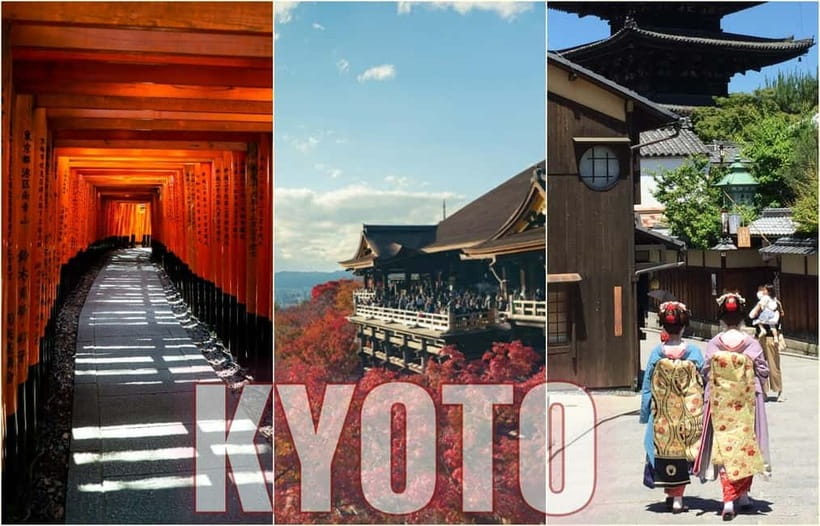
The transfer to Kiyomizu-dera takes about 30 minutes by train. That is a fair amount of the four-hour schedule, but it connects two very different sides of Kyoto. Fushimi Inari is a shrine centered on Shinto worship and mountain paths. Kiyomizu-dera gives you a grand temple setting, hillside views, and several popular places associated with blessings.
The transport is not included in the $90 price per person, so budget separately for the fares. The guide’s own transport and entrance costs do not need to be covered by you, according to the tour details. Roberto can also use images on his iPad to make cultural explanations easier to follow, a useful touch when a religious symbol or custom is not obvious at first glance.
Kiyomizu-dera’s power spots and hillside setting
You have about 80 minutes at Kiyomizu-dera, including the guided visit. Admission costs 500 yen, approximately $3.10, and is not included in the tour price.
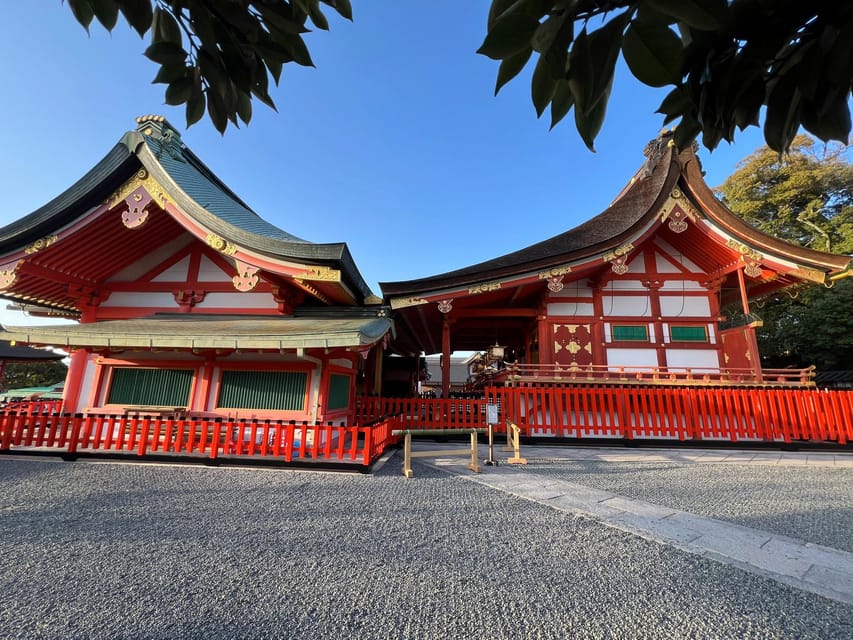
Kiyomizu-dera is one of Kyoto’s essential temple visits, but the appeal here is not only the main building. The tour highlights the temple’s power spots, where people pay respect to deities linked with love, long life, and academic success. You can approach this as a religious visit, a cultural lesson, or a lighthearted chance to seek good fortune.
The guide’s role matters at a site like this. Without context, it is easy to see a series of attractive structures and miss the meaning behind the rituals. Roberto explains Buddhist ideas and points out details connected with the temple’s traditions. His explanations have been especially praised for making Buddhism, Shinto, and Japanese culture easier to understand without turning the visit into a lecture.
Kiyomizu-dera is reached by uphill streets and includes walking on slopes and steps. The temple visit can also be busy, so the experience is more active than the $90 price and four-hour length might suggest. You will want shoes that can handle pavement, inclines, and extended walking.
One practical benefit of a private tour is flexibility within the planned route. If your group has questions about a particular custom, Roberto can spend a little more time explaining it. If you want photographs, he can also take as many as needed. That photo help has been a repeated strength of the experience, including both posed pictures and photos taken while you are visiting the sites.
More Geisha Experiences in Kyoto:
- Kyoto Geisha Walking Tour: Gion District & Hidden Gems
★ 4.7 · 3,273 reviews - Kyoto: Gion Magical Night Walking Tour with Geisha Trivia
★ 4.9 · 2,393 reviews - Kyoto: Gion Geisha District Walking Tour – Stories of Geisha
★ 4.7 · 2,187 reviews - Best of Kyoto: Gion, Geisha, Pagodas & Cobblestones
★ 4.9 · 2,058 reviews
Ninenzaka and Sannenzaka, Kyoto in old-street form
After Kiyomizu-dera, the tour moves into Sannenzaka and Ninenzaka, with about 10 minutes allocated to each street. These lanes are lined with traditional wooden buildings, merchant shops, and places selling food and souvenirs.
The walking time is short, but the setting adds something the temple visits cannot. Here you see Kyoto as an old commercial town rather than only as a collection of religious monuments. The wooden machiya houses and narrow streets make the area feel tied to the city’s past, even though it is now a well-known sightseeing zone.
This is also where the pace may feel tight. Ten minutes on each street gives you a guided introduction, not a relaxed shopping session. If you want to browse every shop or stop for a full meal, you would need to return later on your own.
Food and drinks are not included, and this tour does not build in a dedicated meal stop. That keeps the route moving and makes it possible to reach Gion within four hours, but you should eat beforehand or plan to find something after the tour.
Walking into Gion and learning about geisha culture
From Ninenzaka, you walk for about 12 minutes before reaching Gion. The final Gion walk lasts about 15 minutes, and the tour ends there rather than returning you to Kyoto Station or your hotel.
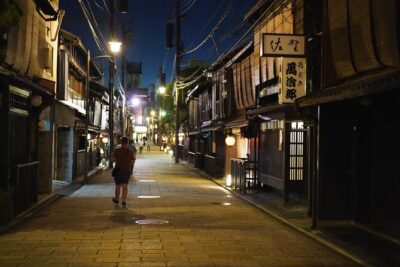
Gion is Kyoto’s best-known geisha district, with traditional wooden machiya, shops, restaurants, and ochaya teahouses. An ochaya is a place where geisha and maiko provide entertainment, though these establishments are not ordinary drop-in cafés. The tour explains what geisha and maiko actually do and helps separate fact from the costume-focused image often presented to visitors.
That explanation is valuable because Gion is easy to misunderstand. A maiko is an apprentice geisha, while a geisha is a professional entertainer trained in traditional arts. The district’s wooden buildings and narrow lanes are attractive, but the people who work there are not scenery. A good guide helps you observe respectfully and understand the setting without treating it like a stage set.
The tour finishes in Gion, where you can continue exploring, take a city bus, or use a taxi to reach your hotel. Ending here is convenient if you want dinner, more time among the old streets, or an evening walk. It is less convenient if you expected a guided return to Kyoto Station, so plan your next move before the final stop.
What Roberto adds to the experience
Roberto is a Kyoto City Certified Tourist Guide and leads in English or Spanish. His approach combines explanations with visual support on an iPad, which can help when you are trying to understand unfamiliar religious figures, symbols, or customs.
The most praised qualities are his clear cultural explanations, punctuality, polite manner, and willingness to take photographs. He has also provided practical advice about getting around Kyoto, which is useful because the tour uses both trains and city buses.
The private format makes this more than a fixed script. The tour is designed for a private group, and one strong feature is the ability to adapt the explanation to your interests. You can ask more about Buddhism, Shinto, Japanese culture, geisha traditions, or the sites themselves.
Do not expect a silent, self-guided walk. The value comes from having someone explain what you are seeing. If you prefer to move quickly and take in the sights without conversation, a self-guided visit will cost less.
Is $90 per person good value?
At $90 per person, this is not the cheapest way to visit Fushimi Inari, Kiyomizu-dera, and Gion. You can reach the sights independently for much less, especially if your group already understands Kyoto’s transport system and is happy to research the temples in advance.
The price makes more sense for visitors who want a private guide, cultural interpretation, photo help, and an efficient route through several major areas. Roberto’s own guide entrance fees and transport do not add to your bill, but your group still pays its own train and bus fares. You also pay 500 yen for Kiyomizu-dera, plus anything you choose to eat or drink.
For a first visit, the value is strongest when your time is limited. In four hours, you cover two famous religious sites, two old streets, and Gion without having to plan the connections yourself. The tradeoff is limited free time and a fairly active pace.
Who should book this Kyoto tour?
I would choose this tour if you are visiting Kyoto for the first time, want the main sights explained in plain language, or prefer a private group to a large coach tour. It also suits couples and families who want photos taken along the way and the freedom to ask questions.
English and Spanish speakers have clear language options. The tour is particularly useful if you want to understand the difference between Shinto shrines, Buddhist temples, geisha, and maiko rather than simply collect photographs.
I would hesitate if you have back problems, limited mobility, use a wheelchair, have visual impairment, are over 75, or have a low level of fitness. The tour includes shrine paths, slopes, temple grounds, old streets, station transfers, and several hours on your feet. Large bags and luggage are not allowed, and smoking is not permitted.
Cancellation is flexible up to 24 hours before the start for a full refund, and you can reserve now and pay later. Those policies are helpful, but the more important planning point is to arrive with comfortable clothes, good walking shoes, water, and some cash.
Should you book it?
Book this tour if you want Kyoto’s famous sights connected by a human explanation rather than visited as isolated photo stops. The combination of Fushimi Inari’s torii gates, Kiyomizu-dera’s blessing sites, old hillside streets, and Gion gives you a strong first look at the city.
Skip it if you want a slow day, dislike public transport, or plan to spend hours shopping and eating around the temple districts. For an active four-hour introduction with a private certified guide, Roberto’s cultural knowledge, practical help, and photo service make the $90 price easier to justify.
FAQ
How long does the tour last?
The tour lasts four hours.
Where does the tour begin?
It begins in front of the 7-Eleven at the JR Kyoto Station Building, first floor, near the Kyoto Tower side exit.
How will I identify the guide?
Roberto will hold an iPad and a red card marked RBRT.
Which languages are available?
The tour is offered in English and Spanish.
Is this a private tour?
Yes. The activity is for a private group.
Is transportation included?
No. The group uses public trains and city buses, but transportation costs are not included.
Is the Kiyomizu-dera admission fee included?
No. Kiyomizu-dera admission costs 500 yen, approximately $3.10, and must be paid separately.
Where does the tour finish?
The tour finishes in Gion. From there, you can take a city bus or taxi to your hotel.
Just added around Kyoto
- Sekka Cotton Furoshiki Class★ 5.0 · 19 reviews
- Scenic Green Tea Fields of Hidden Kyoto & Local Tea Exp (Private)★ 5.0 · 32 reviews
- Secret Eastern Kyoto Biking Adventure★ 5.0 · 44 reviews
- Kyoto Sword Experience – includes Museum Ticket/Ninja Experience★ 4.5 · 149 reviews
- Private Sake Tasting in Central Kyoto with Sake Sommelier★ 5.0 · 32 reviews
- Samurai School in Kyoto: Samurai for a Day★ 5.0 · 202 reviews
- SHIRAKAWA Japanese Culture Experiences with private English staff★ 5.0 · 16 reviews
- A Privately Guided Photoshoot in Beautiful Kyoto by a Pro★ 5.0 · 18 reviews
Geisha & Maiko Experiences, compared.

Kyoto Geisha Walking Tour: Gion District & Hidden Gems
Our verdict →

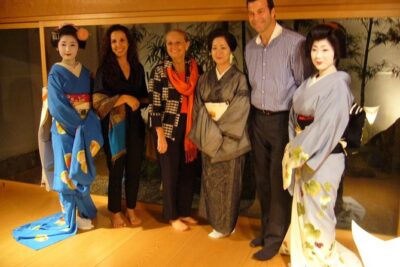
Dinner with Maiko in a Traditional Kyoto Style Restaurant Tour
Our verdict →
Browse the lists this tour appears in