
Reviewed · TEMPLES & SHRINES
Kyoto Guided Walking Tour: Secret Zen Garden and Fushimi Inari
Fushimi Inari is famous for its endless orange torii gates, but this tour begins in a quieter corner of Kyoto. You first see Tofukuji and the peaceful Komyo-in Zen garden, then approach Fushimi Inari by paths that feel far removed from the usual crowds. I like the small group of no more than eight and the way the route joins major sights with places many independent visitors skip.
I also like the guides’ practical style. Mika is praised for clear explanations, helpful notes, and crowd-avoiding route choices, while Kenta is noted for adjusting the pace on the uphill sections. The main consideration is physical: this is a real walking tour with hiking, stairs, and climbs toward Yotsuji, so comfortable shoes are essential.
Key points at a glance
- A quieter start at Tofukuji: Begin with a major Zen temple and the lesser-known Komyo-in garden before reaching Fushimi Inari.
- A less crowded route: The walk uses quieter paths before joining the famous torii gate trail.
- Small-group attention: The maximum group size is eight, making questions and pace adjustments realistic.
- A useful four-hour plan: You cover temples, shrines, gardens, viewpoints, and Fushimi Inari without spending your morning on transport planning.
- Guides who explain, not just point: Mika, Kenta, and Naomi are specifically praised for clear English, cultural context, and answering questions.
- Uphill walking included: The route reaches Fushimi Inari’s Yotsuji viewpoint, so expect moderate exertion.
Why this Kyoto walk works better than a simple Fushimi Inari visit
A visit to Fushimi Inari can be wonderfully simple: arrive by train, pass through the main shrine, take photos under the torii gates, and leave. The trouble is that the first part of the route can feel crowded, and the shrine’s religious meaning is easy to miss if you only see it as a photo backdrop.
This tour gives you a wider introduction to southern Kyoto. You start around Tofukuji, one of the city’s major Zen temples, then move through a small garden and several shrines before reaching Fushimi Inari. That order matters. You get a calm explanation of Zen ideas first, then encounter Shinto worship at one of Japan’s best-known shrines.
I like the contrast. The morning moves from temple architecture and carefully arranged garden space to wooded paths, fox-related shrine traditions, mountain views, and hundreds of orange gates. You are not just ticking off two famous names. You are seeing how different religious spaces fit into Kyoto’s daily life.
The four-hour length is also sensible. It is long enough to make the route feel like a proper outing, but short enough to leave your afternoon open. With a 9 a.m. start, you can still have lunch and continue sightseeing elsewhere in Kyoto.
More Garden Tours in Kyoto
- Kyoto Arashiyama Walking Tour: Bamboo, Monkeys, Gardens & Secrets
★ 5.0 · 1,216 reviews - Kyoto Zen Meditation & Garden Tour at a Zen Temple with Lunch
★ 5.0 · 441 reviews - Kyoto Arashiyama Bamboo forest & Garden Half-Day Walking Tour
★ 5.0 · 413 reviews
Starting near Tofukuji and Gaun-kyo Bridge
Meet at 9 a.m. outside the FamilyMart near Tofukuji in Higashiyama Ward. The precise meeting point is useful because Kyoto’s temple districts can be confusing, especially when several entrances and small lanes surround a large religious complex.
The opening stop is Gaun-kyo Bridge, a wooden bridge over a leafy valley. From here, you can look toward Tsutenkyo Bridge and the maple-covered area below. The scenery changes with the season, but the setting gives you an immediate sense of why Tofukuji is so popular for garden and autumn views.
The bridge stop lasts only about five minutes, so do not expect a long photo session here. Think of it as an introduction and a chance to get oriented. The short pause also keeps the morning moving toward the temple and garden.
One useful feature of a guide-led start is that you do not need to work out which temple entrance, bridge, or lane comes next. Your guide handles the route while you focus on the setting. That is particularly helpful if this is your first morning in Kyoto and you are still learning how the temple districts are laid out.
Tofukuji gives the morning its Zen context
The next temple is one of Kyoto’s important Zen institutions, founded in the 13th century. The supplied schedule does not give a long visit time for the main temple itself, but the stop provides the religious and architectural setting for the morning.
This is where the tour’s Zen theme begins to make sense. Your guide can explain how Zen practice relates to quiet observation, temple design, and garden composition. Several tour descriptions specifically praise guides for using notes or illustrations to make complicated points easier to follow.
That kind of explanation is valuable at Tofukuji. Without context, you may see gates, tiled roofs, wooden corridors, and gardens without understanding what you are looking at. With a guide, you have a better chance of noticing how the temple complex is organized and why the garden is not simply a patch of attractive scenery.
The pace is another benefit. A private visit can tempt you to rush through several sites in search of the next famous view. On this walk, the guide can explain the place while you move at a manageable speed. Kenta was praised for adjusting the pace, which matters on a route that later turns uphill.
Komyo-in is the quiet garden stop
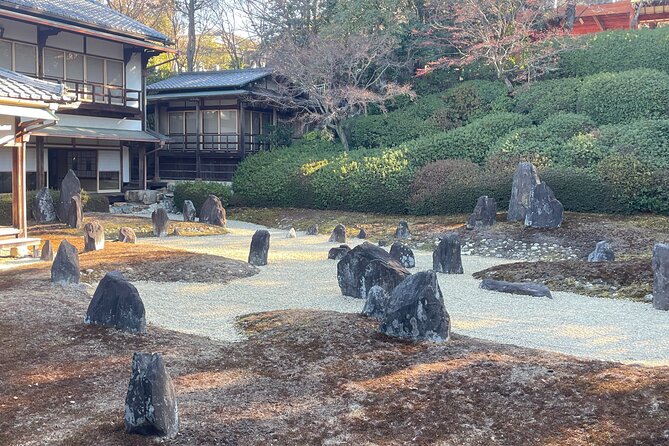
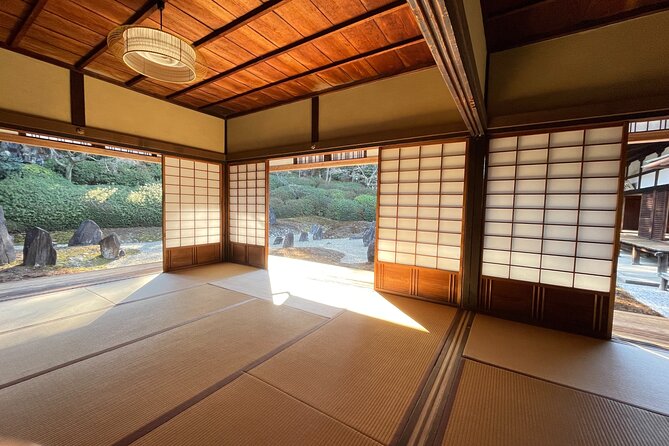
Komyo-in Temple is the heart of the first half of the experience. This sub-temple is known for its Zen garden and calmer atmosphere, and the scheduled visit lasts about 25 minutes. That is enough time to sit with the composition, take photographs, and hear an introduction to Zen garden design without turning the stop into a long lecture.
The garden is likely to appeal most if you prefer mood and detail to a long checklist of sights. Look for the way stones, gravel, moss, and surrounding vegetation create a carefully controlled scene. The appeal is not only visual. The garden gives you a place to slow down before the more active walk toward Fushimi Inari.
Several guides are praised for making cultural points easy to understand. That is especially useful here, since Zen gardens can seem mysterious if you are not familiar with their purpose. You can ask direct questions about meditation, symbolism, or why the space feels so spare.
There is one practical limit. The visit is brief, and a small garden is not the same as an extended meditation session. If you want a long period of silence or private reflection, the group timetable may feel too structured. For a first introduction to Zen ideas, however, 25 minutes is a reasonable compromise.
More Temple & Shrine Tours in Kyoto
- Kyoto: Fushimi Inari, Kinkakuji, Bamboo Grove 1 Day Bus Tour
★ 4.8 · 4,316 reviews - Kyoto: Tea Ceremony in a Traditional Tea House in Kiyomizu
★ 4.9 · 3,519 reviews - Kyoto: Tea Ceremony Ju-An at Jotokuji Temple
★ 4.9 · 3,207 reviews - Fushimi Inari Hidden Hiking Tour (Private Option Available)
★ 5.0 · 1,750 reviews
Araki Shrine adds a personal side to the route
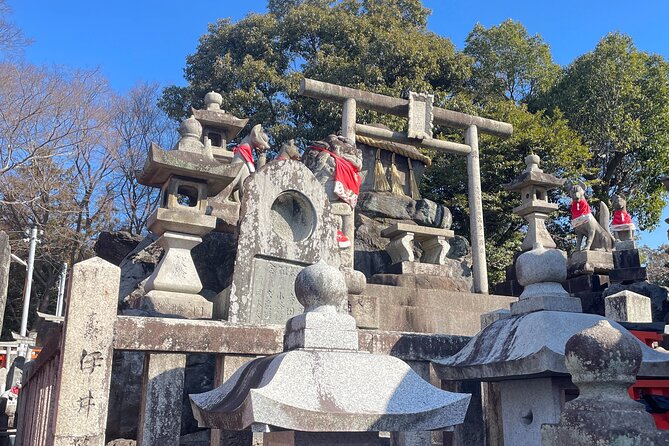
Araki Shrine is a smaller stop, lasting about 10 minutes. It is associated with prayers for love, lasting relationships, and general well-being. That gives the walk a more personal tone than a purely architectural temple tour.
The shrine can be meaningful for couples, but you do not need to be traveling with a partner to appreciate it. It shows how religious sites often serve practical hopes and worries, not only grand ceremonies or historic events. A guide can help you understand the difference between the temple settings earlier in the morning and the shrine traditions you encounter here.
Do not expect a large complex or a long visit. This is a pause along the route, not a major headline attraction. Its value comes from variety and from the chance to see a smaller place of worship before the much larger Fushimi Inari complex.
The uphill walk to Yotsuji tests your legs
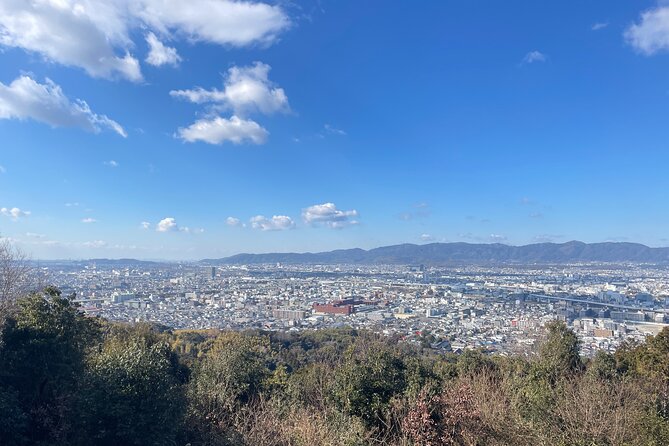
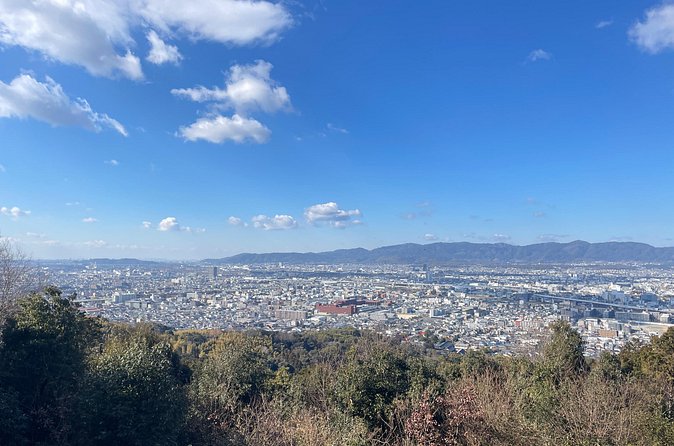
The route then reaches Fushimi Inari Yotsuji, a four-way junction and viewpoint on the shrine trail. The scheduled stop lasts about 20 minutes, giving you time to rest and look across Kyoto.
This is the point where the physical nature of the tour becomes clear. The description calls for moderate fitness, and the uphill walking is not a minor detail. You should wear shoes with good support and expect a moderate amount of walking and hiking. The guide can adjust the pace, but no guide can remove the climb.
The reward is the view and the change in atmosphere. Yotsuji offers a break from the lower shrine paths and a wider panorama. It is also a useful place to catch your breath before continuing through the less familiar parts of the route.
If you dislike hills, you may find this section tiring. If you enjoy walking and want more than the first row of torii gates, it is one of the tour’s strongest features. The route gives you a reason to keep climbing rather than stopping at the most crowded entrance area.
Kumataka Shrine offers a quieter spiritual pause
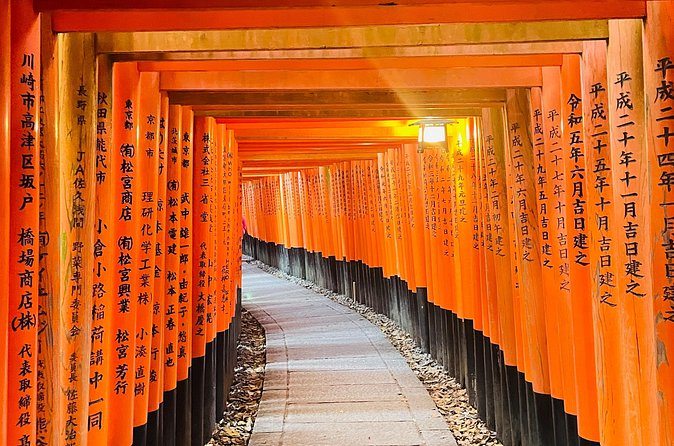
Kumataka Shrine is scheduled for about 15 minutes. It is described as secluded and associated with strong spiritual energy, giving you a more solitary-feeling stop away from the main torii gate paths.
This is the kind of place that is difficult to find efficiently on your own, especially when you have limited time and do not know the local route. You may appreciate the contrast with Fushimi Inari’s most photographed sections. Instead of moving through a famous corridor with cameras raised, you get a short pause in a more restrained setting.
Keep your expectations sensible. The stop is brief, and the shrine is not presented as a major monument with a long list of features. Its appeal is atmosphere and location. A guide’s explanation helps you understand why this smaller site matters rather than treating it as just another photo stop.
The Okusha Worship Center and Senbon Torii
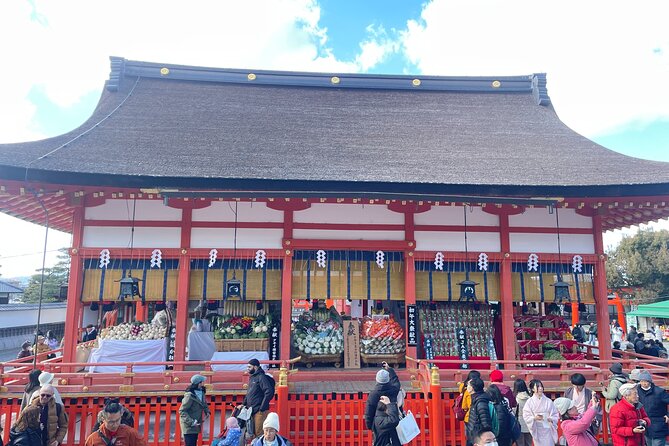
The route continues to the Okusha Worship Center, also called Nosatsusho in the supplied details. Here you can obtain ofuda, omamori, and goshuin. These are different forms of religious keepsake or record, so this is a useful place to ask your guide what each item means before buying anything.
The scheduled stop is about 10 minutes. That is enough to look around and learn about the shrine’s worship practices, but it may not leave much time for a leisurely purchase if the area is busy. If you want a goshuin or charm, tell your guide early so you can manage the timing.
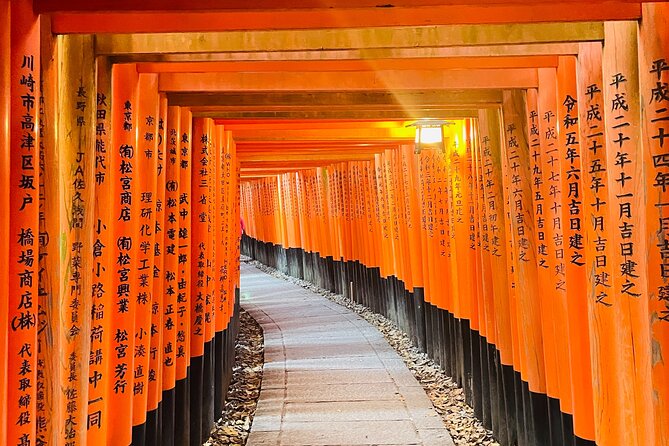
From here, you reach Senbon Torii, the famous path of thousands of vermilion gates. This is the image most people associate with Fushimi Inari, and it deserves its reputation. The repeated gates form a striking corridor that feels both theatrical and devotional.
Your guide adds value here by explaining what you are seeing. The gates are not random decoration. They reflect offerings connected with worship at Inari, and the fox imagery around the shrine relates to Inari traditions. The exact depth of the explanation will depend on your guide, but the tour is designed to connect the visual experience with religious meaning.
The route’s earlier quiet sections are important because they make this arrival feel more dramatic. You have already seen small shrines and a garden, so the scale and fame of Senbon Torii become part of a larger story rather than the entire morning.
Fushimi Inari’s main shrine completes the walk
The final listed stop is Fushimi Inari Taisha’s main sanctuary. This is the place for worship, and it offers a different experience from walking through the torii gates. The gates attract the cameras, but the sanctuary is where you can better understand the shrine as an active religious site.
The tour ends at the Outer Oratory in the Fushimi Inari complex. That makes the finish convenient if you want to continue exploring independently, find food nearby, or use public transport. The tour does not return you to the starting point, so plan your next move from Fushimi Inari rather than Tofukuji.
Ending at the shrine also keeps the route logical. You do not spend time retracing your steps across Kyoto. Instead, the walk progresses from Tofukuji’s temple district toward Fushimi Inari and finishes among the shrine’s major areas.
What the $78.83 price buys you
At $78.83 per person, this is not the cheapest way to see Fushimi Inari. You can visit the shrine without an admission fee, and you can reach the area by public transport. The price makes more sense if you value interpretation, route planning, and access to smaller stops that you might otherwise miss.
You are paying for about four hours of a planned walking experience, a guide, and a maximum group of eight. The small group is important. A large group can turn a narrow temple path into a slow procession, while eight people gives the guide a fair chance to answer questions and keep an eye on the pace.
I would consider the price reasonable for a first Kyoto visit if you want cultural context and dislike spending half a morning sorting out directions. It is less compelling if you already know Tofukuji and Fushimi Inari well, or if your main goal is to photograph the torii gates quickly and leave.
The strongest value comes from the combination of famous and lesser-known places. A simple Fushimi Inari visit gives you the iconic gates. This tour adds the Zen garden, Araki Shrine, Kumataka Shrine, and the viewpoint, along with explanations that can help the places make sense.
Guides, group size, and pace
The experience is operated by Japan Wonder Travel and allows up to eight people. Guides named in the supplied information include Mika, Kenta, and Naomi. Mika is especially associated with clear English, illustrations or notes, historical explanations, and route choices that avoid the worst crowds. Kenta is praised for adjusting the walking speed, while Naomi is noted for answering questions carefully.
The guide quality matters more here than on a simple sightseeing transfer. The tour crosses different religious settings, and the meaning is not always obvious from what you see. A good guide turns the morning into a connected lesson about Zen, Shinto worship, gardens, shrines, and everyday hopes.
You should still expect a group schedule. Flexible pacing does not mean unlimited time at every stop. The tour needs to reach Fushimi Inari within the morning, so photography and quiet reflection must fit around the planned route.
The experience runs rain or shine. Bring weather-appropriate clothing and accept that wet paths may make the climb less comfortable. The mobile ticket is convenient, and confirmation is provided when you book.
Who should book this tour?
I would choose this tour if you are visiting Kyoto for the first time, want a mix of famous sights and quieter places, and prefer a guide to explain religious customs. It also suits couples, culture-focused visitors, and anyone who enjoys walking through neighborhoods rather than moving only between major attractions.
It is a good match for people who want Fushimi Inari with fewer crowds at the beginning of the route. The approach through lesser-known areas is one of the experience’s most useful features.
You may want to skip it if you have limited mobility, dislike uphill walking, or want a completely unstructured morning. The moderate fitness requirement is real, and the tour takes place outdoors in all weather.
Should you book the Kyoto Zen garden and Fushimi Inari walk?
Book it if you want the famous torii gates to be only one part of your Kyoto morning. The combination of Tofukuji, Komyo-in, small shrines, Yotsuji, and Fushimi Inari gives you more context and a better sense of place than a quick shrine visit.
The $78.83 price is easiest to justify when you value a small group, clear explanations, and a route that saves research time. Wear good shoes, start ready for hills, and expect a thoughtful four-hour walk rather than a gentle stroll.
FAQ
How long does the Kyoto walking tour last?
The tour lasts approximately four hours.
What time does the tour start?
The tour starts at 9 a.m.
Where does the tour meet?
The meeting point is FamilyMart Nakai Tofukuji, at 12-chōme-232 Honmachi, Higashiyama Ward, Kyoto.
Where does the tour end?
The tour ends at the Outer Oratory in Fushimi Inari Shrine.
How many people can join the tour?
The tour has a maximum of eight travelers.
Is the tour physically demanding?
The tour requires a moderate fitness level and includes a moderate amount of walking and hiking, including uphill sections. Comfortable walking shoes are recommended.
Does the tour run in bad weather?
Yes. The tour runs rain or shine.
Can I cancel for a full refund?
Yes. You can cancel at least 24 hours before the local start time for a full refund. Cancellations or changes made less than 24 hours before the start time are not accepted for a refund.
More Walking Tours in Kyoto
- Kyoto Geisha Walking Tour: Gion District & Hidden Gems
★ 4.7 · 3,273 reviews - Kyoto: Gion Magical Night Walking Tour with Geisha Trivia
★ 4.9 · 2,393 reviews - Kyoto: Gion Geisha District Walking Tour – Stories of Geisha
★ 4.7 · 2,187 reviews - Night Walk in Gion: Kyoto’s Geisha District
★ 4.5 · 2,003 reviews
Just added around Kyoto
- Sekka Cotton Furoshiki Class★ 5.0 · 19 reviews
- Kyoto Sword Experience – includes Museum Ticket/Ninja Experience★ 4.5 · 149 reviews
- Scenic Green Tea Fields of Hidden Kyoto & Local Tea Exp (Private)★ 5.0 · 32 reviews
- Secret Eastern Kyoto Biking Adventure★ 5.0 · 44 reviews
- Private Sake Tasting in Central Kyoto with Sake Sommelier★ 5.0 · 32 reviews
- Samurai School in Kyoto: Samurai for a Day★ 5.0 · 202 reviews
- SHIRAKAWA Japanese Culture Experiences with private English staff★ 5.0 · 16 reviews
- A Privately Guided Photoshoot in Beautiful Kyoto by a Pro★ 5.0 · 18 reviews
Temples & Shrines, compared.

Tea Ceremony in a Traditional Tea House in Kiyomizu
Our verdict →

Meiji Shrine, Asakusa, Skytree Bus Tour and Cruise
Our verdict →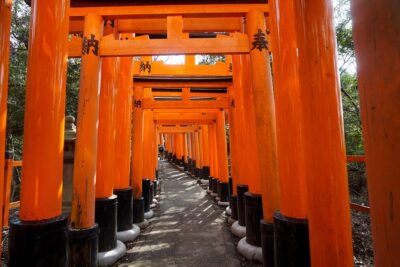
Fushimi Inari Hidden Hiking Tour (Private Option Available)
Our verdict →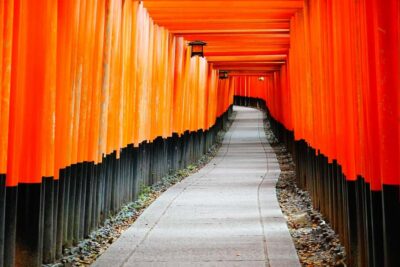
Osaka/Kyoto:Kinkakuji,Arashiyama,FushimiInariShrine,NaraPark
Our verdict →
Nikko: Kegon Falls, Lake Chuzenji & Toshogu Temple
Our verdict →
Kamakura & Enoshima Day Trip including Temple Tickets
Our verdict →Browse the lists this tour appears in