
Reviewed · TEMPLES & SHRINES
Kyoto Zen Meditation & Garden Tour at a Zen Temple with Lunch
The heart of this Kyoto experience is a monk-led zazen session, not a quick photo stop at a temple. You walk through the Tofukuji area, study a dry Zen garden, learn how meditation works, and then sit quietly with a resident monk before eating a traditional Buddhist lunch.
I like the small maximum of seven people, which gives guides such as Yutaka and Hikari room to explain details and answer questions. I also like the blend of sightseeing and practice: you do not just look at Zen architecture, you learn how its ideas shape daily life. The main drawback is timing. The 10:45 departure can put lunch at about 2:15, so you should eat a solid breakfast or brunch first.
Key points to know before booking
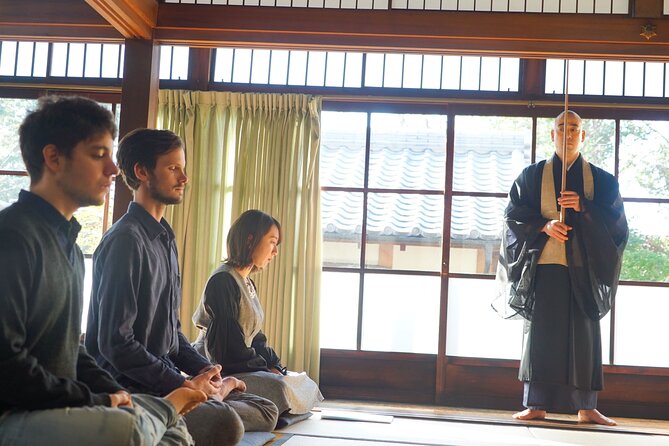
- A monk leads the central meditation session: You receive an introduction, practical guidance, quiet sitting time, and a chance to ask questions through your guide.
- The group is capped at seven people: This keeps the walking tour personal and makes translation and questions easier.
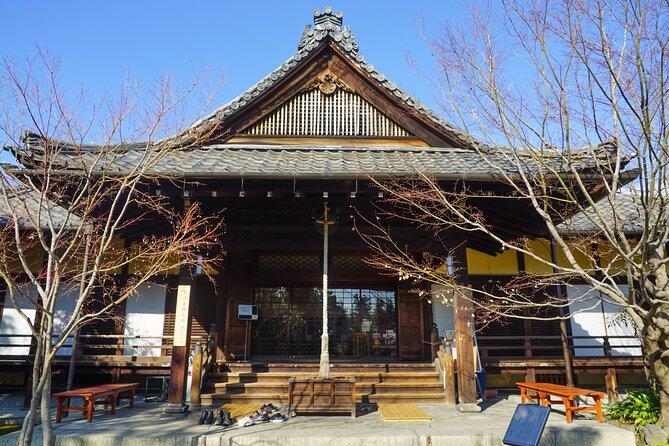
- Tofukuji gives the tour its setting: You visit temples, a dry garden, and the surrounding streets while learning about Zen and Buddhism.
- Lunch is traditional Buddhist temple food: It is included in the price and is generally vegetarian, but the operator cannot guarantee an allergy-free meal.
- The pace is quiet and respectful: Conversation is generally not allowed during zazen, and you receive reading material for that period.
- Plan for the season: Bring water and a hat in summer. Wear thick socks in winter, when temple floors can be cold.
Why the meditation session is the real centerpiece
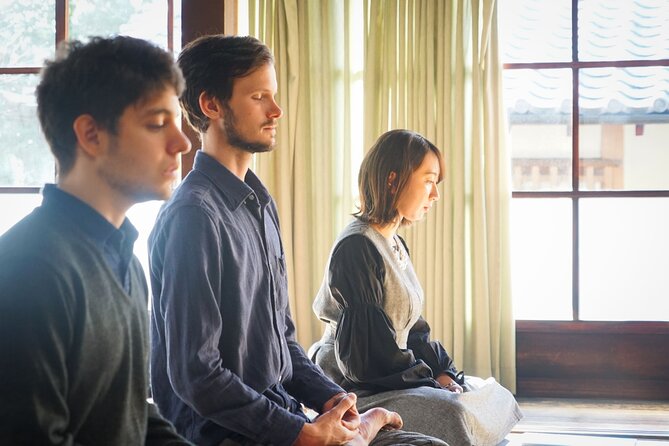
Kyoto has no shortage of temple visits. Many give you a fine building, a garden, and a few minutes to take photographs. This experience tries to add the part that is harder to get on your own: an introduction to the practice of Zen meditation.
The session takes place at one of Kyoto’s five major Zen temples, in a space used for meditation. A resident monk explains the basic posture, mindset, and method of zazen. Depending on the session, the monk may speak Japanese, with your guide explaining the instructions and translating questions.
That translation matters. One of the strongest parts of the experience is the preparation before the meditation begins. Hikari, for example, has explained what to expect, translated additional comments from the monk, and helped the group ask questions afterward. Yutaka is also praised for his clear English and his ability to explain Zen ideas in a way that connects them to Kyoto’s history and daily culture.
Expect a structured period of silence rather than a casual relaxation exercise. Private conversation is generally not allowed while the group is sitting. You may receive material to read silently during the session, but the main point is to follow the monk’s guidance and give yourself time away from the usual noise of sightseeing.
You do not need previous meditation experience. The tour is designed as an introduction, and the guide prepares you before you enter the meditation room. Still, you should be comfortable sitting quietly and following temple etiquette. This is not a theatrical demonstration or a wellness class with music and soft lighting. Its value comes from the setting, the monk’s instruction, and the chance to take part respectfully.
More Garden Tours in Kyoto
- Kyoto Arashiyama Walking Tour: Bamboo, Monkeys, Gardens & Secrets
★ 5.0 · 1,216 reviews - Kyoto Arashiyama Bamboo forest & Garden Half-Day Walking Tour
★ 5.0 · 413 reviews - Kyoto: Zen Garden, Zen Mind (Private)
★ 5.0 · 126 reviews
Walking through Tofukuji and its Zen gardens
The tour begins at the FamilyMart near Tofukuji, at 12-chome-232 Honmachi in Kyoto’s Higashiyama Ward. From there, you walk through the Tofukuji area and visit temples and religious sites connected with Zen practice.
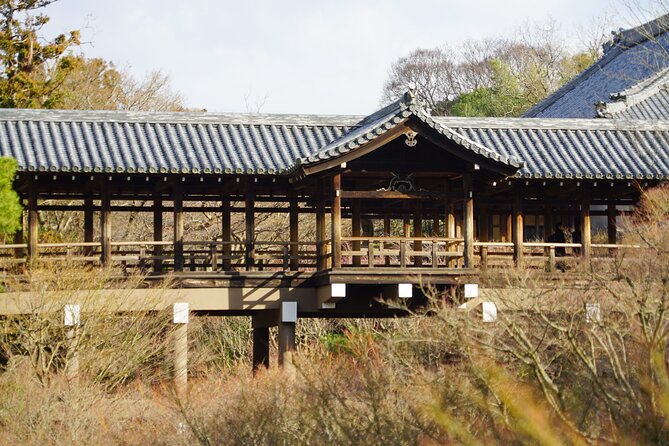
Tofukuji is a useful place for this kind of introduction because the experience is not limited to one famous viewing platform. Your guide explains the organization of the temple grounds, the relationship between Buddhism and Shinto, and the meaning behind the places you pass. The walk gives you context before the meditation, so the session feels connected to the area rather than dropped into the day as an unrelated activity.
The dry garden is one of the quiet highlights. Its stones, gravel, and carefully arranged forms are meant to be viewed slowly, not rushed through with a camera in hand. A good guide helps you notice how the garden works as a place for thought and stillness, rather than treating it as scenery alone.
Yutaka has received especially warm praise for his enthusiasm for Kyoto and Zen Buddhism. He is described as a Kyoto native who enjoys sharing his hometown, and that local connection adds something useful to the walk. Hikari brings a similarly calm manner and helps explain the structure of the temples and the meditation practice.
This portion is also where the tour earns its price. You are not only paying to enter temple grounds. Admission is included, and the guide supplies background that can be difficult to piece together during an independent visit. If you already know Kyoto’s Buddhist traditions well, some explanations may repeat familiar material. For most first-time visitors, though, the added context makes the gardens and buildings easier to understand.
A traditional Buddhist lunch after the quiet hour
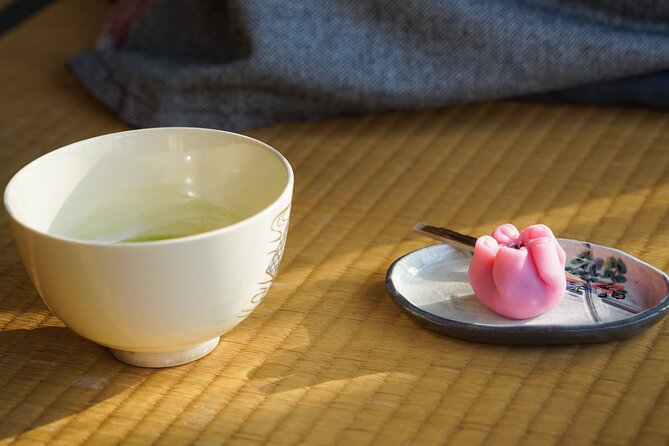
Lunch is included, and it is presented as a traditional Buddhist meal historically served at Zen temples. The food is generally vegetarian, and the meal gives the day a practical rhythm: walk, learn, sit quietly, then eat.
The lunch has earned strong praise for being both generous and satisfying. One meal was described as much larger than expected, while another was singled out as an excellent vegetarian choice. That does not mean you should expect a fixed menu that suits every diet. The food is prepared in kitchens outside the tour company’s control, so allergy-free meals cannot be guaranteed.
Dietary requests must be made by the day before the tour. Same-day requests cannot be accepted, and substitutions may not be possible at every stop. The operator says it will try to make up for a missed item at another stop, but you should not book this experience assuming every restriction can be handled.
Timing deserves attention. On the 10:45 departure, lunch is scheduled for about 2:15, after meditation. That is late by many people’s standards. I would eat enough before meeting the group, especially in summer when walking and heat can drain your energy.
What the four and a half hours feel like
The full experience lasts about four hours and 30 minutes. That is long enough to give each part some breathing room, but it is still a half-day activity rather than an all-day commitment.
A typical flow includes:
- Meeting the guide near Tofukuji
- Walking through the temple area and nearby streets
- Visiting a Zen garden and other temple sites
- Learning about Zen Buddhism, Shinto, and Kyoto’s religious traditions
- Receiving an introduction to zazen
- Taking part in a monk-led meditation session
- Asking questions with translation from the guide
- Eating the traditional Buddhist lunch
The walking itself is not described as strenuous, but the tour does move between sites. Kyoto can be extremely hot and humid in summer, so bring water and wear a hat. In winter, the issue is less heat than cold temple floors. Thick socks are a sensible choice.
The mood changes as the tour goes along. The first part is an active walk with explanations and questions. The meditation period becomes quiet and formal. Lunch then brings the group back into conversation. That contrast is one reason the experience feels more substantial than a standard temple stroll.
The small group size is important here. With no more than seven people, the guide can adapt explanations and translate questions without losing control of the schedule. It also means you should be ready to respect the group’s quiet tone. This is not the right choice if you want to chat continuously or move at your own pace.
More Temple & Shrine Tours in Kyoto
- Kyoto: Fushimi Inari, Kinkakuji, Bamboo Grove 1 Day Bus Tour
★ 4.8 · 4,316 reviews - Kyoto: Tea Ceremony in a Traditional Tea House in Kiyomizu
★ 4.9 · 3,519 reviews - Kyoto: Tea Ceremony Ju-An at Jotokuji Temple
★ 4.9 · 3,207 reviews - Fushimi Inari Hidden Hiking Tour (Private Option Available)
★ 5.0 · 1,750 reviews
Guide quality and the value of translation
The guide can make or break a cultural experience, especially when the subject is religious practice. Names that come up repeatedly in the feedback include Yutaka, Yukata, Yuka, and Hikari. Guides are described as friendly, attentive, passionate about Kyoto, and able to explain both the practical and spiritual sides of Zen.
Yutaka appears to be particularly strong at connecting individual sites to the wider story of Kyoto. His explanations cover temple organization, Buddhist ideas, local customs, and the difference between simply seeing a place and understanding why it matters.
Hikari’s role during the monk-led session is just as useful. When the monk speaks Japanese, she prepares the group beforehand, translates key comments, and helps with questions at the end. That makes the experience accessible without turning the meditation into a running commentary.
You should still keep your expectations realistic. Translation cannot reproduce every nuance of a religious teaching, and the meditation itself is meant to remain quiet. The guide’s best work happens before and after the session, when you can ask questions and connect what you experienced with the temples you visited.
Is $110.10 a fair price?
At $110.10 per person, this is more expensive than simply visiting a temple on your own. The value comes from the combination of included admission, a small group, a local guide, a monk-led meditation session, and lunch.
If you booked a separate temple visit, a private cultural guide, a meditation class, and a meal, the costs and planning would add up quickly. You would also have to find a meditation session that welcomes first-time visitors and provides language support. This tour handles those pieces in one compact block.
The price makes the most sense if you want a guided cultural experience rather than a simple sightseeing walk. It is also a good fit if you have limited time in Kyoto and want several related activities in one morning and afternoon.
The value is weaker if your main goal is quiet personal meditation with no interpretation. You might prefer an independent visit to a temple garden, or a dedicated meditation retreat with more sitting time. This tour is a guided introduction, not a long retreat.
The 100 percent recommendation rate and five-star rating reflect unusually consistent satisfaction, but I would focus less on the number and more on the match with your interests. You are paying for access, explanation, translation, and a respectful introduction to practice. If that is what you want, the price is reasonable.
Who should book this Kyoto experience?
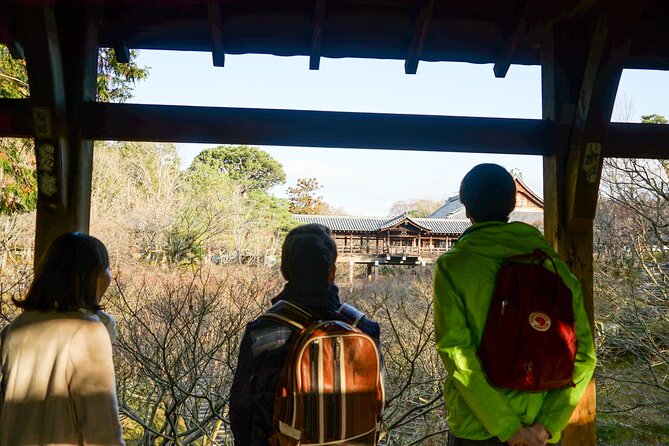
I would recommend it to anyone curious about Buddhism, Zen gardens, or meditation but unsure how to approach a temple respectfully. It suits solo visitors especially well because the small group gives you company without the noise of a large coach tour.
It also works for couples and families with older children. The minimum age is 12, and the quiet meditation period can be meaningful for teenagers who are open to trying something different. It may be less suitable for young children who cannot sit silently for an extended period.
This is a strong choice for repeat visitors to Kyoto, too. Even if you have already seen major temples, the meditation session and guide’s explanations can give familiar scenery a new purpose. One experienced Kyoto visitor described the experience as revealing a different side of the city, which is exactly the benefit here.
You should think twice if you need a fully customized menu, dislike sitting on temple floors, or want to leave whenever you please. The tour runs on a fixed schedule, starts on time, and cannot hold the group for late arrivals. If you miss the group, you cannot join later, receive a refund, or reschedule.
Meeting point, ending point, and cancellation details
The meeting point is the FamilyMart at 12-chome-232 Honmachi, near Tofukuji in Kyoto’s Higashiyama Ward. The location is near public transportation, but you should arrive early rather than cut it close.
The information gives two possible descriptions of the end. It says the activity ends near Chishaku-in Temple, while also noting that the itinerary states a return to the meeting point. The practical note is that the group plans to disband at the last shop, so confirm the exact ending arrangement with the operator if your next train or reservation depends on it.
Free cancellation is available if you cancel at least 24 hours before the start time. Cancellations or changes made less than 24 hours ahead are not refunded or accepted. Cutoff times use Kyoto local time.
Should you book it?
Book this experience if you want more than temple photographs. The combination of a dry garden, local explanations, a monk-led meditation session, and Buddhist lunch gives you a thoughtful half-day in Kyoto, with enough structure for a first introduction and enough quiet to make it feel personal.
I would choose it for a first visit to Kyoto, a return visit focused on culture, or a solo day when you want calm company and clear guidance. Eat before the 10:45 departure, make dietary requests in advance, dress for the season, and arrive early.
Skip it if you want a flexible schedule, a fully private experience, or a meditation retreat with hours of silence. For everyone else, this is a well-priced way to connect Kyoto’s temples with the practice that gives them meaning.
FAQ
How long does the Kyoto Zen meditation and garden tour last?
The experience lasts approximately four hours and 30 minutes.
Where does the tour begin?
It begins at the FamilyMart near Tofukuji, located at 12-chome-232 Honmachi, Higashiyama Ward, Kyoto, 605-0981, Japan.
Where does the tour end?
The activity is described as ending near Chishaku-in Temple, while the itinerary also says it returns to the meeting point. The practical note says the group plans to disband at the last shop, so confirm the final location if you need precise onward plans.
Is lunch included?
Yes. A traditional Buddhist meal historically served at Zen temples is included.
Can dietary requests or allergies be accommodated?
You must submit dietary requests by the day before the tour. Allergy-free meals cannot be guaranteed, and substitutions may not be possible at every stop.
What happens if I arrive late?
The tour starts on time. If you miss the group, you cannot join the experience later, receive a refund, or reschedule.
Just added around Kyoto
- Sekka Cotton Furoshiki Class★ 5.0 · 19 reviews
- Kyoto Sword Experience – includes Museum Ticket/Ninja Experience★ 4.5 · 149 reviews
- Scenic Green Tea Fields of Hidden Kyoto & Local Tea Exp (Private)★ 5.0 · 32 reviews
- Secret Eastern Kyoto Biking Adventure★ 5.0 · 44 reviews
- Private Sake Tasting in Central Kyoto with Sake Sommelier★ 5.0 · 32 reviews
- Samurai School in Kyoto: Samurai for a Day★ 5.0 · 202 reviews
- SHIRAKAWA Japanese Culture Experiences with private English staff★ 5.0 · 16 reviews
- A Privately Guided Photoshoot in Beautiful Kyoto by a Pro★ 5.0 · 18 reviews
Temples & Shrines, compared.

Tea Ceremony in a Traditional Tea House in Kiyomizu
Our verdict →
Meiji Shrine, Asakusa, Skytree Bus Tour and Cruise
Our verdict →
Fushimi Inari Hidden Hiking Tour (Private Option Available)
Our verdict →
Osaka/Kyoto:Kinkakuji,Arashiyama,FushimiInariShrine,NaraPark
Our verdict →
Nikko: Kegon Falls, Lake Chuzenji & Toshogu Temple
Our verdict →
Kamakura & Enoshima Day Trip including Temple Tickets
Our verdict →Browse the lists this tour appears in