
Reviewed · TRADITIONAL CRAFTS
Japanese paper Notebook and Mizuhiki Belt Bookmark Workshop
Making a notebook by hand is a fine way to meet Japanese craft without spending your day in a museum. At Washi labo TOKYO, you choose your own washi paper, bind an A6 notebook, then learn Mizuhiki knots for a matching belt and bookmark.
I like the private format and the patient, careful teaching. I also like the small cultural touches: tea, sweets, and an explanation of why Mizuhiki paper cord still matters in Japanese wedding and funeral customs. The main drawback is the price, $113 per person, which is a lot for a two-and-a-half-hour activity, especially if you are not especially interested in paper crafts.
Key Points at a Glance
- Choose your own washi cover: Make an A6 notebook with the look of a Traveler’s notebook or a small junk journal.
- Learn three Mizuhiki knots: Use traditional Japanese paper cord to create a notebook belt and bookmark.
- Private, hands-on instruction: Your group receives personal help rather than watching a large demonstration.
- Tea and sweets are part of the visit: The food adds a quiet social break to the craft work.
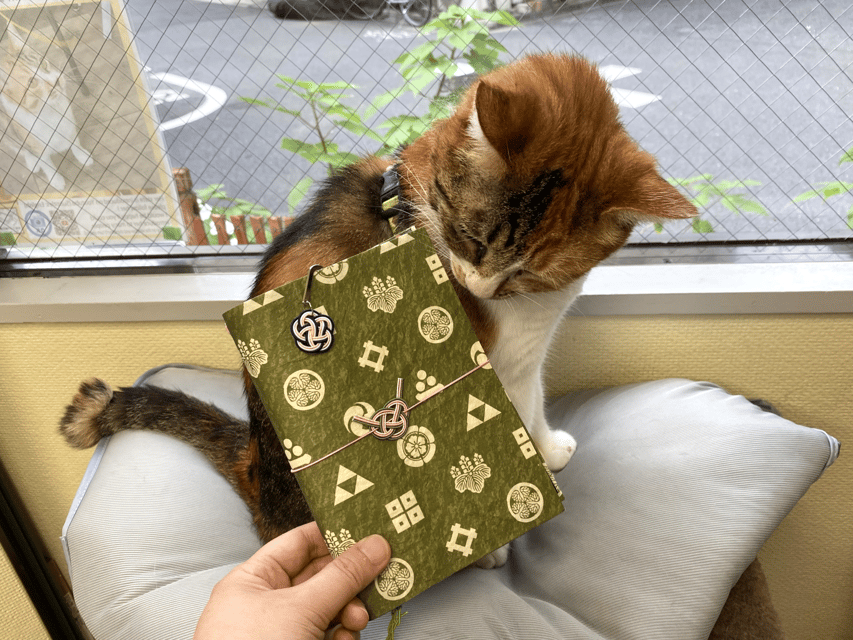
- A friendly cat may appear: Cat lovers may have a chance to take a photo with the studio mascot.
- Plan for careful, focused work: The full session lasts 150 minutes, and some notebook steps take patience.
Why This Small Craft Class Feels Different
The appeal here is simple: you leave with something you made, not just something you bought. That changes the pace of a Japan trip. Instead of moving from sight to sight, you spend time handling paper, folding, tying, and making choices that reflect your own taste.
The workshop uses two traditional crafts. Washi is Japanese paper made from plant fibers and known for its strength and texture. Mizuhiki is a paper cord used for decorative knots and formal gift presentation. It has been used in Japan for about 680 years and still appears in important ceremonies.
You do not need to know anything about either craft before arriving. The instructor explains the process in Japanese or English and gives direct help as you work. The class is designed as a private group, so you can ask questions without holding up a room full of other people.
That private setting is useful for families, couples, or friends who want a calm activity together. It also means the session can feel more personal than a standard craft demonstration. You make decisions about colors and paper, then receive help with the fiddly parts.
More Craft Workshops in Tokyo
- Tokyo Sumo Experience: Chanko & Mochi with a Former Pro
★ 4.8 · 567 reviews - Kintsugi Experience: Art of Golden Joinery in Tokyo
★ 5.0 · 467 reviews - Tokyo Chopstick Making Workshop with Artisan
★ 5.0 · 466 reviews
Choosing Washi for Your A6 Notebook
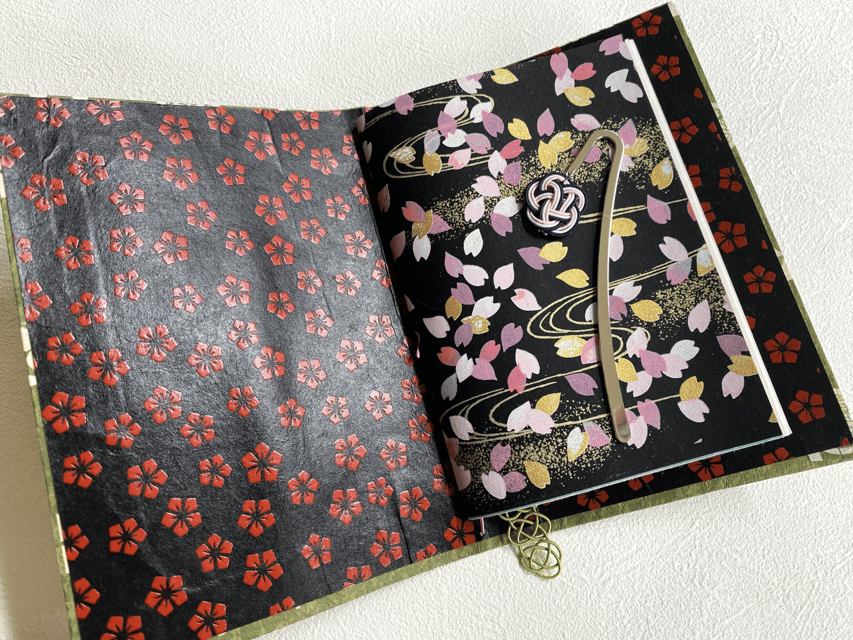
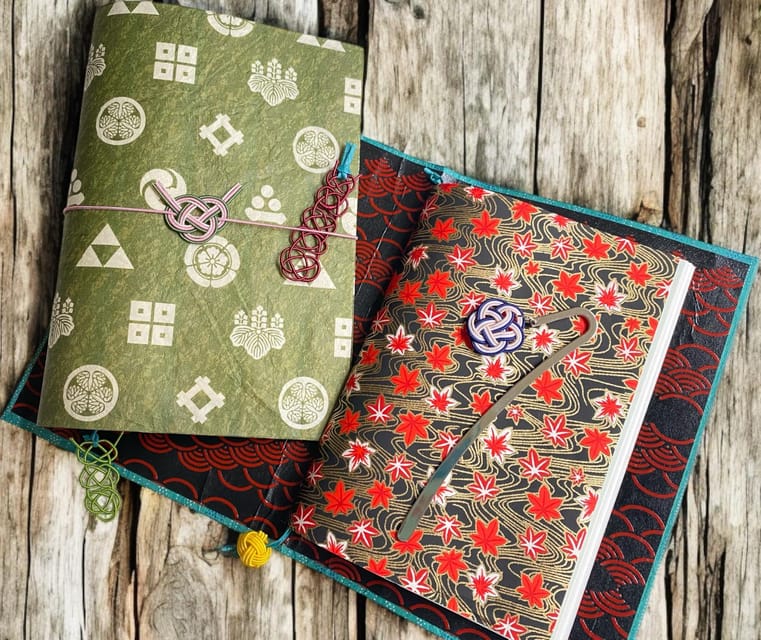
The notebook portion comes first in spirit, even if the exact order can depend on the instructor and your pace. You select Japanese paper for the cover, with different colors and designs available. The finished A6 notebook is small enough to carry in a day bag, but large enough for notes, sketches, trip plans, or a travel journal.
The style sits somewhere between a Traveler’s notebook and a junk journal. That is useful context if you are expecting a perfectly uniform stationery product. This is meant to have a handmade feel. Small variations are part of the charm.
I like the freedom of choosing the paper yourself. A preassembled souvenir can be beautiful, but it does not carry the same memory as a notebook whose cover you selected and assembled. You can pick something understated, colorful, patterned, or suited to the person who will use it.
The notebook process also gives you a close look at the materials. Premium Japanese paper is included, so you do not have to buy supplies separately or worry about bringing glue, cord, cutting tools, or binding materials.
Some steps require care. One participant found that completing the notebook took close to two hours, which is a useful warning for anyone expecting a quick make-and-take souvenir. You should allow the full 150 minutes and resist scheduling a tight appointment immediately afterward.
Learning Three Mizuhiki Knots
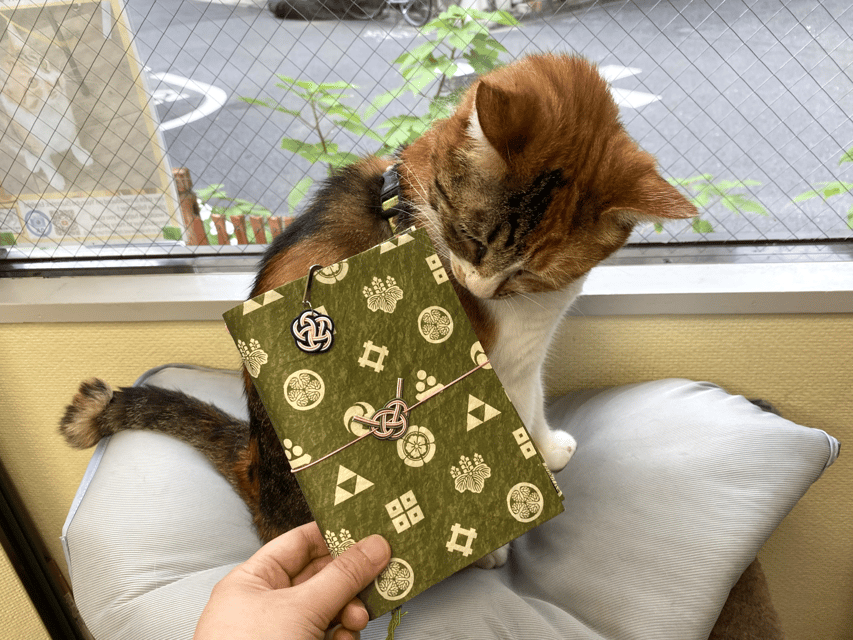
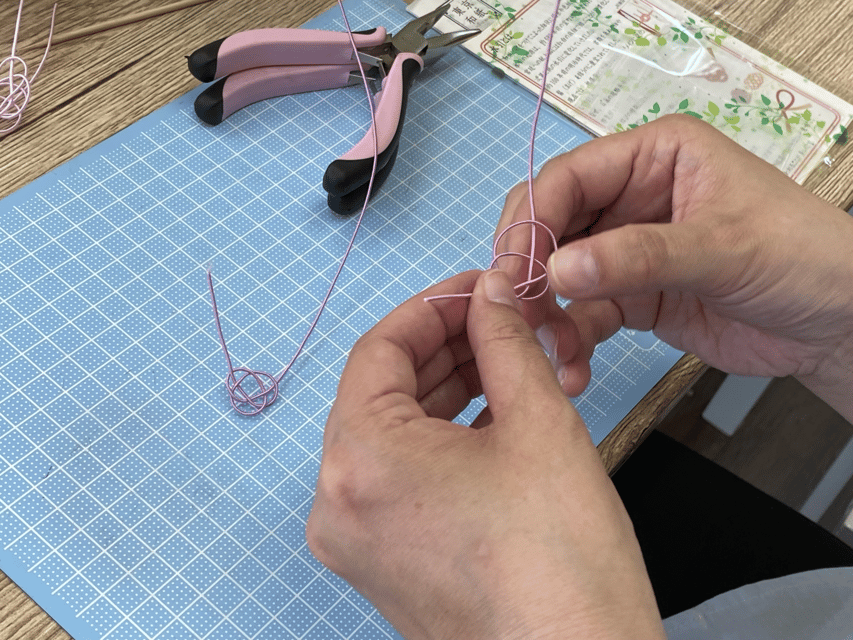
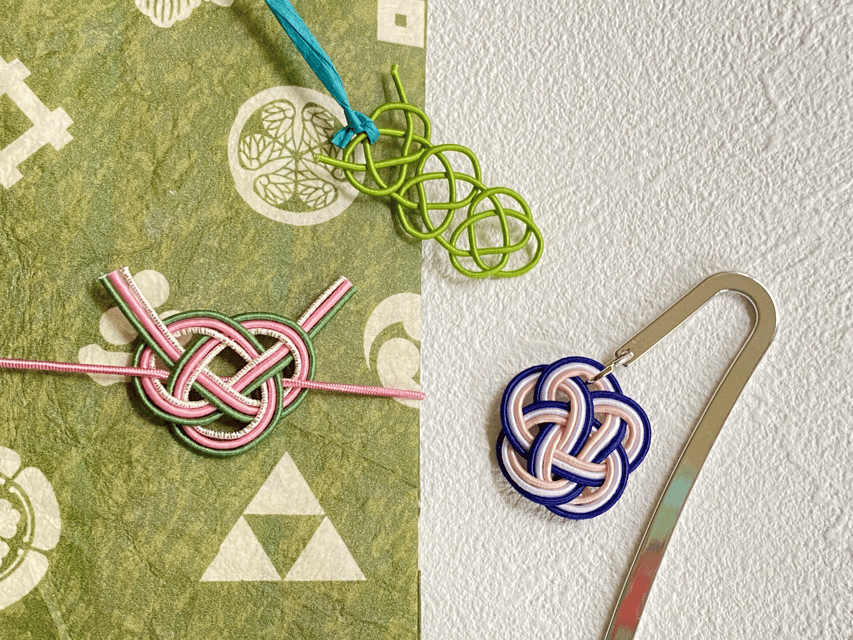
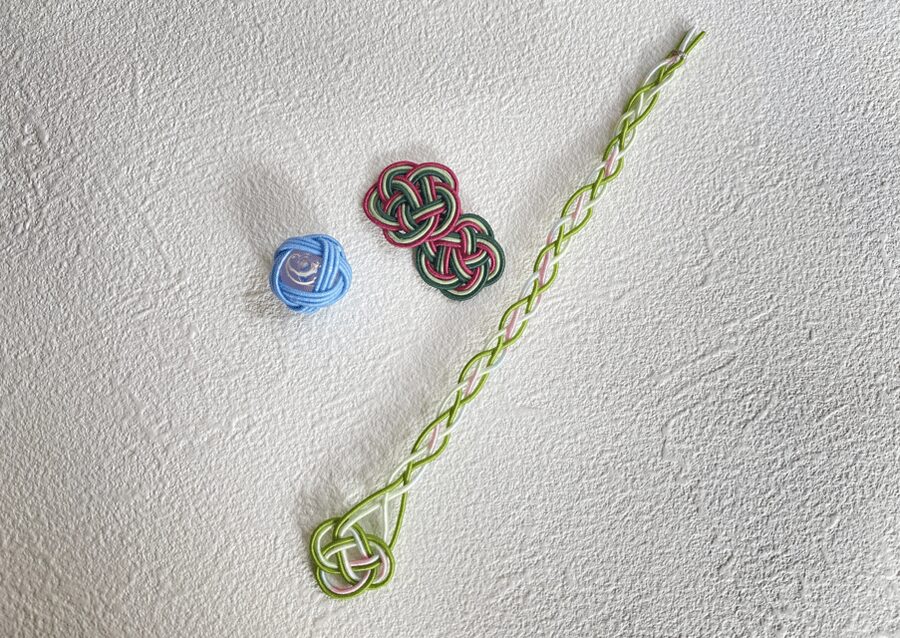
The second craft is Mizuhiki knotting. You create a belt to hold the notebook closed and a bookmark to match it. The instructor teaches three knots, starting with the basic form. If you already know the fundamentals, you may be able to try a more difficult knot.
This part has more meaning than a simple decorative exercise. Mizuhiki is tied to Japanese gift-giving and ceremony. The cords are used in formal settings, including weddings and funerals, and the knot itself can carry purpose and symbolism.
You will need to keep track of the cord’s direction and tension. That can be harder than it looks. The finished result depends on steady hands and careful attention, not just on choosing attractive colors.
I would treat this as a quiet concentration activity rather than a fast craft project. The instructor is there to help, especially when the knot begins to loosen or the cord crosses in the wrong place. The patient pace is a strength, but it may test younger children or anyone who dislikes repetitive handwork.
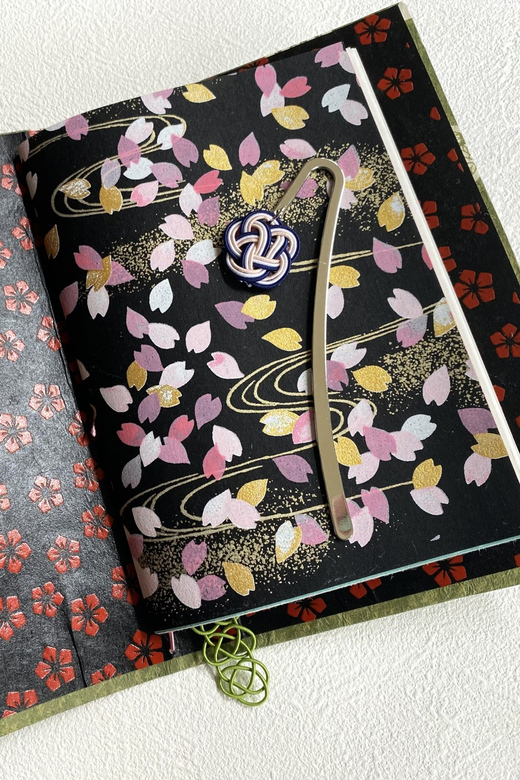
The final belt and bookmark give the notebook a more complete look. They also make a useful souvenir because they are connected to the notebook rather than being separate objects with no practical use.
Tea, Sweets, and a Studio Cat
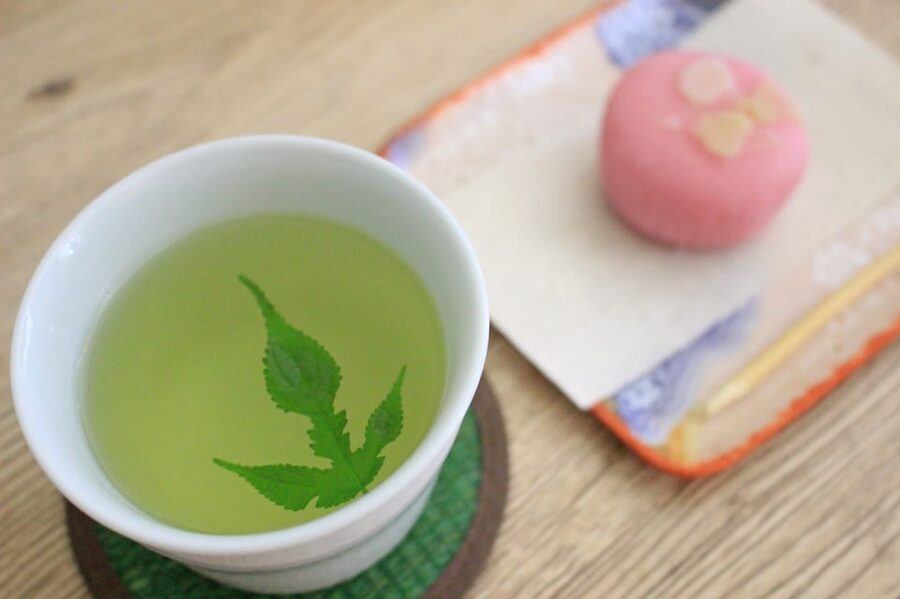
Tea and sweets are included, along with coffee or tea according to the activity details. The food is not the main reason to book, but it gives the class a welcome pause. One participant specifically enjoyed light, refreshing tea, while another described tea, sandwiches, and snacks as part of a memorable family session.
The refreshment break helps the experience feel like a visit to an artisan’s studio rather than a production line. You have a chance to pause, look at your work, and talk with the instructor.
There may also be a cat at the studio. The cat is described as a mascot, and several people enjoyed meeting it. If you like cats, this is a pleasant extra and a possible photo opportunity. It should not be treated as the central feature, since the workshop itself remains the focus.
Same trip, a completely different kind of day:
- 1-Day Tokyo Bus Tour
★ 5.0 · 14,250 reviews - Tokyo: TOKYO SKYTREE® Admission ticket
★ 4.5 · 11,192 reviews - Tokyo: teamLab Planets TOKYO Digital Art Museum Entry Ticket
★ 4.6 · 9,779 reviews - Tokyo: Sumo Show Experience with Chicken Hot Pot and a Photo
★ 4.8 · 6,678 reviews
A 150-Minute Class With Patient Help
The session lasts 150 minutes. That is enough time to cover both the notebook and Mizuhiki work without forcing every step into a rushed demonstration.
The instructor’s role is important here. You receive help with cutting and other sharp tools, and the class includes guidance on safe use. This matters because a handmade notebook involves precision, and the wrong cut can spoil a cover or create a safety problem.
The teaching style appears especially suited to beginners. You do not need to arrive with craft experience. The instructor demonstrates the steps, watches your progress, and helps with more challenging parts of the notebook and knotting.
The available languages are Japanese and English. English instructions are provided, though the amount of explanation may still depend on the exact step and your comfort asking questions. The reported experience from the class suggests that the instructor can explain the work clearly enough for English-speaking participants.
I would still recommend paying close attention to demonstrations before starting. With paper and cord crafts, seeing the movement once is often easier than trying to understand a long verbal explanation.
Who Will Get the Most From This Experience
This workshop suits people who enjoy making things with their hands. It is a particularly good choice if you want a practical souvenir, like stationery, or prefer a small cultural activity to another sightseeing stop.
It can work well for:
- Couples looking for a shared activity
- Families with children aged 10 and older
- Friends who enjoy paper, journaling, or Japanese design
- Solo visitors who want a guided creative session
- Anyone interested in traditional crafts and ceremonial customs
The private format is a real advantage for families. You can work at your own speed and ask for help without feeling exposed in front of a large class. A private class also lets parents and children compare their paper choices and finished designs.
There is one age point to clarify. The formal guidance says the activity is not suitable for children under 10 because of the tools and concentration required. One past booking included a 9-year-old, but I would follow the stated age rule when planning your trip and confirm directly if your child is close to the limit.
This is less suitable if you want a quick, casual souvenir stop. It is also not ideal if you have very limited time or would rather spend $113 on a finished Japanese craft from a shop. The value comes from the instruction, materials, private setting, and time spent making the pieces yourself.
Is $113 a Fair Price?
At $113 per person, this is not a bargain activity. The price deserves a closer look.
You are paying for 150 minutes of instruction, a private group experience, required materials, an A6 notebook, a Mizuhiki belt, a bookmark, and tea or coffee with sweets. Transportation to the store is not included, so you must also budget for getting there.
If you only want a notebook, buying one ready-made will cost less. If you want a short craft class with basic materials, you may also find cheaper options. The stronger value here is the combination of two crafts and personal guidance.
The quality of the paper matters as well. The workshop uses authentic Japanese paper made from high-quality materials, rather than asking you to assemble a project from generic stationery. You also receive instruction in Mizuhiki, a craft with a long role in Japanese ceremony. That cultural context gives the finished items more meaning.
I would book it for a special occasion, a family memory, or a trip where you want one slower afternoon. I would hesitate if you are comparing activities strictly by cost per minute or if your main goal is sightseeing.
Free cancellation is available up to 24 hours before the activity for a full refund, and you can reserve now and pay later. Those terms are useful when your Japan schedule is still changing, but check the available start times before committing your day.
Practical Tips for a Better Session
Wear something comfortable and plan to sit and work for much of the class. The activity is not physically demanding, but the notebook and knotting steps call for concentration.
Arrive ready to make choices. You will need to select paper and colors, and having a rough idea of your preferred style can make the process easier. You can also let the materials guide you and choose once you see the options in front of you.
Do not rush the knots. Mizuhiki can look simple when someone else does it, but the cord must stay in the right position. Ask for another demonstration if needed.
Allow extra time after the class if you plan to browse nearby shops or catch a train. One participant found that the notebook itself took about two hours, and the official session length is two and a half hours.
If you are booking for children, consider their ability to follow careful instructions and use sharp tools safely. The class is more appropriate for older children who can focus than for small children who want a quick activity.
What You Take Home
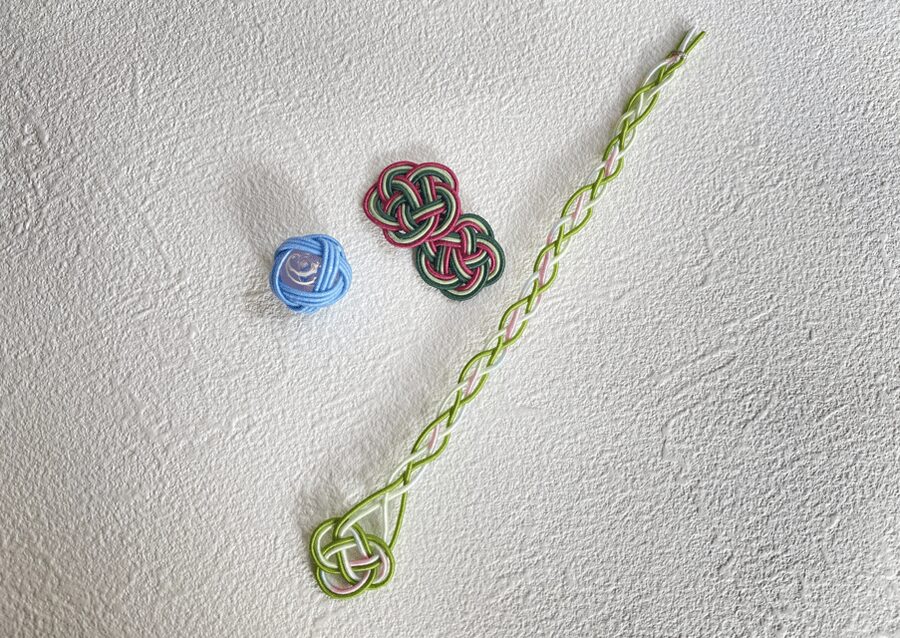
You leave with an original A6 notebook, a Mizuhiki notebook belt, and a bookmark. The notebook can serve as a travel journal, sketchbook, diary, or everyday notebook.
The finished items are meaningful because they combine your paper choices with the knots you learned. They also pack easily compared with larger souvenirs. You can keep using them after your trip, which is one reason this activity has more lasting value than a purely decorative stop.
The quality of the finished notebook will depend partly on your patience. Beginners should not expect factory-perfect edges. The handmade quality is part of the point, and the instructor helps you through the difficult sections.
Should You Book This Workshop?
I would book this if you want a calm, personal craft experience and value the chance to make a useful souvenir. It is especially appealing for couples, families with older children, and anyone who enjoys stationery, journaling, or Japanese design.
I would skip it if you want a low-cost activity, have a packed schedule, or would rather buy a finished notebook. The $113 price is easiest to justify when you care about the making process, the private teaching, and the cultural meaning of Mizuhiki.
For the right person, this is a thoughtful way to spend 150 minutes in Japan. You leave with paper goods you can use, skills you can remember, and a better sense of how everyday craft connects with ceremony.
FAQ
Where does the workshop take place?
The workshop takes place at Washi labo TOKYO in Honshu, Japan. Transportation to the store is not included.
How long does the experience last?
The workshop lasts 150 minutes, or two and a half hours.
How much does the workshop cost?
The listed price is $113 per person.
What will I make?
You will make an A6 notebook with a Japanese paper cover, plus a Mizuhiki belt and bookmark.
What is Mizuhiki?
Mizuhiki is traditional Japanese paper string. It has been used for about 680 years and remains part of Japanese wedding and funeral ceremonies.
Is the workshop available in English?
Yes. Instruction is available in Japanese and English.
Is this a private activity?
Yes. The experience is offered for a private group.
Are tea and materials included?
Yes. Required workshop materials and coffee or tea are included. Sweets are also part of the workshop experience.
Can children participate?
The activity is listed as unsuitable for children under 10. Children aged 10 and older may participate, with safety guidance provided for sharp tools.
Just added around Tokyo
- Kawagoe Japanese Food Tour : Unagi Kaiseki and Sake near Tokyo★ 5.0 · 30 reviews
- Kawagoe 4hr Private Tour with Licensed Guide (Kawagoe Dep)★ 5.0 · 13 reviews
- Little EDO Sushi Making workshop in Kawagoe★ 5.0 · 18 reviews
- 【R34】Tokyo:Private Daikoku tour in Modified R34★ 4.9 · 92 reviews
- :Tokyo,Shibuya/ Pro Photography in Kimono / English-Friendly★ 5.0 · 26 reviews
- Tokyo:Celebrate Unique Japanese New Year Tradition Festivity★ 3.9 · 20 reviews
- Tokyo: Allstar Food Tour★ 4.7 · 29 reviews
- Tokyo: West-Side Cycling and Food Tour with Guide★ 5.0 · 37 reviews
Traditional Crafts, compared.
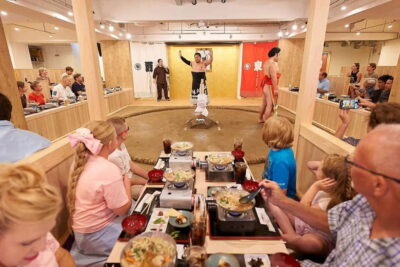
Tokyo Sumo Experience: Chanko & Mochi with a Former Pro
Our verdict →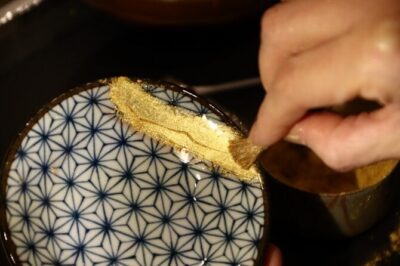
Kintsugi Experience: Art of Golden Joinery in Tokyo
Our verdict →

Matcha Making Experience with Mochi Sweets in Asakusa
Our verdict →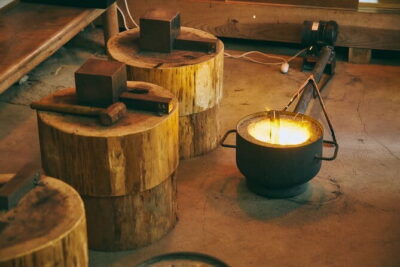
Authentic knife making experience at a blacksmith in Kyoto
Our verdict →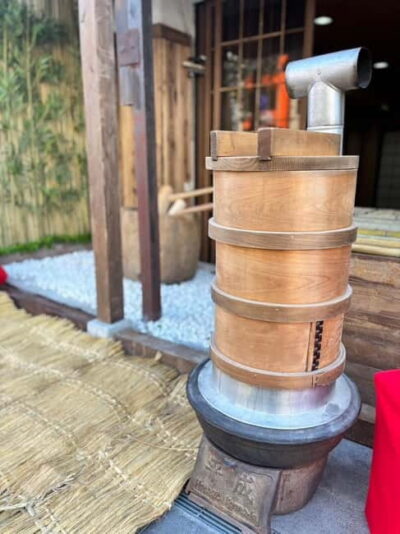

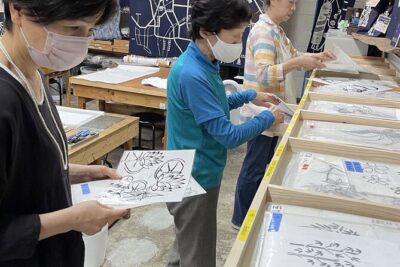
Roketsu dyeing experience: M course Roketsu Dyeing Experience
Our verdict →Browse the lists this tour appears in