
Reviewed · PEACE MEMORIAL TOURS
Hiroshima: Miyajima Peace Memorial Icons of Peace and Beauty
Hiroshima’s most powerful day trip pairs two very different places: the quiet sorrow of the Peace Memorial Park and the bright island beauty of Miyajima. You move from the Atomic Bomb Dome and museum to a ferry ride, a floating shrine, hillside paths, tea houses, and maple-leaf cakes.
I like two things here. First, your guide handles the tram and ferry connections, which saves you from sorting out tickets and directions. Second, the pacing gives you real time at the main sights, including one hour in the museum and free time on Miyajima. The main drawback is simple: eight hours means a lot of walking, and some people may find the museum and island time a little rushed.
Key points
- Two UNESCO-related highlights in one day: See the Atomic Bomb Dome and Itsukushima Shrine, each powerful for very different reasons.
- Public transport included: Tram and ferry fares are covered, with a guide managing the day’s connections.
- Guides who add personal context: Ken is frequently praised for his clear English, organization, local advice, and thoughtful handling of difficult history.
- A full but balanced schedule: Allow about eight hours, including the Peace Memorial Museum, shrine, pavilion, lunch, walking, and free time.
- Miyajima beyond the torii gate: Browse handicrafts, tea houses, local food stalls, and shops after the main guided visits.
- Good value for a first Hiroshima visit: At $163 per person, the price pays for guidance, transport, entrance fees, and much of the day’s logistics, but not lunch.
Starting near Hiroshima’s Peace Memorial Park
The meeting point is the 7-Eleven directly outside the Peace Memorial Park, at the Hiroshima Motoyasubashi East Store. That is a practical starting place because you begin near the first major sights rather than spending the morning crossing the city.
Your guide leads the group through the park’s paths and open spaces. The setting is calm, with greenery and water softening the feel of the city, but this is not a casual sightseeing stop. The park asks you to slow down and consider what happened here on August 6, 1945.
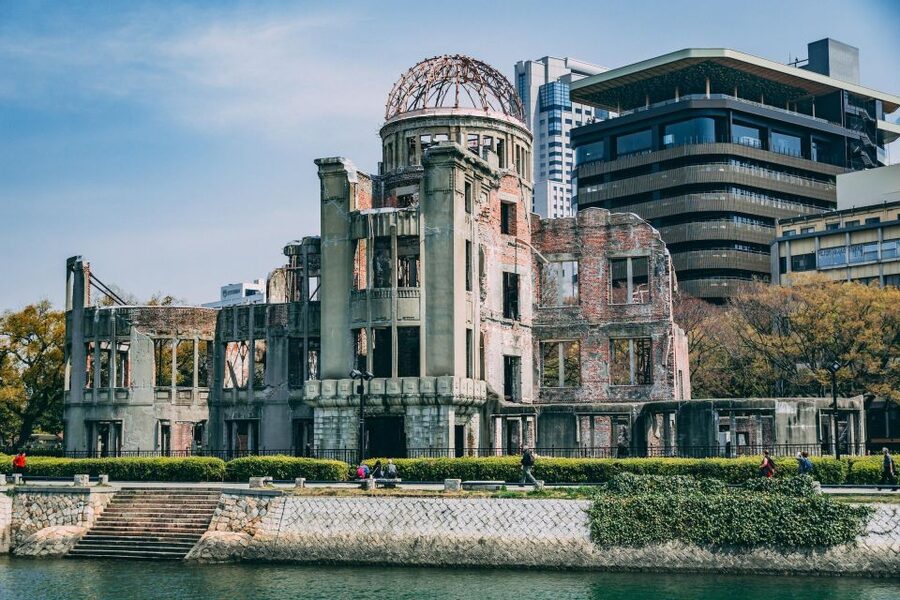
The tour gives about 30 minutes to the park and another 30 minutes around the Atomic Bomb Dome before the museum visit. That division helps you see the main outdoor memorials first, then enter the museum with some context. Still, this is a large subject, and you should expect the guide to focus on key sites rather than explain every memorial in detail.
More Peace Memorial Tours in Hiroshima:
- Hiroshima Historical Walking Tour – Why A-Bomb was Dropped
★ 4.8 · 893 reviews - Hiroshima/Guided Virtual Tour of Peace Park/PEACE PARK TOUR VR
★ 5.0 · 157 reviews - Hiroshima: Peace Memorial Park and Atomic Bomb Dome Tour
★ 4.9 · 91 reviews
The Atomic Bomb Dome and the meaning of the park
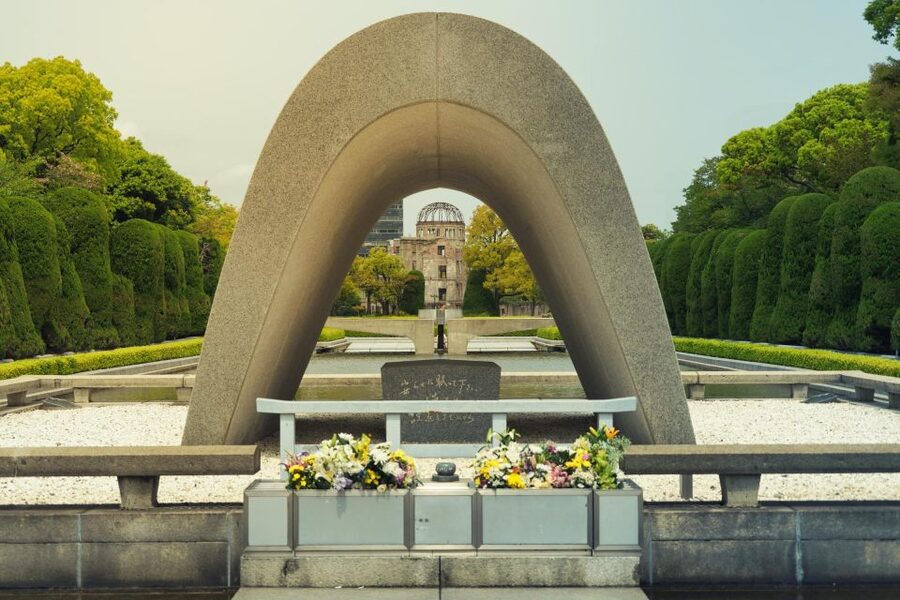
The Atomic Bomb Dome is the visual center of the Hiroshima visit. Its damaged structure remains beside the river, a stark reminder of the destruction caused by the atomic bombing. It is now a UNESCO World Heritage Site and carries a message about the human cost of nuclear weapons.
Nearby, the Cenotaph for the A-bomb Victims and the Peace Flame give the park its reflective character. Paper cranes add color and human feeling, representing a shared wish for peace. Your guide can help connect these memorials, so they do not feel like isolated photo stops.
This part of the day is emotionally demanding. You may want a few quiet minutes rather than constant explanation or photography. The professional photo option is available for people who want the day documented, but the setting calls for respectful judgment about when a camera is appropriate.
One hour inside the Hiroshima Peace Memorial Museum
The Hiroshima Peace Memorial Museum is the tour’s most difficult stop. You have about an hour inside, enough to grasp the main story and see important exhibits, but not enough to study everything at length.
Expect material about the bombing of Hiroshima and Nagasaki, the people affected, and the continuing call for peace. Some displays are painful. If you prefer to read every panel or spend long periods with individual objects, you may want more time than the schedule allows.
The guide’s role matters here. Ken, the guide most often praised for this experience, is described as clear, patient, and careful when discussing Hiroshima’s past. One especially personal detail shared during a tour was that his grandmother saw the mushroom cloud from the bombing. That kind of local connection can make the history feel less distant, but a good guide should also give you room to process the museum privately.
The tour does not force the subject into a simple story. Guides have helped explain different perspectives on the bombing and its aftermath, which is useful if you want more than dates and memorial names. You can ask questions about Hiroshima, Japanese society, or daily life in Japan as the day continues.
The ferry ride to Miyajima
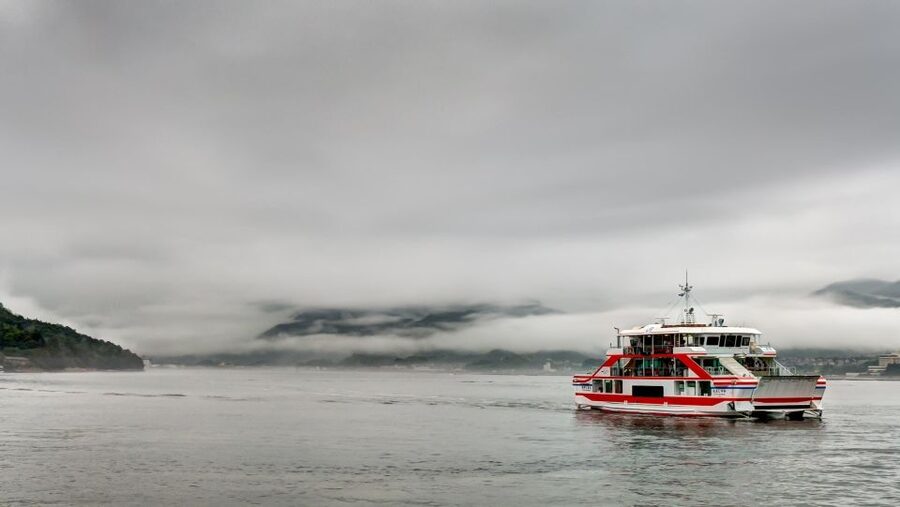
After the morning in the park and museum, you travel toward Miyajima using public transport. Tram and ferry fares are included, and the ferry ride is listed as roughly an hour in the schedule.
This transfer is not wasted time. It gives you a physical break after the museum and creates a clear change in mood. Hiroshima’s memorial sites ask for reflection. Miyajima offers sea views, shrine architecture, small shops, and a more relaxed afternoon.
The practical advantage is that your guide manages the route and tickets. Several people who spent the day with Ken specifically appreciated not having to wait around or figure out each connection. That matters on a day with several moving parts, especially if you are not familiar with Japanese transit.
A few more Hiroshima half-days worth comparing
- Peaceful Hiroshima & Miyajima UNESCO 1 Day Bus Tour
★ 5.0 · 5,309 reviews - Hiroshima: Hiroshima and Miyajima UNESCO Sites 1-Day Tour
★ 4.9 · 2,330 reviews - Hiroshima / Miyajima Full-day Private Tour with Government Licensed Guide
★ 5.0 · 1,298 reviews - Osaka/Kyoto: Hiroshima Miyajima Bus Tour & Shinkansen Ticket
★ 4.7 · 919 reviews
Itsukushima Shrine at high tide
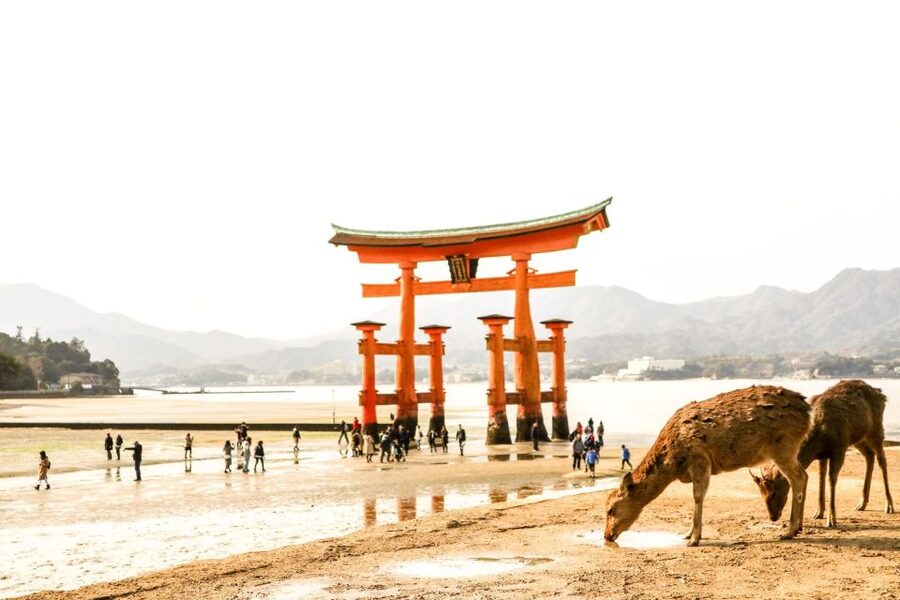
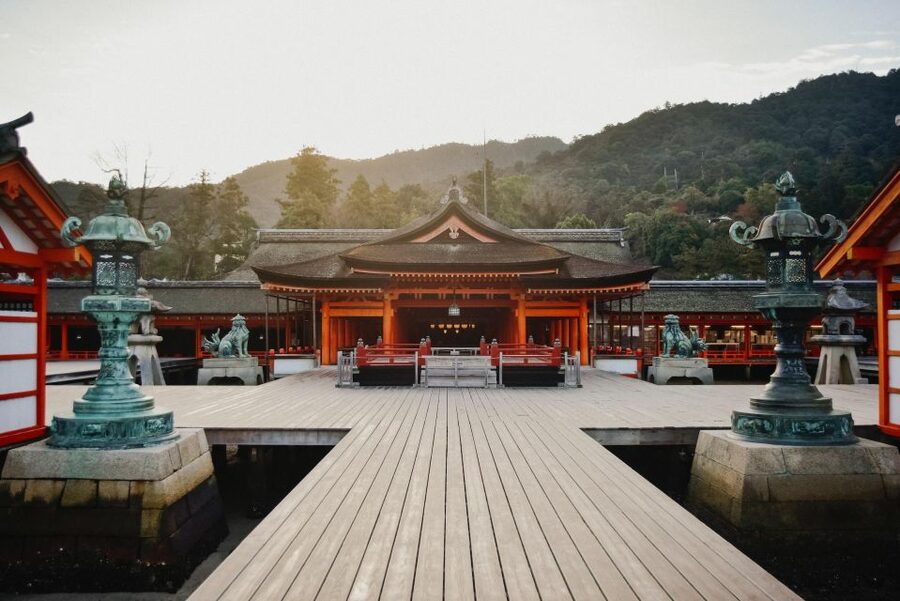
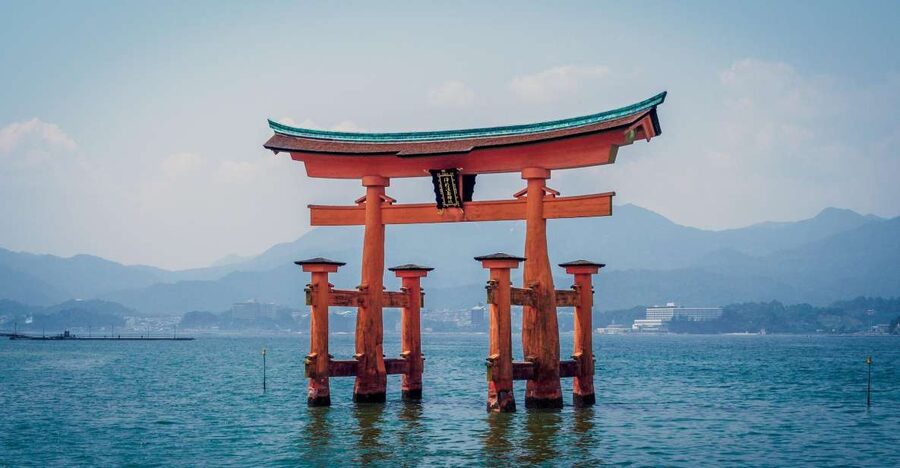
Miyajima’s main sight is Itsukushima Shrine, built at the edge of the Seto Inland Sea. At high tide, the shrine seems to float above the water, which gives the complex its famous appearance.
You have about 45 minutes with the guide at the shrine. That should cover the main structures and the basic meaning of the Shinto site, though it is not a long architectural tour. The shrine is built with careful wooden details and strong lines that work beautifully against the water.
Crowds can be heavy, especially during peak periods. The guide’s value is practical as well as educational. Ken is repeatedly praised for avoiding unnecessary waits, collecting tickets efficiently, and finding quieter moments when possible. No guide can remove crowds from a famous shrine, but good timing can make the visit feel far less tiring.
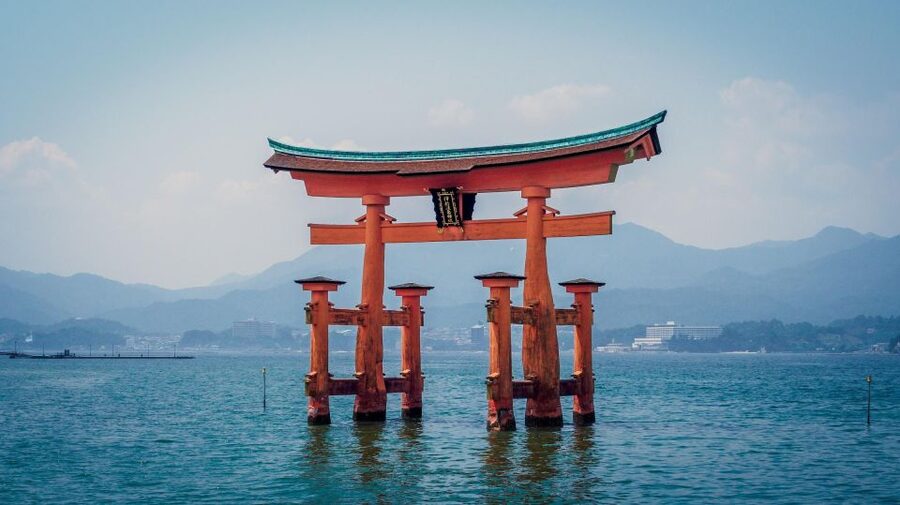
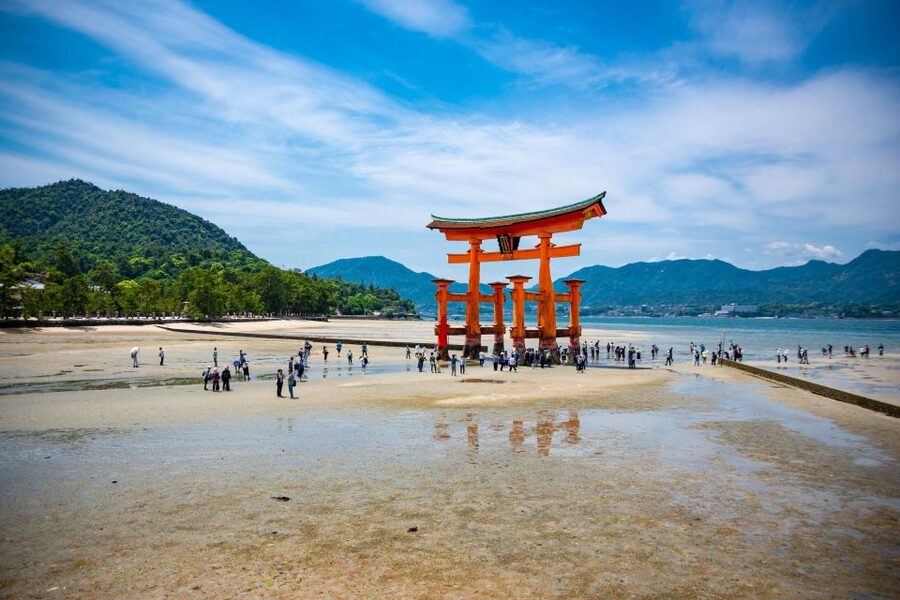
Tides also affect the view. At high tide, the shrine has its classic floating appearance. At lower water, the setting looks different, and the large torii may be more accessible from the shore. The tour description highlights the high-tide effect, but tide conditions can vary by date, so do not assume the same view every time.
Senjokaku Pavilion and Miyajima’s upper paths
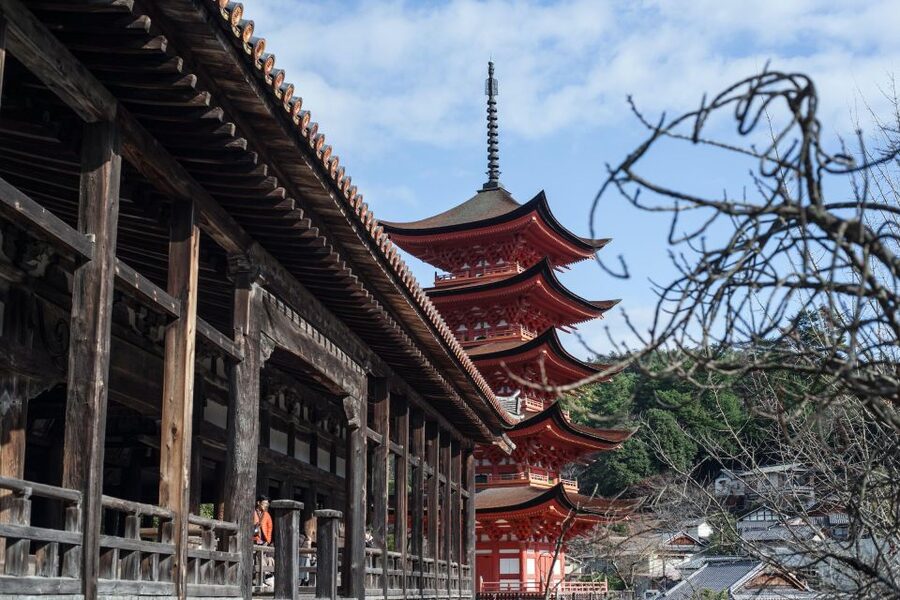
The next stop is Senjokaku Pavilion, also called the Pavilion of Heavenly Spirits. The schedule allows about 45 minutes here. Its broad wooden interior and traditional tatami spaces offer a quieter contrast to the shrine below.
This is a good place to notice Japanese design rather than simply collect another landmark. The wooden structure, open plan, and traditional floor coverings give you a sense of how religious and cultural spaces can feel both simple and formal.
The tour also takes you into the natural area and hills behind the shrine. The exact amount of walking may vary with the group, but you should expect slopes, steps, and uneven surfaces. Comfortable shoes are essential. One person noted that the tour is manageable with mobility concerns but involves substantial walking, so think carefully about your stamina before booking.
Lunch, Momiji Manju, and one hour to wander
Lunch is not included, and the schedule allows about 45 minutes for it. Your guide can point you toward local options, and past guests have received recommendations for eel and other Japanese dishes. A vegan meal was also arranged for one group, but you should tell the operator about dietary needs before the tour rather than assume every restaurant can accommodate them.
Miyajima is known for Momiji Manju, a maple-leaf-shaped cake with sweet or savory fillings. It is an easy snack to try while walking, and the shape makes it a fun local specialty rather than just another generic sweet.
After the guided sights, you get about an hour of free time. Use it for small shops, handcrafted souvenirs, tea houses, and stalls selling local food. This is also your chance to revisit a favorite view or take photos without keeping pace with the group.
The free hour is welcome, but it is not enough for every part of Miyajima. If your main goal is a long hike, extensive shopping, or a slow meal, this tour may feel too structured. It is designed to give you a strong first look at the island, not to replace a full day there.
Returning to Hiroshima Station
The tour finishes at Hiroshima Station after the ferry and return journey. This is convenient if you are catching a train, though you should not book a tight connection without allowing extra time for transit delays or the group’s final movement through the station.
The schedule is full, but the organization appears to be one of the tour’s strongest features. Ken is often described as arriving prepared, keeping the group on time, helping with photos, and even assisting with train directions at the end. Alex and Minori are also named as friendly and capable guides, and the tour is offered in English or Spanish.
Private and small-group options are available. A small group should give you more room to ask questions and make the day feel personal. The operator aims not to charge solo visitors extra, but if fewer than two people book, you may be offered another date, asked to pay a 16,000 yen solo supplement, or given a full refund. Check this condition carefully if you are booking alone.
Is $163 a fair price?
At $163 per person, this is not the cheapest way to see Hiroshima and Miyajima. You could use public transport independently and pay only for the relevant admissions and food. The question is what your time and confidence are worth.
The price includes a guide, tram and ferry fares, entry to the listed sites, and the work of coordinating a day with several transfers. It also gives you historical context at the Peace Memorial Park and shrine explanations on Miyajima. For a first visit, that can be good value, especially if you have only one day in Hiroshima.
Lunch is extra, and the schedule’s included free time is limited. If you enjoy planning train routes, researching memorials, and choosing restaurants yourself, you may prefer an independent visit. If you want to understand the sites without spending hours preparing, the fee is easier to justify.
The overall score is 4.9 from 361 ratings, with particular praise for guide quality, transport handling, clear English, and thoughtful pacing. The main caution is not poor service. It is the size of the day. You cover a lot of ground, and the museum or Miyajima may leave you wishing for more time.
Who should book this Hiroshima and Miyajima day?
I would choose this tour if you are visiting Hiroshima for the first time, want both the memorial sites and Miyajima, and prefer a guide to manage the practical details. It suits couples, families with older children, solo visitors who want company, and anyone arriving with limited time.
It is also a good fit if you want to ask questions about Japanese culture beyond the headline sights. Several guides make a point of learning about the people in their group, offering restaurant ideas, and helping with photos. That personal touch can make a tightly scheduled day feel less mechanical.
I would hesitate if you need a slow pace, have difficulty with long walks and hills, or want a full museum study session. Miyajima deserves more than an hour if you want serious shopping, a long hike, or quiet time by the water.
Should you book it?
Book this experience if you want Hiroshima’s two defining sides in one organized day: the solemn memorial sites and the beauty of Miyajima. The combination is powerful, and the ferry ride gives the day a natural change of pace.
The strongest reason to choose it is the guide. Ken receives especially strong praise for clear English, local insight, careful timing, crowd management, and kindness. The value is less about ticking off attractions and more about having someone help you understand what you are seeing.
Skip it if you prefer independent travel or need more time at each stop. For most first-time visitors with one open day, though, the $163 cost is reasonable for the transport, admissions, planning, and human explanation built into the experience.
FAQ
How long does the Hiroshima and Miyajima tour last?
The tour lasts eight hours.
Where does the tour begin?
Meet at the 7-Eleven directly outside the Peace Memorial Park, identified as the Hiroshima Motoyasubashi East Store.
Where does the tour finish?
The tour finishes at Hiroshima Station.
Which languages are available?
Live guiding is available in English and Spanish.
Does the price include public transportation?
Yes. Tram and ferry fares are included.
Are entrance fees included?
Entrance fees to the Peace Memorial Park and Itsukushima Shrine are included in the tour price.
Is lunch included?
No. Lunch is not included. The schedule allows about 45 minutes for lunch on Miyajima.
How much free time do I get on Miyajima?
You receive about one hour of free time for personal exploration, in addition to the guided visits and lunch break.
What should I bring?
Bring comfortable shoes because the tour includes considerable walking, island paths, and hills.
Can solo visitors book the tour?
Solo visitors can book, but if the minimum of two guests is not met, the operator may offer an alternate date, request a 16,000 yen solo supplement, or provide a full refund.
Just added around Hiroshima
- Full Day Hiroshima and Miyajima Tour by Bullet Train from Kyoto★ 4.5 · 120 reviews
- Hiroshima Saijo Sake Tasting Tour with visit to 7 Breweries★ 5.0 · 104 reviews
- The Peace Memorial to Miyajima : Icons of Peace and Beauty★ 4.5 · 31 reviews
- Shore Excursion from Hiroshima Port : Private Tour in Hiroshima★ 5.0 · 17 reviews
- Okunoshima Rabbit Island Cycling Tour with Local Guide★ 4.5 · 17 reviews
- Hiroshima & Miyajima All-Inclusive Tour w/Licensed guide Pancho★ 5.0 · 54 reviews
- Private Full Day Hiroshima Tour★ 4.5 · 29 reviews
- Hiroshima Country Cycling: Explore Rural Life 1 HR from City★ 5.0 · 22 reviews
Peace Memorial Tours, compared.
Hiroshima Historical Walking Tour – Why A-Bomb was Dropped
Our verdict →
Hiroshima/Guided Virtual Tour of Peace Park/PEACE PARK TOUR VR
Our verdict →
The Peace Memorial to Miyajima : Icons of Peace and Beauty
Our verdict →Browse the lists this tour appears in