Reviewed · GUIDED
From Narita Airport: Private Layover or Transit Guided Tour
Narita Airport is more than a place to wait for your next flight. This four-hour private outing takes you by train into nearby Narita, where old shopfronts, eel restaurants, Buddhist rituals, and the impressive Naritasan Shinshoji Temple offer a useful first taste of Japan. I especially like the personal guide and the chance to watch the Goma Prayer ceremony, something you would be unlikely to arrange during a short airport stop on your own.
I also like the way the outing handles ordinary details: your guide helps with the train, explains local customs, and can adjust the pace or food choices. Guides Fusako and Chiho have been especially praised for making the visit feel friendly and personal, including tea ceremonies, origami, local sweets, and help with luggage lockers. The main catch is time. You need a long enough layover, light luggage, comfortable shoes, and extra cash for trains and lunch.
Key points to know before booking
- Naritasan Omotesando is the real introduction: Walk a traditional approach street lined with food shops, sweets, craft stores, and restaurants.
- The temple visit has a purpose: You may watch the Goma Prayer fire ceremony and learn how Buddhism is practiced, not simply take photos of buildings.
- The guide shapes the day: Fusako and Chiho have tailored visits around tea ceremonies, food, a slower walking pace, and individual interests.
- Local food costs extra: Allow about 2,000 yen for a regular meal, or 3,000 to 4,000 yen for something more special.
- The airport transfer is simple but not instant: Each train ride takes about 15 minutes, followed by walking through Narita.
- A six-hour layover is the safer target: The tour itself lasts four hours, and you still need time for airport procedures, security, and returning to your gate.
Why Narita makes a good layover stop
Narita is close enough to reach from the airport yet different enough to feel like a proper Japanese town. You are not being rushed into central Tokyo, where the journey would eat up much of your spare time. Instead, the tour takes you to a compact area built around one of Japan’s best-known Buddhist temples.
That makes the outing a good fit for a long layover. You get a train ride, a traditional street, a major religious site, a meal, and time to ask questions. The experience is less about ticking off famous sights and more about seeing how food, faith, shopping, and daily life fit together in one small town.
The route is private for your group of up to four people. That matters because a guide can slow down for you, skip shops that do not interest you, or spend more time on food, history, religious customs, or local products. The tour is available in English or Japanese.
The published price is $277 per group, not a separate charge for each person, which makes the value much better for two, three, or four people traveling together. For one person, the price feels high once you add lunch and train fare. It is worth remembering that you are paying for a private guide and custom planning, not simply transportation to a temple.
A few more Tokyo half-days worth comparing
- 1-Day Tokyo Bus Tour
★ 5.0 · 14,250 reviews - Tokyo: TOKYO SKYTREE® Admission ticket
★ 4.5 · 11,192 reviews - Tokyo: teamLab Planets TOKYO Digital Art Museum Entry Ticket
★ 4.6 · 9,779 reviews
Meeting your guide at Narita Airport
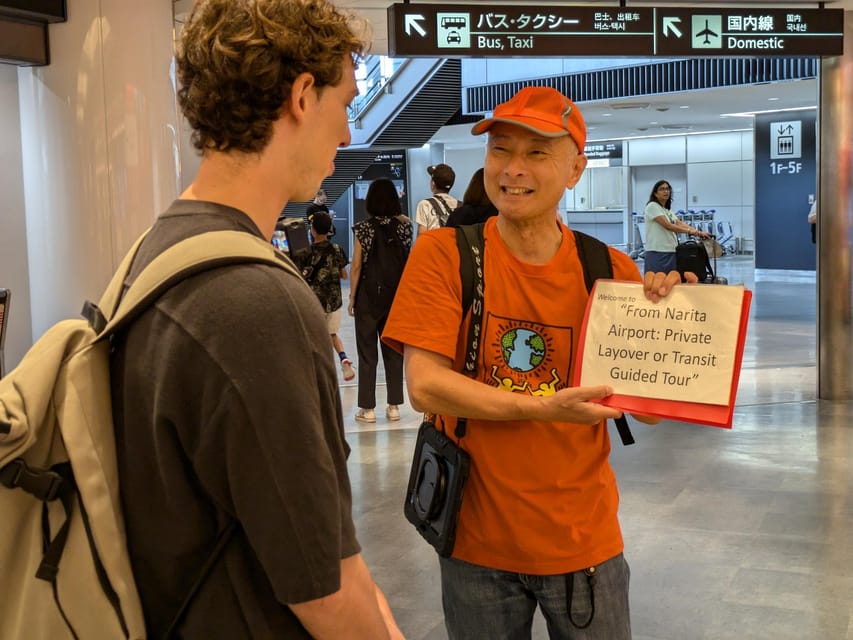
Airport pickup is at the Tourist Information Center in the Visitor Service Center area on the arrival level of the Central Terminal Building at Terminal 1. Your guide wears something orange. If you prefer to meet in town, the other meeting point is near the Tourist Information Center just outside the east exit of JR Narita Station.
The meeting instructions are quite specific, which helps in a large airport. Communication before the outing has also included photos of the meeting point and advice about luggage storage and transfers between terminals. If you have a tricky connection, use that communication to confirm exactly where you should meet.
You must pass through airport-style security before entering the secure departure area again. This is one reason not to treat the four-hour tour as the full amount of time available. You need time to leave the plane, clear the required airport formalities, meet the guide, complete the outing, and return for your next flight.
I would look for at least six hours between flights before booking. The exact amount of safe time depends on your passport, arrival procedures, terminal, and airline requirements. The tour provider does not promise that a particular connection will be safe, so you need to make that judgment yourself.
The 15-minute train ride to Narita
The route begins with a short train ride from the airport to Narita Station, usually around 15 minutes. The train fare is about 500 yen, paid separately, and you should have cash ready. Guides can help you buy the ticket and find the correct route, which is useful if you are tired, carrying unfamiliar currency, or unsure how Japanese station ticket machines work.
This brief ride is part of the experience. You leave the airport zone and begin seeing the area as a place where people live and work. It also keeps the outing practical. You are not spending an hour each way commuting to a distant city.
The tour is described as wheelchair accessible, but it is also a walking tour. Ask about your precise needs when booking, especially if you are traveling with a wheelchair, walker, or heavy carry-on. Large luggage should remain at the airport, and baggage storage fees are not included.
Walking Naritasan Omotesando
From Narita Station, you walk along Naritasan Omotesando for about an hour with your guide. This is the route leading toward the temple, and it gives the outing its strongest sense of place.
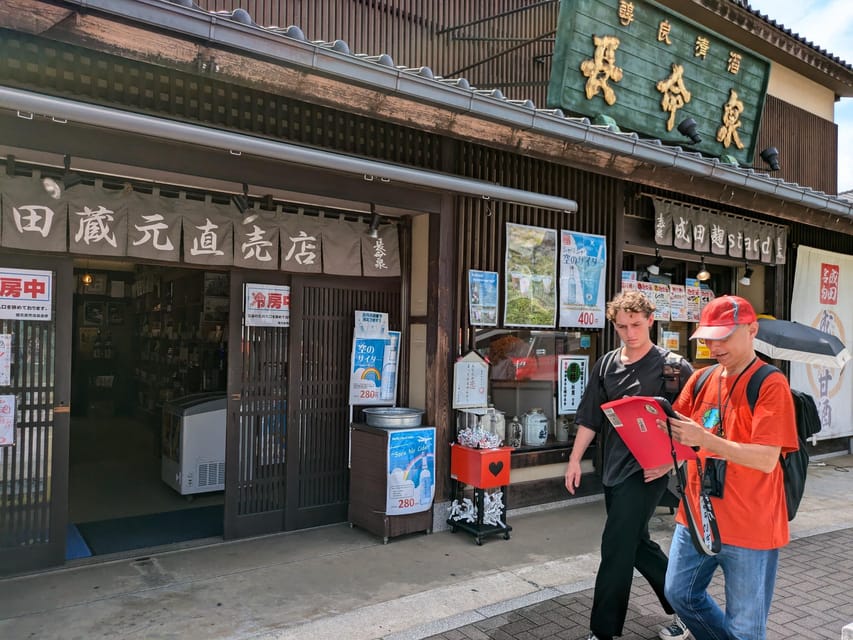
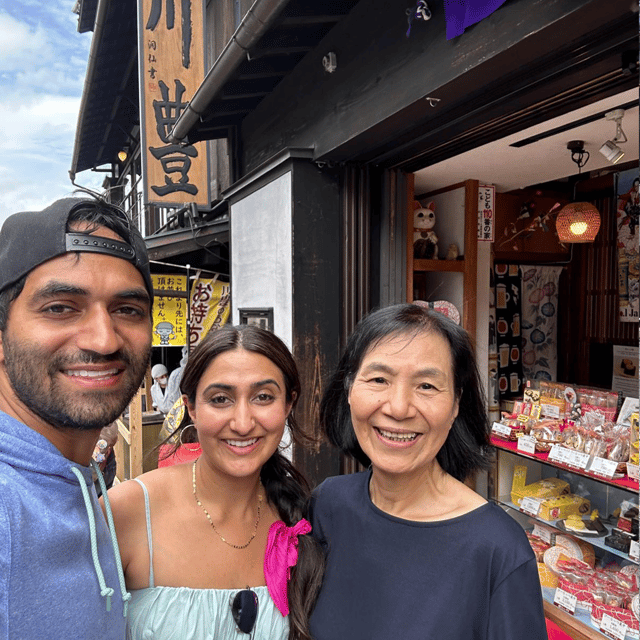
The street has an old-fashioned Japanese feel, with restaurants, sweets, souvenirs, and shops selling customary local products. Narita is well known for eel, and you will see this specialty featured along the approach. You might also try bean-filled waffles, sesame ice cream, traditional pastries, or other small treats, depending on your guide and your interests.
This is where a private guide earns the fee. A shopfront can look like a simple stop for food, but your guide can explain what you are seeing, how a product is used, or why a dish matters locally. Guides have also used small quizzes, food tastings, and conversations about Kabuki theater to make the walk more engaging.
Do not expect a silent, perfectly preserved historic lane. It is still a shopping street, and some businesses are clearly set up for people heading to the temple. That is part of its appeal. You can see religious visitors, local food traditions, and everyday commerce in one walk.
The street is not a place to rush through. Build in time to look at products and sample something if you wish, but keep an eye on the clock. The route includes the temple, free time, and lunch, all within four hours.
More Private-Only Departures in Tokyo:
- Tokyo 6hr Private Tour with Government-Licensed Guide
★ 5.0 · 3,902 reviews - Tokyo Customized Private Tour (Must See Places in 1 Day)
★ 5.0 · 1,499 reviews - Tokyo: Private City Highlights Tour with Local Guide
★ 4.8 · 1,433 reviews - Private Custom Tour: Tokyo in a Day
★ 5.0 · 1,432 reviews
Entering Naritasan Shinshoji Temple
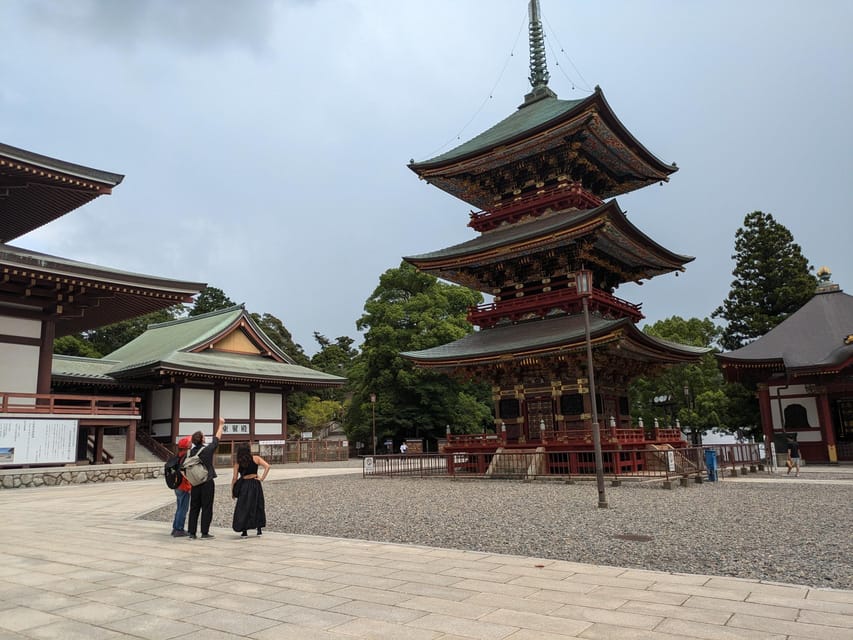
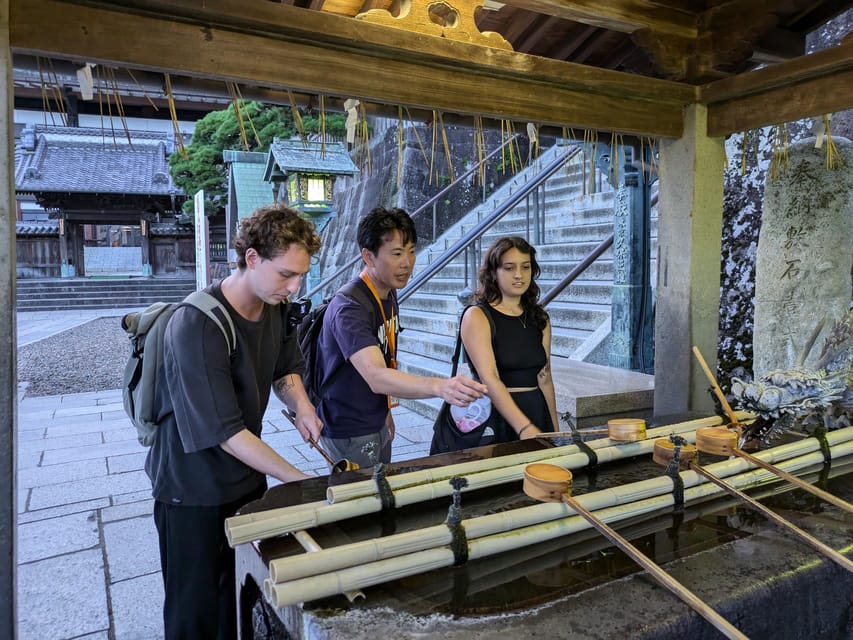
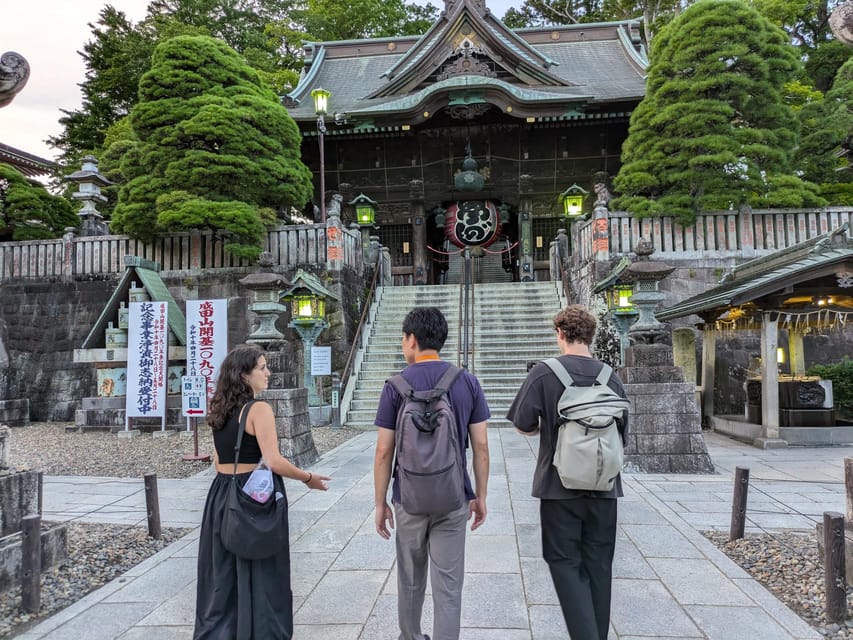
Naritasan Shinshoji Temple is the main cultural stop. Founded more than a thousand years ago, it gives the visit a strong historical and religious focus. Your guide can explain the temple grounds and the Buddhist traditions connected with the site.
A highlight is the Goma Prayer ceremony. This Buddhist fire ritual is not simply a staged performance for visitors. You can observe part of the ceremony and see an active religious practice taking place. The fire, prayers, and formal setting make this one of the most memorable parts of the outing.
The exact ceremony timing may affect what you see, so it is best to treat it as a possible highlight rather than a guaranteed private activity. The tour description specifically includes the chance to observe it, and several outings have included a visit to the main hall during the prayer.
The temple grounds also provide a change of pace after the commercial street. You can look at the architecture, walk through the grounds, and ask questions about Buddhist customs. If you prefer photography, your guide can help explain where the important buildings and features are. If you are more interested in practice and belief, you can focus the conversation there.
Wear comfortable shoes. The outing includes station walking, the Omotesando approach, temple grounds, and time on your feet. In summer, bring water and a hat. Heat can be serious, and the route may change on very hot days.
Two hours for food and local discoveries
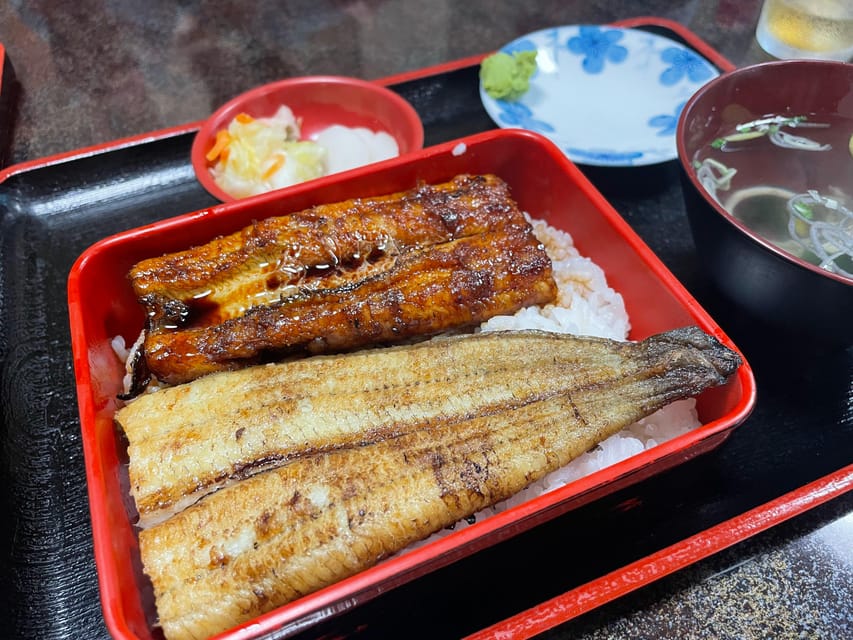
The schedule allows about two hours in Narita for free time, with lunch taking roughly one hour. This is a generous part of the day for a four-hour outing, but it should not be read as two hours of completely unstructured wandering. Your guide can use the time for food, shops, temple details, a ceremony, or a small cultural activity.
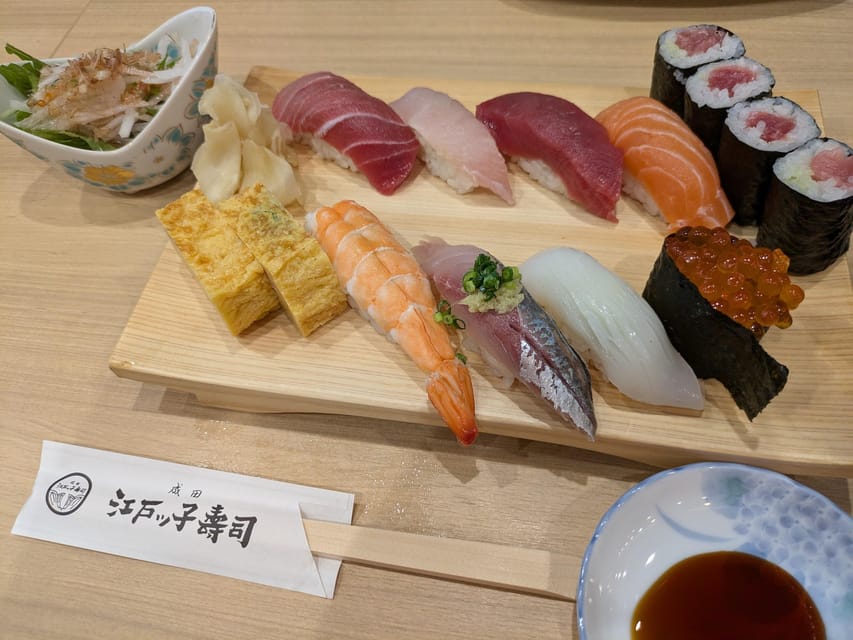
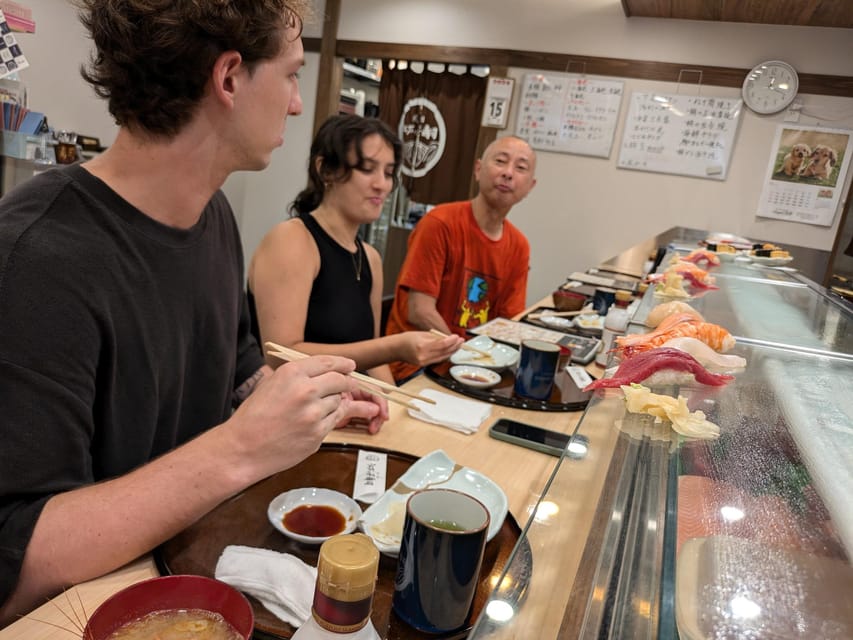
Lunch is not included in the price. A regular Japanese meal usually costs around 2,000 yen, while a slightly higher-end meal runs about 3,000 to 4,000 yen. You can choose from eel, sushi, tempura, soba, udon, or other Japanese dishes.
Eel is the signature local choice. It is closely associated with the approach to Naritasan, so ordering it gives your meal a clear connection to the town rather than being a generic airport-area lunch. You can also choose noodles or sushi if eel is not appealing.
The guides have arranged meals that let people share several dishes, including eel, soba, udon, shrimp, and vegetables. That can be a smart option if you want to sample more than one style of food. A tea house meal has also been used, and lunch has sometimes included a small cultural activity such as haiku writing.
Food preferences should be part of your pre-tour conversation. The outing is customizable, but the supplied information does not promise a particular restaurant, menu, or dietary arrangement. Ask before the day if allergies, vegetarian food, or other restrictions matter to you.
Bring around 10,000 yen in cash if you want room for lunch, train fare, sweets, and souvenirs. Some shops do not accept credit cards. You do not need to spend that much, but having cash avoids turning a small purchase into a problem.
The personal touch from Fusako and Chiho
The strongest part of this experience is the guide. Fusako has led many of the outings and is described as fluent in English, patient, warm, and able to explain both local history and everyday customs. She has helped with train tickets, pointed out inexpensive shops, arranged shared plates, introduced local food, and adjusted the walking pace.
Chiho has also guided the route, including a tea house lunch, a Buddhist fire ceremony, local sweets, Kabuki conversation, and explanations of town customs. She has been especially good at helping people who want a broad first taste of Japan rather than a technical temple tour.
The pre-tour survey is useful. It has helped match the outing to interests and has even led to joining a traditional tea ceremony when one was happening during the visit. That kind of opportunity cannot be guaranteed, but it shows what customization can mean here.
A guide may also help with a less glamorous but very real part of airport travel. One person needed assistance using a luggage locker and entering the unlock code, and the guide helped sort it out. If you leave luggage in a locker, make a note of its location and keep the code accessible.
This is not the right choice if you want to wander entirely alone or avoid conversation. You are paying for explanation, company, and practical help. For many people on a long layover, that is exactly the point.
What the $277 price gets you
The $277 rate covers a private guide and a customized four-hour tour for up to four people. It does not cover lunch, train fare, baggage storage, or purchases. The train costs about 500 yen, and meals generally cost 2,000 to 4,000 yen per person.
For a group of four, the guide cost works out to less than $70 per person before food and transport. That is a fair price for a private outing with airport pickup, local transportation help, temple interpretation, and flexibility. For two people, it is still reasonable if you value personal attention and do not want to plan the route yourself.
For a solo passenger, the cost is harder to justify. One person paid the fee for two and still felt the experience delivered value, but you should compare the price with your own priorities. If you mainly want to see the temple and walk the street, a self-guided trip will cost far less. If you want a local guide, help navigating the station, food advice, and a carefully timed visit, the private format makes more sense.
Free cancellation up to 24 hours before the start and a reserve-now, pay-later option reduce the risk of booking around a changing flight schedule. Still, check your connection carefully before committing.
Who should book this Narita layover tour?
I would choose this outing if you have a long Narita connection and want more than an airport meal. It suits first-time visitors who want a compact introduction to Japanese food, Buddhist practice, local streets, and daily customs without attempting Tokyo.
It is also a good choice for couples, families, and small groups. The private setup lets you move at your own pace, and a guide can help children or less confident walkers with the train and ordering food.
You should think twice if your layover is short, your flight schedule is uncertain, or you need to remain near the terminal. The tour takes place rain or shine, and summer heat can affect the route. Large luggage is another concern because storage is not included.
Should you book it?
Book this tour if your layover gives you enough breathing room and you want a guided introduction to Japan that feels local rather than airport-based. The best reasons are the private format, the easy train ride, Naritasan Omotesando, and the chance to see the Goma Prayer ceremony with someone who can explain what is happening.
Skip it if your connection is tight or if $277 feels excessive for a short walk and temple visit. You can visit Narita independently for much less. But if you have six or more hours, travel with up to three companions, and value help with trains, food, customs, and timing, this is a practical way to turn dead airport time into a memorable first chapter of Japan.
FAQ
How long does the private Narita layover tour last?
The tour lasts four hours, including the train rides, walking through Naritasan Omotesando, the temple visit, free time, and lunch.
Where can I meet the guide?
You can meet near the Tourist Information Center in the Visitor Service Center area on the arrival level of Terminal 1’s Central Terminal Building at Narita Airport. You can also meet near the Tourist Information Center outside the east exit of JR Narita Station.
How will I identify the guide?
The guide will be wearing something orange.
Is the tour available in English?
Yes. The tour is offered in English and Japanese.
Is lunch included?
No. Lunch is paid separately. A regular Japanese meal generally costs around 2,000 yen, while higher-end choices may cost 3,000 to 4,000 yen.
How much does transportation cost?
The train fare is around 500 yen and is not included. You should prepare cash.
Can I bring large luggage?
Large luggage should be left at the airport because this is a walking tour. Baggage storage fees are not included.
Is the tour wheelchair accessible?
The activity is listed as wheelchair accessible, but it is also a walking tour. Contact the provider about your specific mobility needs before booking.
What should I bring?
Bring comfortable shoes, cash, and a hat for hot weather. The tour takes place rain or shine, and the route may change on very hot days.
Just added around Tokyo
- Kawagoe Japanese Food Tour : Unagi Kaiseki and Sake near Tokyo★ 5.0 · 30 reviews
- Kawagoe 4hr Private Tour with Licensed Guide (Kawagoe Dep)★ 5.0 · 13 reviews
- Little EDO Sushi Making workshop in Kawagoe★ 5.0 · 18 reviews
- 【R34】Tokyo:Private Daikoku tour in Modified R34★ 4.9 · 92 reviews
- :Tokyo,Shibuya/ Pro Photography in Kimono / English-Friendly★ 5.0 · 26 reviews
- Tokyo:Celebrate Unique Japanese New Year Tradition Festivity★ 3.9 · 20 reviews
- Tokyo: Allstar Food Tour★ 4.7 · 29 reviews
- Tokyo: West-Side Cycling and Food Tour with Guide★ 5.0 · 37 reviews
Guided, compared.
Shinjuku Local Bar and Izakaya Guided Walking Tour
Our verdict →
Kyoto Early Morning Tour with English-Speaking Guide
Our verdict →
Tokyo 4hr Private Tour with Government-Licensed Guide
Our verdict →