
Reviewed · TRADITIONAL CRAFTS
Authentic Pure Gold Kintsugi Workshop with Master Taku in Tokyo
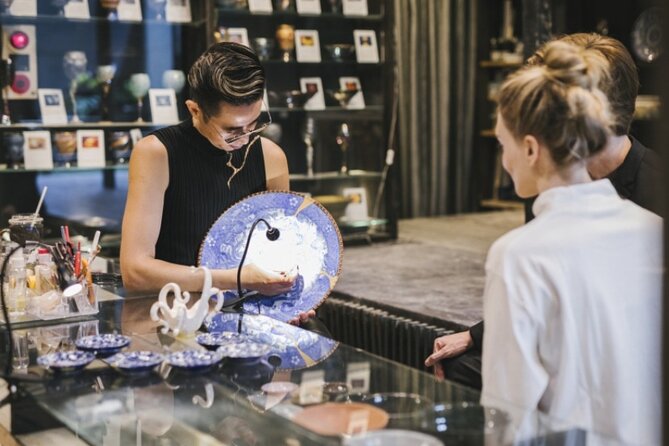
Kintsugi turns a broken plate into something worth keeping, using natural urushi lacquer and pure gold powder to mark the cracks instead of hiding them. At Master Taku Nakano’s studio in Tokyo’s stylish Minami-Aoyama district, you learn the craft on a handmade ceramic piece and take your finished work home.
I like the small maximum of five people, which gives Taku or an assistant time to guide each repair. I also like the thoughtful pause this creates in a busy Tokyo trip: you sit, work with your hands, and leave with a souvenir you made yourself.
The main drawback is the price, $142.60 per person, for a session lasting roughly 90 to 110 minutes. The studio can also be a little tricky to find, so allow extra time and do not arrive at the last minute.
Key points to know before booking
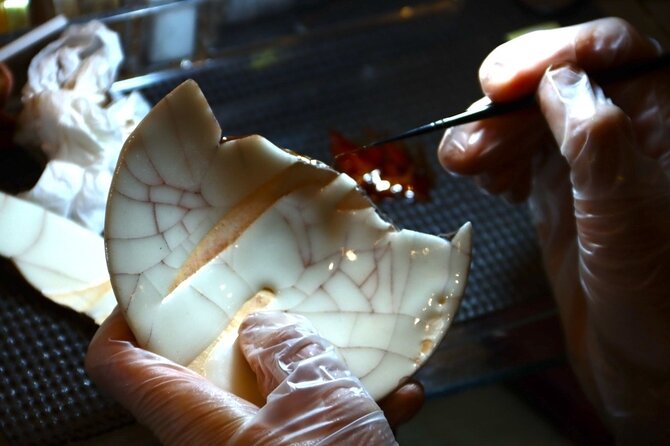
- Real gold and natural lacquer: The authentic option uses real urushi lacquer and pure gold powder, not a quick decorative substitute.
- Three repair styles: Choose the traditional rustic finish, a black-and-gold plate, or yobitsugi, which adds different materials to missing sections.
- A handmade plate is supplied: Your workpiece is prepared by Master Taku and goes home with you after class.
- Very small class size: The workshop accepts a maximum of five participants, with personal help throughout the process.
- Aoyama studio setting: The class takes place at TNCA Minami-Aoyama Studio, near public transportation.
- A mindful Tokyo break: This is less about seeing another sight and more about making something slowly and carefully.
Why kintsugi makes a better souvenir than another shop purchase
Tokyo makes it easy to buy beautiful ceramics, but a finished object from a shop has no story that belongs to you. Kintsugi gives you a different kind of keepsake. You work on a plate, learn the basic method, and bring home the result of your own decisions and handiwork.
The Japanese idea connects with wabi-sabi, the appreciation of imperfection, age, and change. A crack is not treated as an embarrassing flaw. It becomes part of the object’s character. That makes the workshop appealing even if you have no background in pottery. You do not need to arrive as an artist. You need patience and a willingness to follow instructions.
I also like the environmental side. Instead of throwing away a broken vessel, you give it another life. The lesson presents repair as creative work, not simply as a way to make damaged pottery usable again.
This can be a surprisingly calming change of pace after temples, department stores, and crowded train stations. The work is practical and focused. You are not just listening to a talk about Japanese craft. You are using the materials and making a piece with your own hands.
More Craft Workshops in Tokyo
- Tokyo Sumo Experience: Chanko & Mochi with a Former Pro
★ 4.8 · 567 reviews - Kintsugi Experience: Art of Golden Joinery in Tokyo
★ 5.0 · 467 reviews - Tokyo Chopstick Making Workshop with Artisan
★ 5.0 · 466 reviews
Arriving at the Minami-Aoyama studio
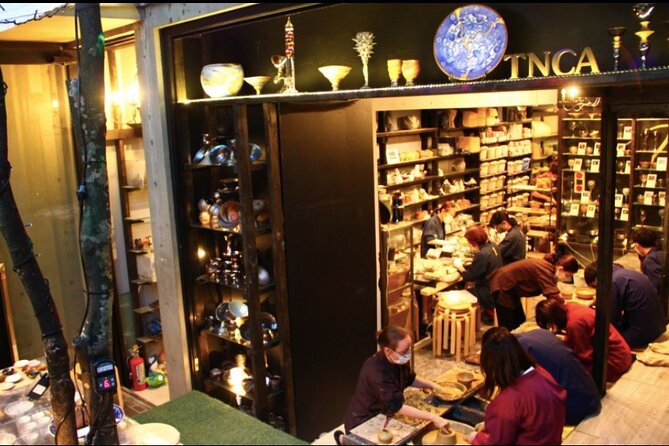
The meeting point is TNCA Minami-Aoyama Studio at 3-chōme-8-2 Minamiaoyama, Minato City, Tokyo 107-0062. The studio is in Aoyama, an area known for fashion, design, and ceramics, so the setting fits the subject well.
The studio is near public transportation, but finding the exact entrance may take some care. One participant arrived late after getting lost, so I would not plan to walk in from a distant station with only a few minutes to spare. Keep the address available on your phone, and build in extra time.
The class ends at the same place. There is no hotel pickup or drop-off, and food and drinks are not included. That is easy to manage, since this is a short studio visit rather than a full-day outing.
The class is designed for most people to join. Its five-person limit matters here. Kintsugi involves small movements and careful placement, so a crowded room would make the lesson less useful. With only a handful of people, you can ask for help as you work rather than wait through a long line.
Meeting Master Taku and choosing your plate
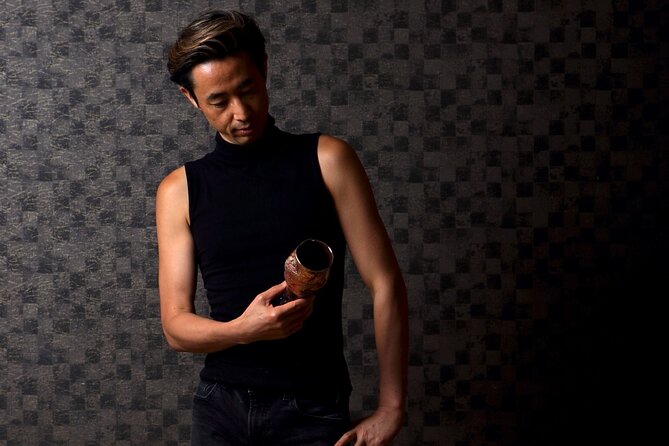
Taku Nakano is a ceramist who runs a pottery studio in Omotesando. His approach centers on making an object more beautiful and stronger after it breaks, and his own ceramics are made to be distinctive rather than mass-produced.
The workshop begins with an introduction to the craft and its ideas. Taku explains where kintsugi comes from and connects the process to wabi-sabi. His English is good, which helps if you are not comfortable learning through Japanese alone. Assistants may also help during the hands-on work. Junko, in particular, has guided the authentic session and is described as clear, patient, and easy to follow.
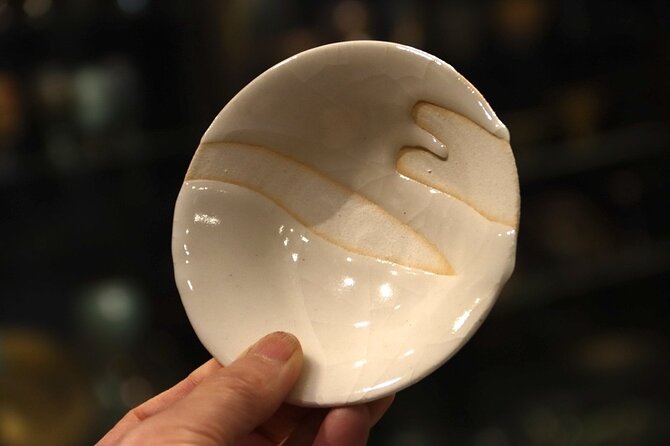
You receive a plate made by Taku, along with the equipment and materials needed for the lesson. The pottery has been prepared with a rustic lacquer treatment, giving it a worn, seasoned look before you begin. This is not a random household plate handed over for practice. The starting piece is part of the studio’s presentation and gives you a finished object worth keeping.
Depending on the option and the materials available, you may have a choice of starting pieces. Ask about the choices when you arrive if the look of the plate matters to you.
Three ways to create your repair
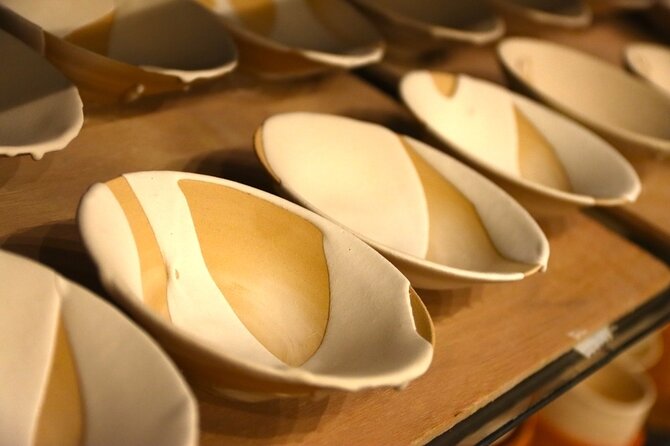
You can choose from three workshop formats. They share the same basic spirit, but each produces a different look and takes a slightly different amount of time.
Same trip, a completely different kind of day:
- 1-Day Tokyo Bus Tour
★ 5.0 · 14,250 reviews - Tokyo: TOKYO SKYTREE® Admission ticket
★ 4.5 · 11,192 reviews - Tokyo: teamLab Planets TOKYO Digital Art Museum Entry Ticket
★ 4.6 · 9,779 reviews - Tokyo: Sumo Show Experience with Chicken Hot Pot and a Photo
★ 4.8 · 6,678 reviews
Option A: traditional lacquer and pure gold
The main choice is Shuurushi kannyuzome kintsugi, a traditional-style repair using real natural lacquer and pure gold. This session lasts about 110 minutes, making it the closest match to the full workshop length.
You learn how the lacquer is used to join and mark the broken sections, then apply the gold powder to the repair. The gold line is not meant to disguise the damage. It draws your eye to it and makes the repaired area the most expressive part of the plate.
This is the best option if you want the classic kintsugi look and the strongest connection to the craft’s central idea. It also gives you the longest session, which may suit you if you prefer a slower pace and more explanation.
Option B: black-and-gold Shikkokurai
The black plate option, called Shikkokurai, takes about 90 minutes. The technique is the same as Option A, but the darker surface gives the gold a sharper, more modern effect.
Choose this if you prefer a cooler, more graphic style instead of the rustic look. It may also appeal to you if you want a plate that feels suited to a contemporary home. Since the time is shorter, the session may feel more compact than the traditional option.
Option C: yobitsugi with added materials
The third choice is yobitsugi, described as one of the highest kintsugi techniques. Rather than only tracing a break with gold, you attach different decorations and materials to missing parts.
This is a good pick if you are drawn to unusual shapes and visible additions. The result can feel more sculptural and personal. It lasts about 90 minutes, so you still get a complete project without committing to the longer traditional session.
The options make the workshop more flexible than a single standard class. Still, the three formats are not identical in appearance. Think about what you want to take home: a classic gold repair, a black-and-gold design, or a more decorative piece with added materials.
What the hands-on lesson is really like
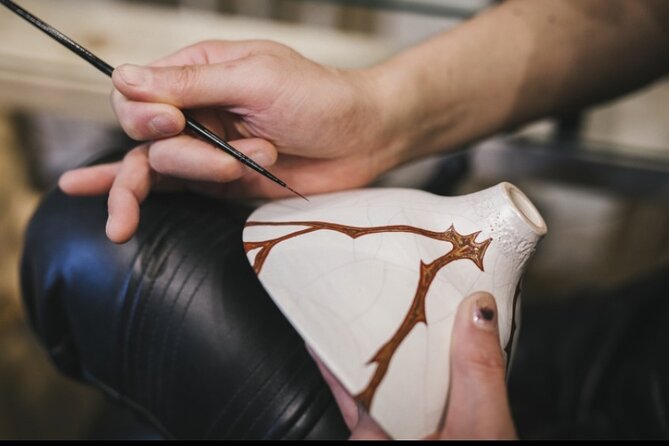
The practical work is broken into clear steps. You receive the plate, listen to an explanation, and then begin the repair with guidance from the instructor. The teaching style is calm and patient, which matters because rushing would work against the point of kintsugi.
You are not left to guess your way through the process. The instructor demonstrates what to do and checks your progress. Junko has assisted with the authentic session, and Taku is available as the master artist behind the workshop. The small class makes it easier to receive direct help with the delicate parts.
The pace suits beginners. One participant described completing the project within the allotted time after receiving clear instructions for the whole group. Another found the session easy to understand and well paced. That does not mean every plate will look identical. In fact, the charm is that your lines, choices, and small imperfections remain visible.
The lesson also has a reflective side. Repairing a plate asks you to accept the object as it is and work with its damaged shape. The activity can feel cathartic, especially if you enjoy crafts that require concentration rather than speed.
At the end, you take the plate home the same day. That immediate result is a real advantage over pottery classes that require a later firing and return visit. You do not have to arrange shipping or worry about fitting another appointment into your Tokyo schedule.
Is $142.60 a fair price?
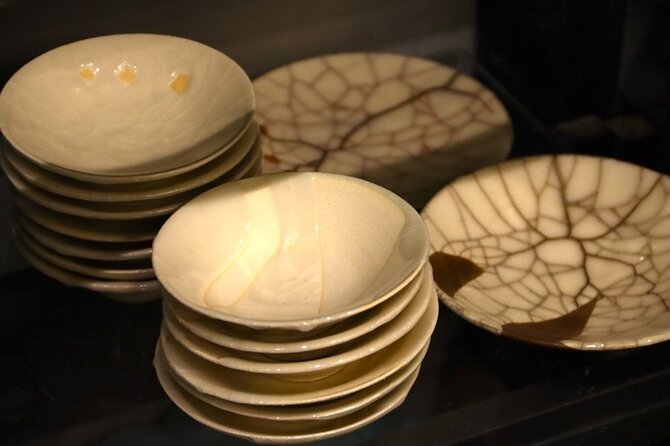
At $142.60 per person, this is not a budget craft activity. You are paying more than the cost of a ready-made souvenir, and the session is short enough that the price deserves a close look.
The value comes from several parts working together. The fee includes the lesson, all equipment, the prepared plate, the materials, taxes, fees, and handling charges. Most important, the central option uses real natural lacquer and pure gold powder. Those materials and the personal instruction help explain why the price is higher than a casual craft class.
The five-person limit also changes the calculation. You are not entering a large workshop and receiving only a quick demonstration. You have a better chance to ask questions and get direct guidance. For someone who values Japanese craft, that personal attention may justify the cost.
I would book it if you want an activity with meaning and a souvenir you will actually remember making. I would skip it if your main goal is the cheapest possible cultural activity or if you prefer spending the same amount on several attractions.
The session is also a good value for families with older children who can work carefully and follow instructions. One parent and daughter found the experience especially meaningful together. It gives you something to do side by side, rather than simply moving from one attraction to the next.
Who will enjoy this workshop most?
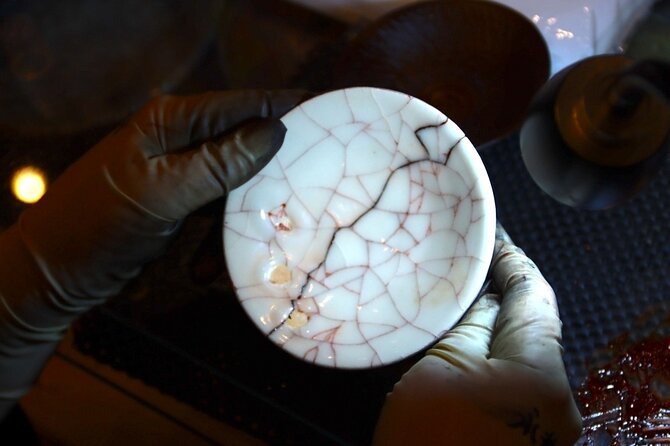
This class suits you if you like ceramics, design, Japanese craft, or hands-on projects. You do not need prior experience. The instructions are clear, and the pace is intended to let beginners finish a piece during the appointment.
It is also a strong choice for couples and parent-child trips. You each work on your own plate, but the shared setting gives you a common project to discuss afterward. The final pieces are personal without being identical.
Solo visitors can enjoy it too. The group is small, and the instructor’s calm approach keeps the activity from feeling awkward for someone attending alone.
I would be more cautious about booking it for very young children. The supplied information says most people can participate, but the work calls for patience and careful handling. No specific minimum age is given, so families should confirm if that detail matters.
This is not a sightseeing tour with several stops. It takes place at one studio and ends there. That makes it easy to fit between other plans, but it also means the activity itself must appeal to you. The reward is concentration, instruction, and a handmade object, not a long list of sights.
Timing, booking, and the one policy to take seriously
The overall experience is listed as about two hours, with the options lasting roughly 90 minutes for the black-and-gold and yobitsugi formats, or 110 minutes for the authentic natural lacquer and gold session. Allow a little extra time for arrival and finding the studio.
Confirmation is sent within 48 hours of booking, subject to availability. The class requires a minimum number of participants, so the provider may cancel if that minimum is not met. If that happens, you are offered another date or experience, or a full refund.
Your own cancellation policy is strict. The experience is non-refundable and cannot be changed for any reason. Do not reserve it until your Tokyo schedule is firm.
The activity is offered by Beauty of Japan and accepts a maximum of five participants. It uses a mobile ticket, so keep the booking details accessible on your phone.
Should you book Master Taku’s kintsugi class?
I recommend this workshop if you want a small, focused activity that connects Japanese ideas with real making. The best reasons to book are the use of natural urushi lacquer and pure gold, the chance to work with ceramics made by Taku Nakano, and the fact that you take the finished plate home that day.
The authentic option is my first choice if you want the traditional experience and have the extra 20 minutes. Pick the black plate for a cleaner modern look, or choose yobitsugi if you like added decoration and a more unusual finish.
The price is high for a short class, and the strict cancellation terms mean you should plan carefully. But if you value a personal souvenir more than another purchased object, this is the kind of Tokyo experience that can stay with you long after the sightseeing schedule has blurred together.
FAQ
Where does the kintsugi workshop take place?
It takes place at TNCA Minami-Aoyama Studio, 3-chōme-8-2 Minamiaoyama, Minato City, Tokyo 107-0062, Japan. The studio is near public transportation.
How long does the workshop last?
The full experience lasts about two hours. The traditional natural lacquer and gold option takes about 110 minutes, while the black-and-gold and yobitsugi options take about 90 minutes.
What materials are used?
The authentic option uses real natural urushi lacquer and pure gold powder. All necessary equipment and materials are included.
Do I get to take my plate home?
Yes. The plate you use for the lesson is included, and you can take it home on the day of the workshop.
How many people can join the class?
The activity has a maximum of five participants, allowing for personal help from the instructor or assistant.
Are food, drinks, or hotel transfers included?
No. Food, drinks, hotel pickup, and hotel drop-off are not included. The activity begins and ends at the Minami-Aoyama studio.
Can I cancel or change my booking?
No. The experience is non-refundable and cannot be changed for any reason. If the provider cancels because the minimum number of participants is not met, you are offered another date or experience, or a full refund.
Just added around Tokyo
- Kawagoe Japanese Food Tour : Unagi Kaiseki and Sake near Tokyo★ 5.0 · 30 reviews
- Kawagoe 4hr Private Tour with Licensed Guide (Kawagoe Dep)★ 5.0 · 13 reviews
- Little EDO Sushi Making workshop in Kawagoe★ 5.0 · 18 reviews
- 【R34】Tokyo:Private Daikoku tour in Modified R34★ 4.9 · 92 reviews
- :Tokyo,Shibuya/ Pro Photography in Kimono / English-Friendly★ 5.0 · 26 reviews
- Tokyo:Celebrate Unique Japanese New Year Tradition Festivity★ 3.9 · 20 reviews
- Tokyo: Allstar Food Tour★ 4.7 · 29 reviews
- Tokyo: West-Side Cycling and Food Tour with Guide★ 5.0 · 37 reviews
Traditional Crafts, compared.
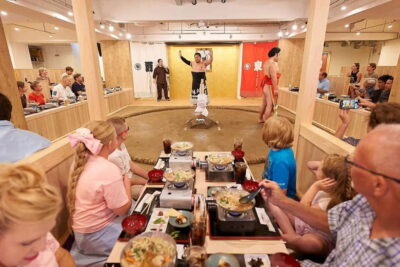
Tokyo Sumo Experience: Chanko & Mochi with a Former Pro
Our verdict →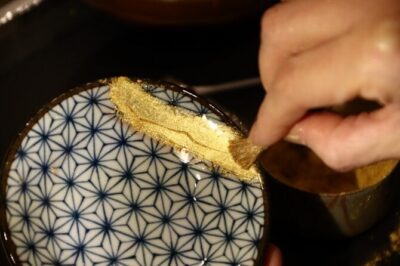
Kintsugi Experience: Art of Golden Joinery in Tokyo
Our verdict →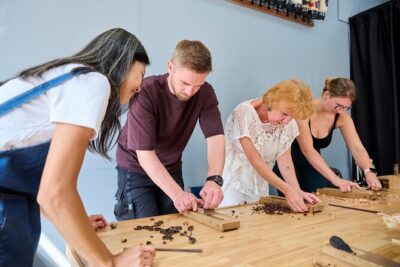
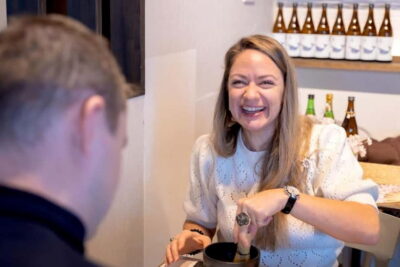
Matcha Making Experience with Mochi Sweets in Asakusa
Our verdict →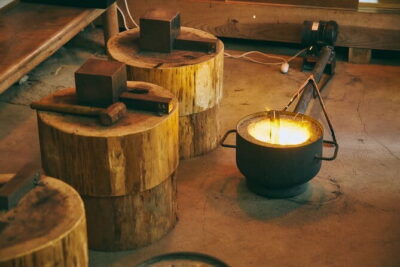
Authentic knife making experience at a blacksmith in Kyoto
Our verdict →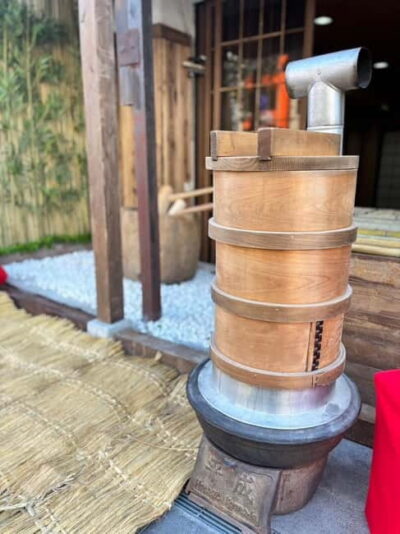

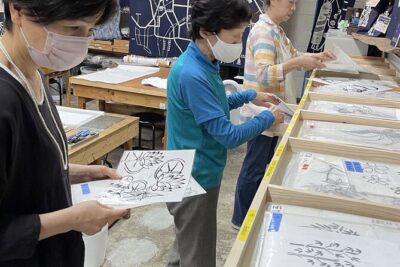
Roketsu dyeing experience: M course Roketsu Dyeing Experience
Our verdict →Browse the lists this tour appears in