
Reviewed · HISTORICAL TOURS
Hiroshima: Miyajima Half-day Historical Walking Tour
Miyajima is more than a quick photo of a red torii gate. This tour gives you the full island welcome: a ferry ride across the Seto Inland Sea, deer along the shore, sacred buildings, mountain paths, local food, and stories about daily life from the Edo period to today. Itsukushima Shrine and the O-Torii are the headline sights, but Daisho-in may be the surprise favorite.
I like the small groups of no more than seven, which make it easier to ask questions and adjust the pace. I also like the food stops, especially the oysters and fried momiji dumplings, since they give you a taste of Miyajima rather than just another set of photographs. The main drawback is simple: this is a serious walking tour, with uneven paths and some stairs, and the schedule can run long if lunch service is slow.
Key points to know before booking
- The ferry crossing is part of the experience: You get fine views of the Seto Inland Sea and the O-Torii from the water, but the ferry fare is extra.
- Daisho-in receives real attention: Plan on an hour among temples, statues, mountain scenery, and explanations of Buddhist practice.
- Food is part of the tour, not an afterthought: Lunch includes local Hiroshima ingredients, with oysters and other Miyajima specialties available.
- The guides shape the day: Yuji, Kiki, Eri, Shun, Hika, and others have been praised for friendly English, cultural explanations, and flexible pacing.
- Come ready to walk: The tour lasts 330 minutes and includes places that are not suitable for wheelchairs or strollers.
- Tide timing can change the view: You may see the torii surrounded by water and later reach it at low tide, depending on the day’s schedule.
Meeting in Miyajimaguchi and crossing to the island
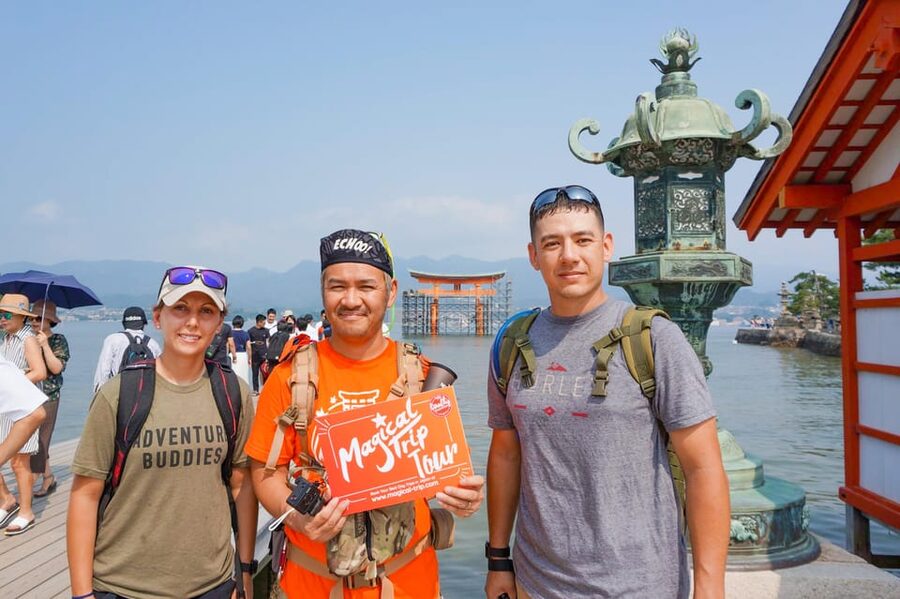
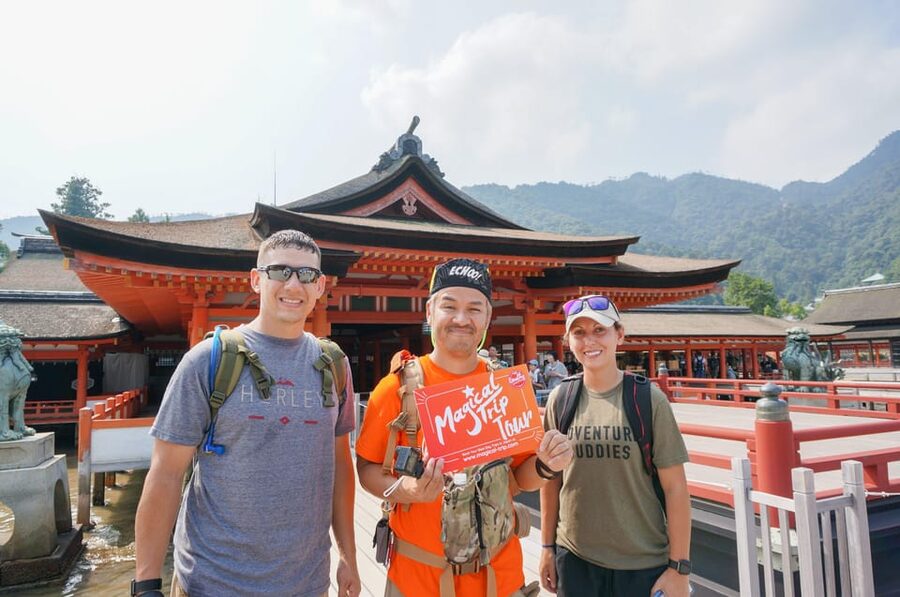
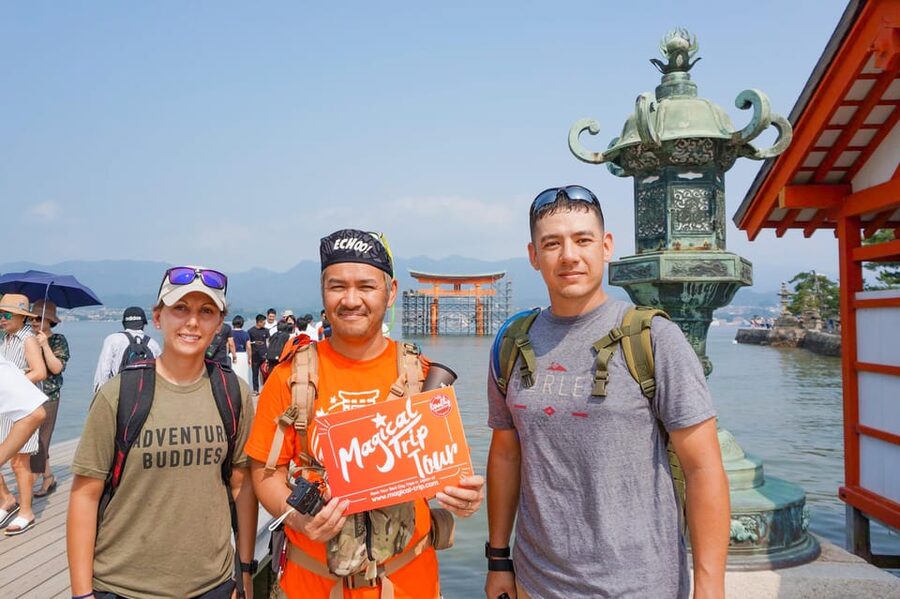
The tour starts outside JR Miyajimaguchi Station, in front of the coin-operated lockers. From JR Hiroshima Station, the Sanyo Line ride takes about 30 minutes, so allow time to find the meeting point. Your guide carries a board marked Magical Trip.
Miyajimaguchi is not on Miyajima itself. You first reach the ferry terminal, then cross to the island. The ferry ticket is not included. The supplied details give two different figures, JP¥500 in one place and JP¥360 in the practical notes, so bring cash and confirm the current fare when you book.
The crossing is short, but it gives you a useful first look at Miyajima. The island rises from the sea with forested hills behind the town, while the O-Torii appears offshore. That view helps explain why the island has long been treated as a sacred place. You also get a break from traffic and city streets before the walking begins.
On arrival, deer often greet you near the waterfront. They are accustomed to people, but you should not feed them. Keep paper maps, food wrappers, and loose items tucked away, since curious deer may investigate.
More Historical Tours in Hiroshima
- Hiroshima Historical Walking Tour – Why A-Bomb was Dropped
★ 4.8 · 893 reviews - Hiroshima Peace (Heiwa) Walking Tour at World Heritage Sites
★ 5.0 · 872 reviews - Miyajima Half-day Trip Historical Walking Tour
★ 5.0 · 284 reviews
The O-Torii and Itsukushima Shrine
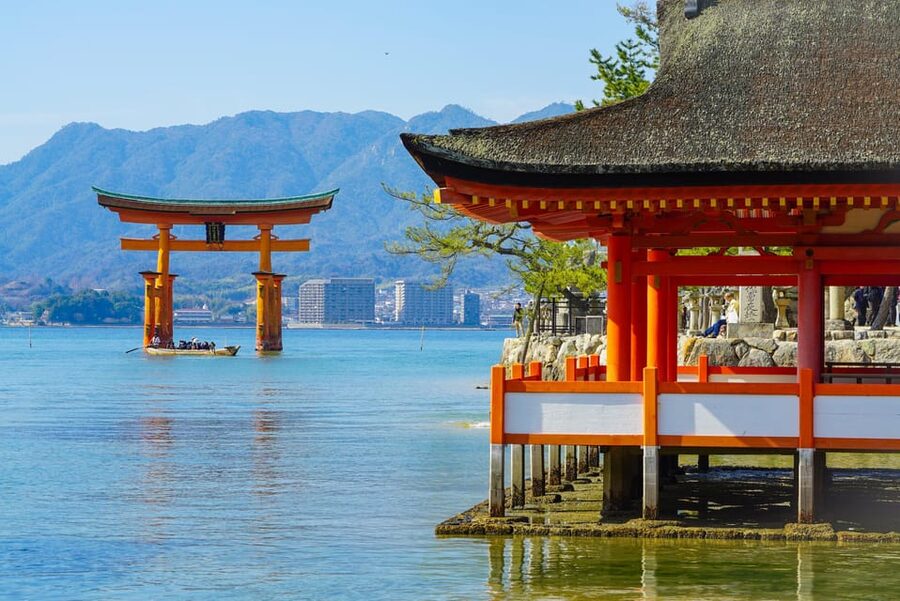
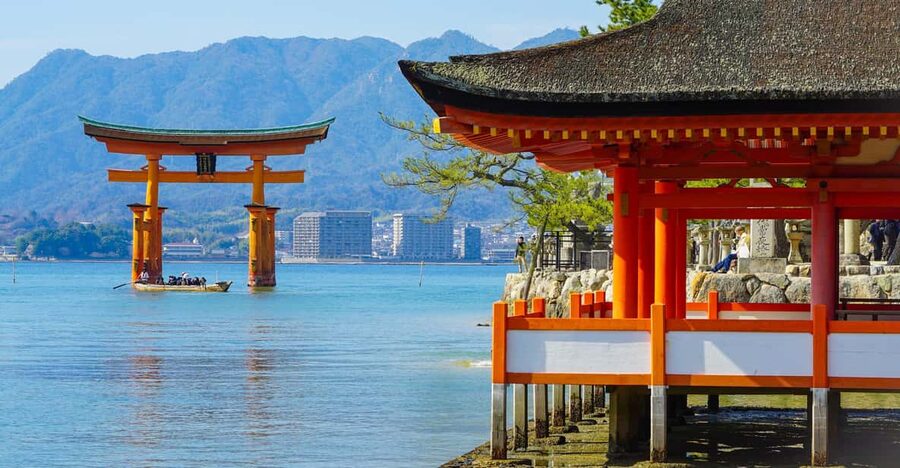
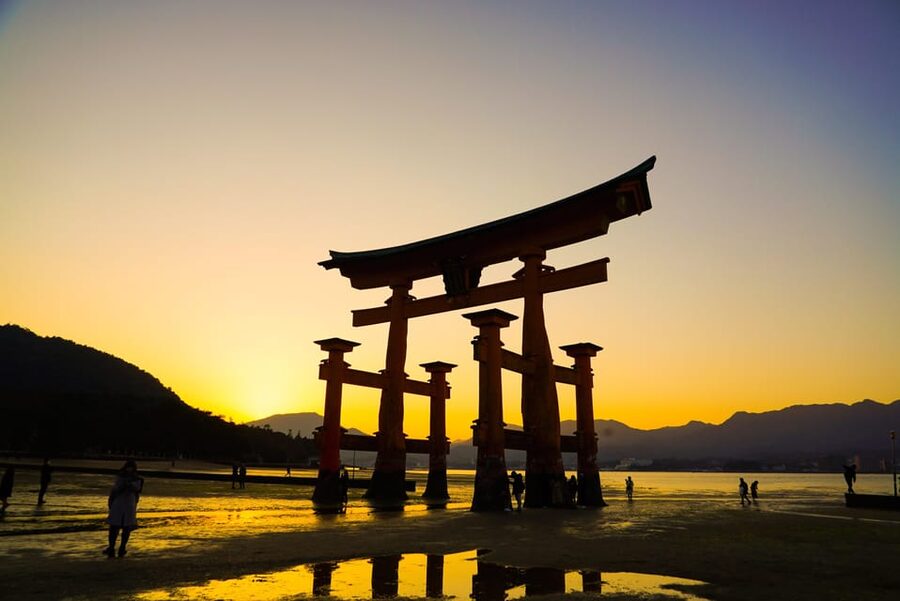
The walk follows the coast toward the O-Torii, Miyajima’s famous vermilion gate. At high tide, it appears to float in the water. At low tide, you may be able to walk out across the exposed shore toward it. The tour’s timing can give you both views, though that depends on the tide and the day’s schedule.
The O-Torii is not a separate stop to rush through. It is the visual introduction to Itsukushima Shrine, where the boundary between land and sea is part of the design. The shrine’s buildings were constructed during the Heian period, from 794 to 1192, and their raised wooden form was designed to cope with changing water levels.
Inside the shrine, your guide can explain the relationship between the gate, the sea, and Shinto worship. That context makes the bright corridors and broad views more meaningful than a quick walk through with a camera. Guides such as Yuji and Eri have been praised for explaining not only the buildings, but also Japanese customs and the difference between Shinto and Buddhist practice.
You spend about 40 minutes at the shrine. That is enough for a guided look, but not an unlimited amount of time for every corner or photograph. If you prefer to linger quietly at major sights, tell your guide early. Small groups make this kind of request more realistic than large coach tours.
Miyajima food, the museum, and local life
The tour includes a visit to the museum, where you learn about life and culture on Miyajima. This is useful because the island can otherwise feel like a string of scenic stops. The museum adds the human side: how people lived, worked, worshiped, and adapted to the island over time.
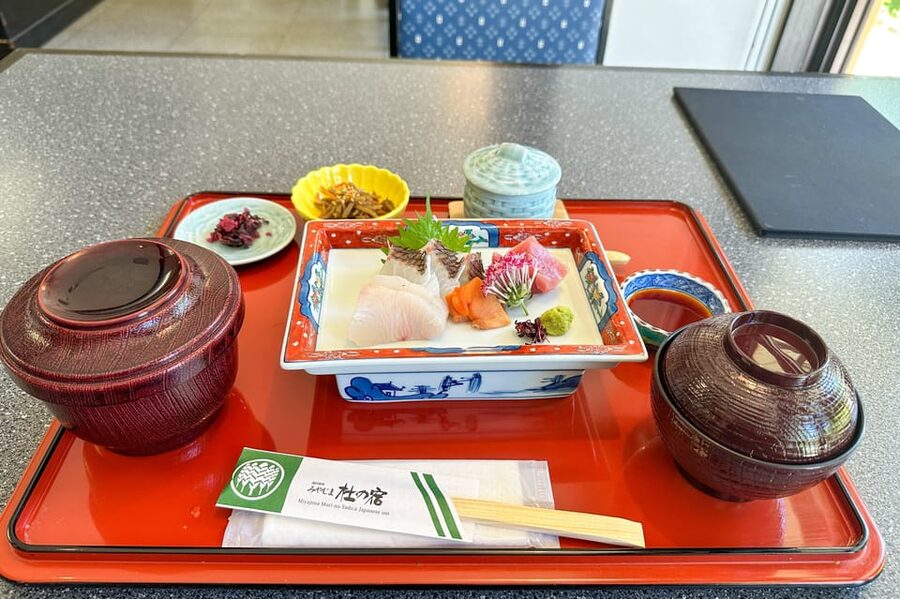
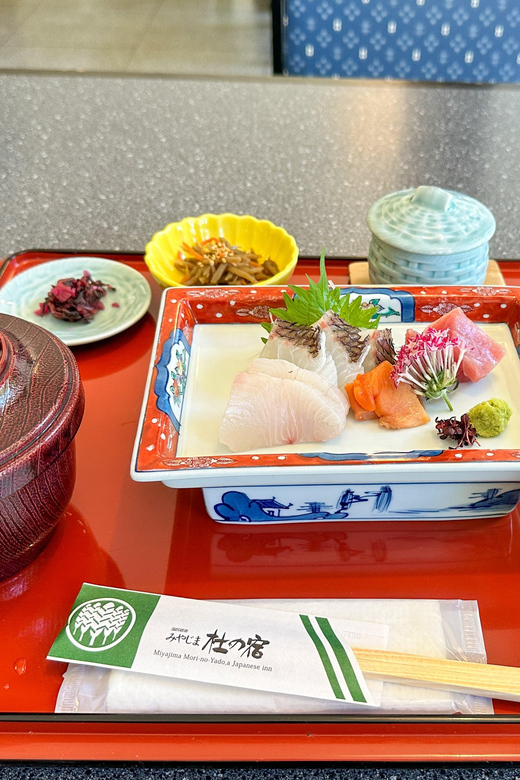
Lunch uses ingredients from Hiroshima Prefecture. Fresh oysters are the signature item, and past meals have included grilled oysters with butter and soy, along with a fresh lemon squash. Fried momiji dumplings are another local treat, combining the maple-leaf shape associated with Miyajima with a crisp snack format.
The food is one of the strongest reasons to choose this tour over a basic sightseeing walk. Your guide can help you understand what you are eating and how the meal fits into local culture. One guide even used lunch to explain Japanese dining customs, including how to finish a meal properly.
There are limits. Vegetarian and vegan choices are available but limited. The operator cannot guarantee allergy-free food, and kitchens may not be able to make substitutions at every stop. Gluten intolerance is listed among the conditions for which this tour is not suitable. If you have serious dietary restrictions, this is not the safest food tour to book.
Restaurant service can also be slow. Staffing problems may extend the day beyond the planned schedule, so avoid booking a tight connection immediately afterward.
Daisho-in, Miyajima’s oldest temple complex
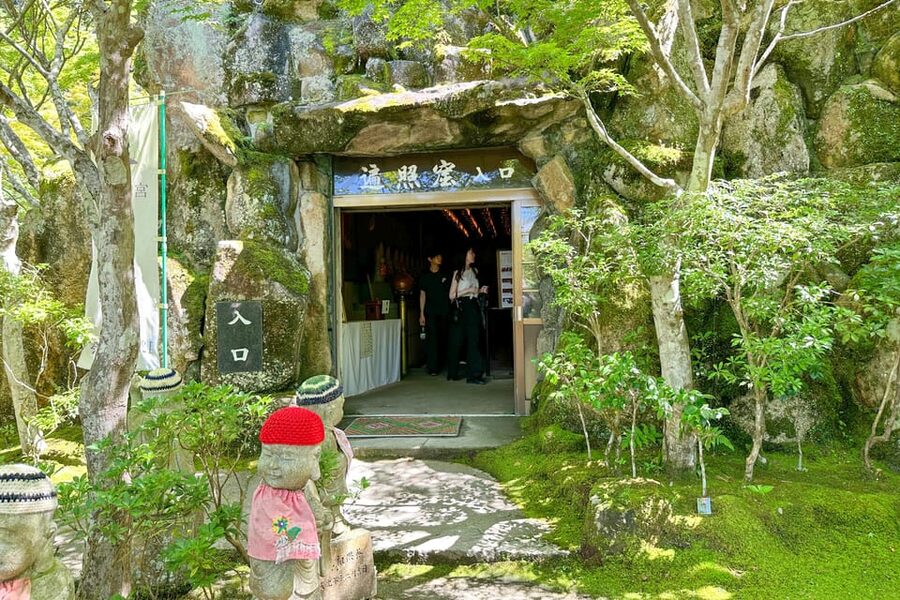
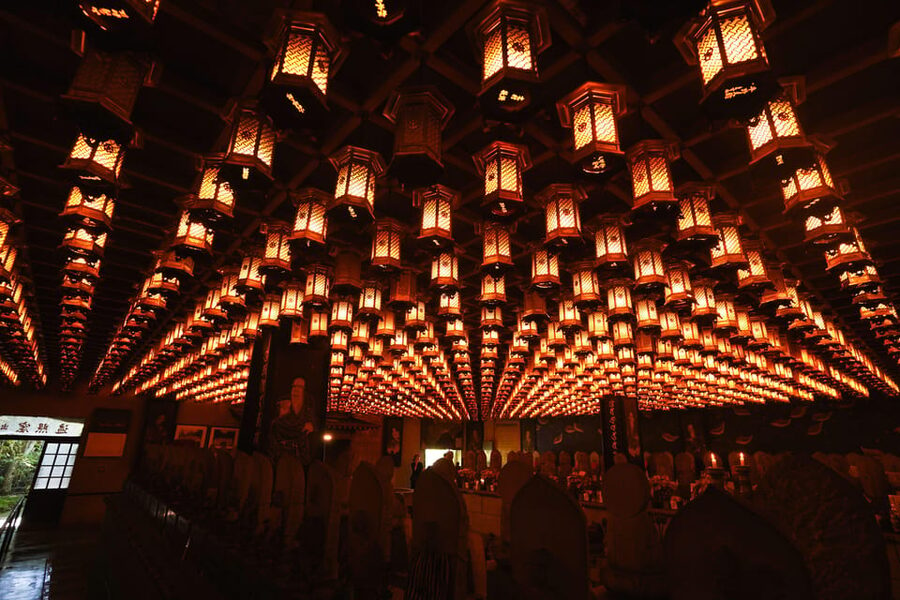
Daisho-in is where the tour becomes quieter and more reflective. Reached by a mountain path, the temple complex has about 1,200 years of history and includes several buildings, statues, and religious details. You spend roughly an hour here, longer than at most other stops.
The walk uphill gives you a different view of Miyajima. Instead of looking only across the water, you move through forest and mountain scenery. The route is scenic, but you should wear proper shoes. Rain can make paths muddy, and the walking may be tiring in summer heat.
Daisho-in also helps explain how faith developed on the island. Your guide can talk through Buddhist practice, the role of statues, and the way Shinto and Buddhism have shaped Miyajima together. This is where guides such as Hika, Shun, and Hikaru have made a strong impression, pairing historical facts with stories about Japanese daily life.
You do not need to be religious to enjoy Daisho-in. The complex rewards anyone interested in art, architecture, quiet places, or the small details of Japanese worship. It also offers a useful change of pace after the busier shrine area.
More Walking Tours in Hiroshima
- Hiroshima City 4hr Private Walking Tour with Licensed Guide
★ 5.0 · 437 reviews - Hiroshima Walking Tour Why A Bomb was dropped to Hiroshima
★ 5.0 · 347 reviews - Hiroshima: History of Hiroshima Group Walking Tour
★ 4.8 · 266 reviews - Hiroshima: Food and Culture Guided Walking Tour with Dinner
★ 4.9 · 212 reviews
Momijidani, Senjokaku, and the wider island
The short visit to Momijidani adds gardens, trees, and a calmer natural setting. The name is associated with maple trees, making this an especially appealing place during autumn, though the tour operates throughout the year. The stop is only about 10 minutes, so think of it as a scenic pause rather than a long garden visit.
Senjokaku Pavilion receives about 20 minutes. Its broad interior and elevated setting offer another angle on Miyajima’s religious and architectural past. Nearby, the famous five-story pagoda adds a strong visual landmark, though the exact amount of time you have for photographs depends on the guide and the day’s pace.
The final longer section takes you through a less obvious part of the island before returning toward the souvenir streets. This is where a local guide adds value. You are not simply being moved between the island’s top three sights. You can ask about local customs, homes, crafts, and how life on Miyajima has changed.
The tour ends with tea or coffee and time around the shopping street. Some departures have also included ice cream. This final pause is practical as well as pleasant, giving you a chance to rest before the ferry back to Miyajimaguchi.
How the small group changes the experience
A maximum of seven people is a useful middle ground. You still have company for lunch and the ferry, but the group is small enough for questions and short detours. Some departures may be even smaller, including private-feeling outings with one traveler and a guide.
The guides named in the feedback are a strong part of the experience. Yuji has been praised for clear English, thoughtful stories, and an unhurried manner. Kiki is known for energy and hospitality, while Eri has been praised for taking photographs and adjusting the visit to suit individual interests. Shun, Hika, Hikaru, Kaz, and others have also been described as friendly, attentive, and good at explaining culture.
That does not mean every guide will deliver the same personality or route. The company assigns the guide, so you cannot assume a particular person will lead your departure. Still, the repeated pattern is encouraging: guides explain the sites, answer questions, and make room for conversation about Japanese life.
The walking pace is described as active but not rushed. A guide may add rest breaks, and small groups make that easier. Even so, low fitness, heart problems, back problems, high or low blood pressure, and a tendency toward seasickness are listed as concerns. The ferry crossing is short, but it is still worth planning for if you are sensitive to motion.
Is the $106 price good value?
At $106 per person, the price is not cheap for a half-day outing. But it covers a local English-speaking guide, entrance fees for the shrines, temples, and museum, lunch, and tour photographs. The ferry is extra, as are additional drinks and snacks.
The value depends on how you would spend the day alone. If you are comfortable researching ferry connections, tide times, shrine customs, temple history, food stops, and the best walking route, you can visit Miyajima for less. You will also have more freedom to linger.
You are paying here for structure and interpretation. A guide connects the O-Torii to Itsukushima Shrine, places Daisho-in in a religious context, explains the museum, and chooses a local lunch. For a first visit to Miyajima, that can save time and prevent the island from becoming a quick photo stop.
I consider the price fair for someone who wants history, food, and conversation in one organized outing. It is less attractive if you mainly want free time, extensive shopping, or a long visit inside one shrine.
Weather, clothing, and access
Summer in Japan can be extremely hot and humid. Bring water, wear a hat, and expect the walk to feel harder than the mileage suggests. Comfortable shoes are essential, especially if rain has made the mountain path muddy.
Some locations are not wheelchair or stroller accessible. The tour is also not recommended for babies under one year. If you need a fully accessible route, contact the operator before booking rather than relying on the standard schedule.
The cancellation policy allows a full refund when you cancel at least 24 hours ahead. You can also reserve now and pay later, which helps if your Hiroshima plans may change.
Should you book this Miyajima tour?
Book it if you want a guided first look at the whole island, with the major shrine, Daisho-in, museum, local food, and ferry views tied together. It is especially suited to first-time visitors, solo travelers, couples, and families with older children who enjoy walking and asking questions.
Skip it if you need a slow, fully accessible day, have strict food allergies, cannot manage hills and uneven paths, or want to explore entirely at your own pace. For everyone else, this is a well-balanced way to meet Miyajima: sacred gate, sea views, temple paths, oysters, deer, and plenty of room for a good conversation with your guide.
FAQ
How long does the Miyajima tour last?
The tour lasts 330 minutes, or about five and a half hours. Food service or other delays may extend the day.
Where does the tour meet?
Meet outside JR Miyajimaguchi Station, in front of the coin-operated lockers. The guide will hold a board marked Magical Trip.
How do I reach the meeting point from Hiroshima?
JR Miyajimaguchi Station is about 30 minutes from JR Hiroshima Station on the Sanyo Line.
Is the ferry included in the price?
No. You need to pay the ferry fare separately and should bring cash. The supplied fare details list both JP¥360 and JP¥500, so confirm the current amount before departure.
What food is included?
The tour includes a local lunch using ingredients from Hiroshima Prefecture. Miyajima specialties may include fresh oysters and fried momiji dumplings. Extra food and drinks cost more.
Are vegetarian and vegan meals available?
Vegetarian and vegan options are available but limited. Allergy-free meals and all dietary substitutions cannot be guaranteed.
Is the tour wheelchair or stroller accessible?
No. Parts of the route are not accessible to wheelchairs or strollers.
What language is the tour conducted in?
The tour is conducted in English with a live local guide. The group is limited to seven participants.
More Half-Day Tours in Hiroshima
- Miyajima Half-day Private Tour with Government Licensed Guide
★ 5.0 · 184 reviews - Hiroshima: Miyajima Island Half-Day Tour with Guide
★ 4.9 · 71 reviews - Kyoto Arashiyama Bamboo forest & Garden Half-Day Walking Tour
★ 5.0 · 413 reviews - Half-day Tokyo Afternoon Tour by Hato Bus
★ 4.0 · 269 reviews
Just added around Hiroshima
- Full Day Hiroshima and Miyajima Tour by Bullet Train from Kyoto★ 4.5 · 120 reviews
- Hiroshima Saijo Sake Tasting Tour with visit to 7 Breweries★ 5.0 · 104 reviews
- The Peace Memorial to Miyajima : Icons of Peace and Beauty★ 4.5 · 31 reviews
- Shore Excursion from Hiroshima Port : Private Tour in Hiroshima★ 5.0 · 17 reviews
- Okunoshima Rabbit Island Cycling Tour with Local Guide★ 4.5 · 17 reviews
- Hiroshima & Miyajima All-Inclusive Tour w/Licensed guide Pancho★ 5.0 · 54 reviews
- Private Full Day Hiroshima Tour★ 4.5 · 29 reviews
- Hiroshima Country Cycling: Explore Rural Life 1 HR from City★ 5.0 · 22 reviews
Historical Tours, compared.
Imperial Palace and Shogun Historical Walking Tour
Our verdict →
World Heritage Kyoto & Nara Uji Authentic Matcha Experience
Our verdict →
Kyoto Gion: 2-Hour Geisha Culture & History Walking Tour
Our verdict →
Hiroshima Historical Walking Tour – Why A-Bomb was Dropped
Our verdict →
Yanaka Walking Tour: Historic and Traditional District of Tokyo
Our verdict →
Shinjuku Historical Walking Tour & Secret Backstreets
Our verdict →
Mt. Fuji Heritage Tour: Traditional Villages, Lakes & Shrine
Our verdict →Browse the lists this tour appears in