
Reviewed · HISTORICAL TOURS
Kyoto: Historic Higashiyama Walking Tour
Fushimi Inari’s long line of vermilion torii gates is one of Kyoto’s great visual treats, but the real value here is having a guide explain what you are seeing before the route moves into Gion and Higashiyama. This is a compact way to connect several famous sights without spending your day figuring out trains, temple entrances, and winding lanes.
I like the small group, capped at 10, and the fact that Kodaiji and Kiyomizu-dera admissions are included. I also like the mix of big-name sights with quieter side shrines and backstreets. The tradeoff is physical: four hours includes hills, steps, and plenty of walking, so it is not a good match for anyone with mobility limits or anyone hoping for a slow, sit-down tour.
Key points at a glance
- Fushimi Inari begins the tour with thousands of vermilion torii gates and an introduction to Shinto customs.
- A short train ride links southern Higashiyama with Gion, saving time and adding a useful bit of local transport.
- Kodaiji offers a calmer temple visit, with gardens and a bamboo grove included in the guided route.
- Sannenzaka leads you through Kyoto’s old-town atmosphere, with time for snacks and souvenirs.
- Kiyomizu-dera ends the walk with broad Kyoto views and the Otowa Waterfall ritual.
- Small groups and several guide languages make the experience personal and accessible to international visitors.
Why this four-hour route works
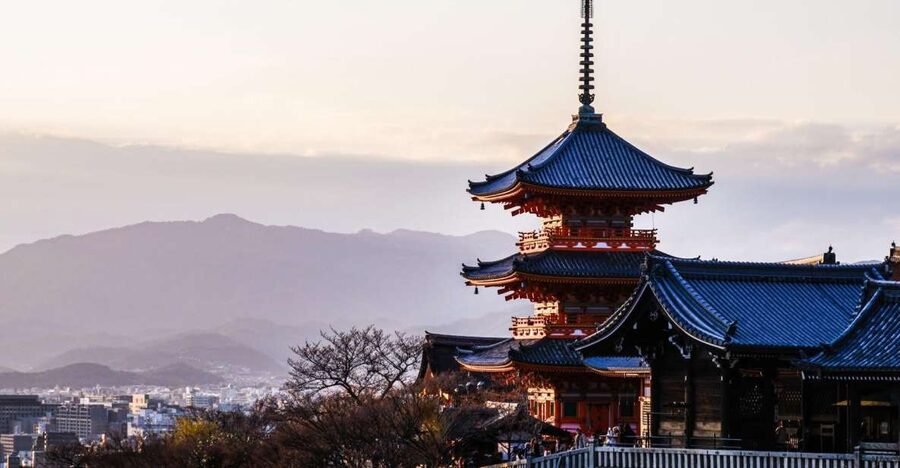
Kyoto can feel scattered at first. Fushimi Inari sits south of the central city, Gion occupies the eastern side, and Kiyomizu-dera rises above the old lanes of Higashiyama. This tour ties those places together in a sensible order, starting at JR Inari Station and finishing at Kiyomizu-dera.
That order matters. You visit Fushimi Inari before moving into Gion, then walk gradually uphill through Higashiyama. You do not need to return to a starting point, and you are free to keep exploring after the tour ends at Kiyomizu-dera.
The pace is active rather than rushed. Each major stop receives a guided visit, but the tour still has to cover a lot of ground in four hours. You should think of it as a well-planned introduction to eastern Kyoto, not a detailed study of every temple building and shrine ritual.
More Historical Tours in Kyoto
- Kyoto Gion: 2-Hour Geisha Culture & History Walking Tour
★ 5.0 · 1,186 reviews - Kyoto: Nijo-jo Castle and Ninomaru Palace Guided Tour
★ 4.7 · 1,020 reviews - Kyoto: Imperial Palace & Nijo Castle Guided Walking Tour
★ 4.7 · 453 reviews
Starting at Fushimi Inari Taisha
The meeting point is just outside the fare gates of JR Inari Station. This is a practical start because the station sits directly beside Fushimi Inari Taisha. If you arrive by the Keihan train line, you can walk a few minutes to the JR station.
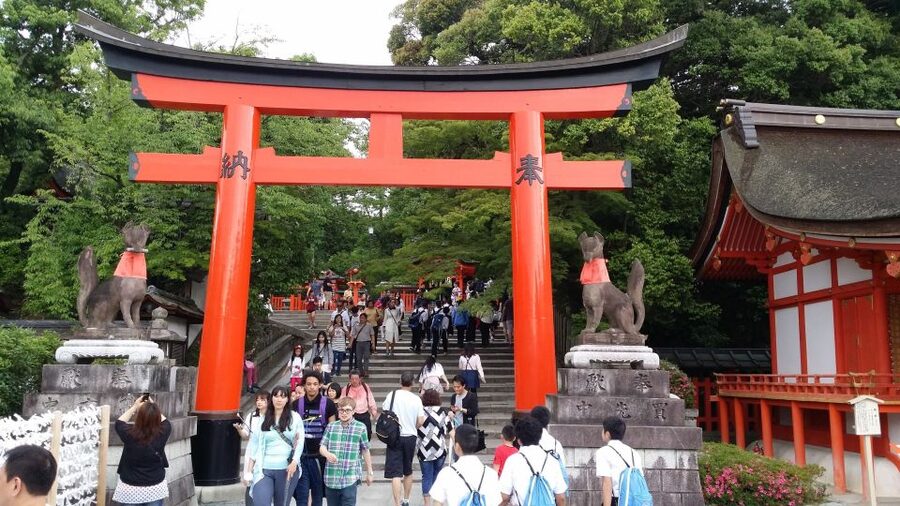
Your guide begins with the shrine complex and its role in Shinto life. Fushimi Inari is dedicated to Inari, a deity linked with rice, prosperity, and commerce. The famous torii gates were donated over time, creating the long orange-red corridors that climb the lower slopes of the eastern mountains.
The first guided portion lasts about an hour. You pass beneath the Senbon Torii, or Thousand Torii, where the closely spaced gates make a striking tunnel. The route is photogenic, but it can also be crowded, especially around the lower section. A guide helps you understand why the gates are there instead of treating them as a series of pretty photo frames.
You will also learn how to approach a Shinto shrine and what the surrounding symbols mean. The tour information specifically notes that the visit covers Shinto history and culture, giving this stop more substance than a quick walk through the gates.
Fushimi Inari continues up the mountain beyond the main torii section. This tour does include some uphill walking, but the route is described as manageable rather than exceptionally steep or demanding. Still, you should wear proper walking shoes and expect steps and uneven stretches.
Riding from Fushimi Inari to Gion
After Fushimi Inari, the group takes a short train ride to Gion. The fare is included, so you do not need to sort out a separate ticket during the tour. This small transfer also gives your legs a brief break before the walking resumes.
Gion is often reduced to images of geisha and lantern-lit streets, but it is also a living part of modern Kyoto. Your guide explains the district’s entertainment traditions and its place in the city today. That context is useful because Gion is easy to misunderstand if you view it only as a stage set for photographs.
The guided Gion walk lasts about 30 minutes. You will see the traditional entertainment quarter and hear stories about its customs, buildings, and public life. The tour does not promise an evening geisha performance, and you should not book it expecting one. Instead, it gives you an introduction to the district while you are already moving toward Higashiyama.
A guide can also help you behave respectfully in an area where residents, workers, and visitors share narrow streets. Keep your camera ready, but remember that Gion is a neighborhood as well as a sightseeing zone.
Kodaiji and the quieter side of Higashiyama
From Gion, the walk continues into Higashiyama. The name means East Mountain, a fitting description for the district spread along the foothills on Kyoto’s eastern edge. Here, the route becomes less about one landmark and more about how the old streets, temples, shops, and slopes fit together.
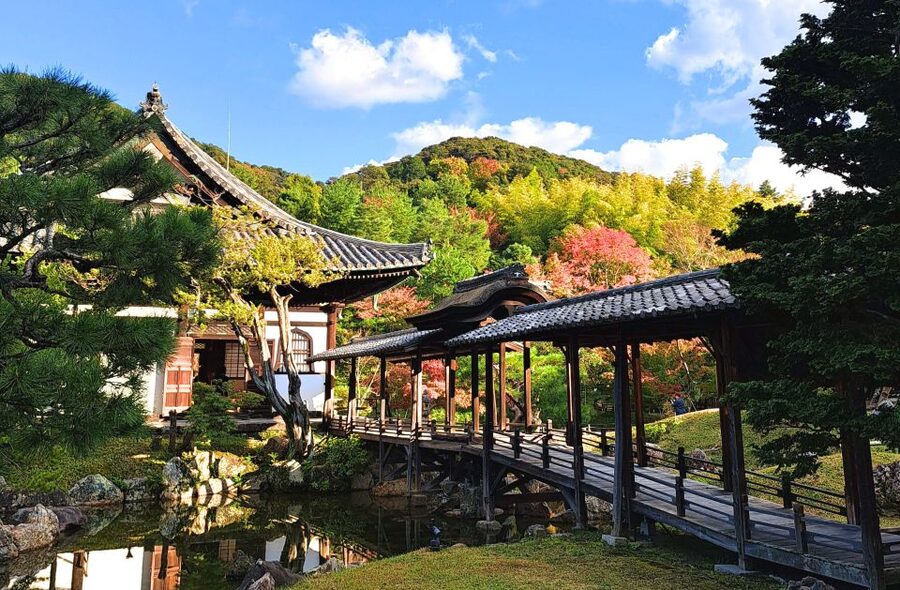
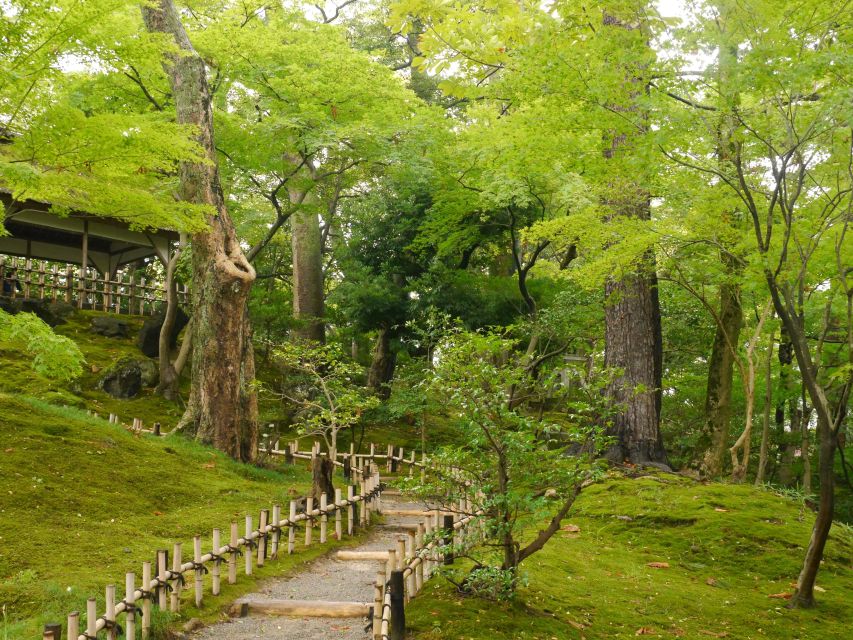
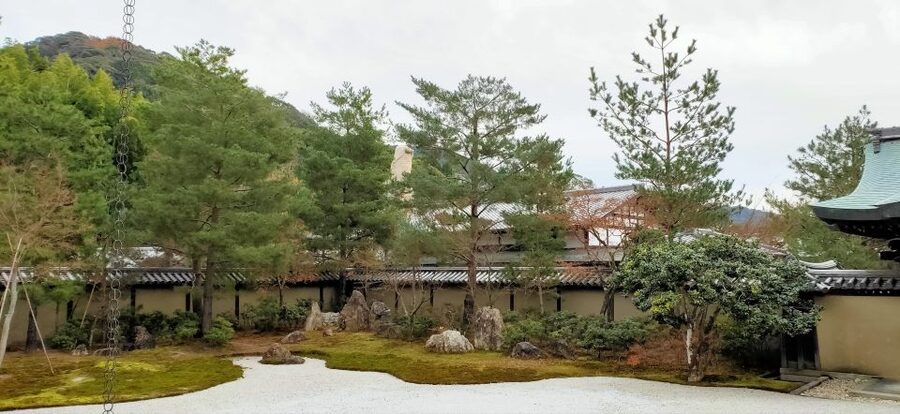
Kodaiji receives roughly 40 minutes of guided attention, and admission is included. Founded in the early 17th century, the temple is known for its gardens and bamboo grove. Compared with the busy approach to Kiyomizu-dera, Kodaiji offers a calmer pause in the middle of the tour.
I especially like this portion because it gives you room to notice design details and quiet spaces. The temple is not simply another checkbox between larger attractions. Its gardens and bamboo create a change of mood after the crowds and bright gates at Fushimi Inari.
The guide can add meaning to the temple’s history and religious setting, while you get time to take in the grounds. The exact flow can vary with conditions and group pace, but the tour is designed to include both the temple complex and its peaceful outdoor areas.
The uphill walking begins to matter more here. You are moving through Higashiyama rather than riding between every stop, and the route includes slopes and steps. Barbara’s experience is a useful reminder that heat and humidity can make the hills feel harder, even when the route is not technically extreme. A guide adjusted the pace and route for her group, but you should still plan for warm-weather exertion.
More Walking Tours in Kyoto
- Kyoto Geisha Walking Tour: Gion District & Hidden Gems
★ 4.7 · 3,273 reviews - Kyoto: Gion Magical Night Walking Tour with Geisha Trivia
★ 4.9 · 2,393 reviews - Kyoto: Gion Geisha District Walking Tour – Stories of Geisha
★ 4.7 · 2,187 reviews - Night Walk in Gion: Kyoto’s Geisha District
★ 4.5 · 2,003 reviews
Sannenzaka, shops, and old Kyoto streets
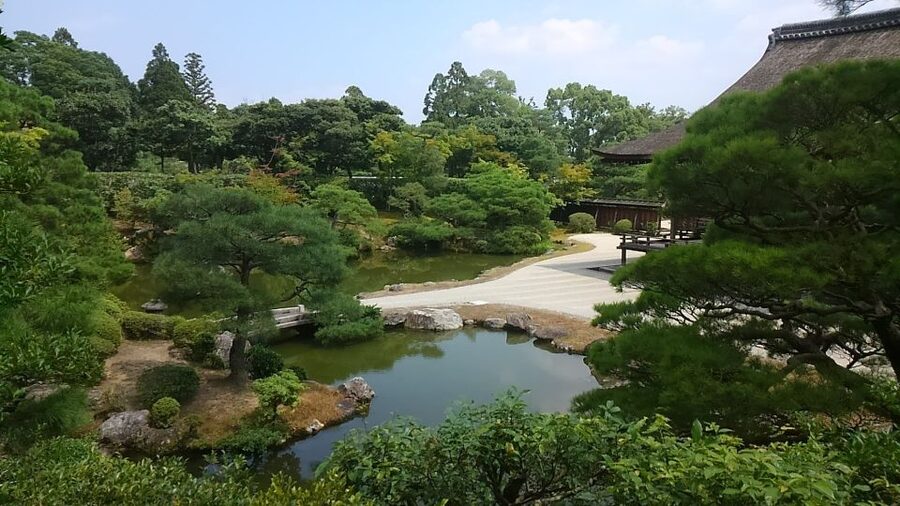
The walk through Sannenzaka brings you into one of Kyoto’s most recognizable old-town areas. The lane rises toward Kiyomizu-dera, with traditional buildings, small shops, snack stops, and souvenir options along the way.
This is a place where you benefit from not having every minute filled with formal commentary. You can look at the shopfronts, pick up a small snack, or pause for a souvenir while the group makes its way uphill. Food and drinks are not included, so bring money if you want to buy something along the route.
Sannenzaka is also one of the busiest sections of the tour. Its appeal comes from the preserved street setting, but that same appeal draws crowds. You may find the walking slower here, and the lane is not ideal for rolling luggage or large bags. Large bags and luggage are not allowed on the activity, so arrive with only what you need for the walk.
The route also includes Higashiyama backstreets beyond the main tourist lane. That is one of the tour’s better features. You get a sense of the district beyond the most photographed view, while your guide points out smaller shrines and details that are easy to miss on your own.
Damian, Lito, Ferdinand, and Hugo are among the guides associated with this experience. Their styles may differ, but the most useful pattern is clear: guides can answer questions about Kyoto, Japanese customs, temples, and everyday culture. Lito also shared food suggestions and other practical ideas, which can help you plan the rest of your stay.
Kiyomizu-dera and the Otowa Waterfall
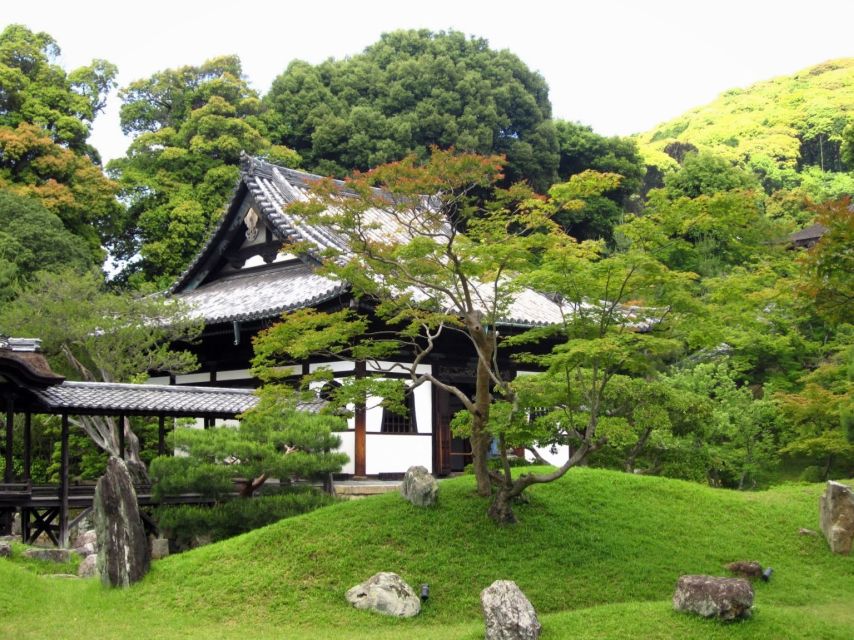
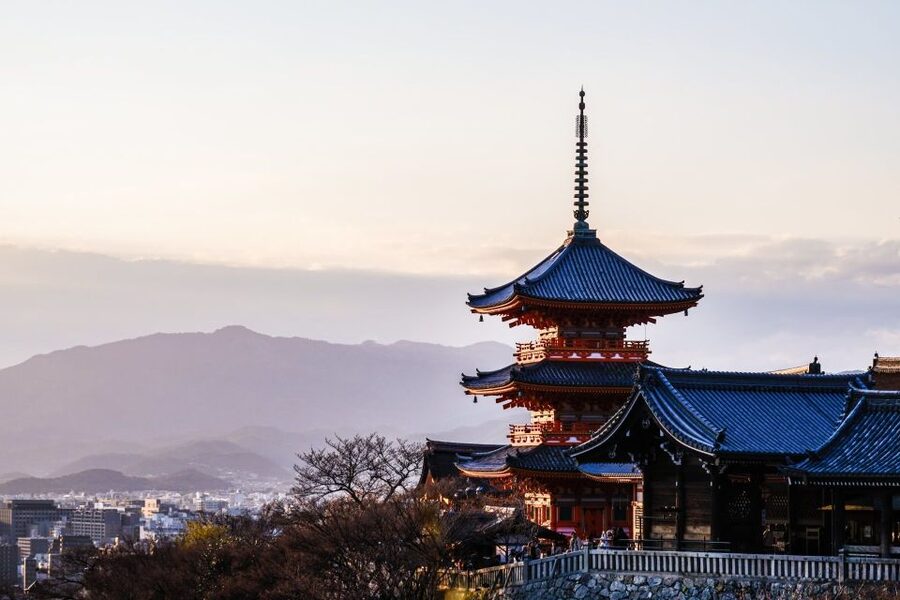
Kiyomizu-dera is the final major stop, with admission included and about 30 minutes of guided time. The temple is famous for its elevated wooden stage and its views across Kyoto. From this hillside setting, you can look back over the city after walking through the historic lanes below.
The temple’s name refers to pure or clear water. At the Otowa Waterfall, water flows into three separate streams. Tradition says the streams offer health, wealth, or happiness, but you are expected to choose carefully. The playful rule is that greed brings no reward if you try to claim all three.
This ritual gives the visit a direct, human quality. You are not just looking at an old building. You are taking part in a custom, however briefly, and making your own choice about what matters most.
Kiyomizu-dera can be crowded, especially around its best viewpoints and the waterfall. Thirty minutes is enough for an introduction and the key sights, but not enough for every corner of the temple grounds. That is not necessarily a flaw. The tour ends here, so you can stay longer and continue at your own pace.
You might want to explore nearby lanes after the guide departs, especially if you still have energy for shops and temple grounds. The ending point is useful because you are already in one of Kyoto’s strongest areas for further sightseeing.
What the $106 price includes
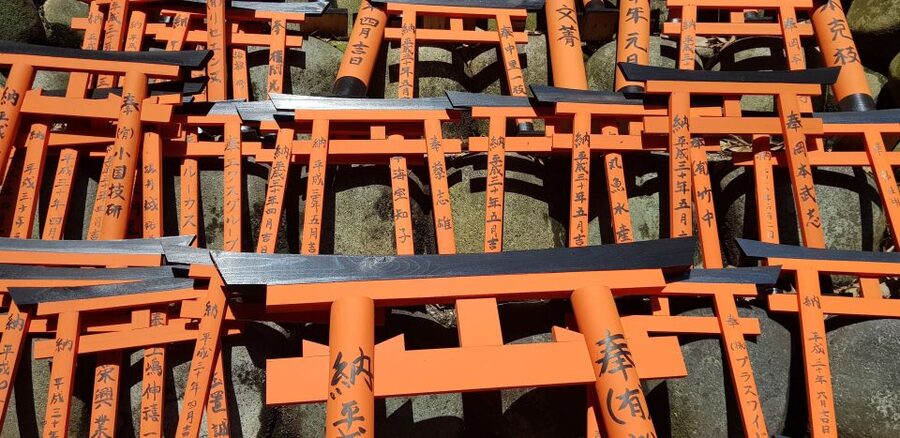
At $106 per person, this is not the cheapest way to walk through Higashiyama. The value depends on how much help you want with navigation, cultural context, and timing.
Two admission fees are included: Kodaiji and Kiyomizu-dera. The train ride from Fushimi Inari to Gion is included as well. Those savings do not cover the full price, but they reduce the small costs and decisions that can interrupt a self-guided day.
The bigger value is structure. In four hours, you visit Fushimi Inari, Gion, Kodaiji, Sannenzaka, and Kiyomizu-dera without arranging the route yourself. A guide also adds explanations at places where signs may be limited or easy to overlook.
I would consider the price reasonable for a first day in Kyoto, especially if you want an overview before returning to one or two places on your own. If you already know the temples well, speak Japanese, and enjoy planning transit yourself, you may prefer to spend the money on a slower private visit or additional meals and activities.
The group limit of 10 improves the value. It is small enough for questions and easier movement than a large coach group, while still costing less than a private guide. Some departures may be particularly small. One tour became a two-person experience, which allowed the guide to adjust the visit closely to the guests’ interests.
Guides, languages, and the overall feel
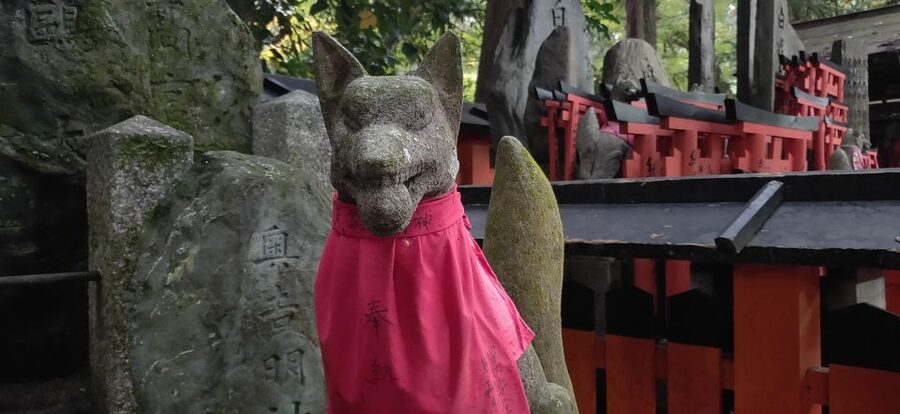
The tour is offered in English, French, Hebrew, and Spanish. That is helpful if you want explanations in a language other than English, but check the available departure before booking.
The guide matters a great deal here. Damian has been praised for explaining Japanese history, customs, and culture in depth. Ferdinand is described as energetic and ready to answer questions about Kyoto, religion, and Japan more broadly. Lito focused not only on the sites but also on food recommendations and useful planning ideas. Hugo handled a late arrival with flexibility and adjusted to the group’s interests.
Those details point to the kind of experience you can expect: an interactive walk rather than a speech delivered while you trail behind. You should feel free to ask questions, especially at Fushimi Inari and Kiyomizu-dera, where the symbols and rituals may not be obvious.
Families can also find this format useful. The stories about temple customs, wishes, luck, and rituals can give younger visitors something concrete to think about. Still, children need to be comfortable with hills and steps, and the four-hour length is not ideal for anyone who tires quickly.
Practical advice before you go
Wear comfortable shoes with reliable soles. The tour includes uphill walking, stairs, and several hours on foot. Heat and humidity can make the route harder than the written distance suggests.
Bring water and money for food or drinks, since neither is included. Keep your bag small, because luggage and large bags are not allowed.
Arrive at the fare gates of JR Inari Station, not simply somewhere near the shrine. The guide meets you just outside the gates, and finding the correct side of the station will make the start less stressful.
The tour offers free cancellation up to 24 hours before departure and a reserve-now, pay-later option. Starting times vary, so check availability when you choose your date.
This activity is not suitable for people with mobility impairments. Even though the walking is not described as exceptionally steep, the combination of slopes, stairs, crowds, and four hours on foot is significant.
Who should book this Kyoto walking tour?
I would book this tour if you are visiting Kyoto for the first time and want a strong introduction to eastern Kyoto without spending hours planning the route. It is especially useful for people who want cultural explanations, prefer small groups, and like finishing near Kiyomizu-dera with time left to explore.
It also suits families with older children, couples, and solo visitors who want company but do not want a large group. The mix of famous places and quieter streets keeps the walk from feeling like a straight march between ticket gates.
I would skip it if you have limited mobility, dislike hills, or want long independent visits at each temple. You should also avoid booking it if your main goal is an evening in Gion, since the tour visits the district during a daytime route and does not include an entertainment performance.
FAQ
Where does the tour start?
The meeting point is just outside the fare gates of JR Inari Station. The Keihan train line is also an option, followed by a short walk to the JR station.
How long does the tour last?
The tour lasts four hours. Check the available starting times when booking.
What languages are available?
The live guide may conduct the tour in French, Hebrew, Spanish, or English.
Is transportation included?
The short train ride from Fushimi Inari to Gion is included in the price.
Are temple admissions included?
Admission to Kodaiji and Kiyomizu-dera is included.
Is food included?
No. Food and drinks are not included, so you should bring money if you want snacks or beverages along Sannenzaka or elsewhere on the route.
Is the tour suitable for people with mobility impairments?
No. The tour includes uphill walking, steps, and several hours on foot, and it is not suitable for people with mobility impairments.
Should you book it?
Book it if you want to see Kyoto’s eastern highlights in one organized morning or afternoon and value a guide who can explain religion, customs, and local stories. The route is active, but the small group, included admissions, train ticket, and flexible guides make it a sensible first look at Higashiyama. If you need an easy, flat outing, choose something less demanding.
Just added around Kyoto
- Sekka Cotton Furoshiki Class★ 5.0 · 19 reviews
- Kyoto Sword Experience – includes Museum Ticket/Ninja Experience★ 4.5 · 149 reviews
- Scenic Green Tea Fields of Hidden Kyoto & Local Tea Exp (Private)★ 5.0 · 32 reviews
- Secret Eastern Kyoto Biking Adventure★ 5.0 · 44 reviews
- Private Sake Tasting in Central Kyoto with Sake Sommelier★ 5.0 · 32 reviews
- Samurai School in Kyoto: Samurai for a Day★ 5.0 · 202 reviews
- SHIRAKAWA Japanese Culture Experiences with private English staff★ 5.0 · 16 reviews
- A Privately Guided Photoshoot in Beautiful Kyoto by a Pro★ 5.0 · 18 reviews
Historical Tours, compared.
Imperial Palace and Shogun Historical Walking Tour
Our verdict →
World Heritage Kyoto & Nara Uji Authentic Matcha Experience
Our verdict →
Kyoto Gion: 2-Hour Geisha Culture & History Walking Tour
Our verdict →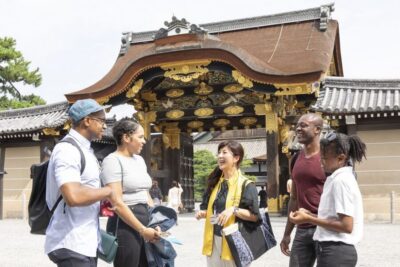

Hiroshima Historical Walking Tour – Why A-Bomb was Dropped
Our verdict →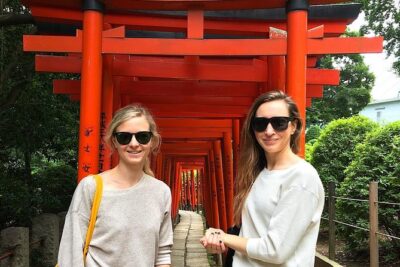
Yanaka Walking Tour: Historic and Traditional District of Tokyo
Our verdict →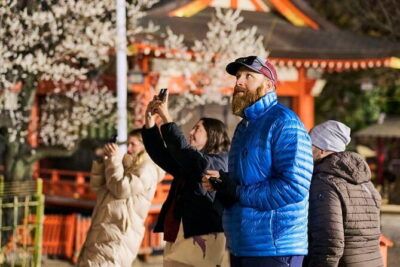
Shinjuku Historical Walking Tour & Secret Backstreets
Our verdict →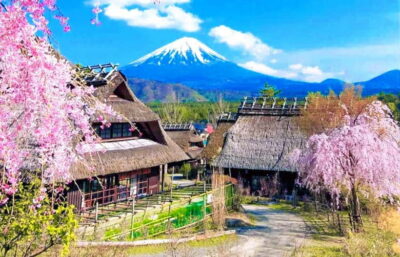
Mt. Fuji Heritage Tour: Traditional Villages, Lakes & Shrine
Our verdict →Browse the lists this tour appears in