
Reviewed · SUSHI EXPERIENCES
Kyoto: Sushi Making Experience in Kawaramachi
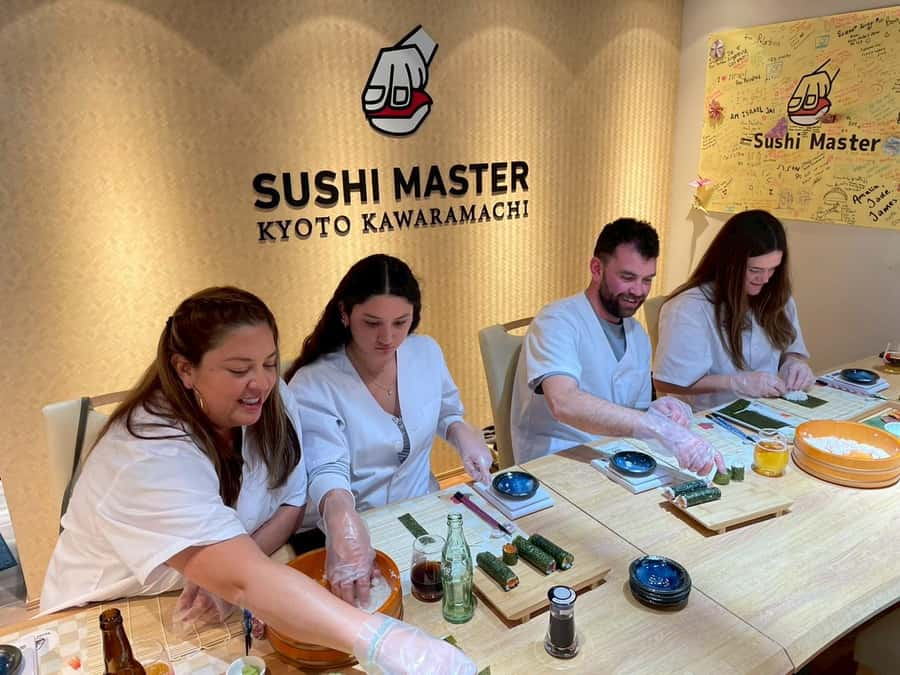
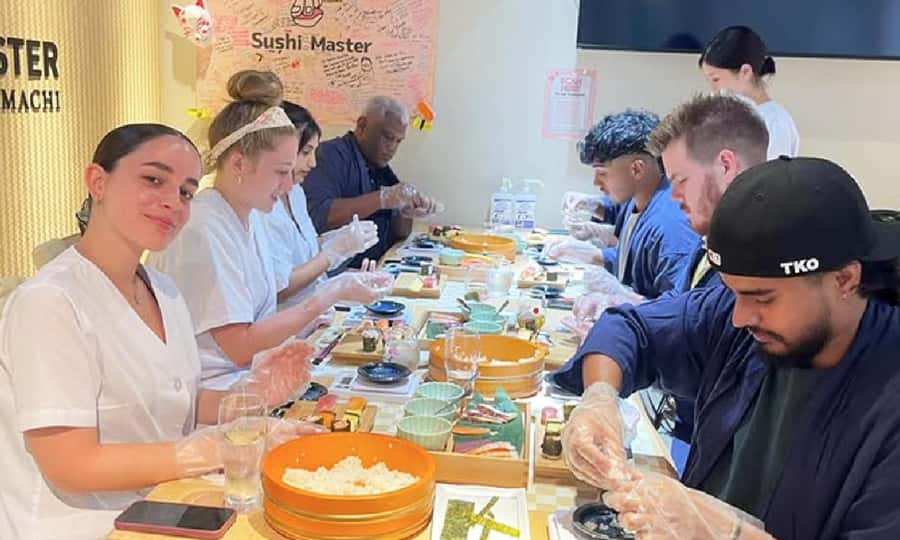
Kyoto’s Kawaramachi district offers an easy place to try your hand at sushi making, with a short lesson, guided preparation, and a meal you create yourself. In 90 minutes, you learn a little about Japanese cuisine, practice traditional techniques, and sit down to eat the result.
I like the clear choice between nigiri and temari sushi, and I like that the class is taught in English by Japanese staff. The location, only about five minutes from Kyoto Kawaramachi Station, also makes this a simple add-on to a shopping or sightseeing day.
The main limitation is the food policy. Only shellfish allergies can be accommodated, with octopus and squid substitutions available. Vegetarian, vegan, and halal meals are not offered, so check the menu requirements carefully before booking.
Key points at a glance
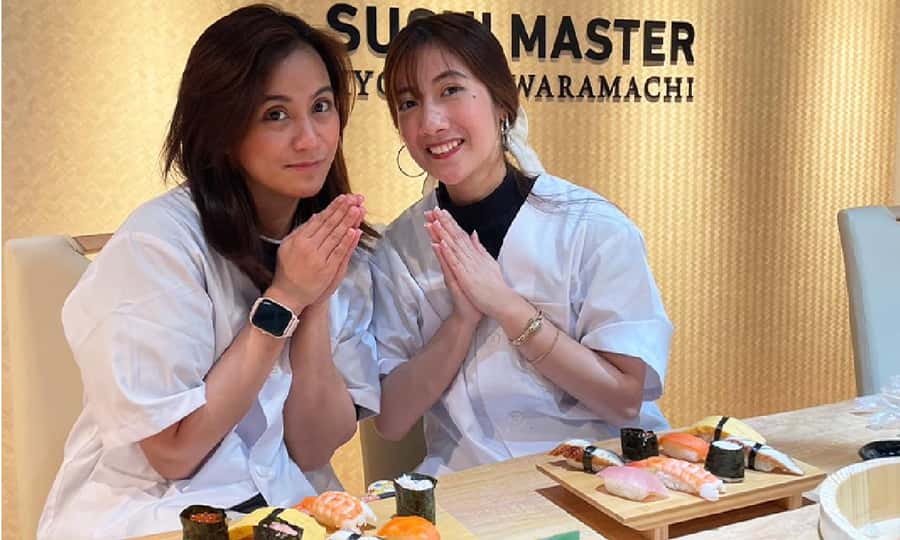
- Two sushi courses: Choose 9 pieces of nigiri plus 3 gunkan, or 10 pieces of temari sushi plus 2 gunkan.
- A compact 90-minute class: You get a short food history lesson, hands-on instruction, and time to eat your sushi.
- Central Kawaramachi setting: The meeting place is about a five-minute walk from Kyoto Kawaramachi Station on the Hankyu Kyoto Line.
- English-speaking Japanese staff: The class is designed for all skill levels, with friendly staff who speak English fluently.
- Your sushi becomes the meal: The sushi you prepare is included, along with the ingredients and a special gift.
- Dietary limits matter: Shellfish allergies can be handled, but vegetarian, vegan, and halal diets cannot.
Why this Kawaramachi class works well in a Kyoto itinerary
I like food classes that fit neatly into a day of sightseeing. This one lasts 90 minutes and takes place in Kawaramachi, one of Kyoto’s easiest areas for shopping, dining, and transport. You do not need to commit to half a day or travel out to a distant neighborhood.
The meeting point is about five minutes from Kyoto Kawaramachi Station on the Hankyu Kyoto Line. That is useful if you are coming from central Kyoto or arranging your day around the station area. The exact meeting point can vary by the option you book, so check your confirmation rather than assuming every class begins at the same door.
There is no hotel pickup or drop-off. You come directly to the class, which keeps the experience simple but means you need to allow time to find the meeting point. A map check before leaving your hotel is a smart move, especially if you are coming from another part of Kyoto.
More Sushi Experiences in Kyoto
- Sushi Making in Kyoto! Same-day bookings welcome!
★ 5.0 · 713 reviews - The Original Small-Group Sushi Making Class in Kyoto
★ 5.0 · 436 reviews - Kyoto: Small-Group Authentic Sushi Making Workshop
★ 5.0 · 137 reviews
The opening lesson: sushi beyond the rice and fish
The class begins with a lecture on the history of Japanese cuisine and sushi. This gives the activity more shape than a simple cooking demonstration. You learn what you are making before handling the ingredients, which helps connect the food to Japanese dining customs.
The lesson is not described as a long cultural seminar, and the 90-minute schedule leaves limited time for extended discussion. That is probably a benefit for most visitors. You get useful background without losing the main purpose of the class: making and eating sushi.
The staff speak English fluently, so you can follow the explanation and ask questions during the practical portion. No individual guide names are provided, but the class is led by Japanese staff rather than a remote video or self-guided set of instructions. That human guidance is important when small movements make a difference.
Choosing between nigiri and temari sushi
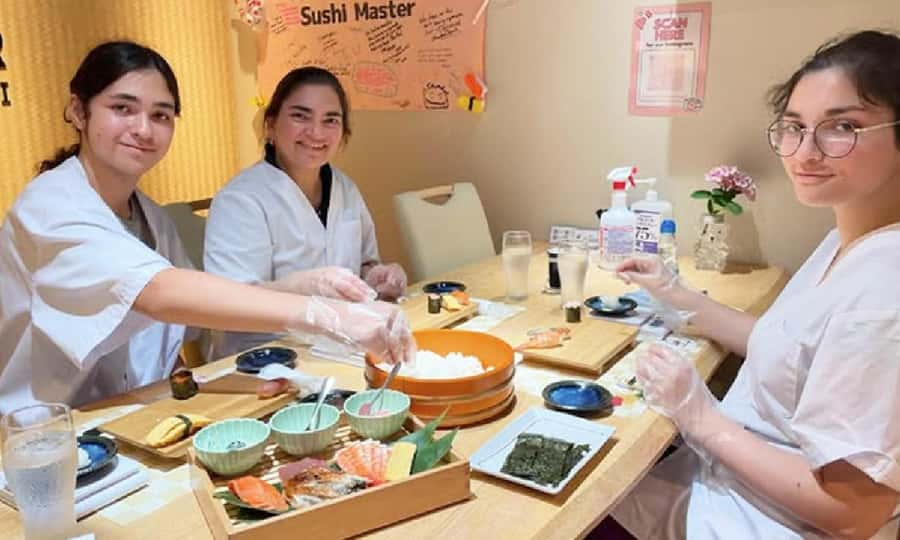
You can choose between two formats. The standard sushi-making course includes nine pieces of nigiri sushi and three pieces of gunkan-maki. Nigiri is the familiar hand-formed sushi made with a rice base and a topping, while gunkan-maki is shaped like a small boat with a seaweed wrapper around the rice.
The nigiri option is the better pick if you want to practice a classic sushi form. It gives you several pieces to work with, so you can pay attention to shaping the rice and placing the topping. The three gunkan pieces add a different construction method and keep the lesson from feeling repetitive.
The temari course includes 10 pieces of temari sushi and two pieces of gunkan-maki. Temari sushi is round and compact, often associated with a more decorative presentation. This option may appeal to you if you prefer a less formal shape or want to make sushi that looks playful and distinctive.
The information does not specify the individual fish, seafood, or fillings used in either course. I would not book expecting a particular ingredient unless the provider confirms it in advance. The important point is that both choices give you a fixed amount of sushi to prepare and eat, with a mix of one main style and gunkan-maki.
The hands-on portion: making your own sushi
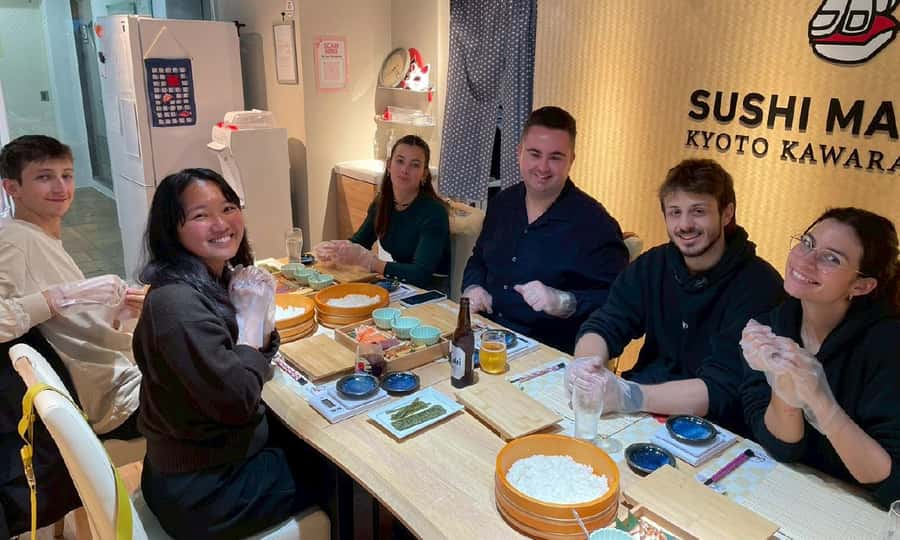
After the introduction, staff guide you through the sushi-making process. The class is intended for all skill levels, so you do not need previous kitchen training. You can expect instruction as you work rather than being left to copy a demonstration from a distance.
This is where the experience earns its place in a Kyoto schedule. Watching a chef prepare sushi is interesting, but shaping the rice yourself gives you a better feel for the care involved. You notice how much control is needed to create a neat piece, even when the process looks simple.
Do not worry about producing restaurant-perfect sushi on your first attempt. The value is in learning the method, trying the technique, and ending with food you can eat. The staff are there to guide you, and the activity is built around participation rather than a formal test of skill.
Because the course is only 90 minutes, the instruction needs to keep moving. You will not be spending the day mastering every sushi style. Instead, you get a focused introduction with enough repetition to make several pieces and understand the basic process.
Same trip, a completely different kind of day:
- PERFECT KYOTO 1-Day Bus Tour
★ 5.0 · 13,518 reviews - Kyoto: Fushimi Inari, Kinkakuji, Bamboo Grove 1 Day Bus Tour
★ 4.8 · 4,316 reviews - Kyoto: Tea Ceremony in a Traditional Tea House in Kiyomizu
★ 4.9 · 3,519 reviews - Kyoto Geisha Walking Tour: Gion District & Hidden Gems
★ 4.7 · 3,273 reviews
Eating the sushi you just made
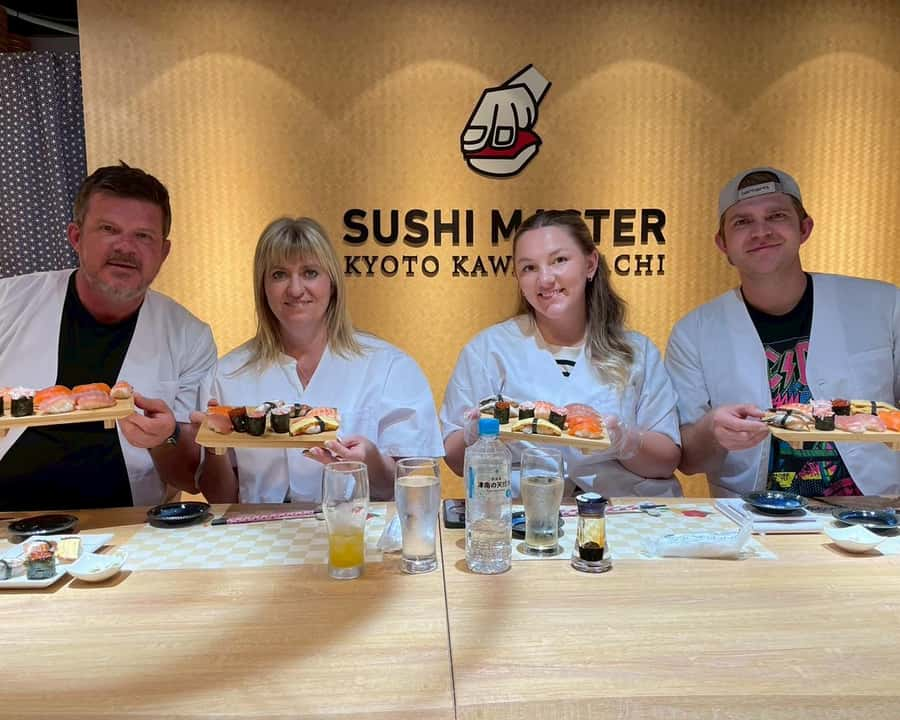
The final part is especially satisfying: you eat the sushi you prepared during the class. Your sushi meal is included in the price, so there is no separate food bill for the main experience.
This arrangement also gives the meal a clear purpose. You are not simply sampling sushi made by someone else. You have handled the ingredients, followed the shaping steps, and then get to see how the finished pieces work as a meal.
Drinks are not included, but soft drinks and alcohol can be ordered during the class. That gives you the option to add something with your meal, though you should budget separately for it. If you are trying to keep the cost low, the included sushi is the central part of the experience and drinks are optional.
The exact amount of food is specified by the selected course: 12 pieces in the nigiri option and 12 pieces in the temari option. That is a reasonable tasting meal for many people, but the class is not presented as a large banquet. If you arrive very hungry, keep your expectations realistic.
What the $40 price delivers
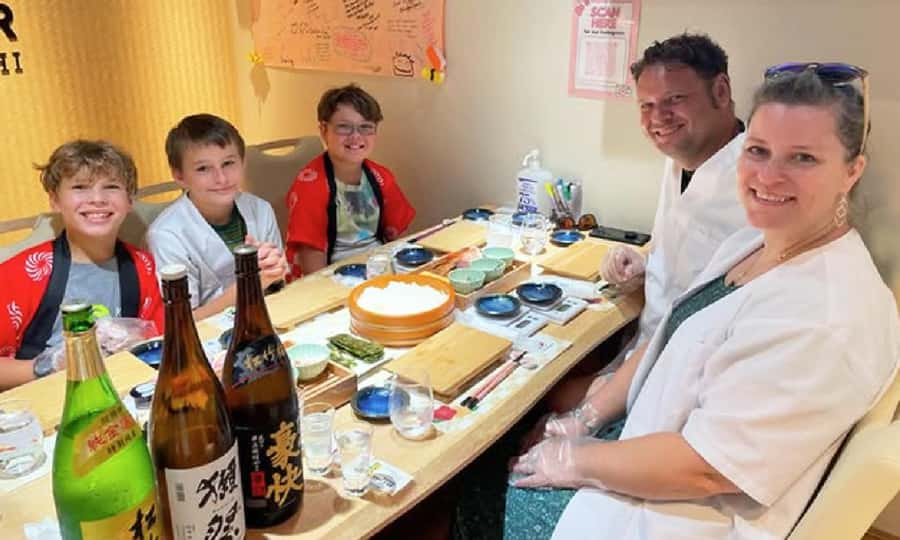
At $40 per person, this experience sits in the accessible range for a guided food activity in central Kyoto. You are paying for ingredients, instruction, the sushi meal, and a special gift. The English guidance and central location add practical value because you do not need to arrange separate transport or translate the process yourself.
I see the price as strongest for visitors who want an activity, not just a meal. If you only want to eat sushi, a restaurant may offer more choice. If you want a memory you can take home, a short lesson, and the chance to make your own food, the class offers more than a standard lunch.
The gift is included, but its exact form is not specified. Think of it as a small reminder of the class rather than a major souvenir. You should also remember that drinks cost extra and hotel transport is not part of the price.
The ability to reserve now and pay later can help if your Kyoto plans are still changing. Cancellation is allowed up to 24 hours before the experience for a full refund, which gives you some protection when building a busy itinerary.
Food restrictions and who should think twice
The dietary policy is the most important practical warning. The class accommodates shellfish allergies, and octopus and squid can be substituted. That is useful, but it is a narrow accommodation.
Vegetarian and vegan meals are not offered. Halal dishes are not offered either. You should not assume that staff can redesign the course around other restrictions, since the provided policy specifically limits the available substitutions.
If you have a shellfish allergy, raise it when booking and confirm the arrangements before the class. The stated option concerns octopus and squid substitutions, so ask for clarification if your allergy includes other ingredients or if cross-contact is a concern.
For everyone else, the fixed courses make planning easy. You know in advance that you will prepare either 9 nigiri and 3 gunkan pieces or 10 temari and 2 gunkan pieces. That clarity is helpful for families, couples, and small groups choosing an activity together.
Who will enjoy this most
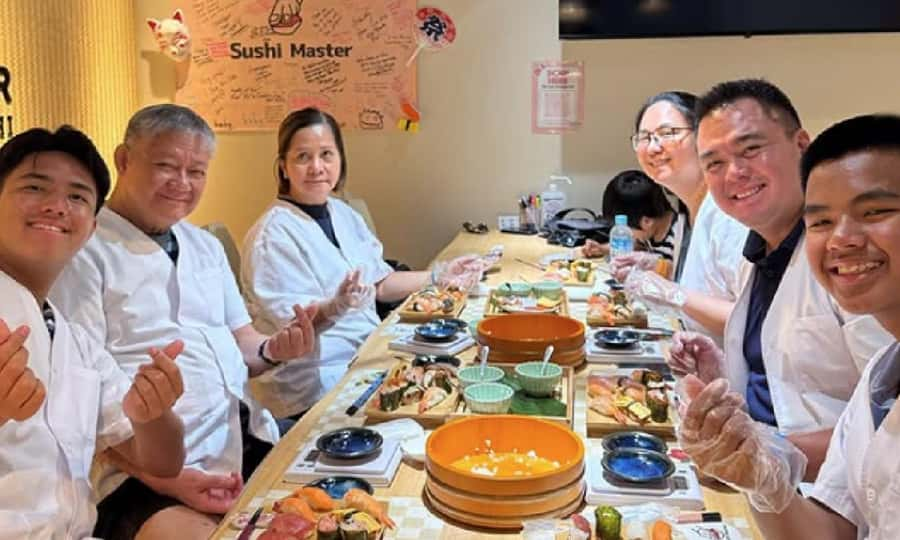
I would recommend this class to first-time visitors who want a short introduction to Japanese food culture without committing to a long cooking course. It also suits couples and families looking for an activity where everyone makes something and eats together.
It is a good choice for you if:
- You want an English-language class in central Kyoto.
- You enjoy hands-on activities more than a standard restaurant meal.
- You want to learn the basics of sushi preparation.
- You are staying near Kawaramachi or already planning to shop there.
- You like the idea of a small souvenir connected to the experience.
- You have no dietary restrictions beyond the shellfish accommodation offered.
I would be more cautious if you are looking for advanced sushi training, a broad tasting menu, or a class focused on vegetarian Japanese cooking. The format is short and introductory. It gives you a practical taste of sushi making, not professional chef instruction.
Planning the timing around Kawaramachi
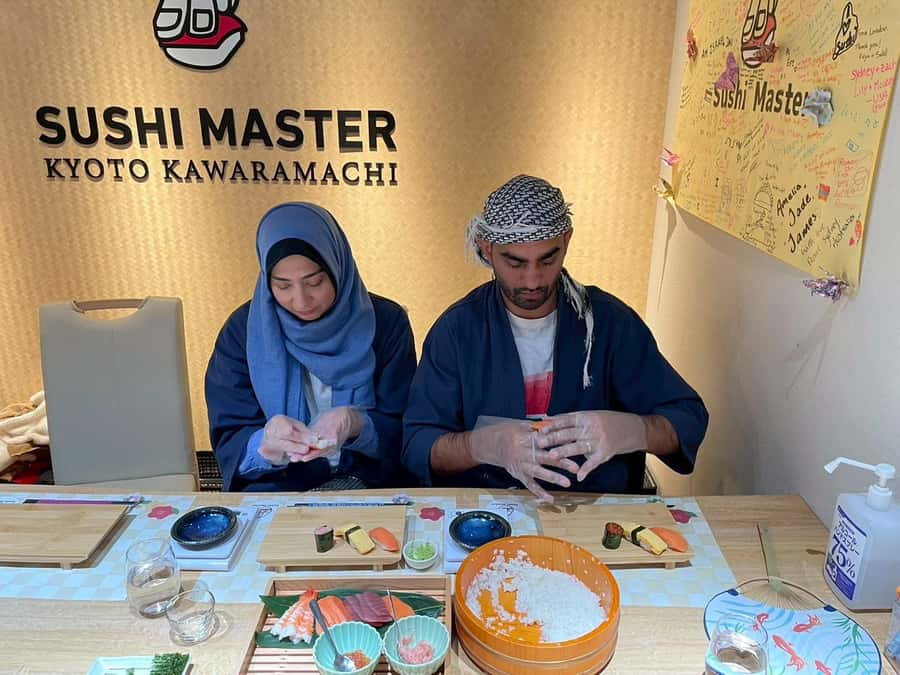
The class is easy to place between other plans because it lasts 90 minutes. You might schedule it before shopping in Kawaramachi, after a morning visit to another Kyoto sight, or as a midday break.
Build in extra time for the walk from Kyoto Kawaramachi Station and for finding the exact meeting point. The activity ends back at the meeting point, so you can continue into the neighborhood afterward without arranging a separate return transfer.
Since the class begins at a meeting point that can vary by booking option, read the confirmation closely. Do not rely only on the general station directions. Arriving a little early is sensible, particularly if you are unfamiliar with Kyoto’s station exits.
The English-language format also helps keep the schedule predictable. You are not depending on a translation app to understand the safety or preparation instructions, and the staff can guide you as you work.
Is the sushi class worth booking?
I think this is a solid choice if you want an affordable, central, hands-on Kyoto activity. The best parts are the 90-minute length, the English-speaking Japanese staff, the choice of sushi styles, and the fact that you eat what you make.
Book it if you enjoy learning by doing and your diet fits the stated menu. The $40 price is reasonable because it covers the ingredients, meal, instruction, and gift, although drinks cost extra.
Skip it if you need vegetarian, vegan, or halal food, or if you want a long, advanced course with detailed chef training. For everyone else, this class offers a tidy way to add Japanese food culture to a Kawaramachi day without using up too much of your Kyoto schedule.
FAQ
Where does the sushi-making experience take place?
It takes place in Kawaramachi, Kyoto, on Honshu. The class location is about a five-minute walk from Kyoto Kawaramachi Station on the Hankyu Kyoto Line.
How long does the class last?
The session lasts 90 minutes. It includes a lecture, hands-on sushi making, and time to eat the sushi you prepare.
Which languages are available?
The experience is offered in English. The Japanese staff speak English fluently.
What sushi courses can I choose from?
You can choose a Sushi Making Experience Course with 9 pieces of nigiri sushi and 3 pieces of gunkan-maki, or a Temari Sushi Making Course with 10 pieces of temari sushi and 2 pieces of gunkan-maki.
Is the sushi meal included?
Yes. The ingredients and the sushi meal are included, and you eat the sushi you make during the class.
Are drinks included?
No. Soft drinks and alcohol can be ordered during the class, but they are not included in the experience price.
Can people with shellfish allergies take part?
Shellfish allergies can be accommodated. Octopus and squid can be substituted.
Are vegetarian, vegan, or halal meals available?
No. Special dishes for vegetarian, vegan, or halal diets are not offered.
Is hotel pickup available?
No. Hotel pickup and drop-off are not available. You need to go directly to the class meeting point.
Can I cancel for a full refund?
Yes. You can cancel up to 24 hours in advance for a full refund.
Just added around Kyoto
- Sekka Cotton Furoshiki Class★ 5.0 · 19 reviews
- Kyoto Sword Experience – includes Museum Ticket/Ninja Experience★ 4.5 · 149 reviews
- Scenic Green Tea Fields of Hidden Kyoto & Local Tea Exp (Private)★ 5.0 · 32 reviews
- Secret Eastern Kyoto Biking Adventure★ 5.0 · 44 reviews
- Private Sake Tasting in Central Kyoto with Sake Sommelier★ 5.0 · 32 reviews
- Samurai School in Kyoto: Samurai for a Day★ 5.0 · 202 reviews
- SHIRAKAWA Japanese Culture Experiences with private English staff★ 5.0 · 16 reviews
- A Privately Guided Photoshoot in Beautiful Kyoto by a Pro★ 5.0 · 18 reviews
Sushi Experiences, compared.
Sushi Making Tokyo Roll and Authentic Japanese Sushi Class
Our verdict →
Sake Omakase in Tokyo: Guided Tasting by Certified Sommeliers
Our verdict →
Browse the lists this tour appears in