
Reviewed · CYCLING TOURS
Kyoto: Hidden Gems E-Bike Tour with Local Japanese Guide
Kyoto’s best moments are not always found on its busiest streets. This 3.5-hour e-bike ride takes you beside the Kamogawa River, along the Philosopher’s Path, and to Ginkaku-ji, Nanzen-ji, and Heian Jingu without making the day feel like a temple checklist. I especially like the relaxed pace and the chance to talk with a Japanese guide such as Aska, who has lived in both the United States and the United Kingdom.
The e-bikes make Kyoto’s distances manageable, and the small groups, limited to eight people, allow for questions and brief stops. You also get time near Ginkaku-ji for coffee, matcha crepes, or souvenirs rather than being rushed from one gate to the next. The main consideration is cycling confidence: the route includes quiet paths, but also roads with traffic, pedestrians, and crowded temple approaches.
Key points to know before booking
- A quieter route through northeast Kyoto: Visit major cultural sites while spending much of the ride away from Kyoto’s most packed sightseeing zones.
- Aska and other internationally minded guides: Aska has studied and lived abroad, and other guides may include friendly young Japanese hosts with overseas experience.
- E-bikes do the hard work: The motor helps on inclines and lets you cover more ground without turning the tour into an endurance test.
- A useful mix of riding and sightseeing: Expect river paths, city streets, temple visits, shopping time, and conversation rather than nonstop cycling.
- Small groups matter: With no more than eight people, the guide can adjust the pace and answer individual questions.
- Good value at $75: The price includes the bike, helmet, guide, entrance ticket, and parking fees, though food and water are extra.
Why a bicycle works so well in Kyoto
Kyoto’s sights are spread across a wide area, and walking between them can eat up much of your day. Public transport is useful, but buses and trains do not always take you along the pleasant stretches between temples. A bicycle fills that gap.
This route uses electric bikes, so you still pedal, but the motor supplies extra help. That matters on Kyoto’s gentle rises and during a long morning of sightseeing. You can cover the distance to northeast Kyoto without arriving at each temple tired and overheated.
I like that the tour is not built around speed. The guide leads the group, points out the route, and stops at places where you can look around. The ride includes peaceful river sections and city roads, so you get a more complete sense of Kyoto than you would from a taxi window.
The bikes are generally described as comfortable and easy to use. One useful tip is to arrive ready to spend a few minutes adjusting your bike and getting familiar with the controls. A participant specifically wished for a short orientation at the start, so do not be shy about asking the guide to check your seat, brakes, and electric assistance before leaving.
More Bike Tours in Kyoto
- Hidden Kyoto E-Biking tour
★ 5.0 · 1,843 reviews - Bike Tour Exploring North Kyoto plus Lunch
★ 5.0 · 1,087 reviews - Arashiyama Bamboo Forest & Hidden Gems Bike Tour (Early Bird)
★ 5.0 · 613 reviews
Meeting in Gojo and heading northeast
The tour begins at a bicycle rental shop in the Gojo area. From Kyoto Station, the meeting point is about six minutes by train or roughly 20 minutes on foot. Hotel pickup is not included, so allow enough time to reach the shop and find the meeting spot.
The tour normally lasts about 210 minutes, or three to three and a half hours. The group size is capped at eight, which is a useful limit for cycling. A large bicycle group can become awkward at traffic lights and narrow paths, while a small group can stop without blocking everyone else.
Your guide may be Aska, the founder of the experience, or another Japanese guide. Aska studied sociology and international relations in the United Kingdom and has lived in North Carolina and London. That international background is useful if you want to ask not only about temples, but also about daily life, Japanese customs, food, travel planning, or social issues.
The guides speak English. Their role is not simply to point out buildings. They also help you understand how the city fits together and can offer ideas for places to eat or visit after the ride.
Kamogawa River: the relaxed start
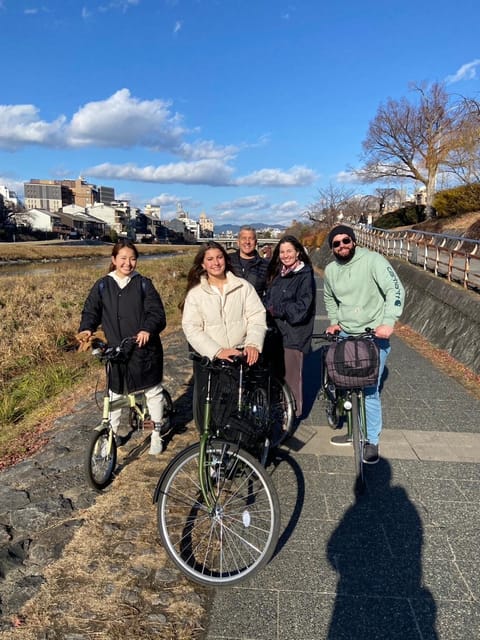
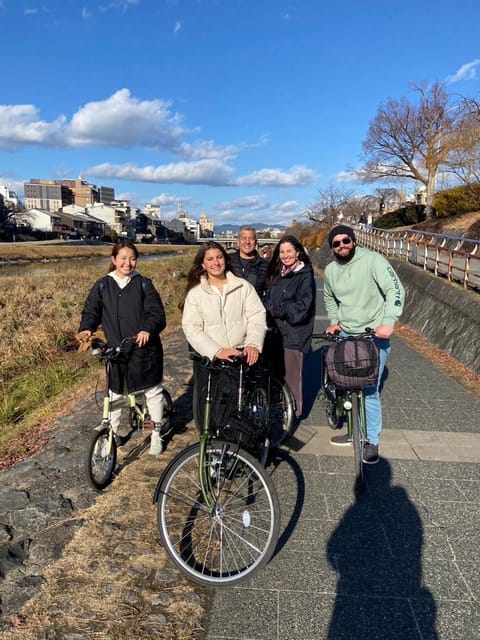
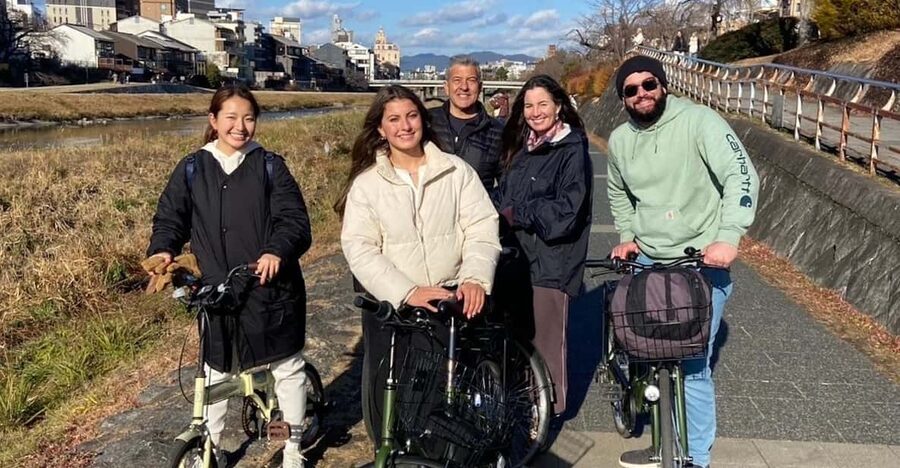
One of the nicest parts of the route comes early, as you ride beside the Kamogawa River. This gives you a softer introduction to Kyoto than beginning on a busy main road. The riverbank offers open views, fresh air, and a chance to settle into the bike before the temple stops begin.
The route includes the well-known stepping stones across the river. You may have a chance to jump across them, but this is not a cycling activity, so use care and follow the guide’s direction. The river section is also a good place for photos and casual conversation.
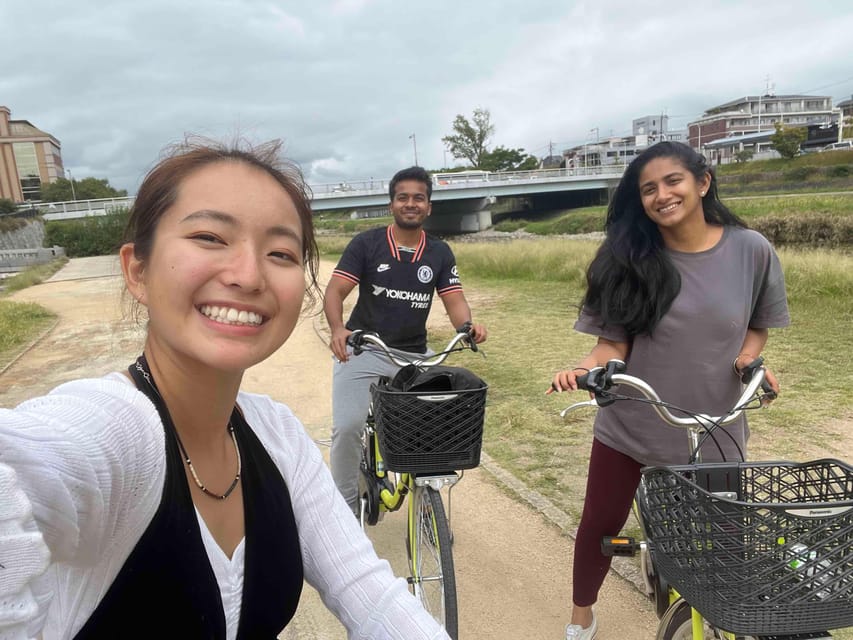
This is where the tour’s social side becomes clear. The aim is to make a Japanese friend while exploring, not just to receive a set speech. Aska is described as warm, patient, and easy to talk with, and other guides such as Tai, Natsuki, and Tatsuya have also led rides.
The river path is not completely isolated. You may encounter pedestrians, other cyclists, and occasional crowded areas. Keep your speed controlled and leave space around you. If you tend to wobble on a bike, practice before booking.
Ginkaku-ji and time for a small break
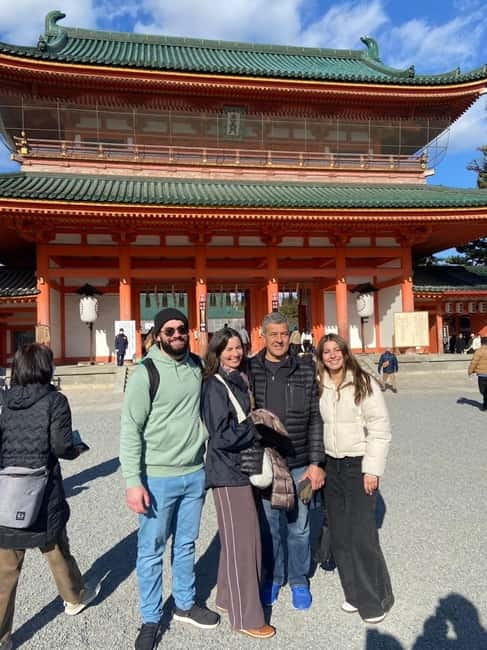
Ginkaku-ji, often called the Silver Pavilion, is the first major temple stop. The temple and its gardens are important pieces of Kyoto’s cultural story, but the visit is not treated as a race through the grounds. You receive an entrance ticket as part of the tour price, which means you do not need to arrange that separately.
A useful feature is the free time near the temple. The nearby shopping street offers souvenirs, coffee, and matcha crepes. This gives you a chance to browse at your own pace and makes the morning feel less formal.
The area can still be busy, particularly on weekends and during autumn leaf season. The promise here is not total solitude. Rather, the ride helps you approach one of Kyoto’s best-known sights from a less frantic route, with a guide who can help you manage the stop.
I like this balance. Some guided tours give you just enough time for one photo before moving on. Here, the break allows you to buy something, grab a snack, or simply pause before the next stretch of riding. Food is not included, so carry money and consider bringing water.
More Hidden Gems Tours in Kyoto
- Kyoto Geisha Walking Tour: Gion District & Hidden Gems
★ 4.7 · 3,273 reviews - Private Kyoto Tour with a Local, Highlights & Hidden Gems, Personalised
★ 5.0 · 1,543 reviews - Kyoto: Gion Hidden Gems & Geisha Culture Tour
★ 4.9 · 126 reviews - Highlights & Hidden Gems With Locals: Best of Kyoto Private Tour
★ 5.0 · 121 reviews
The Philosopher’s Path by bicycle
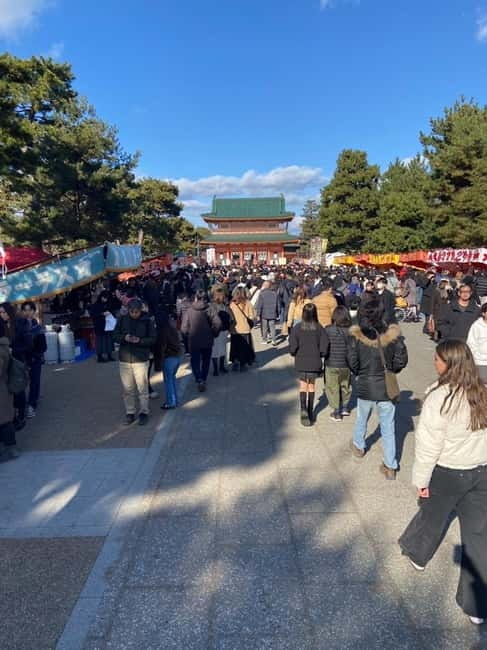
After Ginkaku-ji, the route continues along the Philosopher’s Path. This pleasant canal-side walkway is known for its trees and seasonal color, especially in spring and autumn. It is a scenic link between the temple area and Nanzen-ji.
This section is best understood as a slow ride or a bike-led visit, not a chance to pedal at full speed. The path can have walkers, especially during popular seasons, and you may need to dismount or move carefully in places. The guide’s position at the front helps, but you still need to watch pedestrians and maintain control.
The Philosopher’s Path gives the tour some of its strongest visual appeal. You are not simply moving between attractions on a direct road. You are following water, trees, and smaller streets that show a quieter side of Kyoto.
If you want a detailed lecture at every stop, this may feel light. The guides generally provide a practical amount of cultural and historical information, then leave room for questions and conversation. That approach suits people who want context without sitting through a long formal talk.
Nanzen-ji and the aqueduct area
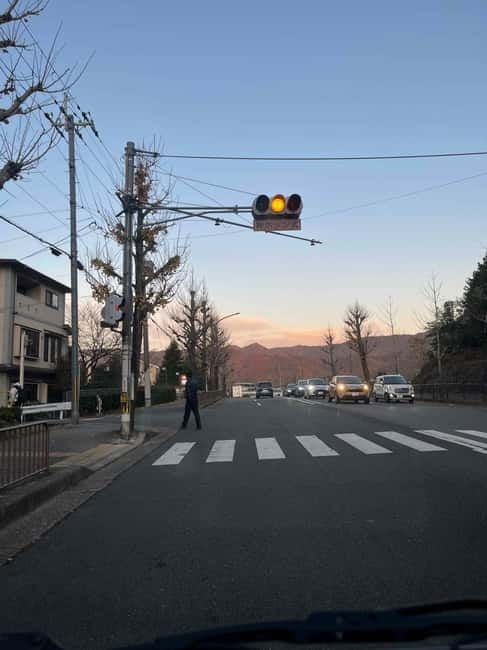
Nanzen-ji brings a larger sense of scale. Its entrance and temple buildings give the stop a grander feel after the calm river and canal paths. The tour includes an entrance ticket, and the guide provides context while allowing time to take in the setting.
The aqueduct near Nanzen-ji is another memorable feature of this part of Kyoto. Its brick arches create a striking contrast with the traditional temple grounds. Several people who enjoyed the route singled out the aqueduct or the broader area around it as something they might not have found alone.
Nanzen-ji can attract plenty of people, especially during peak autumn color. The tour reduces some of the hassle by bringing you there as part of a planned route, but you should not expect an empty temple complex. Be ready to walk your bike when needed and follow the guide through tighter areas.
This stop also shows why an e-bike is useful. You are not spending the whole morning on flat river paths. The route includes some gentle climbs and enough distance that ordinary bicycles could feel more demanding, particularly in Kyoto’s warmer months.
Finishing at Heian Jingu Shrine
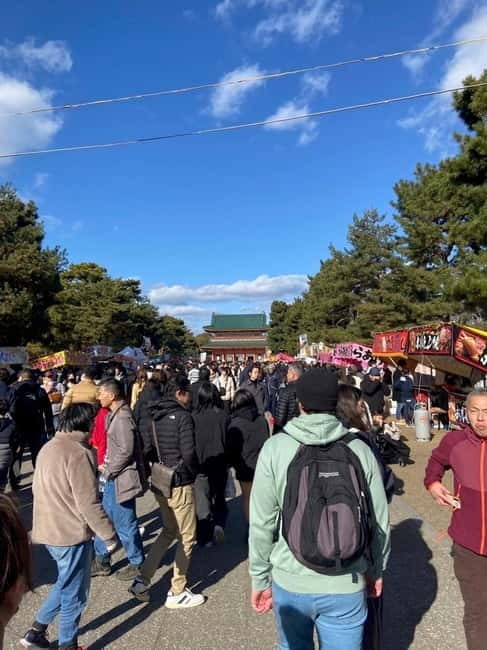
The final major stop is Heian Jingu Shrine, known for its large entrance gate and broad grounds. After the intimate canal path and the heavy temple architecture of Nanzen-ji, the shrine offers a different visual experience.
The spacious approach helps you appreciate the scale of the shrine complex. It is a fitting end to a route that mixes temples, waterways, streets, and local movement through the city. Your guide can explain cultural details and answer questions about customs, shrine visits, and other places to see during the rest of your stay.
The tour ends back at the rental bike shop. If you want to continue using the bicycle for the remainder of the day, the operator may be able to arrange an extension. Ask about this before the tour ends if you would like to keep exploring independently.
That option adds value because the bike can help you reach other parts of Kyoto without waiting for a bus. It is not guaranteed as part of the tour, though, so treat it as an arrangement to request rather than an included feature.
What the $75 price includes
At $75 per person, the tour is not the cheapest way to see Kyoto, but the price is reasonable if you value convenience and local guidance. You receive:
- Electric bike rental
- Helmet
- English-speaking guide
- Entrance ticket
- Parking fees
You pay separately for water, food, souvenirs, and tips. The free time near Ginkaku-ji means you can choose your own snack rather than paying for a fixed meal.
The strongest value comes from combining transport and sightseeing. You are not paying only for entry to temples, and you are not hiring a bicycle with no route support. The guide handles navigation, provides cultural background, and helps the group move between several areas that would take longer on foot.
The small group also matters. A maximum of eight people gives the experience a more personal feel than a large bus tour. In an especially quiet morning, the group may be much smaller. One early start even had just one participant, though group size can change by date.
Free cancellation is available up to 24 hours before the tour for a full refund, and you can reserve now and pay later. Rain does not automatically end the plan: the operator may provide raincoats or reschedule, depending on conditions.
Who should book this ride?
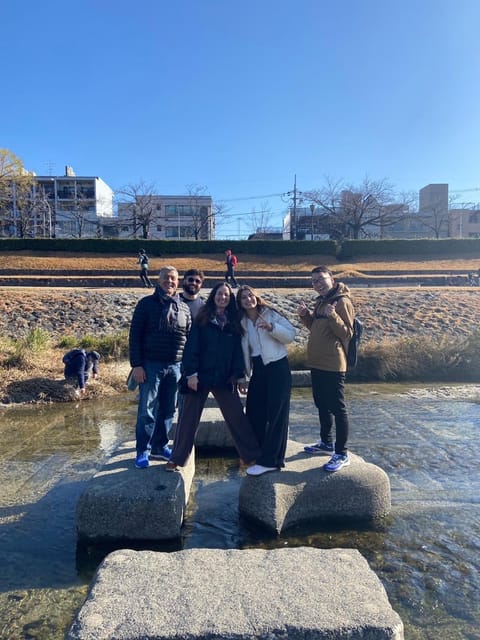
I would choose this tour if you want to see several Kyoto sights but do not want to spend the day walking seven or eight miles. It also suits people who enjoy asking questions and chatting with a local guide rather than listening to a fixed script.
The tour works well for moderately fit adults and older visitors who are comfortable on a bicycle. One couple in their sixties found the pace manageable, with regular stops and careful guidance. The electric assistance helps, but you still need enough stamina to ride for several hours.
You should be a confident cyclist in ordinary city conditions. The route includes quiet river riding, but also moderately trafficked roads and areas with pedestrians. You need to know how to ride a bike, steer steadily, brake safely, and follow the guide.
The stated restrictions exclude children under 12, pregnant women, wheelchair users, people with diabetes, people with low fitness, and people over 95. High heels, oversize luggage, and large bags are not allowed. Wear comfortable clothing and shoes, and bring water since it is not included.
Hot weather can make the ride harder. Summer participants still enjoyed the experience, but several noted the heat. An early morning departure may be the smartest choice in warm months, and it can also help you avoid some of the busiest periods.
Final verdict: a strong choice for active Kyoto sightseeing
You should book this tour if you want a friendly, flexible introduction to Kyoto by bicycle. The route covers Ginkaku-ji, the Philosopher’s Path, Nanzen-ji, Heian Jingu, the Kamogawa River, and the aqueduct area, while leaving room for conversation and small discoveries.
I especially like the combination of easy electric assistance and real local contact. Aska’s international experience helps her explain Japan in a way that makes sense to English-speaking visitors, and other guides bring the same friendly, outward-looking spirit.
Skip it if you dislike cycling near traffic, need fully step-free access, or want a private tour with long, detailed talks at every temple. For everyone else who can ride confidently, $75 buys a useful mix of transport, culture, scenery, and companionship, with enough structure to make Kyoto easier without flattening it into a sightseeing checklist.
FAQ
How long does the Kyoto e-bike tour last?
The tour lasts about 210 minutes, or three to three and a half hours.
Where does the tour begin?
You meet the guide at a bicycle rental shop in the Gojo area. It is about six minutes from Kyoto Station by train or roughly 20 minutes on foot.
Which places does the tour visit?
The route includes the Kamogawa River, Ginkaku-ji, the Philosopher’s Path, Nanzen-ji, and Heian Jingu Shrine. The route also passes the aqueduct near Nanzen-ji.
Is the tour conducted in English?
Yes. English is the stated tour language, and the live guide may be Aska or another Japanese guide who has lived abroad.
What is included in the $75 price?
The price includes the electric bike, helmet, tour guide, entrance ticket, and parking fees. Food, water, hotel transfers, and tips are not included.
Can beginners join the bike tour?
You must know how to ride a bicycle. The electric bikes make hills and longer distances easier, but the route includes traffic, pedestrians, and city riding, so you should be comfortable steering and braking.
What happens if it rains?
The operator may provide raincoats or reschedule the tour if it rains. Free cancellation is available up to 24 hours in advance for a full refund.
More Electric Bike Rides in Kyoto
- 5 Top Highlights of Kyoto Full Day Bike Tour (E-bike option)
★ 5.0 · 511 reviews - E-Bike Tours of the highlights of Kyoto!!!
★ 5.0 · 291 reviews - Kyoto: City Secrets eBike Tour
★ 4.9 · 196 reviews - Pedal Adventure Kyoto’s iconic landmarks on an e-bike tour
★ 5.0 · 189 reviews
Just added around Kyoto
- Sekka Cotton Furoshiki Class★ 5.0 · 19 reviews
- Scenic Green Tea Fields of Hidden Kyoto & Local Tea Exp (Private)★ 5.0 · 32 reviews
- Secret Eastern Kyoto Biking Adventure★ 5.0 · 44 reviews
- Kyoto Sword Experience – includes Museum Ticket/Ninja Experience★ 4.5 · 149 reviews
- Private Sake Tasting in Central Kyoto with Sake Sommelier★ 5.0 · 32 reviews
- Samurai School in Kyoto: Samurai for a Day★ 5.0 · 202 reviews
- SHIRAKAWA Japanese Culture Experiences with private English staff★ 5.0 · 16 reviews
- A Privately Guided Photoshoot in Beautiful Kyoto by a Pro★ 5.0 · 18 reviews
Cycling Tours, compared.
Arashiyama Bamboo Forest & Hidden Gems Bike Tour (Early Bird)
Our verdict →

Browse the lists this tour appears in