
Reviewed · CYCLING TOURS
Pedal Adventure Kyoto’s iconic landmarks on an e-bike tour
Kyoto’s best moments are not always at its biggest sights. This e-bike tour links Gion, Higashiyama, Fushimi Inari, and Tofuku-ji with quiet lanes, residential streets, and a lovely ride beside the Kamogawa River. You get the famous shrine gates, but you also see the city between the headline attractions.
I like the easy pace and the personal guiding. Maki is frequently praised for her humor, thoughtful care, clear English, and deep knowledge of Kyoto, while some outings are led by Mika. I also like that the e-bikes let you cover more ground without turning the morning into a hard workout. The main consideration is weather: Kyoto heat, rain, or humidity can affect the ride, and you should be ready to cycle on city streets.
Key points at a glance
- Small groups capped at eight: The limited size allows the guide to adjust the pace and answer questions.
- A useful mix of famous and quiet Kyoto: You visit Gion and Fushimi Inari while also riding through back streets, neighborhoods, and riverside paths.
- Comfortable e-bikes with baskets: Electric assistance helps on the city ride, and baskets are handy for jackets or small bags.
- More than sightseeing: The guide explains geisha and maiko traditions, Shinto, Buddhism, samurai, customs, and everyday details.
- Water and snacks are included: This matters in Kyoto’s hot months, though you should still bring extra water.
- Four hours, starting and ending in central Kyoto: The route begins at 19 Shogoin Higashimachi in Sakyo Ward and returns there.
Why an e-bike makes sense in Kyoto
Kyoto is broad enough that walking between its major areas can eat up much of your day. Trains and buses help, but they do not show you the quiet streets between the sights. An e-bike fills that gap nicely.
The electric assistance keeps the ride manageable, especially when you want to see several districts in one outing. The route uses larger roads, small side streets, and scenic paths. Past accounts also describe very few hills and a relaxed pace, so this is less about athletic cycling and more about getting around efficiently.
You still need to pay attention. This is a city ride, not a closed cycling track. You may cycle near traffic and through narrow lanes, so follow the guide’s hand signals and riding instructions. The guide’s repeated use of signals and attention to group safety has been a particularly strong part of the experience.
The bikes are described as comfortable and well maintained, with enough power for the route. Baskets give you a place for a backpack, jacket, or small personal items. Helmets, bottled water, and snacks are supplied.
More Bike Tours in Kyoto
- Hidden Kyoto E-Biking tour
★ 5.0 · 1,843 reviews - Bike Tour Exploring North Kyoto plus Lunch
★ 5.0 · 1,087 reviews - Arashiyama Bamboo Forest & Hidden Gems Bike Tour (Early Bird)
★ 5.0 · 613 reviews
Starting in Gion after a short warm-up ride
After you receive your bike and equipment, the first ride takes about 10 minutes before reaching Gion. The stop itself is brief, around 10 minutes, but it gives the guide a chance to explain one of Kyoto’s most misunderstood subjects: geisha culture.
Gion is known for traditional streets and teahouses, but a short visit cannot cover every corner. The value here is the explanation. Your guide can help you understand the difference between geisha and maiko and point out details you might otherwise walk past without noticing.
This is also a good early test of the group’s pace. You begin with a short ride rather than a long push across the city, and the guide can see how comfortable everyone feels on the bikes. If you are nervous about cycling in Kyoto, this gradual start should help you settle in.
Do not expect a long, private tour of Gion. The stop is a compact introduction before the route moves toward Higashiyama. Its purpose is to add context, not to provide an exhaustive visit.
Higashiyama’s temple and quieter lanes
From Gion, you cycle for roughly 15 minutes to the Higashiyama area. The stop lasts about 50 minutes, making it the longest sightseeing section before Fushimi Inari.
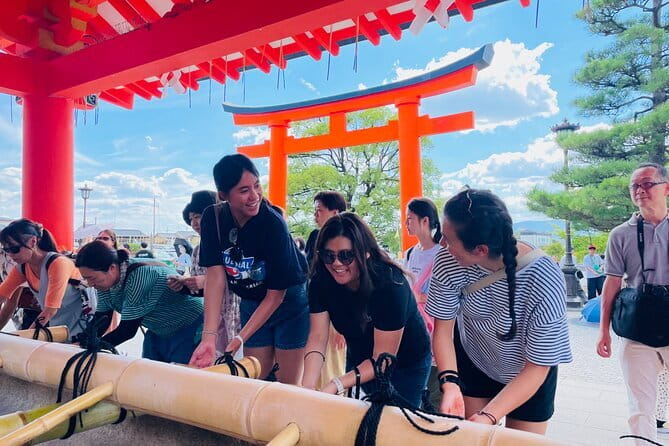
The appeal is the change in pace. Higashiyama is famous, but the route also uses narrow older streets and less crowded parts of the district. Your guide takes you to a temple with lesser-known details and explains how Buddhist and Shinto practices appear in daily life.
That local interpretation is one of the tour’s strongest features. You may learn about objects outside homes, customs linked to shrines, and small practices that are easy to miss when you explore alone. The guide also welcomes questions about Japan, including subjects beyond the formal sightseeing script.
A quick snack is included during this part of the route. It is not lunch, and the tour does not include a full meal, but a small break helps keep the four-hour outing comfortable. If you have dietary needs, the supplied information does not specify snack choices, so ask before booking if that matters to you.
The Higashiyama section is also where you get a better sense of Kyoto as a lived-in city. Instead of moving only from one major monument to another, you pass through neighborhoods and see how traditional streets fit into ordinary urban life.
Fushimi Inari and the famous shrine gates
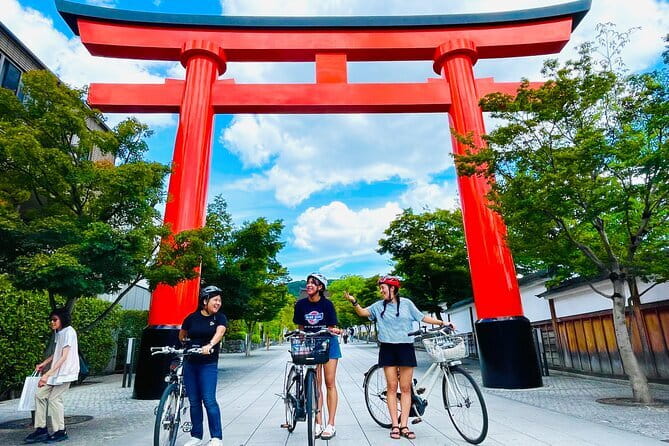
The next major stop is Fushimi Inari-taisha, with about 40 minutes for the shrine and its gates. This is the most instantly recognizable part of the route.
The rows of torii gates make Fushimi Inari one of Kyoto’s essential sights, but the visit is more useful when you understand what you are seeing. The guide discusses Shinto practices and helps explain how to approach and read the shrine setting. That context gives the gates and other shrine features more meaning than a quick photo stop.
Forty minutes is enough for an introduction and time to look around, but not enough to explore every path on Mount Inari. That is not a flaw if you want a balanced morning. The tour is designed to connect several areas rather than spend half a day at one shrine.
Expect this stop to feel busier than the quieter lanes earlier in the ride. Fushimi Inari is one of Kyoto’s best-known attractions, so the e-bike tour cannot remove the crowds. Its advantage is that you arrive with a guide who can frame the visit and keep the schedule moving.
The tour also addresses the contrast between Buddhism and Shinto, a subject that often confuses first-time visitors. The explanations are practical and tied to what you see, rather than being a long classroom talk.
Same trip, a completely different kind of day:
- PERFECT KYOTO 1-Day Bus Tour
★ 5.0 · 13,518 reviews - Kyoto: Fushimi Inari, Kinkakuji, Bamboo Grove 1 Day Bus Tour
★ 4.8 · 4,316 reviews - Kyoto: Tea Ceremony in a Traditional Tea House in Kiyomizu
★ 4.9 · 3,519 reviews - Kyoto Geisha Walking Tour: Gion District & Hidden Gems
★ 4.7 · 3,273 reviews
Tofuku-ji and the ride beside the Kamogawa River
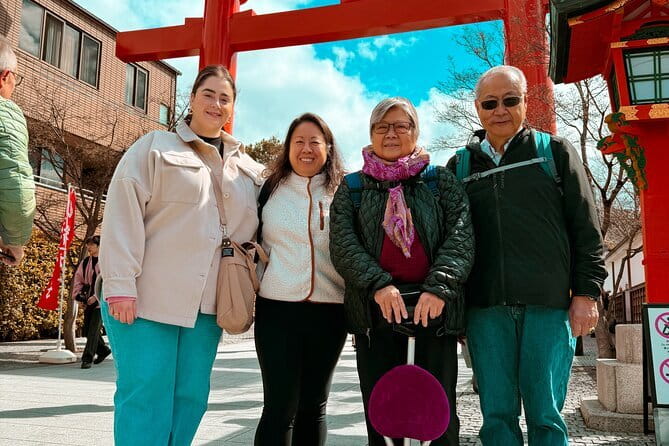
After Fushimi Inari, the group cycles for roughly 10 minutes to the Tofuku-ji temple complex. The visit lasts about 20 minutes, so this is a shorter stop than Higashiyama or Fushimi Inari.
Tofuku-ji gives the route another temple setting without requiring a long detour. You can look around the complex, hear more about Buddhist traditions, and then begin the return ride. The short timing means you should not expect a detailed tour of every building.
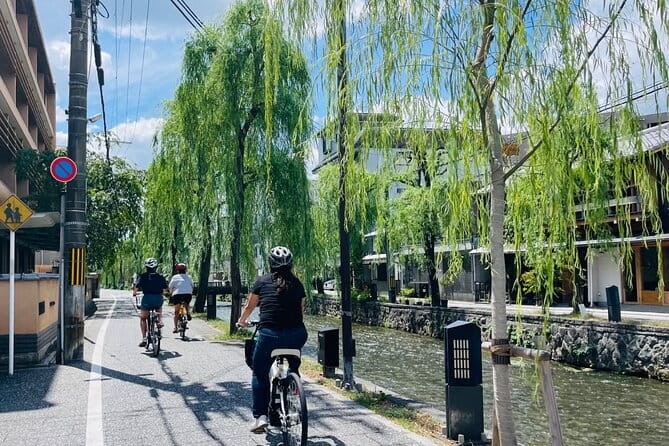
The final ride follows the Kamogawa River back toward the starting point. This is one of the most enjoyable parts of the outing because the pace opens up after the city streets. The river route offers a calmer way to finish, and several accounts describe it as a favorite stretch.
You also pass through neighborhoods on the return, so the end of the tour feels less like a transfer and more like part of the sightseeing. It is a good reminder that Kyoto is not only temples and ceremonial streets. The city’s riverside paths and residential areas help explain its everyday character.
A guide who adds personal context
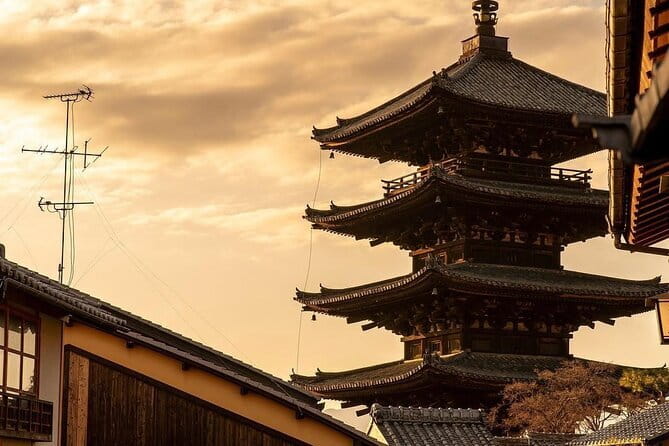
The guide can make or break a cultural tour, and this experience depends heavily on that person. Maki is identified as the owner and guide in the supplied details, while several accounts refer to Mika. Both names are associated with warm, clear English explanations, so confirm the guide for your chosen date if that matters to you.
Maki is repeatedly described as lively, patient, attentive, and easy to approach. Her style includes personal stories about Kyoto, family traditions, and Japanese customs. That approach can make subjects such as Shinto, Buddhism, geisha culture, maiko, samurai, and chopstick etiquette easier to remember.
The guide also appears to adjust the experience to the group. The pace can be made easier for less confident cyclists, and questions are welcomed throughout. In hot weather, Maki has provided extra water, rest breaks, and cooling body spray. During rain, she has looked for shelter and adjusted the route or timing to keep the group more comfortable.
That personal attention is especially useful for families. Children may enjoy the bike ride first and the cultural details second, while the guide can make shrine customs more approachable. Some families have also had time to try fortune telling at a shrine.
Still, the tour is not a private cultural seminar. With up to eight people, the amount of individual attention depends on the group. If you want a very quiet, slow visit at each temple, a private guide may suit you better.
Price, group size, and what you receive
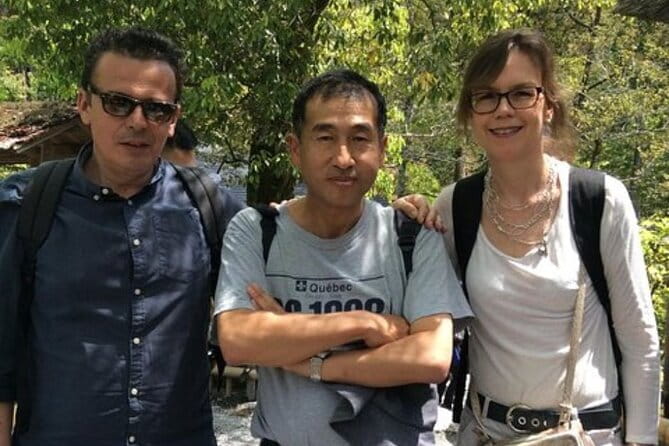
At $86.22 per person, this is not the cheapest way to see Kyoto, but the price is fair for a four-hour small-group outing with a bike, helmet, water, snacks, and an English-speaking route coordinator.
The real value comes from combining transportation and guiding. You are not simply renting an e-bike, and you are not spending the entire time on foot. The route covers several districts while giving you cultural explanations and access to back streets that are easy to miss on a standard sightseeing plan.
The group limit of eight matters. A large cycling group can become slow and stressful, especially on narrow streets. A maximum of eight gives the guide a better chance to keep everyone together, signal clearly, and respond to different cycling abilities.
Lunch is not included. Plan to eat before or after the tour, or carry what you need. The supplied snacks are useful, but they should not be treated as a meal.
The tour starts and ends at 19 Shogoin Higashimachi, Sakyo Ward, Kyoto 606-8325. It is near public transportation, and the mobile ticket is convenient. Confirmation arrives at booking. Free cancellation is available up to 24 hours before the start time. Changes made inside that window are not accepted, and poor weather or an insufficient number of bookings can lead to a rescheduled outing or full refund.
Who will enjoy this Kyoto bike tour?
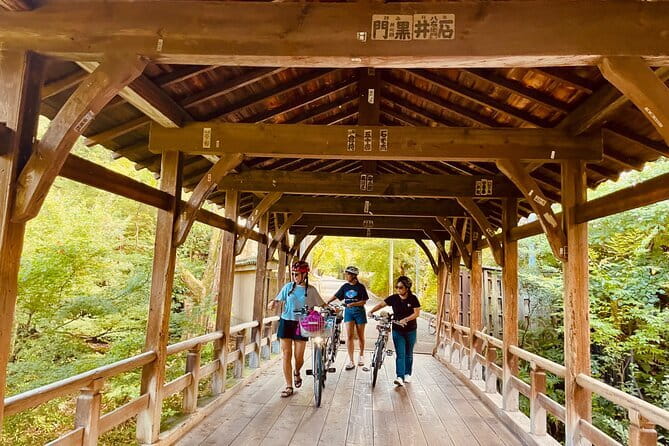
I would choose this for a first or second visit when you want an overview with real local explanation. It works especially well if you want to see Fushimi Inari but also care about the streets, river, neighborhoods, and smaller cultural details between major sights.
It suits families, couples, and adults who are comfortable riding a bicycle in town. The e-bike reduces physical strain, but you still need enough balance and confidence to cycle on public roads and paths. Most people can participate, according to the supplied information, but anyone unable to ride a bike should choose another type of tour.
The experience is also a good fit for curious people who ask questions. The guide’s strength is not only pointing out buildings. It is explaining why customs exist and how religious practices appear in ordinary life.
I would think twice if you dislike cycling, need a guaranteed indoor activity, or want a full day at Fushimi Inari alone. Summer can be hard in Kyoto. One account describes intense heat even with the electric assistance, so bring extra water and consider an electrolyte drink during hot months.
Should you book Pedal Adventure Kyoto?
Book it if you want efficient sightseeing with a human touch. The route covers four important parts of Kyoto, then adds quiet streets and a riverside ride that you might not reach on foot. The e-bike makes the distance practical, while the small group keeps the outing personal.
The strongest reason to book is the guide. Maki and Mika are associated with clear explanations, humor, personal stories, and careful pacing. The ride itself is enjoyable, but the cultural detail is what turns it into more than a bicycle rental.
Skip it if rain would ruin your day, if you prefer private transport, or if a four-hour bike ride sounds tiring even with electric assistance. For most active visitors, though, this offers a sensible price and a memorable way to see Kyoto beyond the usual temple-to-temple route.
FAQ
How long does the Kyoto e-bike tour last?
The tour takes approximately four hours, including the cycling, sightseeing stops, snack break, and return ride.
Where does the tour start and finish?
It starts at 19 Shogoin Higashimachi, Sakyo Ward, Kyoto 606-8325, Japan, and ends back at the same meeting point.
Which Kyoto sights are included?
The route includes Gion, the Higashiyama area, Fushimi Inari-taisha Shrine, and Tofuku-ji Temple. It also includes cycling beside the Kamogawa River.
Is the guide English-speaking?
Yes. An English-speaking route coordinator is included. The supplied information identifies guides as Maki and Mika.
Are bikes and helmets provided?
Yes. Bicycle use and a helmet are included. The bikes are e-bikes, and baskets are available for items such as backpacks or jackets.
Are food and drinks included?
Bottled water and snacks are included. Lunch is not included.
What happens if the weather is poor?
The experience requires good weather. If the operator cancels because of poor weather, you can choose another date or receive a full refund.
More Electric Bike Rides in Kyoto
- 5 Top Highlights of Kyoto Full Day Bike Tour (E-bike option)
★ 5.0 · 511 reviews - E-Bike Tours of the highlights of Kyoto!!!
★ 5.0 · 291 reviews - Kyoto: City Secrets eBike Tour
★ 4.9 · 196 reviews - Kyoto: Hidden Gems E-Bike Tour with Local Japanese Guide
★ 4.9 · 189 reviews
Just added around Kyoto
- Sekka Cotton Furoshiki Class★ 5.0 · 19 reviews
- Kyoto Sword Experience – includes Museum Ticket/Ninja Experience★ 4.5 · 149 reviews
- Scenic Green Tea Fields of Hidden Kyoto & Local Tea Exp (Private)★ 5.0 · 32 reviews
- Secret Eastern Kyoto Biking Adventure★ 5.0 · 44 reviews
- Private Sake Tasting in Central Kyoto with Sake Sommelier★ 5.0 · 32 reviews
- Samurai School in Kyoto: Samurai for a Day★ 5.0 · 202 reviews
- Samurai Performance and Casual Experience: Kyoto Ticket★ 4.5 · 115 reviews
- SHIRAKAWA Japanese Culture Experiences with private English staff★ 5.0 · 16 reviews
Cycling Tours, compared.

Arashiyama Bamboo Forest & Hidden Gems Bike Tour (Early Bird)
Our verdict →

Browse the lists this tour appears in