
Reviewed · WALKING TOURS
Kyoto: Gion Sunset Walking Tour with Local Guide
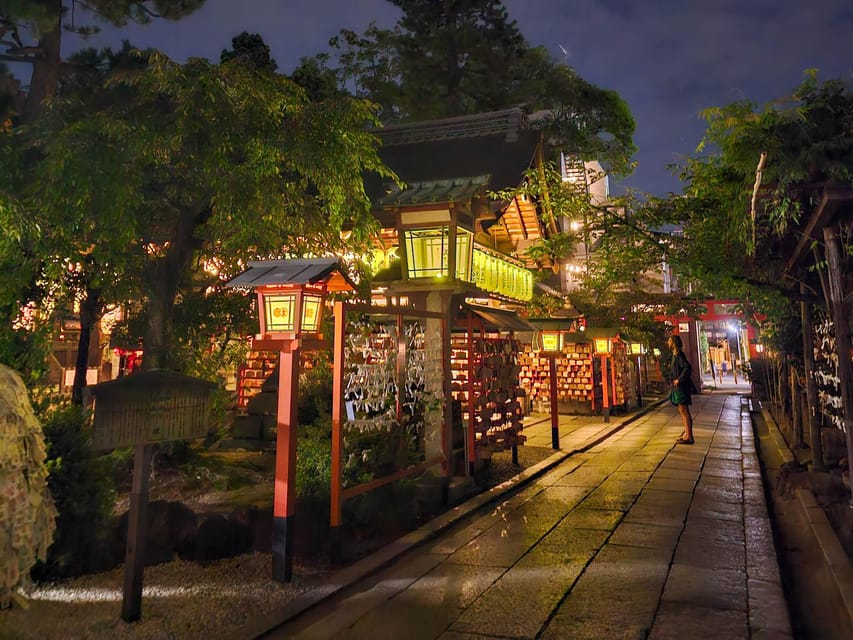
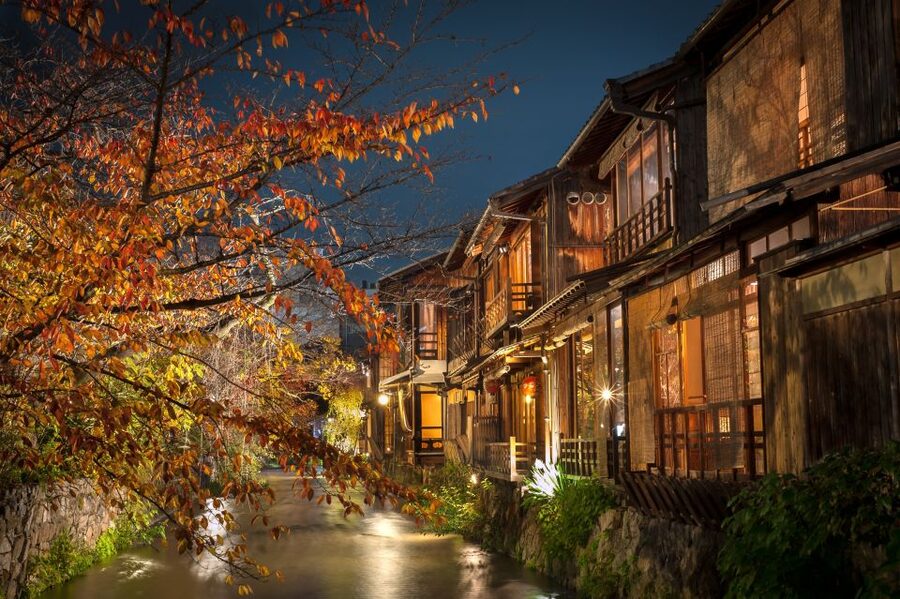
Gion after sunset is Kyoto at its most atmospheric. Lanterns glow along old lanes, restaurants open their doors, and the district’s temples and shrines take on a quieter mood. This tour gives you a useful introduction in three hours, with guides such as Jasmine, Raphael, Vincent, Alex, and Naoki bringing local stories to the walk.
I like the small group limit of nine, which leaves room for questions and lets the guide adjust the pace. I also like the evening timing: you see Hanamikoji Street in changing light, then finish near Pontocho when the city is beginning its night out.
The main drawback is simple: this is a walking tour, not a relaxed sightseeing ride. You cover several areas on foot, and a geiko or maiko sighting is possible but never promised. Wear good shoes and arrive early.
Key points to know before booking
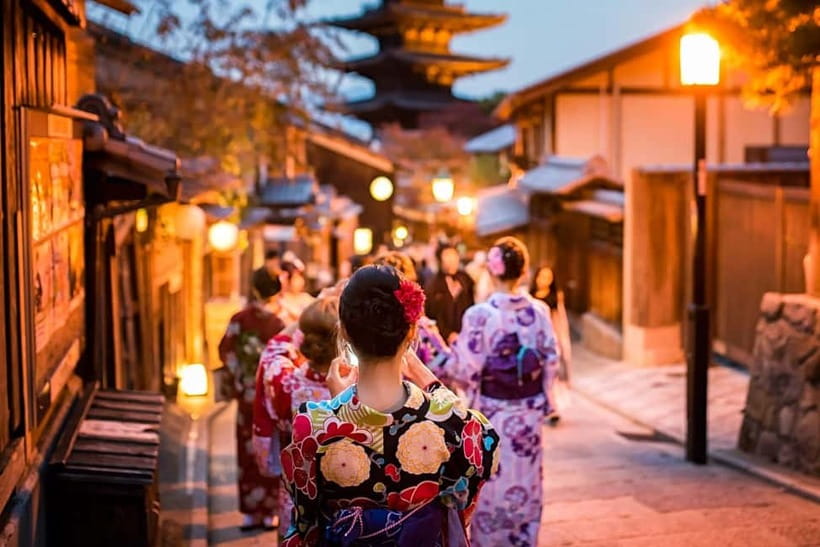
- Gion after dark: Lantern-lit lanes and traditional streets give this tour a different feel from a daytime visit.
- Local guides: Guides including Jasmine, Raphael, Vincent, Alex, and Naoki have been praised for clear English, local knowledge, and a friendly approach.
- Nine people maximum: The small group makes it easier to ask questions and keep a comfortable pace.
- More than geisha spotting: The tour explains geiko and maiko customs, Japanese religion, architecture, and everyday etiquette.
- A useful snack stop: A local snack worth up to 1,000 yen is included, though the exact stop can vary.
- Good first-evening choice: The route gives you a broad look at Gion, Yasaka Shrine, Maruyama Park, and Pontocho without using a full day.
Why Gion works best after sunset
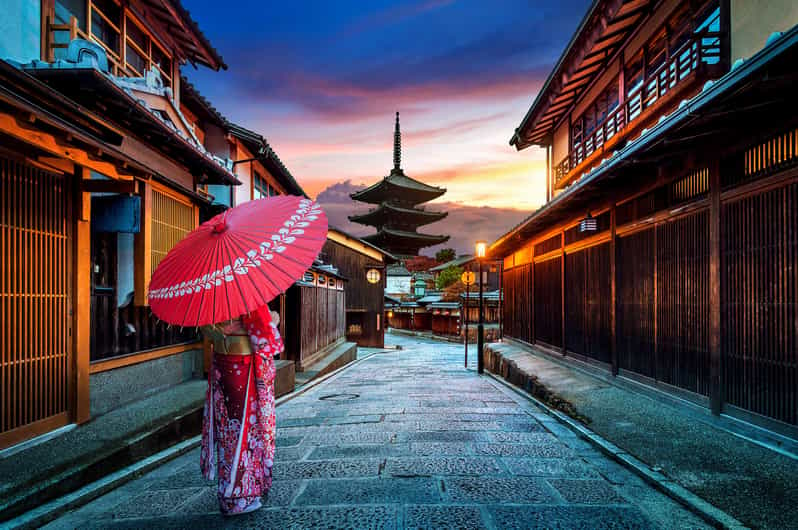
Gion is famous for its traditional wooden buildings and geiko culture, but time of day changes what you see. During the evening, lanterns begin to glow outside restaurants and teahouses. The narrow lanes feel more intimate, and the old architecture is easier to appreciate without treating the district as a checklist of daytime sights.
The tour starts at Kyoto Kawaramachi Garden, then moves toward Gion. That starting point matters because you begin near a lively part of central Kyoto before gradually entering quieter historic streets. You are not dropped in front of one major sight and rushed away. Instead, the guide helps connect modern Kyoto with the older quarter.
I would book this for your first or second night in Kyoto. The route gives you enough background to make later walks more rewarding. After learning how the district works, you will notice signs, gates, lanterns, small shrines, and formal entrances that are easy to miss on your own.
The evening schedule also helps if your daytime is already full. At three hours, it fits neatly after a temple visit, shopping, or a rest at your hotel. Starting times vary, so check the available departure when booking.
More Walking Tours in Kyoto
- Kyoto Geisha Walking Tour: Gion District & Hidden Gems
★ 4.7 · 3,273 reviews - Kyoto: Gion Magical Night Walking Tour with Geisha Trivia
★ 4.9 · 2,393 reviews - Kyoto: Gion Geisha District Walking Tour – Stories of Geisha
★ 4.7 · 2,187 reviews
From Kawaramachi Garden to the Minami-za Theatre
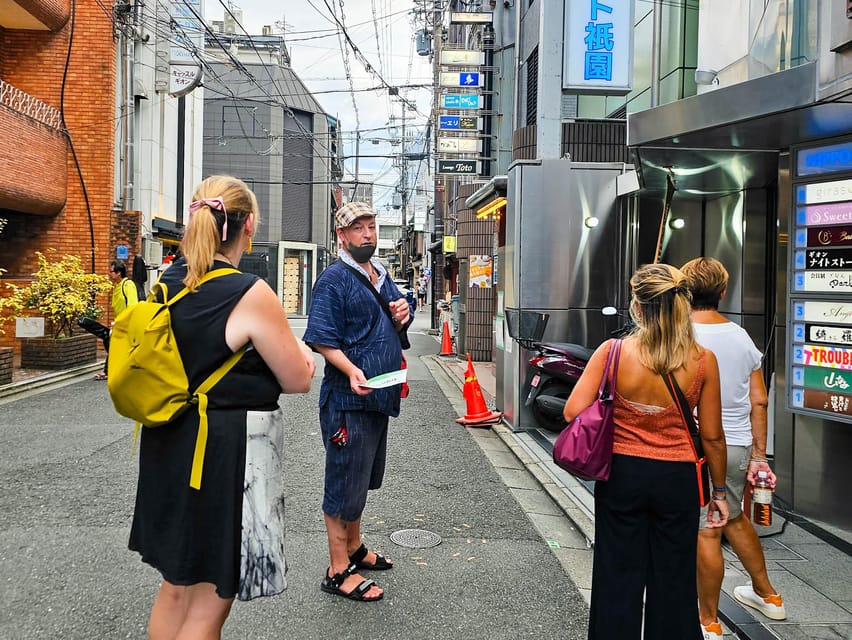
Meet your guide at the corner of Kyoto Kawaramachi Garden, in front of the large black world map. Look for a TripGuru shirt or sign. Arrive at least 10 minutes early. The guide waits only a maximum of 10 minutes, and busy Kyoto traffic can make a short journey take longer than a map app suggests.
The group then passes Kyoto Minami-za, Kyoto’s celebrated kabuki theatre. This is a short stop of about 10 minutes rather than a full theatre visit. Even so, it gives the guide a chance to explain the place of traditional performance in Kyoto’s cultural life.
Do not expect an interior tour or a performance ticket. The value here is orientation. You are moving from the modern shopping and dining center toward the older entertainment districts, and the theatre helps explain that transition.
Hanamikoji Street and the rules of respectful sightseeing
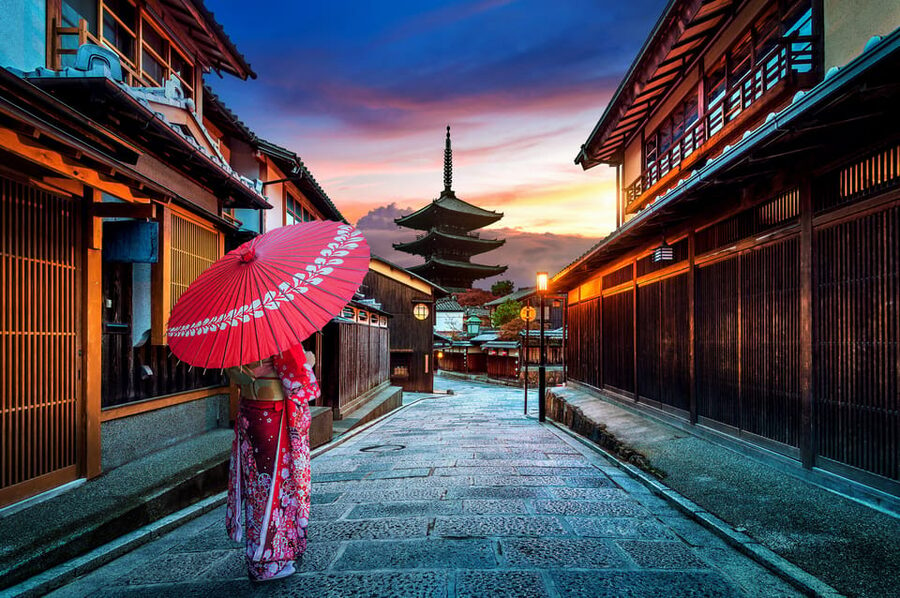
Hanamikoji Street receives about 30 minutes of guided attention. It is one of Gion’s best-preserved historic streets, with traditional facades, polished entrances, and a strong sense of continuity. This is one of the places where a guide earns the price of the tour, since the important details are not always obvious from the pavement.
Your guide may explain the difference between geiko and maiko, the role of tea houses, and the customs connected with entertainment in Gion. The terms can be confusing at first. In Kyoto, geiko refers to a professional traditional entertainer, while maiko are apprentices. The guide also helps you understand that this is a working neighborhood, not a stage set.
You might catch sight of a geiko or maiko heading to an appointment, but no responsible tour can guarantee it. If you do see one, keep your distance. Do not block the lane, follow her, or interrupt her work. A longer camera lens is more considerate than stepping close, and the most polite response is to move aside, offer a small bow or smile, and let her pass.
This guidance is one of the tour’s best features. It replaces the hunt for a photograph with a clearer understanding of the people and places involved. You can still take pictures of the streets, buildings, lanterns, and public sights, but you learn where personal boundaries matter.
Quiet lanes, small temples, and local stories
After Hanamikoji Street, the route continues through backstreets and less obvious religious sites. The exact stops can vary, but the walk includes guided sightseeing and scenic views along the way. This portion is valuable because Gion is not only one famous street.
The smaller lanes often tell you more about the district’s daily character than the main thoroughfare. You might find modest shrine gates, tucked-away temple buildings, stone paths, or details in the architecture that you would pass without explanation. Guides such as Naoki, Atsushi, and Nobumasa Miyake have been praised for explaining Japanese religion and local customs alongside the sights.
That cultural context keeps the tour from becoming a simple photo walk. You can ask about Buddhist and Shinto practices, the meaning of shrine features, or how Kyoto’s traditional neighborhoods function. The strongest guides also adjust their talk to the group. Jasmine, Raphael, Alex, and Vincent are noted for answering questions and changing the pace when needed.
The route does involve steady walking. People with mobility impairments, heart problems, respiratory issues, or pregnancy are advised not to book this activity. Even for healthy walkers, comfortable shoes are essential. Kyoto’s evening streets can be easy to stroll, but three hours on foot is still three hours on foot.
Same trip, a completely different kind of day:
- PERFECT KYOTO 1-Day Bus Tour
★ 5.0 · 13,518 reviews - Kyoto: Fushimi Inari, Kinkakuji, Bamboo Grove 1 Day Bus Tour
★ 4.8 · 4,316 reviews - Kyoto: Tea Ceremony in a Traditional Tea House in Kiyomizu
★ 4.9 · 3,519 reviews - Kyoto: Tea Ceremony Ju-An at Jotokuji Temple
★ 4.9 · 3,207 reviews
Maruyama Park and Yasaka Shrine at night
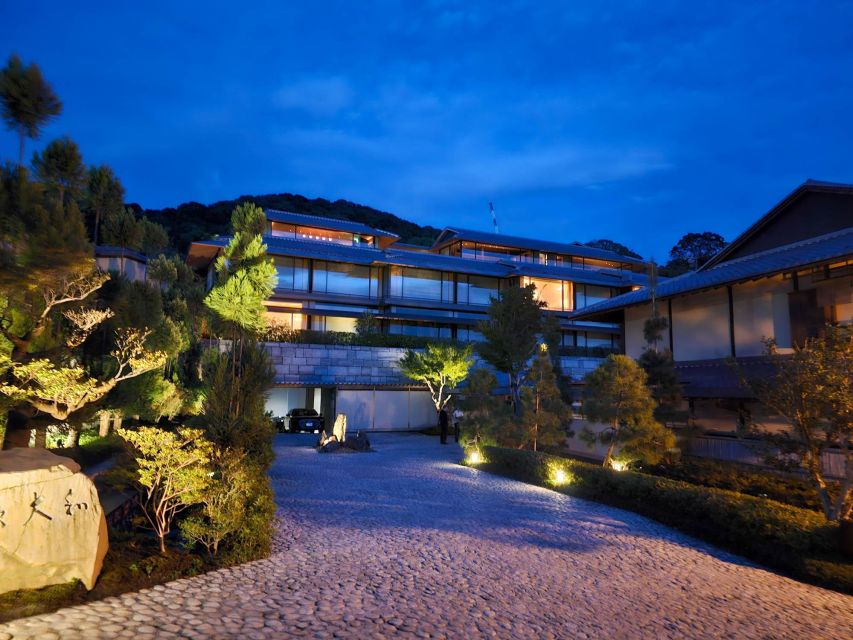
Maruyama Park receives roughly 15 minutes. It provides a more open break after the narrow lanes of Gion and offers scenic views as the route continues toward Yasaka Shrine. The park is not treated as a long nature visit. Think of it as a short, well-placed stop that lets you see how the neighborhood opens up.
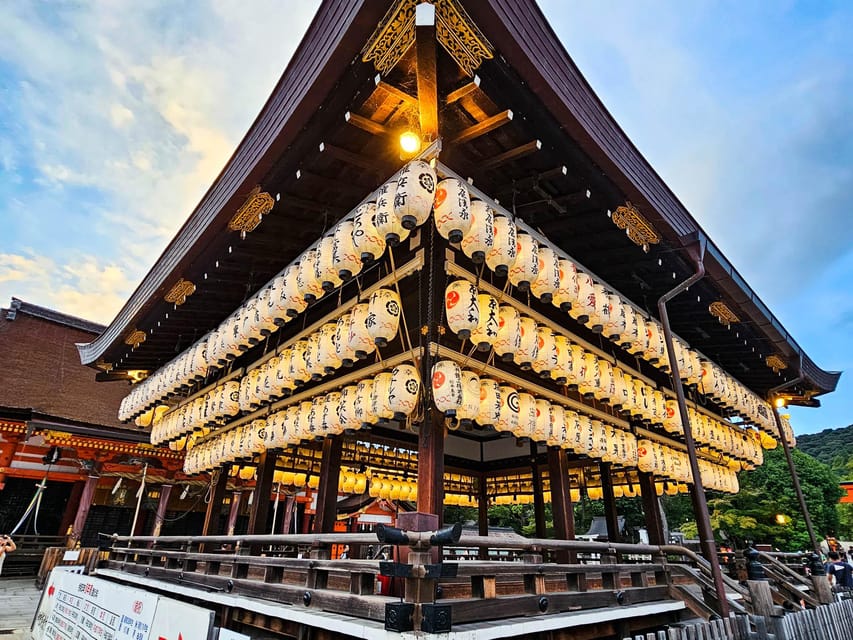
Yasaka Shrine, also known as Gion Shrine, gets about 20 minutes of guided sightseeing. This is one of Kyoto’s major religious landmarks, and the nighttime setting gives it a different character from a daytime visit. Lanterns and illuminated structures make the shrine especially appealing after dark.
Your guide can explain the religious customs and the connection between the shrine and the surrounding Gion district. This is where the tour’s focus on Japanese culture becomes especially useful. Without context, you may see gates, lanterns, buildings, and visitors making offerings. With an explanation, the visit becomes easier to understand and more respectful.
The stop is not a long ceremonial experience, and it does not include a private religious activity. It is a guided visit to a public shrine. That makes it a good introduction, though readers seeking a slower, more spiritual meditation may find the schedule brisk.
A local snack and a chance to pause
The tour includes about 20 minutes for a local snack. The exact food or place can vary. The stated allowance is up to 1,000 yen per person, and the stop may involve a cafe, local shop, supermarket, or a drink such as matcha.
This is a small detail, but it improves the evening. A short pause gives you time to sit, warm up in colder months, and talk with the guide outside the flow of the streets. One guide took the group to a local supermarket so each person could choose a snack and drink. Another group enjoyed matcha and desserts at a cafe with pleasant views.
Do not treat this as dinner. Meals and other drinks are not included, and the snack allowance is limited. If you are hungry, plan a proper meal before or after the tour. Still, the stop offers a practical taste of local food without adding a large extra cost.
Bring some cash. It is useful for personal purchases and any food or drink beyond the included allowance. The snack is also one area where flexibility matters. You may not receive the exact item shown in someone else’s account, but the break remains a useful part of the route.
Pontocho to Sanjo Bridge
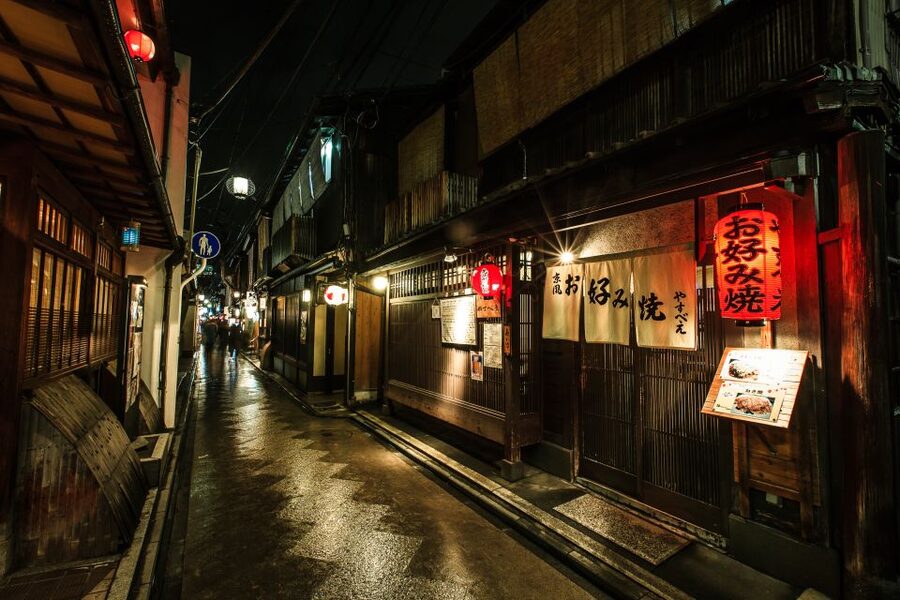
The final major neighborhood is Pontocho, with around 20 minutes of guided sightseeing. This narrow dining alley runs near the Kamo River and is known for traditional restaurants, bars, and evening atmosphere. It is a fitting final stop because the tour ends as Kyoto’s nightlife is becoming more active.
Pontocho is best understood through its contrast with Gion. Gion centers on traditional streets, shrines, and the world of tea houses. Pontocho adds dining and nightlife in a narrow urban setting. Your guide can point out the character of the lane and help you understand how these entertainment districts fit into central Kyoto.
The tour finishes at Sanjo Bridge. That is useful because you are not returned to the starting point. You can continue toward dinner, explore the river area, or use the nearby central Kyoto streets to make your own way back. Check your onward plans before booking, especially if you have a timed reservation elsewhere.
The stated route lasts three hours, though the pace can change. Vincent extended a tour when the group wanted more time, and Raphael adjusted his pace for an older couple. That flexibility is helpful, but you should not rely on every tour running over. If you have a firm dinner booking, allow a buffer.
How much value do you get for $22?
At $22 per person, this is good value if you want cultural context rather than private access. You get three hours of guiding, a route through several important Kyoto areas, a small-group setting, and a snack. Hiring a private guide would cost far more, while walking alone would leave you to piece together the meaning of the sights yourself.
The small group is the key value point. With no more than nine people, the guide can hear questions and keep the group together in narrow lanes. It also feels less like following a large flag through Gion. The experience remains shared, but not anonymous.
The price does not cover hotel pickup, dinner, extra drinks, or personal spending. You need to reach the meeting point yourself and budget for transport after the walk. Those limits are normal for a walking tour, but they matter when comparing the total evening cost.
The tour also delivers value through timing. A three-hour evening activity can fill a gap in your schedule without taking away a full sightseeing day. If you are staying in central Kyoto, the start and finish points may fit easily into an evening plan.
Which guide style suits you?
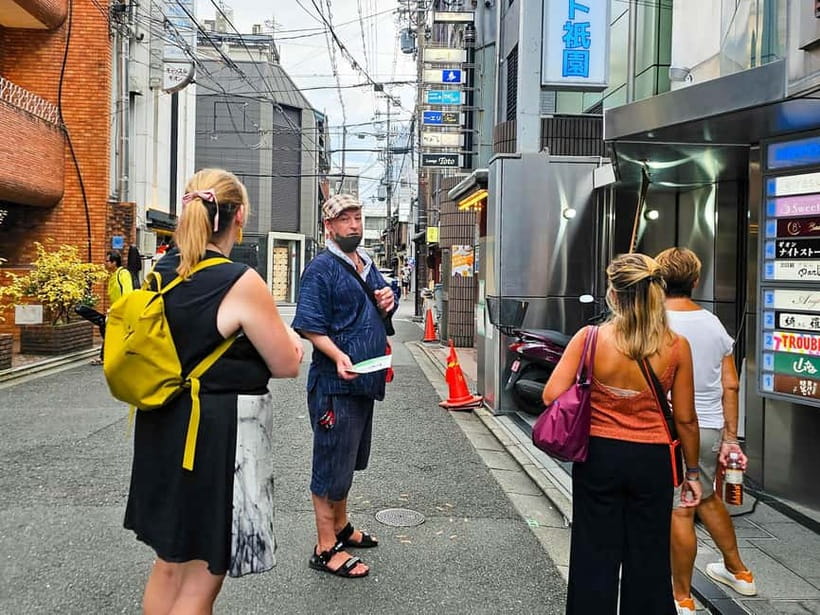
The company uses English, Spanish, and French-speaking guides, and the individual style can vary. Jasmine has been praised for clear explanations, warmth, and taking photographs for the group. Raphael is noted for careful pacing and giving each person time. Vincent is known for cultural explanations and adapting the route to group requests.
Alex has received strong praise for making history approachable and answering questions. Naoki’s local connection and detailed answers appeal to people who want a more personal view of Kyoto. Other guides, including Katz, Zied, Gustavo, Atsushi, Boris, Karl, and Nobumasa Miyake, have also been singled out for friendly, clear guiding.
You cannot normally choose a specific guide in advance, so book for the route and format rather than a particular name. The common thread is a guide who explains more than dates and names. The best moments come when you ask questions about religion, local etiquette, geiko culture, or the difference between a public street and a private tea house.
Practical advice for a smoother evening
Wear shoes you can walk in for three hours. The route includes streets, lanes, parks, and shrine grounds, and comfort matters more than fashion.
Bring a camera, but use it thoughtfully. The atmosphere is photogenic, especially around Hanamikoji Street and Yasaka Shrine, yet geiko and maiko should not be treated as photo props. Keep space, avoid blocking entrances, and never chase a sighting.
Arrive at least 10 minutes before the meeting time. Kyoto traffic can be heavy, and navigation apps may underestimate the journey. The meeting point is the Kyoto Kawaramachi Garden corner by the large black world map, with a TripGuru shirt or sign identifying the guide.
The activity is not suitable for people with mobility impairments, heart problems, respiratory issues, or pregnancy. If rain is forecast, carry suitable protection. The route can be adjusted in wet weather, but you are still outside for much of the evening.
Free cancellation is available up to 24 hours before the tour for a full refund. You can also reserve and pay later, which helps if your Kyoto schedule is still changing.
Should you book the Gion sunset walk?
Book it if you want a compact introduction to Gion, prefer learning from a local guide, and like the idea of seeing Kyoto at the point when its lanterns and restaurants begin to glow. It suits first-time visitors, couples, solo visitors, and small groups who want a social evening without committing to a full dinner experience.
I would especially recommend it for your first evening in Kyoto. You will leave with a better sense of Gion’s layout, an introduction to geiko and maiko customs, and practical ideas for exploring on your own.
Skip it if you dislike walking, need guaranteed geiko sightings, or want a quiet private tour. The route covers a lot in three hours, and the atmosphere depends partly on the group and the guide assigned.
For $22, the combination of a small group, several major sights, cultural explanation, and a modest snack is hard to fault. Just book it for the understanding of Gion, not for a promised photograph.
FAQ
How long is the Kyoto Gion Sunset Walking Tour?
The tour lasts three hours. Starting times vary, so check availability for your chosen date.
Where does the tour begin?
It begins at the corner of Kyoto Kawaramachi Garden, in front of the large black world map. Your guide will wear a TripGuru shirt or hold a TripGuru sign.
Where does the tour finish?
The walk finishes at Sanjo Bridge, rather than returning to the starting point.
Which places does the tour visit?
The route includes Hanamikoji Street, Maruyama Park, Yasaka Shrine, Pontocho, and other traditional streets, temples, shrines, and scenic areas along the way. It also passes Kyoto Minami-za Theatre.
Is a geiko or maiko sighting guaranteed?
No. You may see a geiko or maiko heading to an appointment, but sightings are not guaranteed. If you do see one, keep your distance and avoid interrupting her.
What languages are available?
The live tour guide may speak English, Spanish, or French.
What is included in the price?
The price includes the walking tour, a live guide, and a local snack. Hotel transfers, meals, other drinks, and personal expenses are not included.
More Sunset Experiences in Kyoto
- Kyoto Evening Gion Food Tour Including Kaiseki Dinner
★ 5.0 · 62 reviews - Kyoto: Gion Evening Walk with Hidden Gems, Geisha & Sake
★ 5.0 · 41 reviews - Kyoto Evening Gion Food Tour
★ 4.9 · 35 reviews - Kyoto: Casual Pontocho Evening Food Tour
★ 4.8 · 31 reviews
Just added around Kyoto
- Sekka Cotton Furoshiki Class★ 5.0 · 19 reviews
- Kyoto Sword Experience – includes Museum Ticket/Ninja Experience★ 4.5 · 149 reviews
- Scenic Green Tea Fields of Hidden Kyoto & Local Tea Exp (Private)★ 5.0 · 32 reviews
- Secret Eastern Kyoto Biking Adventure★ 5.0 · 44 reviews
- Private Sake Tasting in Central Kyoto with Sake Sommelier★ 5.0 · 32 reviews
- Samurai School in Kyoto: Samurai for a Day★ 5.0 · 202 reviews
- SHIRAKAWA Japanese Culture Experiences with private English staff★ 5.0 · 16 reviews
- A Privately Guided Photoshoot in Beautiful Kyoto by a Pro★ 5.0 · 18 reviews
Walking Tours, compared.

Kyoto Geisha Walking Tour: Gion District & Hidden Gems
Our verdict →
Imperial Palace and Shogun Historical Walking Tour
Our verdict →
Shinjuku Local Bar and Izakaya Guided Walking Tour
Our verdict →

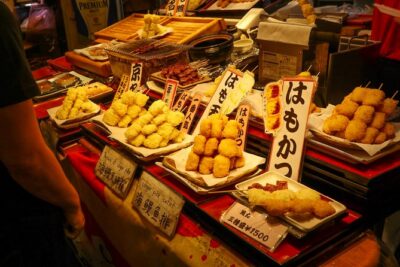
Nishiki Market Brunch Walking Tour (7 Tastings + Brunch)
Our verdict →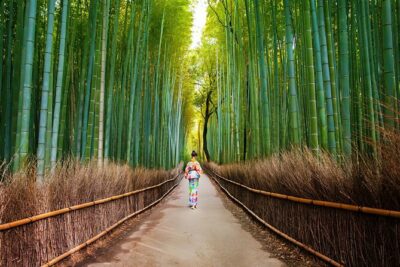
Kyoto Arashiyama Walking Tour: Bamboo, Monkeys, Gardens & Secrets
Our verdict →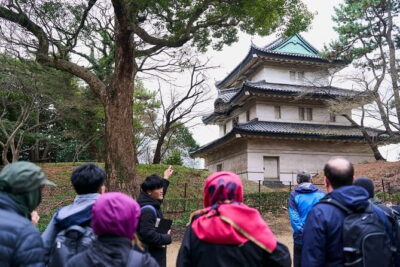
Tokyo Castle & Imperial PalaceーShogun Walking Tour
Our verdict →Browse the lists this tour appears in