
Reviewed · HISTORICAL TOURS
Kyoto: Discover Every Bit of Kyoto Imperial Palace
Kyoto Imperial Palace is not just a pretty collection of old buildings. It was the home of Japan’s imperial family until the capital moved to Tokyo in 1869, and its halls were built for ceremonies where tradition mattered down to the smallest detail. The Shishinden ceremony hall gives you the grandest sense of that world.
I like this tour for two clear reasons: an English-speaking guide can explain why each building mattered, and the route includes both formal halls and the Emperor’s personal residence. I also like the quiet gardens, especially the interior garden praised by one visitor as jaw-droppingly beautiful. The main caution is that the quality depends heavily on the guide. Yoshi earned warm praise for his history and detail, but one booking received almost no useful explanation.
Key Points
- Meet at Hamaguri Gate: Look for the guide holding a yellow DeepExperience sign in front of the gate.
- See Shishinden: Visit the grand hall used for major imperial ceremonies.
- Learn about court life: The tour includes the Emperor’s personal residence and buildings tied to daily palace life.
- Walk through formal gardens: The gardens offer a calmer counterpoint to the imposing halls.
- Choose a small group if possible: Private and small-group options allow more room for questions.
- Check the timing carefully: The activity is advertised as one hour, while the guided palace visit is also described as lasting 1.5 hours.
Why Kyoto Imperial Palace Still Matters
Kyoto Imperial Palace was the residence of Japan’s imperial family before the capital moved to Tokyo in 1869. That single fact gives the visit weight. You are not simply looking at traditional Japanese architecture. You are walking through the former center of imperial life in Kyoto.
The complex sits within Kyoto Gyoen National Garden, so the approach already feels removed from the city’s traffic and packed sightseeing streets. The palace grounds contain ceremonial halls, official buildings, residential spaces, and gardens. Each part tells a different story about how the imperial court worked.
I find the contrast especially useful. The grand halls show the public face of the monarchy, while the personal residence and garden areas help you picture the quieter side of court life. A guide can connect those pieces in a way that a quick walk on your own may not.
The palace is also a good choice if you want an experience rooted in Kyoto’s political and cultural past rather than a visit focused only on temples. Its architecture is formal, controlled, and symbolic. This is a place for noticing arrangement, rank, ceremony, and tradition.
More Historical Tours in Kyoto
- Kyoto Gion: 2-Hour Geisha Culture & History Walking Tour
★ 5.0 · 1,186 reviews - Kyoto: Nijo-jo Castle and Ninomaru Palace Guided Tour
★ 4.7 · 1,020 reviews - Kyoto: Imperial Palace & Nijo Castle Guided Walking Tour
★ 4.7 · 453 reviews
Meeting at Hamaguri Gate
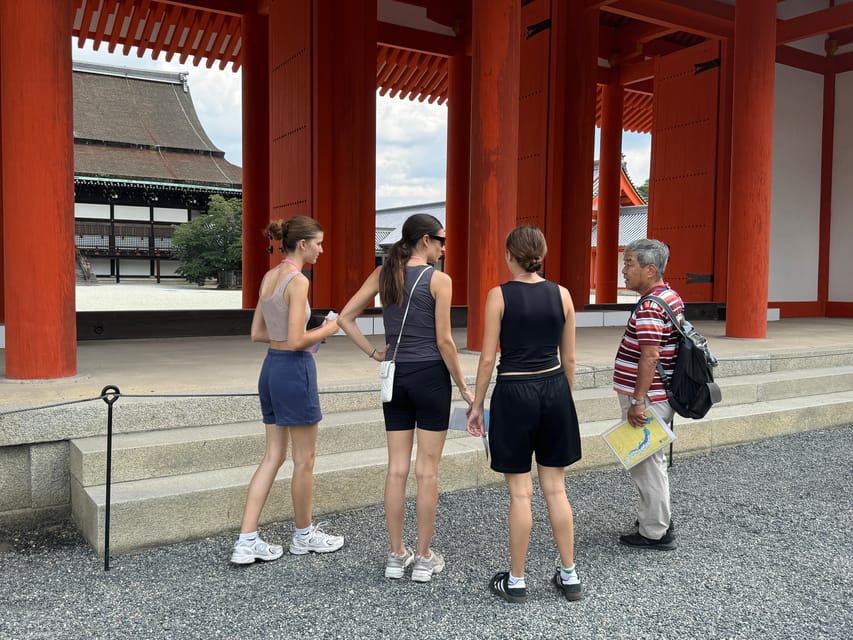
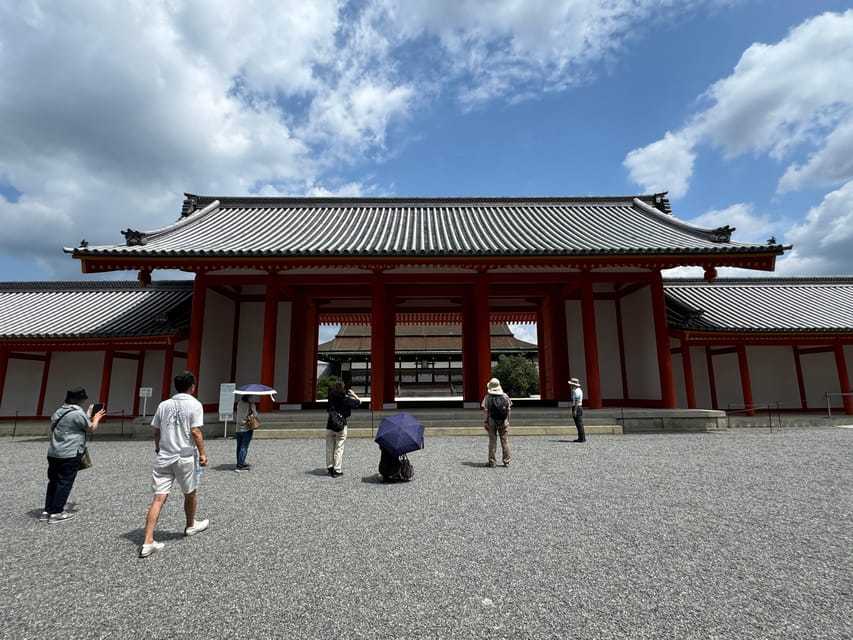
The tour begins in front of Hamaguri Gate, also called Hamagurigomon, at Kyoto Imperial Palace. Your guide waits with a yellow sign marked DeepExperience.
This meeting point matters because palace grounds can feel spread out, especially when you are trying to locate the correct entrance. I would arrive early enough to identify the gate without rushing. The meeting instructions are simple, but a busy sightseeing day in Kyoto is not the time to rely on a last-second search.
The guide leads you back to Hamaguri Gate at the end. That makes the experience easy to fit around other plans, since you are not left at an unfamiliar part of the city.
The tour is offered in English, with private or small-group arrangements available. If you want to ask about imperial traditions, architectural details, or the role of a specific hall, a smaller group should give you more opportunity to speak directly with the guide.
Shishinden and the Public Face of the Court
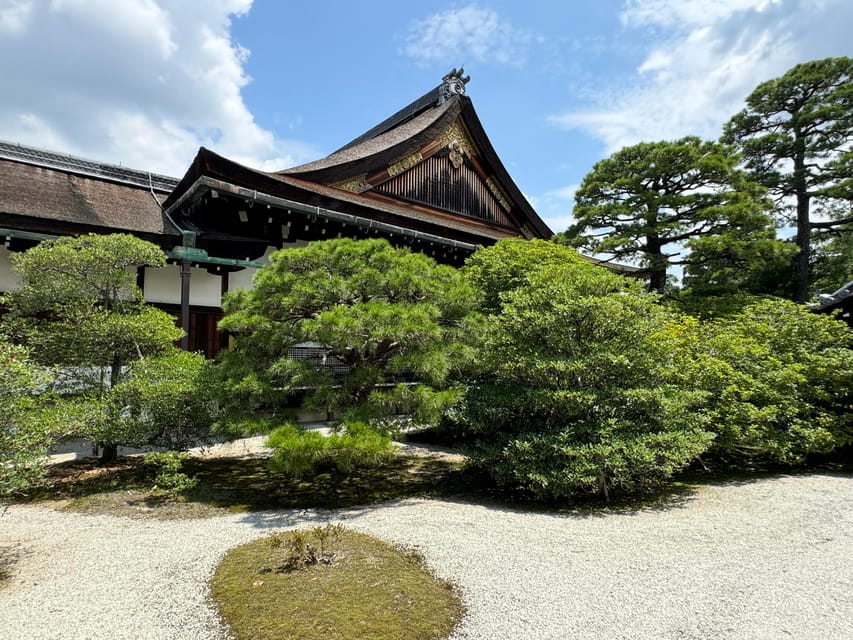
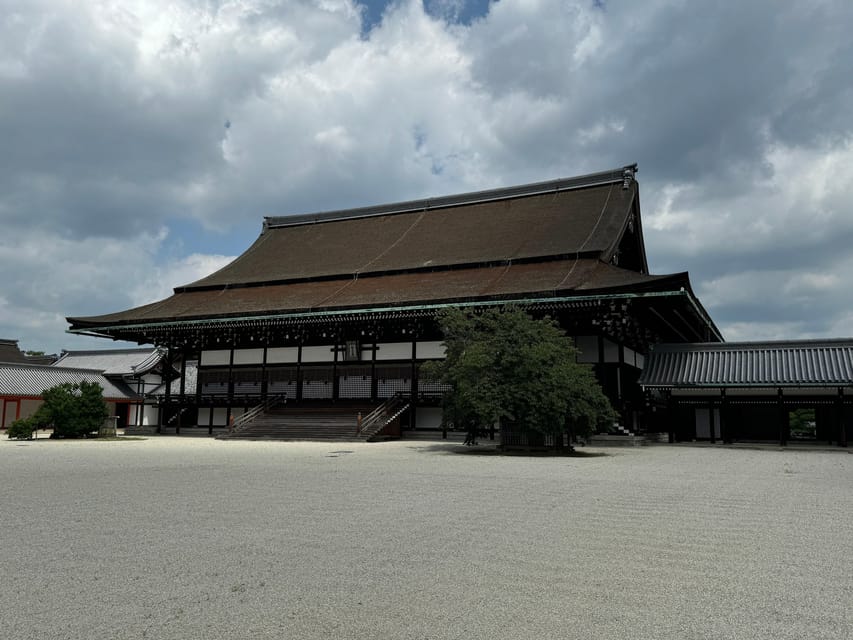
The main highlight is Shishinden, the majestic hall used for important imperial ceremonies. This is the building that best conveys the palace’s public role.
You can expect the guide to explain why the hall mattered, how it was used, and how it fitted into the ceremonial life of the court. The value here is not only the roofline or traditional design. The building becomes easier to understand when you know that formal events took place there and that its arrangement reflected imperial customs.
I like having a guide for this part because ceremonial architecture can look beautiful without being immediately clear. A short explanation can help you notice what you would otherwise walk past. The palace is full of visual details, but the historical meaning gives those details a purpose.
The route also includes other structures used for official functions. Together, the buildings show that the palace was not a single residence. It was a working complex with spaces for public events, court business, and formal obligations.
One important point: the information provided does not promise entry into every building. The experience is centered on visiting the Kyoto Imperial Palace grounds and seeing its notable halls and structures. If stepping inside particular rooms is essential to your plans, confirm the exact access available on your chosen date.
The Emperor’s Personal Residence and Court Life
The Emperor’s personal residence adds a more human scale to the visit. Grand ceremonial halls can make imperial life seem distant and theatrical. A residential area gives you a better sense of where daily routines took place within the court.
The tour is designed to explain this side of palace life, not just point out buildings. I would pay close attention here, since the personal residence helps connect the formal traditions to the people who lived within them.
The palace’s importance comes partly from this mix of public and private spaces. The Emperor had to appear in highly controlled ceremonies, but the imperial family also needed ordinary residential areas. Seeing both sides helps you understand why the complex includes so many different types of buildings.
One of the strongest comments about the experience praised guide Yoshi for knowing Japanese history and for pointing out small details around the grounds. That is exactly the kind of guiding that helps at a site like this. The buildings are worth seeing on their own, but the small observations can turn a formal walk into a clearer picture of court life.
Same trip, a completely different kind of day:
- PERFECT KYOTO 1-Day Bus Tour
★ 5.0 · 13,518 reviews - Kyoto: Fushimi Inari, Kinkakuji, Bamboo Grove 1 Day Bus Tour
★ 4.8 · 4,316 reviews - Kyoto: Tea Ceremony in a Traditional Tea House in Kiyomizu
★ 4.9 · 3,519 reviews - Kyoto Geisha Walking Tour: Gion District & Hidden Gems
★ 4.7 · 3,273 reviews
Gardens That Slow the Pace
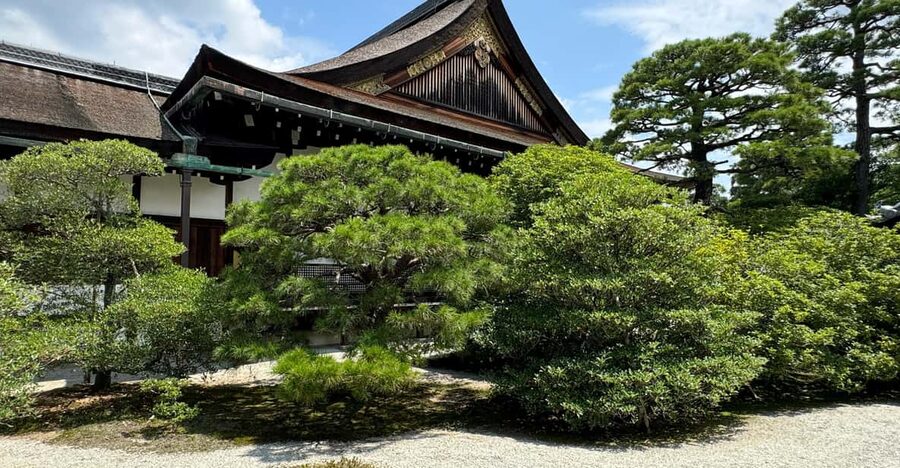
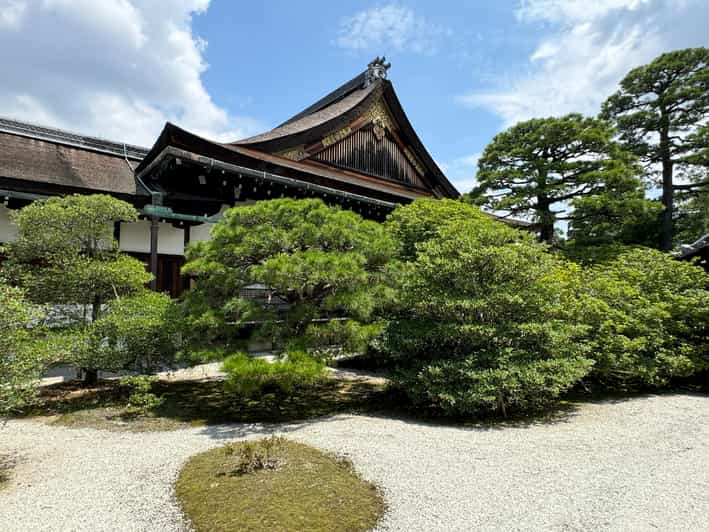
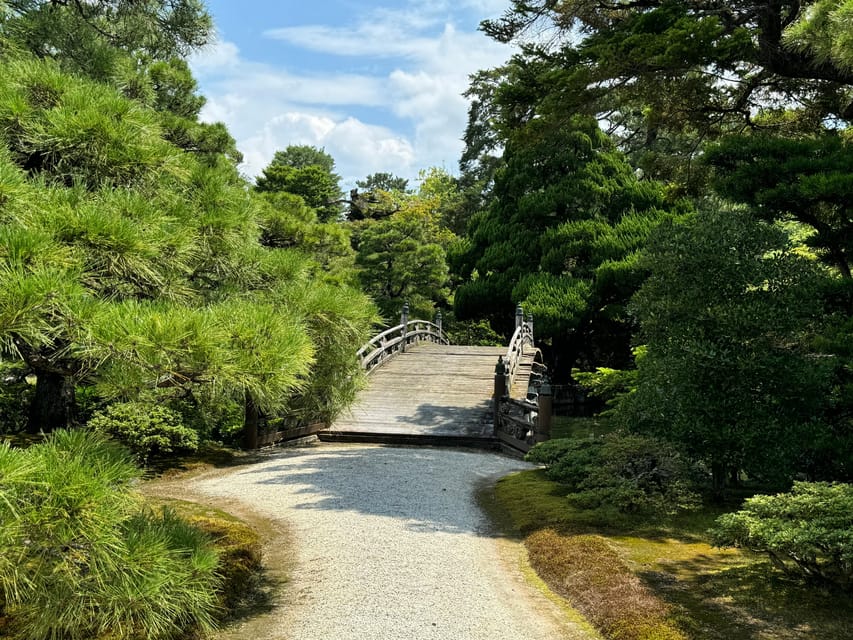
The palace gardens provide a welcome change from the formal halls. Their design is serene and carefully arranged, with views that soften the strict lines of the ceremonial buildings.
One particularly strong response singled out the interior garden as jaw-droppingly beautiful. You should not treat the gardens as a filler between buildings. They are part of the palace experience, showing how nature was arranged within an imperial setting.
I like the way the gardens balance the visit. The halls carry political and ceremonial meaning, while the garden spaces give you time to look, pause, and absorb the setting. If you enjoy traditional Japanese design, this may be one of the most satisfying parts of the hour or so on site.
The guide may also help you notice details that are easy to miss when walking alone. The supplied information does not specify the exact plants, ponds, paths, or seasonal views, so I would avoid arriving with a fixed picture of what every garden feature will look like. The appeal is in the calm setting and its connection to the palace buildings.
What the Guiding Adds
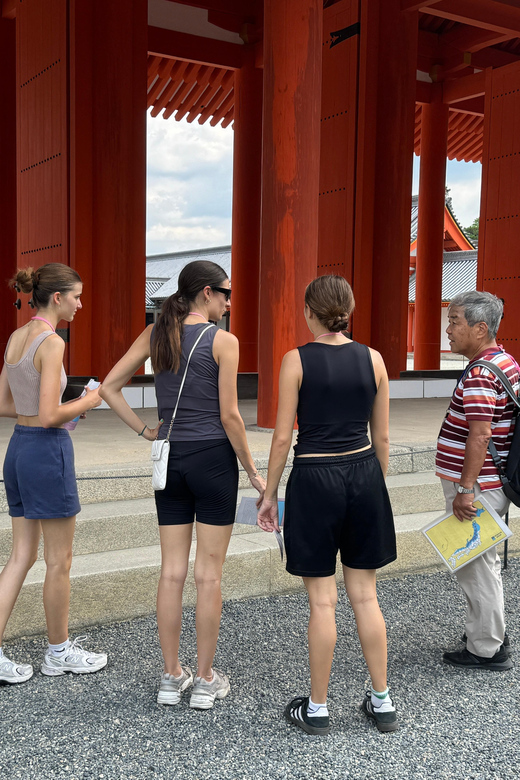
At $38 per person, the price is not for transportation or an elaborate meal. It pays for an English-speaking guide and a structured visit to a major historic site whose entry itself is free.
That makes the value depend on what you want from the palace. If you only need to walk around and see the buildings, you may feel that the price is unnecessary. One person specifically felt the palace could be seen without a guide and did not recommend paying for the booking.
I understand that view. Kyoto has many places where a free visit can work well if you enjoy reading signs and taking your time. The palace buildings are visually impressive, and you can appreciate their traditional design without a long explanation.
But I see a stronger case for the tour if you want context. The imperial family’s traditions, the purpose of Shishinden, the difference between official and residential spaces, and the details of court life are not always obvious from the architecture alone. A good guide turns separate buildings into one coherent story.
The mixed experience makes your choice of group size important. A private or small-group booking gives you a better chance to ask questions and makes it easier to notice whether the guide is explaining the site well. The experience has received a 4.4 rating from 21 bookings, which suggests that many people found value in it, but it also confirms that the experience is not uniformly strong.
Guide Quality Is the Main Variable
The most highly praised part of the experience is the guiding. Yoshi received especially warm recognition for his understanding of Japanese history and for showing interesting details within the palace grounds.
Another booking described a dynamic, well-read guide who answered many questions in a pleasant and considerate way. That tells you what the best version of this tour can offer: not a rushed walk, but an exchange where you can ask about the palace and get useful answers.
There is also a serious warning. One person reported that the guide provided little information about the palace or its history and mainly walked beside the group while taking photos. That is not a minor flaw, since explanation is the main reason to pay for a guided visit.
I would book this experience for its subject and its format, but I would keep expectations realistic about guide consistency. If your guide is engaging, the palace becomes far more meaningful. If not, you may feel you paid for company at a site you could have seen independently.
If you are able to request or confirm a particular guide, Yoshi’s name is worth asking about because his guiding received the clearest praise. The available details do not promise that he leads every departure, so treat that as a question to ask rather than a guarantee.
Timing, Pace, and the One-Hour Question
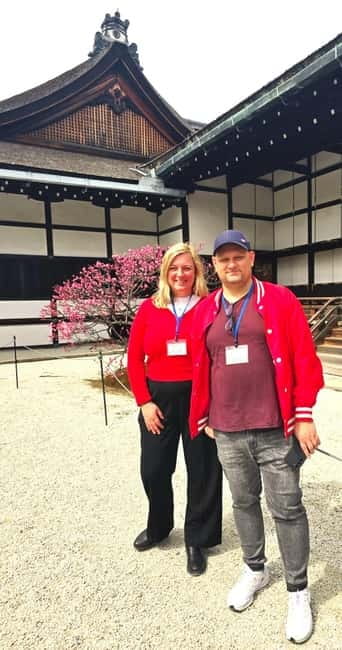
The activity is presented as lasting one hour, while the palace visit is also described as taking 1.5 hours. That difference is worth checking before you book, especially if you are connecting this visit with a meal, train, or another timed attraction.
Either way, this is a short experience rather than a full-day palace study. You will see the major parts of the route, hear explanations, and return to Hamaguri Gate. The compact format suits a Kyoto schedule filled with temples, gardens, and neighborhoods.
I like a shorter palace visit because the subject can feel formal and information-heavy. An hour or so gives you a focused introduction without taking over your day. On the other hand, you may want more time if you enjoy photography, gardens, or detailed questions.
The route is guided, so the pace may be more set than on an independent walk. A private group should give you more control than a larger group, but the supplied details do not promise a custom route or extra time at specific buildings.
Who Should Book This Experience
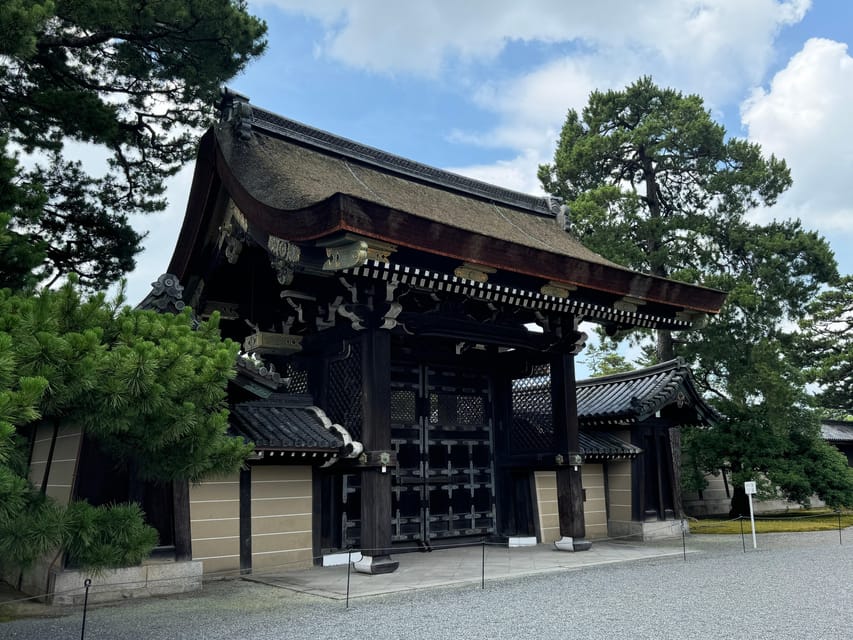
I would recommend this tour to you if you want the imperial palace explained in plain English rather than simply viewed. It suits first-time visitors to Kyoto who want historical context but do not want to spend half a day on a specialist tour.
It also fits travelers who enjoy architecture, Japanese court traditions, and formal gardens. The mix of ceremony, residence, and garden spaces gives the visit more variety than a single hall would provide.
Families and mixed-interest groups may also find the guide useful. A clear explanation can help younger visitors understand why the palace matters, while the gardens provide visual interest for anyone less drawn to political history.
I would be more cautious if you are happy exploring alone or if your main goal is unrestricted photography. The $38 charge may not feel worthwhile if you do not plan to ask questions or listen closely to the explanations.
Practical Details Before You Go
The meeting point is in front of Hamaguri Gate of Kyoto Imperial Palace. Look for the yellow DeepExperience sign, and allow enough time to find the gate.
The guide speaks English. Private and small-group options are available, which can make a real difference at a site where questions and explanations are central to the value.
Entry to Kyoto Imperial Palace is included and listed as free, while the booking price covers the guided service. You can reserve now and pay later, and cancellation is free up to 24 hours before the activity for a full refund.
The experience is offered in Honshu, Japan, at Kyoto Imperial Palace in Kyoto Gyoen National Garden. The guide brings you back to Hamaguri Gate at the end.
Should You Book Kyoto Imperial Palace?
Book it if you want the palace’s ceremonies, residences, and gardens explained by an English-speaking guide. The strongest version of the experience gives you useful historical context, highlights details you might miss, and helps you understand why Shishinden and the other halls mattered.
Skip it if you prefer independent sightseeing and are mainly interested in seeing the grounds. The entry is free, and one poor guiding experience could make the $38 feel hard to justify.
My practical advice is to choose a private or small group if available, confirm whether the visit lasts one hour or 1.5 hours, and ask whether Yoshi is guiding your departure. With those points clarified, this is a sensible, focused way to meet Kyoto’s imperial past without giving up most of your day.
FAQ
Where does the Kyoto Imperial Palace tour begin?
The tour begins in front of the Hamaguri Gate, also called Hamagurigomon, of Kyoto Imperial Palace.
How will I identify the guide?
The guide will be waiting with a yellow sign marked DeepExperience.
What language is the tour conducted in?
The live tour guide speaks English.
How long does the experience last?
The activity is listed as one hour, while the palace visit is also described as lasting 1.5 hours. Check the available start time and duration when booking.
What does the tour include?
The tour includes a guide and entry to Kyoto Imperial Palace. Palace entry is listed as free.
Can I book a private tour?
Yes. Private or small-group options are available.
What will I see at Kyoto Imperial Palace?
You will visit traditional palace buildings, including Shishinden, halls used for imperial ceremonies, the Emperor’s personal residence, official structures, and landscaped gardens.
What is the price?
The price is $38 per person.
Can I cancel the booking?
Yes. You can cancel up to 24 hours in advance for a full refund. You can also reserve now and pay later.
Just added around Kyoto
- Sekka Cotton Furoshiki Class★ 5.0 · 19 reviews
- Kyoto Sword Experience – includes Museum Ticket/Ninja Experience★ 4.5 · 149 reviews
- Scenic Green Tea Fields of Hidden Kyoto & Local Tea Exp (Private)★ 5.0 · 32 reviews
- Secret Eastern Kyoto Biking Adventure★ 5.0 · 44 reviews
- Private Sake Tasting in Central Kyoto with Sake Sommelier★ 5.0 · 32 reviews
- Samurai School in Kyoto: Samurai for a Day★ 5.0 · 202 reviews
- Samurai Performance and Casual Experience: Kyoto Ticket★ 4.5 · 115 reviews
- SHIRAKAWA Japanese Culture Experiences with private English staff★ 5.0 · 16 reviews
Historical Tours, compared.
Imperial Palace and Shogun Historical Walking Tour
Our verdict →
World Heritage Kyoto & Nara Uji Authentic Matcha Experience
Our verdict →
Kyoto Gion: 2-Hour Geisha Culture & History Walking Tour
Our verdict →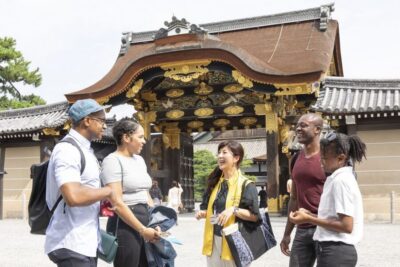

Hiroshima Historical Walking Tour – Why A-Bomb was Dropped
Our verdict →
Yanaka Walking Tour: Historic and Traditional District of Tokyo
Our verdict →
Shinjuku Historical Walking Tour & Secret Backstreets
Our verdict →
Mt. Fuji Heritage Tour: Traditional Villages, Lakes & Shrine
Our verdict →Browse the lists this tour appears in