
Reviewed · FOOD TOURS
Kyoto: Nishiki Market Food Tour
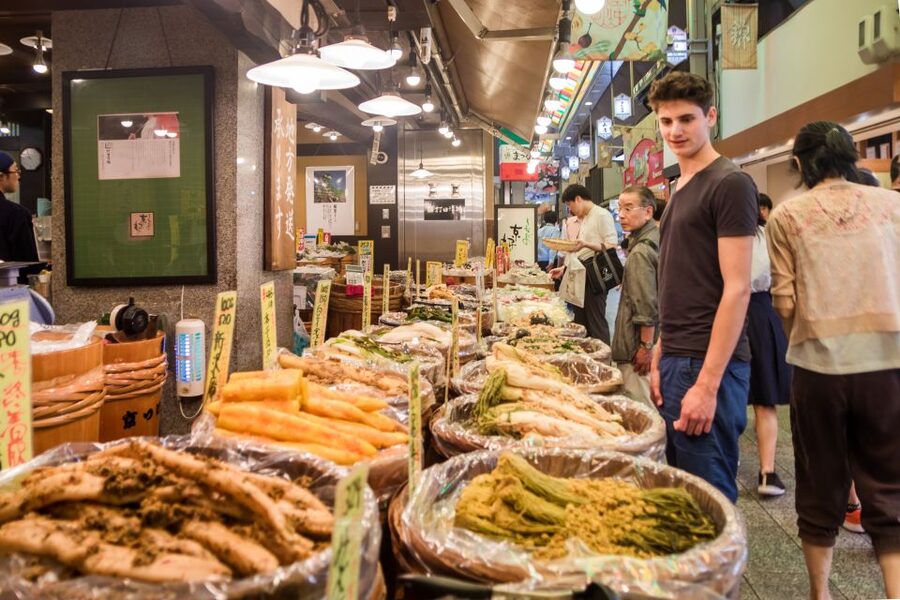
Nishiki Market is best understood one bite at a time. This three-hour walk takes you through Kyoto’s Kitchen, stopping at about 10 family-owned vendors for seafood, snacks, pickles, sweets, tea, and seasonal foods. You get context that is easy to miss when you simply wander under the covered arcade.
I like the small group of up to eight, which makes it easier to ask questions and keep the pace comfortable. I also like that lunch, tastings, and Japanese tea are included, so the $173 price covers more than a guide and a stroll. The catch is simple: this is not a cheap grazing trip, and you still need to pay for extra food, drinks, transport, and gratuity.
This tour turns Nishiki Market from a corridor of tempting stalls into a lesson in Kyoto food culture. You taste what is on offer, learn how the seasons shape Japanese cooking, and meet the people behind the counter. Guides who have led this experience include Raquel, Sanae, Sae, Marie, Ida, Kohei, and Rosalia Yoshiko.
Key points at a glance
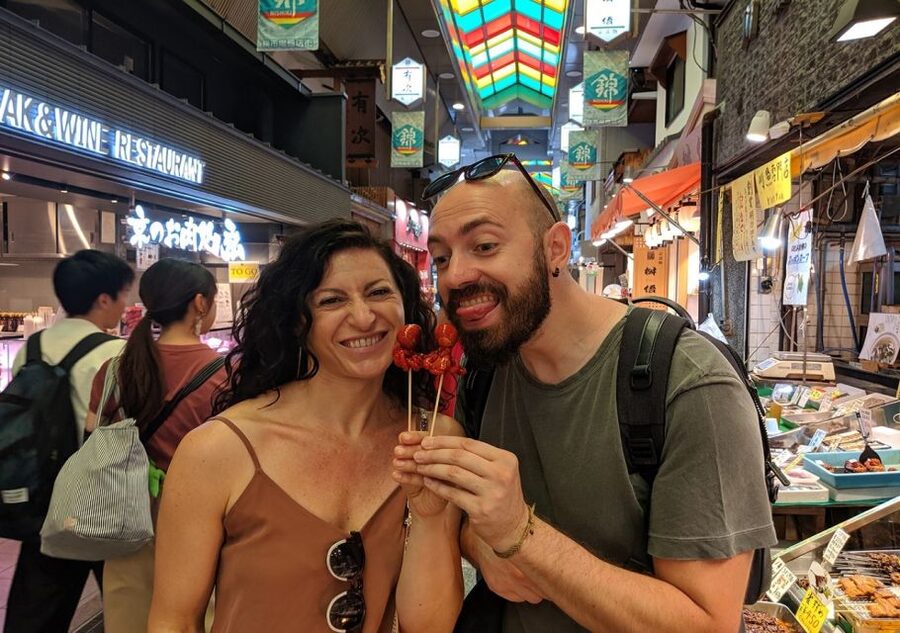
- About 10 market stops: Visit family-owned shops and stalls rather than relying on one restaurant.
- Seasonal Kyoto food: Expect fresh seafood, local snacks, pickled vegetables, sweets, tea, and regional specialties.
- Lunch is included: The tour provides a seasonal and regional meal as part of the three-hour experience.
- A compact walking group: With no more than eight participants, questions and conversation are easier.
- Useful cultural background: Your English-speaking guide explains Japanese food customs, ingredients, and the link between cuisine and the seasons.
- Built-in shopping time: You can return to foods that caught your eye, though extra purchases are your responsibility.
Why Nishiki Market works best with a guide
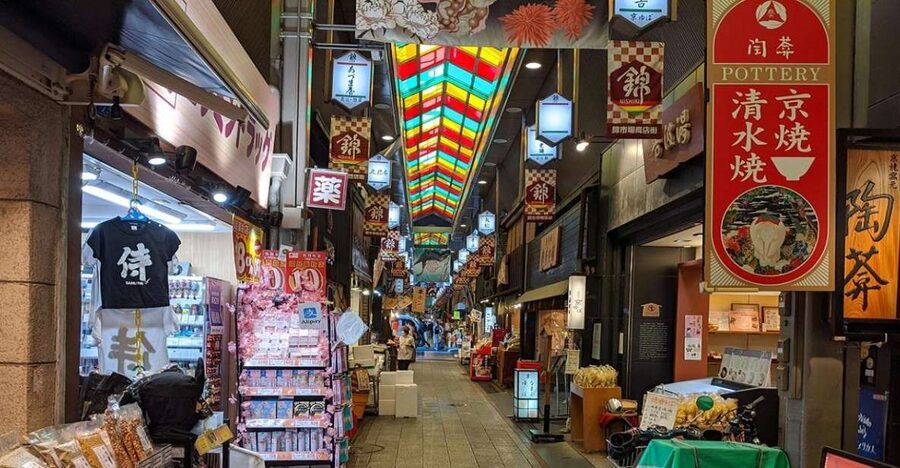
Nishiki Market can look simple at first: a long covered passage lined with food stalls and small shops. In practice, it can be hard to know what is ready to eat, what is meant for home cooking, what is seasonal, and what is merely a pretty display.
That is where this experience earns its keep. Your guide helps you read the market rather than simply pass through it. A tray of seafood, a jar of pickles, or a row of sweets becomes part of a larger explanation about Kyoto’s food habits.
I especially like the focus on family-run vendors. You are not just being marched from one famous item to the next. The experience is built around small shops and stalls, where products reflect local habits and the changing calendar.
Nishiki’s nickname, Kyoto’s Kitchen, makes sense here. The market presents ingredients used in ordinary Japanese cooking alongside prepared snacks made for immediate eating. That mix gives you a better sense of the city’s food culture than a single formal meal can provide.
More Food Tours in Kyoto
- Kyoto Night Foodie Tour in Gion (9+ dishes + 6 Sake tastings)
★ 5.0 · 1,762 reviews - Kyoto Nishiki Market Food and Culture Walking Tour
★ 5.0 · 412 reviews - Kyoto: Gion Food Tour 13 Dishes at 4 Eateries
★ 5.0 · 408 reviews
The first tastes: seafood, snacks, and market specialties
The tasting route includes fresh seafood and local snacks, but the exact selection can change with the season and the day’s market offerings. That is a strength, not a flaw, if you prefer food that reflects the time of year instead of a fixed menu.
You might encounter grilled items, small prepared bites, pickled vegetables, or specialty products that are unfamiliar outside Japan. The point is not to fill up on one large dish. It is to sample several flavors and notice how ingredients are treated.
Seafood receives particular attention in the experience. One past participant became a fan of dried bonito, a useful reminder that some of the most important Japanese ingredients are not flashy. Dried bonito contributes a savory base to many dishes, and learning about it can change the way you taste soup and sauces later in your trip.
Your guide can also explain how foods are displayed and sold. That matters because Nishiki is not only a place to eat. It is also a shopping market, and some items are better understood as ingredients for a Japanese kitchen than as snacks for passing visitors.
The pace should suit people who like to pause. Three hours sounds generous, but ten or so vendors, explanations, tastings, lunch, tea, and shopping time add up quickly. Wear comfortable shoes, and avoid arriving with a heavy meal already in you.
Seasonal eating gives the tour its character
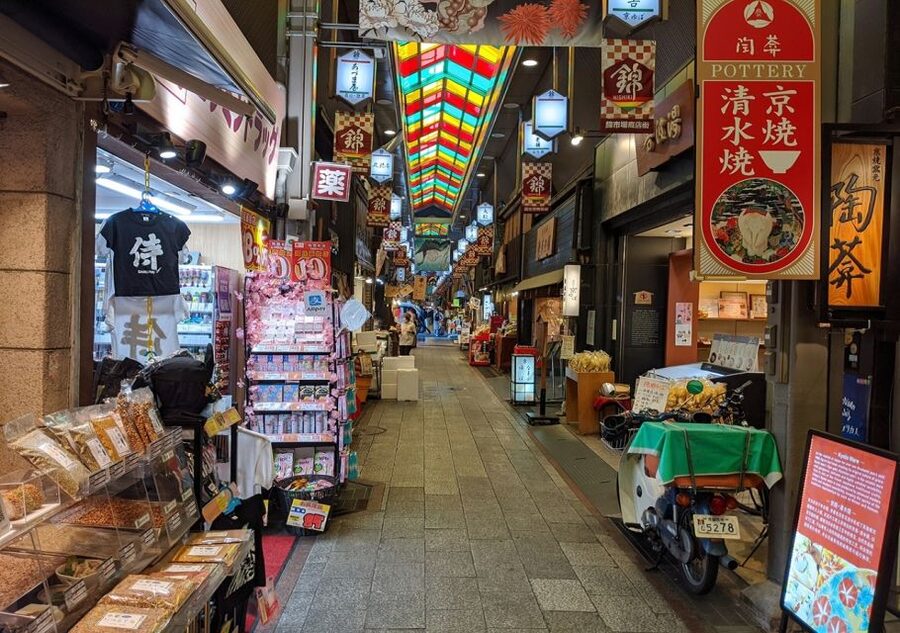
Japanese food is closely tied to the seasons, and this tour makes that idea practical. You are not just told that seasonality matters. You see it in the produce, seafood, sweets, and prepared foods offered at the stalls.
The market’s displays change with what is available. That means a visit in one month may not taste like a visit in another. It also means the experience is not fully predictable, so you should book it for the chance to learn and sample rather than for a precise list of dishes.
I find that approach more honest than promising the same foods every time. A market should respond to the day. Your guide can point out why a particular ingredient matters at that moment and how it fits into Kyoto cooking.
The sensory side is part of the fun. You will notice the smell of grilled food, roasted tea, and pickles before you know what each stall sells. Displays of produce and sweets add another layer, while the sounds of vendors and shoppers keep the walk lively.
This is also where the tour connects food to Japanese culture. The guide explains how ingredients, preparation, and presentation relate to custom and place. The discussion of Japanese cuisine’s UNESCO World Heritage status gives you a wider frame for what you are tasting, though the real value comes from seeing those ideas in everyday market food.
Lunch and tea make the $173 price easier to judge
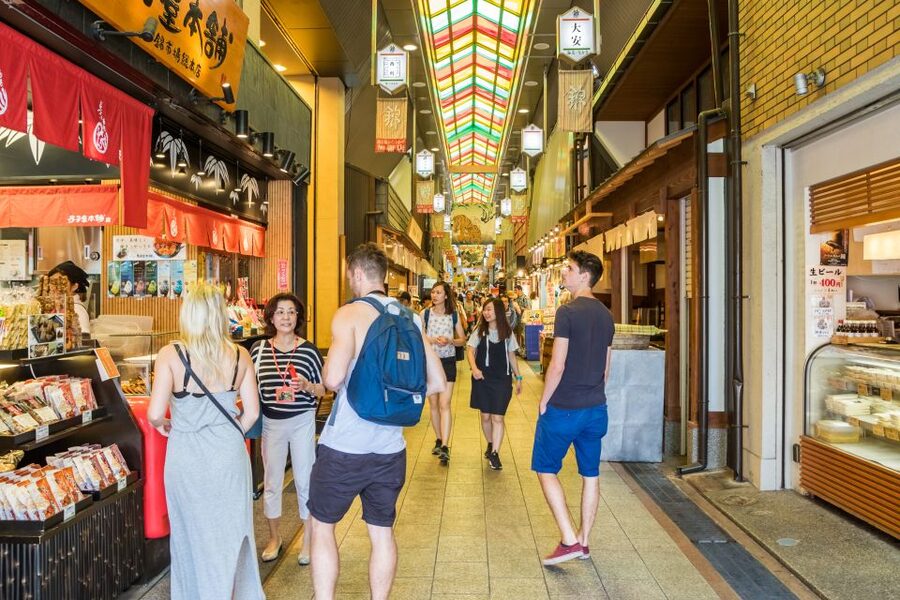
At $173 per person, this is a premium food walk. You are paying much more than the cost of buying a few snacks at Nishiki Market. The included lunch, tastings, guide, tea, and small-group format are what determine if the price feels fair.
I would judge the value based on how much help you want. If you are comfortable pointing at unfamiliar foods, using translation tools, and making your own choices, a self-guided visit costs far less. If you want explanations, a planned tasting route, and a meal without guessing what to order, the price makes more sense.
Lunch is described as seasonal and regional, and the experience has also included a traditional restaurant meal. That gives the tasting walk a proper meal at its center rather than leaving you with only a collection of tiny samples.
Japanese tea is included as well. Tea may seem like a small detail, but it helps round out the market visit and adds another window into local food habits. Extra food and drinks are not covered, so keep some spending money available if you find something you want to buy.
Gratuity is not included. Transportation is also separate, and hotel pickup is not part of the standard arrangement. You can ask about arranging pickup for an additional charge, but the normal plan begins at the meeting point.
More Market Tours in Kyoto
- Nishiki Market Brunch Walking Tour (7 Tastings + Brunch)
★ 5.0 · 1,355 reviews - Kyoto: Nishiki Market Tea Ceremony with Koto Performance
★ 4.8 · 294 reviews - Kyoto: Nishiki Market Brunch Walking Tour-7 Tastings+Brunch
★ 4.8 · 197 reviews - Kyoto: Local Food Tasting Tour at the Nishiki Market
★ 4.7 · 135 reviews
What the guides add to the experience
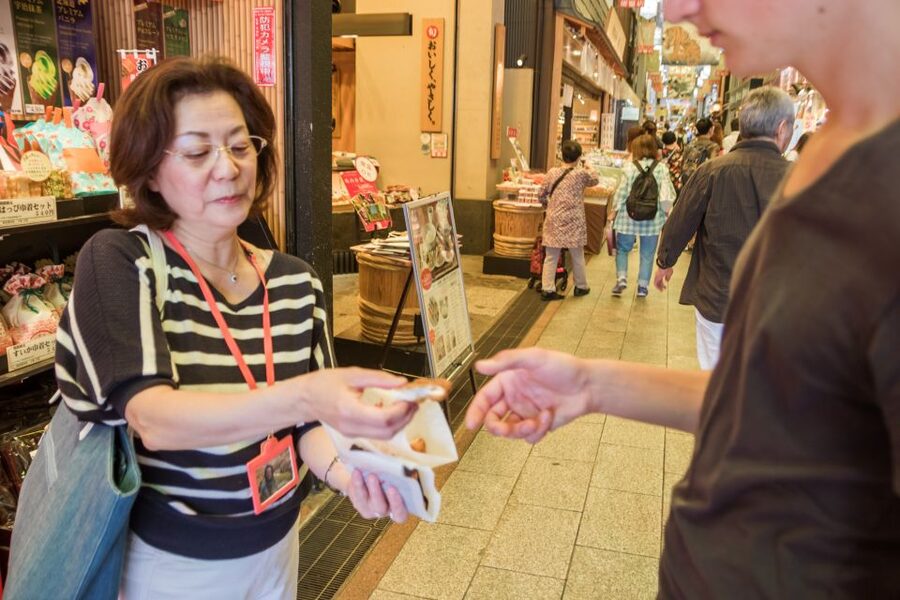
The strongest feature of this tour is the human side. Several guides have received warm praise for being friendly, prepared, and clear in their explanations. Raquel was noted for her professionalism and care, while Sanae was appreciated for bringing historical detail to the walk.
Sae has led guests through many tastings while explaining the food along the way. Marie has also offered suggestions for other places to eat and visit in Kyoto, which can be useful if this tour happens early in your stay.
Other named guides include Ida, Kohei, and Rosalia Yoshiko. Kohei was described as gracious and well prepared, while Rosalia Yoshiko helped connect the food to local stories and traditions.
Guide quality can vary from person to person, and no tour can guarantee a particular guide unless the operator confirms it. The important point is that this format depends heavily on the guide’s ability to explain what you are eating. Past feedback suggests the experience has been strongest when the guide combines food knowledge with personal warmth.
One useful caution comes from a past observation that the guide could have offered more practical insight into how a local shopper uses Nishiki Market day to day. If you want a very detailed lesson in household shopping and cooking, say so early and ask direct questions. That can steer the conversation beyond simple tasting notes.
Shopping time is useful, but set your own budget
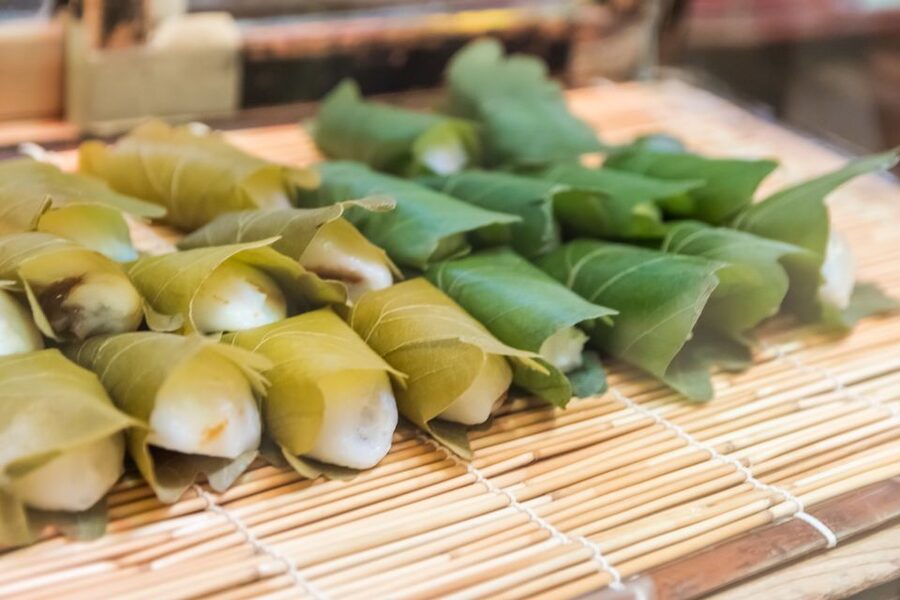
The tour includes time to shop, which is one of its better practical features. You can mark foods that you want to revisit after the group has moved on, and your guide may help explain what makes a product worth buying.
This matters because Nishiki offers many tempting purchases. Some foods are easy to carry, while others may be intended for immediate eating or home preparation. The tour helps you make a more informed choice, but it does not turn shopping into a free extra. Anything beyond the included tastings and lunch comes out of your pocket.
I would use the tasting portion to build a short shopping list. If a pickle, tea, dried ingredient, sweet, or seasoning catches your attention, ask how it is normally used and how long it keeps. The supplied information does not promise shipping, luggage advice, or help with customs, so keep your purchases sensible.
Shopping time also makes this experience more useful for people who want to take a piece of Kyoto’s food culture home. You are not limited to photographing stalls and moving on.
Meeting point and the three-hour format
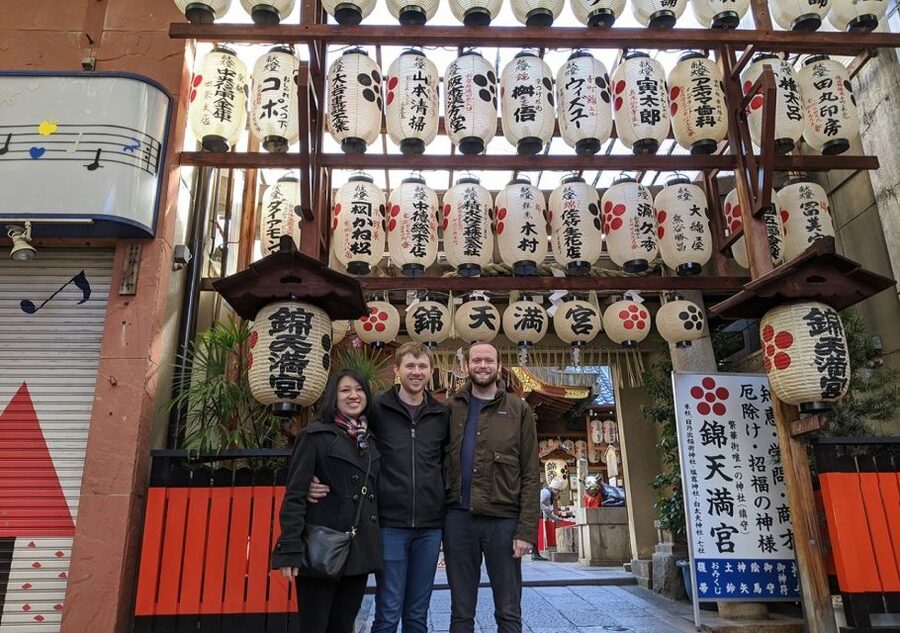
The meeting point is in front of Lacoste at Naramonochi 375 on Shijo-dori, in Kyoto’s Shimogyo Ward. From the Hankyu Line, get off at Kawaramachi Station and use Exit 9.
Allow enough time to find the exact storefront and arrive ready to walk. Hotel pickup is not included, and the tour does not cover transportation costs. That makes the central meeting point convenient for some visitors but less so if you are staying far from Kawaramachi.
Three hours is a useful length. It is long enough to sample several vendors and sit down for lunch, but short enough to fit into a busy Kyoto day. You could schedule it near the start of your visit, when the guide’s food suggestions may help with later meals.
You should wear comfortable shoes. Nishiki is a walking market, and the experience includes repeated stops rather than one seated meal from start to finish.
The group is limited to eight participants, with at least two people required for a booking. That small size should make it easier to hear the guide and move through the market, though the market itself may still feel crowded at popular times.
Who should book this Nishiki Market food tour
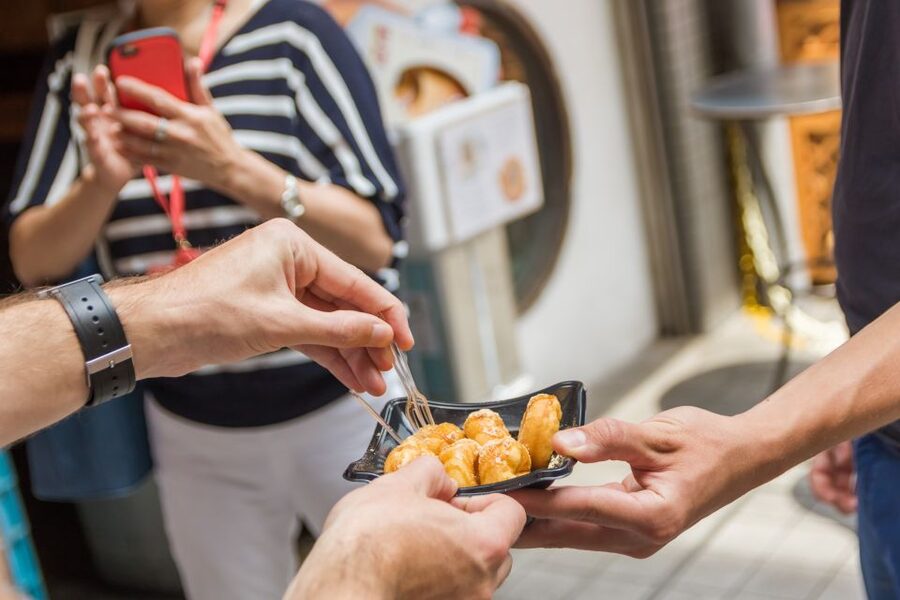
I would recommend it most strongly to first-time visitors who want an introduction to Kyoto food without having to decode every stall alone. It also suits curious eaters who like small portions, local products, and explanations about ingredients.
Families and mixed-age groups may appreciate the format, provided everyone is comfortable walking and tasting unfamiliar foods. Couples and solo visitors should note the minimum booking requirement of two people.
The tour is also a good fit if you care about culture as much as eating. The food is the hook, but the guide’s explanations about Japanese customs, seasonal cooking, and Kyoto’s culinary identity are the lasting part.
You should think twice if you want a bargain meal, a fixed menu, or a long sit-down lunch. The price is high, the exact foods can change, and extra purchases cost more. People with allergies or dietary requirements should provide that information before booking, since the tasting route may include many different ingredients.
All participants aged 10 and over must provide a copy of passport information. That is an easy requirement to overlook, so have it ready before the activity date.
Should you book the Nishiki Market Food Tour?
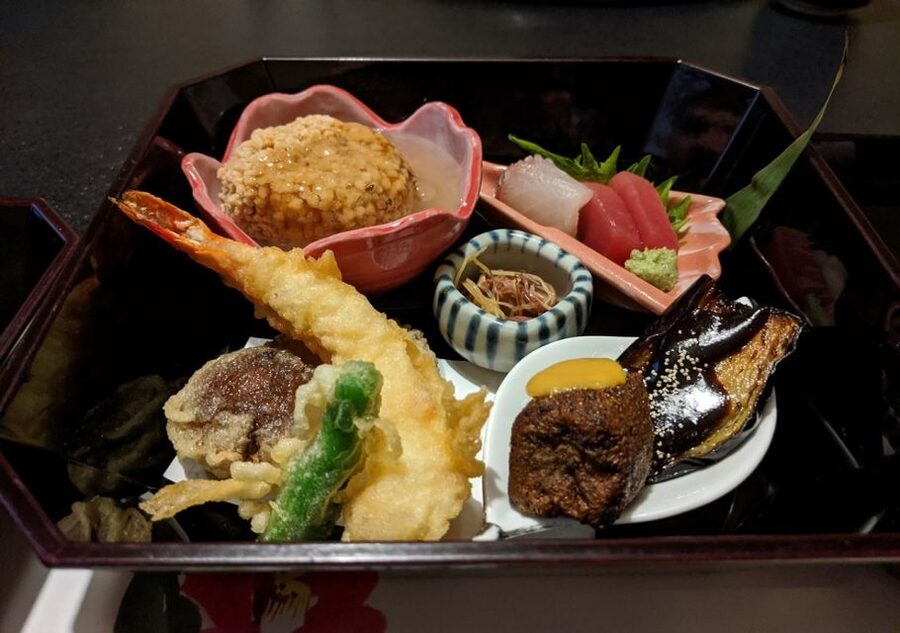
Book it if you want guided access to about 10 market vendors, a seasonal lunch, tea, and a small group that allows real questions. The best part is not simply eating at Nishiki. It is learning how to look at the market and understand what you are tasting.
Skip it if you are happy to explore independently or if $173 feels too steep for a three-hour food outing. You can visit Nishiki Market without a guide, but you will need to choose the stalls, interpret the products, and organize your own meal.
For many visitors, this works best early in a Kyoto stay. The advice from guides such as Raquel, Sanae, Sae, or Marie may shape where you eat afterward. Bring comfortable shoes, an open appetite, and a little extra money for something you will almost certainly want to buy.
FAQ
How long is the Nishiki Market food tour?
The tour lasts three hours.
Where does the tour meet?
The meeting point is in front of Lacoste at Naramonochi 375, Shijo-dori, in Kyoto’s Shimogyo Ward.
How do I reach the meeting point by train?
From the Hankyu Line, get off at Kawaramachi Station and take Exit 9.
What language is the tour conducted in?
The live tour guide speaks English.
How many people are in the group?
The group is limited to eight participants.
Is lunch included?
Yes. A seasonal and regional lunch is included along with the market tastings.
Is Japanese tea included?
Yes. Japanese tea is included.
Are extra drinks and food included?
No. Additional food and drinks can be purchased at your own expense.
Is hotel pickup included?
No. Hotel pickup is not included, though it may be arranged for an additional charge.
Do I need to provide passport information?
Yes. A copy of passport information is required for every participant aged 10 and over.
Are food allergies and dietary requirements accommodated?
You must inform the operator about food allergies or dietary requirements.
Can I cancel for a full refund?
Yes. You can cancel up to 24 hours in advance for a full refund.
Is there a minimum number of participants?
Yes. A minimum of two people per booking is required.
More Food & Drink in Kyoto
- 3-Hour Kyoto Insider Sake Brewery Tour with Tastings & Pairings
★ 5.0 · 917 reviews - Arashiyama Bamboo, Temple, Monkeys, or Secret Sake Brewery
★ 4.8 · 886 reviews - Kyoto: Insider Sake Brewery Tour with Sake and Food Pairing
★ 5.0 · 704 reviews - Kyoto Sake Brewery & Tasting Walking Tour
★ 5.0 · 623 reviews
Just added around Kyoto
- Sekka Cotton Furoshiki Class★ 5.0 · 19 reviews
- Secret Eastern Kyoto Biking Adventure★ 5.0 · 44 reviews
- Kyoto Sword Experience – includes Museum Ticket/Ninja Experience★ 4.5 · 149 reviews
- Scenic Green Tea Fields of Hidden Kyoto & Local Tea Exp (Private)★ 5.0 · 32 reviews
- Private Sake Tasting in Central Kyoto with Sake Sommelier★ 5.0 · 32 reviews
- Samurai School in Kyoto: Samurai for a Day★ 5.0 · 202 reviews
- SHIRAKAWA Japanese Culture Experiences with private English staff★ 5.0 · 16 reviews
- A Privately Guided Photoshoot in Beautiful Kyoto by a Pro★ 5.0 · 18 reviews
Food Tours, compared.
Shinjuku Food Tour (13 Dishes at 4 Local Eateries)
Our verdict →
Kyoto Night Foodie Tour in Gion (9+ dishes + 6 Sake tastings)
Our verdict →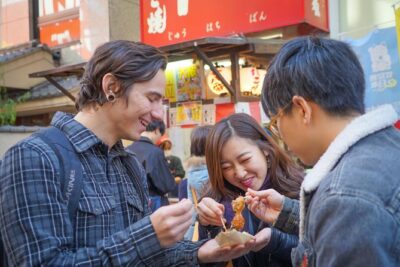
Osaka Local Foodie Walking Tour in Dotonbori and Shinsekai
Our verdict →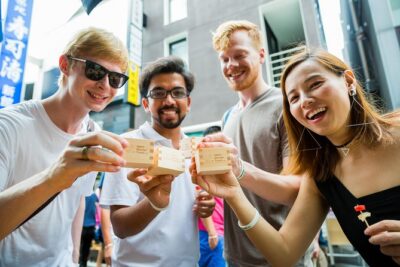
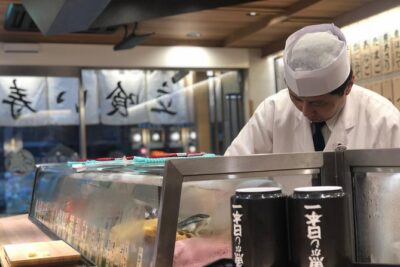
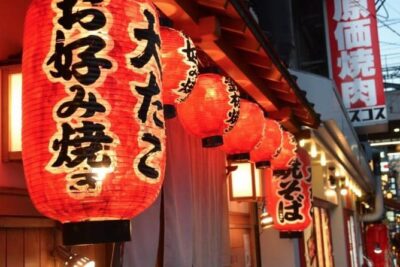
Food Tour in Ueno with 10+ Tastings of Japanese Classics
Our verdict →
Browse the lists this tour appears in