
Reviewed · TRADITIONAL CRAFTS
Kintsugi Experience with Arita Ware in Tokyo (English Guide)
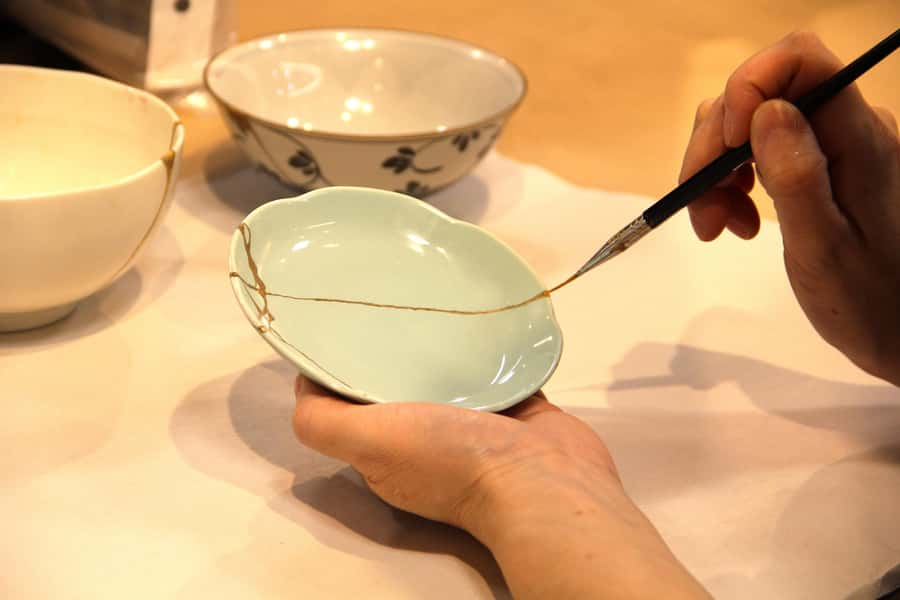
Kintsugi turns a broken plate into a one-of-a-kind keepsake, using visible repair lines as part of the design rather than hiding the damage. I like that you work with Arita ware, Japan’s first porcelain, and that the class takes place inside Nihonbashi Mutoh, a lacquerware shop operating since 1923. I also like the small-group limit of 10 and the clear English guidance.
The main thing to consider is the narrow choice of objects. The supplied plate is included, but you may wish there were more shapes to choose from. The finished piece must dry indoors for about a week and can be used only as decoration, not for food or drink.
Key points to know before booking
- Work with 400-year-old Arita ware: The porcelain used in the workshop comes from one of Japan’s best-known pottery traditions.
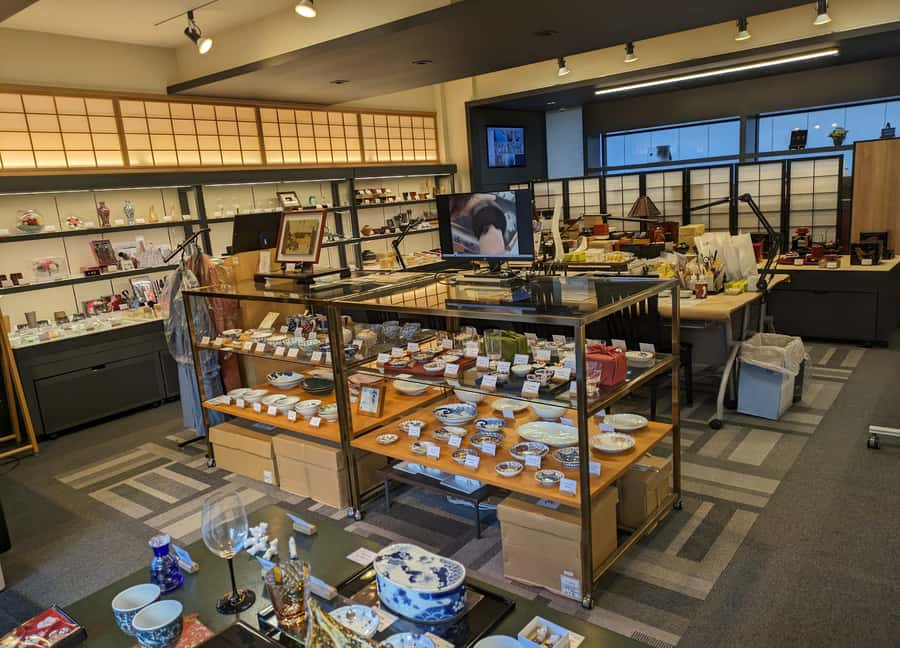
- Meet at a 1923 Nihonbashi shop: Nihonbashi Mutoh is a working dealer of lacquerware and glassware, not a purpose-built tourist studio.
- Take home one repaired piece: A plate is included, and you may bring your own ceramic or porcelain item if it meets the size and damage limits.
- Use the English-speaking instructor well: Instructions are given in Japanese first and then translated into English, so listen closely and ask questions as you work.
- Plan around the 90-minute format: The session is long enough for one object, but not for a leisurely multi-piece project.
- Expect a shared workshop: The class may run alongside regular customers, with a maximum of 10 participants.
Why kintsugi makes a memorable Tokyo souvenir
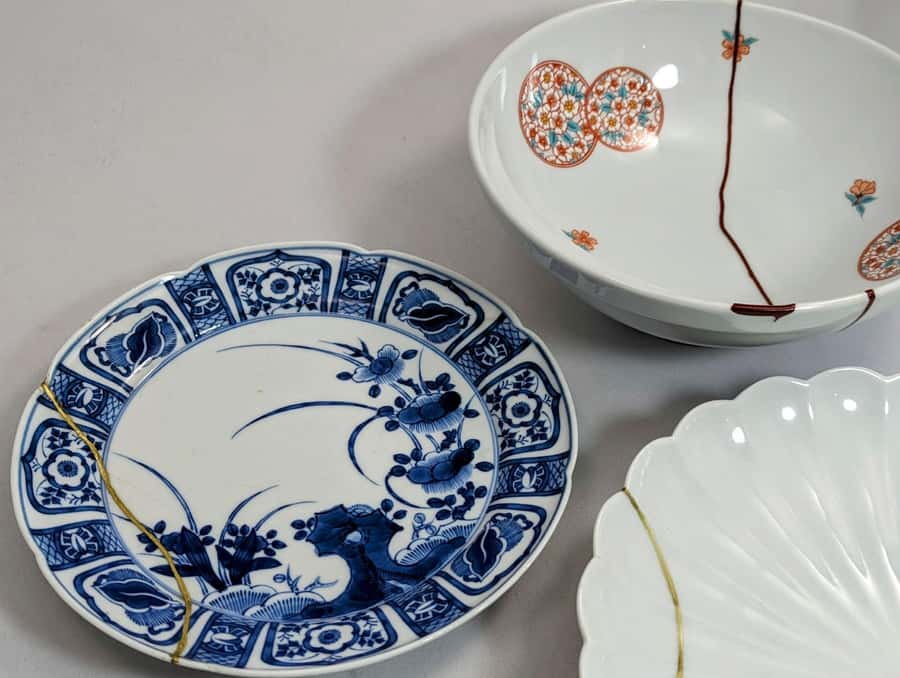
Kintsugi is the Japanese craft of repairing broken pottery with gold. Instead of pretending the break never happened, the repair becomes part of the object’s appearance and story. The practice is linked with wabi-sabi, an outlook that accepts change, wear, and imperfection.
That idea gives this activity more weight than a standard craft class. You are not simply painting a souvenir or assembling a ready-made ornament. You are working with a damaged object and giving it another life. The final piece will not look factory-perfect, and that is exactly the point.
I especially like this as a Tokyo activity for people who want something quieter than a large sightseeing stop. The workshop offers a focused hour and a half with your hands occupied and your attention on one object. It is a good change of pace after crowded shopping streets and busy train stations.
The experience is also accessible to different skill levels. You do not need to arrive as an artist. The instructor provides the materials and guides you through the work, while the compact format keeps the project manageable.
More Craft Workshops in Tokyo
- Tokyo Sumo Experience: Chanko & Mochi with a Former Pro
★ 4.8 · 567 reviews - Kintsugi Experience: Art of Golden Joinery in Tokyo
★ 5.0 · 467 reviews - Tokyo Chopstick Making Workshop with Artisan
★ 5.0 · 466 reviews
Inside Nihonbashi Mutoh, a century-old craft shop
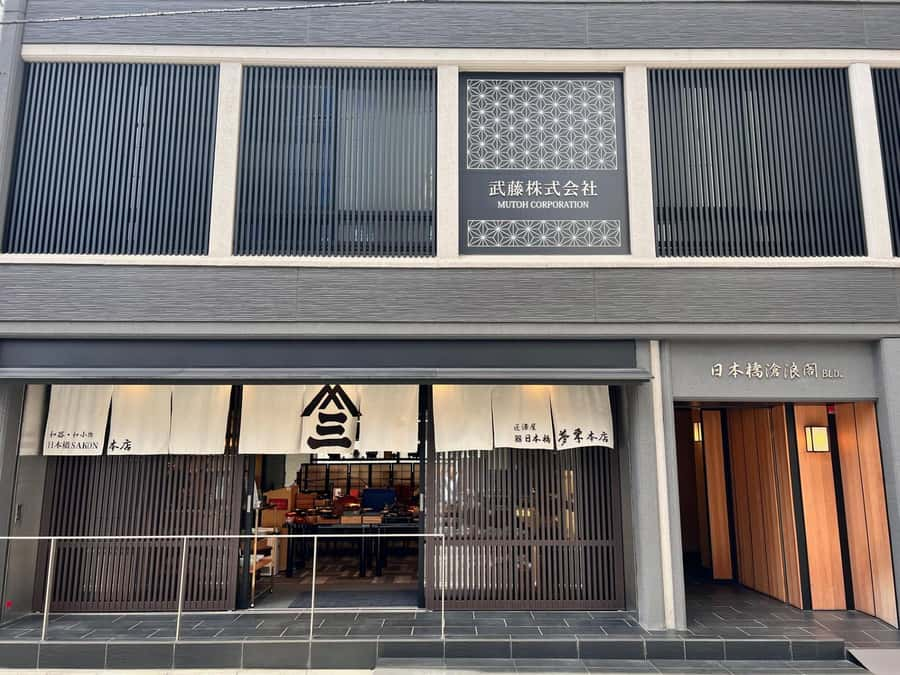
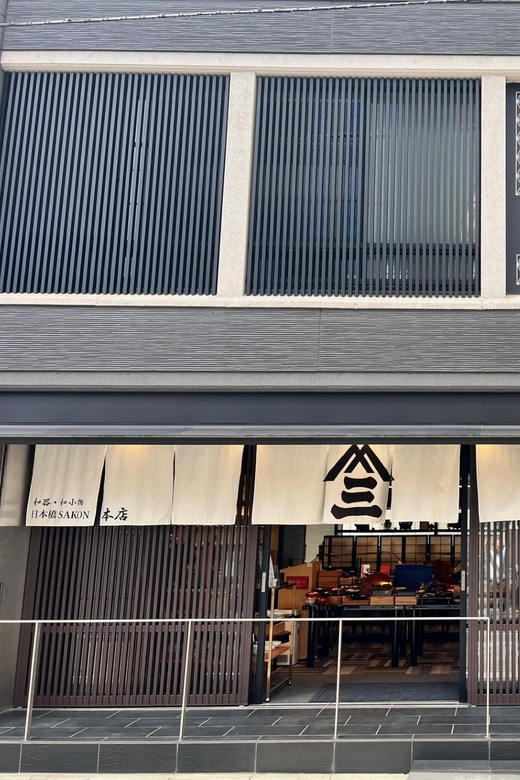
The meeting point is Nihonbashi Mutoh Main Store at 1-8-3 Honcho, Nihonbashi, Chuo City, Tokyo. The shop was established in 1923 and deals in high-quality lacquerware and glassware. You will be surrounded by traditional craft objects rather than sitting in a generic classroom.
That setting matters. Before you begin, you are already in a place connected to Japanese household arts. The lacquerware and porcelain on display give you a better sense of how much care goes into objects that might otherwise seem ordinary.
The shop also gives the experience a practical connection to the craft trade. You are learning kintsugi in a store that handles beautiful finished pieces, not just in a room arranged for a single workshop. This may mean the atmosphere feels more like a working business than a private class. The session can take place alongside regular customers, so do not expect a completely closed-off room.
That shared setting is a small compromise, but it can also make the activity feel more genuine. You are seeing a real shop at work while learning a traditional repair method.
The 90-minute schedule and what it means
You can choose one of three starting times:
- 10:30 to 12:00
- 13:30 to 15:00
- 15:30 to 17:00
The class lasts 90 minutes. That is enough time to complete one object, but the schedule does not leave much room for wandering off, arriving late, or attempting several repairs.
Instructions are given in Japanese first, followed by English translation. The English-speaking instructor is there to explain the process and help you work through the project. If you need clarification, ask early rather than waiting until the class is nearly over.
I would arrive with time to spare. If you are late, the workshop still finishes at the original time, so you will lose part of the instruction. Since the class is hands-on, missing the opening explanation can make the rest of the session harder to follow.
The timing works well for a half-day plan in Nihonbashi. A morning class leaves the afternoon open, while the later sessions fit around other Tokyo sightseeing. Food and drinks are not included, so plan a meal separately.
Choosing the Arita plate or bringing your own item
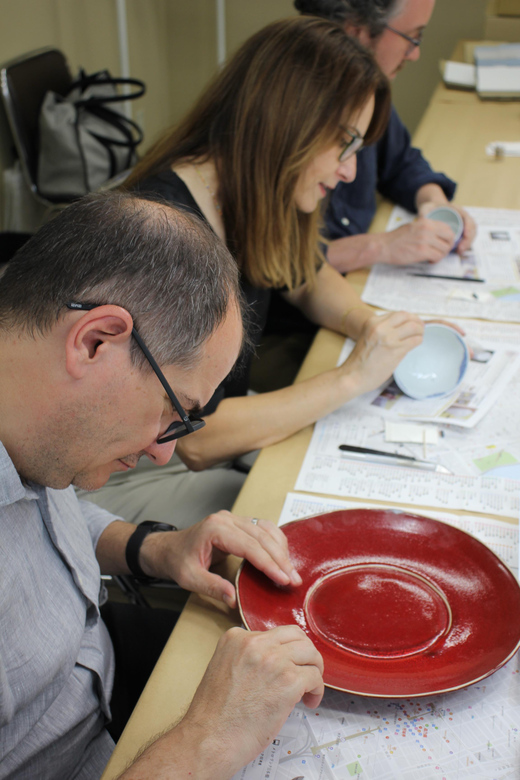
The included plate is the simplest choice. It gives you a known object that fits the workshop and lets you focus on learning instead of worrying about whether your own pottery is suitable.
Arita ware has been produced for about 400 years and is recognized as Japan’s first porcelain. The pieces used here come from Shobido Honten, a respected Arita ware brand with customers in Japan and overseas. Working with this porcelain gives the souvenir a stronger connection to Japanese craft than an anonymous ceramic blank.
You may also bring your own item, but the rules are specific. It must be ceramic or porcelain, measure no more than about 15 centimeters in diameter and 15 centimeters in height, and have one or two broken parts. A badly shattered bowl, a large vase, or an object made from another material will not fit those limits.
Bringing your own piece can make the class more personal. A broken cup from home or a chipped keepsake may carry memories that an included plate does not. On the other hand, you may prefer the supplied Arita piece if the personal object is valuable or fragile. This is a guided experience, not a conservation service, and the activity information does not promise restoration of a precious heirloom.
The choice is yours, but make it before you arrive. Do not assume you can bring several objects and decide at the table.
Same trip, a completely different kind of day:
- 1-Day Tokyo Bus Tour
★ 5.0 · 14,250 reviews - Tokyo: TOKYO SKYTREE® Admission ticket
★ 4.5 · 11,192 reviews - Tokyo: teamLab Planets TOKYO Digital Art Museum Entry Ticket
★ 4.6 · 9,779 reviews - Tokyo: Sumo Show Experience with Chicken Hot Pot and a Photo
★ 4.8 · 6,678 reviews
What the instruction feels like in practice
The teaching style is clear and orderly. The Japanese explanation comes first, then the English version, which gives you two chances to understand the task. Previous participants found the instructions easy to follow, even with a group of eight people.
The instructor leads you through the kintsugi process and supplies the needed materials. The class is not designed as a free-form art session where you invent every step yourself. You will receive direction, then work on your own piece with help available.
That balance suits beginners. You get enough guidance to avoid feeling lost, while still making a souvenir that is yours. The teacher has been described as friendly and well informed, and the class has been praised for its calm atmosphere.
The 90-minute limit is useful here. It gives the workshop a clear finish line and prevents the activity from taking over your day. Still, it also means you should keep your expectations sensible. You will complete one object, not master every part of a craft with centuries of development.
If you enjoy slow, careful work, you may wish the class lasted longer. One participant wanted more variety in the objects available. That is the clearest weakness in an otherwise focused introduction.
The finished piece is decorative, not tableware
Your repaired item is yours to take home, but it needs special care. Leave it indoors to dry for about one week after the workshop.
After it has dried, hand wash it with dishwashing detergent. Do not place it in a microwave or dishwasher. Most important, use it for decoration rather than eating or drinking.
This limits the plate’s practical use, but it also protects the repair and makes the object easier to display. Pack it carefully for the journey home. The activity information does not state that special travel packaging is provided, so you should treat the piece as a delicate souvenir.
I would plan a safe spot in your luggage before attending. A small hard-sided container or protective clothing may help, though you should not assume the shop supplies either. The plate is a keepsake, not a carefree souvenir you can toss into a backpack.
Group size, age limits, and accessibility
The workshop accepts up to 10 participants. That is small enough to feel manageable, while still allowing the class to run with other customers in the shop. One session had eight people and was described as comfortable rather than crowded.
A small group matters for kintsugi because the work calls for attention. You do not want to compete with a large crowd for instruction or table space. Ten people is still a group, however, so this is not a private lesson.
The activity is wheelchair accessible. Children under 13 are not permitted, which makes this better suited to teenagers aged 13 and older, adults, couples, and small groups of friends. Families with younger children will need another craft option.
Wear clothes you do not mind getting dirty. The activity involves craft materials, and the guidance specifically recommends practical clothing. You do not need formal clothes for the shop or the class.
Is $139 a fair price for 90 minutes?
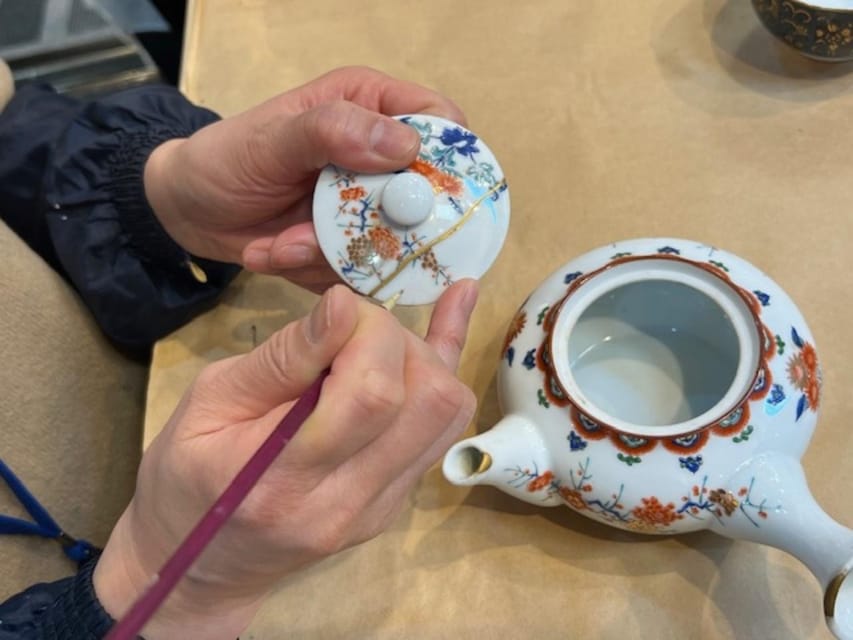
At $139 per person, this is not a bargain activity measured only by time. You are paying for a guided craft session, all necessary materials, an Arita ware plate, an English-speaking instructor, and access to a historic specialist shop in central Tokyo.
The value improves if you want a finished souvenir with a story. A mass-produced ceramic item may cost less, but it will not carry the memory of repairing it yourself. The included Arita plate also gives the project a better foundation than a disposable practice object.
The price is harder to justify if you mainly want a cheap hands-on activity or expect to take home several pieces. The class is designed for one object, and the available selection may feel limited. You are paying for the setting, instruction, and meaning as much as for the material itself.
For me, the experience makes the most sense for a visitor who values Japanese craft and wants a personal memento. It is less appealing if your main goal is shopping, collecting tableware, or learning enough technique to repair an entire cupboard at home.
Free cancellation is available up to three days before the scheduled date for a full refund. There is no refund if you simply fail to attend, and arriving late does not extend the class.
Who will enjoy this kintsugi workshop most?
I would recommend it to adults and older teenagers who enjoy making things with their hands. It also suits couples looking for a shared activity that produces a physical reminder of the trip.
The workshop is a good fit if you:
- Want a quieter activity between major Tokyo sights
- Prefer a handmade souvenir to a standard gift-shop purchase
- Have an emotional ceramic or porcelain item with only one or two breaks
- Are curious about Japanese craft traditions
- Appreciate a small class with English instruction
- Are comfortable taking home a decorative object that needs careful handling
You may want to skip it if you need a fast, casual stop, dislike careful handwork, or want a functional plate for meals. It is also not suitable for children under 13, and the one-object format may disappoint anyone hoping for a longer studio session.
Should you book the Arita ware kintsugi experience?
Book this if you want a personal souvenir and like the idea of making the repair visible. The combination of Arita porcelain, a shop founded in 1923, English guidance, and a small group gives the 90 minutes real substance.
Choose the included plate if you want the smoothest experience. Bring your own item only if it is a small ceramic or porcelain piece with one or two broken parts, and only if you are willing to accept the result as a handmade repair rather than a professional restoration.
The main drawback is the limited choice of objects and the care required afterward. But for the right visitor, that is a fair trade. You leave with something no factory can duplicate: a repaired piece carrying the marks of both its damage and your time in Tokyo.
FAQ
How long does the kintsugi experience last?
The workshop lasts 90 minutes, or 1.5 hours.
What times can I choose?
The available sessions begin at 10:30, 13:30, and 15:30. Each session ends 90 minutes after it begins.
Where does the workshop take place?
It takes place at Nihonbashi Mutoh Main Store, 1-8-3 Honcho, Nihonbashi, Chuo City, Tokyo, postal code 1030023.
Is the instruction in English?
Yes. An English-speaking instructor leads the activity. Instructions are given in Japanese first and then translated into English.
Can I bring my own pottery?
Yes, if the item is ceramic or porcelain, measures no more than about 15 centimeters in diameter and 15 centimeters in height, and has one or two broken parts.
Can I use the repaired plate for food or drinks?
No. The finished piece is for decoration only. After the workshop, let it dry indoors for about one week, then hand wash it with dishwashing detergent. Do not use a microwave or dishwasher.
What is the cancellation policy?
You can cancel up to three days in advance for a full refund. There is no refund if you do not attend on the scheduled day.
Just added around Tokyo
- Kawagoe Japanese Food Tour : Unagi Kaiseki and Sake near Tokyo★ 5.0 · 30 reviews
- Kawagoe 4hr Private Tour with Licensed Guide (Kawagoe Dep)★ 5.0 · 13 reviews
- Little EDO Sushi Making workshop in Kawagoe★ 5.0 · 18 reviews
- 【R34】Tokyo:Private Daikoku tour in Modified R34★ 4.9 · 92 reviews
- :Tokyo,Shibuya/ Pro Photography in Kimono / English-Friendly★ 5.0 · 26 reviews
- Tokyo:Celebrate Unique Japanese New Year Tradition Festivity★ 3.9 · 20 reviews
- Tokyo: Allstar Food Tour★ 4.7 · 29 reviews
- Tokyo: West-Side Cycling and Food Tour with Guide★ 5.0 · 37 reviews
Traditional Crafts, compared.
Tokyo Sumo Experience: Chanko & Mochi with a Former Pro
Our verdict →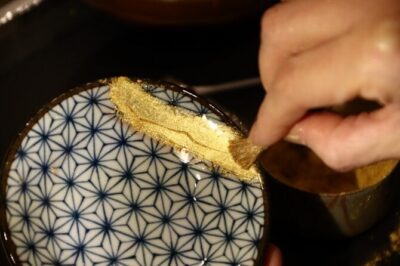
Kintsugi Experience: Art of Golden Joinery in Tokyo
Our verdict →
Matcha Making Experience with Mochi Sweets in Asakusa
Our verdict →
Authentic knife making experience at a blacksmith in Kyoto
Our verdict →

Roketsu dyeing experience: M course Roketsu Dyeing Experience
Our verdict →Browse the lists this tour appears in