
Reviewed · FOOD TOURS
Tokyo: Shibuya Food Tour (13 dishes and 4 Eateries)
Shibuya is more than its famous crossing. This evening food walk takes you into the side streets around Dogenzaka and Center-gai, where small eateries serve sushi, dumplings, yakiniku, udon, karaage, drinks, and dessert. You get four stops and 13 tastes without having to decode menus or find your way through Tokyo after dark.
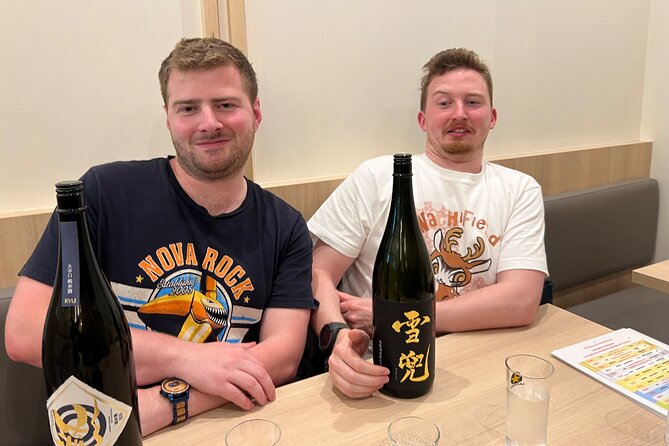
I like the generous amount of food and the easy pace between restaurants. I also like the small-group format, limited to 10 people, which gives guides such as Hoshi, Naruto, Kei, or Mat room to explain dishes and offer suggestions for the rest of your stay.
The main caution is guide quality can shape the night. Most guide experiences are warm and informative, but one poor account described little explanation of Shibuya or the food, and another noted that Hachiko was skipped. The food itself is the safer bet than the sightseeing commentary.
Four things to know before you book
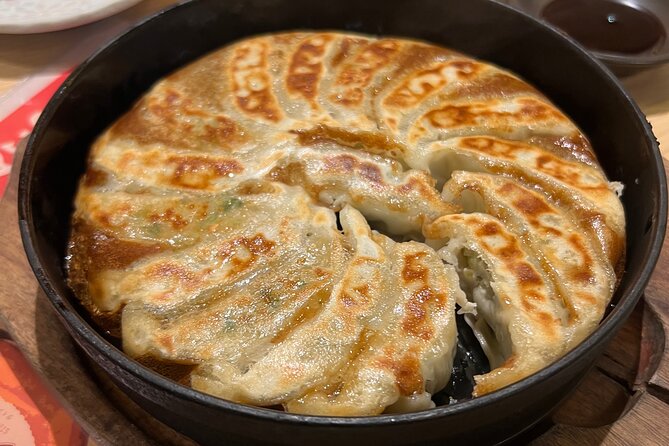
- Thirteen tastes at four eateries: Expect a broad sample of Japanese food rather than one long meal at a single restaurant.
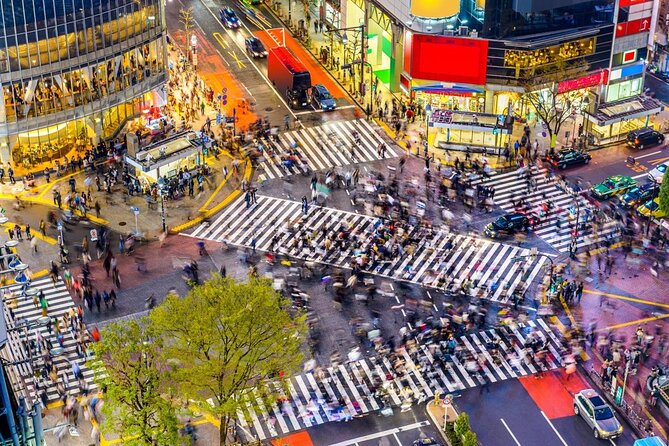
- A Shibuya route after dark: The walk links Shibuya Crossing, Hachiko, Dogenzaka, and Center-gai, with food stops along the way.
- Small group, maximum 10 people: This is a better setting for questions and personal attention than a large coach-style outing.
- Food and drinks are included: You pay $77.44 per person, with additional food and drinks extra.
- Guide names vary: Hoshi, Naruto, Kei, Mat, Benjamin, and Will have led tours, but your guide is assigned by the operator.
- Come hungry: Portions can be substantial, and the combination of savory dishes, drinks, and dessert may replace dinner.
Why a Shibuya food walk works
Shibuya can feel like a wall of neon, train announcements, department stores, and hurried pedestrians. That energy is fun for an hour, but it can make the district hard to read. A guided food walk gives you a reason to turn off the main crossing and look at the narrow streets where local bars and izakayas operate.
I like this format because you are not just stopping for one famous dish. Four eateries let you compare different kinds of Japanese dining in one evening. You might move from seafood to grilled meat, noodles, fried chicken, and sweets, with drinks along the way.
The route also gives you a useful first look at Shibuya. You cross the district on foot, get oriented near the station, and finish in the same general area. The guide can take you to Shibuya Station at the end, which is handy if the crowds and signs have started to blur together.
This is not a formal food class. The point is variety, company, and access to places that may be difficult to choose on your own. You will not control every dish ordered for the group, so the experience suits an open-minded eater more than someone who wants to build a precise tasting menu.
More Food Tours in Tokyo
- Tokyo: Shinjuku Food Tour (13 Dishes at 4 Local Eateries)
★ 5.0 · 6,603 reviews - Tokyo Tsukiji Fish Market Food and Culture Walking Tour
★ 5.0 · 3,184 reviews - Tokyo: Shinjuku Food Tour (15 Dishes and 4 Eateries)
★ 4.9 · 2,033 reviews
Starting at Shibuya Crossing and Hachiko
The tour begins at Kusumoto Building, 1-chome-3-3 Dogenzaka, Shibuya. The first short stops are Shibuya Crossing and the Hachiko area, each planned for about 15 minutes.
Shibuya Crossing is the district’s visual calling card. From the sidewalks, you watch several streams of people move across the intersection at once, then join the flow yourself. It is a quick stop, but it puts the evening in context: this is one of Tokyo’s most active urban centers, not a quiet neighborhood food crawl.
Hachiko adds a more personal story to the district. The statue honors the loyal dog associated with Shibuya, and the guide is meant to explain that story before the group moves on. It is also a practical meeting landmark near the station.
Here is an important detail: the route does not always appear to include Hachiko in practice. One account specifically noted that the statue was missed and had to be visited later. If seeing Hachiko matters to you, ask the guide at the start and allow a few extra minutes to return independently.
The sightseeing portion is brief. You should not book this as a full Shibuya history tour. Think of Crossing and Hachiko as orientation points before the food becomes the main event.
Dogenzaka, where the eating begins
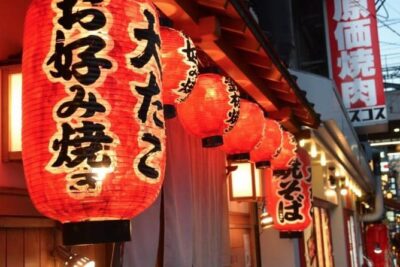
Dogenzaka is the first major food area, with about an hour allocated to its streets and eateries. This part of Shibuya is lined with izakayas, restaurants, bars, and small shops, often packed into buildings that are easy to miss if you only follow the main roads.
This is where a guide earns the fee. You do not have to decide which doorway looks promising, work out a Japanese menu, or wonder how many dishes to order. The guide handles the group order and explains how to eat the food.
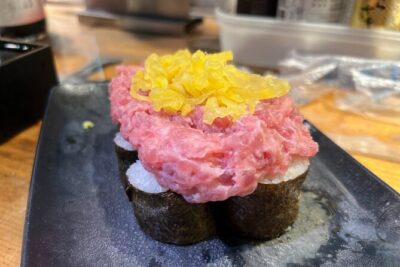
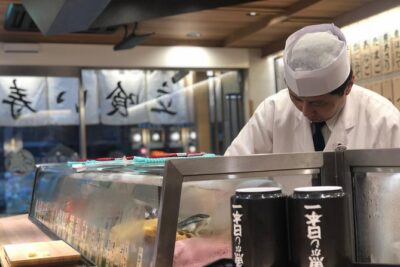
The exact menu can change, but the experience is built around 13 Japanese dishes at four stops. Examples include sushi, several types of tuna, dumplings, yakiniku, udon, karaage, drinks, and dessert. You may also encounter dishes you would not select from a standard English-language menu, which is one of the best reasons to take a guided food tour early in your Tokyo visit.
The portions appear to be more than token samples. Several accounts describe enough food to fill a family group, and one specifically advises arriving very hungry. That makes the $77.44 price easier to judge. You are not paying only for a walk and a few bites. You are paying for a full evening of food, drinks, ordering help, and the guide’s time.
Still, the value depends on your expectations. If you compare the price only with the cost of buying inexpensive meals at casual restaurants, the tour may feel costly. If you value variety, local guidance, and not having to plan four stops, it becomes more reasonable.
Center-gai and the second half of the tasting
The walk continues toward Shibuya Center-gai, the crowded central street known for shops, restaurants, and late-night activity. About an hour is allotted here, though the tour is still built around the eateries rather than sightseeing stops.
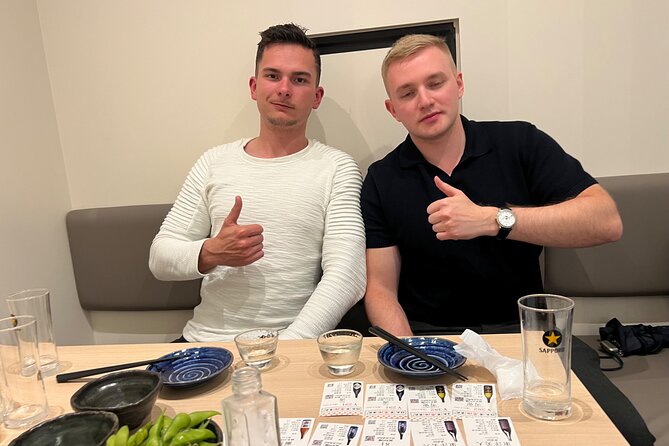
Center-gai can be confusing at night, especially if you are trying to keep a group together while finding small restaurants. The guide reduces that friction. You can focus on the food and the people around you instead of checking your phone at every corner.
The route may circle around the station more than once. One account found the walking pattern repetitive and noted that the group passed near the starting point again. This is not a serious problem if you want food, but it may disappoint you if you expect a carefully designed architectural or historical route.
The final stop includes dessert. In one less successful account, the dessert was collected from a basement mall area rather than served in a conventional sit-down setting. The pastry was pre-ordered because it can sell out, but the setting and explanation felt underwhelming. This detail is worth keeping in mind: the tour promises food and drinks, not four polished restaurant meals.
Same trip, a completely different kind of day:
- 1-Day Tokyo Bus Tour
★ 5.0 · 14,250 reviews - Tokyo: TOKYO SKYTREE® Admission ticket
★ 4.5 · 11,192 reviews - Tokyo: teamLab Planets TOKYO Digital Art Museum Entry Ticket
★ 4.6 · 9,779 reviews - Tokyo: Sumo Show Experience with Chicken Hot Pot and a Photo
★ 4.8 · 6,678 reviews
What you may eat and drink
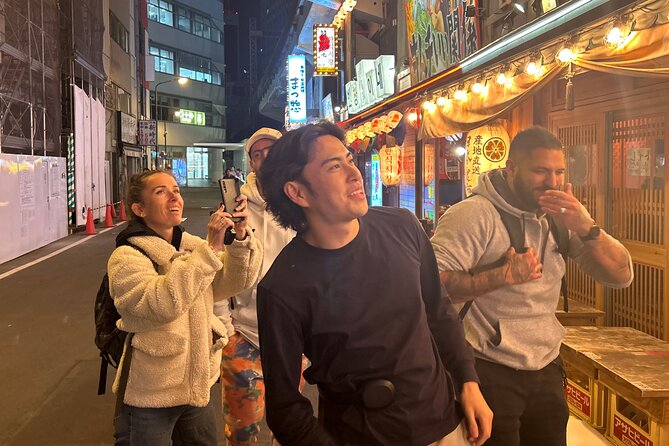
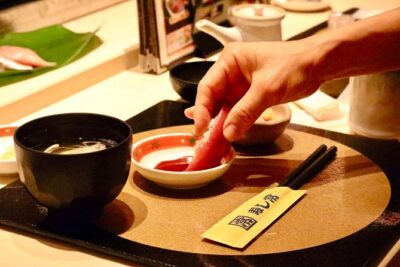
The appeal is the spread. Sushi and tuna bring seafood into the evening, while yakiniku offers grilled meat and udon gives you a warm noodle dish. Dumplings and karaage add familiar comfort, and dessert closes the route with something sweet.
You may not receive every example on every departure. The advertised count is 13 Japanese dishes, but the exact selection can vary by group, restaurant availability, and guide arrangements. The guide orders for the group, so you should be ready to try a set menu rather than choose each item yourself.
This arrangement has two clear benefits. First, you taste more in three hours than you probably would while ordering one dish at a time. Second, you can ask how a dish is eaten instead of guessing with chopsticks and condiments.
It also has limits. If you have strong dislikes, allergies, or dietary needs, tell the provider in advance and speak with the guide at the meeting point. The available information confirms that guides have arranged accommodations for some group members, but it does not promise a particular vegetarian, vegan, gluten-free, or allergy-specific menu.
Alcoholic drinks are served only to people aged 20 or older. If you are under 20, you should expect nonalcoholic options rather than alcoholic tastings.
The guides make the difference
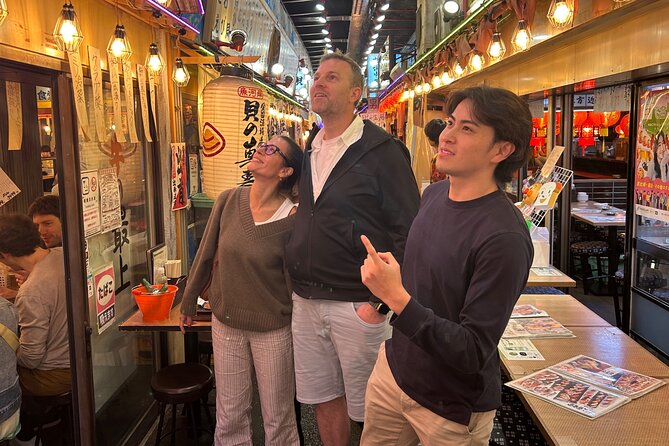
The strongest part of this experience is often the guide’s personality. Hoshi is described as friendly, clear, and attentive, with a good sense of humor and a practical way of showing how to eat each dish. Naruto is praised for keeping families engaged, helping with directions, and making the evening feel easy. Kei is noted for restaurant suggestions and detailed answers about food, while Mat is described as thorough and thoughtful.
Those names give you a useful sense of the guide style to hope for, but they are not a guarantee of who will lead your departure. Your guide could be someone else, and the quality of the commentary may vary.
A good guide can turn ordinary food into a cultural lesson. You learn why a dish is served in a certain way, how to order at an izakaya, and which foods might be worth seeking out later. You also get the chance to ask for ideas for the rest of your Tokyo trip or for other cities in Japan.
The weaker possibility is a guide who treats the evening as a delivery job. One account found the food plentiful but the explanation thin, with little information about Crossing, Hachiko, or the restaurants. That is a fair concern because the tour’s added value should come from context, not just carrying you from plate to plate.
I would book this for the food first and regard the cultural commentary as an important bonus. If your main goal is a detailed introduction to Shibuya’s history, choose a dedicated walking tour instead.
Value at $77.44 per person
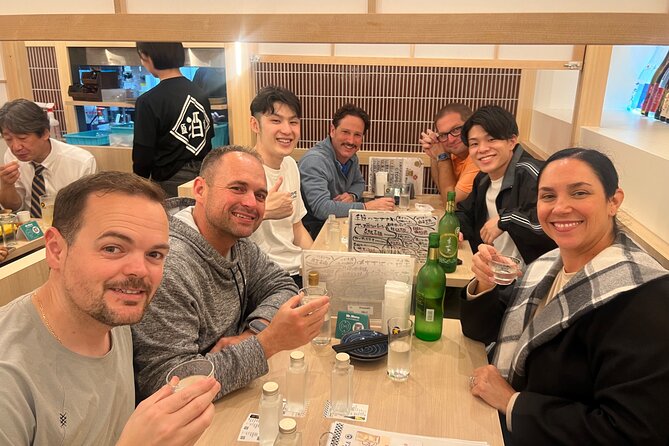
At $77.44, this is not Tokyo’s cheapest dinner. You could spend less by choosing one casual restaurant and ordering a couple of dishes. You also lose some control because the group receives the food selected by the guide.
The value improves if you would otherwise waste time choosing restaurants or feel uneasy ordering unfamiliar dishes. Four venues and 13 dishes offer a lot of range, and drinks are included. The tour also fills about three hours, which makes it a substantial evening rather than a short tasting stop.
Several factors support the price:
- You receive food and drinks at four eateries.
- A local English-speaking guide handles ordering and explanations.
- The group is capped at 10 people.
- You get a walking orientation to central Shibuya.
- You can ask for dining suggestions for the rest of your stay.
The price feels less attractive if you are a confident Tokyo diner who enjoys researching restaurants, speaks some Japanese, and prefers to order exactly what you want. It may also feel high if you are comparing it with an inexpensive Michelin meal or a very cheap local dinner. The tour charges for convenience, variety, and guidance, not just the ingredients.
Who should book this evening
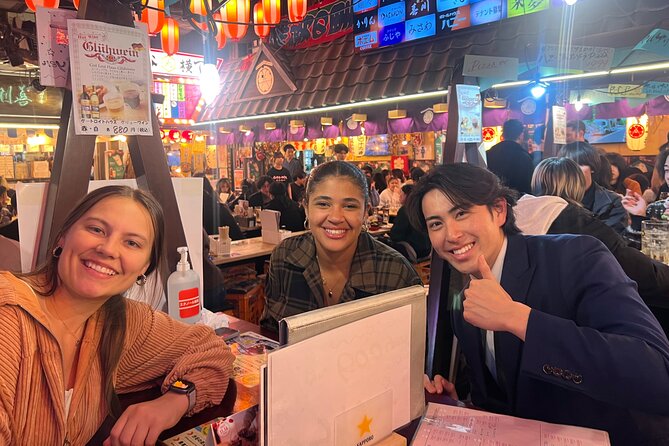
I would recommend it for first-time visitors who want a gentle introduction to Shibuya after dark. It also works well for families, couples, and solo visitors who prefer company at dinner and want to sample several foods without making four separate plans.
Food lovers should find the variety appealing, especially if you like tuna, dumplings, grilled meat, noodles, fried food, and sweets. The tour is also useful for anyone nervous about ordering in small Japanese eateries.
You should think twice if you need a fully fixed dietary plan, dislike group dining, or want a quiet meal at each stop. It is also not the right choice if your main aim is a detailed history of Shibuya, since the sightseeing stops are short and the food takes priority.
Wear comfortable shoes. The tour is a walking experience, and the route links several parts of Shibuya rather than keeping you in one restaurant. Use the mobile ticket, arrive at the stated Dogenzaka meeting point, and keep your schedule flexible enough for the full three hours.
Should you book the Shibuya food tour?
Book it if you want a filling, varied night of Japanese food with the work of choosing and ordering taken off your hands. The 13-dish format, four eateries, small group, and central location make it a practical first-night activity in Tokyo.
I would be more cautious if you are paying mainly for expert sightseeing commentary. The food is the most dependable part, while the guide’s energy and explanation can vary. Ask at the start to include Hachiko, and judge the tour as a guided tasting walk rather than a complete Shibuya tour.
For an open-minded eater who wants to leave dinner full and better oriented around the station, $77.44 is a fair, though not bargain-level, price.
FAQ
How long does the Shibuya food tour last?
The experience lasts approximately three hours, including walking between four eateries and the stops at Shibuya Crossing, Hachiko, Dogenzaka, and Center-gai.
How many dishes are included?
The tour includes 13 Japanese dishes served across four local eateries. Examples can include sushi, tuna, yakiniku, udon, karaage, dumplings, drinks, and dessert.
Is alcohol included on the tour?
Food and drinks are included, but alcoholic beverages are served only to people aged 20 or older. Additional food and drinks are not included.
How large is the group?
The tour has a maximum of 10 participants, making it a small-group experience.
Where does the tour start and finish?
It starts at Kusumoto Building, 1-chome-3-3 Dogenzaka, Shibuya, Tokyo. It ends in Shibuya, and the guide can take you to Shibuya Station.
Can I cancel for a full refund?
Yes. You can cancel at least 24 hours before the start time for a full refund. Cancellations or changes made less than 24 hours before the start time are not accepted for a refund. The tour may also be moved or refunded if poor weather or insufficient bookings cause cancellation.
More Food & Drink in Tokyo
- Best of Shinjuku: Izakaya Food Tour (4 Stops, 14+ Tastings)
★ 5.0 · 1,863 reviews - Tokyo: Tsukiji Fish Market Food and Walking tour
★ 5.0 · 1,724 reviews - Eat and Drink Like a Local: Tokyo Ueno Food Tour-Taverns&Ramen
★ 5.0 · 957 reviews - Tokyo: Tsukiji Fish Market Food and Culture Walking Tour
★ 4.7 · 757 reviews
Just added around Tokyo
- Kawagoe Japanese Food Tour : Unagi Kaiseki and Sake near Tokyo★ 5.0 · 30 reviews
- Kawagoe 4hr Private Tour with Licensed Guide (Kawagoe Dep)★ 5.0 · 13 reviews
- Little EDO Sushi Making workshop in Kawagoe★ 5.0 · 18 reviews
- 【R34】Tokyo:Private Daikoku tour in Modified R34★ 4.9 · 92 reviews
- :Tokyo,Shibuya/ Pro Photography in Kimono / English-Friendly★ 5.0 · 26 reviews
- Tokyo:Celebrate Unique Japanese New Year Tradition Festivity★ 3.9 · 20 reviews
- Tokyo: Allstar Food Tour★ 4.7 · 29 reviews
- Tokyo: West-Side Cycling and Food Tour with Guide★ 5.0 · 37 reviews
Food Tours, compared.
Shinjuku Food Tour (13 Dishes at 4 Local Eateries)
Our verdict →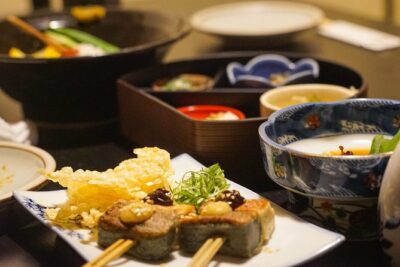
Kyoto Night Foodie Tour in Gion (9+ dishes + 6 Sake tastings)
Our verdict →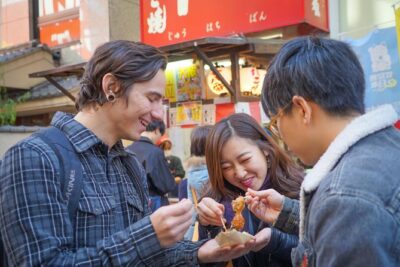
Osaka Local Foodie Walking Tour in Dotonbori and Shinsekai
Our verdict →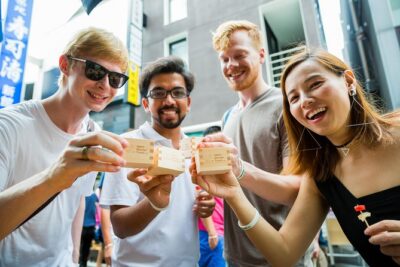
Food Tour in Ueno with 10+ Tastings of Japanese Classics
Our verdict →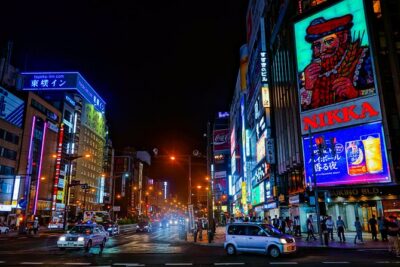
Browse the lists this tour appears in