
Reviewed · HISTORICAL TOURS
Tokyo: Imperial Palace and Shogun Historical Walking Tour
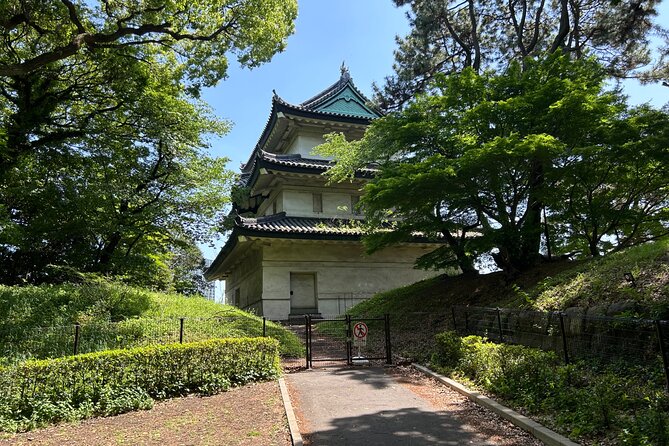
The most interesting part of this Tokyo walk is the way the Edo Castle ruins turn an ordinary garden visit into a lesson in power. You pass through huge stone gates, walk beside old castle walls, and reach the foundation of the former keep, where shoguns once ruled Japan. The palace buildings themselves are not the main event here. The surviving stones and open gardens do the storytelling.
I like the small group limit of 15 and the chance to ask questions as you walk. I also like the mix of history and everyday culture. Guides including Jim, Tony, Miguel, and Aya have explained everything from the shogunate and imperial family to modern Tokyo customs and proper temple etiquette.
The main drawback is that the experience depends heavily on your guide. Some guides give a lively, well-shaped history lesson, while others may repeat points or offer less context. You should also expect slopes, outdoor walking, and a full two-hour commitment rather than a quick palace photo stop.
Key points to know before you book
- Edo Castle survives in stone: See gates, walls, and the original keep foundation rather than touring lavish palace interiors.
- The gardens are free to visit: You are paying for interpretation, direction, and the chance to understand what you are seeing.
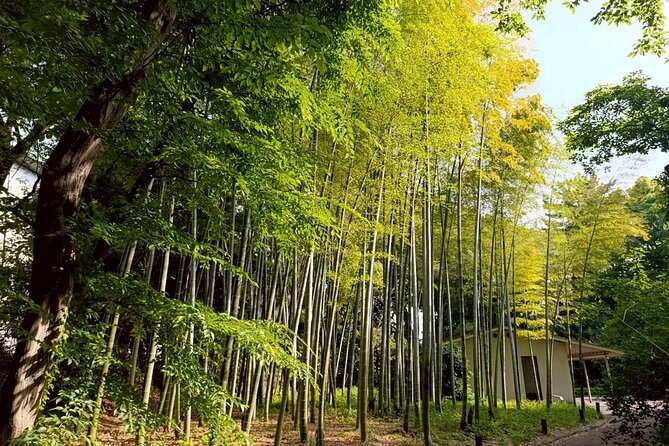
- Expect a history-focused walk: The shogunate, feudal lords, emperors, Edo period, and modern Japan all enter the story.
- Groups stay fairly intimate: The maximum group size is 15, making questions and conversation possible.
- Allow about two hours: One described garden section lasts 1 hour 30 minutes, with the overall activity listed at approximately two hours.
- Meet at Wadakura Fountain Park: The start point is the Starbucks Coffee at 3-1 Kōkyogaien, near public transportation.
Why Edo Castle makes this more than a garden stroll
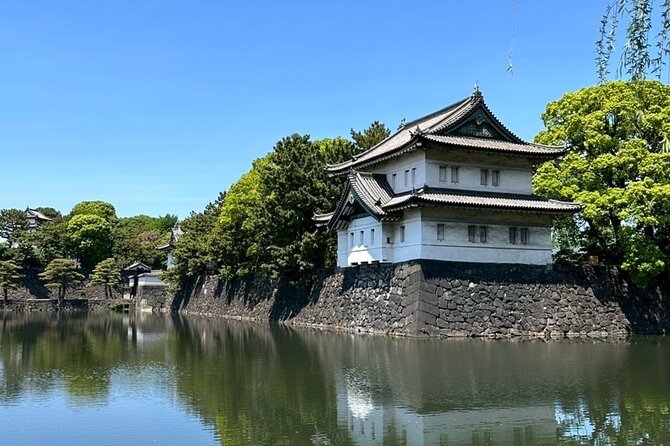
Tokyo’s Imperial Palace sits on the former grounds of Edo Castle, the military and political center of Japan during the shogun era. Much of the castle complex is gone, but the scale of its defenses remains easy to read. Massive stone foundations, gates, moats, and walls give you a sense of how carefully the site was designed to protect the ruling family.
That is the central value of this tour. If you walk alone, you can enjoy the trees, ponds, flowers, and open lawns, but the stones may look like just stones. A guide connects them to the shoguns, feudal lords, the Meiji period, the emperor, and the changing shape of Tokyo.
You are not touring every part of the Imperial Palace. This route focuses on the East Gardens and the former castle grounds. That distinction matters. If you want ornate palace rooms or a guaranteed view of the emperor’s private residence, this is not the right activity. If you want to understand the historical ground beneath central Tokyo, it is a useful choice.
More Historical Tours in Tokyo
- Tokyo: Imperial Palace Japanese History Walking Tour
★ 4.9 · 987 reviews - Tokyo: Imperial Palace and Shogun Walking Tour
★ 4.9 · 935 reviews - Yanaka Walking Tour: Historic and Traditional District of Tokyo
★ 5.0 · 530 reviews
Starting at Wadakura Fountain Park
The meeting point is the Starbucks Coffee in Wadakura Fountain Park, at 3-1 Kōkyogaien in Chiyoda City. The location is near public transportation, but Tokyo’s central districts can still be confusing, so I would arrive early and identify the café before the scheduled start.
One communication problem has been reported when a participant waited at the assigned point but the group moved on. That is not the usual picture of the experience, but it is a fair reason to be careful. Keep your phone available, confirm the meeting details before setting out, and do not arrive at the last second.
The tour ends back at the meeting point. That makes planning easier if you want to continue around Marunouchi, Tokyo Station, or the palace perimeter afterward. The start and end point also mean you are not being dropped in an unfamiliar part of the city.
Through the gates and across the old castle grounds
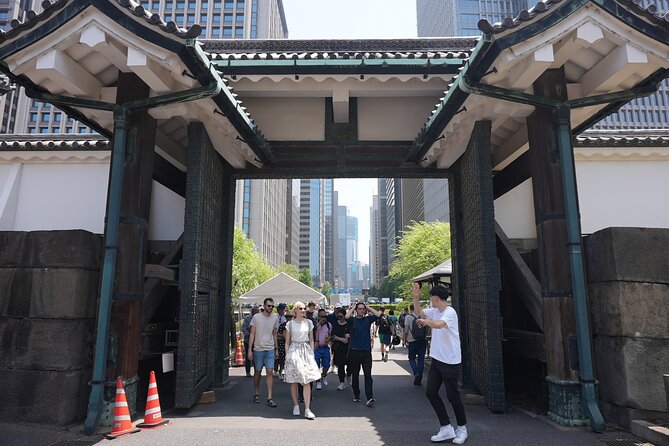
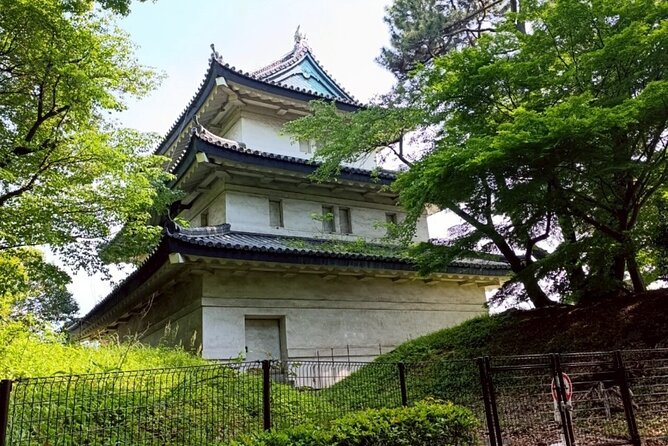
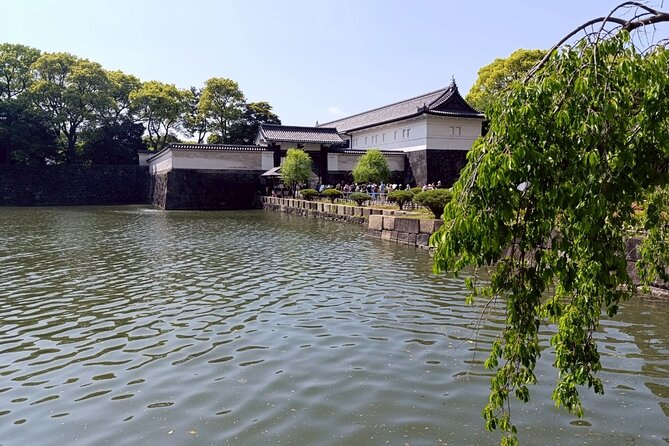
The walk begins with the physical remains of Edo Castle. You move through imposing stone gates and past walls built to control access to the shogun’s seat of power. These are the places where a guide adds real value, since the arrangement of entrances, walls, and elevated ground is difficult to understand from a map alone.
The route is not simply a list of dates. The best guides use the setting to explain how authority worked in Japan. You may hear about the shogunate, feudal lords, the Edo period, the emperor, and the later shift toward a modern state. Jim has been praised for tying architecture, political history, and Japanese culture into one clear story. Tony has also been singled out for explaining the grounds and their importance while keeping the group together.
The quality can vary. One guide may offer a lively classroom in the open air, while another may rely on a thinner set of facts. One participant found the historical introduction too brief, while another felt that a guide explained too much and repeated himself. If you enjoy a strong narrative, ask questions and let the guide know what interests you.
The Edo Castle keep foundation
One of the strongest moments comes at the foundation of the former castle keep. The original tower is gone, but the broad stone base lets you picture the scale of the building and the authority it represented.
This is not a restored castle with furnished rooms and dramatic interiors. You will not walk through a complete tower. Instead, you stand on the site and use the remaining foundation, the surrounding walls, and the guide’s explanation to reconstruct the past in your mind.
That may sound modest, but it suits Tokyo. The city is full of modern towers and fast trains, yet the palace grounds preserve a quiet reminder of the government that shaped Japan for centuries. I find the contrast more useful than a polished reconstruction would be. You see what survived, what disappeared, and how the center of power changed.
This stop also rewards patience. The group may pause for a longer explanation, and the pace can feel slow if you prefer constant movement. For anyone who wants a quick photograph and a few minutes of greenery, the tour may feel too talk-heavy. For anyone trying to understand the site, the pause is the point.
More Walking Tours in Tokyo
- Tokyo Tsukiji Fish Market Food and Culture Walking Tour
★ 5.0 · 3,184 reviews - Tokyo: Shinjuku Local Bar and Izakaya Guided Walking Tour
★ 4.9 · 1,794 reviews - Tokyo: Tsukiji Fish Market Food and Walking tour
★ 5.0 · 1,724 reviews - Tokyo: Asakusa Walking Tour with Sensoji Temple Visit
★ 4.8 · 1,583 reviews
Ninomaru Garden and the quieter side of Tokyo
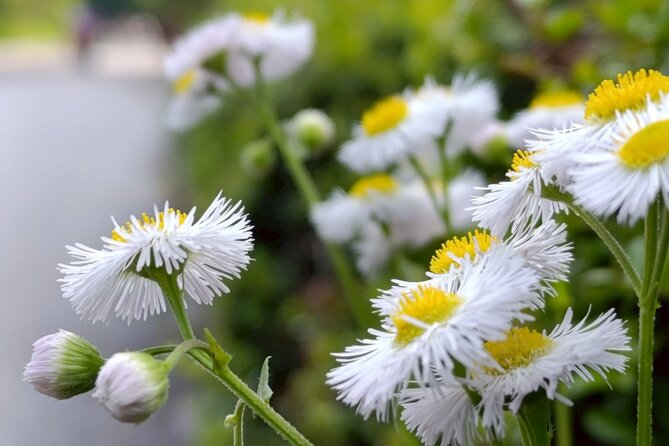
Ninomaru Garden provides the change of mood. After the imposing gates and castle remains, you enter a calmer space of ponds, seasonal flowers, and carefully shaped plantings. The garden reflects the refined side of the Edo period, where design, restraint, and seasonal awareness mattered as much as military strength.
The gardens are peaceful, but they are not empty. Tokyo’s central palace grounds draw plenty of people, and the paths can be busy. Still, the gardens offer a welcome break from the city’s traffic and dense streets. You get open space, water, plants, and a slower pace without leaving central Tokyo.
A good guide helps you notice why the garden feels different from the castle remains. The tour can connect the pond, trees, paths, and viewing points to Japanese aesthetics and court culture. Aya, for example, has been praised for explaining the meaning behind places and customs in a personal, accessible way. Her style also included practical instruction on how to make a wish and pray properly at a temple, though the palace garden itself is the main focus here.
Season matters. Flowers and greenery will change during the year, and your experience will depend partly on the weather. The tour runs outdoors, so comfortable shoes and protection from sun or rain are sensible choices. The route includes slopes, and the walk is not a good fit if you want to avoid uneven or inclined ground.
What the guides add to the experience
The listed guides include Jim, Tony, Miguel, Aya, Izzy, John, Lasse, Dylan, and Michi. You should not assume you will receive a particular guide unless the booking specifically confirms one. Still, the range of feedback gives you a useful idea of the tour’s strongest feature: the human explanation.
Jim has been praised for his patience, his answers to questions, and his ability to connect Japanese history with modern culture. One especially useful detail is that he brings the perspective of someone born outside Japan who has lived there for 41 years. That can make historical explanations easier to compare with present-day life.
Tony is described as a strong storyteller who covers the Edo period, shogunate, emperor, and imperial family. Miguel is noted for history, fun facts, and patience with questions. Izzy has been described as clear and enjoyable, while Lasse brings obvious enthusiasm for Japanese history.
The less positive experiences point to an important limit. One participant felt a newer guide lacked enough historical background and depended on a supervising guide for answers. Another found the stops too long and the explanation repetitive. That does not make the tour a poor choice, but it means you are buying a guided experience rather than a fixed museum program with the same script every time.
How the two-hour timing feels
The activity is listed at about two hours, and the East Gardens portion is described as lasting 1 hour 30 minutes. You should reserve the full time rather than planning a tight connection immediately afterward.
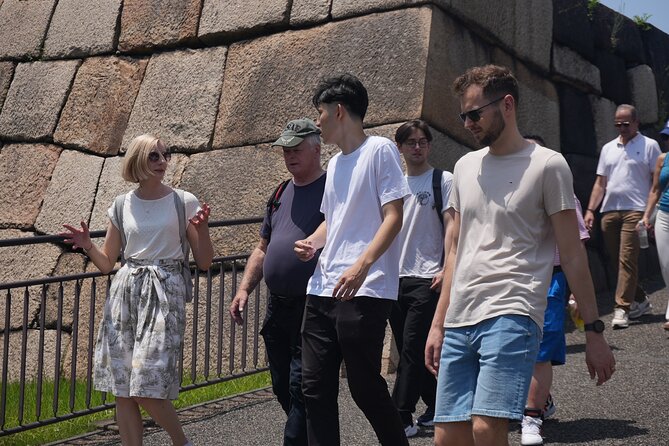
The pace is generally relaxed. The guide waits for the group before moving on, and the format allows time for questions. That is helpful in a place where it is easy to miss a turn or walk past a gate without knowing its purpose.
The tradeoff is that a relaxed pace covers less ground than a self-guided visit. If you are trying to see several Tokyo districts in one morning, this may feel like a large time block for one site. If you are new to Japan and want an introduction to its political history, the same pace gives the story room to make sense.
You should be prepared for walking, slopes, and outdoor conditions. Most people can participate, but the supplied details do not promise a fully step-free route or special mobility arrangements. Contact the provider before booking if you need those details confirmed.
Is $22 a fair price?
At $22 per person, the tour is inexpensive for a two-hour guided walk in central Tokyo. The East Gardens can be visited without paying for a guide, so the basic comparison is simple: you are not paying for entry alone. You are paying for the explanation, route planning, group structure, and the ability to ask questions.
That value is strongest if you know little about the shoguns, Edo Castle, or the imperial family. A free walk may show you attractive gardens, but it will not necessarily explain why a gate was placed where it is, how the castle functioned, or how Japan’s political system changed.
The value is weaker if you already have a strong grasp of Japanese history or prefer to wander at your own speed. You may find the fixed stops and longer explanations restrictive. The guide’s quality also matters more in a history walk than it would on a simple transport or sightseeing transfer.
The high recommendation rate and large number of top ratings suggest the format usually works well, especially for first-time visitors. I would still think of it as a low-cost orientation rather than a definitive study of Japanese history.
Who should book this palace walk?
I would choose this tour for a first visit to Tokyo, particularly if you want a clear starting point for understanding Japan. It also works late in a trip, when you have enough city context to connect the palace grounds with modern Tokyo.
It suits:
- First-time visitors who want historical context
- People who enjoy walking and asking questions
- Anyone curious about shoguns, Edo Castle, and the imperial family
- Solo visitors or couples who like a small social group
- Travelers who want greenery and quiet without leaving central Tokyo
- Visitors who prefer a guide to explain cultural details rather than reading signs alone
I would hesitate if you dislike history lectures, have limited walking tolerance, or want to enter palace interiors. I would also avoid scheduling it immediately before an important train, meal, or timed attraction. The pace can vary, and the outdoor route deserves breathing room.
Booking, cancellation, and practical details
You receive confirmation at booking, and the experience uses a mobile ticket. The maximum group size is 15, which is small enough for questions without promising a private tour.
Free cancellation is available until 24 hours before the start time for a full refund. Cancellations or changes made within 24 hours are not accepted for a refund, and the cut-off follows local Tokyo time.
Wear shoes you can walk in for two hours. Bring what you need for the weather, since the main experience takes place outdoors. Most importantly, go for the history and setting, not for a palace-room tour. The East Gardens and castle remains are the substance of the visit.
Should you book it?
Yes, if you want the Imperial Palace grounds to make sense rather than simply look pleasant. At $22, the price is reasonable for a small-group introduction to Edo Castle, the shogunate, and Japan’s imperial story.
I would book it early in a Tokyo stay if you want historical bearings, or later if you prefer to connect the explanations with places you have already seen. Just allow the full two hours, prepare for slopes, and remember that your guide will shape the experience. With a strong guide such as Jim, Tony, Miguel, or Izzy, the old stones and gardens can become the clearest history lesson of your Tokyo visit.
FAQ
How long does the Imperial Palace walking tour last?
The activity lasts approximately two hours. The East Gardens and Edo Castle section is described as taking about 1 hour 30 minutes.
Where does the tour meet?
The meeting point is Starbucks Coffee in Kokyo Gaien Wadakura Fountain Park, at 3-1 Kōkyogaien, Chiyoda City, Tokyo 100-0002, Japan.
Where does the tour end?
The activity ends back at the meeting point.
What does the tour include?
The walk includes the Imperial Palace East Gardens, Edo Castle ruins, stone gates, castle walls, the former keep foundation, and Ninomaru Garden. A guide provides historical and cultural commentary.
How large is the group?
The tour has a maximum of 15 participants.
Is admission to the gardens included?
Admission is included for the described East Gardens portion of the tour.
Is the tour suitable for most people?
The supplied information says most people can participate. You should expect walking and some slopes, and you can contact the provider if you need specific mobility information.
Can I cancel for a full refund?
Yes. You can cancel at least 24 hours before the experience starts for a full refund. Cancellations or changes made less than 24 hours before the start time are not refunded.
Just added around Tokyo
- Kawagoe Japanese Food Tour : Unagi Kaiseki and Sake near Tokyo★ 5.0 · 30 reviews
- Kawagoe 4hr Private Tour with Licensed Guide (Kawagoe Dep)★ 5.0 · 13 reviews
- Little EDO Sushi Making workshop in Kawagoe★ 5.0 · 18 reviews
- 【R34】Tokyo:Private Daikoku tour in Modified R34★ 4.9 · 92 reviews
- :Tokyo,Shibuya/ Pro Photography in Kimono / English-Friendly★ 5.0 · 26 reviews
- Tokyo:Celebrate Unique Japanese New Year Tradition Festivity★ 3.9 · 20 reviews
- Tokyo: Allstar Food Tour★ 4.7 · 29 reviews
- Tokyo:Calligraphy &Make your original folding fan in Asakusa★ 5.0 · 62 reviews
Historical Tours, compared.

World Heritage Kyoto & Nara Uji Authentic Matcha Experience
Our verdict →
Kyoto Gion: 2-Hour Geisha Culture & History Walking Tour
Our verdict →
Hiroshima Historical Walking Tour – Why A-Bomb was Dropped
Our verdict →
Yanaka Walking Tour: Historic and Traditional District of Tokyo
Our verdict →
Shinjuku Historical Walking Tour & Secret Backstreets
Our verdict →
Mt. Fuji Heritage Tour: Traditional Villages, Lakes & Shrine
Our verdict →Browse the lists this tour appears in