
Reviewed · TRADITIONAL CRAFTS
Tokyo Chopstick Making Workshop with Artisan
Making chopsticks by hand is a fine way to spend an hour in Tokyo. At this small workshop in Taito City, you use traditional tools, work the wood yourself, and leave with a useful souvenir rather than another mass-produced trinket. Guides including Angie, Kaana, Rasmus, and Sakura have helped make the process friendly and easy to follow.
I like the hands-on work and the fact that you can choose your wood and add engraving for a more personal keepsake. I also like the setting in an old craft district, where the activity connects an everyday Japanese object with local making traditions.
The main caution is that one hour may be optimistic if you choose a harder wood or take your time. Plan for extra time, and remember that premium woods and engraving cost more than the base price.
Key points at a glance
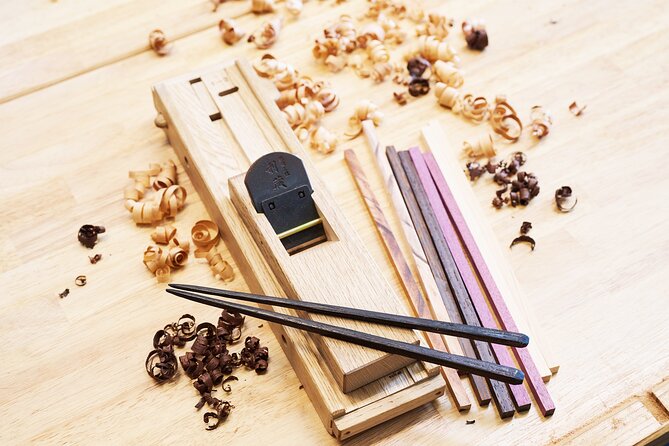
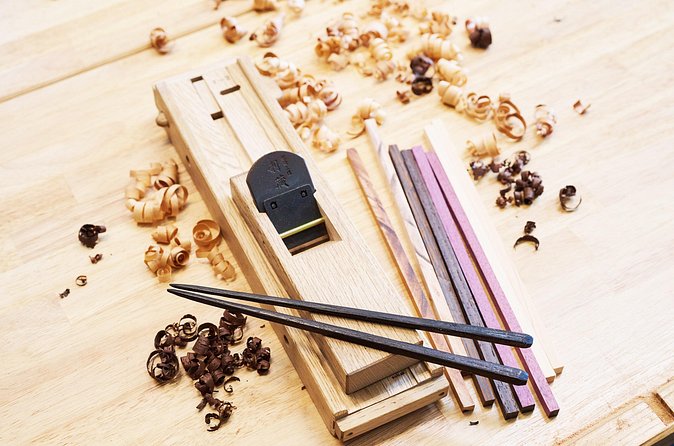
- Shape real chopsticks by hand: You plane, smooth, and finish the wood instead of simply decorating a ready-made pair.
- Small group setting: The workshop accepts a maximum of 10 people, so help is close at hand.
- Choose your material: Several types of wood are available, with higher charges for premium options.
- Add engraving: Personal engraving is available for an extra fee, turning the pair into a more distinctive gift.
- Good for families: Children around ages 10 and 12 have enjoyed the activity, and beginners can take part.
- Take them home the same day: Your finished chopsticks are wrapped and ready to use or give away.
A useful souvenir made in Tokyo
Many Tokyo souvenirs look good in a suitcase but rarely get used. These chopsticks have a better chance of becoming part of your daily life. You make them with your own hands, choose the wood, and finish a pair that can serve as a reminder of Japan long after the trip.
The workshop begins at 1-chōme-7-1 Misuji in Taito City, a part of Tokyo known for traditional crafts and small-scale workshops. This is not a grand museum presentation. It is a practical craft session in a modest room, which is part of its appeal. You sit down, listen to the instructions, and start working with the material in front of you.
The experience is listed at about one hour, though you should treat that as an estimate. One participant needed closer to two hours and was not rushed. If you are new to planing wood, select an easier material and allow more time. The physical work can be more demanding than expected, especially if your hands are not used to repeated shaping and smoothing.
More Craft Workshops in Tokyo
- Tokyo Sumo Experience: Chanko & Mochi with a Former Pro
★ 4.8 · 567 reviews - Kintsugi Experience: Art of Golden Joinery in Tokyo
★ 5.0 · 467 reviews - Tokyo: Matcha Making Experience with Mochi Sweets in Asakusa
★ 4.9 · 388 reviews
What you do from start to finish
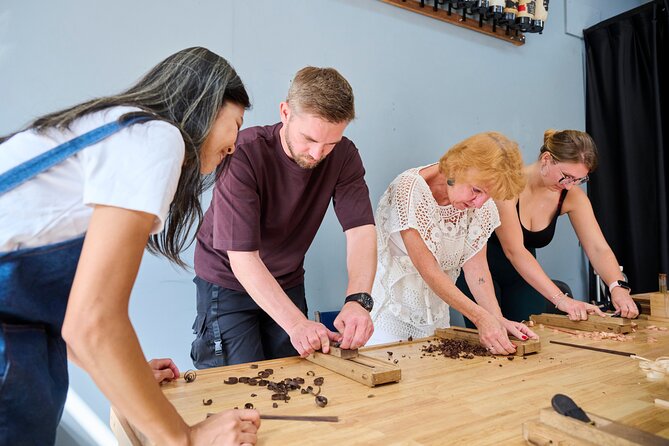
The basic sequence is simple. You choose a piece of wood, shape it with traditional tools, smooth the surface, and finish the chopsticks until they feel comfortable in your hand. The artisan shows you what to do and helps when the wood proves stubborn.
This is not a demonstration where you sit and watch someone else work. You are expected to take part. That makes the final pair more satisfying, but it also means the quality depends partly on your patience and attention. Your chopsticks may not look machine-perfect, and that is part of the point.
The wood selection adds an important choice. Different woods require different levels of effort, and the more attractive or unusual options cost extra. If keeping the price low matters, choose from the standard selection. If you want the souvenir to feel especially personal, a premium wood may be worth the added cost, but ask about the surcharge before beginning.
As you work, you learn about the place of chopsticks in Japanese life. They are not just eating utensils. Their shape, length, and handling are tied to everyday customs, meals, and gift giving. The historical explanation may be fairly brief, so do not expect a full lecture on Japanese chopstick-making. The value is in connecting the cultural lesson to an object you are making yourself.
Why the small group matters
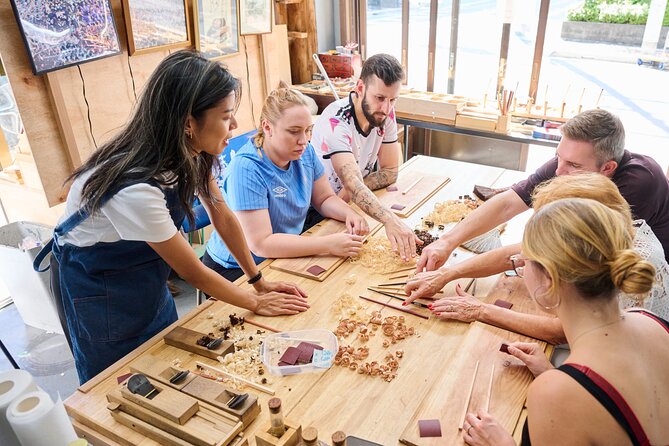
The maximum group size is 10 people. That is large enough to give the room some energy, but small enough for an instructor to watch your technique and step in when needed.
This matters most during the shaping stage. If you have never worked with a plane or similar hand tool, the movement may feel awkward at first. A close-by instructor can correct your approach before you remove too much wood or make the pair uneven. The guidance is especially useful for children and anyone who has never made a wooden object.
The workshop has also been praised for its welcoming staff. Angie has been singled out for making the process easy and allowing an early arrival when the room was comfortable and ready. Kaana has worked well with families, while Rasmus and Sakura have helped explain the steps and assisted with the finished pieces.
Those names may not tell you who will be teaching your session, but they give you a sense of the atmosphere to expect: direct help, a relaxed pace, and staff who are used to first-time makers. If you finish early, you may wait while others complete their pair. If you take longer, the staff have shown a willingness to let people work without pressure.
The craft district adds more than scenery
The meeting point is in Taito City, in a traditional craft neighborhood rather than one of Tokyo’s major sightseeing zones. That setting gives the activity a stronger sense of place than a generic craft class in a hotel or shopping center.
The area is also walkable to the Ryogoku Kokugikan, the well-known sumo arena. That makes the workshop easy to pair with a visit to the Ryogoku area, though the activity itself ends back at the starting point. You can build it into a day of nearby sightseeing instead of crossing Tokyo for a single short appointment.
The location is near public transportation, which helps with Tokyo’s long distances. Still, leave enough time to find 1-chōme-7-1 Misuji. A one-hour craft appointment leaves little room for arriving late, particularly if the session is already underway.
The room is described as small, with space for about 10 people at a time. That keeps the lesson personal, but it also means this is not a large, polished attraction with a spacious visitor center. If you prefer quiet, focused activities, the compact room works in your favor. If you want a broad cultural show with several stations and displays, this may feel limited.
Same trip, a completely different kind of day:
- 1-Day Tokyo Bus Tour
★ 5.0 · 14,250 reviews - Tokyo: TOKYO SKYTREE® Admission ticket
★ 4.5 · 11,192 reviews - Tokyo: teamLab Planets TOKYO Digital Art Museum Entry Ticket
★ 4.6 · 9,779 reviews - Tokyo: Sumo Show Experience with Chicken Hot Pot and a Photo
★ 4.8 · 6,678 reviews
Picking wood, engraving, and the final finish
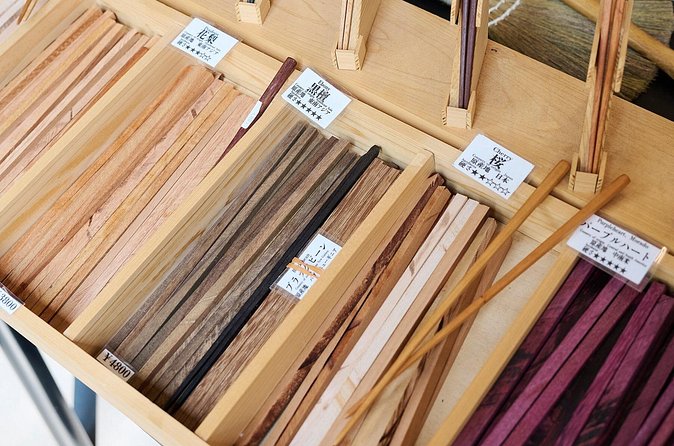
The base price is about $26.53 per person. For a Tokyo activity that gives you a functional object to take home, I consider that a fair starting price. You are paying for materials, instruction, use of the tools, and the chance to make something rather than simply purchase it.
Budget carefully for extras. Premium woods carry an additional charge, and engraving costs more as well. The engraving is optional, but it can make the pair feel much more like a personal gift. You might add a name or another short marking, though the exact engraving choices and current prices should be confirmed at the workshop.
The best value depends on your goal. Choose the basic wood if you mainly want a pleasant activity and a handmade souvenir. Pay for better wood or engraving if you are marking a special trip, making a gift, or want a pair that feels less ordinary.
The finished chopsticks are wrapped beautifully, so you do not need to solve the gift presentation yourself. That is a small but useful touch if you are carrying them home for someone else. If you plan to use them personally, the wrapping also protects them in your luggage.
Is the work difficult?
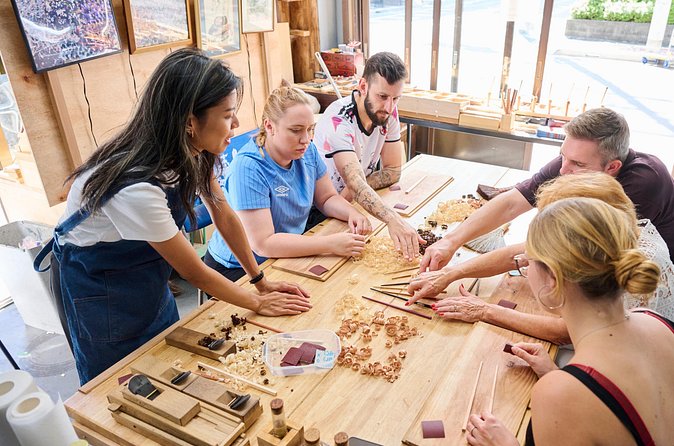
The workshop is suitable for beginners, but beginner-friendly does not mean effortless. Planing and smoothing wood require repeated hand movements. One person described it as an arm workout, especially for anyone not accustomed to the motion.
Your choice of wood makes a difference. Harder or more demanding wood may produce a handsome result, but it can slow you down. If you want a relaxed hour, ask which option is easiest before making your selection. If you enjoy practical work and do not mind taking your time, the challenge becomes part of the fun.
You should also expect variation in the finished result. Handmade chopsticks may have subtle differences in shape or surface. The instructor can help you produce a usable pair, but this is not an industrial production line. The small imperfections are evidence that you made them yourself.
Children can take part, and the activity has worked well for families with children around 10 and 12. Younger children may need close assistance, but the provided information does not specify a minimum age. Most people can participate, though anyone concerned about hand strength or repetitive work should keep the physical aspect in mind.
How much cultural background will you get?
The session includes an explanation of the cultural significance of chopsticks in Japan. That gives the craft some context and helps you see why the object deserves more attention than it usually receives.
The cultural portion appears to support the making rather than replace it. If you want a long history of Japanese woodworking, this is not the right format. One participant wished for more information about the history of chopstick-making, which is a fair point for anyone booking mainly for cultural education.
I see the short explanation as a bonus rather than the main product. The strongest part of the experience is the connection between Japanese daily life and your own work at the bench. You learn by handling the wood, watching the technique, and noticing how much care goes into an object used at nearly every meal.
Price, booking, and timing
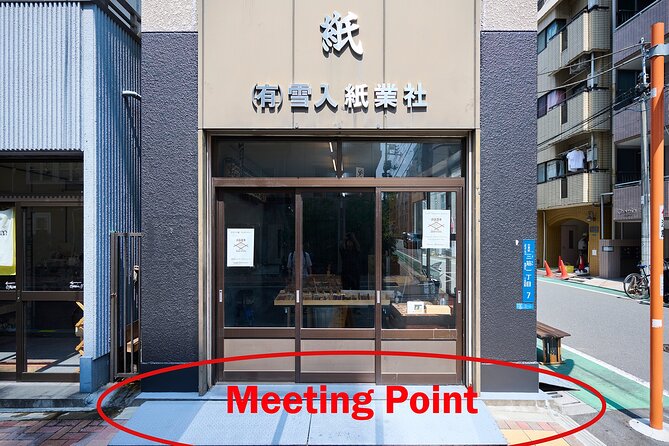
The listed price is $26.53 per person, with free cancellation up to 24 hours before the start time. If you cancel less than 24 hours ahead, you do not receive a refund, and changes inside that period are not accepted.
One important price caution deserves attention. A person who went directly to the workshop found that walk-in participation was possible and cheaper than the prepaid booking. That may depend on the current rate, availability, or the exact service offered, so compare the direct price before booking if saving a few dollars matters to you. The advantage of booking ahead is a confirmed place, particularly when your Tokyo schedule is tight.
Confirmation arrives at booking time, and the ticket is mobile. The activity ends at the same place where it begins. Since the workshop is short, it fits well between other plans, but the real timing may be closer to two hours if you work slowly, choose difficult wood, or add engraving.
A good plan is to avoid placing this immediately before a train, meal reservation, or fixed appointment. Give yourself a buffer. You will enjoy the craft more if you are not watching the clock.
Who will enjoy this most?
I would recommend this workshop to you if you like making things, want a practical souvenir, or have already seen Tokyo’s major sights and want a quieter change of pace. It also works well for couples, families, and solo visitors who prefer an activity with a clear result.
It is particularly good for:
- Families with school-age children
- Visitors who enjoy artisan workshops
- Anyone looking for a useful Japanese gift
- Couples wanting a small shared project
- People with a free hour near Taito or Ryogoku
- Repeat visitors seeking something beyond the usual sightseeing route
I would be more cautious if you want a polished, formal cultural lesson, dislike hand work, or have a tightly packed schedule. The room is small, the work is physical, and the cultural explanation may not be long enough for serious craft historians.
Should you book the chopstick workshop?
Yes, if you want an affordable, personal souvenir and enjoy learning by doing. The strongest reasons to book are the small group, helpful instruction, choice of wood, optional engraving, and the fact that you leave with something you can actually use.
Book with realistic expectations. The session may take longer than the advertised hour, premium wood and engraving add to the cost, and the history lesson is fairly light. If those points suit you, this is a smart little Tokyo activity, especially when scheduled near Taito’s craft streets or a visit to Ryogoku.
For the best experience, arrive ready to work, ask about the easiest wood if you are new to planing, and leave room in your schedule. You may finish in an hour, but allowing up to two gives you time to make a pair you will be happy to use.
FAQ
How long does the chopstick-making workshop take?
The activity is listed as approximately one hour. Your session may take longer, especially if you choose a harder wood or work carefully. One completed session took closer to two hours.
Where does the workshop begin and end?
The workshop starts at 1-chōme-7-1 Misuji, Taito City, Tokyo 111-0055, Japan. It ends back at the same meeting point.
Can beginners and children participate?
Yes. The workshop is designed for beginners, and most people can participate. It has also worked well for families with children around 10 and 12, though the activity involves hand work and tool use.
Can I choose the wood for my chopsticks?
Yes. You can choose from several kinds of wood. Premium wood options cost extra, so check the additional price before selecting one.
Is engraving available?
Yes. Personal engraving is available for an additional fee. The finished chopsticks are wrapped so you can take them home as a gift or souvenir.
What is the cancellation policy?
You can cancel for a full refund up to 24 hours before the experience start time. Cancellations or changes made less than 24 hours before the start are not accepted for a refund.
Just added around Tokyo
- Kawagoe Japanese Food Tour : Unagi Kaiseki and Sake near Tokyo★ 5.0 · 30 reviews
- Kawagoe 4hr Private Tour with Licensed Guide (Kawagoe Dep)★ 5.0 · 13 reviews
- Little EDO Sushi Making workshop in Kawagoe★ 5.0 · 18 reviews
- 【R34】Tokyo:Private Daikoku tour in Modified R34★ 4.9 · 92 reviews
- :Tokyo,Shibuya/ Pro Photography in Kimono / English-Friendly★ 5.0 · 26 reviews
- Tokyo:Celebrate Unique Japanese New Year Tradition Festivity★ 3.9 · 20 reviews
- Tokyo: Allstar Food Tour★ 4.7 · 29 reviews
- Tokyo:Calligraphy &Make your original folding fan in Asakusa★ 5.0 · 62 reviews
Traditional Crafts, compared.
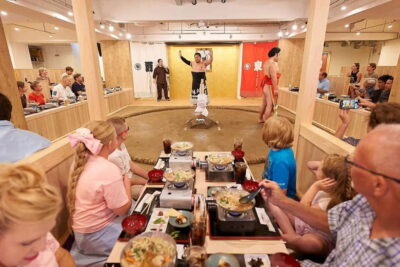
Tokyo Sumo Experience: Chanko & Mochi with a Former Pro
Our verdict →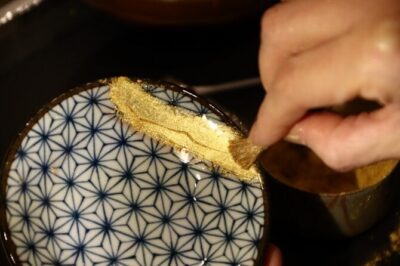
Kintsugi Experience: Art of Golden Joinery in Tokyo
Our verdict →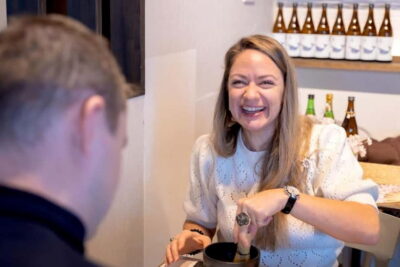
Matcha Making Experience with Mochi Sweets in Asakusa
Our verdict →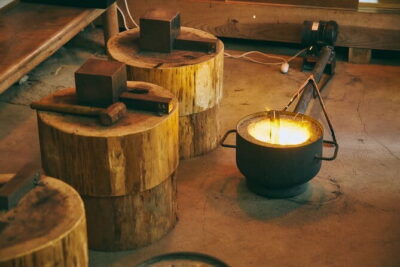
Authentic knife making experience at a blacksmith in Kyoto
Our verdict →

Roketsu dyeing experience: M course Roketsu Dyeing Experience
Our verdict →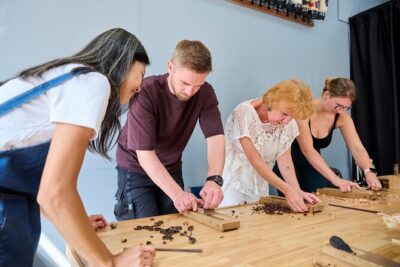
Browse the lists this tour appears in