
Reviewed · TEA CEREMONY EXPERIENCES
Japanese Traditional Sweets making and Tea Ceremony
The best part of this 95-minute class is that you do not merely watch Japanese sweets being made. You shape nerikiri, a refined wagashi sweet, from Kyoto white bean paste, then drink matcha with the two pieces you created. It gives you something to do with your hands, not just something to photograph.
I like the use of bean paste from long-established Kyoto shops, and I like the neat pairing of sweet nerikiri with single-origin Uji matcha. The price is also easy on a Japan trip budget at $18 per person. The main concern is language and group size: the instructor speaks Japanese, English help is provided as much as possible, and one attendee found a crowded session hard to hear.
Key points to know before booking
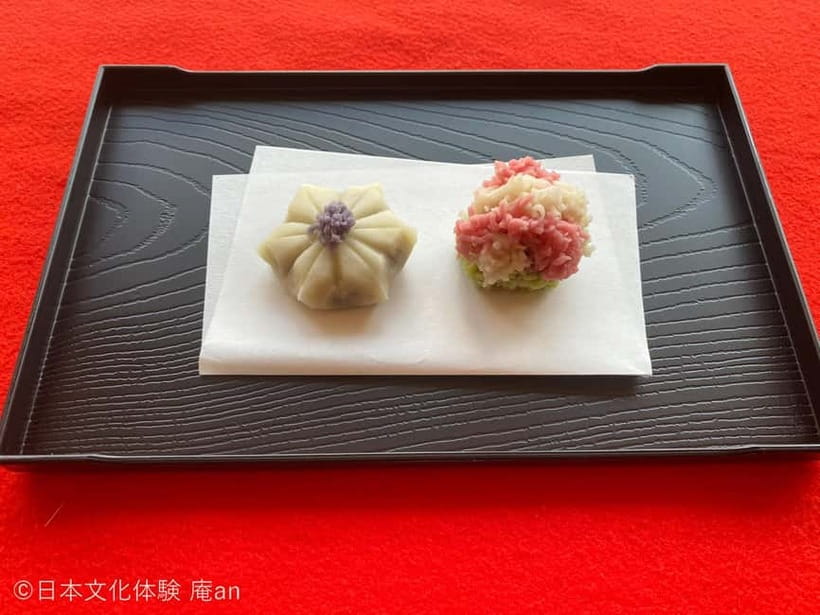
- Two seasonal sweets: You make a flower-shaped nerikiri and a kinton nerikiri, with designs tied to the season.
- Kyoto ingredients: The white and red bean pastes come from long-established Kyoto shops.
- Hands-on matcha: You see a matcha-grinding demonstration and prepare your own tea.
- A compact cultural lesson: The full program takes 95 minutes, making it easy to fit into a Tokyo day.
- Low starting price: The class costs $18 per person, with optional extras for a take-out box or certificate.
- Japanese-led instruction: Demonstrations carry much of the lesson, while English translation is available as much as possible.
What you actually make in 95 minutes
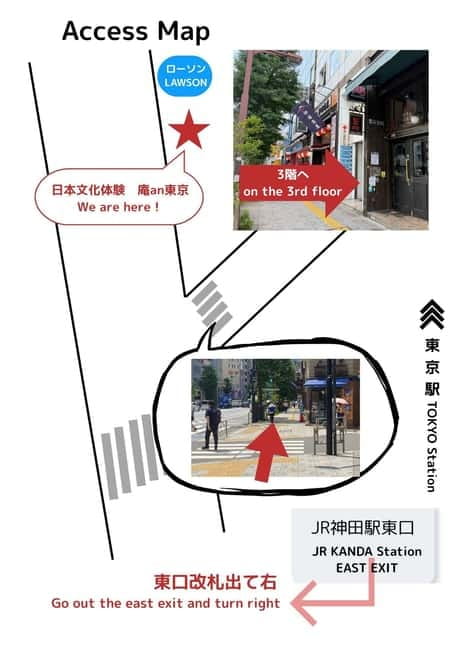
This experience takes place at AN TOKYO Japanese Culture Experience in Honshu, Japan. The listed meeting point is at coordinates 35.6916541, 139.7715022, so check the map carefully before setting out and allow enough time to arrive.
The program begins with an explanation of traditional Japanese sweets. This is useful because nerikiri can look simple in a finished display, yet its appeal comes from small details: color, shape, texture, and seasonal design.
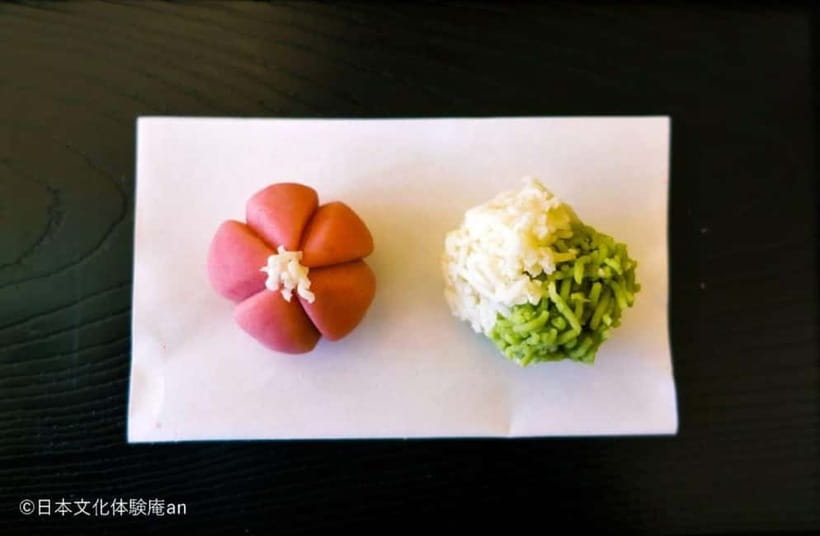
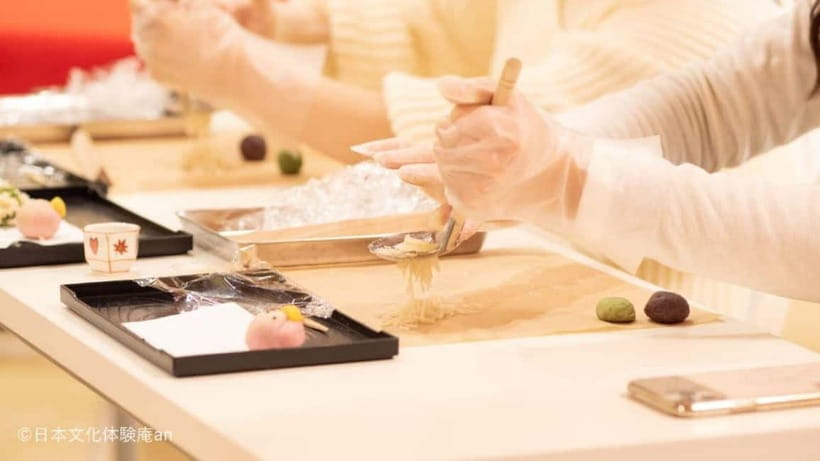
You then make two sweets. The first is a flower-shaped nerikiri. You start by coloring white bean paste, then shape it into the intended form. This is the creative part of the class, but it is also the stage where careful demonstration matters most. You are working with a soft paste, not a firm dough, so the final shape depends on how gently you handle it.
The second sweet is called kinton nerikiri. The name refers to a different style and texture, giving you a useful comparison between two forms of wagashi rather than one repeated exercise. You leave with two handmade sweets that look seasonal and are ready to eat later in the session.
The schedule places the sweets work in the first 55 minutes. That timing is sensible. You get the more active task finished before sitting down for the tea portion, and your sweets are ready for the final tasting.
More Sweets & Dessert Tours in Tokyo
- Matcha Making Class in Tokyo with Authentic Japanese Sweets Set
★ 5.0 · 744 reviews - Tokyo: Matcha Making Experience with Mochi Sweets in Asakusa
★ 4.9 · 388 reviews - Make Traditional Nerikiri Sweets & Matcha experience in Shibuya
★ 5.0 · 130 reviews
Why seasonal nerikiri is worth your time
Nerikiri is considered a high-grade Japanese sweet. It is made from colored white bean paste and shaped to suggest seasonal flowers or fruits. In Japan, wagashi is not only about sweetness. Shape and season matter too, so a small confection can reflect the time of year.
You do not need prior cooking skill for this activity. The making process is presented as a chance to express your own sense of color and form, while the instructor shows the technique. Still, do not expect every sweet to look like a shop display. Your result may have a few handmade quirks, which is part of the point.
The ingredients give this short class more substance. The white and red bean pastes come from long-established Kyoto shops, rather than being described simply as generic sweet filling. That does not turn the experience into a full food tour, but it does connect your hands-on work with the standards of Kyoto wagashi making.
The two sweets also help you understand how much variety can come from bean paste. You are not just adding sugar to a bowl and rolling it around. You are learning how a base ingredient can become a flower or a more textured kinton form through color and shaping.
The 55-minute break and the switch to tea
After the sweet-making portion, the schedule includes a break at about the 55-minute mark. The break gives you a pause before the tea ceremony begins at roughly 65 minutes.
This gap is practical. Making sweets requires attention, and the tea portion asks for a different kind of focus. You have time to look at your finished pieces, reset, and prepare for the next part without rushing directly from one activity into another.
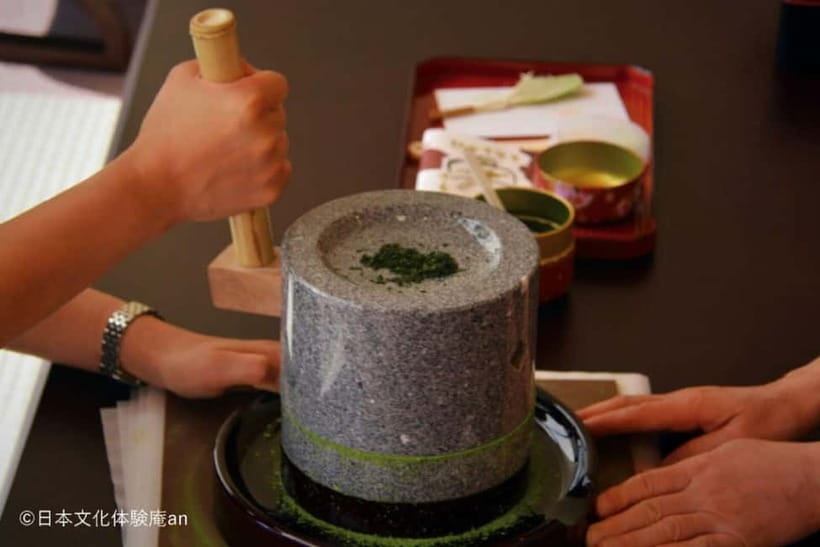
The timetable is structured rather than loose. The tea explanation begins at 65 minutes, followed by a matcha-grinding demonstration and the tea ceremony itself. Picture time comes at about 85 minutes, and the formal program ends around then, with eating and drinking continuing until departure at 95 minutes.
If you are planning around a train, meal, or another reservation, use the full 95 minutes rather than assuming the formal demonstration is the end. The session is short, but the final tasting and departure are included in that window.
Preparing Uji matcha by hand
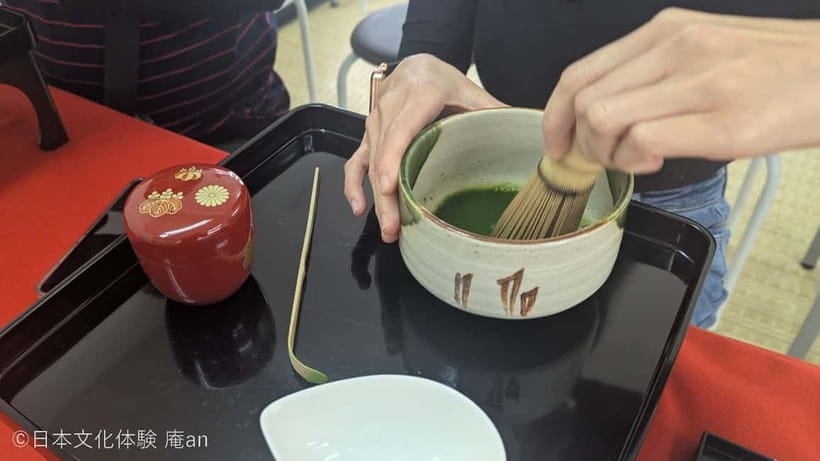
The tea section uses Uji matcha, and the activity describes it as single-origin special matcha. You first receive an explanation of the tea, then watch a demonstration of matcha grinding before preparing your own cup.
That demonstration adds useful context. Matcha is not simply green tea poured into a cup. The powder is prepared and whisked as part of a focused tea practice, and the ceremony gives you a chance to notice the process before tasting the result.
You then drink the matcha with the sweets you made earlier. This pairing is the heart of the experience. Nerikiri has a strong sweetness from the bean paste, while matcha brings a contrasting taste. The balance lets you understand why these two are often served together.
The class is not presented as a full formal tea-school course, and 95 minutes is not enough for that. Think of it as an accessible introduction that combines a small amount of history and explanation with direct participation. You grind or prepare matcha, follow the tea-ceremony process, and taste the result without giving up half a day.
More Tea Ceremony Experiences in Tokyo
- Tokyo: Traditional Tea Ceremony with a Tea Master
★ 5.0 · 528 reviews - Tokyo: Matcha and Kimono Experience
★ 4.7 · 219 reviews - Tokyo: Asakusa Kimono Dressing and Matcha Experience
★ 4.9 · 173 reviews - Asakusa: Kimono Tea Ceremony with Matcha and Sweet
★ 4.9 · 153 reviews
Language, demonstrations, and the Marie factor
The instructor language is Japanese. English translation is offered as much as possible, and the demonstrations are important because they show the hand movements directly.
That approach can work well for a visual activity. A United States attendee found the instructor helpful and patient, even though English was difficult, because the techniques were demonstrated clearly. Another attendee identified a presenter named Marie as a strong guide for explaining wagashi and the tea ceremony.
You should still arrive with realistic expectations. This is not advertised as a fully English-led class. If you need additional English translation, contact the operator in advance and ask about it.
One French attendee found a session too crowded and said the instructor continued before everyone could hear. That is the clearest warning attached to the experience. A busy room can matter more here than on a sightseeing walk, because you need to see the shaping technique and hear instructions before handling the paste.
If you have a choice of start times, ask whether the class size is expected to vary. The supplied information does not give a fixed group limit, so you should not assume a small private lesson.
Is $18 good value in Tokyo?
At $18 per person, this is a modestly priced cultural activity. You receive instruction in two sweets, a tea explanation, a matcha-grinding demonstration, a tea-ceremony experience, and the chance to eat your own creations.
The value is strongest if you want participation rather than a formal performance. You are not paying only to sit in a traditional room and watch someone prepare tea. You make something, prepare matcha, and taste the results.
There are two optional costs. A sweets take-out box costs 100 JPY, and an experience completion certificate costs 300 JPY. The certificate can be nominative if you provide names in advance. Otherwise, the name area is left blank.
The take-out box is worth considering if you want to save one or both sweets for later, though the experience is designed around eating and drinking during the final part. The certificate is a small souvenir option, not a required part of the class.
Children under two who sit on a parent’s lap are free. Anyone who does not participate is not allowed to enter, so this is not a suitable arrangement for a companion who only wants to watch.
Who should book this class?
I would choose this for someone who wants a first taste of Japanese food culture without committing to a long cooking lesson. It works especially well for people curious about wagashi, matcha, seasonal design, or the link between food and ceremony.
Families may appreciate the hands-on format, though the participation rule matters. A child who attends should be ready to take part, while only a child under two sitting on a parent’s lap is listed as free.
It also suits solo visitors and couples looking for a quieter cultural stop between larger Tokyo sights. The activity is compact enough to fit into a morning or afternoon, and the $18 cost leaves room in your budget for other experiences.
This is less suitable if you want detailed instruction in English, a private setting, or a long formal tea ceremony. It may also disappoint if you dislike sweet bean paste. The sweets are built around white and red bean paste, so that flavor is central rather than incidental.
Timing matters more than usual
The operating hours are 10:00 to 17:00. Reservations received after 17:00 are processed the next day, so do not expect a late evening response.
Arrive early. The operator will not hold the event for delays, and cancellation charges can apply regardless of the reason. If you change the date or time after a cancellation fee has been incurred, another specified fee may be charged.
The cancellation rule is fairly friendly if you act in time: you can cancel up to 24 hours in advance for a full refund. The reserve-now, pay-later option also helps if your Japan schedule is still changing.
Do not count on reimbursement for travel costs if you cancel. That warning matters if you are coming from another part of Honshu or building the activity around a complicated connection.
The final tasting and picture time
Near the end, you have picture time before the formal finish. This is when you can photograph the two sweets you shaped, along with the tea setting and your matcha.
The final eating and drinking period runs to about 95 minutes. The sweetness of the bean paste is meant to balance the matcha, so taste them together rather than treating the tea and sweets as separate courses.
That final pairing gives the class its clearest payoff. You see the seasonal designs, remember the shaping process, and then taste the result with tea you helped prepare. Even if your flower is not perfectly symmetrical, you understand more about what sits behind a polished wagashi display.
Should you book Japanese sweets making and tea ceremony?
Book it if you want an affordable, hands-on introduction to Kyoto-style wagashi and Uji matcha while spending less than two hours on the activity. The Kyoto bean paste, two seasonal sweets, and matcha preparation give the session enough variety to feel like more than a single demonstration.
Go in knowing that the class is Japanese-led, English support is limited, and a crowded session could make the instructions harder to follow. Contact AN TOKYO in advance if language support is important, arrive early, and leave room in your schedule for the full 95 minutes.
For $18, this is a good pick for curious eaters, first-time visitors to Japanese tea culture, and anyone who likes taking home a new skill along with a few sweet memories. Skip it if you need a small private group or a fully English-speaking instructor.
FAQ
Where does the Japanese sweets and tea experience take place?
It takes place at AN TOKYO Japanese Culture Experience in Honshu, Japan. The listed coordinates are 35.6916541, 139.7715022.
How long does the activity last?
The full experience lasts 95 minutes. The schedule includes sweets making, a break, tea instruction, a matcha-grinding demonstration, the tea ceremony, picture time, and final eating and drinking time.
How much does the activity cost?
The price is $18 per person.
What sweets will I make?
You will make two seasonal Japanese sweets. The program includes a flower-shaped nerikiri and a kinton nerikiri.
What ingredients are used?
The sweets use white and red bean paste produced by long-established shops in Kyoto. The tea portion uses Uji matcha described as single-origin special matcha.
Is the class taught in English?
The instructor language is Japanese. English translation is provided as much as possible, and you can contact the operator if you would like additional English support.
Can I take the sweets home?
A sweets take-out box is available for 100 JPY. The activity also includes time to eat and drink your sweets with matcha before departure.
Is a certificate available?
Yes. An experience completion certificate costs 300 JPY. For a certificate with a name, provide the names in advance. Otherwise, the name section is left blank.
Are children charged?
Children under two who sit on a parent’s lap are free. Anyone who attends the experience must participate and is not allowed to enter only as a spectator.
Can I cancel for a refund?
You can cancel up to 24 hours in advance for a full refund. The operator will not hold the activity for late arrivals, and cancellation or date-change fees may apply after the stated cancellation period.
Just added around Tokyo
- Kawagoe Japanese Food Tour : Unagi Kaiseki and Sake near Tokyo★ 5.0 · 30 reviews
- Kawagoe 4hr Private Tour with Licensed Guide (Kawagoe Dep)★ 5.0 · 13 reviews
- Little EDO Sushi Making workshop in Kawagoe★ 5.0 · 18 reviews
- 【R34】Tokyo:Private Daikoku tour in Modified R34★ 4.9 · 92 reviews
- :Tokyo,Shibuya/ Pro Photography in Kimono / English-Friendly★ 5.0 · 26 reviews
- Tokyo:Celebrate Unique Japanese New Year Tradition Festivity★ 3.9 · 20 reviews
- Tokyo: Allstar Food Tour★ 4.7 · 29 reviews
- Tokyo: West-Side Cycling and Food Tour with Guide★ 5.0 · 37 reviews
Tea Ceremony Experiences, compared.

Tea Ceremony in a Traditional Tea House in Kiyomizu
Our verdict →


World Heritage Kyoto & Nara Uji Authentic Matcha Experience
Our verdict →

Arashiyama Bamboo Forest, Monkeys, Matcha & Temple Tour
Our verdict →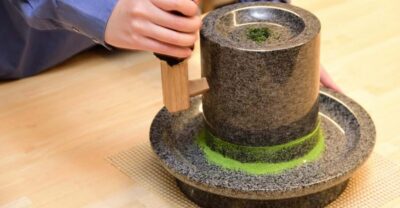
Browse the lists this tour appears in