
Reviewed · TEA CEREMONY EXPERIENCES
Matcha Making Class in Tokyo with Authentic Japanese Sweets Set
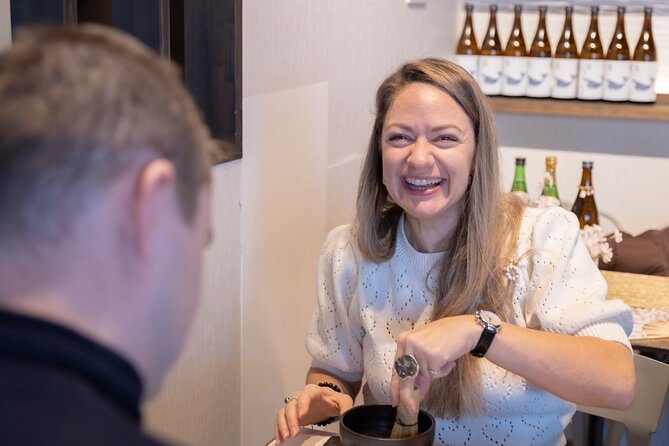
The best part of this one-hour Asakusa class is that you do not just drink matcha. You make it yourself, using traditional tools, then enjoy it with Japanese sweets. I like the friendly, hands-on teaching and the useful tips for choosing and preparing matcha at home. I also like the calm cultural setting, which gives you a taste of Japanese tea practice without committing to a formal, highly ceremonial performance.
The main consideration is the group size, which can reach 30 people. You should still receive guidance, but the class may feel less personal when full. The short length is a plus for a busy Tokyo schedule, though it leaves little room for a long tea ceremony or extended conversation.
Key points at a glance
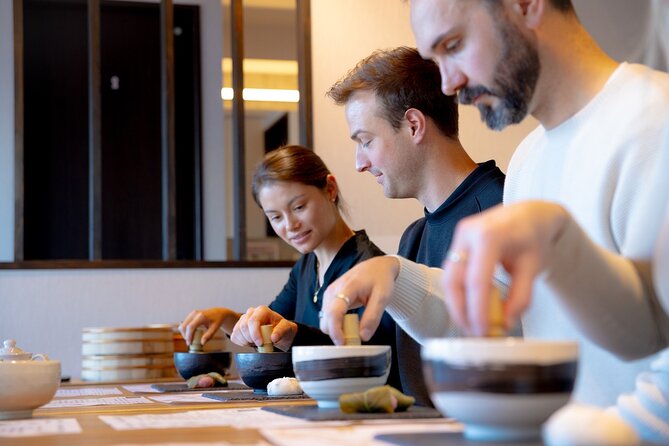
- Whisk your own matcha: You prepare the tea yourself with traditional equipment, rather than simply watching a demonstration.
- Learn how to spot quality powder: The lesson covers the difference between matcha and ordinary green tea, along with signs of better matcha.
- Meet English-speaking hosts: Instructors named in class feedback include Shuri, Rino, Hiya, and Nama.
- Pair tea with Japanese sweets: Seasonal confectionery softens matcha’s bitter edge and makes the tasting more enjoyable.
- Stay in Asakusa: The meeting point is near public transportation and close to one of Tokyo’s most traditional areas.
- Pay a modest price for a real activity: At $21.89 per person, the class costs little compared with many Tokyo cultural activities.
What the Asakusa matcha class is really like
This is a practical introduction to matcha, not a full tea ceremony. You sit with an English-speaking host, learn a little about the tea’s origins and place in Japanese culture, then follow the preparation step by step.
The class is designed for beginners. You do not need to know how to hold a whisk, judge tea powder, or follow tea ceremony etiquette before you arrive. The instructor demonstrates the process, then gives you time to try it yourself.
That difference matters. Many visitors buy matcha drinks in Tokyo without understanding what they are drinking. Here, you learn why matcha differs from regular green tea, how it is prepared, and why the powder behaves differently from loose leaves. You leave with a repeatable method, not just a pleasant cup.
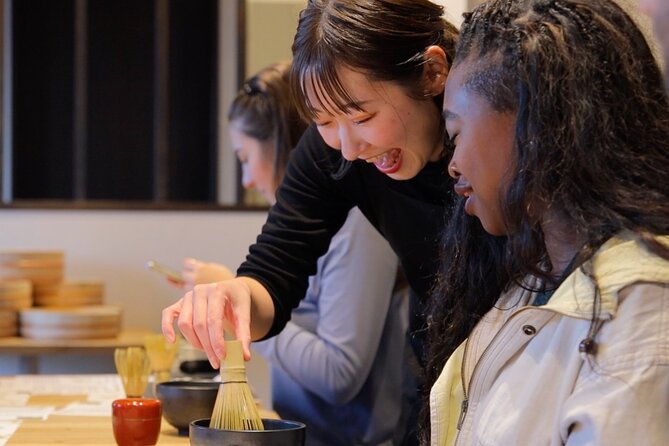
The hosts also keep the tone relaxed. Rino, Hiya, Nama, and Shuri are among the instructors named in class feedback, and the teaching style is described as friendly, patient, and interactive. The exact host may vary, but the format is built around conversation and participation rather than a stiff lecture.
More Sweets & Dessert Tours in Tokyo
- Tokyo: Matcha Making Experience with Mochi Sweets in Asakusa
★ 4.9 · 388 reviews - Make Traditional Nerikiri Sweets & Matcha experience in Shibuya
★ 5.0 · 130 reviews - Private Mochi Sweets Making class near Shibuya area
★ 5.0 · 93 reviews
Arriving at 2-chōme-17-9 Kaminarimon
The class begins at Matcha Making Tokyo, at 2-chōme-17-9 Kaminarimon in Taito City. The location is in Asakusa, an area known for traditional Tokyo streets, temples, food shops, and views along the river.
The meeting point is near public transportation, which makes it practical to fit into a day of sightseeing. You can pair the class with Asakusa landmarks before or after, but you should allow enough time to find the address. The class itself lasts about an hour and ends where it begins, so you do not need to arrange a separate return journey.
The setting has a café feel, with an upstairs nook used for at least some sessions. One particularly appealing detail is the traditional floor seating described by a class participant. Sitting this way adds a Japanese touch, though it may not suit everyone for a long period. In this case, the class is short, so the arrangement is manageable for most people.
The space may be quiet when your group is small. Another class, such as sushi making, can take place at the same location, so the atmosphere may be busier at certain times. If you value a calm lesson, a small group could make a noticeable difference.
First lesson: matcha, green tea, and quality
The teaching begins with context. You learn where matcha fits into Japanese tea culture and how it differs from ordinary green tea leaves.
This is more useful than it may sound. Matcha is powdered tea, so you consume the leaf rather than steeping leaves and discarding them. The preparation, taste, and texture are different from a standard cup of Japanese green tea.
The host also explains how to identify higher-quality powder. You should not expect a professional tea buyer’s course in one hour, but the information gives you a better starting point when you shop for matcha later. You may also gain a clearer idea of why some matcha tastes smooth while other powder can seem harsh or overly bitter.
The class uses visual material, including an iPad presentation in at least some sessions, to show how matcha is grown and explain its background. That visual support helps break up the talk and gives children something concrete to follow.
The lesson is educational without becoming heavy. I like this balance because the cultural information gives meaning to the activity, while the hands-on portion keeps you involved.
Whisking matcha with traditional tools
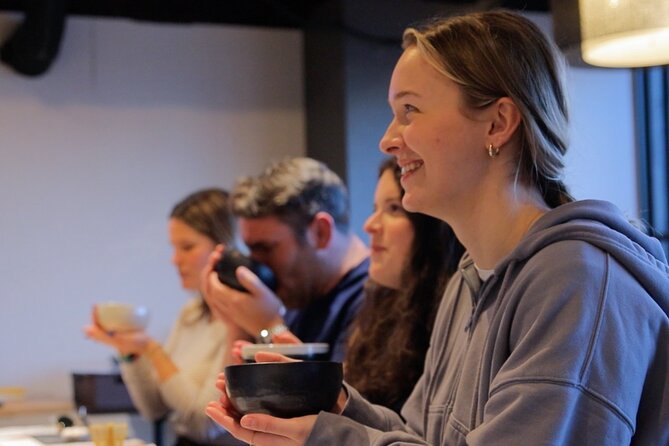
After the introduction, you prepare your own tea. The host demonstrates the correct steps, then guides you as you measure, add, and whisk the matcha.
The bamboo whisk is the key tool. Your goal is to create a smooth, frothy drink rather than simply stir powder into water. The technique takes practice, and the host can correct your movement as you work.
This is where the class earns its price. You are not paying only for a small cup of tea and a sweet. You are learning a physical skill that you can repeat at home with matcha and the proper tools.
The instruction is described as one-to-one at points, but the total class can include up to 30 people. That means the amount of individual attention depends on attendance and the timing of the session. A full class may offer less personal guidance than a small one, while the group setting can make the activity more social.
Do not worry if your first whisking attempt is not perfect. The point is to understand the motion and see how the powder changes as you work. The hosts are there to keep the process approachable, not to grade your foam.
You can also take photos during the activity. The hosts may help with a family photo, which is a thoughtful touch if you are visiting with children or a partner.
More Tea Ceremony Experiences in Tokyo
- Tokyo: Traditional Tea Ceremony with a Tea Master
★ 5.0 · 528 reviews - Tokyo: Matcha and Kimono Experience
★ 4.7 · 219 reviews - Tokyo: Asakusa Kimono Dressing and Matcha Experience
★ 4.9 · 173 reviews - Asakusa: Kimono Tea Ceremony with Matcha and Sweet
★ 4.9 · 153 reviews
Matcha and seasonal Japanese sweets
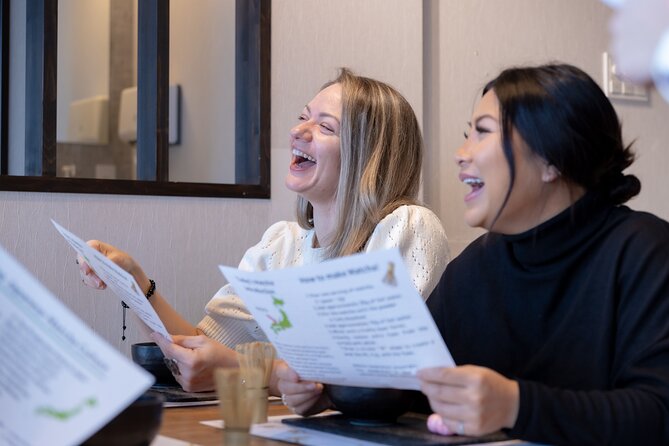
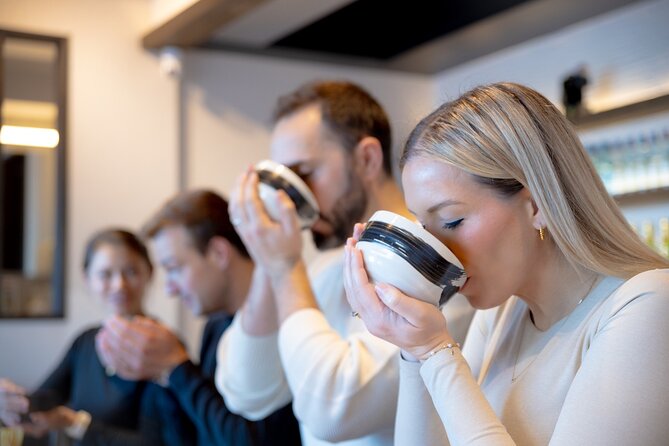
Once you have prepared the tea, you drink it with a set of traditional Japanese sweets. The sweets are an important part of the tasting, not an afterthought.
Matcha can have a strong, earthy, or bitter edge. Japanese confectionery provides sweetness that balances the tea and makes the flavor easier for first-time drinkers. The pairing also shows how tea is enjoyed in a wider food tradition, rather than treating matcha as just another café drink.
The sweets are seasonal, though the exact items are not specified. That means the selection may change according to availability. You should expect a Japanese confectionery set, but not a fixed menu.
The matcha itself has been described as smooth rather than sharply bitter. Taste is personal, and preparation matters, but the class gives you a chance to sample the tea in a traditional style and then adjust your view of it. If you normally order sweetened matcha drinks, this is a useful comparison.
This portion also gives the class a pleasant finish. You have made the tea, learned why it matters, and then get time to sit and enjoy the result.
A relaxed alternative to a formal tea ceremony
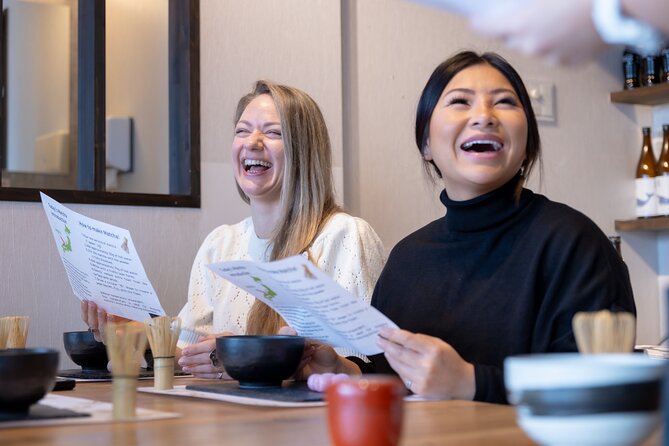
Tokyo offers formal tea ceremonies, but they are not for everyone. They may involve more etiquette, longer periods of quiet, and a stronger focus on established movements.
This class takes a more modern approach. You learn about the ceremony and traditional tools, but the host keeps the lesson interactive. That makes it a good choice if you want cultural context without feeling nervous about making a mistake.
The format works especially well for families. Children aged 6 and 9 have been included in a class and enjoyed the activity, according to the supplied class details. The visual presentation, whisking, sweets, and short duration give younger participants several ways to stay involved.
Still, you should consider the group. A child who needs constant movement may find floor seating and a one-hour lesson challenging, while a child who enjoys food activities will likely have plenty to do. The instructors make an effort to include children, but the class remains a tea lesson rather than a dedicated kids’ program.
Adults who want a quiet, serious tea ceremony may find this format too casual. If that is your goal, look for a longer ceremony built around formal etiquette. If you want to learn, participate, and take photos, this class is likely the better fit.
Why the $21.89 price makes sense
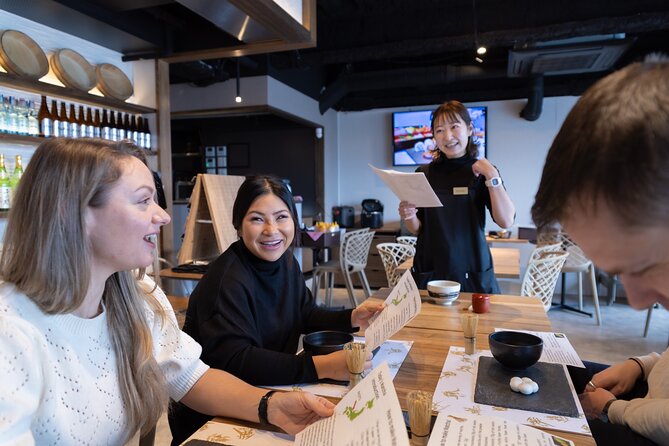
At $21.89 per person, this is a strong value for Tokyo. The fee includes an English-speaking instructor, matcha, and Japanese sweets. You also receive cultural explanation, guided practice, and the use of traditional tea tools.
The price is especially reasonable because the class teaches something you can use again. Once you understand the basic method, you can prepare matcha at home rather than treating it as a drink you can only enjoy in Japan.
The value is less clear if you are seeking a full meal, a long cultural program, or a private lesson. The class is short, and the sweets are a small set, not a substantial food tasting. You are paying for a focused activity, not a full afternoon.
The maximum group size of 30 is the main factor to keep in mind. A large session can reduce the amount of time the instructor spends directly with you. Even so, the activity remains inexpensive compared with many guided cultural experiences in central Tokyo.
Who should book this activity
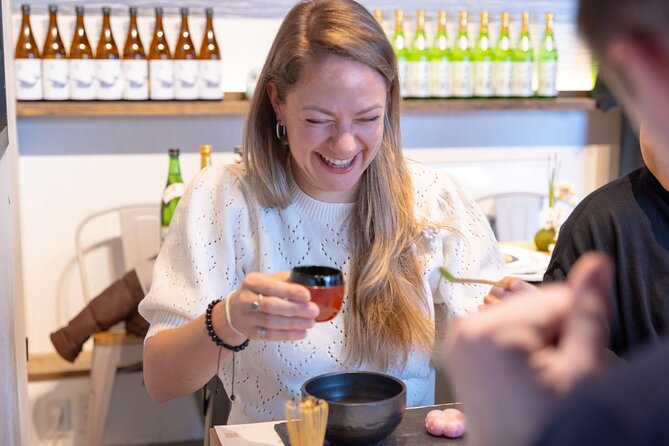
I would suggest this class to several types of visitors:
- First-time matcha drinkers who want to understand what they are tasting.
- Families looking for a short activity that includes food and hands-on work.
- Couples and friends who want a shared memory and a family or group photo.
- Food-focused visitors interested in Japanese sweets and tea preparation.
- Busy sightseers who can spare one hour between Asakusa stops.
- Anyone curious about Japanese culture but not ready for a formal tea ceremony.
It is also a useful early-Tokyo activity. The lesson gives you context for matcha, Japanese confectionery, and tea etiquette that may make later food experiences more meaningful.
You may want to skip it if you dislike group classes, cannot sit comfortably on the floor, or want a quiet private ceremony. You should also avoid assuming that every session will have the same instructor. Hosts can include Shuri, Rino, Hiya, or Nama, and the style may vary slightly from one class to another.
Practical details before you go
Your booking confirmation is provided at the time of booking, and the ticket is mobile, so you can show it from your phone. Hotel pickup and drop-off are not included. You make your own way to the Kaminarimon meeting point, and the activity finishes there.
Service animals are allowed, and the location is near public transportation. The available information does not give detailed physical-access information for the upstairs or floor-seating areas, so contact the provider before booking if you need a specific arrangement.
Free cancellation is available until 24 hours before the start time for a full refund. Changes or cancellations inside that 24-hour window are not accepted, and the local Tokyo time controls the cut-off.
Arrive on time. One class participant was accommodated after arriving a few minutes late, but you should not rely on that. A short class has a tight schedule, and missing the introduction can mean missing the part that explains the tea’s background and preparation.
Should you book the Asakusa matcha class?
Book it if you want a short, affordable, hands-on cultural activity rather than a formal tea ceremony. The strongest reasons are the English instruction, the chance to whisk your own matcha, the seasonal sweets, and the useful guidance on making tea at home.
The class is not a deep study of tea ceremony etiquette, and a full group may limit personal attention. But at $21.89, the risk is small, the location is convenient, and the activity fits neatly into an Asakusa day.
For families, first-time matcha drinkers, and visitors who prefer doing something over simply looking at another sight, this is an easy booking. Pair it with nearby Asakusa sightseeing, keep your expectations focused on a one-hour introduction, and you should come away with a new skill and a better sense of why matcha matters in Japan.
FAQ
How long does the matcha making class last?
The activity lasts approximately one hour.
Where does the class take place?
The meeting point is Matcha Making Tokyo, 2-chōme-17-9 Kaminarimon, Taito City, Tokyo 111-0034, Japan.
Where does the activity finish?
The class ends back at the meeting point.
What does the price include?
The price includes an English-speaking instructor, matcha, and Japanese sweets.
Is hotel pickup included?
No. Hotel pickup and drop-off are not included.
Do I need previous tea ceremony experience?
No. The class is designed for beginners, and no previous tea ceremony experience is required.
Is the class taught in English?
Yes. An English-speaking instructor leads the activity.
How many people can join the class?
The activity can have a maximum of 30 participants.
Are children able to join?
The class is suitable for families, and children aged 6 and 9 have taken part in the activity. The hosts work to include children in the lesson.
Can I cancel for a full refund?
Yes. You can cancel at least 24 hours before the start time for a full refund. Cancellations or changes made less than 24 hours before the start time are not accepted.
Just added around Tokyo
- Kawagoe Japanese Food Tour : Unagi Kaiseki and Sake near Tokyo★ 5.0 · 30 reviews
- Kawagoe 4hr Private Tour with Licensed Guide (Kawagoe Dep)★ 5.0 · 13 reviews
- Little EDO Sushi Making workshop in Kawagoe★ 5.0 · 18 reviews
- 【R34】Tokyo:Private Daikoku tour in Modified R34★ 4.9 · 92 reviews
- :Tokyo,Shibuya/ Pro Photography in Kimono / English-Friendly★ 5.0 · 26 reviews
- Tokyo:Celebrate Unique Japanese New Year Tradition Festivity★ 3.9 · 20 reviews
- Tokyo: Allstar Food Tour★ 4.7 · 29 reviews
- Tokyo: West-Side Cycling and Food Tour with Guide★ 5.0 · 37 reviews
Tea Ceremony Experiences, compared.

Tea Ceremony in a Traditional Tea House in Kiyomizu
Our verdict →


World Heritage Kyoto & Nara Uji Authentic Matcha Experience
Our verdict →

Arashiyama Bamboo Forest, Monkeys, Matcha & Temple Tour
Our verdict →
Browse the lists this tour appears in