

Reviewed · TEA CEREMONY EXPERIENCES
Make Traditional Nerikiri Sweets & Matcha experience in Shibuya
Making nerikiri is part food lesson, part small art class. Near Omotesando, instructor Hana welcomes you into her home, shows you how bean paste and sugar become delicate Japanese sweets, and guides you through four designs of your own. You finish with matcha and a table-style tea ceremony.
I like two things right away: the tiny group size, capped at four, and the chance to see how a local Tokyo home feels in one of the city’s most stylish districts. I also like that you make three sample designs and one original piece, so the class gives you both clear instruction and room to play.
The main consideration is timing. The class lasts about 90 minutes, but the meeting point can be easy to miss if you are rushing around Omotesando. Arrive early at the area across from CHUMS Omotesando, near the brown building, and allow a few minutes to find the exact spot.
Key points to know before booking
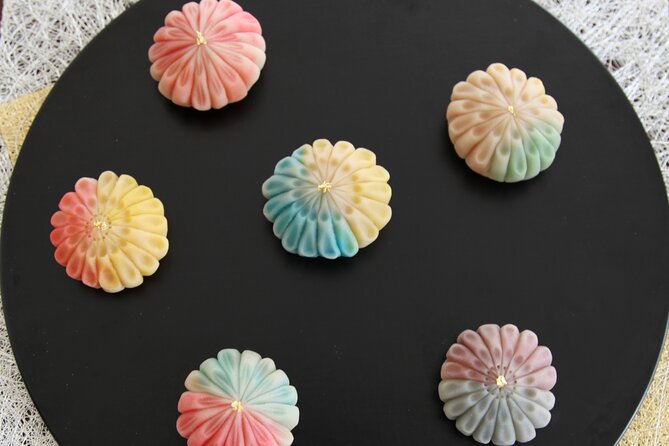
- Four sweets to make: Choose three designs from Hana’s examples, then create one original nerikiri.
- A real home setting: The class takes place about a 30-second walk from the meeting point, giving you a glimpse of everyday inner-city Tokyo life.
- Matcha with Japanese sweets: Finish your handmade sweets with freshly prepared matcha and additional treats from Japan.
- Small and personal: The maximum group size is four, which leaves room for individual help and questions.
- Easy central location: The meeting point is about three minutes from Omotesando Station, within walking distance of Harajuku and Shibuya.
- Family-friendly and plant-based: The activity is suitable for children and older adults, and it is listed as suitable for vegetarians and vegans.
Why nerikiri makes a good Tokyo souvenir
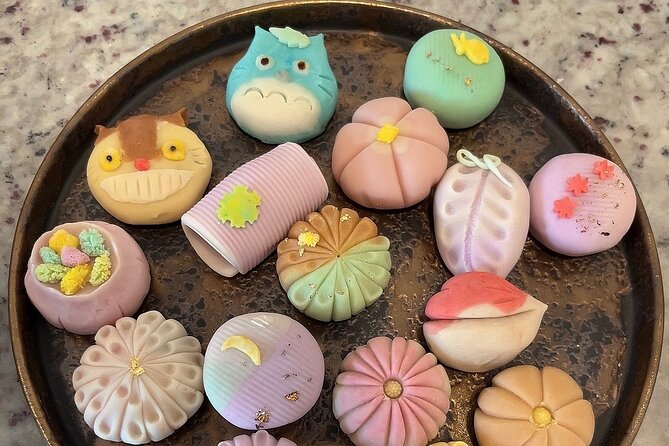
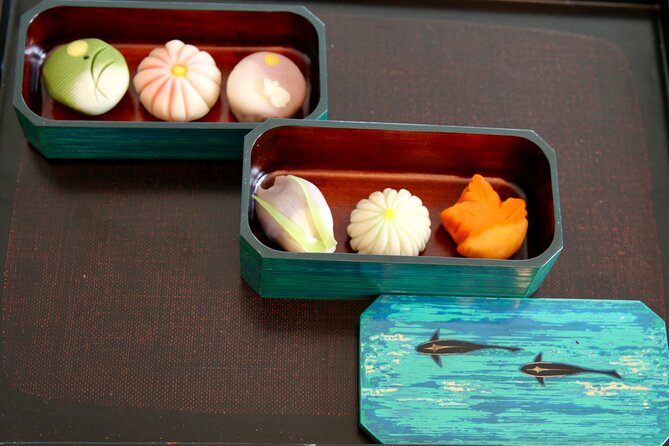
Nerikiri is a traditional Japanese confection made from ingredients such as bean paste, sugar, and other elements used to shape and color the sweets. Its appeal is not only flavor. The appearance matters just as much, with flowers, seasonal forms, and playful designs often packed into a small bite.
That makes this class more memorable than simply buying a box at a department store. You learn how the sweet is formed, see how small tools and careful fingers change its shape, and leave with something you made yourself. The result may not look exactly like Hana’s example, and that is part of the fun.
You choose three designs from sample pieces. The examples give you a firm starting point, which helps if you are not naturally artistic or if you are traveling with children. After that, you make a fourth piece in your own style. Past creations have included cherry blossoms, flowers, pumpkins, Hello Kitty, Totoro, Pikachu, and original characters.
That last piece is especially useful for families. Children can follow a familiar character, while adults may prefer a flower or a more traditional form. Hana’s teaching style is patient and encouraging, so you are not left to figure out the fine details alone.
More Sweets & Dessert Tours in Tokyo
- Matcha Making Class in Tokyo with Authentic Japanese Sweets Set
★ 5.0 · 744 reviews - Tokyo: Matcha Making Experience with Mochi Sweets in Asakusa
★ 4.9 · 388 reviews - Private Mochi Sweets Making class near Shibuya area
★ 5.0 · 93 reviews
Meeting Hana near Omotesando
The meeting point is at 5-chōme-2-21 Jingūmae, in Shibuya, near CHUMS Omotesando. The directions specify meeting across from the store, in front of a brown building, then walking together for about 30 seconds to Hana’s home.
This short walk matters. You are not searching for a large studio with a bright sign. The activity takes place in a private home, and the meeting arrangement keeps the location simple and discreet. I would save the address and meeting instructions on your phone before leaving your hotel, then arrive a little early.
The area is one of Tokyo’s most polished shopping districts, with Omotesando’s broad avenues, boutiques, cafes, and architectural landmarks close by. Harajuku and Shibuya are also within walking distance. That makes the class easy to pair with a larger day out.
The activity offers three start times: 9:00 AM, 1:00 PM, and 3:30 PM. The early session is a smart choice if you want to use the rest of the day for sightseeing. Many shops do not open until around 11:00 AM, so a 9:00 AM class gives you a useful first activity before heading to Meiji Shrine, Takeshita Street, or Shibuya Crossing.
The afternoon times work better if you prefer a slow morning or want to place the class between other plans. Just remember that the final session may leave less time for nearby sights before dinner.
Inside a Tokyo home
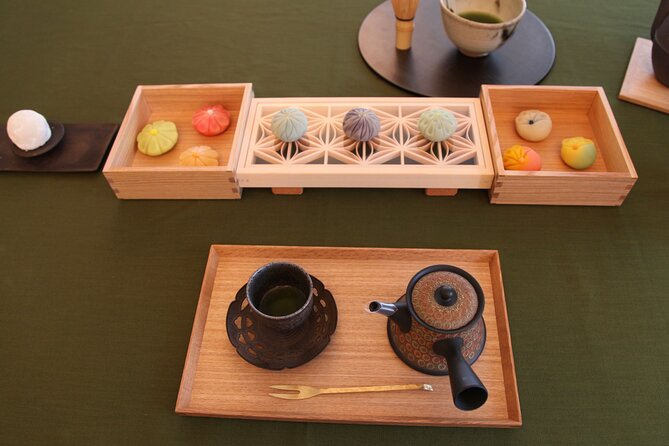
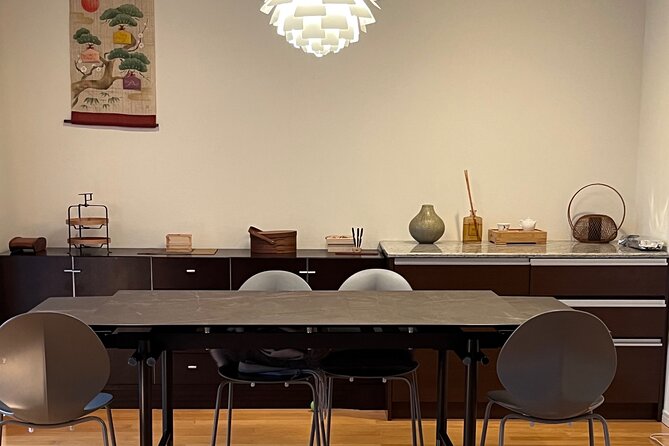
The home setting is a key part of the experience. Instead of sitting in a large commercial classroom, you accompany Hana to her nearby residence and see a more personal side of life in central Tokyo.
That does not mean you should expect a house tour. The value is simpler: you sit at a table, work with the ingredients, and learn in the setting where Hana teaches. The atmosphere is calm and informal, which suits a craft that rewards patience rather than speed.
This is also a good break from Tokyo’s crowded train stations and busy shopping streets. You spend time doing one quiet thing with your hands. For a first visit to Japan, it offers an introduction to food customs and home life without requiring a full day or a formal cultural lecture.
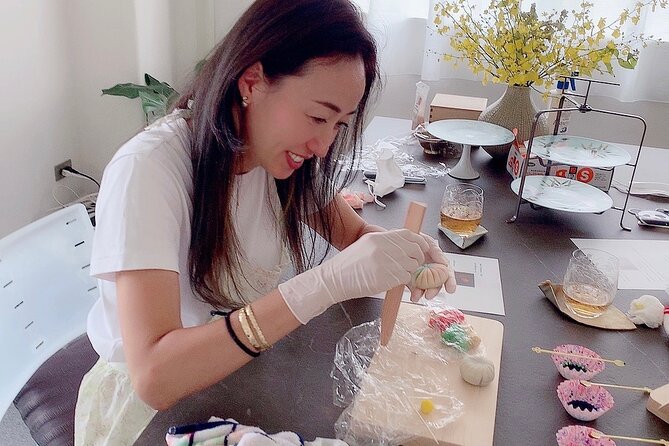
Hana speaks both English and Japanese, and her teaching is designed for beginners. She breaks down techniques that can look complicated when finished. You should expect guidance with shaping, coloring, and small decorative details, with the amount of help adjusted to your age and skill level.
Families appear to be especially well served here. Children as young as seven have taken part, and the activity has also worked well for older children, teenagers, parents, and grandparents. Hana’s approach includes helping a child when needed, allowing an adult to continue working on their own piece.
Making three traditional designs
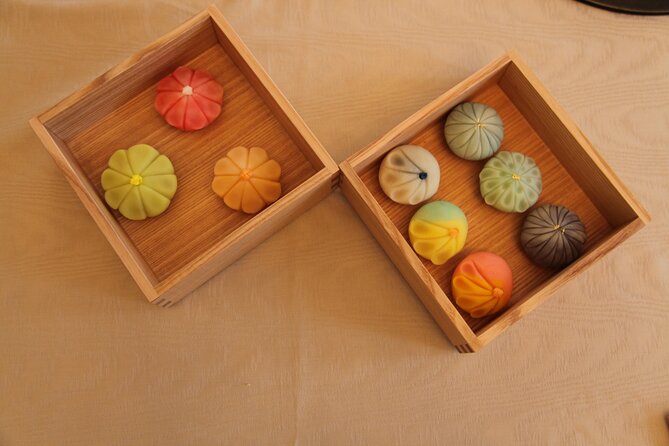
The hands-on portion begins with the sample designs. You select three shapes and make them with Hana’s instruction. This structure is well judged because you do not start with a blank canvas.
Nerikiri can look intimidating when you see a finished piece. The shapes are neat, the colors are gentle, and the details are precise. Hana makes the process manageable by showing how the paste is handled and how a simple form becomes a flower, character, or other design.
The class is not about producing factory-perfect sweets. You will probably notice small differences between your work and the samples. Those differences give each piece some personality, and Hana’s encouragement helps keep the process light rather than tense.
The pace is another strength. The session runs for about an hour and a half, giving you enough time to work without feeling pushed through a series of quick demonstrations. A few people have specifically appreciated not being rushed, which matters when you are trying a delicate technique for the first time.
You make all four pieces yourself, and they can be taken home. That adds practical value to the activity, especially if you are looking for a small edible souvenir that is more personal than a standard purchase.
More Tea Ceremony Experiences in Tokyo
- Tokyo: Traditional Tea Ceremony with a Tea Master
★ 5.0 · 528 reviews - Tokyo: Matcha and Kimono Experience
★ 4.7 · 219 reviews - Tokyo: Asakusa Kimono Dressing and Matcha Experience
★ 4.9 · 173 reviews - Asakusa: Kimono Tea Ceremony with Matcha and Sweet
★ 4.9 · 153 reviews
Designing your own fourth sweet
After the three guided designs, you create an original nerikiri. This is the most creative part of the class and often the moment when the activity becomes personal.
You can use the techniques from the first three pieces to make a new flower, animal, character, or color combination. The supplied examples can spark ideas, but you are not limited to copying them. One particularly nice detail from the class format is that Hana pays attention to individual choices, including unusual colors and small decorations.
This final piece also shows why the class works for different ages. A young child can make a favorite character, while an adult might create a seasonal flower. The task is shared, but the results do not need to be identical.
If you are nervous about your artistic ability, do not let that stop you. The ingredients are forgiving, and Hana can help improve the shape or technique. If you are already creative, the final design gives you more freedom than a strictly traditional workshop.
Matcha and the table-style tea ceremony
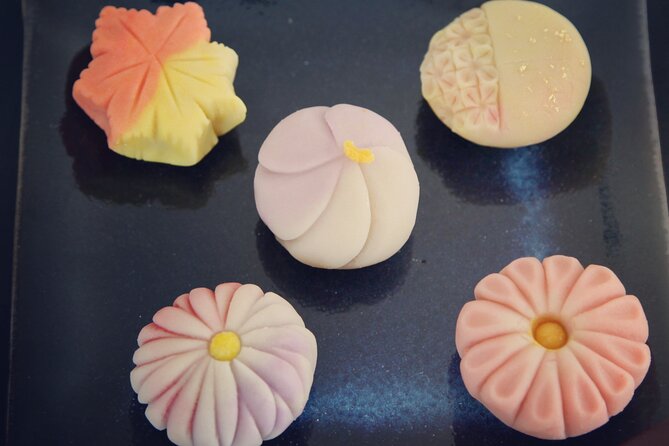
Once the sweets are complete, you sit down for matcha and Japanese sweets. Hana serves freshly prepared matcha along with carefully selected confections from different parts of Japan.
The tea portion is more than a drink added at the end. It gives you a chance to slow down and consider how Japanese sweets are presented with tea. The small size, careful form, and restrained sweetness of nerikiri make sense in this setting.
Depending on the group, Hana explains matcha preparation and tea etiquette, and you may have a chance to make matcha yourself. The experience is presented as a table-style ceremony rather than a highly formal tea-school performance. That keeps it approachable for first-time visitors and families.
Matcha has a distinct taste, and it may be more bitter than the tea you normally drink. The sweets help balance it. If you have never tried matcha, this is a gentle way to do so because you can enjoy it alongside the sweets you have just made.
The extra Japanese treats also add variety. You are not limited to eating only your own creations, and Hana uses the tea time to share more about Japanese confectionery and customs.
What the $60 price includes
At $60 per person, this is not the cheapest food activity in Tokyo. It is also not simply a short demonstration. The price includes about 90 minutes of instruction, four handmade sweets, matcha, additional Japanese sweets, and a small-group setting with a maximum of four people.
I see the strongest value in the personal format. A larger class might cost less, but you would likely receive less individual help and have less contact with the instructor. Here, a child can get assistance without an adult having to abandon their own piece, and an adult can ask detailed questions without waiting behind a large group.
The home setting also gives the class a different character from a standard cooking school. You are paying for access to a local instructor’s time, not just ingredients and a table.
The value is highest if you enjoy making things, want a cultural activity with a clear takeaway, or are visiting with children. If you only want to taste traditional sweets, a department-store food hall will be cheaper and quicker. If you want to understand how they are shaped and spend time with an instructor, this class earns its price more easily.
Who will enjoy this class most
I would recommend it first to families. The activity suits children, and the mix of clear examples, hands-on work, and colorful designs gives younger participants something to focus on. It also works well for grandparents traveling with a grandchild because everyone can make their own piece at a comfortable pace.
Couples and friends will enjoy it if they want a quiet shared activity rather than another major sightseeing stop. It is also a good choice for solo visitors, though the group size means the session may include other people unless you book enough places for a private group.
The class is useful for visitors who have already seen the major Tokyo sights and want something slower. It is equally suitable near the start of a first visit, especially with the 9:00 AM option. Starting the trip with a calm cultural activity can help you get comfortable before tackling Shibuya’s crowds and train connections.
Vegetarians and vegans can take part according to the activity information. If you have strict dietary rules, allergies, or concerns about alcohol-containing ingredients, contact Hana before the class. A participant with halal concerns received ingredient-related help after booking, so asking ahead is the sensible approach.
Planning the rest of your day in Shibuya
The class location makes it easy to build a walking route afterward. From the Omotesando area, you can head toward Meiji Shrine and Harajuku, continue to Takeshita Street, or make your way toward Shibuya Crossing.
The exact order depends on your start time. With the 9:00 AM session, you can finish around midmorning and visit nearby shops as they open. The 1:00 PM class fits well after morning sightseeing, while the 3:30 PM session works as a late-afternoon cultural break.
Do not pack the day too tightly. Although 90 minutes is the scheduled duration, you may want time to enjoy the tea, take photographs of your sweets, and speak with Hana about Tokyo. Her local suggestions have included places to visit, food stops, and ideas for later parts of a Japan trip.
The class ends back at the meeting point. That makes it simple to continue on foot or return to the station rather than arranging a separate pickup.
Small details worth knowing
The activity uses a mobile ticket, and confirmation is provided when you book. It is near public transportation, with Omotesando Station only a short walk away.
The maximum group size is four. That is small enough for direct instruction, but it also means spaces can be limited, especially at popular times. Choose your start time carefully because changes made less than 24 hours before the scheduled start are not accepted.
Free cancellation is available if you cancel at least 24 hours before the local start time. Cancellations made later are not refunded.
The experience is recommended by 98 percent of participants and has a 4.9 rating from 130 reviews. Those figures match the practical strengths of the class: patient instruction, a friendly host, a clean home setting, tasty results, and a format that works for children as well as adults.
Should you book the nerikiri and matcha class?
Book it if you want a small, personal cultural activity that combines making, tasting, and conversation. The class gives you four sweets to create, a cup of matcha, a look inside a local home, and an easy starting point for exploring Omotesando, Harajuku, or Shibuya.
I would skip it only if you dislike sweet bean paste, have little interest in crafts, or want a fast food stop rather than a guided activity. For most families, first-time visitors, and anyone curious about Japanese food traditions, the $60 price is reasonable for the personal attention and the chance to take your own creations home.
FAQ
Where does the nerikiri class meet?
The meeting point is at 5-chōme-2-21 Jingūmae, Shibuya, Tokyo 150-0001, near CHUMS Omotesando. You meet across from CHUMS, in front of the brown building, then walk about 30 seconds together to the instructor’s home.
How long does the activity last?
The experience lasts approximately one hour and 30 minutes.
How many nerikiri sweets will I make?
You will make four sweets in total. You choose three designs from sample pieces and create one original design.
Can I take the sweets home?
Yes. Everything you make during the class can be taken home.
Is the experience suitable for children and plant-based diets?
The activity is suitable for all ages, including young children and seniors. It is also listed as suitable for vegetarians and vegans.
What happens if I need to cancel?
You can receive a full refund if you cancel at least 24 hours before the experience start time. Cancellations or changes made less than 24 hours before the start are not accepted for a refund.
Just added around Tokyo
- Kawagoe Japanese Food Tour : Unagi Kaiseki and Sake near Tokyo★ 5.0 · 30 reviews
- Kawagoe 4hr Private Tour with Licensed Guide (Kawagoe Dep)★ 5.0 · 13 reviews
- Little EDO Sushi Making workshop in Kawagoe★ 5.0 · 18 reviews
- 【R34】Tokyo:Private Daikoku tour in Modified R34★ 4.9 · 92 reviews
- :Tokyo,Shibuya/ Pro Photography in Kimono / English-Friendly★ 5.0 · 26 reviews
- Tokyo:Celebrate Unique Japanese New Year Tradition Festivity★ 3.9 · 20 reviews
- Tokyo: Allstar Food Tour★ 4.7 · 29 reviews
- Tokyo:Calligraphy &Make your original folding fan in Asakusa★ 5.0 · 62 reviews
Tea Ceremony Experiences, compared.

Tea Ceremony in a Traditional Tea House in Kiyomizu
Our verdict →


World Heritage Kyoto & Nara Uji Authentic Matcha Experience
Our verdict →

Arashiyama Bamboo Forest, Monkeys, Matcha & Temple Tour
Our verdict →
Browse the lists this tour appears in