
Reviewed · SUSHI EXPERIENCES
The Original Small-Group Sushi Making Class in Kyoto
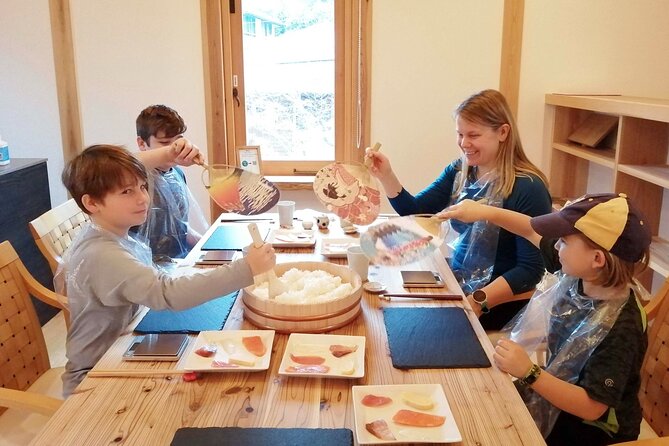
Kyoto’s smallest-style sushi class is built around personal help, not a crowded demonstration. In about 90 minutes, Kana guides up to eight people through seasoned rice, nigiri, and maki in a restored townhouse near Kiyomizu-dera and Gion. You finish by eating the sushi you made.
I like the hands-on pace and the chance to ask questions as you work. I also like the practical extras: tea, an apron and gloves, class notes, and, in some cases, a sushi mat and chopsticks to take home. The main consideration is food choice. A vegetarian or vegan option is not included, so this class suits you best if you are comfortable with the planned fish-based menu.
Why this Kyoto sushi class is worth your time
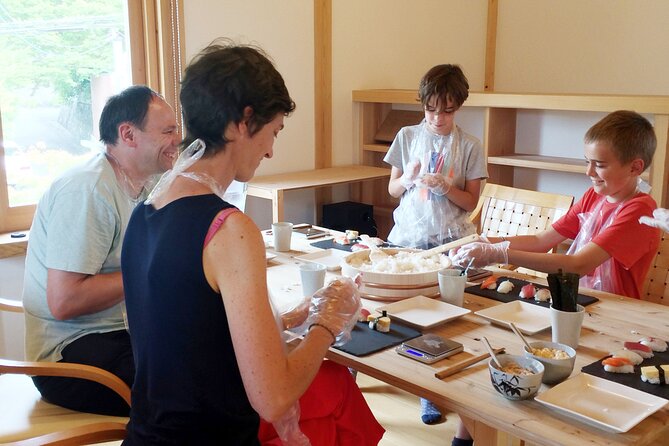
- Eight-person limit: A small group leaves room for individual corrections and questions.
- Kana’s personal instruction: The English-speaking Japanese instructor teaches both technique and pieces of Japanese food culture.
- Two sushi styles: You learn to shape nigiri and roll maki, rather than simply watching a chef work.
- Historic townhouse setting: The class takes place near Kiyomizu-dera and Gion, in a calm traditional Kyoto space.
- A full meal at the end: You eat the sushi you prepare, with enough food to serve as lunch or dinner.
- Useful take-home items: Some sessions include class notes, rice recipes, chopsticks, and a sushi mat.
A calm start near Kiyomizu-dera and Gion
The meeting point is Atelier SUSHI at 311-1 Kitatōryōchō in Kyoto’s Higashiyama Ward. It is near public transportation and close to two of Kyoto’s busiest sightseeing areas, Kiyomizu-dera and Gion.
That location matters. You can place the class between temple visits, or use it as a quieter change of pace after walking through Higashiyama. The activity begins and ends at the same address, so you do not need to arrange a separate return transfer.
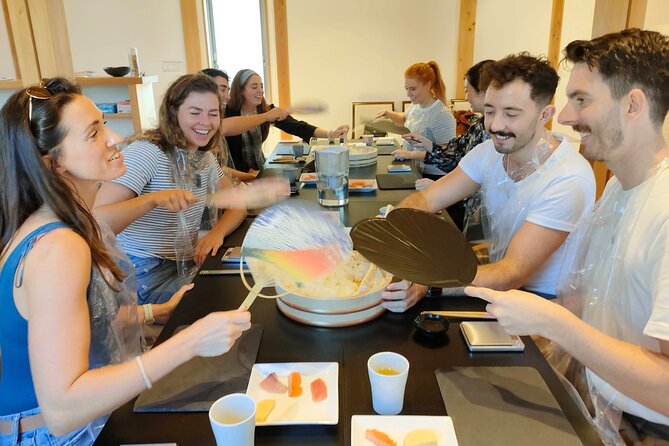
The setting is part of the appeal. This is a restored historic townhouse rather than a large cooking school with rows of strangers. The traditional surroundings give the lesson a stronger sense of place, while the small group keeps the focus on your hands, your rice, and your rolling technique.
I would leave enough time to find the address without rushing. The class lasts about 90 minutes, and arriving flustered is not the best way to begin a careful food lesson. Since the area near Kiyomizu-dera and Gion can be busy, plan your sightseeing route with the meeting point in mind.
More Sushi Experiences in Kyoto
- Sushi Making in Kyoto! Same-day bookings welcome!
★ 5.0 · 713 reviews - Kyoto: Small-Group Authentic Sushi Making Workshop
★ 5.0 · 137 reviews - Sushi – Authentic Japanese Cooking Class – the best souvenir from Kyoto!
★ 5.0 · 93 reviews
What happens during the 90-minute workshop
The class begins with an introduction to the ingredients and the basic logic of sushi. The emphasis is not on turning you into a professional chef in one sitting. It is on giving you a usable foundation, so you understand how rice, fish, shape, and presentation work together.
You learn how to season properly cooked sushi rice. This is an important part of the class because rice is the base of both nigiri and maki. The lesson treats the rice as more than a filler, showing why the right balance of seasoning affects the final taste.
Next comes nigiri. You work with rice and fresh fish, learning how to form the rice and place the topping with care. Kana’s role is especially useful here. A small adjustment in pressure or shape can make a piece hold together better, and a group of only eight gives you a fair chance to receive that sort of correction.
The second main style is maki, or rolled sushi. You learn how to arrange the ingredients and use a sushi mat to create a neat roll. The contrast with nigiri makes the class more useful. Nigiri teaches precision with your hands, while maki teaches balance, placement, and controlled rolling.
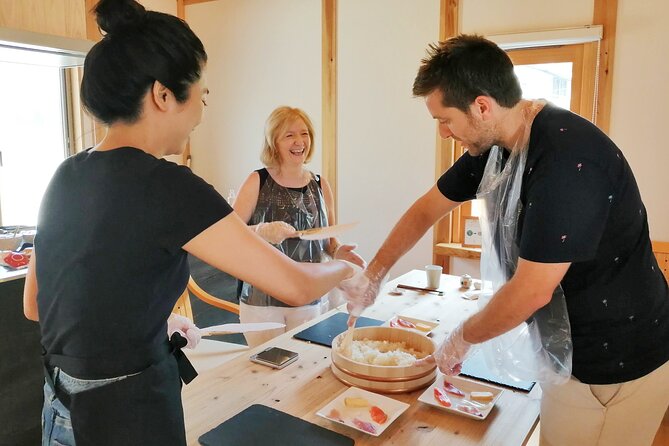
The experience is fully hands-on. You are not just watching a polished chef prepare a finished plate. You handle the rice, shape pieces, roll sushi, and then eat the results. That makes the meal at the end feel earned, even if your first pieces are not perfectly shaped.
The order of activities can vary by session, but the core path is clear: prepare and season rice, make nigiri, roll maki, and enjoy the finished sushi as a lunch or dinner. Coffee, tea, or Japanese tea is included.
Kana’s teaching style and the value of a small group
Kana is the main instructor, and her husband Kerim has assisted in some sessions. The pair are described as warm and welcoming, with a teaching style that combines sushi technique, stories about Japanese culture, and useful Kyoto advice.
That cultural conversation is a welcome bonus. You are not getting a lecture on Japanese cuisine. Instead, the food lesson creates an easy opening to talk about everyday life, local customs, and the area around Kyoto. If you like cooking classes that feel social as well as practical, this format should suit you.
The eight-person maximum is one of the strongest reasons to choose this class. In a larger workshop, you may spend much of the time trying to see a demonstration or waiting for help. Here, you can ask about the rice, get help with a roll, or check your hand position without competing with a roomful of people.
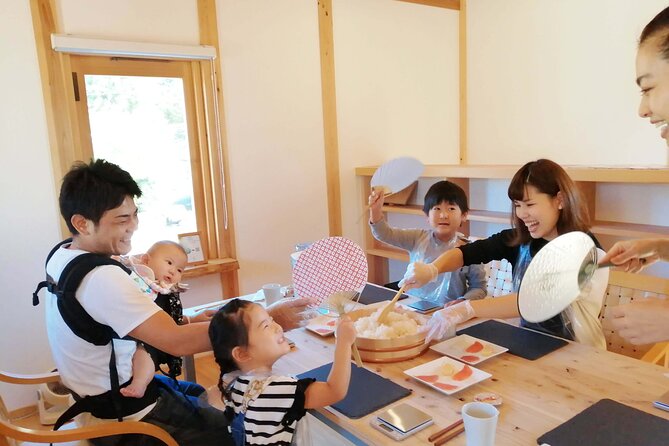
The small size also works well for different types of visitors. Couples can work side by side. Families can make it a shared activity, and a 12-year-old sushi fan has enjoyed the class in the past. Solo visitors can join without being swallowed up by a large group.
There is one small caution. The intimate format means the social atmosphere may depend on the people booked for your session. Some groups may chat freely, while others may focus more closely on the food. Kana’s friendly approach helps, but you should choose this class because you enjoy direct participation, not because you want a silent private lesson.
Fresh fish, local ingredients, and the meal you create
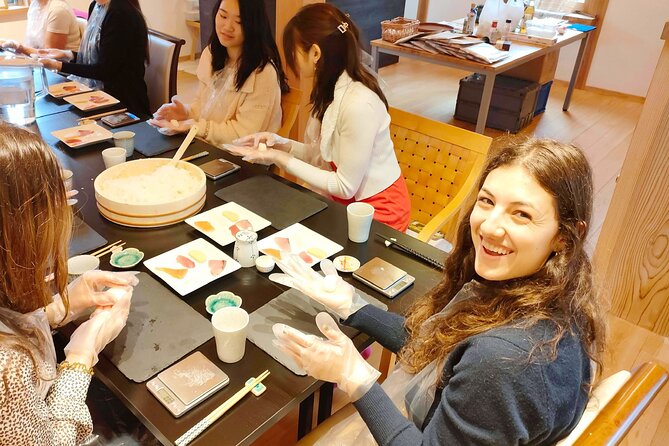
The class uses premium fresh fish and selected local ingredients. That choice matters because sushi has nowhere to hide. With a short ingredient list, the freshness of the fish and the balance of the rice are easy to notice.
You prepare a generous amount of sushi. The meal is not a token sample at the end of a demonstration. Several people have found the finished food filling, so you may want to arrive hungry, especially if you book a session that serves as lunch or dinner.
The menu includes different forms and styles rather than one repetitive roll. You make several pieces of nigiri and a maki roll, giving you a useful introduction to sushi’s main building blocks. The variety also keeps the class lively for anyone who already makes sushi at home.
That said, this is not a restaurant tasting menu. The food is part of your lesson, and your pieces may look more homemade than professional. That is the point. You leave with a better feel for the craft, not with a chef’s perfectly plated omakase meal.
The food policy deserves attention before booking. A vegetarian or vegan option is not included. Some previous sessions have accommodated gluten and shellfish allergies, but you should contact the provider before booking if you have an allergy or strict dietary need. Do not assume a substitute will be available.
Same trip, a completely different kind of day:
- PERFECT KYOTO 1-Day Bus Tour
★ 5.0 · 13,518 reviews - Kyoto: Fushimi Inari, Kinkakuji, Bamboo Grove 1 Day Bus Tour
★ 4.8 · 4,316 reviews - Kyoto: Tea Ceremony in a Traditional Tea House in Kiyomizu
★ 4.9 · 3,519 reviews - Kyoto Geisha Walking Tour: Gion District & Hidden Gems
★ 4.7 · 3,273 reviews
What you take home besides a full stomach
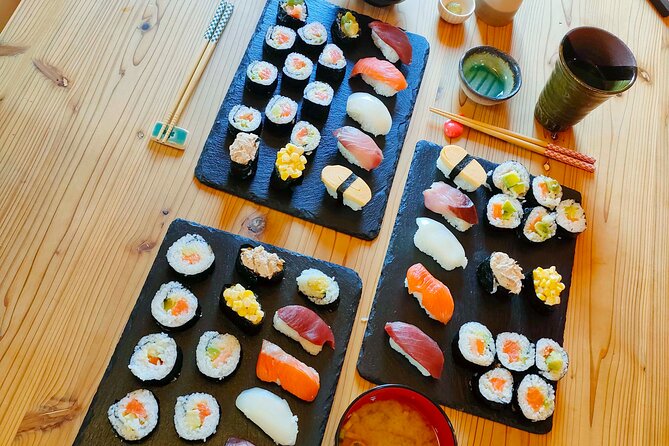
The most useful souvenir is the skill. After the class, you should understand the basic steps behind nigiri and maki well enough to try them again at home.
Some sessions also provide class notes, rice recipes, chopsticks, and a sushi mat. These items turn the workshop into more than a one-time meal. You can use the notes to remember the rice method, and the mat makes rolling maki less intimidating when you try it in your own kitchen.
The take-home material also helps justify the price. At $69.64 per person, you are paying for instruction, ingredients, a prepared meal, a small-group setting, and practical items for later use. That is a fair package if you value participation and food education.
The price is less compelling if you only want to eat sushi. Kyoto has many places where you can order sushi without spending 90 minutes preparing it. This class earns its cost through the personal teaching, the townhouse setting, and the chance to repeat the process at home.
Who will enjoy this class most
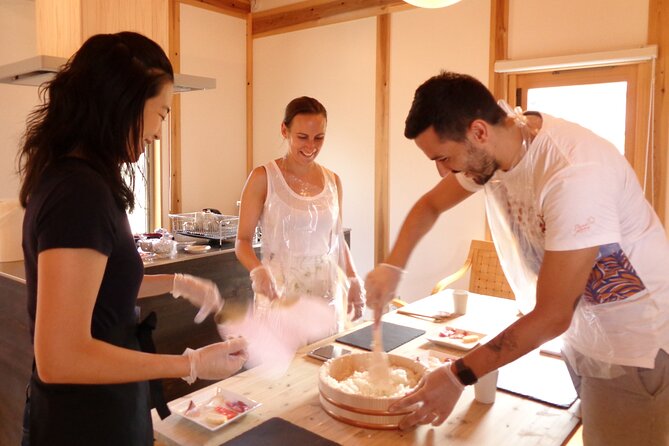
I would recommend it most strongly to people who enjoy food with a clear activity attached to it. You do not need prior cooking experience. The teaching is designed to make the process manageable, and the instructors simplify the steps so beginners can produce edible, enjoyable sushi.
It is also a good choice for families. The class gives children and parents something to do together, and the hands-on work can hold attention better than a long cultural talk. Keep in mind that every participant is handling food and working through several steps, so younger children may need close help from an adult.
Couples and friends get a relaxed shared activity, especially if they want a break from temple visits and shopping. Solo visitors can also fit comfortably into the group because the maximum size is eight and the format encourages conversation.
Experienced home cooks may still enjoy it. The lesson may not teach every technique you already know, but the social setting, fresh ingredients, and chance to compare methods can make it worthwhile. One participant who already made sushi at home still found the class fun because Kana’s humor and interactive teaching kept it from feeling basic.
This class is a weaker match for strict vegetarians and vegans because no vegetarian or vegan option is included. It is also not the right pick if you want a formal chef demonstration with no work of your own.
Timing the class around a Kyoto day
The class lasts approximately 1 hour and 30 minutes. Depending on the start time, the sushi meal is served as lunch or dinner. That makes it easy to fit into a sightseeing plan without giving up an entire day.
A morning session can work well before more time in Higashiyama. You can also schedule the workshop around an evening meal, though you may not want to book a large dinner immediately afterward. The portion is substantial enough that you may leave full.
The address near Kiyomizu-dera and Gion makes the class convenient for a day in eastern Kyoto. You can combine it with nearby sightseeing, but avoid packing the schedule too tightly. The townhouse setting is calm, and the lesson is more enjoyable when you have time to arrive, settle in, and pay attention.
If you are choosing an activity for the first day of your Kyoto stay, this class has another practical benefit. Kana and her team may offer local suggestions and area advice during the conversation. You can use that informal guidance to shape the rest of your visit, though the core product remains the sushi workshop.
Booking details that matter
Your booking confirmation is issued at the time of reservation, and mobile tickets are accepted. The maximum group size is eight people.
Cancellation is free up to 24 hours before the scheduled start time. Cancel at least 24 hours ahead for a full refund. Changes or cancellations inside that window are not accepted for a refund, and the cut-off follows Kyoto local time.
I would contact Atelier SUSHI before booking if you have allergies, require a special diet, or need clarification about the ingredients. The listed experience does not include a vegetarian or vegan option, so this is one detail worth settling early.
Should you book Atelier SUSHI?
Book this class if you want to do more than photograph sushi in Kyoto. You will learn two useful styles, work with fresh ingredients, eat a proper amount of food, and spend time with an English-speaking instructor in a traditional townhouse.
The strongest reasons to choose it are the eight-person limit, Kana’s patient guidance, the mix of sushi technique and cultural conversation, and the take-home tools and notes. At $69.64, the value is good for a hands-on meal and lesson, especially if you plan to try sushi again at home.
Skip it if you want a quick tasting, a vegetarian menu, or a polished restaurant meal prepared entirely for you. For everyone else, especially couples, families, solo food lovers, and first-time sushi makers, this is a practical and personable way to add food culture to a Kyoto itinerary.
FAQ
Where does the sushi-making class take place?
The class meets at Atelier SUSHI, 311-1 Kitatōryōchō, Higashiyama Ward, Kyoto, 605-0918, Japan. It is near public transportation, Kiyomizu-dera, and Gion.
How long does the workshop last?
The workshop lasts approximately 1 hour and 30 minutes.
How many people can join the class?
The class has a maximum of eight participants.
Is the class taught in English?
Yes. The workshop is conducted in English by a Japanese instructor.
What kinds of sushi will I learn to make?
You learn to season sushi rice, shape nigiri, and roll maki.
Is food included?
Yes. You eat the sushi you prepare, served as lunch or dinner depending on the workshop time. Coffee, tea, or Japanese tea is also included.
Is there a vegetarian or vegan option?
No vegetarian or vegan option is included. If you have allergies or another dietary concern, contact the provider before booking, since some dietary requests may require advance discussion.
Just added around Kyoto
- Sekka Cotton Furoshiki Class★ 5.0 · 19 reviews
- Kyoto Sword Experience – includes Museum Ticket/Ninja Experience★ 4.5 · 149 reviews
- Scenic Green Tea Fields of Hidden Kyoto & Local Tea Exp (Private)★ 5.0 · 32 reviews
- Secret Eastern Kyoto Biking Adventure★ 5.0 · 44 reviews
- Private Sake Tasting in Central Kyoto with Sake Sommelier★ 5.0 · 32 reviews
- Samurai School in Kyoto: Samurai for a Day★ 5.0 · 202 reviews
- SHIRAKAWA Japanese Culture Experiences with private English staff★ 5.0 · 16 reviews
- A Privately Guided Photoshoot in Beautiful Kyoto by a Pro★ 5.0 · 18 reviews
Sushi Experiences, compared.
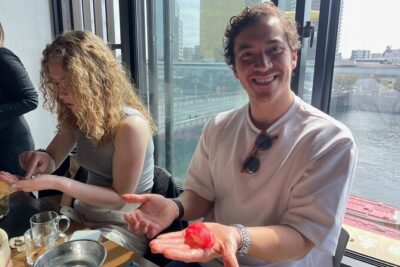
Sushi Making Tokyo Roll and Authentic Japanese Sushi Class
Our verdict →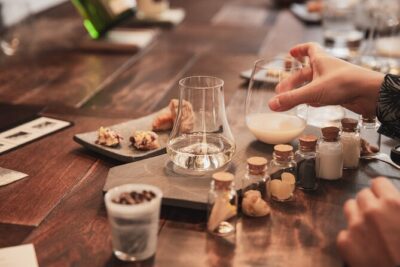
Sake Omakase in Tokyo: Guided Tasting by Certified Sommeliers
Our verdict →
Browse the lists this tour appears in