
Reviewed · RAMEN & NOODLE TOURS
Kyoto Ramen and Gyoza Cooking Class with Professional Chefs
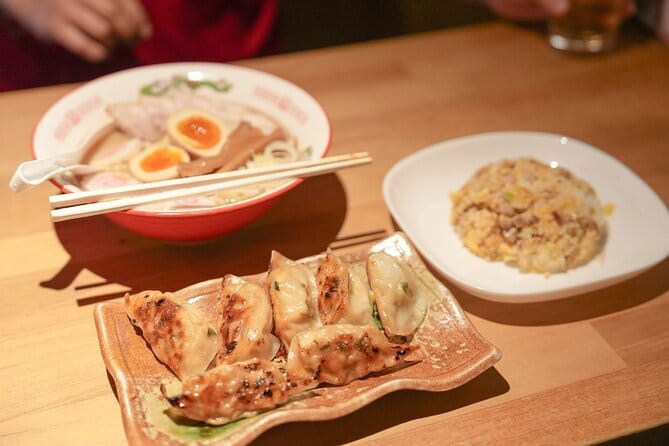
Making ramen from flour, folding gyoza by hand, and sitting down to eat the full meal gives this Kyoto class more substance than a standard restaurant lunch. You get fresh noodles made from scratch, plus gyoza and fried rice, with a chef guiding the work and a host translating and explaining Japanese food culture.
I like two things right away: the class is small, with no more than eight people, and two drinks are included with the meal. Hosts including Yuki, Ayuri, Rina, Eri, and Emi have been praised for clear translation and warm local tips. The main catch is that the broth uses pork, and the class cannot accommodate vegetarian, vegan, or gluten-free diets.
Key points at a glance
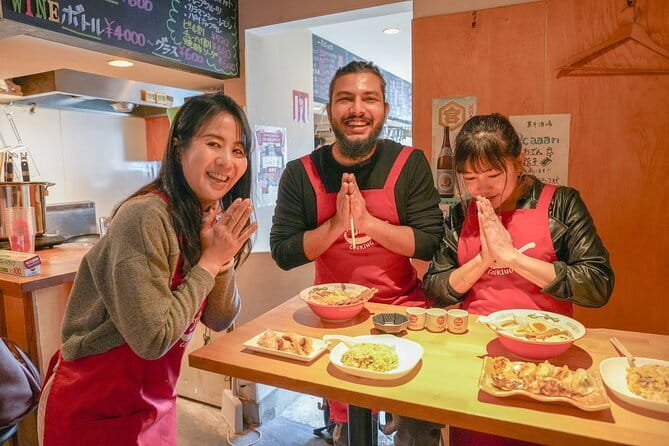
- Fresh ramen noodles: Knead, cut, cook, and top your own noodles rather than simply watching a chef.
- A full Japanese meal: Ramen, gyoza, and fried rice are prepared and eaten during the session.
- Small group setting: The maximum group size is eight, though weekday bookings may be smaller.
- English support: A host translates the chef’s instructions and adds information about Kyoto and Japanese food.
- Two drinks included: Beer or sake can be paired with the meal, along with the food you prepare.
- Recipes to take home: The recipe guide helps you repeat the dishes after returning home.
What happens during the 2.5-hour Kyoto cooking class
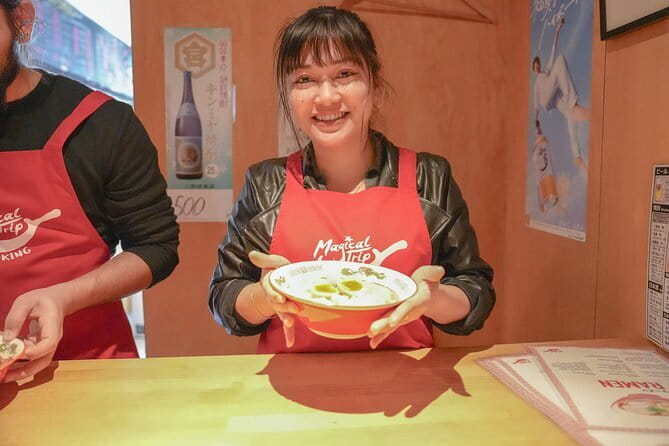
The class takes place in Kyoto at 「北緯35物語」木村光佑, on Shincho in Shimogyo Ward. It begins and ends at the same meeting point, so you do not need to arrange transport between several parts of the city.
The setting has been described as a former restaurant and a cozy cooking space just off the main street. That matters because you are working in a real kitchen environment rather than standing in a formal demonstration hall. One practical note: parts of the space are upstairs, with several levels, so watch your footing.
The session lasts about two hours and 30 minutes. That gives the chefs time to break the meal into useful steps without rushing you through every dish. You should arrive early. The class begins on time, and late arrivals cannot join, reschedule, or receive a refund.
More Cooking Classes in Kyoto
- Ramen Cooking Class at Ramen Factory in Kyoto
★ 5.0 · 1,937 reviews - Kyoto: Ramen Cooking Class at a Ramen Factory with Souvenir
★ 4.9 · 532 reviews - Kyoto: Ramen, Gyoza, and Onigiri Cooking Class
★ 5.0 · 445 reviews
Start with ramen dough and fresh noodles
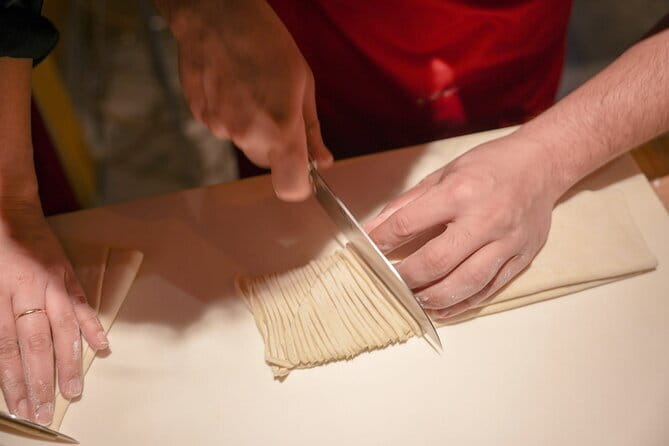
The ramen portion is the most distinctive part of the class. You knead the dough, cut it, and prepare the noodles for cooking. This gives you a better sense of the work hidden behind a bowl of ramen in a restaurant.
The hands-on steps are designed for all cooking levels. You do not need professional kitchen skills, and the chef keeps an eye on the process. Children can take part from age six, but an adult must supervise them when knives or other risky steps are involved.
The broth deserves a clear explanation before you book. It uses pork broth, so the ramen is not vegetarian even if you leave off meat toppings. One person also found the broth less traditional than expected because it was made from a paste and water rather than cooked from scratch over many hours. If your main goal is to study long-simmered ramen stock, this class may feel too simple. If you want to learn the basic structure of ramen and make the noodles yourself, it is a more suitable match.
You will finish the ramen with toppings and eat it as part of the meal. The chef’s role is practical: keep the steps moving, check your preparation, and help correct mistakes before they reach the bowl.
Fold gyoza, then cook and eat them
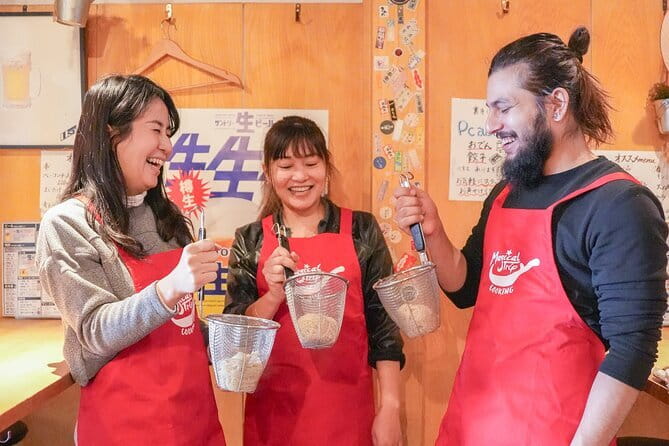
Gyoza brings a different kind of hands-on work. You wrap your own dumplings, learning how to fill and fold them before cooking. Folding looks easy until you try to make several pieces that hold together, which makes this a good activity for families and couples who want to work with their hands.
The process is social without requiring you to perform for the group. You can concentrate on the folds, compare shapes with the people beside you, and then taste the results. The included beer or sake gives the gyoza a natural pairing, though the key value is that the drink is part of the planned meal rather than an extra purchase.
The food portions are generous. You are making ramen, gyoza, and fried rice, so this is a full meal rather than a small cooking sample. Eat lightly beforehand if you want to finish everything comfortably.
Add fried rice for a full lunch or dinner
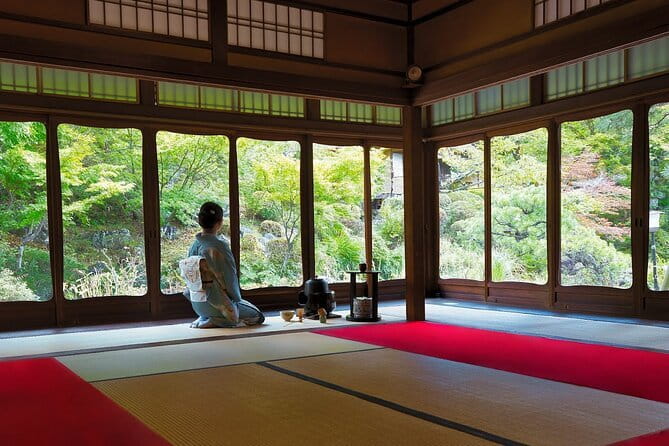
Fried rice rounds out the class and turns the activity into a broader lesson in Japanese comfort food. You are not limited to one famous dish, and the meal gives you several techniques to take home.
The fried rice is also useful for families because it offers a familiar flavor alongside the noodles and dumplings. The class is suitable for beginners, and the chef prepares ingredients and equipment so you can focus on the cooking rather than shopping or complicated setup.
The recipes are provided after the class. They are meant to help you recreate the dishes at home, though one enthusiastic cook felt the recipes were simpler than expected. That is worth keeping in mind. You will receive a practical starting point, not necessarily a restaurant chef’s full professional formula with every stock, timing detail, and variation.
More Ramen Tours in Kyoto
- Home style Ramen and Homemade Gyoza in Kyoto
★ 5.0 · 152 reviews - Kyoto Michelin Ramen Workshop or Painting Ramen Essentials
★ 4.9 · 100 reviews - Kyoto: Ramen Bowl Painting and Michelin Cooking Class
★ 4.9 · 96 reviews - Kyoto Ramen Noodle Making Class
★ 5.0 · 58 reviews
Hosts make the class easier to follow
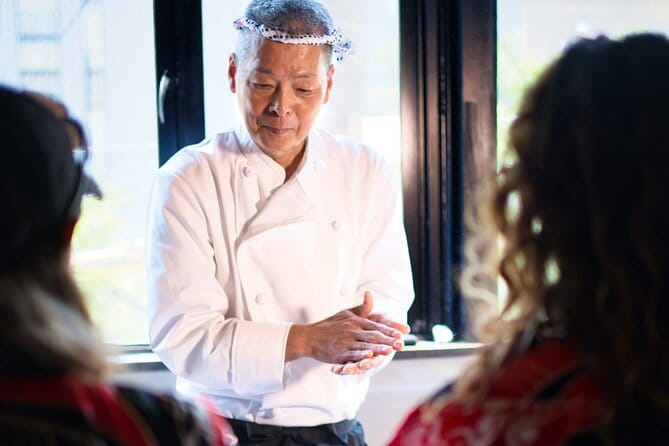
The professional chef handles the cooking instruction, while the host often translates and adds cultural context. This two-person format is important because the chef can focus on the food while the host helps you follow the steps.
Yuki has been singled out for translating clearly and sharing information about Kyoto and Japan. Ayuri has also guided sessions and is noted for explaining culture as well as the chef’s instructions. Rina, Emi, Eri, Miu, Shun, and other hosts appear in the experience team, so the exact host depends on the date.
You should expect a friendly teaching style rather than a rigid culinary school lesson. The hosts help beginners, answer questions, and may offer local recommendations. Several sessions have had only three or four participants, creating a relaxed feel that is close to a private lesson, though the advertised maximum is eight.
The class can also work well across age groups. It has suited parties ranging from teenagers to adults in their fifties, and families have found the format easy to enjoy together. The pace is active, but the point is participation, not technical perfection.
How much food and instruction do you get for $86.22?
At $86.22 per person, the price is not the cheapest way to eat ramen in Kyoto. A restaurant meal costs less, especially if you only want a bowl and a side dish.
The comparison changes when you count what is included. You receive about 2.5 hours of instruction, a full meal of ramen, gyoza, and fried rice, two drinks, cultural explanation, chef supervision, and recipes. You also spend the time making the food rather than simply ordering it. For a visitor looking for one substantial food activity, the price is reasonable.
The value is strongest if you enjoy cooking or want a family activity. It is weaker if you are mainly seeking an advanced culinary course or the lowest-cost meal. The hands-on work is real, but not every step is equally independent. Some preparation is arranged in advance, and the chef guides you through the process. One experienced home cook found the class less hands-on than hoped, so serious cooks should set expectations accordingly.
What makes the small group useful
A maximum of eight people keeps the class manageable. The chef can watch the noodles, fillings, folds, and cooking steps without leaving you to guess what comes next.
The group format also gives the session a social side. You may cook with families, couples, or other people from different countries. The class is not a private booking by default, though a quiet weekday may leave you with only a few participants.
That small-group setup is especially helpful when you need translation. Instructions can be repeated, and you can ask questions while the host moves between participants. It also means the class does not feel like a large tourist demonstration where you watch from the back.
Dietary limits deserve careful attention
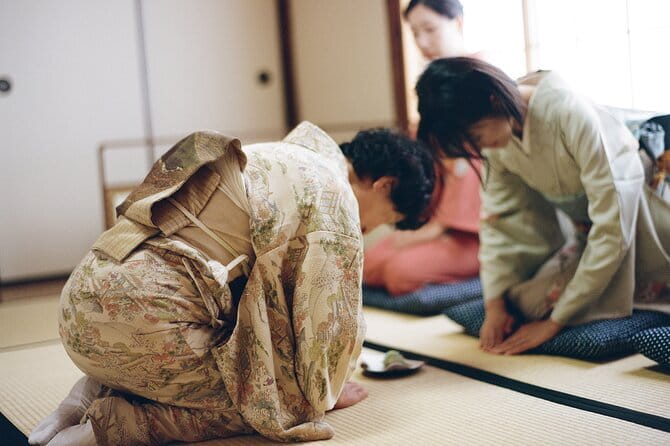
This is the biggest booking consideration. The ramen broth contains pork, and the experience cannot accommodate vegetarian, vegan, or gluten-free requests.
The kitchen also cannot guarantee an allergy-free meal because food is prepared in non-MagicalTrip kitchens. Substitutions may sometimes be attempted, but they are not guaranteed. If you have a serious allergy or a strict dietary requirement, contact the provider before booking and be prepared to choose another activity.
The class is also not recommended for people with mobility issues. The cooking space includes stairs and several levels, and a private class may be more suitable if you need specific accommodations.
Getting to the meeting point and planning your day
The meeting point is 「北緯35物語」木村光佑, Shincho, Shimogyo Ward, Kyoto, 600-8001, Japan. It is near public transportation, and the activity uses a mobile ticket.
Because the class ends where it begins, it fits neatly into a Kyoto day. You can schedule it before or after sightseeing in central Kyoto without arranging a separate return transfer. Allow enough time to reach the address, locate the entrance, and be ready before the start time.
Do not plan a large meal immediately beforehand. The class includes three dishes and drinks, and the portions are intended to leave you full. The tour may be canceled in unsafe weather, though this is an unusual consideration for an indoor cooking activity.
Free cancellation is available up to 24 hours before the start time. After that point, the payment is not refunded, and changes are not accepted. The same strict timing rule applies to late arrival, so punctuality matters more than it might on a flexible food tour.
Who will enjoy this most?
I would choose this class for a family that wants a Kyoto activity beyond temples and shopping. Children age six and up can participate with adult supervision, and the mix of kneading, folding, cooking, and eating keeps the session varied.
It also suits couples and friends who want a meal with an activity attached. You leave with recipes and a clearer idea of how these everyday Japanese dishes come together.
Beginners are welcome. You do not need prior cooking experience, and the chef provides step-by-step help. The class is less suitable for a vegetarian, vegan, gluten-free, or allergy-sensitive diner, and less ideal for someone who wants to study traditional broth-making in depth.
Should you book the ramen and gyoza class?
Book it if you want a friendly, practical food experience with plenty to eat and enough instruction to repeat the dishes at home. The combination of fresh noodles, gyoza, fried rice, two drinks, and a small group makes the $86.22 price fair for an activity that fills much of an afternoon or evening.
You should skip it if dietary restrictions rule out pork broth, if stairs and multiple levels are a concern, or if you expect a full professional chef’s course. For most visitors who want to cook, eat, and learn a little about Japanese food in Kyoto, this is a well-balanced choice. Arrive early, eat lightly beforehand, and let the chef worry about the noodles.
FAQ
How long does the Kyoto ramen and gyoza cooking class last?
The class lasts approximately two hours and 30 minutes.
Where does the cooking class begin and end?
It begins at 「北緯35物語」木村光佑, Shincho, Shimogyo Ward, Kyoto, 600-8001, Japan. The activity ends back at the same meeting point.
What food will I make?
You will make ramen from scratch, wrap gyoza, and prepare fried rice. You will then eat the meal during the class.
Are drinks included?
Yes. Two drinks are included. Beer or sake can be paired with the gyoza and meal.
Is the ramen vegetarian?
No. The ramen broth uses pork, so the dish is not vegetarian even without meat toppings.
Can the class accommodate vegan, vegetarian, or gluten-free diets?
No. The class cannot accommodate vegetarian, vegan, or gluten-free requests. Allergy-free meals also cannot be guaranteed.
What ages can join the experience?
Participants aged six and above are welcome. Children must be supervised by an accompanying adult when using knives or taking part in potentially dangerous steps.
What happens if I arrive late or need to cancel?
The class starts on time, and late arrivals cannot join, reschedule, or receive a refund. You can cancel for a full refund up to 24 hours before the start time. Changes or cancellations made less than 24 hours before the start are not refunded.
Just added around Kyoto
- Sekka Cotton Furoshiki Class★ 5.0 · 19 reviews
- Kyoto Sword Experience – includes Museum Ticket/Ninja Experience★ 4.5 · 149 reviews
- Scenic Green Tea Fields of Hidden Kyoto & Local Tea Exp (Private)★ 5.0 · 32 reviews
- Secret Eastern Kyoto Biking Adventure★ 5.0 · 44 reviews
- Private Sake Tasting in Central Kyoto with Sake Sommelier★ 5.0 · 32 reviews
- Samurai School in Kyoto: Samurai for a Day★ 5.0 · 202 reviews
- SHIRAKAWA Japanese Culture Experiences with private English staff★ 5.0 · 16 reviews
- A Privately Guided Photoshoot in Beautiful Kyoto by a Pro★ 5.0 · 18 reviews
Ramen & Noodle Tours, compared.
Eat and Drink Like a Local: Tokyo Ueno Food Tour-Taverns&Ramen
Our verdict →

Five Must-See Highlights Walking Tour & Ramen Lunch
Our verdict →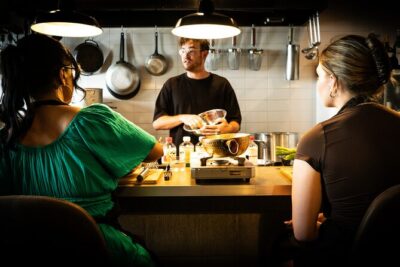
Professional Ramen & Gyoza with Ramen Chef in a restaurant!
Our verdict →
Popular in SapporoExperience authentic hand-made soba at a real soba shop!
Our verdict →
Browse the lists this tour appears in