
Reviewed · FOOD TOURS
Kyoto Nishiki Market & Depachika: 2-hours Food Tour with a Local
Kyoto’s food story comes into focus when you compare a polished department-store food hall with the narrow stalls of Nishiki Market. In two hours, you can sample tofu skin, gyoza, tempura, and a soy milk donut, then finish at a small Shinto shrine.
I like the contrast between Daimaru’s tidy basement counters and Nishiki’s old market lanes. I also like the human help: guides such as Jasmine, Boris, Mao, and Ai have been praised for explaining unfamiliar foods, handling orders, and helping visitors choose what suits them.
The main thing to consider is the amount of food. This is a tasting walk, not a full lunch, and one rating specifically found the portions lighter than expected. The flexible approach can be useful, but it may feel less structured if you want a fixed menu.
Key points to know before booking
- Two Kyoto food worlds in one walk: Start at Daimaru’s depachika, then move into Nishiki Market.
- Four named tastings are included: Try yuba sashimi, a soy milk donut, Nishiki gyoza, and Uoriki tempura.
- Small groups help in tight lanes: The maximum group size is nine people.
- Guiding quality matters here: Jasmine, Boris, Mao, Ai, Alex, and Katz have all received especially warm praise, though your assigned guide may differ.
- The tour ends at Kawaramachi Station: Your guide can help you with the next part of your day.
- Plan for snacks afterward: The included food may not replace a meal, especially if you have a hearty appetite.
Why this Kyoto food walk works
I see this experience as a short orientation to one of Kyoto’s best eating areas, not as a grand culinary survey. You get a guide, a handful of tastings, and enough background to return to the market on your own with more confidence.
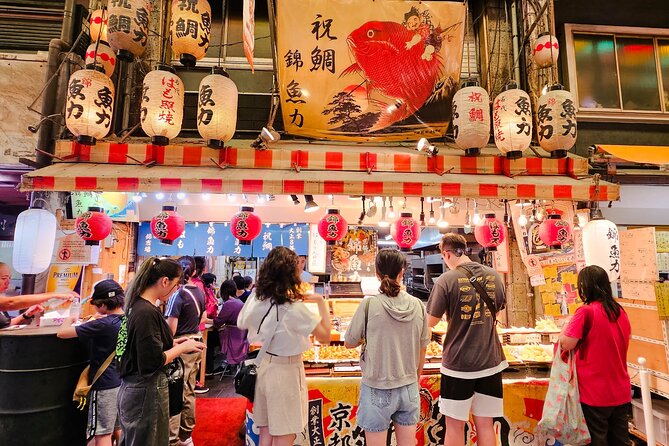
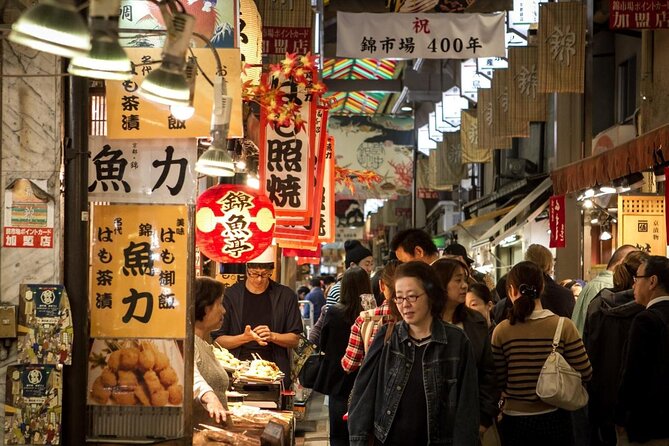
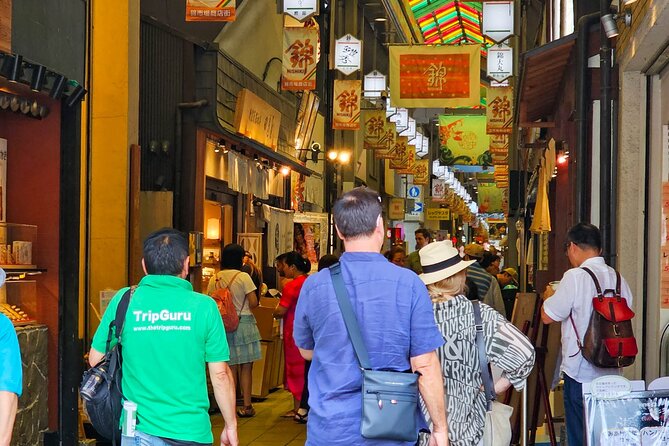
That matters at Nishiki. The covered shopping street can feel crowded and confusing, with food stalls, produce, kitchen goods, knives, and small restaurants competing for your attention. A good guide helps you understand what you are looking at and makes it easier to order without guessing.
The tour also gives you two different views of Japanese food shopping. Daimaru’s basement food hall presents food in a polished department-store setting. Nishiki Market feels more direct and old-fashioned, with vendors selling local specialties and everyday ingredients. Seeing both in one outing makes the comparison worthwhile.
At $48 per person, the value depends on how much help you want. You are paying for the guide’s time, the included samples, and a shortcut through an area you could explore alone. If you already know Japanese food and feel comfortable ordering at busy stalls, the price may seem high. If this is your first visit to Kyoto, the guidance can save time and prevent a few uncertain purchases.
More Food Tours in Kyoto
- Kyoto Night Foodie Tour in Gion (9+ dishes + 6 Sake tastings)
★ 5.0 · 1,762 reviews - Kyoto Nishiki Market Food and Culture Walking Tour
★ 5.0 · 412 reviews - Kyoto: Gion Food Tour 13 Dishes at 4 Eateries
★ 5.0 · 408 reviews
Starting at Apple Kyoto and Daimaru’s basement
The meeting point is Apple Kyoto, at 83-1 Tachiuri Nakanocho in Shimogyo Ward. Clear directions matter here, and one past participant found the meeting instructions easy to follow and the guide easy to locate. Still, I would arrive with enough time to identify the Apple store before the start, since a crowded central shopping area is not the place to make a rushed phone call.
The first stop is Daimaru Kyoto, where your guide introduces you to a depachika, the Japanese term commonly used for a department-store basement food hall. Admission is free, and the visit lasts about 30 minutes.
This part is easy to underestimate. A depachika is not simply a supermarket basement. It is a carefully arranged display of prepared foods, sweets, seafood, meat, packaged gifts, and other specialty items. The setting lets you see how Japanese food presentation changes when food is sold in a refined department store rather than from a market stall.
Your included tastings begin to make the experience more concrete. Yuba sashimi, made from tofu skin, offers a delicate Kyoto specialty with a texture that may be new to you. The soy milk donut gives you a sweeter, more familiar counterpoint.
Some guides may also help you choose extra items according to your tastes. That flexible style received strong praise from people who wanted recommendations rather than a rigid list. It can also be helpful if someone in your group is cautious about unusual foods.
The tradeoff is that flexible sampling makes the exact food experience less predictable. The listed tastings are yuba sashimi, a soy milk donut, Nishiki gyoza, and Uoriki tempura, but the amount of additional food and the exact order can depend on your guide and group.
Moving into Nishiki Market
The main portion lasts about an hour at Nishiki Market Shopping District. The market is known as Kyoto’s Kitchen, and the nickname makes sense once you see the range of goods packed into its covered passage.
You may find seasonal foods, produce, seafood, sweets, pickles, knives, cookware, and ready-to-eat snacks. The point is not only to eat. It is to learn how Kyoto shops for food and how local specialties fit into daily life.
Your guide can help you get past the visual overload. Past groups have tried foods such as beef, shrimp, tempura, gyoza, donuts, and desserts, while one adventurous outing included live octopus pieces that not everyone could stomach. That is a useful warning: you do not need to eat every unusual item offered.
The four named tastings give the walk some structure. Nishiki gyoza lets you try a familiar dish in a local market setting. Uoriki tempura adds a savory, crisp sample. Together with the yuba and donut from Daimaru, they cover several textures and flavors without requiring you to commit to a large meal.
I would tell your guide early if you have strong dislikes or dietary limits. The information provided does not promise a particular dietary program, and the tour includes foods that may be unfamiliar. Guides have been praised for taking personal tastes into account, but you should still speak up before anything is ordered.
A guide can also explain how to approach the stalls. You may learn which foods are suitable for immediate eating, which are better as gifts, and what items deserve a closer look. The precise explanations vary by guide. Boris and Mao have been singled out for making food, customs, and local culture easy to understand, while Alex and Katz have also been praised for guiding groups through the busy lanes.
The one consistent caution is crowding. Nishiki is a popular market, so expect a close, active environment rather than a quiet food lesson. Keep your belongings secure, stay with the group, and do not expect to browse every stall at length.
What the guide adds to the experience
The strongest part of this tour is the guide’s role. You are not simply handed samples and sent down the street. The best guides help you read the market.
Jasmine has been praised for patiently explaining dishes, adjusting to food preferences, and helping people choose products. Boris has been described as especially helpful with both market details and practical arrival problems. Mao has been warmly praised for explaining Japanese customs and traditions along with the food. Ai has been noted for knowing the market well and pointing out shops with a local connection.
Those names are useful, but they are not a promise that you will receive one of those guides. Assignments can vary, and the experience may depend on who leads your group. The broader lesson is to value the guide’s interpretation, not just the number of tastings.
There is also evidence that the tour can sometimes feel nearly private. One couple had only their own party and guide, while the stated maximum is nine people. Do not book expecting a private tour, but a small group is possible and would make ordering and moving through the lanes easier.
The weaker side appears when a guide treats the walk as a series of purchases without enough explanation. One participant felt the history of the market and the reasons behind the food choices needed more attention. That is a fair concern. If you want cultural context, ask questions as you go. What is special about this Kyoto item? Is it seasonal? Is it normally eaten at home, bought as a gift, or served as a snack?
More Market Tours in Kyoto
- Nishiki Market Brunch Walking Tour (7 Tastings + Brunch)
★ 5.0 · 1,355 reviews - Kyoto: Nishiki Market Tea Ceremony with Koto Performance
★ 4.8 · 294 reviews - Kyoto: Nishiki Market Brunch Walking Tour-7 Tastings+Brunch
★ 4.8 · 197 reviews - Kyoto: Local Food Tasting Tour at the Nishiki Market
★ 4.7 · 135 reviews
Nishiki Tenmangu Shrine adds a quiet finish
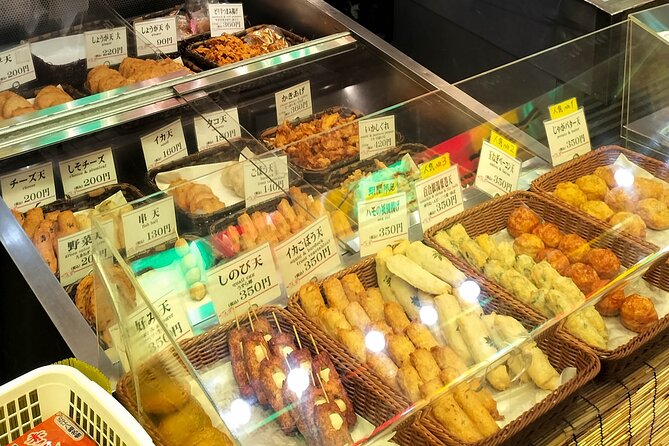
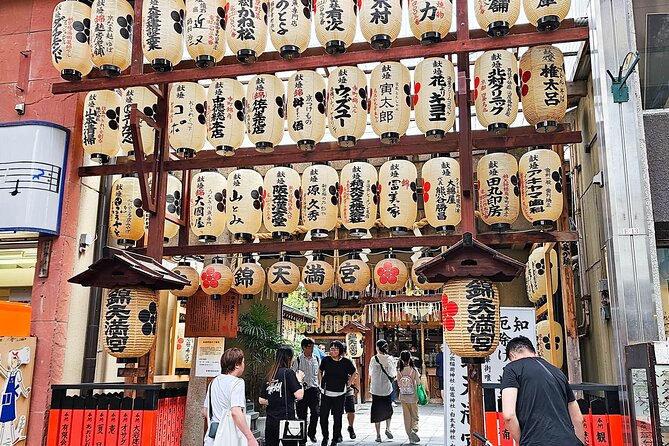
After the market, the walk continues to Nishiki Tenmangu Shrine for about 15 minutes. The shrine is dedicated to the deity of learning and offers a calm change after the tight market lanes.
I like this final stop because it prevents the tour from becoming only a snack crawl. It gives your guide a chance to explain a little about Shinto practice and the role of small shrines in the city. It also gives you a pause before the tour ends.
Do not expect a long shrine visit or a major sightseeing stop. Fifteen minutes is enough for a brief look and a little context, not a full historical tour. If you want more time for prayer, photographs, or a close look at the grounds, you will need to return separately.
The tour ends at Kyoto-Kawaramachi Station. Your guide will help with the next destination, which is handy if you are heading to another part of central Kyoto. The end point also makes the outing easy to pair with more shopping or a later meal, though the tour itself does not include hotel pickup or drop-off.
Food quantity, flexibility, and value
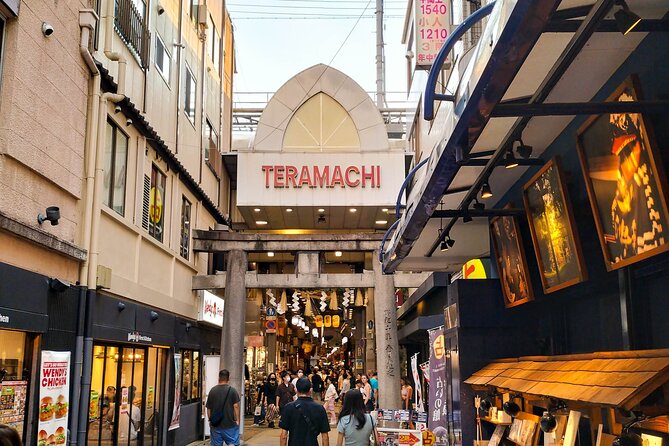
The included food is best viewed as a set of samples. Yuba sashimi, a soy milk donut, Nishiki gyoza, and Uoriki tempura give you a useful introduction, but they may not fill you up. One participant specifically expected more food and found the educational side more valuable than the quantity.
That does not make the tour poor value. It simply changes how you should plan. I would schedule it as a late-morning or afternoon food introduction, then leave room for a proper meal afterward if you want one. Other meals, drinks, and personal purchases are not included.
The flexible approach can work in your favor. If you are curious about a particular stall, your guide may steer you toward it rather than forcing you through a fixed menu. A couple who received a more open-ended experience appreciated being able to choose what they wanted.
But flexibility also means you should not expect the same stop-by-stop experience as a formal tasting menu. If you want exact portions, a long list of dishes, or a guaranteed full lunch, this is not the right format. You are paying for access, explanation, and help making choices in a complicated market.
Who should book this experience
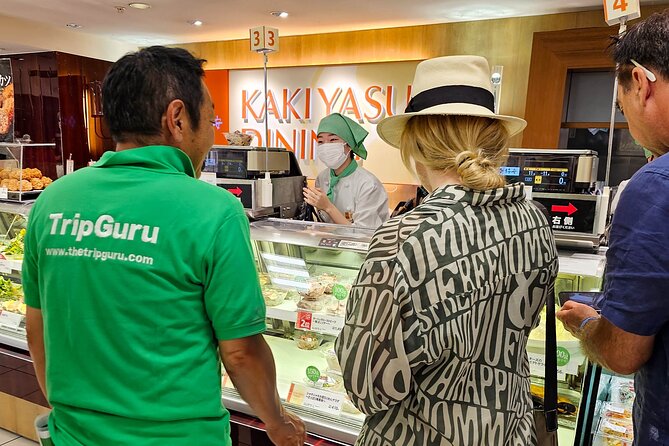
I would recommend this walk to first-time Kyoto visitors who want a quick food introduction without spending half a day at a table. Families can also benefit from the short duration. One rating found the timing well suited to a family with younger children, and the variety gives each person a chance to find something appealing.
It is also a good fit for teenagers and curious eaters. The market contains enough unusual food and shopping detail to keep the walk interesting, while the guide can explain unfamiliar customs. At the same time, cautious eaters should know that some foods may be adventurous, including seafood or unusual textures.
This is especially useful if you feel uneasy ordering in Japan. A guide can select samples, explain what you are eating, and help with purchases. The tour is also a practical choice before or after a train journey because it lasts only about two hours and ends near Kawaramachi Station.
I would be less eager to recommend it to an experienced Japan visitor who already knows Nishiki Market. You could spend $48 on your own food and choose more of it. The tour makes more sense when you want interpretation, help with ordering, or a first look at Kyoto specialties.
Practical details that shape the day
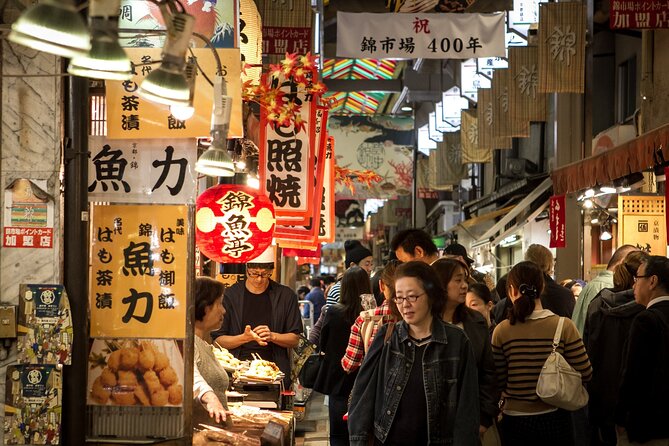
The experience lasts approximately two hours and accepts mobile tickets. Group discounts are available, and the maximum group size is nine people. Most people can participate, and the route is near public transportation.
The advertised stop times total about 1 hour and 45 minutes: 30 minutes at Daimaru, one hour at Nishiki Market, and 15 minutes at the shrine. The remaining time allows for walking, ordering, and transitions. Keep your schedule reasonably open rather than booking a train connection immediately after the official end.
Free cancellation is available if you cancel at least 24 hours before the local start time. Cancellations or changes made within 24 hours are not accepted for a refund.
The overall rating is 4.6 from 23 ratings, which fits the experience I would expect: strong guide-led moments, good food variety, and a few reasonable concerns about portion size and the depth of explanation. The guide you receive will matter a great deal.
Should you book the Nishiki Market food tour?
Book it if you want a short, guided introduction to Kyoto food, especially if Daimaru’s depachika is new to you. The contrast between the department-store basement and Nishiki Market is the tour’s smartest feature, and the shrine gives the walk a cultural finish.
Go in expecting tastings rather than lunch. Ask questions, tell the guide what you do and do not eat, and leave time for another meal. If you receive a guide with the warmth and food sense associated with Jasmine, Boris, Mao, or Ai, the experience can be a memorable start to exploring Kyoto’s food scene.
If you already know Nishiki well or want a large, fixed tasting menu, spend your money elsewhere. For first-time visitors who value a local interpreter and a manageable two-hour schedule, $48 is a reasonable price for getting your bearings and learning what to try next.
FAQ
How long does the Kyoto Nishiki Market food tour last?
The experience lasts approximately two hours. The listed visits include about 30 minutes at Daimaru, one hour at Nishiki Market, and 15 minutes at Nishiki Tenmangu Shrine, with additional time for walking and transitions.
Where does the tour start?
It starts at Apple Kyoto, 83-1 Tachiuri Nakanocho, Shimogyo Ward, Kyoto, 600-8006, Japan.
Where does the tour end?
The tour ends at Kyoto-Kawaramachi Station. The guide can help you with your next destination.
What food tastings are included?
The included tastings are yuba sashimi, a soy milk donut, Nishiki gyoza, and Uoriki tempura.
Are meals and drinks included?
The listed tastings are included, but other meals and drinks are not. Personal expenses are also excluded.
How many people can join the tour?
The maximum group size is nine people. Group discounts are available.
Is hotel pickup included?
No. Hotel pickup and drop-off are not included. The tour begins at Apple Kyoto and ends at Kyoto-Kawaramachi Station.
What is the cancellation policy?
You can cancel at least 24 hours before the experience start time for a full refund. Cancellations or changes made less than 24 hours before the start time are not accepted for a refund.
More Food & Drink in Kyoto
- 3-Hour Kyoto Insider Sake Brewery Tour with Tastings & Pairings
★ 5.0 · 917 reviews - Arashiyama Bamboo, Temple, Monkeys, or Secret Sake Brewery
★ 4.8 · 886 reviews - Kyoto: Insider Sake Brewery Tour with Sake and Food Pairing
★ 5.0 · 704 reviews - Kyoto Sake Brewery & Tasting Walking Tour
★ 5.0 · 623 reviews
Just added around Kyoto
- Sekka Cotton Furoshiki Class★ 5.0 · 19 reviews
- Secret Eastern Kyoto Biking Adventure★ 5.0 · 44 reviews
- Kyoto Sword Experience – includes Museum Ticket/Ninja Experience★ 4.5 · 149 reviews
- Scenic Green Tea Fields of Hidden Kyoto & Local Tea Exp (Private)★ 5.0 · 32 reviews
- Private Sake Tasting in Central Kyoto with Sake Sommelier★ 5.0 · 32 reviews
- Samurai School in Kyoto: Samurai for a Day★ 5.0 · 202 reviews
- SHIRAKAWA Japanese Culture Experiences with private English staff★ 5.0 · 16 reviews
- A Privately Guided Photoshoot in Beautiful Kyoto by a Pro★ 5.0 · 18 reviews
Food Tours, compared.
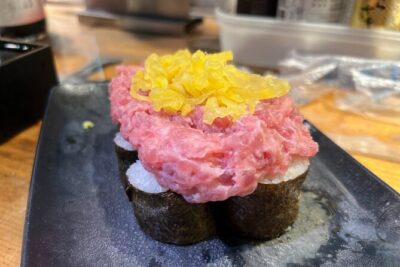
Shinjuku Food Tour (13 Dishes at 4 Local Eateries)
Our verdict →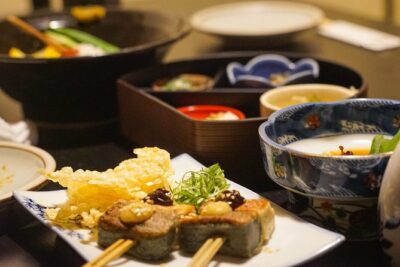
Kyoto Night Foodie Tour in Gion (9+ dishes + 6 Sake tastings)
Our verdict →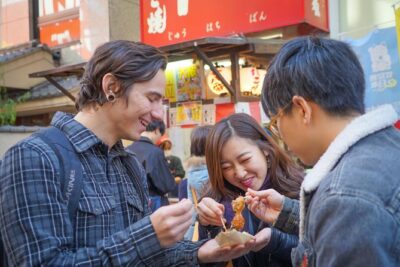
Osaka Local Foodie Walking Tour in Dotonbori and Shinsekai
Our verdict →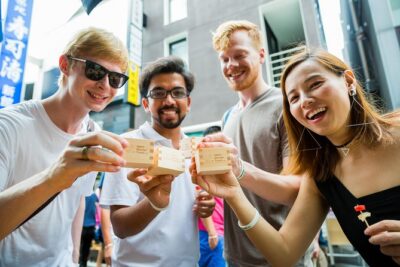
Food Tour in Ueno with 10+ Tastings of Japanese Classics
Our verdict →
Browse the lists this tour appears in