
Reviewed · SAMURAI EXPERIENCES
Katana Shopping with Professional Guidance in Kyoto
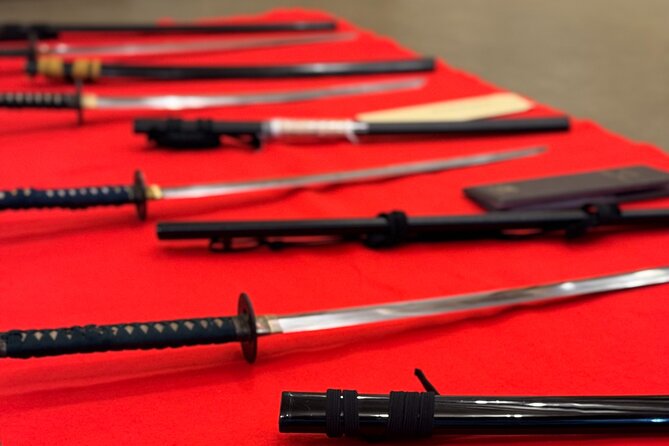
The unusual part comes first: this is katana shopping inside a working Kyoto dojo, not a quick stop at a souvenir shop. A Kenjutsu master who trains more than 20 students selects the blades, and Shogo from Let’s Ask Shogo helps translate and guide your choice. I like the direct access to people who practice and preserve the tradition, and I like that some swords may be more than 600 years old. The catch is clear: this is for a serious buyer, not for someone who only wants to browse or meet a YouTube personality.
I also like the private format. Your group alone takes part, with room to discuss budget, style, fittings, care, and shipping questions without a crowd pressing in. At $65.32 per group of up to 10, the session can be good value if it helps you make a major purchase with greater confidence. Still, the one-hour visit is short, and the sword itself will cost far more than the guided session.
Key points at a glance
- A private Kyoto dojo: You shop where real Kenjutsu is practiced, with a master who trains more than 20 students.
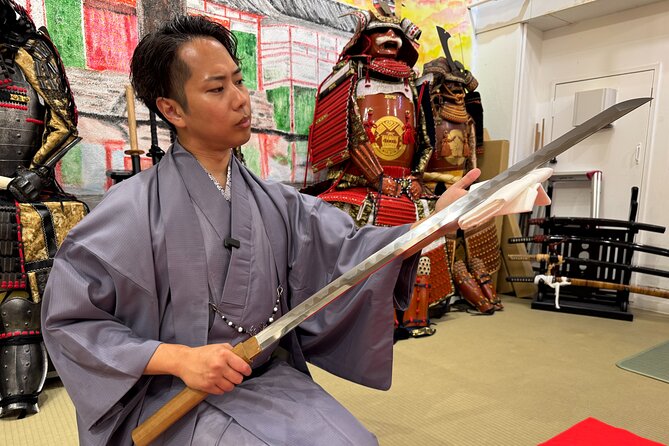
- Guidance from Shogo: The popular Let’s Ask Shogo host brings more than 10 years of Iai experience and serves as translator and shopping guide.
- Genuine blades: The selection can include hand-picked katana several hundred years old, including swords made more than 600 years ago.
- Built for a real purchase: This is not a museum visit or casual sword display. Book only if you are seriously considering buying.
- Private value: One group of up to 10 pays the listed price, making the cost reasonable when shared by a small party.
- A practical buying process: You can ask about the blade, fittings, preservation, maintenance, payment, and shipping during the visit.
Entering a real Kyoto dojo instead of a souvenir shop
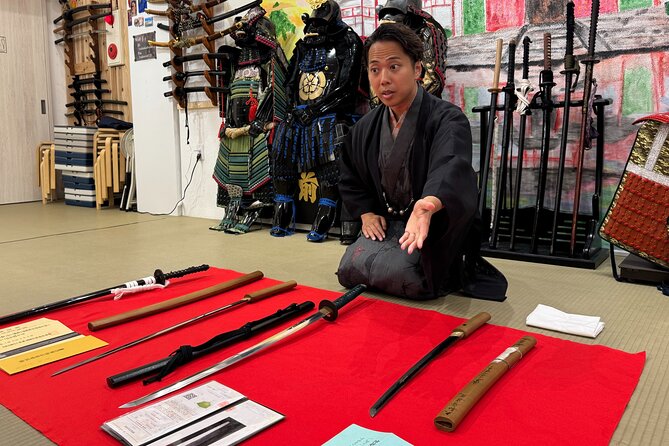
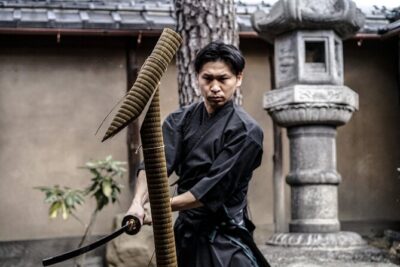
The setting changes the whole experience. Rather than examining decorative swords behind a shop counter, you enter a private dojo connected to active Kenjutsu training. That gives the visit a practical purpose. You are not just looking at an object associated with samurai culture. You are considering a weapon and work of art in a place where Japanese swordsmanship is still practiced.
The dojo is led by a master who trains more than 20 students. He also hand-picks the katana offered for purchase. That matters because an old sword needs more than an attractive shape. Its condition, fittings, documentation, care needs, and legal handling all affect its value to a collector or martial artist.
The meeting point is at 452-2 Matsugaecho in Kyoto’s Nakagyo Ward. The activity lasts about one hour and ends back at the same place. Since the start and finish are identical, you do not need to plan a separate transfer at the end. I would still arrive with enough time to find the address, especially if you are coming across central Kyoto by bus or on foot.
More Samurai Experiences in Kyoto
- Kyoto Samurai Experience
★ 5.0 · 1,294 reviews - Kyoto: Kendo and Samurai Experience with Uniform and Gear
★ 4.9 · 815 reviews - Kyoto: Samurai Sword Class by Experts in Traditional Arts
★ 4.9 · 657 reviews
What Shogo and Yushin Sensei add to the hour
Shogo is not simply there to greet you. He acts as translator and sword-shopping guide, drawing on more than 10 years of Iai, or katana budo, experience. He has helped more than 50 people purchase a katana, so the session is shaped around the decisions a first-time buyer actually faces.
That is important if you do not speak Japanese. Sword terminology can be precise, and a small misunderstanding about condition, fittings, age, or care could matter when you are spending serious money. Shogo’s role lets you ask direct questions and follow the discussion rather than relying on gestures and a few translated phrases.
Yushin Sensei, the dojo master named in the experience, brings the martial arts side of the discussion. The combination is useful: Shogo helps with communication and the buying process, while the sensei represents the training and preservation side of Japanese sword culture.
I would not book this simply because you follow Shogo online. The experience is designed around finding and buying a sword. If you want a brief introduction to katana or a chance to take photos, this is the wrong choice.
How the one-hour appointment works
The available details point to a focused consultation rather than a fixed sightseeing route. You meet at the Kyoto address, enter the private dojo, and examine the swords selected by the master. Shogo helps explain what you are seeing and translates the discussion.
You can expect the conversation to center on your goals. A collector may care most about age, condition, fittings, and preservation. Someone with martial arts experience may be more interested in the sword’s handling, background, and suitability. A first-time buyer may need a basic explanation of the parts of a katana and the difference between an authentic Japanese blade and a decorative replica.
The session is private, which helps here. You can discuss your budget and preferences without competing with another party for attention. One buyer described arriving with specific personal criteria and finding a sword whose fittings matched those interests, including details connected to hobbies and a zodiac sign. That suggests the process can be personal rather than purely technical.
Still, one hour passes quickly. If you already know your budget and what kind of katana you want, you will get more from the appointment than someone arriving with no idea whether they want to buy. Before booking, think through your spending limit, the purpose of the sword, and the features that matter most to you.
Why the old blades change the buying experience
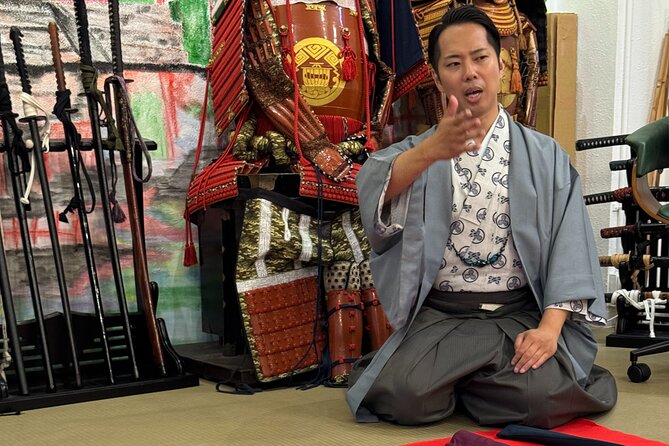
Some of the swords selected by the master were made more than 600 years ago. That age is a major part of the appeal, but it should not be treated as a simple quality label. An old blade can carry artistic and cultural value, yet condition and care still matter. The important point is that you get to ask about those factors with people who work closely with Japanese sword traditions.
The experience may suit you if you see a katana as a long-term possession rather than a holiday souvenir. Several buyers described the purchase as a lifelong treasure or a major investment in Japanese art. That language is useful because it sets the right expectation: the decision deserves time and thought.
The fittings also receive attention. Parts such as the fuchi, kashira, and menuki can give a sword a strong personal character. If those terms are new to you, this is exactly where guided help has value. You can ask what each part is, how it affects the sword’s appearance, and why a particular set of fittings might suit your interests.
Do not assume that the oldest or most expensive blade will be the right one for you. The best choice depends on your purpose, budget, taste, and ability to care for it. The strength of this appointment is the chance to discuss those points before committing.
Same trip, a completely different kind of day:
- PERFECT KYOTO 1-Day Bus Tour
★ 5.0 · 13,518 reviews - Kyoto: Fushimi Inari, Kinkakuji, Bamboo Grove 1 Day Bus Tour
★ 4.8 · 4,316 reviews - Kyoto: Tea Ceremony in a Traditional Tea House in Kiyomizu
★ 4.9 · 3,519 reviews - Kyoto Geisha Walking Tour: Gion District & Hidden Gems
★ 4.7 · 3,273 reviews
Buying help that continues after the dojo
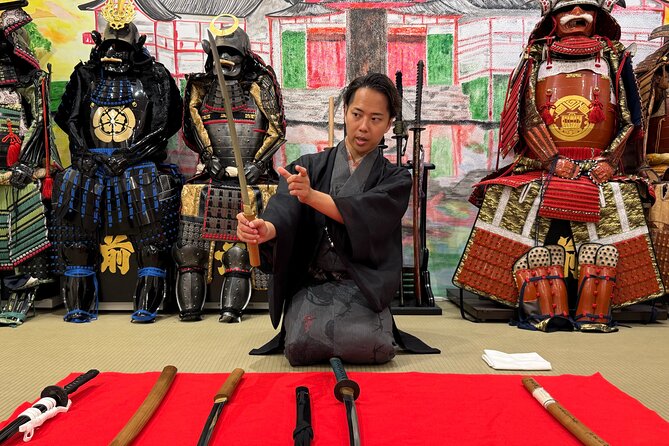
The guidance is not limited to the moment you choose a sword. Buyers have received help with maintenance and updates through the shipping process. One purchaser described being guided at each stage, including care instructions and progress reports until the katana arrived.
That follow-up is a real benefit if you live outside Japan. A sword purchase does not end when you leave Kyoto. Payment authorization may take time, and international shipping can involve extra coordination. One buyer had trouble completing payment but found the team patient and helpful while the issue was sorted out.
Another buyer noted that swords can be purchased online and shipped to the United States. The available information does not promise a single shipping method for every destination, so ask about delivery to your home before you commit. You should also clarify the total cost, payment timing, and any care instructions that apply to the particular sword.
The session itself costs $65.32 per group of up to 10 people. That is a group price, not a per-person charge, so it becomes especially reasonable for a couple or small party. But the fee is only for the consultation. The katana is a separate and potentially much larger purchase, so do not mistake the modest booking price for the full cost of the experience.
Who will get the most from this Kyoto experience
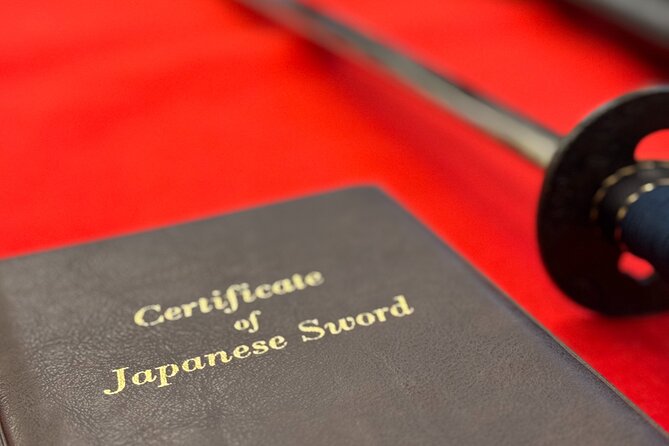
This appointment is a strong fit for several types of buyer:
- You are seriously considering purchasing an authentic Japanese katana.
- You collect swords or Japanese art and want help assessing a personal purchase.
- You practice martial arts and want to understand the sword from a practitioner’s point of view.
- You have followed Shogo’s work and want structured buying assistance, not a casual introduction.
- You need translation help while discussing an expensive and specialized item.
- You want a private conversation rather than a crowded retail setting.
It is less suitable if you only want to see a sword, take a few pictures, or enjoy a general samurai-themed activity. The description is unusually direct about this, and you should take that warning seriously.
Families and mixed groups can participate, since most people can take part and the activity is private. Yet the visit may not hold much interest for someone who has no role in the buying decision. With only an hour, every minute is better spent on your questions and choices.
Practical preparation before you book
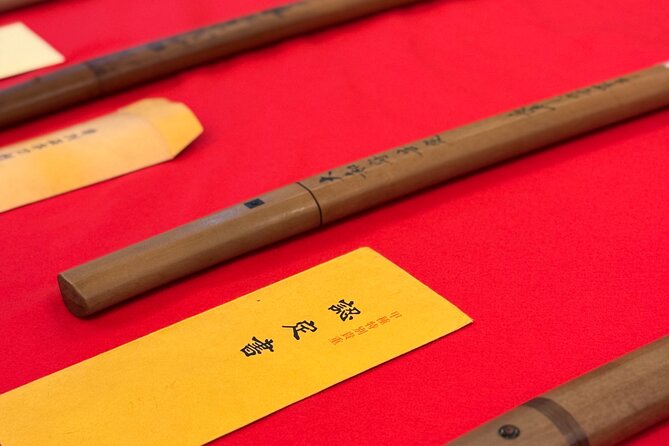
Prepare a short list before arriving. Decide your approximate budget, what kind of display or personal use you have in mind, and whether age, fittings, condition, or symbolism matters most. If you already own Japanese swords, note what you like and dislike about them.
Write down questions about maintenance, preservation, shipping, and payment. The available details show that care advice and post-purchase help are part of the service, so use the time to understand what owning the sword will involve.
You should also tell the team about your interests before the appointment. Buyers have discussed their preferences in advance, and that preparation helped the search focus on a sword with suitable details. The more clearly you explain your taste, the more useful the short meeting is likely to be.
Confirmation arrives within 48 hours of booking, subject to availability. The activity is mobile-ticketed, and free cancellation is available if you cancel at least 24 hours before the start time. Changes or cancellations made inside that 24-hour window are not accepted for a refund.
Is $65.32 good value?
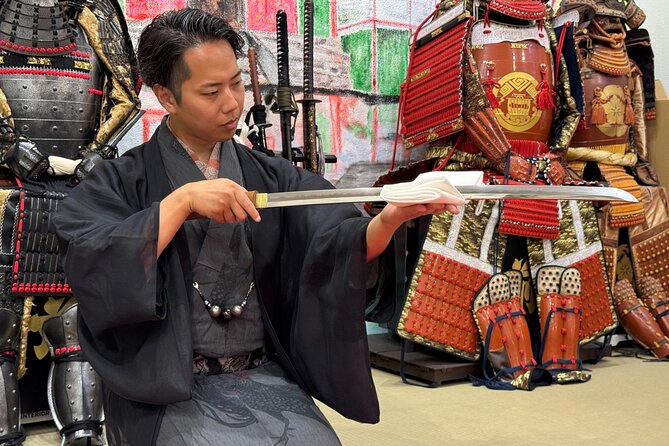
For a serious buyer, yes, the price can be sensible. You receive a private appointment for up to 10 people, access to a Kyoto dojo, translation, and guidance from people connected to Kenjutsu and Iai. Shared across two or more people, the per-person cost drops quickly.
The value depends less on the hour itself than on the purchase it supports. If expert explanations prevent you from choosing the wrong sword, clarify care requirements, or help you understand what you are buying, the fee is small beside the price of an authentic katana.
If you are only curious, the value is weaker. You may spend $65.32 for an experience built around a decision you never intended to make. Kyoto offers many ways to learn about samurai culture, but this appointment is narrow and practical by design.
Should you book Katana Shopping with Professional Guidance in Kyoto?
Book it if you are ready to discuss an actual purchase and want personal help from Shogo and Yushin Sensei. The private dojo setting, centuries-old blades, translation support, and continued assistance with care and shipping give the hour more substance than a standard shopping stop.
Skip it if your main goal is sightseeing, casual browsing, or meeting a YouTube creator. Go in with a budget, clear questions, and enough seriousness to weigh a major purchase. For the right buyer, this can turn a complicated search into a thoughtful Kyoto memory and a sword you will care for for years.
FAQ
How long does the katana shopping experience last?
The activity lasts approximately one hour and ends back at the Kyoto meeting point.
Where does the experience begin?
It begins at 452-2 Matsugaecho, Nakagyo Ward, Kyoto, 604-8034, Japan.
Who guides the katana shopping session?
Shogo from Let’s Ask Shogo acts as translator and sword-shopping guide. The private dojo is led by Yushin Sensei, a Kenjutsu master who trains more than 20 students.
Is this a private activity?
Yes. Only your group participates, and the listed price covers a group of up to 10 people.
Are the katana authentic and old?
The swords are hand-selected by the dojo master, and some are more than 600 years old. The experience is intended for people seriously considering the purchase of a Japanese katana.
Can I cancel for a full refund?
Yes, if you cancel at least 24 hours before the experience start time. Cancellations or changes made less than 24 hours in advance are not accepted for a refund.
More Shopping Tours in Kyoto
- From Tokyo: Mt.Fuji, Tea Ceremony & Outlet Shopping Day Tour
★ 4.5 · 93 reviews
Just added around Kyoto
- Sekka Cotton Furoshiki Class★ 5.0 · 19 reviews
- Kyoto Sword Experience – includes Museum Ticket/Ninja Experience★ 4.5 · 149 reviews
- Scenic Green Tea Fields of Hidden Kyoto & Local Tea Exp (Private)★ 5.0 · 32 reviews
- Secret Eastern Kyoto Biking Adventure★ 5.0 · 44 reviews
- Private Sake Tasting in Central Kyoto with Sake Sommelier★ 5.0 · 32 reviews
- Samurai School in Kyoto: Samurai for a Day★ 5.0 · 202 reviews
- SHIRAKAWA Japanese Culture Experiences with private English staff★ 5.0 · 16 reviews
- A Privately Guided Photoshoot in Beautiful Kyoto by a Pro★ 5.0 · 18 reviews
Samurai Experiences, compared.

Browse the lists this tour appears in