
Reviewed · SUMO EXPERIENCES
Tokyo: Sumo Show and Experience in Shinjuku
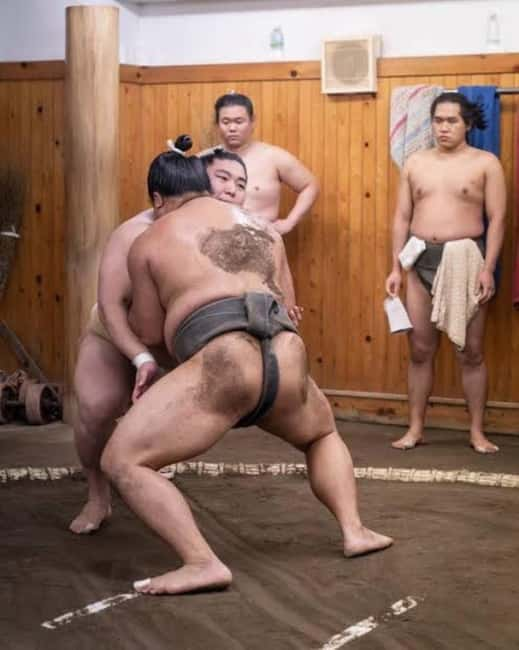
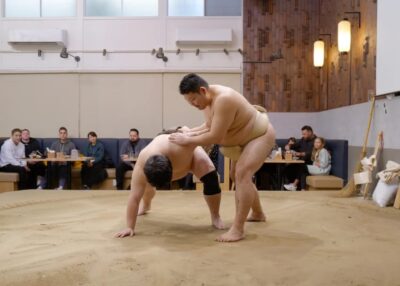
The most memorable part of this Shinjuku show is not simply watching two powerful wrestlers collide. It is seeing the ritual, foot stomping, salt throwing, training moves, and rules explained before the action begins. Then you may get your own turn in the ring, dressed in a traditional sumo outfit and facing a professional wrestler.
I like the clear English presentation, especially when hosts such as Paula, Dai, and Ari mix facts with jokes and crowd questions. I also like the friendly tone: children can laugh at the staged challenges while adults gain a real sense of sumo discipline and strategy. The main thing to understand is that this is not a tournament. It is a structured cultural show with demonstrations, an exhibition match, and audience participation.
Key points at a glance
- Watch real sumo wrestlers up close: Professional rikishi demonstrate techniques and perform an exhibition match.
- Learn before you watch: The English-speaking host explains rituals, rules, fouls, training, and the meaning behind each movement.
- Step into the dohyo: Volunteers can wear a sumo outfit and challenge a wrestler in a playful bout.
- Expect a show, not a tournament: The wrestling is genuine, but the event is designed for teaching and entertainment.
- Good for families: The mix of humor, audience involvement, and short explanations keeps children and adults engaged.
- Plan around the clock: The program follows a fixed schedule, and late entry may not be accepted.
A friendly introduction to sumo in Shinjuku
At $69 per person for 90 minutes, this is aimed at visitors who want a manageable first look at sumo without building an entire Tokyo day around it. You meet on the second floor of the Sekisaku Building in Shinjuku, at the front entrance facing the main door next to Daiso.
That location matters. Shinjuku is full of large buildings, bright signs, and confusing entrances, so do not assume any side entrance will work. Go through the front of the building, then head upstairs. Arrive early enough to find the correct door and settle in before the program starts.
The show works well after a day of sightseeing. You can sit, listen, and watch rather than walk another mile through Tokyo. One particularly useful feature is the English-speaking host. Sumo has its own vocabulary and ceremony, and without an explanation, a first-time spectator can miss why the wrestlers stomp, throw salt, or pause before a bout.
More Sumo Experiences in Tokyo:
- Tokyo: Sumo Show Experience with Chicken Hot Pot and a Photo
★ 4.8 · 6,678 reviews - Tokyo: Sumo Show and Dining Experience
★ 4.8 · 2,742 reviews - the SUMO show
★ 5.0 · 1,960 reviews
The opening rituals explain more than you expect
The event begins by placing sumo in its cultural setting. The host introduces the sport and explains some of its history, customs, rules, and professional discipline. The presentation also covers Japanese phrases and the role of ritual before a bout.
You will see shiko, the dramatic leg lift and foot stomp associated with sumo training. You will also see salt throwing, a familiar gesture that can look theatrical until you understand its place in the ceremony. These moments give the show its shape. You are not just watching large athletes push each other. You are learning how preparation, ritual, and mental control fit together.
The best hosts keep this section moving. Paula is repeatedly praised for her humor, confidence, and crowd work. Dai is described as especially good at answering questions, while Ari receives praise for holding attention and making the presentation entertaining. The host can vary, but the format remains a lively mix of explanation, demonstration, and jokes.
I especially value the explanation of what makes sumo difficult. The size of the wrestlers gets your attention first, but the presentation points you toward balance, timing, force, footwork, and mental strength. That change in perspective is one of the strongest reasons to book this instead of watching a few random clips online.
Demonstrations turn rules into action
After the introduction, the rikishi show different moves and techniques. This is the practical part of the lesson. Instead of trying to remember a list of rules, you see how a wrestler uses a push, grip, stance, or movement.
The demonstrations also explain fouls and what can end a bout. That detail helps you watch an actual tournament later, where the action may be quick and difficult to follow. Several people who had recently become interested in sumo found that this kind of introduction helped them understand the sport better.
The wrestlers are not presented as distant stars behind a barrier. They interact with the audience, answer questions, and play along with the lighthearted tone. That friendliness is a major part of the experience. You get a closer look at the human side of the sport, including the training and discipline required to perform these movements.
There is a limit here. The demonstrations are made for a general audience, so a serious sumo follower may find the explanations familiar. If you already know the rules and attend tournaments regularly, the value comes more from the personal interaction and the chance to enter the ring than from new technical information.
The exhibition match brings the room to life
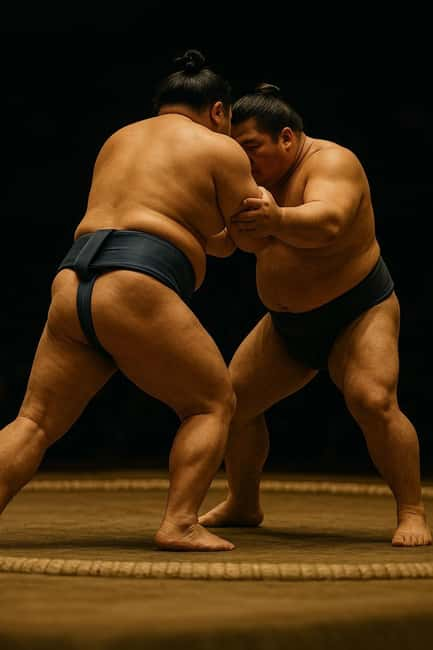
The main wrestling portion features professional sumo wrestlers in an exhibition match. It is energetic and physical, but it is presented as part of the show rather than as a tournament bout with official rankings at stake.
That distinction is important when you set expectations. You will not be watching a full day of professional competition, a championship match, or the formal atmosphere of a major tournament. Instead, you get a compact performance that lets you see the techniques up close and understand what the host has just explained.
The structure works because the match follows the teaching. First, you hear about the movements and rules. Then you see those ideas used by trained wrestlers. The result is easier to follow than dropping into a tournament with no background.
The tone also shifts between seriousness and comedy. The wrestlers show genuine strength and control, but they know the room has come for an approachable cultural experience. That balance keeps the show from feeling like a lecture.
More Shows & Performances in Tokyo:
- Tokyo Shinjuku Sumo Show & Experience with Photo
★ 5.0 · 1,750 reviews - Tokyo: Samurai Restaurant Show Ticket with 2 Drinks
★ 4.5 · 1,307 reviews - Tokyo:Luxury Sumo Show Experience & Japanese cuisine & Drink
★ 4.7 · 577 reviews - Tokyo Bay Yakatabune Dinner/Day Cruise with Japan Show and Drinks
★ 4.5 · 473 reviews
Your turn in the dohyo
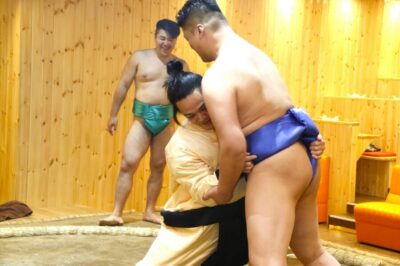
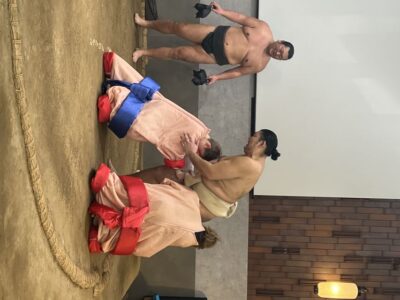
The most unusual feature is the chance for audience members to put on a sumo suit and challenge a wrestler. You step into the dohyo, or sumo ring, and try to move someone who has trained for this sport.
You should expect a playful mismatch rather than a fair contest. The fun comes from the spectacle, the cheering, and the wrestler’s good humor. One participant described being allowed to toss the wrestler over the ropes, a reminder that the wrestlers can control the exchange and let the volunteer feel successful.
This section is especially effective for families. Children can see the wrestlers up close, and adults often enjoy watching volunteers discover how little leverage they have against a trained rikishi. If you prefer to stay seated, you can still enjoy the scene as part of the audience.
The exact volunteer process is not specified, so do not book this assuming every person will wrestle. The experience includes the chance to challenge a wrestler, but participation depends on the event format and audience involvement. The safest expectation is to enjoy the show first and treat the ring challenge as an optional extra.
Why the English host matters
Sumo is easy to watch and surprisingly hard to understand without context. The host bridges that gap by explaining the rituals, rules, techniques, and professional life of the wrestlers in English.
The strongest presentations do more than translate terms. They explain why a movement matters and give you a reason to watch for it during the match. The host also keeps the audience involved with questions, humor, and direct interaction.
That makes this a good choice if you are visiting Japan with children or with relatives who do not usually follow sport. The information comes in short pieces, then the wrestlers demonstrate it. You do not need prior knowledge, and you are not expected to read Japanese.
The individual host can shape the mood. Paula is lively and funny, Dai is praised for handling questions, and Ari is credited with bringing strong energy to the room. Other hosts may lead your session, so consider those names examples rather than a guarantee.
What the $69 price includes
The $69 fee covers a 90-minute show with professional sumo demonstrations, an English-speaking MC, a bottled welcome drink, the chance to wear a traditional sumo outfit, and the opportunity to challenge a wrestler.
I think the value is strongest for a first-time visitor who wants both culture and entertainment. You are paying for a guided introduction, live performers, audience interaction, and a personal moment in the ring. A conventional tournament ticket may offer more authentic competitive action, but it will not necessarily explain every ritual in English or let you ask questions and meet wrestlers at close range.
Food is not included. That is easy to overlook if you are planning the event around dinner, so eat beforehand or arrange a meal afterward. The bottled water is welcome, but it is not a meal or a full refreshment service.
For repeat visitors or serious sumo fans, the price is harder to justify unless you particularly want the audience participation. For a family, a first-time spectator, or someone who wants a compact cultural activity in Shinjuku, the combination of explanation and live action makes the cost reasonable.
Who will enjoy this most
I would recommend this experience to:
- First-time sumo viewers who want the rules explained in English
- Families looking for a cultural activity with humor and audience participation
- Visitors who cannot fit a full tournament into their Tokyo schedule
- Adults who enjoy meeting performers and asking questions
- Anyone planning to attend a professional tournament and wanting some background first
I would be more cautious if you want a genuine tournament atmosphere. This is a show, and the bouts are presented for demonstration and entertainment. It cannot replace sitting in a stadium during a formal competition.
It is also not a food experience. If you want dinner, drinks, or a complete evening package, you will need to arrange those separately.
Timing and arrival advice
The show lasts 90 minutes and has set starting times. Check the available session when booking, then allow enough time to reach the building and find the correct entrance.
Entry is only through the front of the building facing the main door next to Daiso. The organizers warn that late entry may not be accepted because the performance follows a schedule. This is one activity where arriving at the last minute is a poor plan.
The meeting point is the second floor of the Sekisaku Building in Shinjuku. Keep that wording handy on your phone. Shinjuku’s streets and commercial buildings can be confusing, and the correct entrance is more important than simply reaching the neighborhood.
Free cancellation is available up to 24 hours before the activity for a full refund. You can also reserve now and pay later, which helps if your Tokyo plans are still shifting.
The final verdict: should you book it?
Book this Shinjuku sumo experience if you want an entertaining, English-language introduction with a real chance to meet wrestlers and enter the ring. The clearest strengths are the lively hosts, the careful explanation of ritual and technique, and the warm audience interaction.
Skip it if your main goal is to watch a formal tournament or if you already know sumo well and do not care about demonstrations. For most first-time visitors, though, the 90-minute format gives you a useful foundation without taking over your day. Just arrive on time, eat separately, and remember that the spectacle is designed to teach as much as it is to thrill.
FAQ
Where does the sumo show meet?
The meeting point is on the second floor of the Sekisaku Building in Shinjuku.
Which entrance should I use?
Entry is only through the front of the building facing the main door next to Daiso.
How long does the experience last?
The experience lasts 90 minutes.
Is the show held in English?
Yes. The live tour guide and MC provide the experience in English.
Is this a real sumo tournament?
No. This is a sumo show with demonstrations, an exhibition match, explanations, and audience participation. It is not a tournament.
Can I challenge a sumo wrestler?
You have the chance to wear a traditional sumo outfit, enter the ring, and challenge a wrestler. Participation is offered as part of the event and may depend on audience involvement.
Are professional wrestlers included?
Yes. Professional sumo wrestling matches and demonstrations are included.
Is food included?
No. Food is not included. A bottled welcome drink is provided.
How much does the experience cost?
The listed price is $69 per person.
Can I cancel for a refund?
Yes. You can cancel up to 24 hours in advance for a full refund.
Just added around Tokyo
- Kawagoe Japanese Food Tour : Unagi Kaiseki and Sake near Tokyo★ 5.0 · 30 reviews
- Kawagoe 4hr Private Tour with Licensed Guide (Kawagoe Dep)★ 5.0 · 13 reviews
- Little EDO Sushi Making workshop in Kawagoe★ 5.0 · 18 reviews
- 【R34】Tokyo:Private Daikoku tour in Modified R34★ 4.9 · 92 reviews
- :Tokyo,Shibuya/ Pro Photography in Kimono / English-Friendly★ 5.0 · 26 reviews
- Tokyo:Celebrate Unique Japanese New Year Tradition Festivity★ 3.9 · 20 reviews
- Tokyo: Allstar Food Tour★ 4.7 · 29 reviews
- Tokyo:Calligraphy &Make your original folding fan in Asakusa★ 5.0 · 62 reviews
Sumo Experiences, compared.
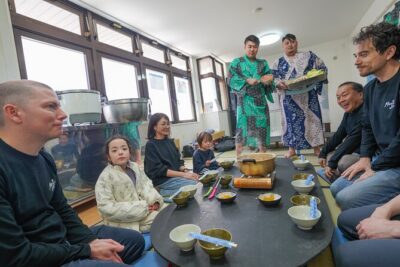
Sumo Show Experience with Chicken Hot Pot and a Photo
Our verdict →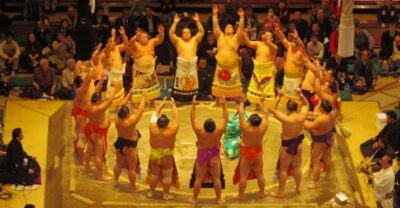
Authentic Sumo Experience in Tokyo: Enter the Sanctuary
Our verdict →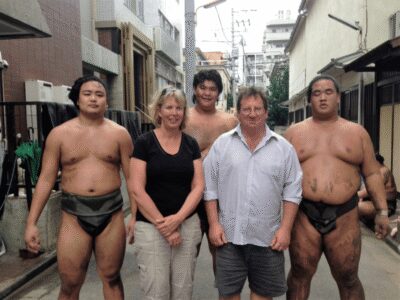
Browse the lists this tour appears in