
Reviewed · SUMO EXPERIENCES
Tokyo: Sumo Show Experience with Chicken Hot Pot and a Photo
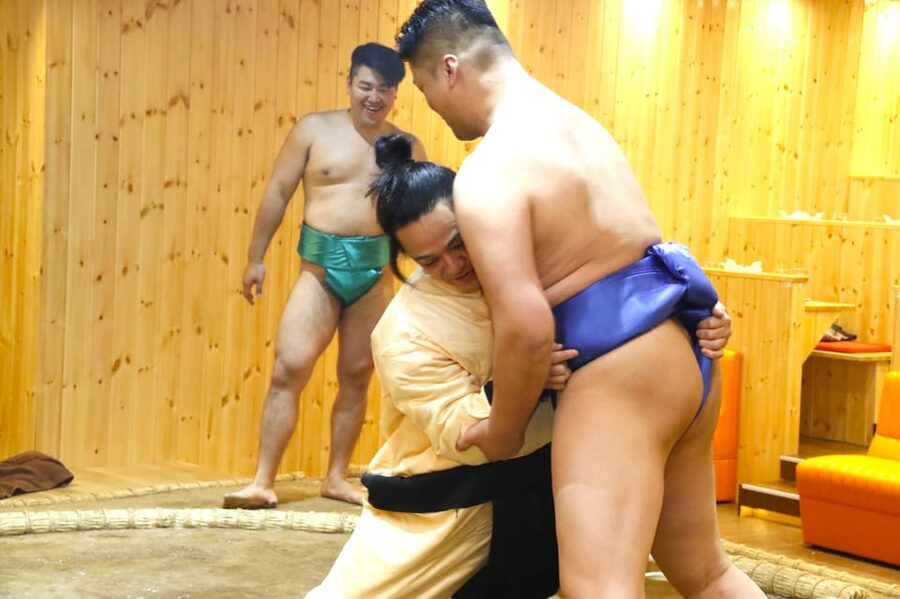
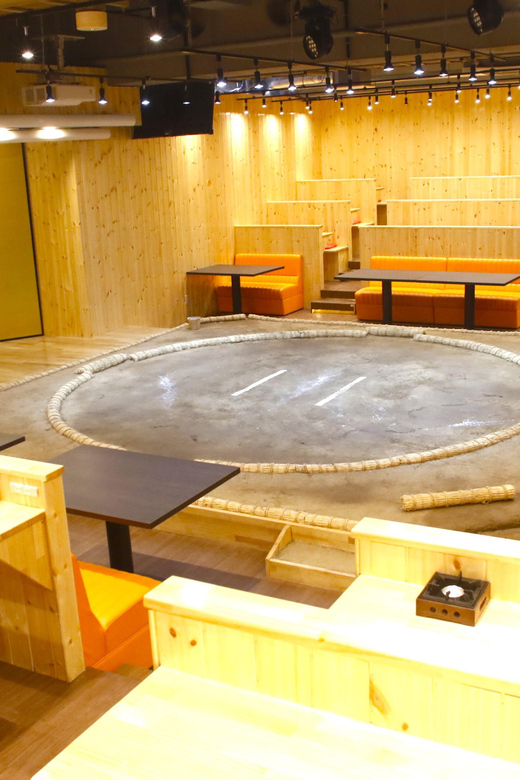
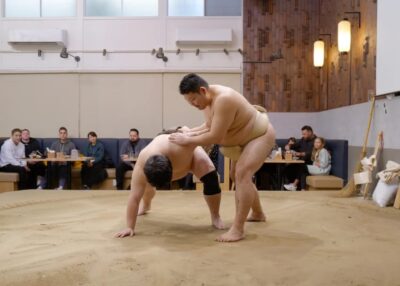
At the center of the Asakusa Sumo Club sits a real dohyo, or sumo ring. Around it, retired professional wrestlers explain their sport, demonstrate exercises and throws, and then put on a best-of-three match. The tone is playful and welcoming, with the host, often Lala, keeping the room involved.
I like two things right away: you learn enough about sumo rituals and rules to understand what you’re seeing, and the show gives you a chance to step into the ring yourself. The geisha dance, hot pot meal, printed photo, and souvenir bag add real value to the two-hour package.
The main thing to understand is that this is entertainment, not an active stable visit or serious tournament bout. The wrestlers are retired, the matches are arranged for fun, and the food centers on chicken hot pot rather than a large restaurant buffet.
Key points before you book
- A real dohyo sits inside the restaurant, so every seat faces the action.
- Retired sumo wrestlers perform a best-of-three match with humor, demonstrations, and audience interaction.
- English and Japanese commentary explains rules, training movements, customs, and basic techniques.
- The sumo challenge has limited places, with a lottery if too many people want to take part.
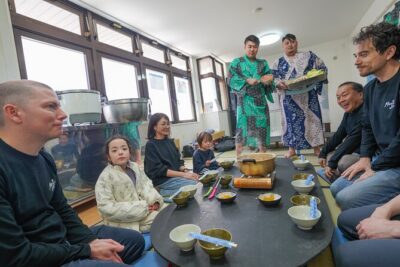
- Chicken chanko-nabe and Japanese side dishes are all-you-can-eat, with one complimentary drink.
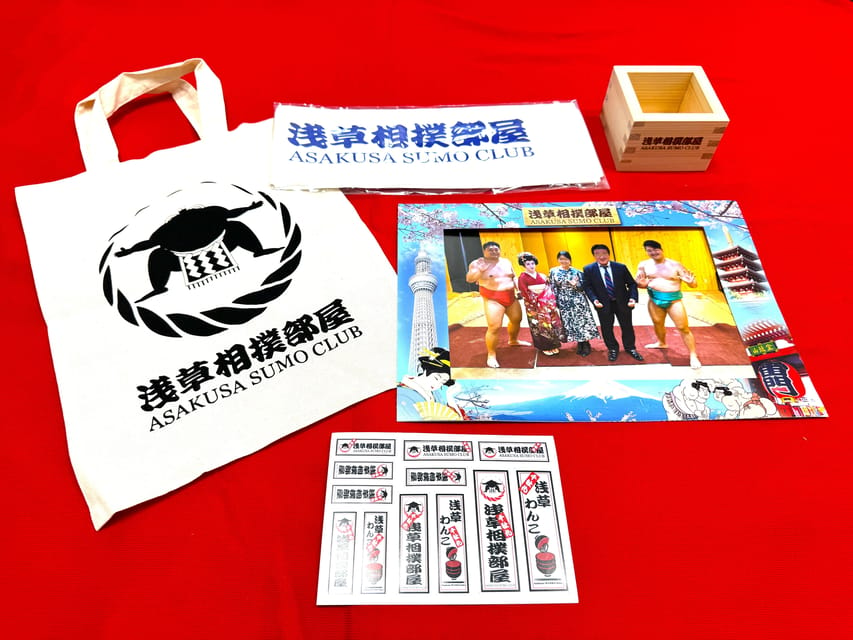
- A printed photo with the wrestlers and geisha plus a souvenir set comes at the end.
A sumo show built for participation
This experience works because it does not ask you to sit quietly and watch a sport you may not understand. The presenter explains what the wrestlers are doing, then turns the room into part of the show. You may clap, cheer, laugh, and watch other people test their strength against a retired wrestler.
The commentary is given in English and Japanese. That matters in sumo, where a short ritual or hand movement can otherwise pass by without meaning. You learn about classic techniques, the basic rules, and the proper behavior around the ring.
The presentation also includes morning exercise demonstrations. These give you a glimpse of the physical discipline behind the jokes and audience games. You are not simply watching two large men push each other around. You get a short lesson in the movements and customs that shape the sport.
The host is a big part of the evening. Lala is singled out in several comments for making the explanations funny and easy to follow. The wrestlers also play along well, including performers identified by names such as Asanakuma in the audience feedback. The exact cast can change, but the format depends on lively personalities rather than a dry lecture.
More Sumo Experiences in Tokyo:
- Tokyo: Sumo Show and Dining Experience
★ 4.8 · 2,742 reviews - the SUMO show
★ 5.0 · 1,960 reviews - Tokyo Shinjuku Sumo Show & Experience with Photo
★ 5.0 · 1,750 reviews
Entering the Asakusa Sumo Club
The center-stage ring gives the room its character. You sit around a real dohyo, with no distant arena seats or large screen between you and the wrestlers. Standard seating still offers a clear view, but the distance from the ring changes with the option you select.
VIP seats are in the front row. VVIP seats offer the most central and unobstructed position. I would consider upgrading if someone in your group is especially interested in the rituals, footwork, and expressions of the wrestlers. You will see more detail close to the ring, and the front position can make the audience challenge feel more immediate.
Standard seating should suit most families and couples who mainly want the full show, meal, and atmosphere. All seats are described as intimate, so you are not dealing with a huge hall. You may be seated with other people, which is worth knowing if you expected a private table.
The meeting point can vary by booking option, so check the details attached to your chosen seat. Wheelchair-accessible seating is limited. If you need it, say so when booking rather than assuming it will be available on arrival.
The geisha dance sets the tone
Before the sumo portion, a geisha performs a traditional Japanese dance in an elegant kimono. This is a short cultural performance, not a full evening of geisha entertainment, but it gives the program a graceful opening before the noisy audience participation begins.
The contrast works well. You move from quiet movement and formal costume to the heavy footsteps, shouts, and comic timing of the wrestlers. If you have never seen a geisha dance, this may be one of the more unusual parts of the package because it broadens the evening beyond sumo alone.
The experience does not present these elements as a museum lesson. It is a staged cultural show with food and a lively host. That makes it accessible, though anyone seeking a formal, traditional performance should set expectations accordingly.
What happens during the sumo demonstrations
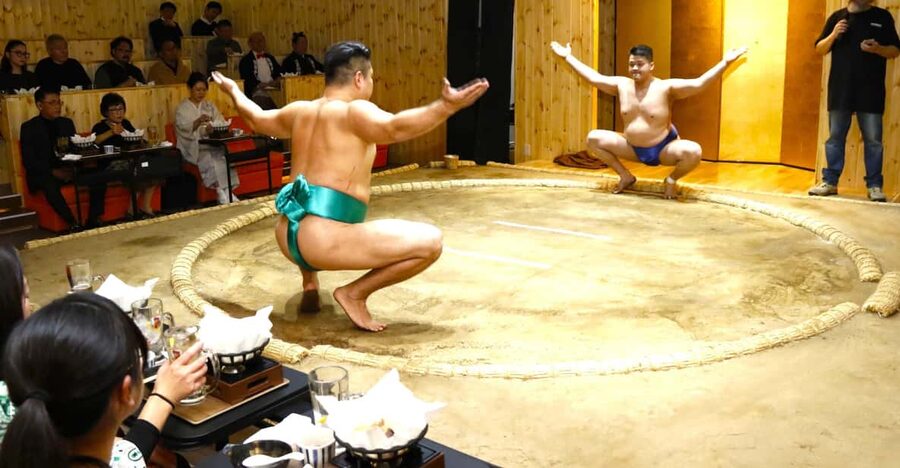
The program covers the basic building blocks of sumo. You see morning-style exercises, learn classic techniques, and hear about the rules and do’s and don’ts. The explanations help children follow along, while adults get enough background to recognize why a movement matters.
The featured contest is a best-of-three match between retired professional wrestlers. It is presented for entertainment, with jokes and interaction woven into the action. You will see familiar sumo gestures and physical techniques, but you should not expect the stakes, ceremony, or intensity of a live professional tournament.
That difference is central to the value of the show. If you want a serious contest, visit Tokyo during a tournament or seek out a stable training experience. If you want to laugh, learn a few useful facts, and get close to the sport without needing prior knowledge, this format is much easier.
The performers also interact with people around the ring. That personal contact is one reason the show works for mixed-age families. An 11-year-old can enjoy the size and comedy of the wrestlers, while an older relative can appreciate the cultural explanation and relaxed seating.
More Shows & Performances in Tokyo:
- Tokyo: Samurai Restaurant Show Ticket with 2 Drinks
★ 4.5 · 1,307 reviews - Tokyo: Sumo Show and Experience in Shinjuku
★ 4.8 · 1,001 reviews - Tokyo:Luxury Sumo Show Experience & Japanese cuisine & Drink
★ 4.7 · 577 reviews - Tokyo Bay Yakatabune Dinner/Day Cruise with Japan Show and Drinks
★ 4.5 · 473 reviews
The sumo challenge is the evening’s wild card
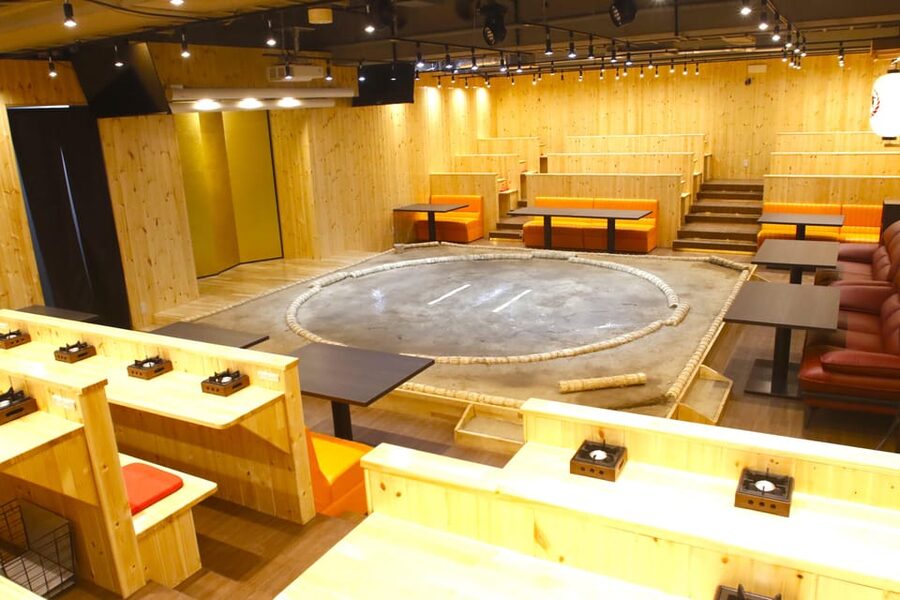
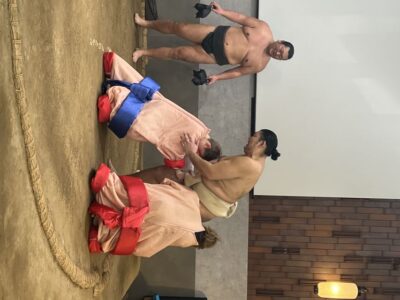
A few people can step into the dohyo and challenge a sumo wrestler. This is not included as a guaranteed turn for every ticket holder. The number of challengers is limited, and if too many people volunteer, the participants are chosen by lottery.
That rule keeps the show moving, but it also means you should not buy the ticket assuming you will wrestle. Encourage children to volunteer if they want to try, but explain that selection is not certain. Even if you stay in your seat, watching other audience members enter the ring is part of the fun.
The challenge is handled as playful entertainment. It is not an invitation to prove your athletic ability against a professional in competition. Still, the size difference, crowd reaction, and direct interaction make it one of the most memorable parts of the program for people who are selected.
Chicken chanko-nabe and the meal
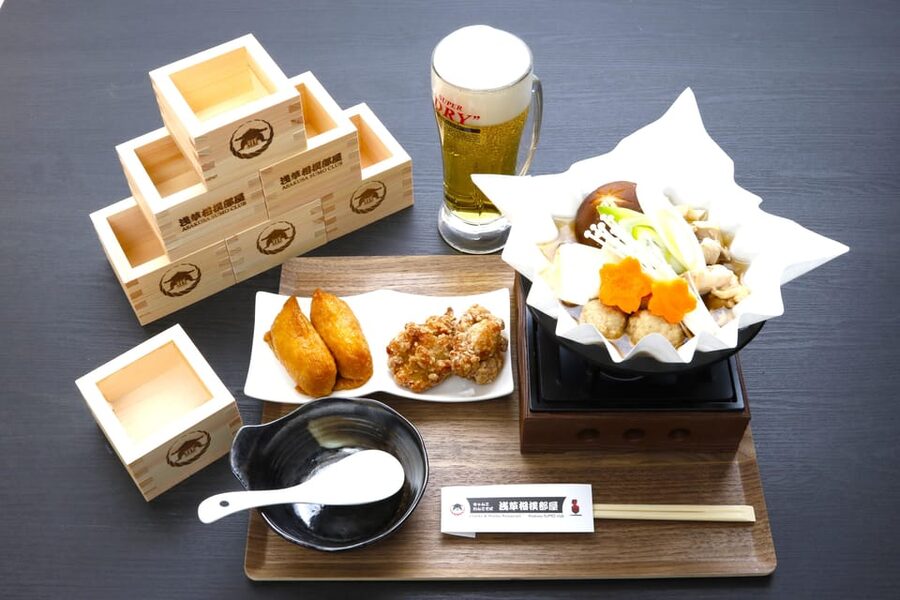
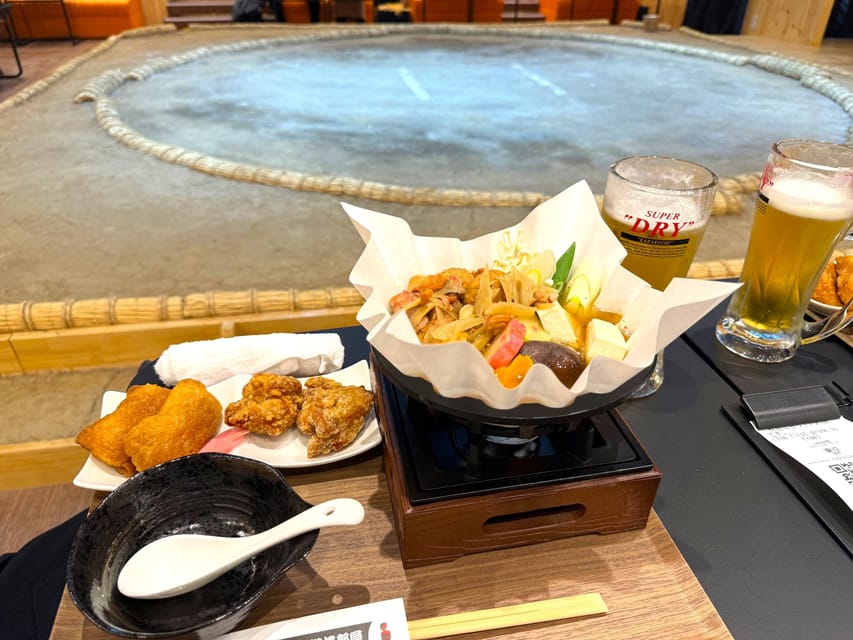
The meal centers on chanko-nabe, the traditional hot pot associated with sumo wrestlers. Here it is made with chicken and served alongside Japanese dishes such as edamame, inari sushi, and sweet rolls. The food is all-you-can-eat, and you can order more through a QR code.
One complimentary drink is included. Additional drinks can be purchased, and the cold beer receives particular praise from people who chose it. The meal is a practical part of the package, not merely a small snack placed in front of you while the show runs.
I would describe the food as satisfying rather than a destination meal. Some comments call it delicious and plentiful, while one makes clear that the selection felt limited. Both points can be true: you can request more of the included dishes, but the menu is built around hot pot and a small set of sides, not a wide buffet.
The hot pot setup can make some diners cautious. One person noted that the paper bowls over an open flame felt unsettling. If you are nervous around tabletop cooking, ask staff for help and keep loose sleeves away from the heat. Vegetarian and vegan meals are available if requested at least two days ahead.
There are no gluten-free or halal meals provided. You may bring your own food if you need to handle those dietary restrictions. Infants do not receive meals, seating, or souvenirs as part of the package, and babies under one year are not considered suitable for the activity.
Photos, souvenirs, and the value of the package
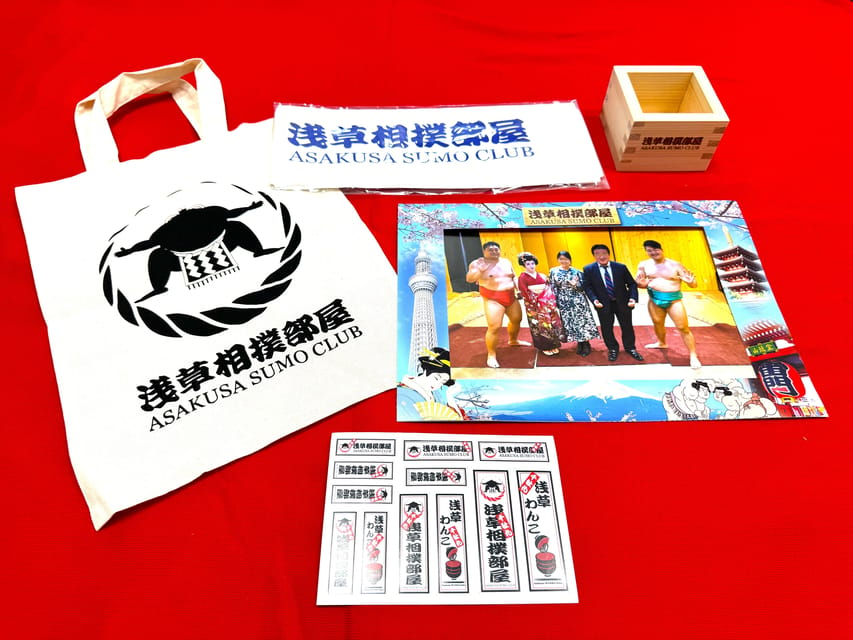
At the end, you receive a printed photo with the sumo wrestlers and geisha, along with a souvenir set. Contents can change with the season, but the combination gives you something physical to take home rather than leaving the experience only on your phone.
At $103 per person, the price is not cheap for a two-hour activity. The value depends on how much of the package you would otherwise pay for separately. You receive a live cultural performance, bilingual hosting, a geisha dance, an all-you-can-eat meal, one drink, audience interaction, a printed photo, and souvenirs.
The price makes more sense for families, first-time visitors, and anyone who wants a planned evening with several elements included. It is less appealing if you only want to watch serious sumo or if you are mainly searching for a high-end Japanese dinner. The standard ticket offers the clearest value. VIP or VVIP makes sense for someone who places a premium on a close, central view.
The high rating of 4.8 from 6,678 ratings supports the idea that the package delivers what it promises: an organized, funny, educational show with food. Still, the rating should not change your expectations about the style. The strongest praise focuses on fun, interaction, family appeal, and the staff, not on sporting realism.
Who will enjoy this most
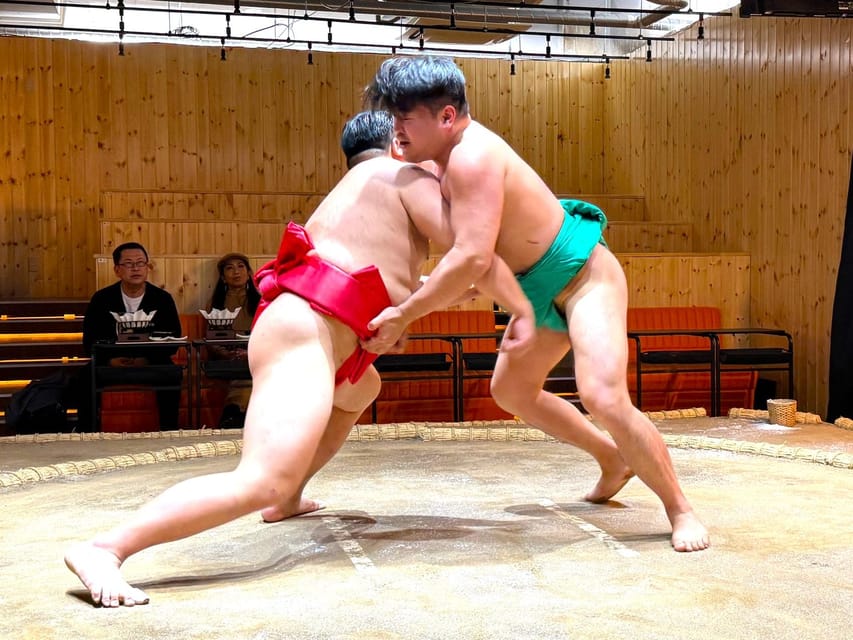
I would recommend the show to families with children, multigenerational groups, first-time visitors to Japan, and people who want a cultural evening without a formal lecture. It is also a good choice if your group includes someone who knows nothing about sumo. The explanations give everyone a way into the sport.
Children can watch the demonstrations, cheer during the match, and hope for a place in the challenge. Older relatives can enjoy the meal and seated format. Adults who want a few laughs rather than a solemn performance will likely fit the mood well.
This is not the best match for someone seeking a quiet dinner, an authentic working stable, or a major tournament. It is also not ideal if your dietary needs require gluten-free or halal food and you do not want to bring your own meal.
The show is wheelchair accessible, but accessible seating is limited. Contact the provider when booking if you require that arrangement. The activity lasts two hours, which is long enough to feel substantial but short enough to fit into an evening in Asakusa.
My verdict on the Asakusa Sumo Show
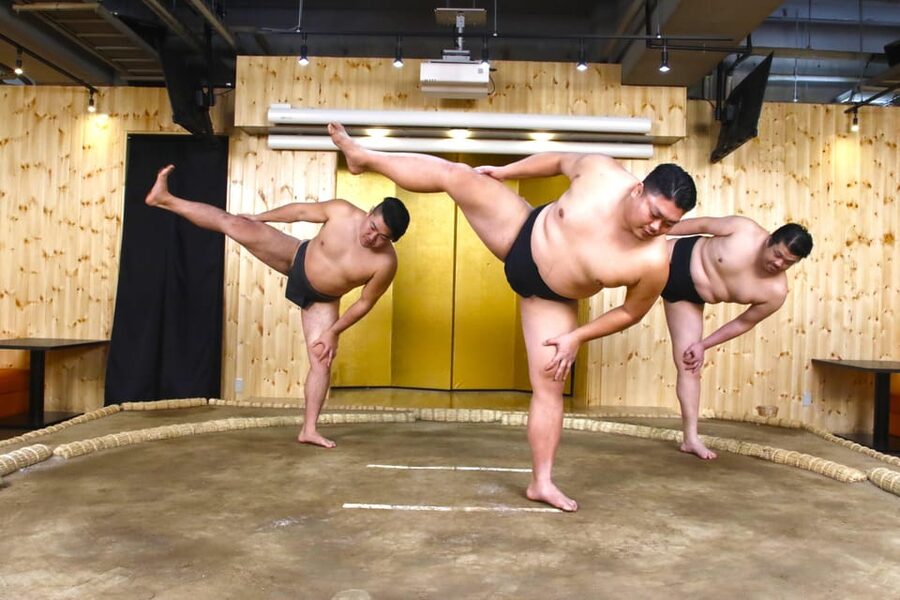
I would book this if you want a friendly introduction to sumo with plenty of personality. The best parts are the close ring, bilingual explanations, funny retired wrestlers, geisha dance, and the chance to see someone from the audience enter the dohyo.
Just keep the promise clear in your mind. This is a family-friendly stage show built around sumo culture, not a serious match or a look inside an active stable. At $103, it earns its price through the meal, drink, photo, souvenirs, and full evening of entertainment. Choose standard seating for the strongest value, or VIP and VVIP if being close to the ring matters to you.
FAQ
How long does the Asakusa Sumo Show last?
The experience lasts two hours. Check availability for the starting times offered on your chosen date.
How much does the experience cost?
The listed price is $103 per person. Seating options may affect the final price.
Are the sumo wrestlers active professionals?
No. The show is performed by retired professional sumo wrestlers.
Is this a serious sumo match?
No. It is an entertainment show with demonstrations, explanations, audience interaction, and a best-of-three match. It is different from serious morning practice at an active stable.
Can I challenge a sumo wrestler?
You can volunteer to step into the ring, but challenger places are limited. If too many people apply, participants are selected by lottery.
Is food included?
Yes. The package includes all-you-can-eat chicken chanko-nabe and Japanese dishes, plus one complimentary drink.
Are vegetarian and vegan meals available?
Yes, but you must request them at least two days in advance. Gluten-free and halal meals are not provided, though you may bring your own food.
Do I receive a photo and souvenir?
Yes. The package includes a printed photo with the sumo wrestlers and geisha, along with a souvenir set. The contents of the souvenir set may vary by season.
Is the show wheelchair accessible?
Yes, but wheelchair-accessible seating is limited. Inform the provider when booking if you need accessible seating.
Just added around Tokyo
- Kawagoe Japanese Food Tour : Unagi Kaiseki and Sake near Tokyo★ 5.0 · 30 reviews
- Kawagoe 4hr Private Tour with Licensed Guide (Kawagoe Dep)★ 5.0 · 13 reviews
- Little EDO Sushi Making workshop in Kawagoe★ 5.0 · 18 reviews
- 【R34】Tokyo:Private Daikoku tour in Modified R34★ 4.9 · 92 reviews
- :Tokyo,Shibuya/ Pro Photography in Kimono / English-Friendly★ 5.0 · 26 reviews
- Tokyo:Celebrate Unique Japanese New Year Tradition Festivity★ 3.9 · 20 reviews
- Tokyo: Allstar Food Tour★ 4.7 · 29 reviews
- Tokyo: West-Side Cycling and Food Tour with Guide★ 5.0 · 37 reviews
Sumo Experiences, compared.
Authentic Sumo Experience in Tokyo: Enter the Sanctuary
Our verdict →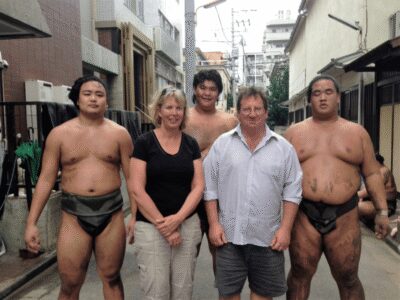
Browse the lists this tour appears in