
Reviewed · WORKSHOPS
Tokyo: Rice Ball Making Class
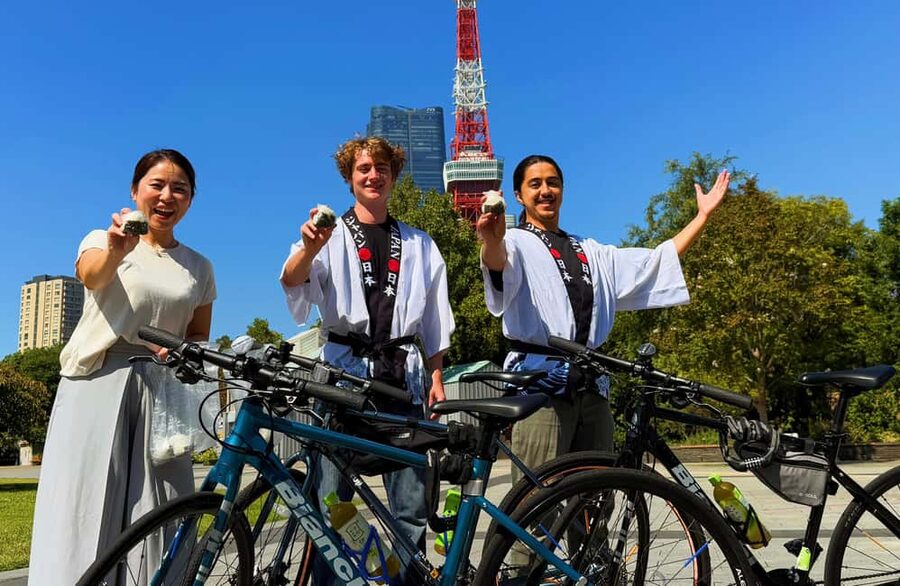
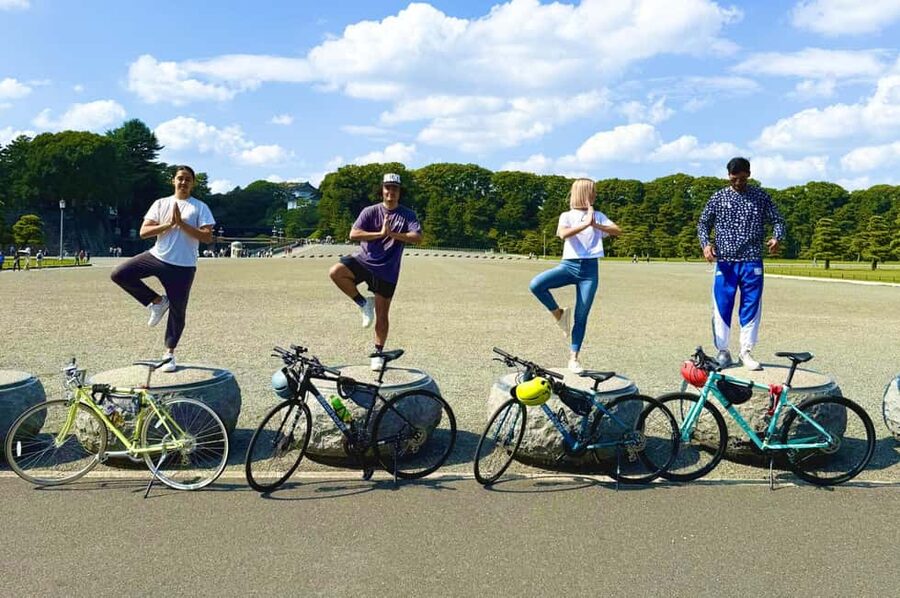
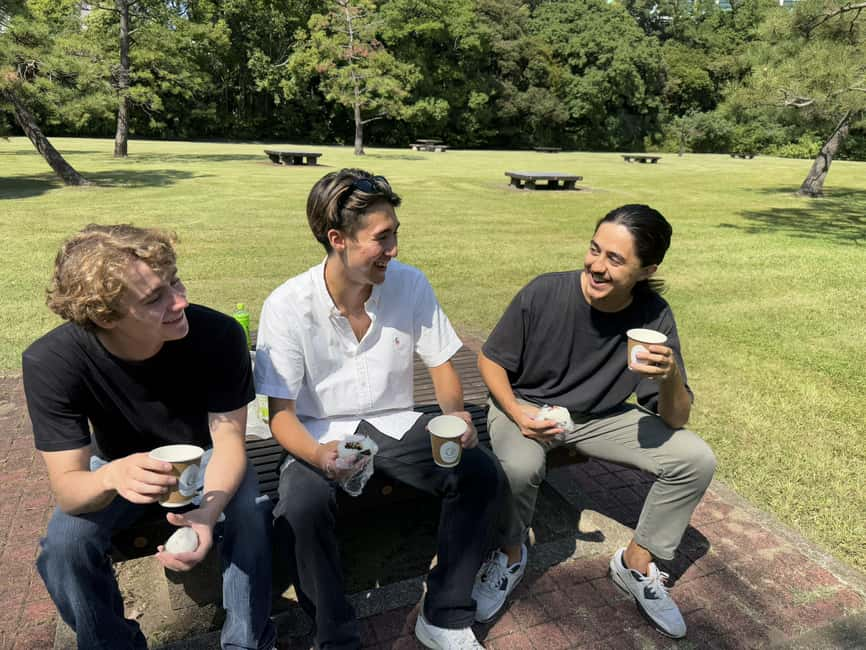
The best part of this Tokyo outing is the switch from kitchen table to bicycle saddle. You make onigiri, pack the warm rice balls, and ride to Hamarikyu Gardens for a picnic with old teahouses and Tokyo’s skyline in view. It gives you a small, tasty piece of daily Japanese life before showing you the city from two wheels.
I like the hands-on cooking class, where salmon, pickled plum, and tuna-mayo turn a simple rice snack into a personal creation. I also like the small group of six, which should make it easier to ask questions and keep the cycling route friendly and manageable. The main consideration is physical: this is not a good fit if you cannot ride a bike, have mobility or back problems, or have a low level of fitness.
Key points at a glance
- Shape your own onigiri: Learn how to season and form this classic Japanese rice snack with an English-speaking local guide.
- Eat in Hamarikyu Gardens: Take your handmade food to one of Tokyo’s historic gardens, with ponds, flowers, teahouses, and city views.
- Cycle beyond the main sights: Ride through backstreets, riverside paths, and broad waterfront lanes instead of staying only on busy tourist routes.
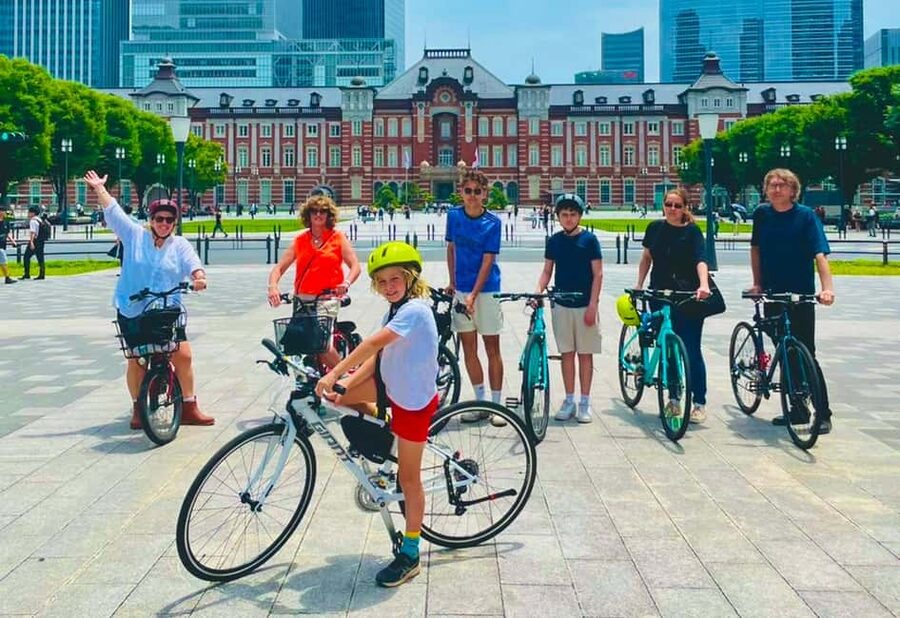
- See several Tokyo icons: The route includes views of Tokyo Tower, the Imperial Palace, Zojoji Temple, and Tokyo Bay.
- Small and social: The group is limited to six participants, and the reviews repeatedly praise friendly guides, including a guide named Sho.
- Plan for a short active outing: The experience lasts one to three hours, and comfortable clothes plus water are recommended.
Making onigiri with a local guide
Onigiri is one of Japan’s most familiar foods: seasoned rice shaped by hand, often with a filling inside or mixed through it. It is simple food, but that is exactly why this class works. You are not just watching someone prepare a dish. You are learning how an everyday Japanese snack comes together.
The class begins at the onigiri meeting point, rather than at the garden. Your guide leads you through the process with freshly steamed rice and the supplied ingredients. You can expect to season the rice, choose from fillings such as savory salmon, tangy pickled plum, and creamy tuna-mayo, then shape the rice into your own pieces.
That shaping step is more delicate than it looks. Rice that is too loose will fall apart, while too much pressure can make it dense. A local instructor can show you the practical touch, and the small group means you should have a chance to get help instead of simply copying from the other side of a crowded room.
This is also the part of the outing that feels most local. Tokyo has no shortage of grand viewing platforms and famous shrines, but making a common packed-food item gives you a closer connection to ordinary Japanese food culture. You leave with a skill you can repeat at home, provided you can find suitable rice and fillings.
The class is conducted in English. The feedback for the instructors is especially strong, with praise for clear English and friendly teaching. One guide named Sho is singled out for making the activity fun and helping participants enjoy the food they prepared.
A few more Tokyo half-days worth comparing
- 1-Day Tokyo Bus Tour
★ 5.0 · 14,250 reviews - Tokyo: TOKYO SKYTREE® Admission ticket
★ 4.5 · 11,192 reviews - Tokyo: teamLab Planets TOKYO Digital Art Museum Entry Ticket
★ 4.6 · 9,779 reviews
Why the fillings matter
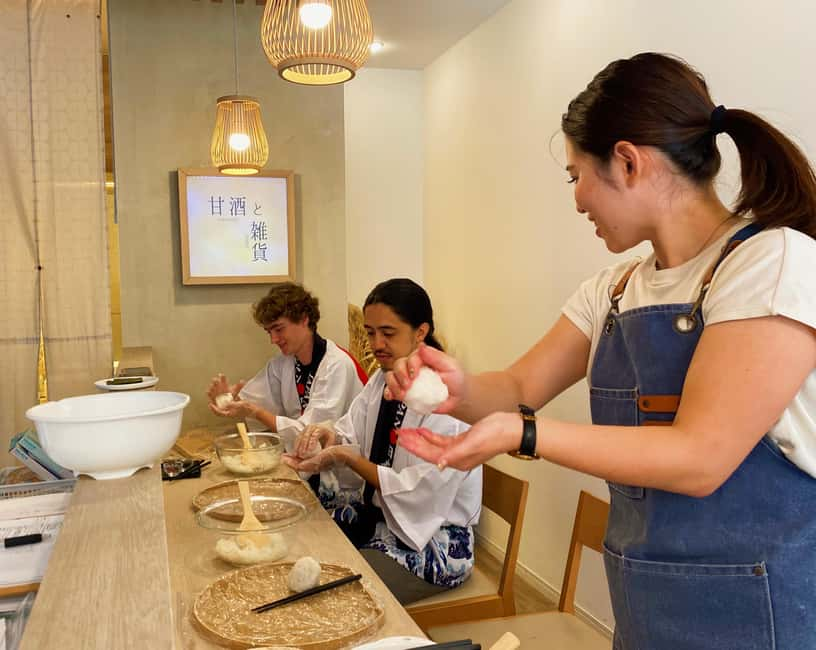
The filling choices give the class a useful introduction to different Japanese flavor profiles. Salmon offers a familiar savory option. Pickled plum brings a sharp, sour note. Tuna-mayo is soft, creamy, and likely to suit anyone who prefers a milder taste.
You may not get a long culinary lecture, since the stated focus is learning to make the rice balls, but the ingredients help show how flexible onigiri can be. It is not a formal restaurant meal. Think of it as a light, practical food lesson followed by a picnic.
The finished rice balls are packed for the ride to Hamarikyu Gardens. That small detail matters. You are not eating quickly at the class location and moving on. You get to carry something you made, then eat it in a setting chosen to make the simple snack feel like part of the day.
Cycling to Hamarikyu Gardens
After the cooking class, you take a bicycle route toward Hamarikyu Gardens. The ride is led by a local guide and uses a mix of backstreets and scenic riverside paths. That gives you a different view of Tokyo than a standard coach tour or subway hop.
Backstreets can show you the quieter side of the city, where local neighbourhoods carry on away from the main shopping roads. The route then opens toward the waterfront, with wider lanes and views over Tokyo Bay. The contrast is part of the appeal: narrow city streets first, then open water and long sightlines.
You should wear comfortable clothing. Bring water, since the activity combines cooking, cycling, walking around the garden, and time outdoors. The distance and pace are not specified, so I would not book this expecting a strenuous bike workout or a completely effortless ride. It is best understood as a gentle sightseeing ride with an active element.
The bike is included, as is the local cycling guide. That saves you the trouble of arranging a rental and finding a suitable route yourself. It also matters in Tokyo, where a guide can choose streets and paths that connect the class, garden, neighbourhoods, and waterfront without asking you to navigate on your own.
Hamarikyu Gardens and the homemade picnic
Hamarikyu Gardens is the visual center of the outing. This historic garden sits beside Tokyo Bay and includes saltwater ponds, walking paths, seasonal flowers, and traditional teahouses. The setting gives you a sharp contrast between old Japan and the modern city around it.
You eat your handmade onigiri in the garden, with your still-warm food and Tokyo’s skyline sharing the view. That is a stronger memory than simply stopping at a convenience store for a packaged snack. The food is modest, but the setting makes you pay attention to it.
The garden visit also slows the pace. The bicycle ride gets you moving, while the picnic gives you time to sit, eat, and look around. If your ideal tour includes constant activity and a long list of monuments, the garden stop may feel brief. If you prefer a pause in the middle of a city day, it is a welcome change.
Entrance to Hamarikyu Gardens is included. Extra snacks and drinks at the shop are not, so carry water and budget separately if you want anything beyond the supplied ingredients and onigiri.
More Hands-On Experiences in Tokyo:
- Sushi Making Tokyo Roll and Authentic Japanese Sushi Class
★ 5.0 · 3,971 reviews - Tokyo: Roll and Authentic Sushi Making Class in Asakusa
★ 4.9 · 1,957 reviews - Tokyo Shinjuku Chopsticks Making Class
★ 5.0 · 1,763 reviews - Tokyo: Sushi Making Class in a Happi Coat near a Famous Spot
★ 4.9 · 1,377 reviews
The views from Tokyo’s backstreets and bay
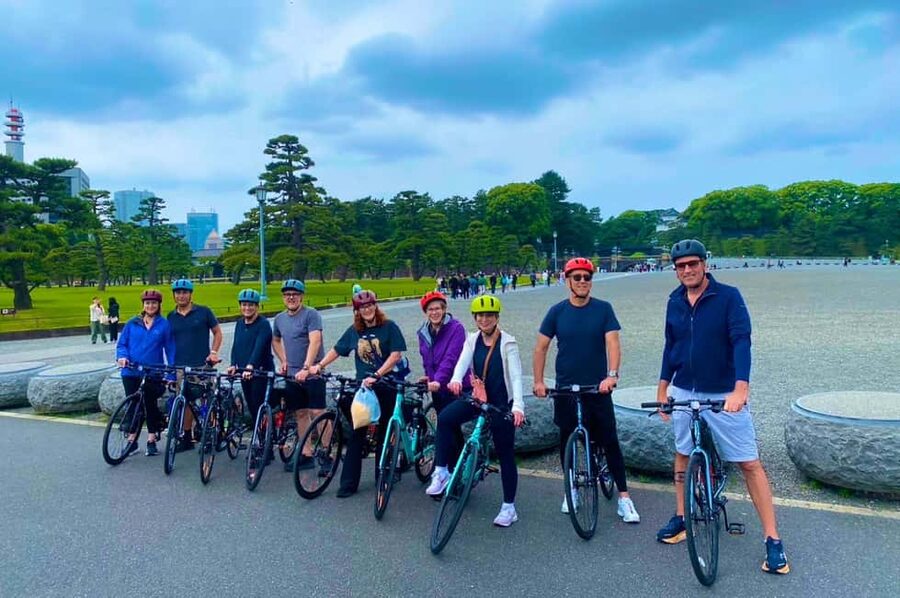
Once you have eaten, the ride continues through a chosen route of local streets and riverside paths. The route is not described as a fixed-distance cycling challenge, so the draw is the variety of views rather than speed or mileage.
You may pass quiet residential areas, then reach broader waterfront lanes. Along the way, the listed sights include Tokyo Tower, the Imperial Palace, Zojoji Temple, and Tokyo Bay. These landmarks do not all appear as full visits, so set your expectations correctly. You are likely seeing them from the route, not receiving a long guided tour inside each one.
That is still useful for a first or second day in Tokyo. A bike ride helps you connect places that can feel separate when seen only from train stations. You also get a sense of how the city shifts between small neighbourhood roads, historic grounds, temple architecture, royal precincts, and modern waterfront development.
The guide is important here. A route through Tokyo can be confusing without local direction, and a small group can stop more easily than a large cycling party. The strong praise for the guides focuses on friendliness, clear English, and informative commentary. That combination is valuable because cycling tours work best when the guide helps you notice more than you would on your own.
What the $51 price includes
At $51 per person, the cost covers several separate pieces: the onigiri class, ingredients, the bike, the local guide, and entry to Hamarikyu Gardens. You are paying for an activity that combines food, transport, sightseeing, and instruction rather than for a single museum visit or a standard meal.
The value is strongest if you would otherwise pay separately for a bike rental, garden entrance, and a food class. It is also useful if you want a guide to connect these parts into one short outing. The onigiri itself is not an expensive meal, so do not judge the price by the food alone. The real value comes from the teaching, the route, the equipment, and the garden visit.
The duration is listed as one to three hours, with the exact start time depending on availability. That wide range makes it important to check the schedule before booking. A shorter session may suit a busy sightseeing day, while a longer version gives more room for the picnic and bike route.
The cancellation policy is friendly: you can cancel up to 24 hours ahead for a full refund. You can also reserve now and pay later, which helps if your Tokyo plans are still changing.
Who will enjoy this most
I would recommend this outing to adults and older children who enjoy learning by doing. It works especially well for first-time visitors who want a taste of local food culture without committing to a long cooking course.
It is also a good match for anyone who has already seen Tokyo’s major districts and wants a quieter way to connect them. You get food preparation, a garden, neighbourhood streets, and waterfront views in one compact experience.
The age limit is clear: children under 12 are not accepted. The activity is also not suitable for wheelchair users, people with mobility impairments, people who cannot ride a bike, or people with visual impairments. It is not recommended for people with back problems, high blood pressure, low fitness, or for those over 70.
Those restrictions are worth taking seriously. Cycling in an unfamiliar city requires balance, awareness, and enough energy to keep going after the class. If you are uncertain about your fitness, a walking food tour or garden visit would be a better choice.
Practical details before you book
The meeting point is the onigiri cooking class. Because the exact location is not included in the supplied details, check the confirmed meeting instructions carefully before setting out. The guide speaks English, and the group is limited to six participants.
Bring water and wear comfortable clothes suitable for cycling. Baby strollers are not allowed. You should also avoid planning a large meal immediately beforehand, since the onigiri you prepare is intended to be eaten during the outing.
The activity provider is Tokyo Rental Bicycle. The included bike removes one common hassle, but you still need to be comfortable riding. The route includes backstreets, riverside paths, and waterfront lanes, so this is more than a stationary class with a short photo stop.
Should you book this Tokyo experience?
Book it if you want a small, active outing that combines a real Japanese food skill with a garden picnic and local cycling. The strongest reasons are the hands-on onigiri lesson, the relaxed Hamarikyu stop, and the chance to see Tokyo’s quieter streets before reaching the bay.
Skip it if you cannot ride confidently, need step-free access, or prefer a detailed indoor cooking course with a full meal. The one to three hour duration also means you should not expect an exhaustive tour of the Imperial Palace, Tokyo Tower, or Zojoji Temple.
For the right person, $51 is fair value. You make the food, eat it in a memorable setting, receive the bike and garden entry, and explore with an English-speaking guide. It is a cheerful way to spend part of a Tokyo day, with enough local character to feel more personal than a standard sightseeing loop.
FAQ
How much does the Tokyo onigiri and bike experience cost?
The price is $51 per person. This includes the onigiri class, ingredients, bike, local cycling guide, and entrance to Hamarikyu Gardens.
How long does the activity last?
The duration is listed as one to three hours. Starting times depend on availability, so check the available schedule when booking.
Is the activity conducted in English?
Yes. The tour has a live English-speaking guide.
What food fillings are available for the onigiri?
The listed filling choices include savory salmon, pickled plum, and tuna-mayo.
Is the bike included?
Yes. A bike and local bike tour guide are included in the price.
Is Hamarikyu Gardens included?
Yes. Entrance to Hamarikyu Gardens is included, as is the picnic stop with your handmade onigiri.
What should I bring and wear?
Bring water and wear comfortable clothing for cycling. Extra snacks and drinks from the shop are not included.
Is the activity suitable for children or people with limited mobility?
Children under 12 are not permitted. The activity is not suitable for people with back problems, mobility impairments, wheelchair users, visual impairments, high blood pressure, low fitness, people who cannot ride a bike, or people over 70.
Just added around Tokyo
- Kawagoe Japanese Food Tour : Unagi Kaiseki and Sake near Tokyo★ 5.0 · 30 reviews
- Kawagoe 4hr Private Tour with Licensed Guide (Kawagoe Dep)★ 5.0 · 13 reviews
- Little EDO Sushi Making workshop in Kawagoe★ 5.0 · 18 reviews
- 【R34】Tokyo:Private Daikoku tour in Modified R34★ 4.9 · 92 reviews
- :Tokyo,Shibuya/ Pro Photography in Kimono / English-Friendly★ 5.0 · 26 reviews
- Tokyo:Celebrate Unique Japanese New Year Tradition Festivity★ 3.9 · 20 reviews
- Tokyo: Allstar Food Tour★ 4.7 · 29 reviews
- Tokyo: West-Side Cycling and Food Tour with Guide★ 5.0 · 37 reviews
Workshops, compared.
Sushi Making Tokyo Roll and Authentic Japanese Sushi Class
Our verdict →
Ninja 1-hour Hands-on Lesson by Japanese master in Kyoto -Entry
Our verdict →
Browse the lists this tour appears in