Reviewed · GUIDED
Tokyo: Private Tailored Tour with a Local Guide
Tokyo is at its best when you connect its famous sights with ordinary streets, small shops, and neighborhoods that still feel local. This private, tailored tour tries to do exactly that, pairing Meiji Shrine and Shibuya Crossing with Yanaka, Nakano Broadway, and the old lanes around Asakusa.
I like the chance to shape the day around your interests, and I like having a guide explain how to use Tokyo’s public transport as you move between districts. The main caution is the scope: nine major stops in one day can feel rushed, especially since transport, meals, and entrance fees are not included.
Key points at a glance
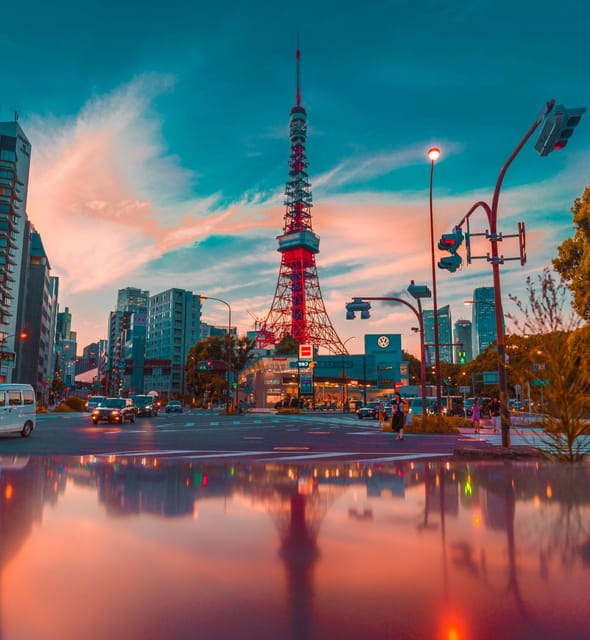
- Private rather than fixed: Your guide can adjust the day around temples, fashion, old Tokyo, shopping, or city views.
- A broad Tokyo sampler: The route links Meiji Shrine, Harajuku, Shibuya, Nakano, Asakusa, Shinjuku, and Yanaka.
- Several districts require train travel: You pay transport costs separately, so keep money ready for fares and possible small purchases.
- Strong guide element: English, German, Italian, Spanish, and French are offered, with guide names associated with the experience including Marleen, Tassilo, and Isaac.
- Good contrast between old and new: You’ll move from Shinto shrine paths and temple grounds to giant crossings, youth fashion, and Showa-era food alleys.
- A walking day: Comfortable shoes, a refillable water bottle, and weather-ready clothing will make a real difference.
A private way to get your Tokyo bearings
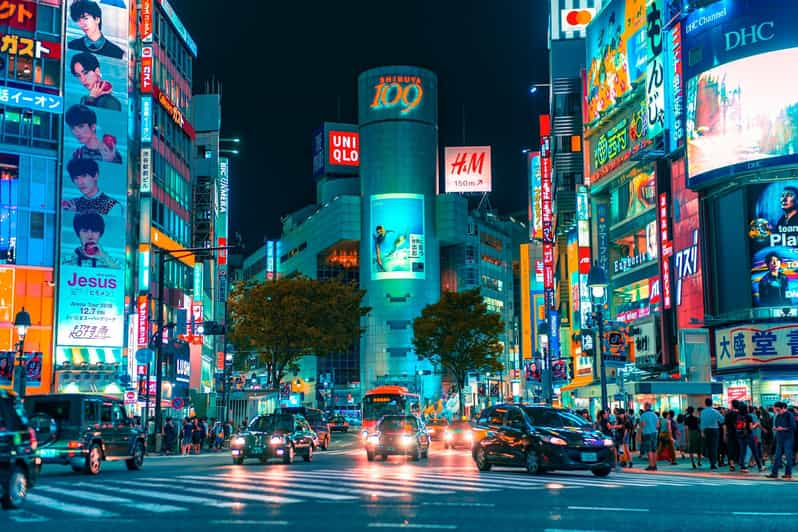
At $63 per person, this is not an expensive way to hire a private guide, especially if you are traveling with several people and want help making sense of Tokyo’s size. You are paying for the guide’s time and planning, not for a package that covers every ticket and train fare.
That distinction matters. You will pay for your own subway or train rides, meals, drinks, and any attraction entrance fees. If you want the lowest possible cost, exploring independently will be cheaper. If you want someone to help connect far-flung parts of the city and adjust the day to your interests, the price can be fair.
The experience is offered as a private group, so you do not have to match your pace to strangers. You can ask for more time at a shrine, less time shopping, or a stronger focus on food, fashion, history, or city views. The exact balance depends on the guide and on how clearly you explain your priorities before the day begins.
Guide feedback has highlighted warm, attentive people such as Marleen, Tassilo, and Isaac. One particularly useful part of the experience is help with public transport. Tokyo’s trains are efficient, but the stations can be confusing, and a guide who teaches you how to move around the city can be useful beyond this one day.
A few more Tokyo half-days worth comparing
- 1-Day Tokyo Bus Tour
★ 5.0 · 14,250 reviews - Tokyo: TOKYO SKYTREE® Admission ticket
★ 4.5 · 11,192 reviews - Tokyo: teamLab Planets TOKYO Digital Art Museum Entry Ticket
★ 4.6 · 9,779 reviews
Starting at Harajuku or Asakusa
You can arrange pickup at Asakusa Station or meet at Harajuku Station. If you prefer not to be collected from a hotel, the Harajuku meeting point is the stated alternative. Confirm the exact meeting details and starting time before you go, since the activity is valid for one day but does not give one fixed departure hour.
Your starting point affects the feel of the morning. Harajuku places you near Meiji Shrine, Takeshita Street, and Shibuya. Asakusa puts you closer to Sensō-ji, traditional shopping streets, and the older side of Tokyo.
Because the route covers many districts, ask your guide at the start what can realistically fit. A private tour is most useful when the plan is shaped around your priorities rather than treated as a race to collect every stop.
Meiji Shrine and the calm of the forest paths
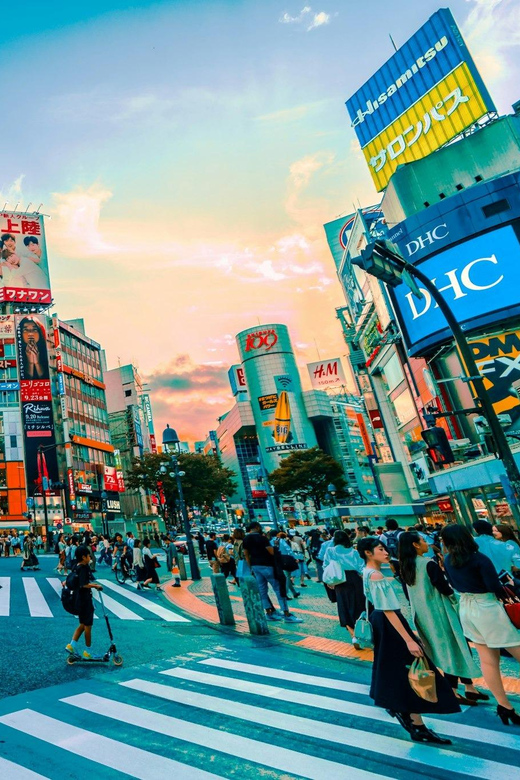
Meiji Jingu honors Emperor Meiji and Empress Shoken. Its broad paths lead away from the noisy streets of Harajuku and toward the main sanctuary, creating one of Tokyo’s sharpest changes of mood.
The shrine is a good first stop because it gives you cultural context before the day turns to shopping and city traffic. Your guide can explain the role of Shinto, shrine etiquette, and the meaning of the grounds while you walk beneath the trees.
Do not expect a short photo stop if you want the full effect. The appeal is the walk itself, along with the change from crowded Harajuku to a more measured setting. On a packed day, this is one place where you may need to choose between a relaxed visit and extra time elsewhere.
Takeshita Street and Harajuku’s young style
Takeshita Street offers a completely different Tokyo. It is known for youth fashion, colorful clothing, sweets, and the playful style associated with Harajuku.
A guide is most useful here when you want more than a walk down the main street. Your local host can point out side streets and explain how the district’s fashion culture fits into modern Tokyo. The tour description also promises lesser-known local stops, but the exact places will depend on your guide and the interests you share.
This is a busy shopping area, so keep your belongings close and stay aware of your meeting point. If fashion and sweets are not your main interests, tell your guide early. That lets you spend less time on Takeshita Street and more time in a district that suits you better.
More Private-Only Departures in Tokyo:
- Tokyo 6hr Private Tour with Government-Licensed Guide
★ 5.0 · 3,902 reviews - Tokyo Customized Private Tour (Must See Places in 1 Day)
★ 5.0 · 1,499 reviews - Tokyo: Private City Highlights Tour with Local Guide
★ 4.8 · 1,433 reviews - Private Custom Tour: Tokyo in a Day
★ 5.0 · 1,432 reviews
Shibuya Crossing and the Hachiko statue
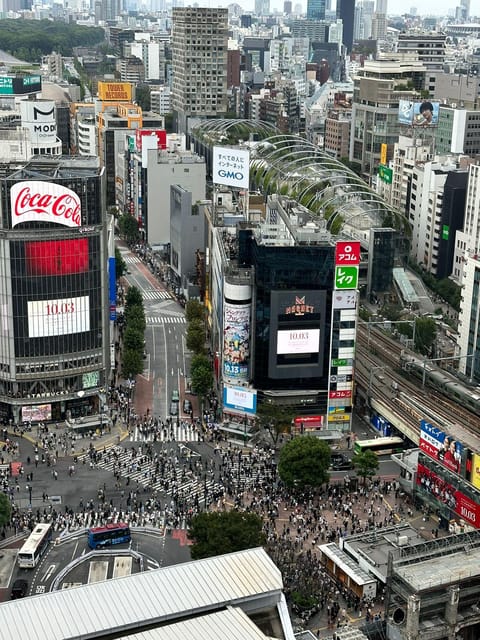
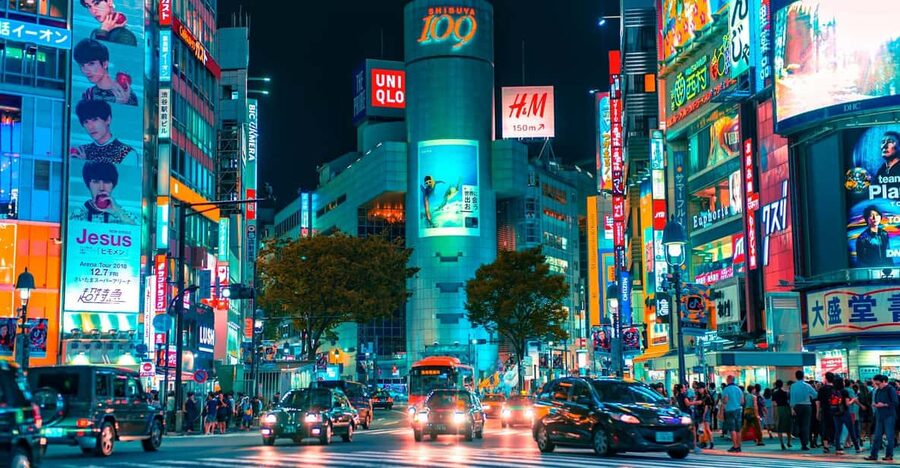
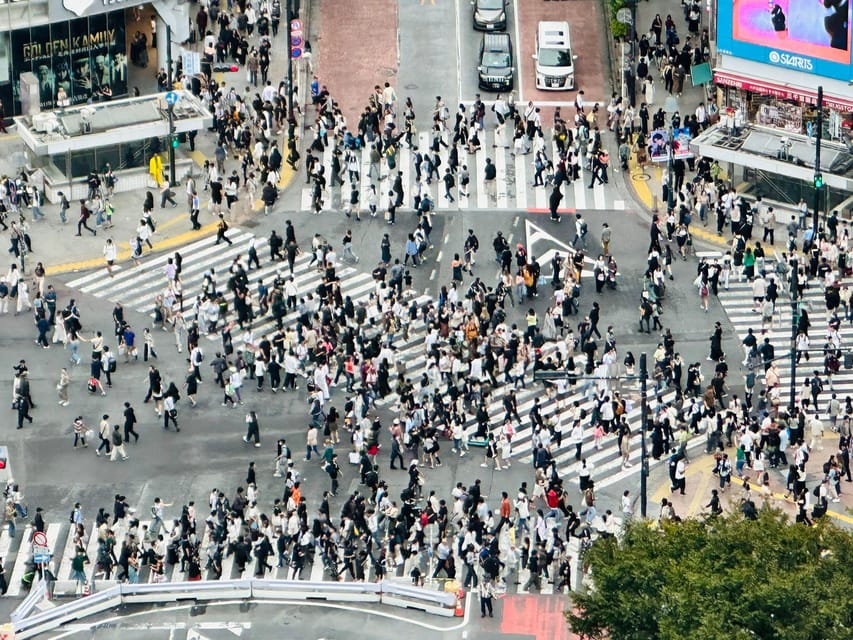
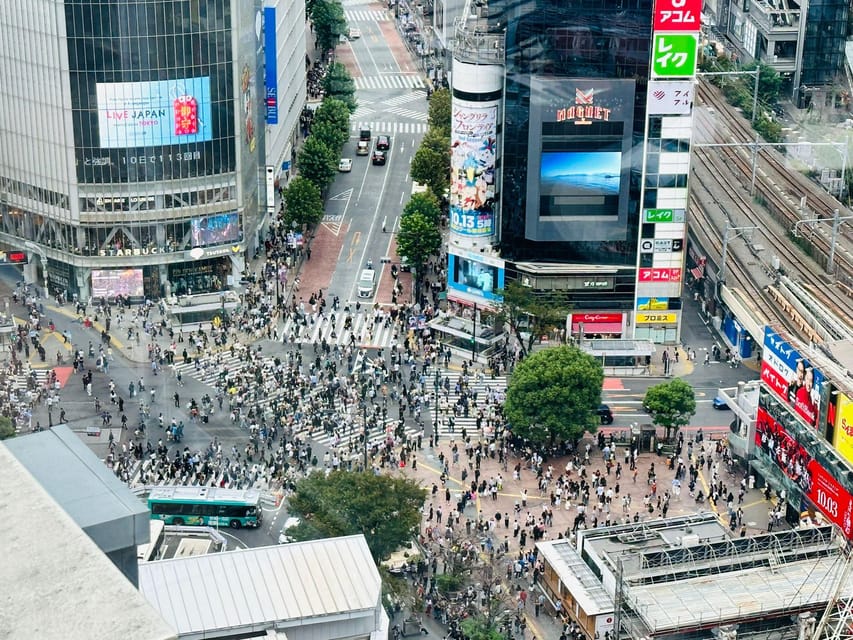
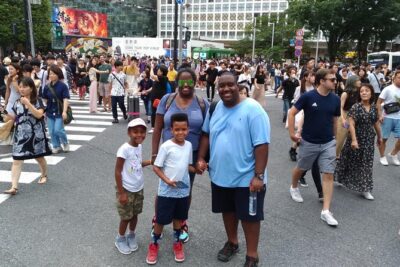
Shibuya Crossing is one of Tokyo’s famous public scenes. When the signals change, people stream across from several directions while the surrounding buildings frame the moment from every side.
The nearby Hachiko statue adds a human story to the district. Hachiko is remembered for his loyalty, and the statue has become a common meeting point as well as a landmark. Your guide can help you locate both the statue and the crossing without wasting time in the station maze.
This stop is exciting, but it is also the kind of place you can visit on your own. The value of the guide comes from linking it to the rest of the day and helping you understand how Shibuya fits into Tokyo’s modern identity. If you want photographs, tell your guide. If you would rather move quickly, the crossing itself does not require a long visit.
Nakano Broadway for a different kind of shopping
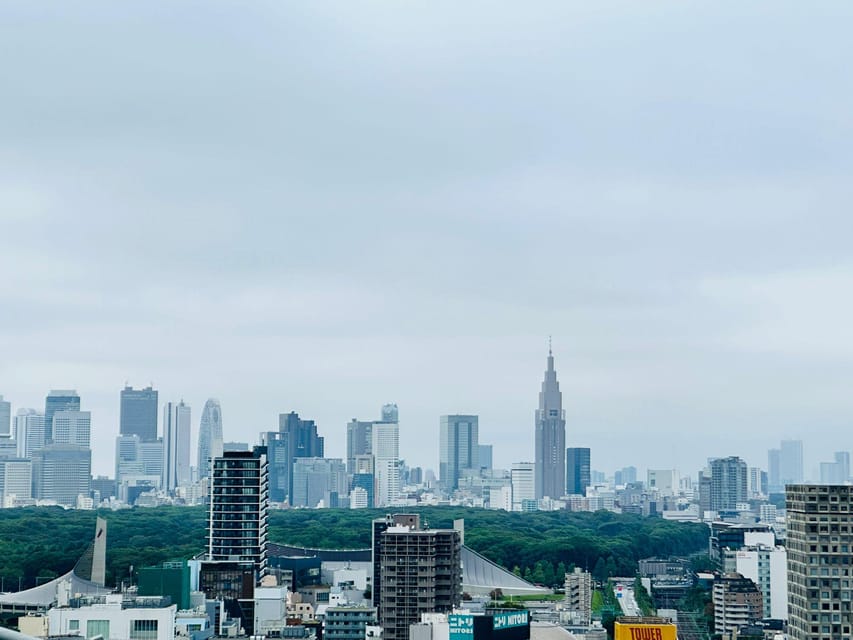
Nakano Broadway shifts the mood again. It is associated with specialist shopping and a more layered, less polished side of Tokyo retail. The experience promises a guided look at the area, so this can be a good choice if you like collectibles, pop culture, unusual shops, or browsing away from the most famous shopping streets.
The drawback is simple: Nakano Broadway will not appeal equally to everyone. If your group has no interest in shopping, you may prefer to use this part of the day for another neighborhood or a longer temple visit. The private format gives you a chance to say so.
This is also a useful example of why the tour’s customization matters. Tokyo is too large for one day to cover everything well. A guide who asks what you actually enjoy can turn Nakano into a worthwhile stop rather than a box to tick.
Asakusa and Sensō-ji’s red lantern
Asakusa presents old Tokyo through temple grounds, traditional streets, and a slower visual rhythm. Sensō-ji is the district’s main draw, with its famous red lantern and a long approach leading toward the temple.
Your guide can explain the story and role of Sensō-ji, then help you notice details you might pass without context. The tour includes a walk through Asakusa, not simply a quick look at the main gate, so this section can offer a stronger sense of the neighborhood.
Asakusa is also a practical place for personal spending, but remember that food and drinks are not covered. Carry cash because some small businesses do not accept credit cards. A refillable bottle is also helpful, particularly in warm weather.
The tour may include both Asakusa and Sensō-ji as separate itinerary points, but they belong to the same district. Make sure you understand how much time is planned for each so you do not assume they are two entirely separate visits.
Shinjuku views and Omoide Yokocho
Shinjuku gives you Tokyo at a larger scale. The Metropolitan Government Building provides views across the city, and the tour includes time for your guide to point out the urban spread from above.
The building is a useful choice because it adds a city-view stop without requiring a separate paid observation attraction, although you should confirm current access details with your guide. Weather can affect how much you see, so keep expectations flexible.
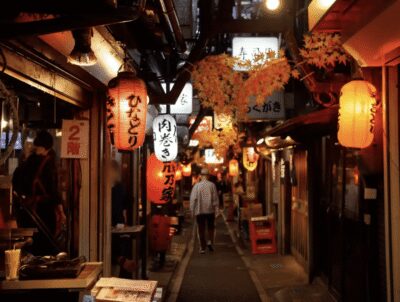
Omoide Yokocho supplies the opposite experience. Its narrow food alleys recall the Showa era, often described as old Japan. The contrast is the point: one moment you are looking across a vast modern city, and the next you are walking through a compact area with a much older feel.
Meals are not included. If you want to eat in Omoide Yokocho, ask your guide about the plan and budget separately. This is also a place where cash may be useful.
Yanaka and the old shitamachi mood
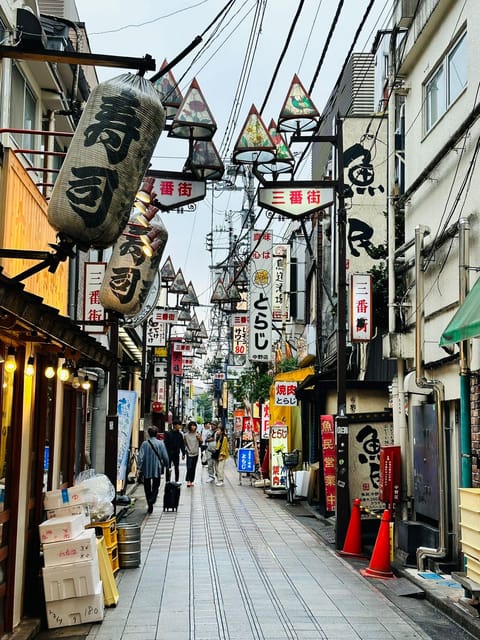
Yanaka is one of the most appealing choices for anyone who wants a quieter look at Tokyo. The neighborhood preserves a traditional shitamachi character, with a strong sense of local community, small shops, galleries, and older streets.
It does not offer the instant spectacle of Shibuya Crossing. Its appeal builds as you walk. You may find modest storefronts, craft displays, and corners that feel far removed from the glass towers of Shinjuku.
This is where a local guide can add the most value. Without context, Yanaka can look like simply another residential district. With someone pointing out the area’s character and tucked-away businesses, you get a better feel for how old Tokyo continues within the modern city.
If you want photographs, quiet streets, small galleries, or neighborhood life, make Yanaka a priority. If your main goal is major landmarks, you may prefer to shorten this portion.
How much can fit into one day?
The route is ambitious. It includes Meiji Shrine, Harajuku, Takeshita Street, Shibuya, Nakano Broadway, Asakusa, Sensō-ji, Shinjuku, and Yanaka. These districts are spread across Tokyo, so transportation will take a meaningful part of the day.
That is not necessarily a problem. In fact, a guide can make the transfers less stressful and show you how to use the public system. But you should not expect a slow, detailed visit at every stop. Ask your guide to rank the top three priorities before you begin.
I would plan the day around one main theme, then add a few famous sights. For example:
- Choose shrines, temples, and old Tokyo, with Meiji Shrine, Asakusa, Sensō-ji, and Yanaka as priorities.
- Choose modern Tokyo, with Harajuku, Shibuya, Shinjuku, and Nakano Broadway.
- Choose a first-day overview, accepting shorter visits so you can see more districts.
The private format makes these choices possible, but only if you speak up. A vague request to see everything can produce a tiring day with little time anywhere.
Value, guide quality, and practical limits
The overall rating is 4.6 from 55 ratings, and the strongest praise centers on personal attention, clear explanations, warmth, and the ability to tailor the day. One guide was praised for arranging a highly personal route and contacting the group in advance. Another gave a helpful overview of Tokyo and explained how to use public transport.
There is also a fair warning in the feedback. One guide was pleasant but fairly new to Japan and unsure how to structure the day. That person also felt the price was hard to justify because the customer paid for subway travel and mainly received directions about what to see.
That criticism is worth taking seriously. At $63 per person, the tour is good value when your guide actively explains the city, adjusts the plan, and helps with transport. It is weaker value if you already know Tokyo well and the guide simply accompanies you between places.
Before the tour, send a short message with your interests and limitations. Name the sights you care about, say how much walking you prefer, and ask how the guide plans to balance the districts. That small step can make the private format work much better.
Comfort, accessibility, and what to bring
Wear comfortable walking shoes. You should also carry a refillable water bottle and clothing suited to the weather. Tokyo’s stations and streets can make even a well-planned day tiring.
Bring cash for personal expenses because not every place accepts credit cards. You will need separate money for transport, meals, drinks, and attraction fees.
The information is not fully consistent about accessibility. The activity is marked wheelchair accessible, but it is also described as unsuitable for wheelchair users and people with mobility impairments. Pregnant women are also listed as unsuitable for the activity. Ask the provider directly before booking if accessibility or reduced walking is important to you.
English, German, Italian, Spanish, and French are offered. The group is private, and cancellation is free up to 24 hours before the activity for a full refund. You can also reserve and pay later, which helps if your Tokyo plans are still changing.
Should you book this Tokyo tour?
Book it if you want a private first look at Tokyo, value help with trains, and prefer a flexible day over a fixed sightseeing bus route. It suits couples, families, and small groups who want to combine major sights with areas such as Yanaka and Nakano that may not fit neatly into a standard tour.
Do not book it expecting every stop to receive equal time or every cost to be covered. The day is broad, transport is extra, and the experience depends heavily on how active and prepared your guide is.
For the best result, choose three priorities before you go. If your guide builds the day around those priorities, $63 per person can be a sensible introduction to Tokyo. If you already know the city, or prefer to move slowly and independently, you may get better value by choosing just one or two districts on your own.
FAQ
How much does the private Tokyo tour cost?
The listed price is $63 per person. Meals, drinks, transportation, and attraction entrance fees are not included.
How long does the experience last?
The activity is valid for one day. A fixed duration in hours is not provided, so confirm the starting time and daily schedule when booking.
Is the tour private?
Yes. It is offered as a private group experience with a local guide.
Where can I meet the guide?
The stated pickup choices are Asakusa Station and Harajuku Station. If you do not want hotel pickup, you can arrange to meet at Harajuku Station.
Which languages are available?
Guides are offered in English, German, Italian, Spanish, and French.
Which Tokyo areas are included?
The planned areas include Harajuku, Shibuya, Nakano, Asakusa, Shinjuku, and Yanaka. Specific sights include Meiji Shrine, Takeshita Street, Shibuya Crossing, Hachiko, Nakano Broadway, Sensō-ji Temple, Omoide Yokocho, and the Metropolitan Government Building.
Are meals included?
No. Meals and drinks are not included in the price.
Are train and subway fares included?
No. You pay transportation costs separately.
Can I cancel for a refund?
Yes. You can cancel up to 24 hours in advance for a full refund.
Is the tour suitable for wheelchair users?
The information is conflicting. The activity is marked wheelchair accessible, but it is also listed as unsuitable for wheelchair users and people with mobility impairments. Contact the provider before booking to confirm whether the route can meet your needs.
Just added around Tokyo
- Kawagoe Japanese Food Tour : Unagi Kaiseki and Sake near Tokyo★ 5.0 · 30 reviews
- Kawagoe 4hr Private Tour with Licensed Guide (Kawagoe Dep)★ 5.0 · 13 reviews
- Little EDO Sushi Making workshop in Kawagoe★ 5.0 · 18 reviews
- 【R34】Tokyo:Private Daikoku tour in Modified R34★ 4.9 · 92 reviews
- :Tokyo,Shibuya/ Pro Photography in Kimono / English-Friendly★ 5.0 · 26 reviews
- Tokyo:Celebrate Unique Japanese New Year Tradition Festivity★ 3.9 · 20 reviews
- Tokyo: Allstar Food Tour★ 4.7 · 29 reviews
- Tokyo: West-Side Cycling and Food Tour with Guide★ 5.0 · 37 reviews
Guided, compared.
Shinjuku Local Bar and Izakaya Guided Walking Tour
Our verdict →
Kyoto Early Morning Tour with English-Speaking Guide
Our verdict →
Tokyo 4hr Private Tour with Government-Licensed Guide
Our verdict →