
Reviewed · WORKSHOPS
Tokyo: Making a Lantern Workshop in Asakusa with a Craftsman
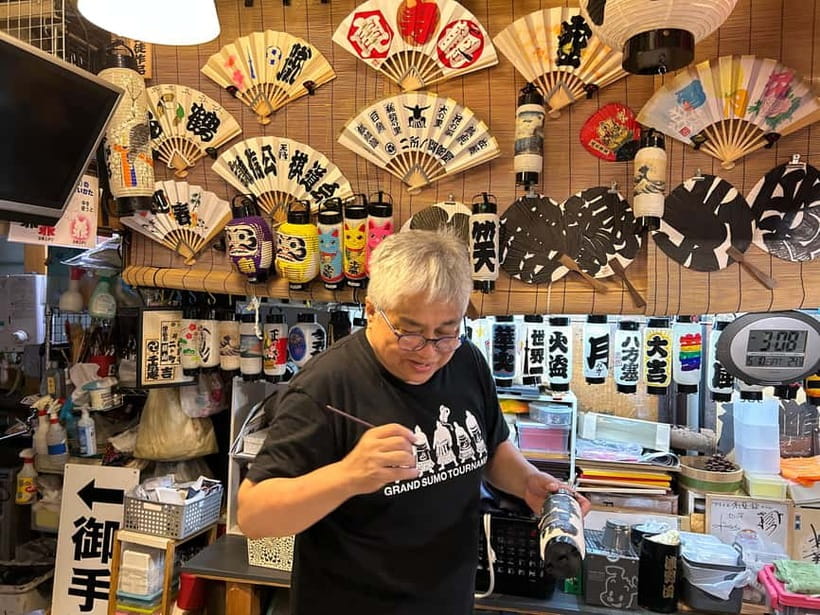
In a small, family-run workshop near Tokyo Skytree, you make a traditional Japanese chochin lantern with bamboo, washi paper, glue, brushes, and help from a working craftsman. The room is filled with finished lanterns, so you get a close look at the craft before you begin. Your lantern becomes both the activity and the souvenir.
I like the personal setting, where the master and English-speaking guide can focus on your work instead of rushing a large sightseeing group. I also like that the two-hour session gives you time for careful decoration and calligraphy. The main consideration is the price: at $96 per person, this is not a cheap craft class. You are paying for instruction, materials, interpretation, and a handmade object, so it makes the most sense if you value a genuine cultural activity over a quick photo stop.
Key Points Before You Book
- Make a real chochin: Use bamboo and washi paper to create a traditional Japanese lantern.
- Work in a century-old atelier: The regular venue is a traditional workshop in Sumida City, near Tokyo Skytree.
- Get personal instruction: The master craftsman and English support help you follow each stage, even with no previous experience.
- Take home a useful souvenir: Your finished lantern is packaged for the journey and can be displayed at home.
- Plan around the sumo calendar: During the January, May, and September 2026 tournaments, the meeting point moves to Ryogoku Kokugikan.
- Bring children or go solo: The workshop welcomes participants age 6 and older and suits families, couples, friends, and independent visitors.
Entering a Traditional Lantern Atelier Near Tokyo Skytree
The regular workshop is at 2-10-8 Yokokawa in Sumida City, on the eastern side of Tokyo near Oshiage Station and Tokyo Skytree. This is not a grand museum or a staged cultural show. It is a working atelier, filled with colorful lanterns in different shapes and sizes.
That setting matters. You are not simply looking at a finished craft behind glass. You are sitting close to the materials and tools used to produce it. The workshop has the feel of a family business, and the master craftsman continues a trade that has been passed down through generations.
The room itself gives you plenty to look at while you get settled. Lanterns hang around the space, and photography is welcome. You can take pictures during the activity, although your main task is to keep glue, paint, and paper under control.
The workshop is also near Tokyo Skytree, so it fits neatly into a day spent around Oshiage, Sumida, or Asakusa. You will need to arrange your own transport, and meals and drinks are not included. Check the exact meeting instructions carefully before leaving your hotel, since the venue changes during official sumo tournament dates.
A few more Tokyo half-days worth comparing
- 1-Day Tokyo Bus Tour
★ 5.0 · 14,250 reviews - Tokyo: TOKYO SKYTREE® Admission ticket
★ 4.5 · 11,192 reviews - Tokyo: teamLab Planets TOKYO Digital Art Museum Entry Ticket
★ 4.6 · 9,779 reviews
The Sumo Tournament Venue Change
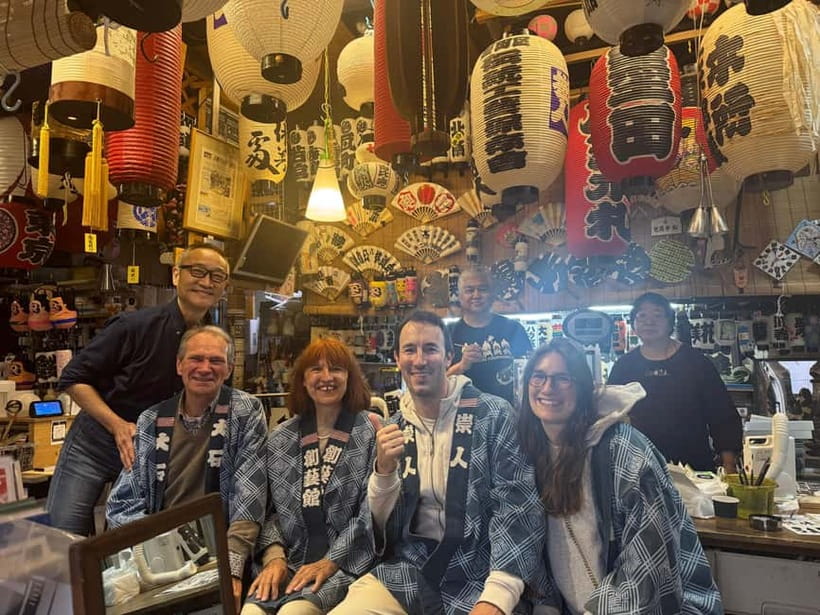
The regular address applies on most dates in 2026. During the official Grand Sumo Tournament periods, the class moves to Ryogoku Kokugikan, at 1-3-20 Yokoami in Sumida City. The special meeting point is on the first floor, near the Ryogoku Kokugikan area.
The 2026 tournament dates are:
- January 11 to January 25
- May 10 to May 24
- September 13 to September 27
This is an important planning detail, not a minor address change. The regular atelier offers the traditional workshop setting described above, while the sumo-period class takes place at a different venue. The craft lesson remains the focus, but the surroundings may feel different.
If you are combining the workshop with a visit to a sumo tournament, the Ryogoku venue could be convenient. If you are expecting the regular family atelier, check your booking date again before setting out. The ordinary workshop periods include January 3 to January 10, January 26 to May 9, May 25 to September 12, and September 28, 2026 to January 9, 2027.
Learning What Makes a Chochin
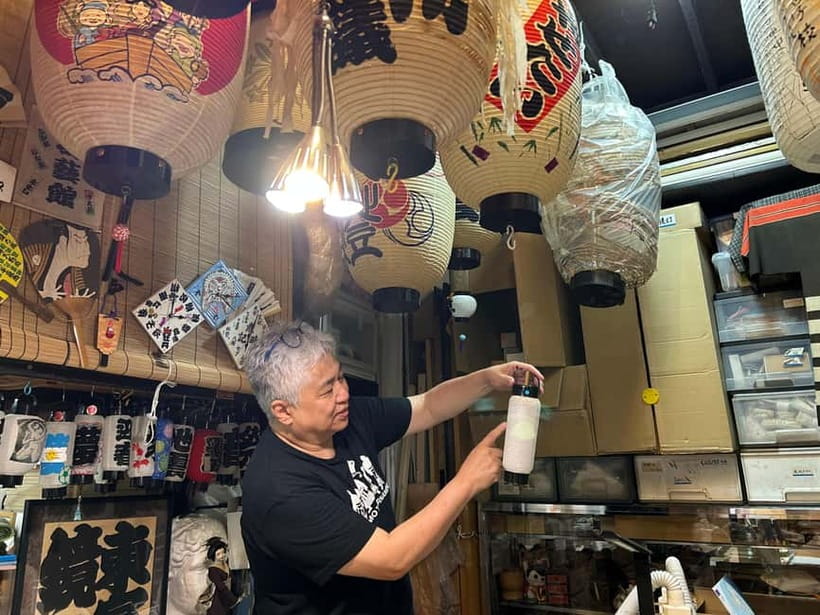
The session begins with an introduction to chochin lanterns, including their history and cultural meaning. You learn why these paper lanterns have remained part of Japanese life and how traditional materials shape their appearance.
The class is not presented as a lecture-heavy museum lesson. The information comes alongside the practical work, so you can understand the purpose of the materials as you handle them. That makes the background easier to remember.
You work with bamboo and washi paper, along with glue and brushes. Washi is strong Japanese paper with a distinctive texture, and it behaves differently from ordinary craft paper. Bamboo provides the lantern’s structure, while the paper creates the surface you decorate.
The master or an assistant guides you through the process. English support is available, with guides including Rinka and Noriko on some sessions. Some classes have also used David Park to help with communication between visitors and the craftsmen. Guide assignments can vary, so do not assume a particular person will be present on your date.
No previous craft experience is needed. The instructions are designed for beginners, and the class works for adults as well as children age 6 and older. You still need to pay attention, especially when handling glue, ink, or paint, but the point is to learn by doing rather than arrive with polished artistic skills.
Building and Decorating Your Own Lantern
The heart of the class is the making process. You use the provided materials and traditional tools under close guidance from the craftsman. The exact pace depends on your design and how much decoration you add, but two hours gives you enough time to work without treating the lantern as a rushed souvenir.
Decoration is a major part of the pleasure. You can create a colorful lantern and add your own painted details. The workshop may involve ink or paint, so wear clothing that you would not mind staining. That is practical advice worth taking seriously, especially if children are joining you.
Calligraphy can also take time. One visitor found that writing and decorating the lantern required a careful pace, and the full two-hour period proved useful. If you want to add Japanese characters or detailed hand-painted work, do not plan a tight appointment immediately afterward.
The best part is that the finished piece shows your hand. It will not look exactly like a lantern made by the master, and that is the point. You are creating something personal while learning how much precision goes into the professional versions around the room.
The craftsman’s role is not limited to handing you supplies. He demonstrates the technique and offers corrections or tips as you work. English-speaking guides help explain the steps and make conversation easier. The result is a class that feels more like a small cultural exchange than an art-store lesson.
More Hands-On Experiences in Tokyo:
- Sushi Making Tokyo Roll and Authentic Japanese Sushi Class
★ 5.0 · 3,971 reviews - Tokyo: Roll and Authentic Sushi Making Class in Asakusa
★ 4.9 · 1,957 reviews - Tokyo Shinjuku Chopsticks Making Class
★ 5.0 · 1,763 reviews - Tokyo: Sushi Making Class in a Happi Coat near a Famous Spot
★ 4.9 · 1,377 reviews
Why the Two-Hour Length Works
Two hours is a sensible length for this activity. It is long enough to hear the background, follow the construction process, decorate the lantern, and finish the piece without making the class an all-day commitment.
You might consider the workshop after a morning of walking through Tokyo. It offers a change of pace: you sit down, concentrate on a small object, and spend time with your hands rather than moving from sight to sight. It is also a good late-afternoon option if you want something calmer after exploring Asakusa or Skytree.
Do not expect a quick fifteen-minute demonstration. The decorative stage can take longer than expected, especially if you are working on calligraphy or detailed designs. Children may need help, and solo participants may want extra time to decide how to decorate their lantern.
The class suits people who enjoy making things, but you do not need to think of yourself as artistic. The process is structured, and the guide or master can help you along. You get the most from it if you are willing to accept a handmade result rather than chase perfect symmetry.
A Personal Souvenir You Can Actually Display
Many Tokyo activities leave you with a small packaged item or a photograph. Here, you carry home a lantern that can be displayed. That gives the $96 price more weight, particularly when you consider that all materials, instruction, English support, and the completed lantern are included.
The lanterns are carefully packaged at the end, which helps protect them during your journey. Still, washi paper is not indestructible. Pack it with care, and do not assume it can be squeezed into an already full suitcase without some thought.
You can also purchase a professionally made lantern from the master at the workshop. This is optional and not included in the activity price. It may appeal to you if you want a more polished piece, a gift, or a lantern made by the artisan rather than one made during class.
I would treat that purchase as a separate decision. The handmade class lantern carries your own story, while the master’s lantern shows the level of finish produced by an expert. If your budget is tight, the included lantern is enough. If you collect Japanese crafts or want a special present, allow room for the optional purchase.
Is $96 Good Value?
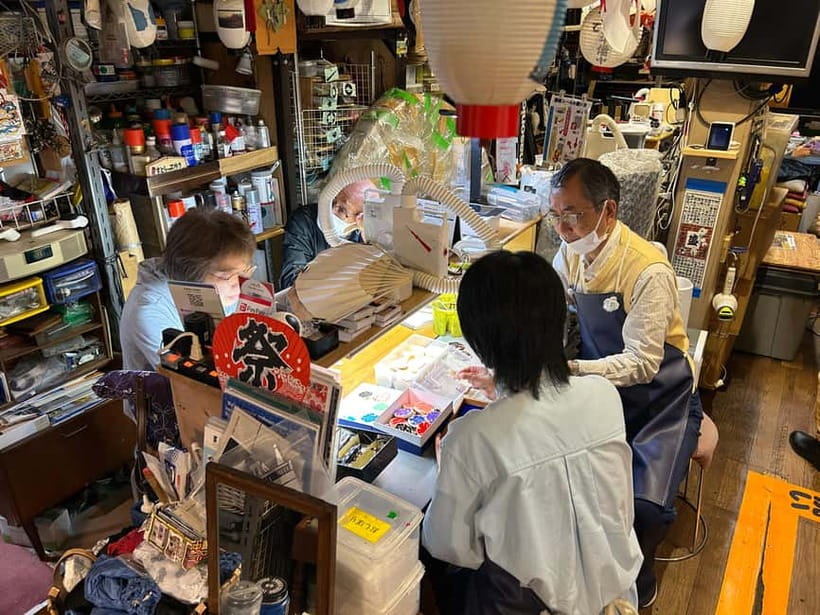
At $96, this is a premium two-hour activity. It is more expensive than a basic craft class, but the comparison is not quite fair if you only count the time spent sitting at a table.
The price includes:
- A guided two-hour lantern-making session
- Bamboo, washi paper, glue, brushes, and other required materials
- Help from a Japanese lantern craftsman
- Japanese and English language support
- Your finished lantern to take home
You are also paying for access to a traditional working atelier and for direct contact with a specialist craft. That makes the price reasonable for someone who wants a personal cultural activity with a lasting object.
It is less attractive if you want a low-cost way to fill an hour or if you are mainly interested in seeing a demonstration. You do the work yourself, and the satisfaction comes from the process. The value is strongest for couples, families, solo visitors, and anyone who would rather make a keepsake than buy a mass-produced souvenir.
Free cancellation up to 24 hours before the activity and the option to reserve now and pay later add useful flexibility. Reservations are required, so do not count on walking in from the street.
Who Will Enjoy This Most?
Families with children age 6 and up can make good use of the class, especially if the children enjoy painting and hands-on tasks. Adults should expect to help younger children with the materials and keep an eye on clothing.
Couples may like the relaxed pace and the chance to make matching or complementary lanterns. It is also a good solo activity. The workshop setting gives you a clear task and an easy reason to speak with the guide or craftsman, so you do not need to arrive as part of a group.
Creative people will naturally find plenty to enjoy, but the class is not reserved for artists. You only need curiosity and enough patience to follow the steps. If you dislike crafts, paper, or sitting still for two hours, the activity may feel slow.
It is also suitable for visitors who want more than a standard sightseeing route. You learn about a Japanese tradition, meet people connected to the craft, and leave with something you made. That combination is harder to find in a short Tokyo visit.
The workshop is wheelchair accessible, which makes it a practical choice for visitors who need an accessible activity. Pets are not allowed, and alcohol and drugs are prohibited. Bring a passport or ID card, and wear clothes suitable for possible ink or paint marks.
Planning the Rest of Your Tokyo Day
The workshop’s location near Tokyo Skytree makes it easy to pair with sightseeing in eastern Tokyo. You can plan a day around Oshiage, Sumida, and Asakusa, then use the class as a quieter stop between major attractions.
On a sumo tournament date, the Ryogoku venue changes the planning equation. You may want to connect the workshop with time around Ryogoku Kokugikan, but remember that the activity is still two hours and the meeting point is different from the regular atelier.
Give yourself time to find the address. Tokyo’s streets can be confusing, and the venue changes only during the official tournament periods. Read the booking details carefully and use the address for your date, not the standard address you may have saved from a previous search.
The activity does not include transport, meals, or drinks. That is normal for a workshop, but it means you should plan your route and refreshments separately. If you are traveling with children, a snack before or after class may help, since the session itself is focused on craft work.
Should You Book the Lantern Workshop?
Book it if you want a small, personal connection to Japanese craft and like the idea of taking home something you made yourself. The master’s instruction, English support, traditional materials, and carefully packaged lantern give the activity real substance.
I would especially recommend it for families with children over six, solo visitors, couples, and anyone who has already seen Tokyo’s major sights and wants a slower cultural activity. Rinka, Noriko, David Park, and the craftsmen have all played an important role in helping visitors communicate and work through the process, though the exact guide may vary.
Skip it if you are searching for the cheapest activity in Tokyo, dislike hands-on crafts, or have a packed schedule that cannot spare two unhurried hours. Also check the venue before booking in January, May, or September 2026, since the sumo-period location is different.
For the right person, the value is not just the lantern. It is the time spent learning how bamboo, washi, ink, and patient handwork become one of Japan’s familiar cultural objects.
FAQ
How long does the Tokyo lantern workshop last?
The workshop lasts two hours.
Where is the regular workshop located?
The regular workshop is at 2-10-8 Yokokawa, Sumida City, Tokyo, near Tokyo Skytree and Oshiage Station.
Where is the workshop held during the 2026 Grand Sumo Tournament periods?
During the January 11 to 25, May 10 to 24, and September 13 to 27 tournaments, the workshop is held at Ryogoku Kokugikan, 1-3-20 Yokoami, Sumida City, Tokyo, on the first floor.
What materials are included?
The workshop includes bamboo, washi paper, glue, brushes, and the other materials needed to make your lantern.
Is the workshop suitable for children?
Yes. The activity is suitable for participants age 6 and older. Children under 6 cannot join.
Is English assistance available?
Yes. The activity is offered in Japanese and English, with an English-speaking guide or interpreter.
Can I cancel the booking?
You can cancel up to 24 hours in advance for a full refund. The activity also offers a reserve-now-and-pay-later option.
Just added around Tokyo
- Kawagoe Japanese Food Tour : Unagi Kaiseki and Sake near Tokyo★ 5.0 · 30 reviews
- Kawagoe 4hr Private Tour with Licensed Guide (Kawagoe Dep)★ 5.0 · 13 reviews
- Little EDO Sushi Making workshop in Kawagoe★ 5.0 · 18 reviews
- 【R34】Tokyo:Private Daikoku tour in Modified R34★ 4.9 · 92 reviews
- :Tokyo,Shibuya/ Pro Photography in Kimono / English-Friendly★ 5.0 · 26 reviews
- Tokyo:Celebrate Unique Japanese New Year Tradition Festivity★ 3.9 · 20 reviews
- Tokyo: Allstar Food Tour★ 4.7 · 29 reviews
- Tokyo: West-Side Cycling and Food Tour with Guide★ 5.0 · 37 reviews
Workshops, compared.
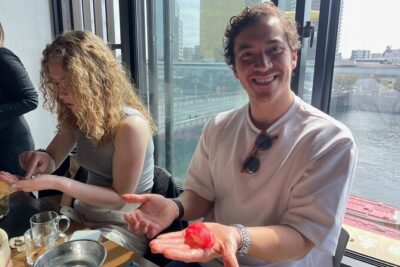
Sushi Making Tokyo Roll and Authentic Japanese Sushi Class
Our verdict →
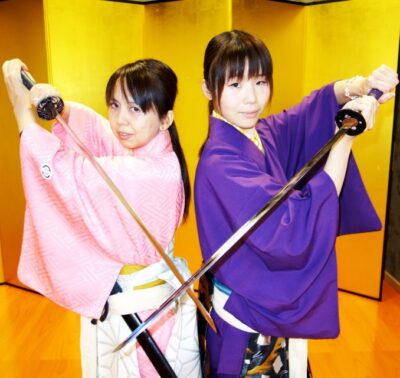
Ninja 1-hour Hands-on Lesson by Japanese master in Kyoto -Entry
Our verdict →
Browse the lists this tour appears in