
Reviewed · HISTORICAL TOURS
Tokyo: Imperial Palace Japanese History Walking Tour
The most interesting part of this walk is the way it connects Edo Castle with modern Tokyo. You are not simply looking at gardens. You are following the old power trail from farmer and samurai to daimyo and shogun, then seeing how the castle grounds became an imperial palace.
I like the friendly, interactive guides, especially people such as Mika, Natsumi, Lakki, and Alexandre, who explain the past clearly and answer questions. I also like the mix of major sights and small details: castle ruins, a miniature model, bamboo, old samurai-era sites, and royal koi.
The main drawback is physical and seasonal. You walk outdoors in all weather, and Tokyo heat can be tough. The inner palace is not open to the public, so this tour focuses on the Eastern Gardens and former Edo Castle grounds rather than the emperor’s private residence.
Key points at a glance
- Edo Castle becomes the main character: Learn why the shogun’s castle disappeared and how the grounds changed into the Imperial Palace.
- Otemon Gate sets the scene: Enter through the grand historic gateway after meeting near Wadakuramon Fountain.
- Small details make the walk memorable: Look for the miniature castle model, samurai-era remains, bamboo, gifted trees, and royal koi.
- Guides shape the experience: Mika, Natsumi, Lakki, Alexandre, and other English or French-speaking guides bring different stories and personalities.
- Good value at $32: You get a guided cultural introduction, photo opportunities, and practical Tokyo advice without paying for a long attraction package.
- Plan for outdoor walking: Wear weather-ready clothes and comfortable shoes. The tour is not suitable for wheelchair users or people with several listed medical and mobility concerns.
Why Edo Castle matters to your Tokyo visit
Tokyo can feel startlingly modern, but the Imperial Palace grounds give you a clear way to understand what came before the towers and train lines. The site was once Edo Castle, the seat of the shogun for more than 350 years. The castle itself is gone, yet walls, gates, stonework, gardens, and traces of the old layout remain.
That makes this a useful first-day activity. You get a basic map of Japanese political history before visiting temples, gardens, museums, or historic neighborhoods elsewhere in the city. The guide explains the shift from the shogun’s rule to the emperor’s palace, helping you connect the Edo and Meiji eras to the Japan you see today.
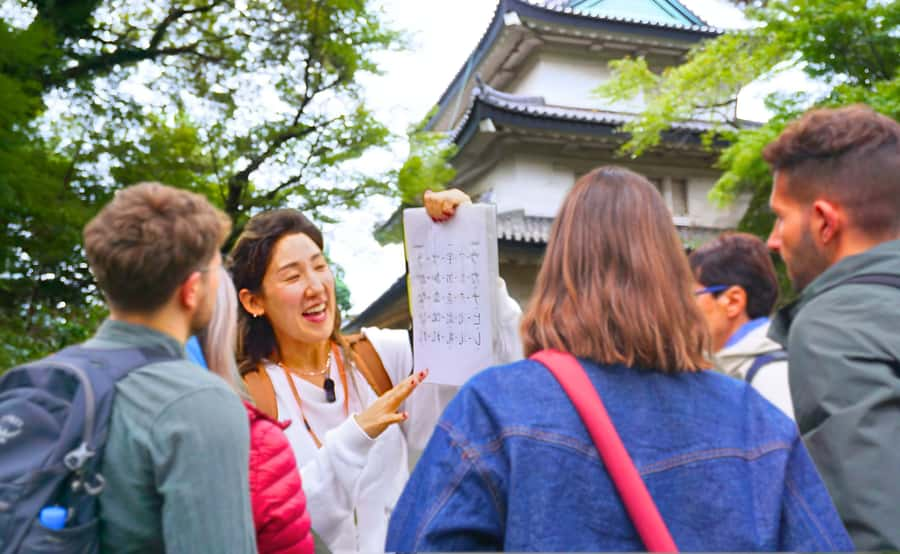
I especially like that the tour does not treat history as a string of dates. Guides ask questions, invite participation, and use the grounds to explain the social order of farmer, samurai, daimyo, and shogun. That approach works well if you know little about Japan, and it still gives history fans plenty to discuss.
More Historical Tours in Tokyo
- Tokyo: Imperial Palace and Shogun Historical Walking Tour
★ 5.0 · 2,251 reviews - Tokyo: Imperial Palace and Shogun Walking Tour
★ 4.9 · 935 reviews - Yanaka Walking Tour: Historic and Traditional District of Tokyo
★ 5.0 · 530 reviews
Meeting at Wadakuramon Fountain
You begin near Wadakuramon Fountain Park, a short walk from Tokyo Station or Otemachi Station. The stated walking time from either station is about five to ten minutes. Look for the Starbucks by the fountain, where the Sunrise Adventure guide waits with a company sign.
This meeting point is practical, but give yourself enough time to find it. Tokyo Station is large, and Otemachi has several exits and underground routes. Arriving early is wise, especially if this is your first morning in the city.
The guide helps the group get organized before walking toward Otemon Gate. This early contact matters because the tour depends on staying together through open garden paths and historic grounds. Guides are also available for extra Tokyo suggestions, and several, including Natsumi and Mika, have offered restaurant and sightseeing advice after the walk.
Passing through Otemon Gate
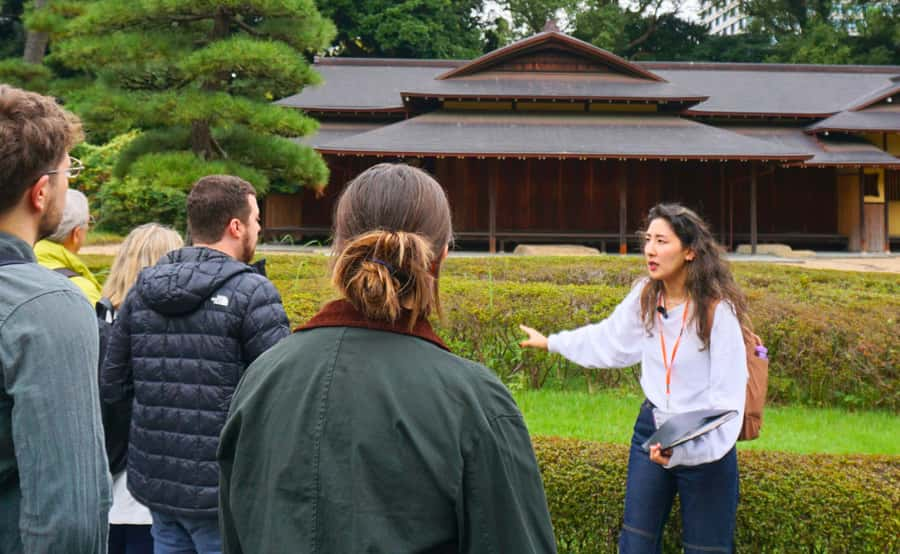
Otemon Gate is the natural start to the story. It gives you a physical sense of how people once entered the castle compound, and it sets up the difference between a working military center and the quiet gardens you see today.
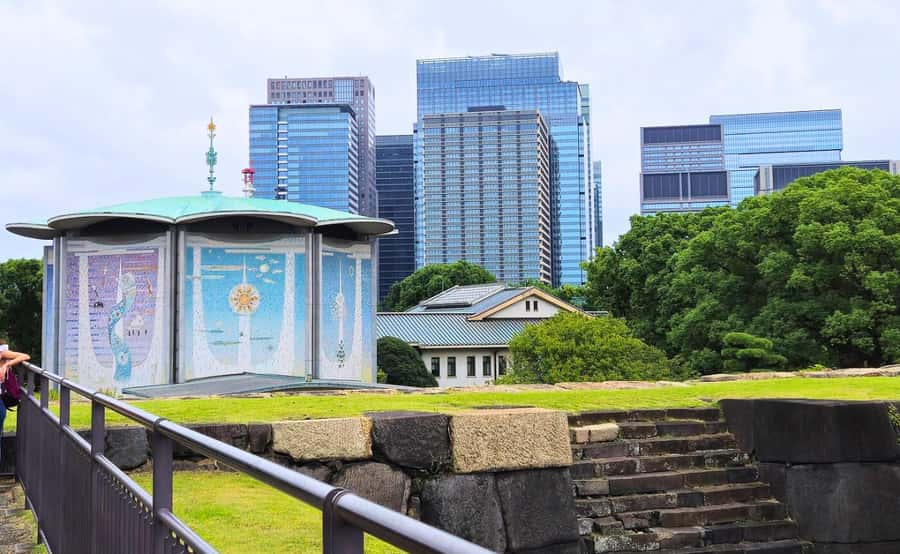
From here, your guide leads the group through the palace grounds and explains why the original castle is no longer standing. The absence of a full castle can disappoint anyone expecting a Japanese fortress with tall buildings and dramatic interiors. The guide helps fill that gap with context and a miniature model showing how the castle once looked.
That model is more than a quick photo stop. It helps you picture the scale and layout of Edo Castle, then compare the old complex with the remaining gates, walls, ruins, and open spaces. Without that explanation, some of the stone foundations might look like attractive but puzzling garden features.
Castle ruins, samurai traces, and the old social order
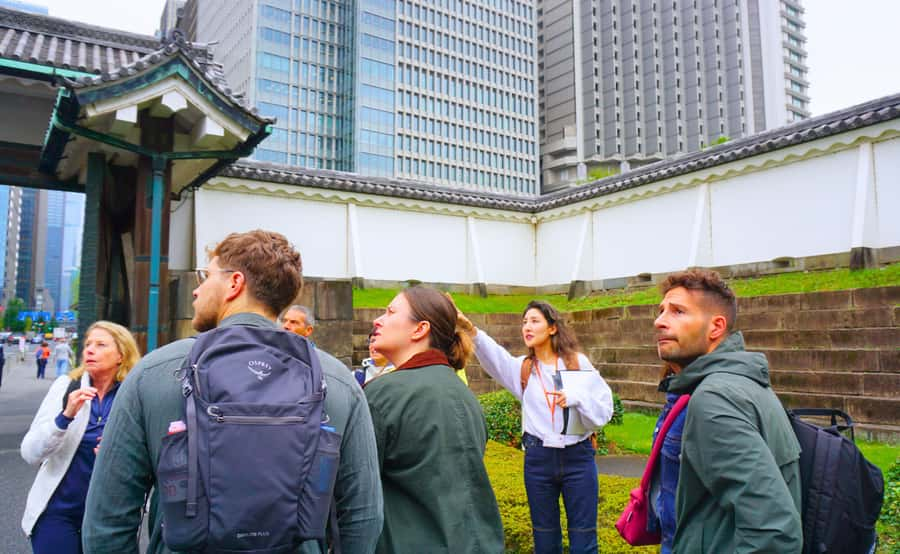
The tour’s strongest subject is the political system that shaped Japan. You learn about the shogun’s authority and the roles of the daimyo, samurai, and farmers. The guide also explains how the castle worked as a seat of power, not just as a defensive structure.
The walk includes an old samurai house site and other reminders of the people who served within the castle world. These are not presented as isolated relics. Your guide links them to daily life, rank, duty, and the system that governed Japan during the Edo period.
I find this part especially helpful because it gives names and structure to a period that can otherwise seem confusing. The guide’s storytelling turns the grounds into a sequence of questions: Who controlled the castle? Who served there? How did the shogun’s rule affect ordinary people? What changed when imperial power returned?
Several guides have received praise for making these explanations easy to follow. Natsumi is noted for clear stories about the Edo period and the growth of Tokyo. Lakki has been described as warm, patient, and strong on Japanese culture. Alexandre leads tours in French as well as English and has been appreciated for adding cultural and etiquette advice.
More Walking Tours in Tokyo
- Tokyo Tsukiji Fish Market Food and Culture Walking Tour
★ 5.0 · 3,184 reviews - Tokyo: Shinjuku Local Bar and Izakaya Guided Walking Tour
★ 4.9 · 1,794 reviews - Tokyo: Tsukiji Fish Market Food and Walking tour
★ 5.0 · 1,724 reviews - Tokyo: Asakusa Walking Tour with Sensoji Temple Visit
★ 4.8 · 1,583 reviews
Gardens, bamboo, and trees from across Japan

The Eastern Gardens provide a calm setting for a subject that can become politically heavy. You walk among lawns, planted areas, trees, and quiet paths while the guide explains how the grounds changed over time.
The bamboo grove is a pleasant stop and a reliable photo setting. It is not a replacement for Kyoto’s famous bamboo district, but it adds variety to the walk and gives you a shaded, natural corner within central Tokyo.
You also see trees from different parts of Japan that were given to the emperor. This detail adds a human layer to the formal grounds. The garden is not only about royal buildings or old military walls. It also reflects connections between the palace and regions across the country.
The greenery can be a blessing in Tokyo’s summer heat, though it does not remove the need for sun protection and water. One guide has been praised for choosing shaded places when possible, and another supplied mosquito spray during a warm visit. Those small acts are useful here because the grounds contain plenty of nature and insects.
Royal koi and the quieter end of the route
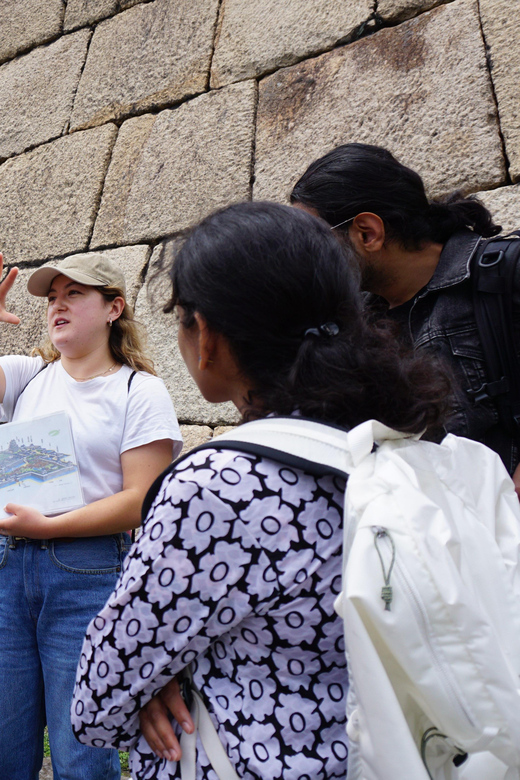
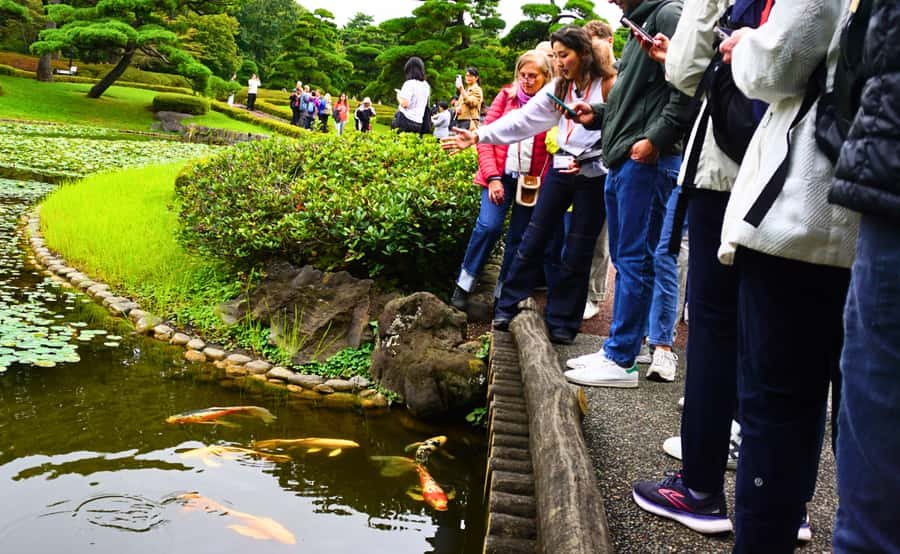
The walk finishes back at the meeting point, with the Japanese garden and royal koi among the final highlights. The koi are an appealing detail for all ages, and children often respond to them more quickly than to a long explanation of political reform.
This final garden section gives the tour a gentler ending. After learning about castles, ranks, and imperial change, you get time to appreciate the grounds as a living place rather than only an old political center.
The koi, gardens, and trees also provide some of the tour’s best photo opportunities. Your guide may help take pictures, a practical touch that several participants have appreciated. Still, remember that this is a walking history tour first. The photographs support the experience, but the main value comes from understanding what you are seeing.
Guide style makes a real difference
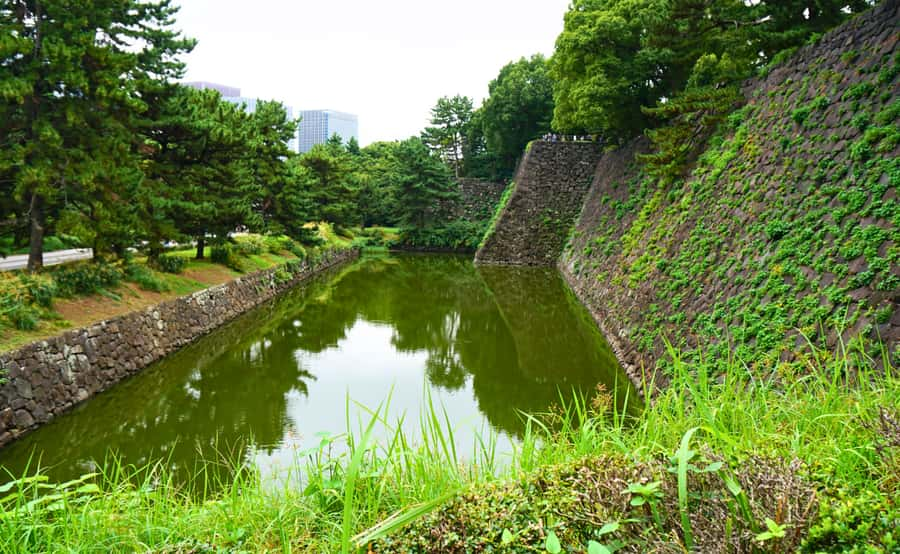
The tour is built around a live guide, so the personality and teaching style will shape your morning. The strongest feedback centers on guides who speak clearly, keep the pace comfortable, answer questions, and adjust to the group.
Mika is frequently praised for clear English, patience, local suggestions, and attention to the group’s needs. Natsumi is known for lively stories, useful restaurant tips, and explanations that connect Edo history with Tokyo today. Lakki brings humor and warmth, and has handled difficult weather with a positive attitude.
Alexandre offers tours in French and English and is particularly suited to people who want history explained in detail. Other guides, including Nico, Hugo, Arief, Fei, and Lucky, have also been praised for friendliness, cultural knowledge, picture-taking, and interactive explanations.
That range is worth keeping in mind. You cannot choose a particular guide unless the booking process allows it, but the repeated pattern is clear: this is not a silent walk with a guide who simply points at buildings. You should expect questions, stories, and a chance to ask about Japanese customs, food, etiquette, and other places to visit.
Heat, rain, and walking conditions
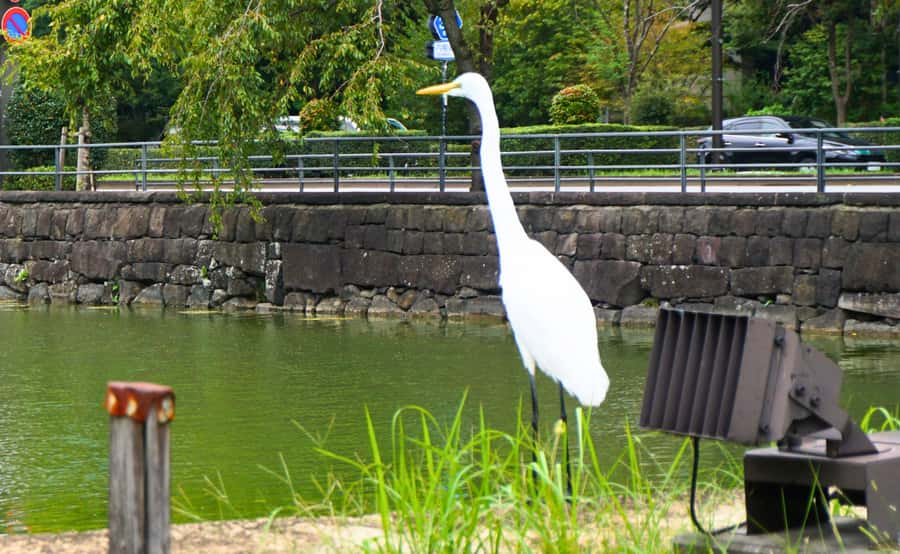
This tour runs rain or shine. Wear shoes suited to walking on garden paths and dress for the forecast. Tokyo’s summer can be very hot, and one person specifically found the outdoor walking demanding despite the available shade.
Bring water, sun protection, and mosquito repellent if you are sensitive to insects. The guides may carry or offer small practical items, but you should not rely on that. A light rain layer is sensible because the tour does not move indoors whenever the weather turns.
The activity is not suitable for wheelchair users or people with mobility impairments, back problems, heart problems, recent surgery, low fitness, or pregnancy. Weapons, sharp objects, smoking, drones, alcohol, drugs, skateboards, and fires are not allowed.
The inner palace is also not part of the visit. It is closed to the public, so book this for the gardens, castle remains, and historical interpretation, not for entry into the emperor’s private palace area.
Is $32 a fair price?

At $32 per person, I consider this a sensible buy for a first introduction to the Imperial Palace grounds. You are paying for a live English or French-speaking guide, not for admission to a major indoor attraction. The value comes from turning scattered ruins and gardens into a story you can understand.
A self-guided walk costs less, but you would need to research the Edo period, identify the remains, and work out why the grounds changed from castle to palace. If history is not your strong subject, the guide saves time and gives you a much better sense of place.
The tour is also useful because it stays focused. A longer palace-area excursion might add more city sights, but this walk gives you room to ask questions and notice details. One participant described the length as excellent, and another found the pace neither too quick nor too slow.
I would not book it for luxury, exclusive access, or a grand palace interior. I would book it for context, conversation, and a compact way to understand one of Tokyo’s most important historic sites.
Who should book this walk?
I recommend it most strongly to first-time Tokyo visitors, history fans, families with older children, and anyone who wants more meaning from the Imperial Palace gardens. The interactive format can help children stay involved, especially when the guide discusses samurai duties, castle design, and the old ranking system.
It also suits people who like to combine sightseeing with practical advice. Guides have shared food recommendations, etiquette tips, and suggestions for other Tokyo stops. That can make the tour useful beyond its two-hour-style walking format.
You may want to skip it if you dislike outdoor walking, struggle in heat or rain, or mainly want to enter palace buildings. The tour does not provide indoor shelter as its main focus, and the inner palace is not open to visitors.
Should you book the Imperial Palace Japanese History Walking Tour?
Book it if you want the Imperial Palace to make sense. The grounds are pleasant on their own, but a guide helps you see the former castle, samurai sites, gates, model, bamboo, trees, and koi as parts of one long story.
The $32 price is fair for a focused guided walk, especially when you value clear explanations and local tips. I would choose a morning with mild weather if possible, wear comfortable shoes, and arrive early at the Starbucks near Wadakuramon Fountain.
Skip it if you need full accessibility, dislike heat, or expect to tour the inner palace. For everyone else, this is a practical and engaging way to begin learning how Edo became Tokyo and how the shogun’s castle became the emperor’s palace.
FAQ
Where does the tour begin?
The meeting point is at the Starbucks near the fountain in Wadakuramon Fountain Park. It is about a five to ten minute walk from Tokyo Station or Otemachi Station. Your Sunrise Adventure guide will hold a sign with the company logo.
Where does the tour end?
The activity ends back at the original meeting point.
Is the inner Imperial Palace included?
No. The inner palace is not open to the public, and this tour does not include access. The walk focuses on the Eastern Gardens and former Edo Castle grounds.
What languages are available?
The tour is available in English and French.
What should I wear?
Wear clothes suitable for the weather and comfortable shoes for walking. The tour operates rain or shine, and Tokyo’s summer heat can be intense.
Can I cancel for a full refund?
You can cancel up to 24 hours in advance for a full refund.
Just added around Tokyo
- Kawagoe Japanese Food Tour : Unagi Kaiseki and Sake near Tokyo★ 5.0 · 30 reviews
- Kawagoe 4hr Private Tour with Licensed Guide (Kawagoe Dep)★ 5.0 · 13 reviews
- Little EDO Sushi Making workshop in Kawagoe★ 5.0 · 18 reviews
- 【R34】Tokyo:Private Daikoku tour in Modified R34★ 4.9 · 92 reviews
- :Tokyo,Shibuya/ Pro Photography in Kimono / English-Friendly★ 5.0 · 26 reviews
- Tokyo:Celebrate Unique Japanese New Year Tradition Festivity★ 3.9 · 20 reviews
- Tokyo: Allstar Food Tour★ 4.7 · 29 reviews
- Tokyo: West-Side Cycling and Food Tour with Guide★ 5.0 · 37 reviews
Historical Tours, compared.
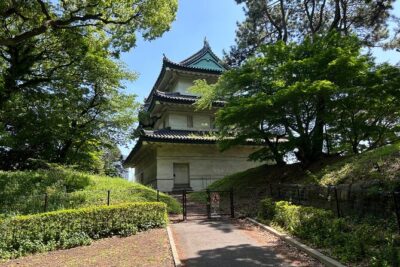
Imperial Palace and Shogun Historical Walking Tour
Our verdict →
World Heritage Kyoto & Nara Uji Authentic Matcha Experience
Our verdict →
Kyoto Gion: 2-Hour Geisha Culture & History Walking Tour
Our verdict →
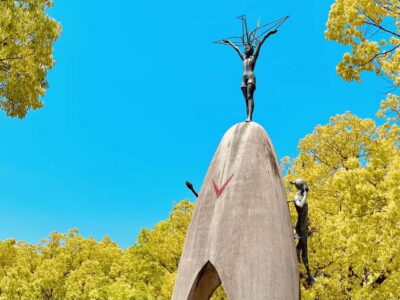
Hiroshima Historical Walking Tour – Why A-Bomb was Dropped
Our verdict →
Yanaka Walking Tour: Historic and Traditional District of Tokyo
Our verdict →
Shinjuku Historical Walking Tour & Secret Backstreets
Our verdict →
Mt. Fuji Heritage Tour: Traditional Villages, Lakes & Shrine
Our verdict →Browse the lists this tour appears in