
Reviewed · TRADITIONAL CRAFTS
Tokyo: Discover the Art of Kintsugi in Ginza
Kintsugi turns a broken plate into a small lesson in Japanese aesthetics. In this 90-minute Ginza workshop, you repair a ceramic piece with synthetic lacquer and metallic powder, then take it home in protective packaging. I like the hands-on format and the fact that your souvenir is something you actually made. I also like the intimate setting, with groups capped at eight and the option of English or Japanese instruction.
The main thing to understand is that this is a modern, quick version of kintsugi, not the traditional month-long process using natural lacquer and real gold. Your finished piece is best treated as decoration, and it cannot go in the microwave.
Key points at a glance
- Three minutes from Ginza Station: The workshop meets at Cafe AOU Ginza forest, on the ground floor of the Daiwa Ginza Building.
- A small class of up to eight: The limited group size gives the instructor room to help with delicate steps.
- You repair a supplied ceramic: A plate or bowl is provided, so you do not need to bring a broken item from home.
- Tatsu and Teki Sensei: Instructors explain the process, share stories, and help when your repair gets tricky.
- A useful take-home souvenir: Your completed piece is packaged for the journey, but should be used for decoration only.
- A fast modern method: Synthetic lacquer and metallic powder let you finish within 90 minutes rather than waiting about a month.
What kintsugi means in this Ginza workshop
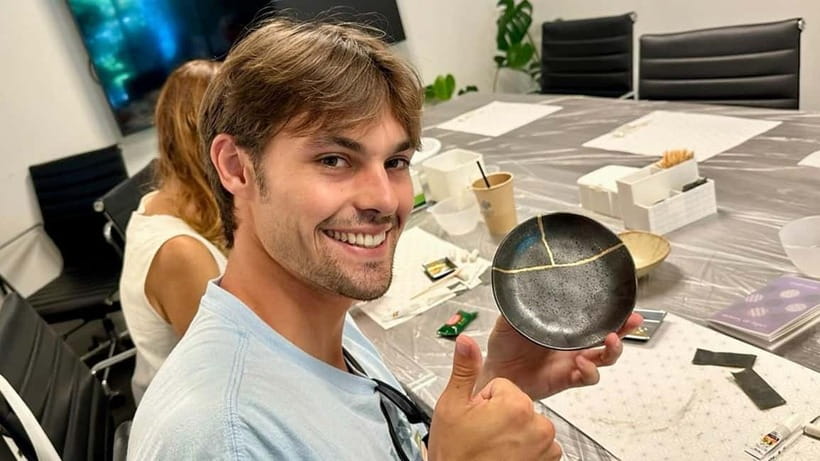
Kintsugi is the Japanese practice of repairing broken ceramics so the cracks become part of the design. Instead of hiding damage, the repair draws attention to it with a metallic line. The idea fits neatly with a broader Japanese appreciation for age, wear, and imperfection.
This class gives you a practical way to understand that idea. You are not only looking at a finished object in a museum or shop. You are handling the ceramic, following each repair step, and deciding how carefully to shape the visible seam.
Still, you should know what kind of kintsugi you are learning. Traditional work uses natural lacquer and gold, and the full process takes roughly a month. This workshop uses synthetic lacquer and metallic powder so you can complete the project during one short visit to Ginza.
That shortcut makes sense for a holiday activity. It keeps the cost at $75, avoids the long drying and curing period, and lets you carry the finished piece away the same day. The tradeoff is that your item is a decorative craft project, not a fully traditional piece of functional tableware.
More Craft Workshops in Tokyo
- Tokyo Sumo Experience: Chanko & Mochi with a Former Pro
★ 4.8 · 567 reviews - Kintsugi Experience: Art of Golden Joinery in Tokyo
★ 5.0 · 467 reviews - Tokyo Chopstick Making Workshop with Artisan
★ 5.0 · 466 reviews
Finding the private room near Ginza Station
The meeting point is Cafe AOU Ginza forest, on the ground floor of the Daiwa Ginza Building. The venue is about three minutes from Ginza Station, a useful location if you are already shopping, sightseeing, or changing trains in central Tokyo.
The class takes place in a private room connected with the café. That gives the session a quieter feel than a public demonstration, while the café setting adds a relaxed touch. A complimentary soft drink is included, and one instructor has also welcomed participants with coffee while explaining how the class would work.
Pay attention to your confirmation email. The room can change depending on availability and the number of reservations. If that happens, the new location is sent by email one day before the workshop.
The meeting point is on ground level, which helps you avoid hunting through a large building. One instructor, Tatsu, has met participants outside the building, a useful courtesy in a busy part of Tokyo. Even so, allow a little extra time to find the Daiwa Ginza Building and reach the room without rushing.
The 90-minute workshop, step by step
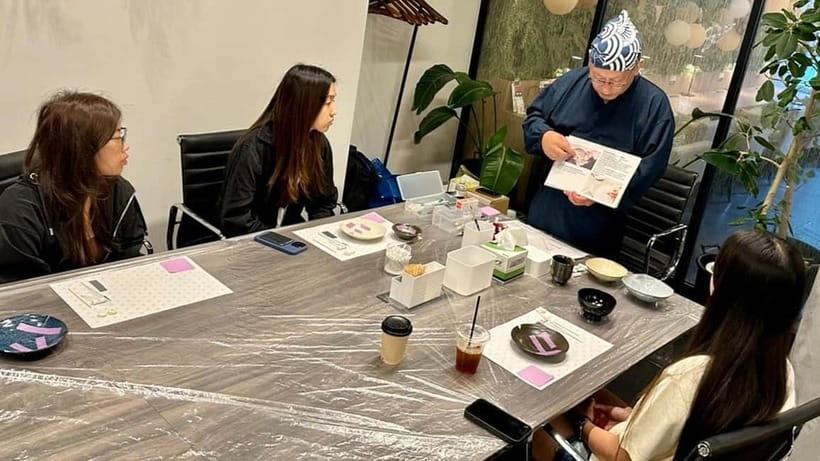
The class begins with an introduction to kintsugi and the basic idea behind the repair. You learn why the cracks are marked rather than concealed, then see how the materials will be used.
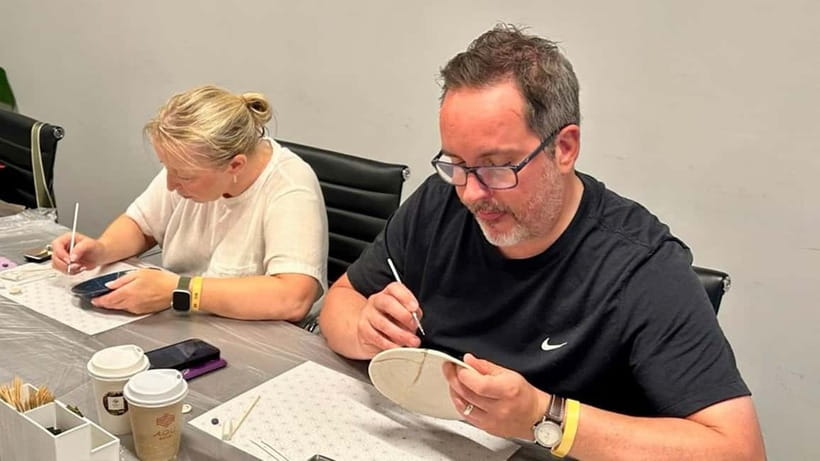
The instructor explains each stage before you begin. This matters because the work is small and precise. You need to handle the ceramic carefully, apply the repair material in the right places, and use the metallic powder without making the seam too heavy.
A ceramic piece is supplied for you to restore. The available pieces can vary, and one session offered a choice of two colored cracked plates. Other descriptions refer to a bowl or plate, so the exact shape and color may depend on the class.
The most satisfying part is the work itself. You make the repair rather than simply decorating a pre-finished item. When the group moves at different speeds, you may spend a little time waiting while the instructor helps another participant. That is a normal part of a small practical class, though it means your own hands-on time may feel shorter if someone needs extra help.
The instructor remains involved throughout. Tatsu and Teki Sensei have both been praised for clear explanations, friendly conversation, and help with difficult steps. The guidance is especially useful if you have never tried a fine craft before.
At the end, you inspect the repaired ceramic and prepare it for transport. Protective packaging is provided, so you can place the piece in your luggage with less worry. It is a simple detail, but an important one for a fragile souvenir.
Why the small group matters
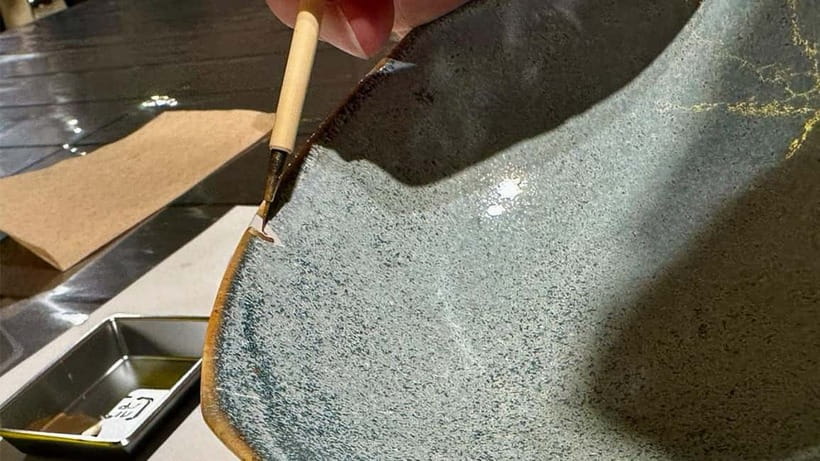
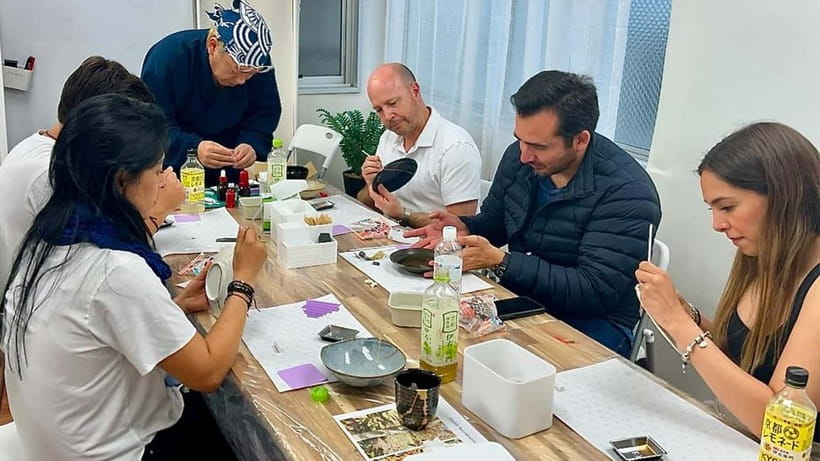
The limit of eight participants is one of the strongest practical features. Kintsugi involves close-up work, and you will benefit from being able to ask for help without trying to catch an instructor’s attention across a large room.
A small group also keeps the class social without turning it into a loud group event. The instructor can talk about the craft, answer questions, and share local stories about Ginza. Tatsu has used the session to discuss the neighborhood as well as the repair technique.
There is one fair limitation. Small groups do not always move at the same pace. If another participant is still working, you may pause before the class can move to the next stage. One participant wished for more time with the materials for this reason, although the instructor helped keep the activity moving.
I would book this for the calm, focused pace rather than for nonstop activity. You get a chance to make something, listen, and talk. It is not a high-energy attraction with one dramatic reveal.
Same trip, a completely different kind of day:
- 1-Day Tokyo Bus Tour
★ 5.0 · 14,250 reviews - Tokyo: TOKYO SKYTREE® Admission ticket
★ 4.5 · 11,192 reviews - Tokyo: teamLab Planets TOKYO Digital Art Museum Entry Ticket
★ 4.6 · 9,779 reviews - Tokyo: Sumo Show Experience with Chicken Hot Pot and a Photo
★ 4.8 · 6,678 reviews
The instructors and the tone of the class
The teaching is a major part of the experience. The instructors explain the process step by step and offer practical help instead of leaving you to guess what to do next.
Tatsu has been described as welcoming participants outside, offering coffee, explaining the lesson, and sharing stories about Ginza. Teki Sensei has also guided groups through the repair and helped participants when they fell behind or found a step difficult.
Instruction is available in English and Japanese. That makes the workshop accessible to international visitors who want more than a silent craft demonstration. The conversations can cover the technique, the ideas behind kintsugi, and the local area.
The tone is friendly and low-key. You can ask questions, work at your own pace within the class schedule, and make a piece with its own uneven character. That last point is worth remembering: your finished ceramic will not look factory-perfect, and that is part of the point.
What you take home, and what you should not do with it
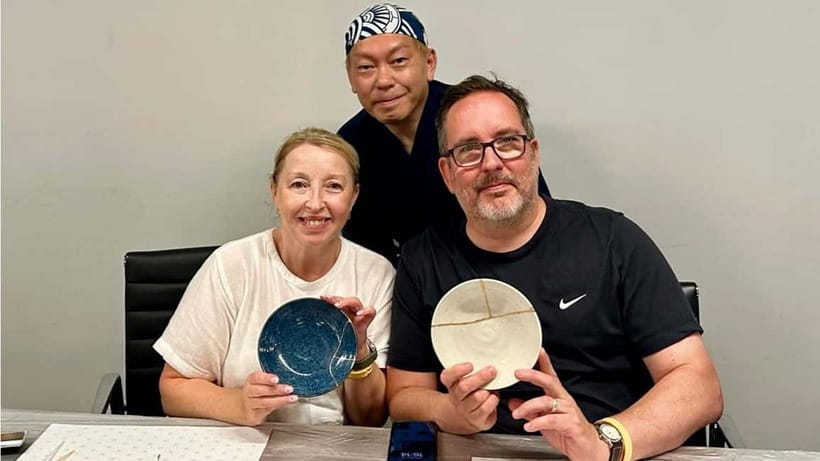
Your repaired ceramic is included in the $75 price. You do not need to purchase a separate plate, bring your own broken cup, or buy special tools. The workshop supplies the ceramic, tools, repair materials, and packaging.
The finished item makes a personal souvenir because it records your own decisions. The metallic seam may be neat or slightly irregular, depending on how you work. Either way, it is more meaningful than a mass-produced object picked up on the way back to the hotel.
Use the piece for decoration only. It is not microwave-safe, since the repaired item carries a risk of ignition. The supplied information also recommends treating it as decorative rather than using it for food or drink.
Pack it carefully even with the provided wrapping. Keep it away from heavy items in your suitcase, and consider placing it in the center of your luggage with soft clothing around it. The packaging offers protection, not a guarantee against rough handling.
Is $75 a fair price?
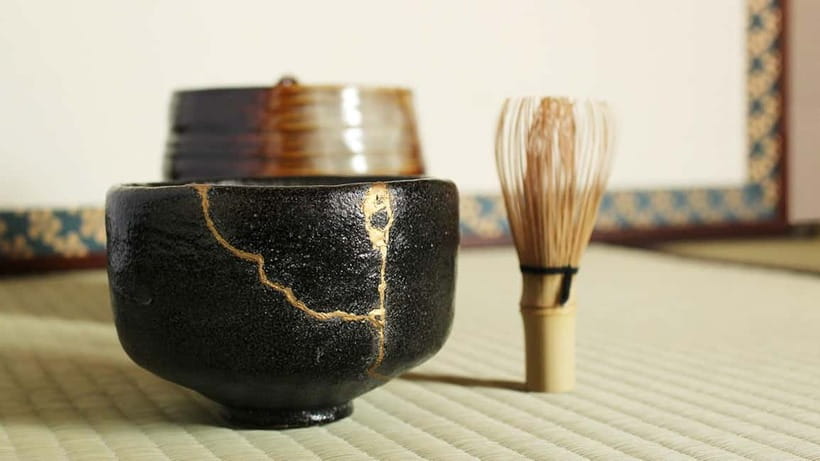
At $75 per person, this is not the cheapest short activity in Tokyo. The value comes from what is included: a 90-minute guided class, a ceramic piece, all tools and materials, instruction in English or Japanese, packaging, and a soft drink.
You are also paying for a central Ginza location and a class limited to eight people. If you already plan to be in the Ginza area, the workshop fits neatly into a morning or afternoon without requiring a long trip across Tokyo.
The price makes less sense if you want authentic traditional kintsugi using natural lacquer and gold. That is not what this class offers, and the process would not be completed during a 90-minute visit anyway.
For a first introduction, I think the price is reasonable if you value a guided cultural activity and want a physical souvenir. It is less compelling for someone who only wants a finished ceramic object or who expects professional restoration.
Who should book this experience
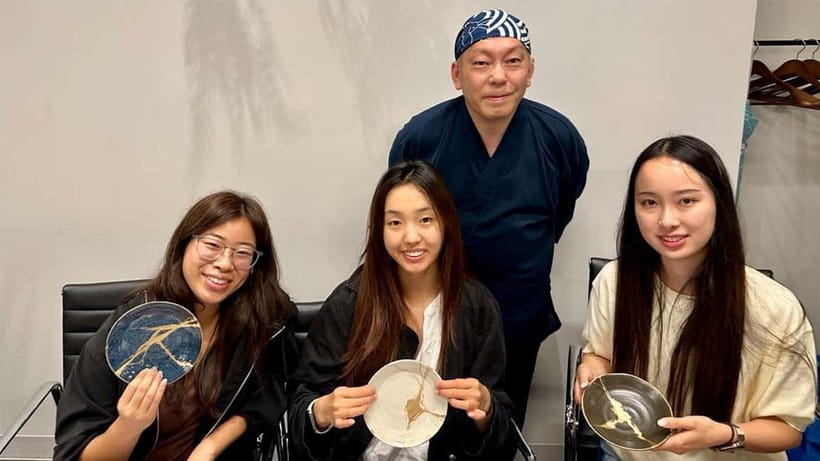
This workshop suits adults and children aged 10 and older who enjoy making things with their hands. It also works well for families, since children aged 10 and 14 have taken part successfully with an instructor’s help.
It is a good choice for you if you want a quieter break from shopping and sightseeing. Ginza is known for high-end stores, but you do not need to spend the day browsing luxury shops to make the area worthwhile. A craft class gives you another reason to visit.
Couples, friends, solo visitors, and families can all fit the format. The small group encourages conversation, but you still have an individual project to focus on.
This may not suit anyone looking for a long, traditional apprenticeship. It also has restrictions: children under 10 are not accepted, and the activity is not suitable for people with mobility impairments, people with a cold, babies under one year, or people with hearing impairments.
Practical planning for your visit
Plan for 90 minutes, plus the time you need to reach the meeting point and safely pack your souvenir. Starting times vary, so check the available slot before you book.
Wear clothes you can work comfortably in and keep your attention on the ceramic. The supplied tools and materials mean you do not need to bring craft equipment.
You can cancel up to 24 hours before the activity for a full refund, and the reserve-now, pay-later option gives you some flexibility while building a Tokyo schedule. The venue may change, so check your email the day before.
The class does not include hotel pickup or drop-off. You are responsible for reaching Cafe AOU Ginza forest or the replacement location given in the notice.
Should you book the Ginza kintsugi workshop?
Book it if you want a compact cultural activity with a real hands-on result. The central location, small class size, careful packaging, and patient instruction make it easy to fit into a Tokyo day. I especially like that you leave with a ceramic piece connected to the experience, not just a few photos.
Skip it if you require traditional gold kintsugi, need a food-safe repaired dish, or want a longer workshop with more uninterrupted craft time. For everyone else, this is a thoughtful way to slow down in Ginza and take home a small reminder that a visible repair can become part of an object’s character.
FAQ
Where is the kintsugi workshop held?
The meeting point is Cafe AOU Ginza forest, located on the ground floor of the Daiwa Ginza Building, about three minutes from Ginza Station.
How long does the workshop last?
The workshop lasts 90 minutes.
What languages are available?
Instruction is available in English and Japanese.
What is included in the price?
The activity includes the 90-minute workshop, all necessary tools and materials, a ceramic piece to restore, instructor guidance, and a complimentary soft drink.
Can I take my repaired ceramic home?
Yes. You take home the ceramic piece you repair, and it is packaged to help protect it during your journey.
Is the repaired ceramic safe for microwave use?
No. The repaired item is not microwave-safe because there is a risk of ignition. It is recommended for decorative use only.
Is this traditional gold kintsugi?
No. Traditional kintsugi uses natural lacquer and takes about a month. This workshop uses synthetic lacquer and metallic powder so you can complete the piece within 90 minutes.
Just added around Tokyo
- Kawagoe Japanese Food Tour : Unagi Kaiseki and Sake near Tokyo★ 5.0 · 30 reviews
- Kawagoe 4hr Private Tour with Licensed Guide (Kawagoe Dep)★ 5.0 · 13 reviews
- Little EDO Sushi Making workshop in Kawagoe★ 5.0 · 18 reviews
- 【R34】Tokyo:Private Daikoku tour in Modified R34★ 4.9 · 92 reviews
- :Tokyo,Shibuya/ Pro Photography in Kimono / English-Friendly★ 5.0 · 26 reviews
- Tokyo:Celebrate Unique Japanese New Year Tradition Festivity★ 3.9 · 20 reviews
- Tokyo: Allstar Food Tour★ 4.7 · 29 reviews
- Tokyo: West-Side Cycling and Food Tour with Guide★ 5.0 · 37 reviews
Traditional Crafts, compared.
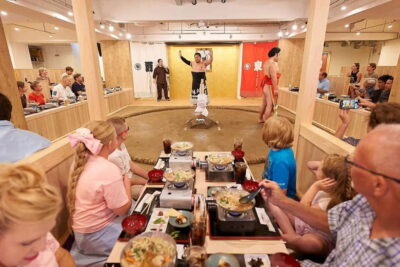
Tokyo Sumo Experience: Chanko & Mochi with a Former Pro
Our verdict →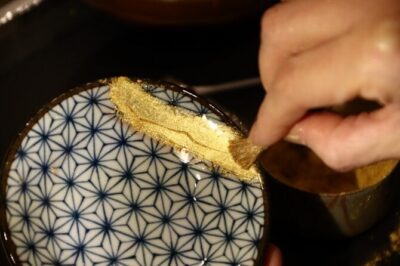
Kintsugi Experience: Art of Golden Joinery in Tokyo
Our verdict →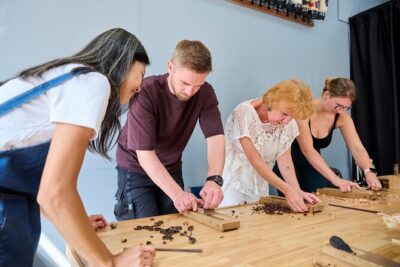
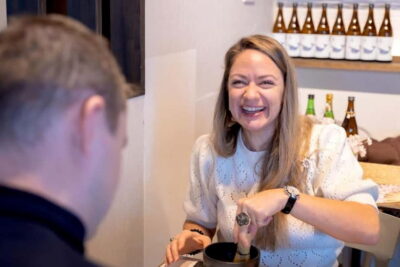
Matcha Making Experience with Mochi Sweets in Asakusa
Our verdict →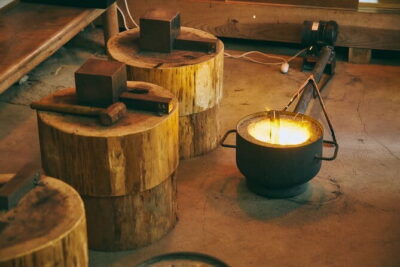
Authentic knife making experience at a blacksmith in Kyoto
Our verdict →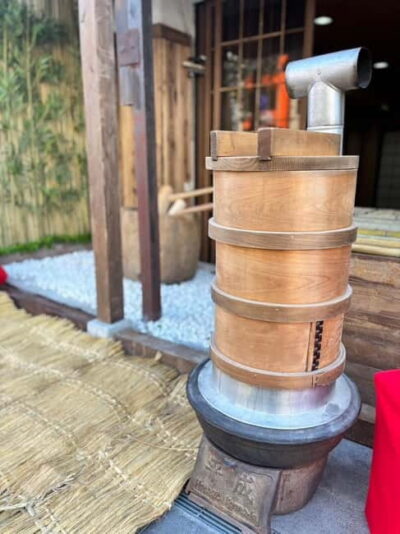

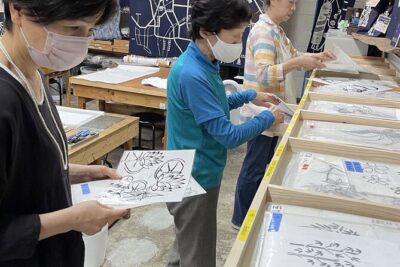
Roketsu dyeing experience: M course Roketsu Dyeing Experience
Our verdict →Browse the lists this tour appears in