
Reviewed · FOOD TOURS
Tokyo: Authentic Food Tour in Ginza and Shimbashi
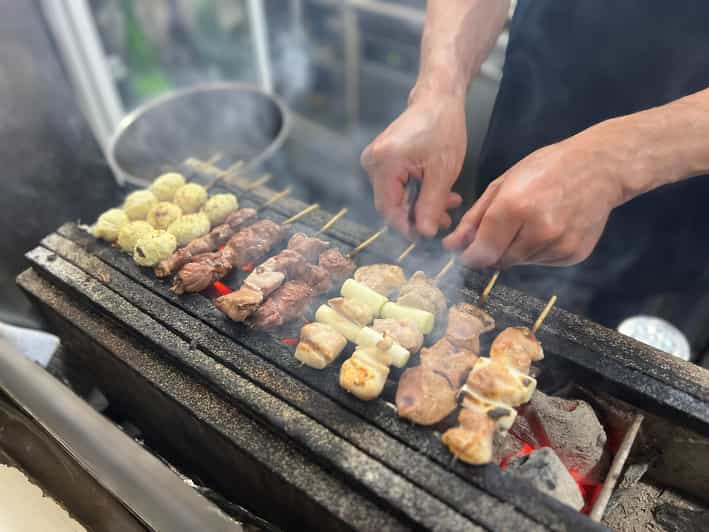
Tokyo’s polished Ginza district has more to offer than department stores and luxury brands. This three-hour walk takes you into local restaurants around Ginza, Yurakucho, and Shimbashi, where your guide helps you try Japanese foods and desserts that can be hard to identify or order on your own.
I like the short walks between stops, which give you time to see three different parts of central Tokyo without wasting half the tour on transport. I also like the small group size, capped at 10 people, and the practical food advice guides such as Doren, Reo, Ryota, and Yota have shared with past groups.
The main consideration is the price: at $146 per person, this is not a cheap way to grab dinner. The value depends on how much you want help choosing places, understanding Japanese food customs, and finding restaurants you might otherwise pass by.
Key points at a glance
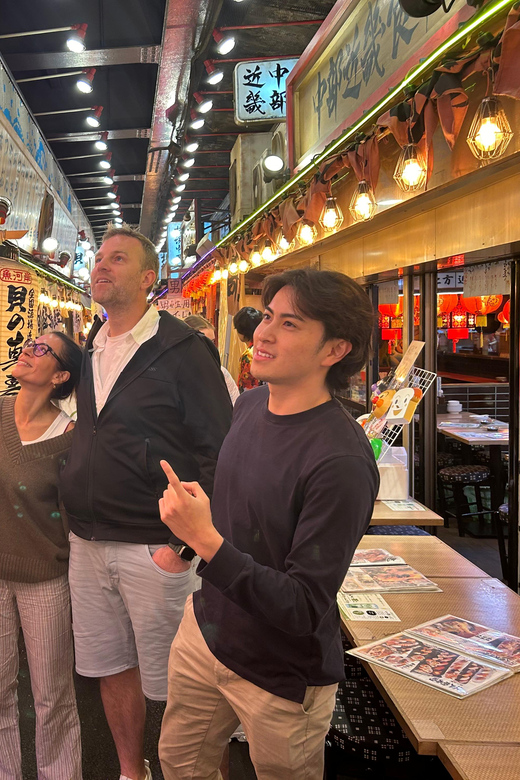
- Three central Tokyo neighborhoods: Eat and walk through Ginza, Yurakucho, and Shimbashi in one compact route.
- Three food stops: Each neighborhood gets about 50 minutes for regional food and conversation.
- English-speaking local guide: Guides such as Doren, Reo, Ryota, and Yota have led the experience.
- Small group format: The tour accepts no more than 10 participants, with the possibility of a smaller group.
- Traditional food and sweets: Expect a mix of Japanese dishes and desserts rather than one single specialty.
- Easy meeting point: Start and finish at Tokyu Plaza Ginza, near the BOSS store by Ginza Station exits C2 and C3.
Why this Ginza food walk works
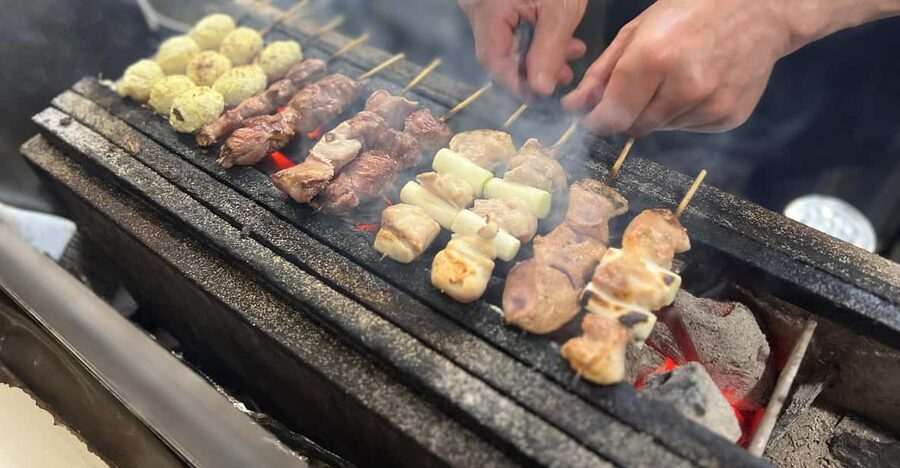
I like this tour because it treats central Tokyo as more than a shopping district. Ginza is famous for grand stores and polished streets, but the route also reaches Yurakucho and Shimbashi, areas with a different feel and a stronger everyday food focus.
The tour is built around three stops of roughly 50 minutes each. That gives you enough time to eat, ask questions, and talk with your guide without rushing from one place to the next. The walks between neighborhoods take about five minutes, so you spend most of the three hours on food and conversation.
This is especially useful during your first days in Tokyo. A guide can explain what you are eating, how Japanese dining customs work, and where to look for good food after the tour. Past guide experiences have included relaxed evenings with Doren, Reo, Ryota, and Yota, all praised for friendly conversation, cultural explanations, and practical advice about food and drinks.
You should keep your expectations realistic. The description does not provide a fixed menu, restaurant names, or a guaranteed list of dishes. That can be a plus if you want a more local, flexible experience, but it makes the tour harder to compare with food walks that promise a precise number of tastings.
More Food Tours in Tokyo
- Tokyo: Shinjuku Food Tour (13 Dishes at 4 Local Eateries)
★ 5.0 · 6,603 reviews - Tokyo Tsukiji Fish Market Food and Culture Walking Tour
★ 5.0 · 3,184 reviews - Tokyo: Shinjuku Food Tour (15 Dishes and 4 Eateries)
★ 4.9 · 2,033 reviews
Meeting at Tokyu Plaza Ginza
The tour begins at Tokyu Plaza Ginza, in front of the BOSS store. From Ginza Station, use exit C2 or C3 to reach street level. The store should be directly in front of you, making this a fairly simple meeting point even if Ginza’s underground passages feel confusing.
The listed coordinates are 35.672245025634766, 139.7624053955078. I recommend arriving with a little extra time because Ginza Station connects several subway lines and the underground network can take longer to navigate than expected.
The same location is used at the end of the tour. That is handy if you want to continue shopping, return to your hotel by subway, or arrange another central Tokyo activity afterward. It also means you are not left trying to find a new neighborhood at the end of the evening.
First stop: Ginza food and city style
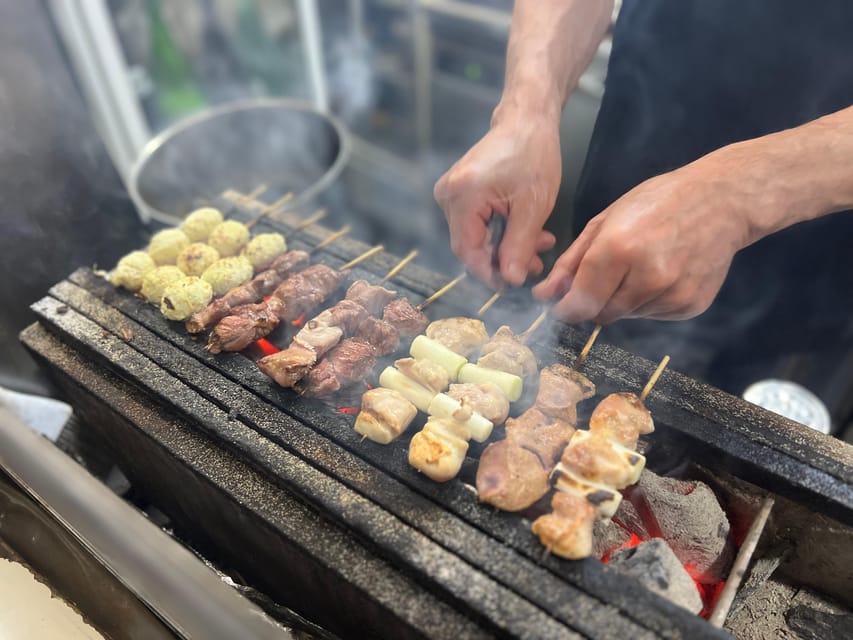
The opening 50-minute stop takes place in Ginza. This is the best part of the route for seeing the contrast between Tokyo’s refined shopping center and its less obvious food spaces.
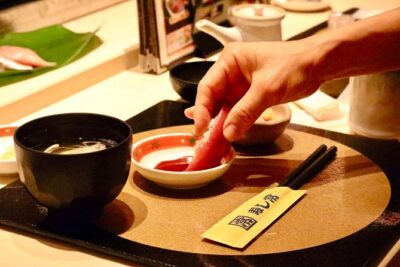
Your guide leads you to a restaurant selected for local food rather than a famous tourist landmark. The experience is designed around foods loved by people in Tokyo, along with explanations of Japanese culture and dining habits. Since the exact menu changes or is not specified, you should expect variety instead of a single signature meal.
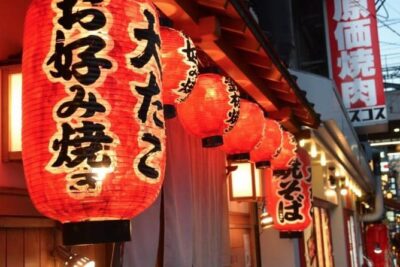
Ginza is a useful place to begin because it can feel intimidating. Restaurants may have small entrances, Japanese-only signs, or menus that are difficult to decode quickly. A guide removes much of that friction and lets you focus on tasting and asking questions.
This first stop also gives you a chance to tell the guide what interests you. The supplied information does not promise dietary adaptations or a set menu, so anyone with allergies, religious restrictions, or strong dislikes should ask about suitability before booking.
Second stop: Yurakucho in five minutes
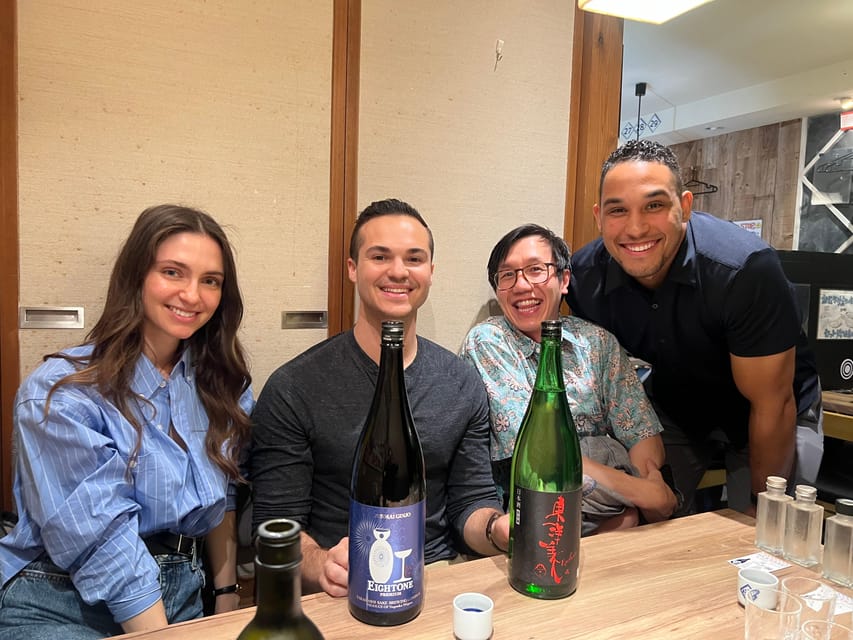
After Ginza, you walk about five minutes to Yurakucho. The distance is short, so you do not need special transport or a high level of fitness for the route itself. Comfortable shoes still make sense because the experience involves walking and standing around three food stops.
Yurakucho adds another side of central Tokyo. It is close to Ginza, yet the change in setting helps you see how quickly the character of Tokyo can shift from one block to the next. Your guide again allows about 50 minutes for food and conversation.
I value this middle stop because it breaks up the meal. Instead of sitting in one restaurant for three hours, you get movement, a new setting, and another chance to ask about local customs. Your guide can also help connect the food to the neighborhood, which makes the route more useful than a simple list of dishes.
The guide’s role is important here. Reo has been described as considerate and willing to explain both food and the Japanese way of life. Ryota has been praised for funny, interesting conversation, while Yota has been noted for his friendly manner and strong understanding of Tokyo’s food scene. Guides can vary by date, so treat these names as examples rather than a guarantee.
Same trip, a completely different kind of day:
- 1-Day Tokyo Bus Tour
★ 5.0 · 14,250 reviews - Tokyo: TOKYO SKYTREE® Admission ticket
★ 4.5 · 11,192 reviews - Tokyo: teamLab Planets TOKYO Digital Art Museum Entry Ticket
★ 4.6 · 9,779 reviews - Tokyo: Sumo Show Experience with Chicken Hot Pot and a Photo
★ 4.8 · 6,678 reviews
Third stop: Shimbashi and a final taste
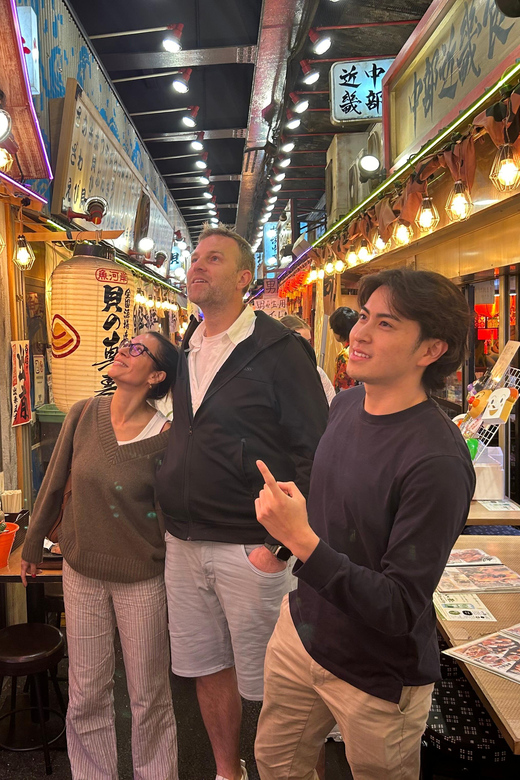
The last food stop is in Shimbashi, reached by another walk of about five minutes. Like the earlier stops, this section lasts around 50 minutes and focuses on regional food.
Shimbashi gives the tour a practical finish. You have moved from Ginza through Yurakucho and arrive in another central area with its own food culture. The route is compact, but it covers three neighborhoods that many first-time visitors might otherwise treat as one large central district.
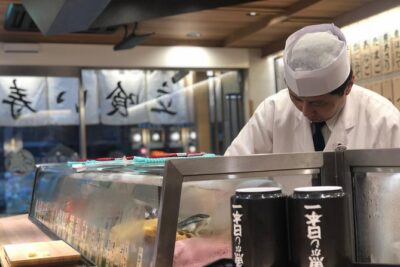
The tour also includes traditional desserts. Because no exact sweets are listed, you should not book this expecting one particular dessert. Instead, think of the sweet course as part of a broad introduction to Japanese eating, with the guide explaining what you are trying and how it fits into local food habits.
After the final stop, you walk back to Tokyu Plaza Ginza. The return to the original meeting point is convenient, but it also means the route is not designed as a late-night introduction to Shimbashi itself. If your main goal is drinks and izakaya nightlife, a dedicated Ginza and Shimbashi nightlife tour may suit you better.
What the three-hour pace feels like
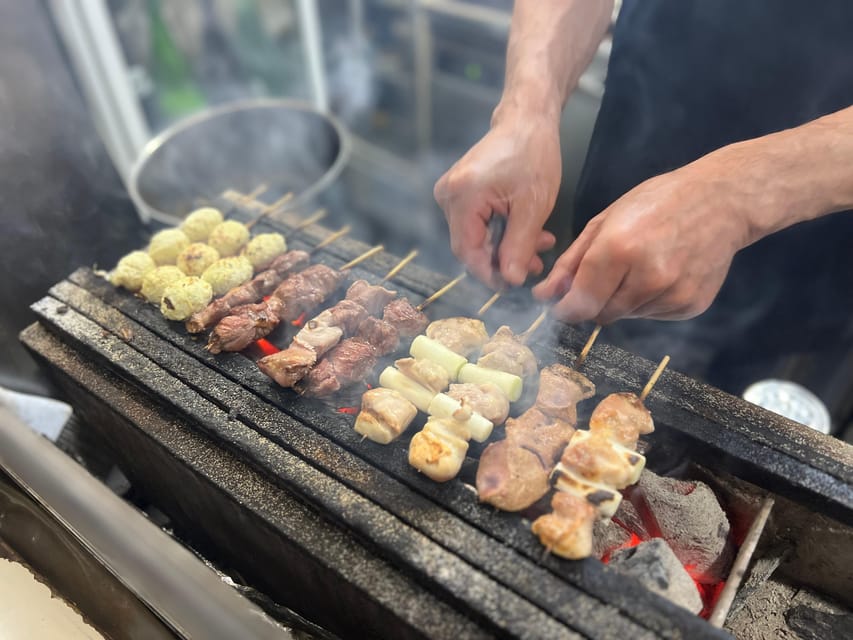
Three hours is a sensible length for a food walk in Tokyo. You get a clear introduction without committing an entire day to one activity. The three 50-minute food sections leave about 30 minutes for walking, introductions, and transitions.
The pace should suit you if you enjoy eating slowly and talking with a guide. It is less suitable if you want to visit many restaurants in rapid succession or count exactly how many dishes you have tasted. The focus is on selected places, local context, and conversation rather than a large tasting tally.
The route is on foot, with only short five-minute transfers between areas. The activity is not suitable for wheelchair users, and the provided information does not give details about step-free access, seating, restroom access, or food substitutions. Ask the operator directly about any mobility or dietary needs before paying.
A small group makes the food advice more useful
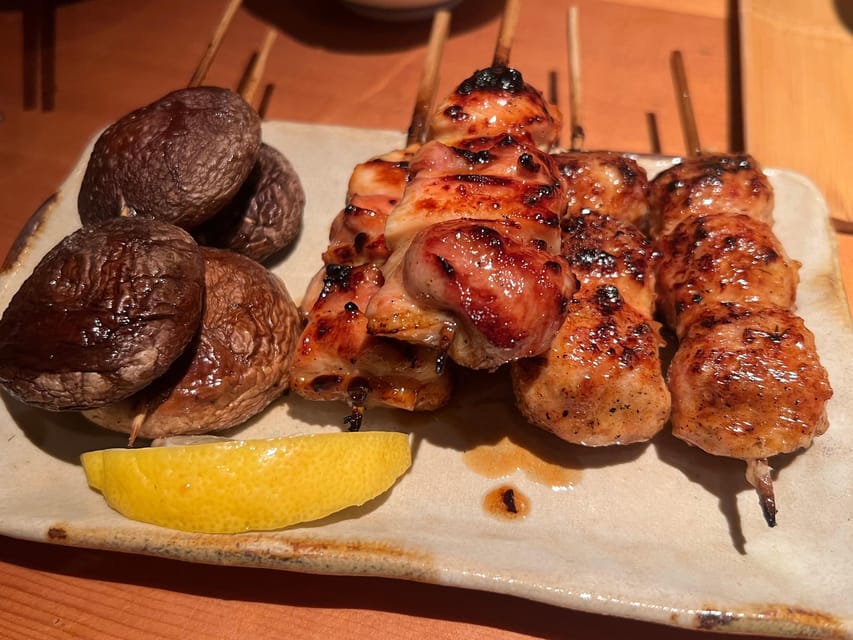
The group is limited to 10 participants. That is small enough for direct conversation, though the exact atmosphere depends on how many people book that date.
One booking resulted in a private tour when no other participants arrived. You cannot count on that outcome, but a small group gives you a reasonable chance to ask questions without losing the guide in a crowd.
This matters in Tokyo because food questions can be specific. You may want to ask about ordering etiquette, how to choose a restaurant later, or what to do when a menu has no English. A guide who has time to answer those questions can provide more value than a standard sightseeing walk.
The English-speaking guide is central to the experience. The strongest part of the tour is not simply getting food on the table. It is having someone explain Japanese food culture in plain terms and help you feel less uncertain in unfamiliar restaurants.
Is $146 a fair price?
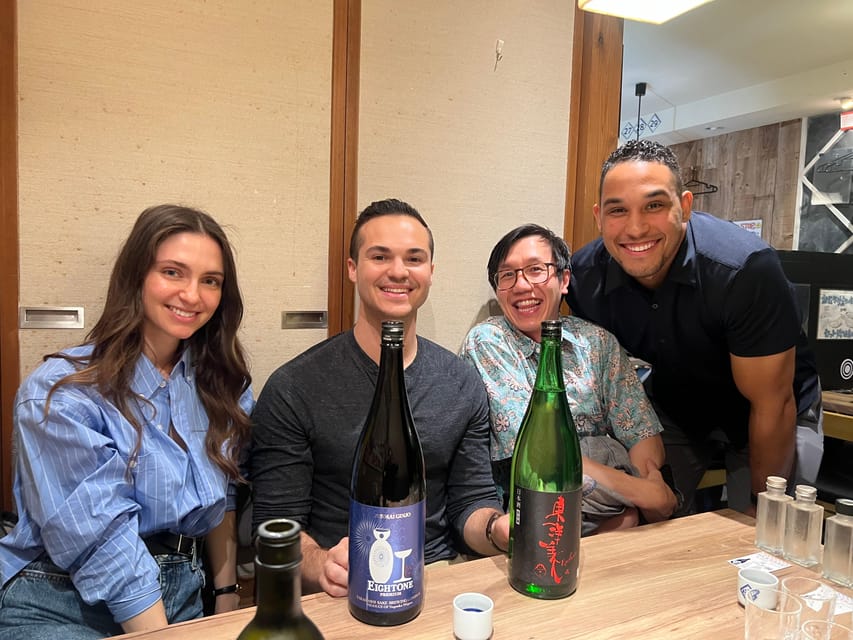
At $146 per person, this tour costs more than eating independently in Ginza, Yurakucho, and Shimbashi. If you already know where you want to eat and feel comfortable ordering in Japan, you may find the price hard to justify.
The calculation changes if you are new to Tokyo. The fee covers three hours with a local guide, three food-focused stops, neighborhood walks, cultural explanations, and help finding restaurants that are not obvious to a first-time visitor. You are also paying for saved planning time and a social experience in a small group.
The missing detail is the exact amount of food and drink included. The information confirms local dishes and traditional desserts, but it does not state a fixed number of servings or whether drinks are included. That is important at this price. Check the current booking details before you assume the tour replaces a full dinner.
I would see this as an orientation tour with food, not simply a budget meal. It offers the best value when you use the guide’s advice for the rest of your stay. If you leave knowing how to approach Japanese restaurants and which parts of Tokyo suit your eating style, the cost becomes easier to defend.
Who should book this experience?
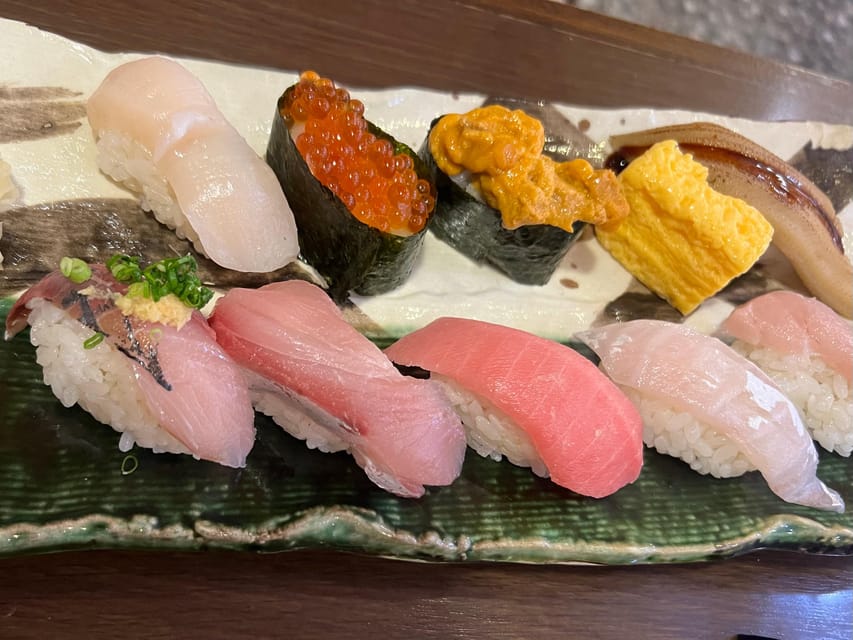
I would recommend it to first-time Tokyo visitors who want an easy introduction to Japanese food without planning every stop themselves. It also suits solo visitors and couples who enjoy conversation, since the small group creates a more social outing.
You will probably appreciate it most if you:
- Want local food in central Tokyo rather than a standard sightseeing route
- Prefer a guide to explain customs and unfamiliar dishes
- Like trying several places instead of eating one large meal
- Want advice for planning the rest of your Tokyo itinerary
- Are comfortable walking between restaurants
- Can accept that the exact menu is not listed in advance
I would choose another activity if you need wheelchair access, a guaranteed list of dishes, a highly structured tasting menu, or a nightlife tour centered on drinks. The price also calls for a careful look at the included food and drinks before booking.
Booking details worth knowing
The tour lasts three hours, with starting times available according to the date you select. It is conducted in English and operates as a small-group activity for up to 10 people.
You can cancel up to 24 hours before the start for a full refund. A reserve-now, pay-later option is also available, which helps if your Tokyo plans are still moving around.
The meeting and return point is Tokyu Plaza Ginza. Since the route is on foot and wheelchair users are not accepted, wear comfortable shoes and consider the physical demands of moving through three neighborhoods, even though the walking sections themselves are short.
Final verdict: a useful food introduction at a premium price
Book this tour if you want a friendly guide, three different central Tokyo areas, and help making sense of Japanese food culture. Doren, Reo, Ryota, and Yota have each been associated with the relaxed, conversational side of the experience, which is where this tour earns much of its appeal.
The $146 price is high for three hours, especially because the exact menu and drink policy are not stated here. Still, the combination of three food stops, a small group, traditional desserts, and practical local advice can make it worthwhile during your first Tokyo visit.
I would book it early in your stay, then use the guide’s recommendations for later meals. Skip it if you prefer to choose restaurants yourself, need guaranteed accessibility, or want a precise dish-by-dish tasting schedule.
FAQ
Where does the Tokyo food tour begin?
It begins at Tokyu Plaza Ginza, in front of the BOSS store. From Ginza Station, use exit C2 or C3 to reach street level.
Where does the tour finish?
The tour returns to Tokyu Plaza Ginza, the same place where it begins.
How long does the experience last?
The food tour lasts three hours.
Which neighborhoods does the tour visit?
The route includes Ginza, Yurakucho, and Shimbashi.
How much walking is involved?
The itinerary includes two walks of about five minutes each between the food stops, along with walking within the neighborhoods.
What language is the tour conducted in?
The live guide speaks English.
How many people can join the tour?
The tour is limited to 10 participants.
What kind of food is included?
You will try authentic Japanese foods, various regional dishes, and traditional desserts. A fixed menu is not provided in the available details.
Is the tour suitable for wheelchair users?
No. The activity is listed as unsuitable for wheelchair users.
Can I cancel for a full refund?
Yes. You can cancel up to 24 hours in advance for a full refund.
Can I reserve now and pay later?
Yes. A reserve-now, pay-later option is available.
More Food & Drink in Tokyo
- Best of Shinjuku: Izakaya Food Tour (4 Stops, 14+ Tastings)
★ 5.0 · 1,863 reviews - Tokyo: Tsukiji Fish Market Food and Walking tour
★ 5.0 · 1,724 reviews - Eat and Drink Like a Local: Tokyo Ueno Food Tour-Taverns&Ramen
★ 5.0 · 957 reviews - Tokyo: Shibuya Food Tour (13 dishes and 4 Eateries)
★ 5.0 · 770 reviews
Just added around Tokyo
- Kawagoe Japanese Food Tour : Unagi Kaiseki and Sake near Tokyo★ 5.0 · 30 reviews
- Kawagoe 4hr Private Tour with Licensed Guide (Kawagoe Dep)★ 5.0 · 13 reviews
- Little EDO Sushi Making workshop in Kawagoe★ 5.0 · 18 reviews
- 【R34】Tokyo:Private Daikoku tour in Modified R34★ 4.9 · 92 reviews
- :Tokyo,Shibuya/ Pro Photography in Kimono / English-Friendly★ 5.0 · 26 reviews
- Tokyo:Celebrate Unique Japanese New Year Tradition Festivity★ 3.9 · 20 reviews
- Tokyo: Allstar Food Tour★ 4.7 · 29 reviews
- Tokyo: West-Side Cycling and Food Tour with Guide★ 5.0 · 37 reviews
Food Tours, compared.
Shinjuku Food Tour (13 Dishes at 4 Local Eateries)
Our verdict →
Kyoto Night Foodie Tour in Gion (9+ dishes + 6 Sake tastings)
Our verdict →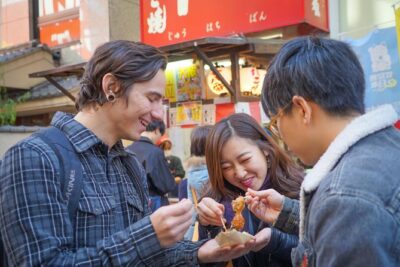
Osaka Local Foodie Walking Tour in Dotonbori and Shinsekai
Our verdict →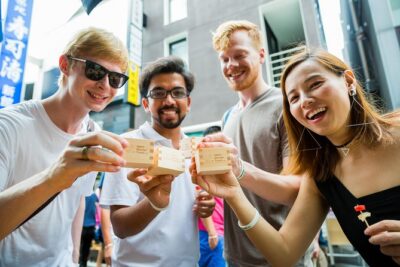
Food Tour in Ueno with 10+ Tastings of Japanese Classics
Our verdict →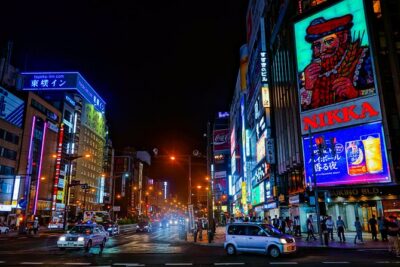
Browse the lists this tour appears in