
Reviewed · SUSHI EXPERIENCES
Kyoto: Sushi Making Class with Sushi Chef
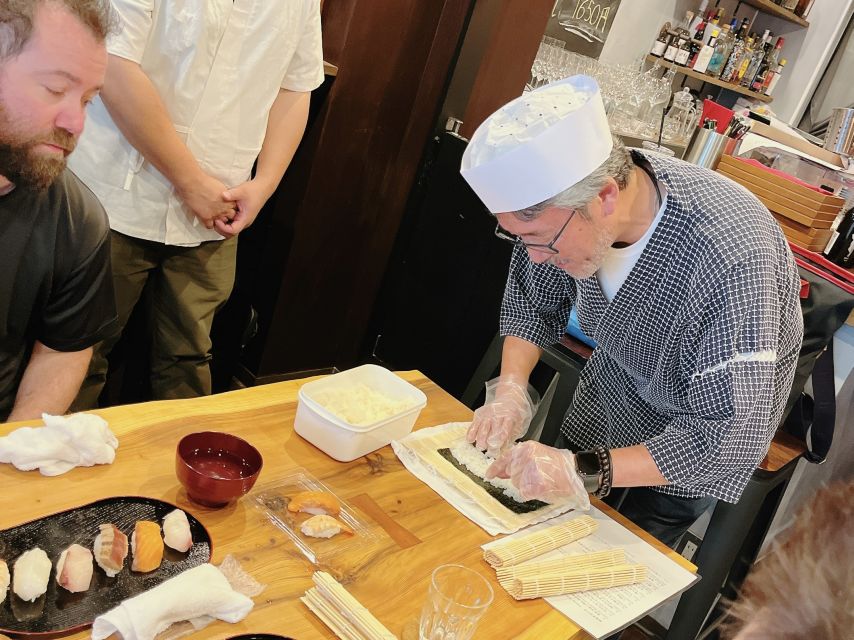
The best part of this Kyoto class is that you work with fish bought early that morning at Kyoto Central Wholesale Market. You first practice with a sushi sample toy, then move on to real nigiri and rolled sushi under the careful eye of a working chef. It is a hands-on lesson, not just a demonstration.
I like two things especially: the class explains sushi manners and knife use as well as technique, and the chef takes photos and videos while you work. That means you can concentrate on your rice, fish, and fingers instead of trying to document every step. The small group, limited to eight people, also gives the instructor time to help.
The main consideration is that you do not prepare the rice or cut the fish yourself. The fish arrives trimmed and ready, which keeps the class manageable, but anyone hoping for a full lesson in fish preparation may find the process a little shortened.
Key points to know before booking
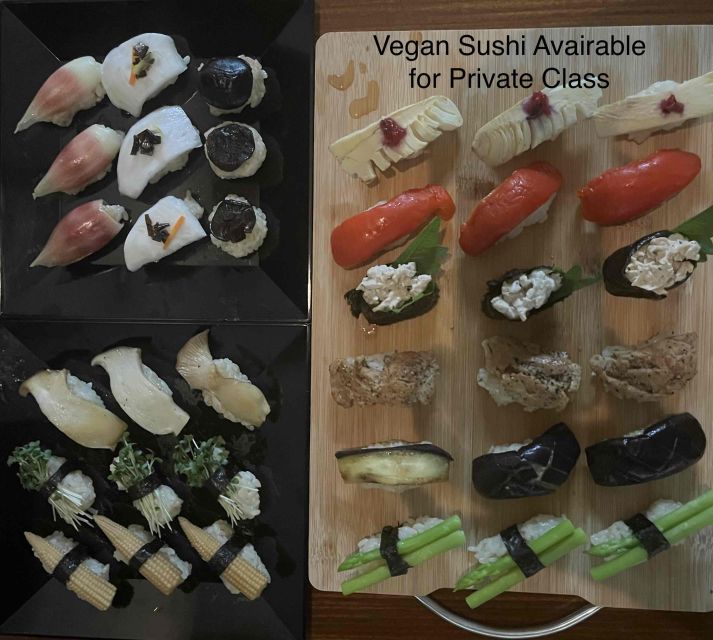
- Fresh fish from Kyoto’s central market: Fish is purchased early each morning and prepared shortly before your class.
- A gentle start with a practice toy: You learn the hand movements before handling real sushi.
- Nigiri and maki in one class: You make hand-shaped sushi and a roll using a special tool.
- Small classes up to eight people: The chef can give individual help, which matters for first-timers and children.
- Photos and videos are included: The staff documents the class and shares the files afterward.
- Two venues near Shijo Karasuma: Your exact meeting place is sent by email, with a Google Maps link.
Starting with fresh fish and a real sushi chef
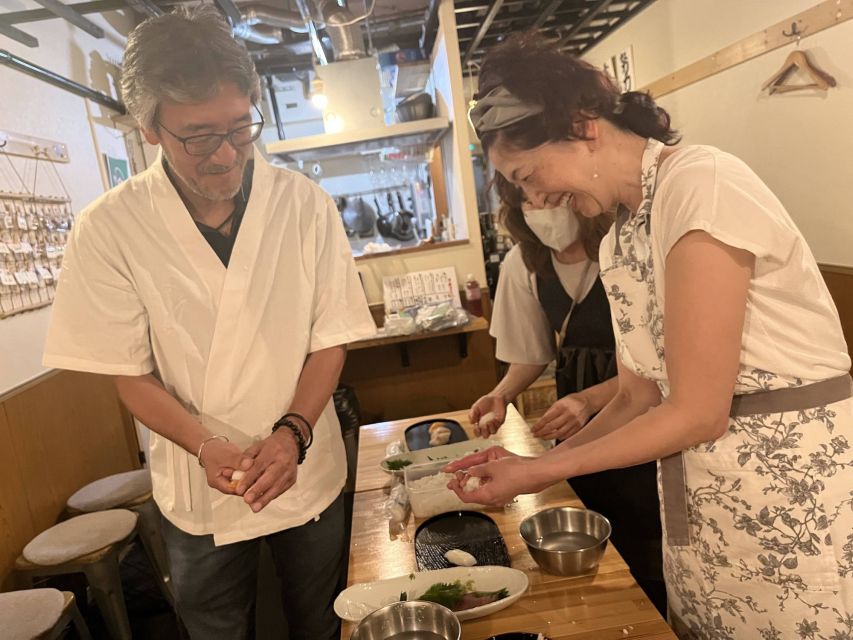
This experience gives you a useful look at sushi from the inside. You are not simply sitting at a counter while someone else works. You handle the rice, place the fish, form nigiri, and make a roll before sitting down to eat what you prepared.
The fish is bought early in the morning at Kyoto Central Wholesale Market. It is then prepared for the class shortly before you arrive. That timing matters. You are working with ingredients chosen for the day, rather than with a generic classroom supply that has been waiting around.
The exact instructor can vary. Past classes have been led by chefs and teachers including Hide, Yutaka, Yone, Yukihide, Nami, and Yune. Hide is praised for explaining technique, knives, fish, and dining manners in clear detail. Nami is noted for being especially patient with young children. The teaching style may differ slightly from one chef to another, but the format remains focused on practice and eating.
The instruction is offered in English and Japanese. You do not need previous sushi-making experience. The class is designed to take you through each movement in order, so you can follow even if your first attempt at shaping rice looks more like a small white pebble than a neat piece of nigiri.
More Sushi Experiences in Kyoto
- Sushi Making in Kyoto! Same-day bookings welcome!
★ 5.0 · 713 reviews - The Original Small-Group Sushi Making Class in Kyoto
★ 5.0 · 436 reviews - Kyoto: Small-Group Authentic Sushi Making Workshop
★ 5.0 · 137 reviews
The practice toy makes the first steps easier
The class begins with a sushi sample toy. This might sound simple, but it is a useful touch. Nigiri requires a light hand. Press too hard and the rice becomes dense. Press too little and the fish slides away. Practicing first gives you a chance to understand the basic motion without worrying about wasting food.
This stage is also helpful for children. A five-year-old participant reportedly enjoyed the class more than any other activity on a Japan trip, and the format is well suited to families who want something active rather than another temple visit.
You also get time to watch the chef’s hands. Pay attention to how little force is used. Sushi is not built by squeezing everything into a firm block. The goal is a piece that holds together but still feels light when you eat it.
The small group size helps here. With no more than eight people, the teacher can check your grip and correct your movements. That personal attention is one reason this class works for beginners.
Making nigiri with fish prepared that morning
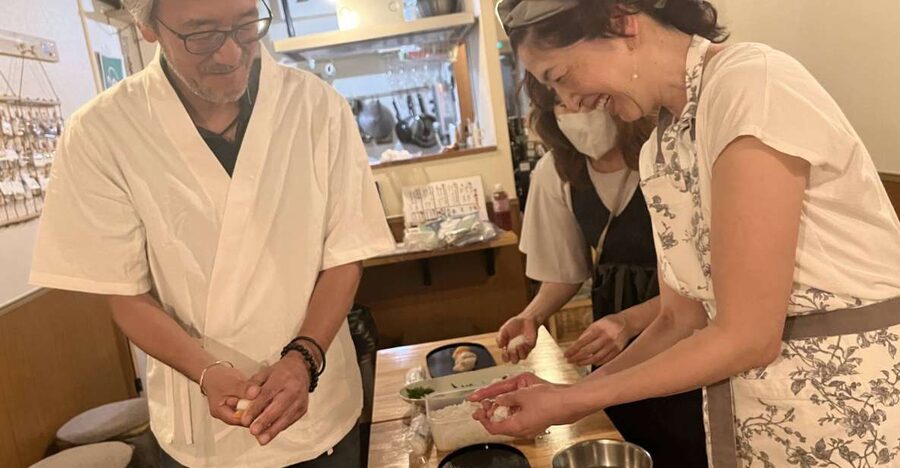
After the practice round, you begin making real nigiri sushi. The fish has already been cut and prepared, so your task is to shape the rice and place the topping correctly. This keeps the class within its 90-minute to three-hour range and lets you focus on the central skill.
The class also gives you a chance to identify different fish and learn how they are used. One teacher discussed the fish purchased at the market, the knives used by sushi chefs, and the different purposes of those knives. This adds useful context to what might otherwise be a basic craft lesson.
You should not expect to leave with professional knife skills. The fish preparation is done before you arrive, and one participant specifically wished for the chance to prepare the rice and cut the fish, even offering to pay extra for it. That is a fair limitation to keep in mind.
Still, the prepared ingredients have a practical advantage. You spend more time making and eating sushi, and less time on tasks that require more advanced equipment and safety instruction. For a first class, that is probably the right trade.
The fish quality is a major part of the experience. Fresh fish can make a simple piece of nigiri taste much better, and the class lets you notice how the ingredient matters as much as the shape. Even someone who did not usually enjoy raw fish found the finished sushi appealing.
Rolling sushi with a special tool
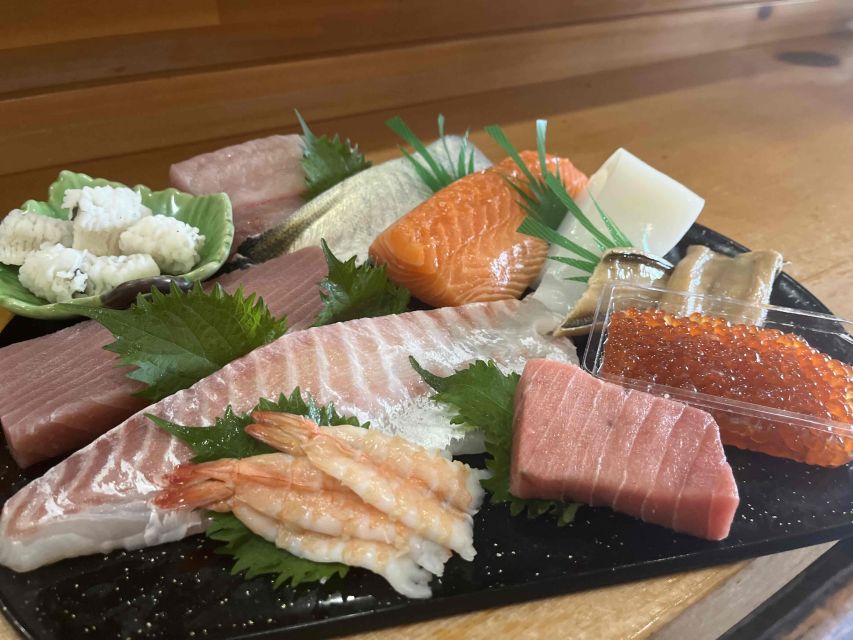
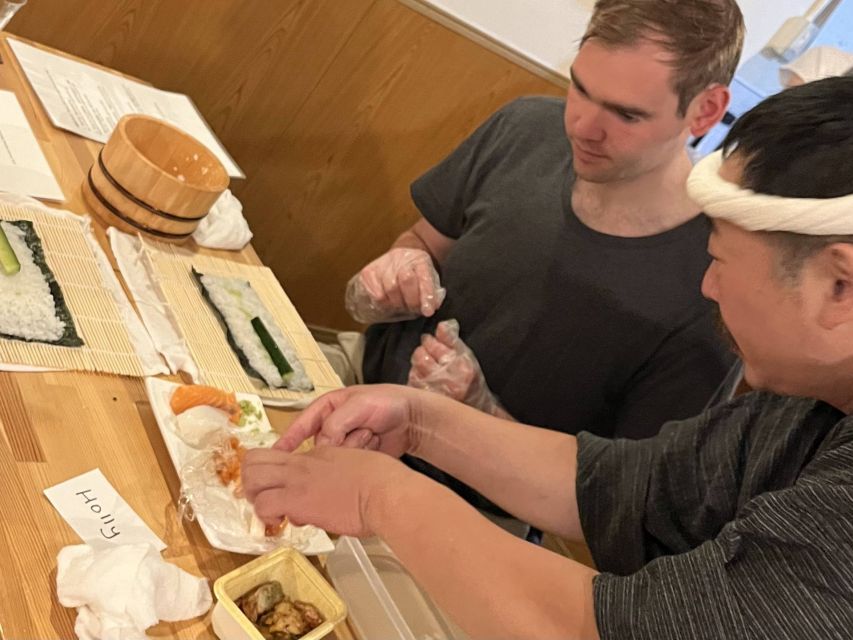
Once you have worked on nigiri, you make a sushi roll. A special tool helps you form the roll, which takes away some of the pressure from the first attempt. You still take part in the process, but you are not expected to master the tight, even rolling motion immediately.
The difference between nigiri and rolled sushi makes the class more interesting. Nigiri depends on shaping and balance. A roll requires even filling, controlled pressure, and a clean cut. Making both gives you a better sense of how varied sushi can be.
You may make several types of sushi during the class. One account describes making three types from scratch, including nigiri and maki. The exact number can vary with the class pace, group size, and the format on the day, so do not treat that as a fixed promise.
The teacher guides you through the process step by step. If your roll is not perfect, that is part of the fun. The point is not to produce restaurant-display sushi on your first try. The point is to understand the method well enough to try it again at home.
Same trip, a completely different kind of day:
- PERFECT KYOTO 1-Day Bus Tour
★ 5.0 · 13,518 reviews - Kyoto: Fushimi Inari, Kinkakuji, Bamboo Grove 1 Day Bus Tour
★ 4.8 · 4,316 reviews - Kyoto: Tea Ceremony in a Traditional Tea House in Kiyomizu
★ 4.9 · 3,519 reviews - Kyoto Geisha Walking Tour: Gion District & Hidden Gems
★ 4.7 · 3,273 reviews
Plating your lunch, then eating it
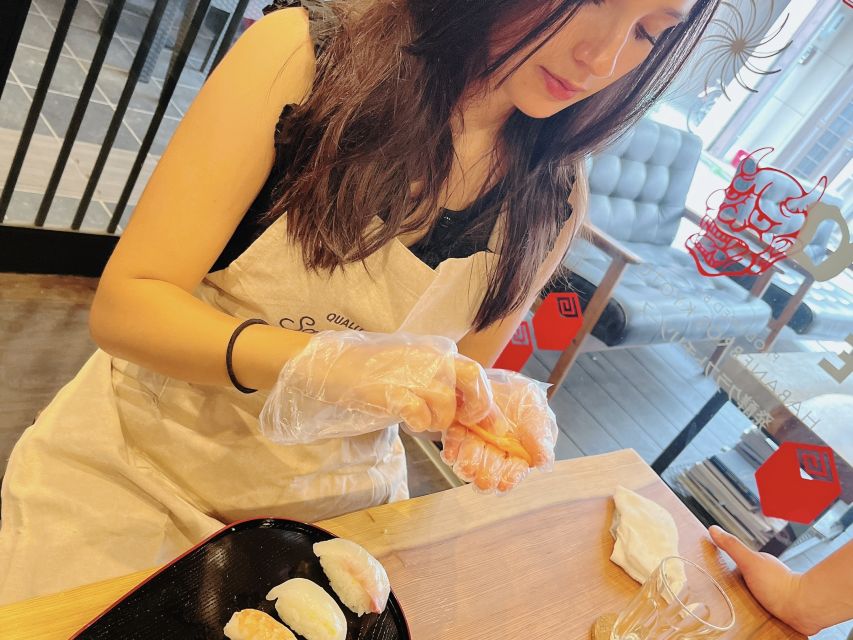
The final stage is to arrange your sushi on a plate. This gives the class a satisfying finish. You have gone from practice toy to real fish, and now you get to set out the food before eating it as lunch.
Tea or water and Japanese-style dashi soup are included. Some people have described the soup as miso soup, but the stated inclusion is Japanese-style dashi soup, so the exact preparation may vary. It is a simple addition, yet it makes the meal feel more complete.
Eating your own work changes the way you notice it. You may pay more attention to the rice texture, the fish, and the balance between topping and seasoning. The chef also explains sushi dining etiquette, including how to behave and eat at a sushi restaurant. That information can help you feel more at ease at a proper sushi counter later in your Japan trip.
This is also where the class proves its value. You are not paying only for a meal. You get the ingredients, instruction, a prepared lunch, and a practical memory of how sushi is made. At $74 per person, that is a reasonable package for someone who wants an activity as well as food.
Why the photos and videos are useful
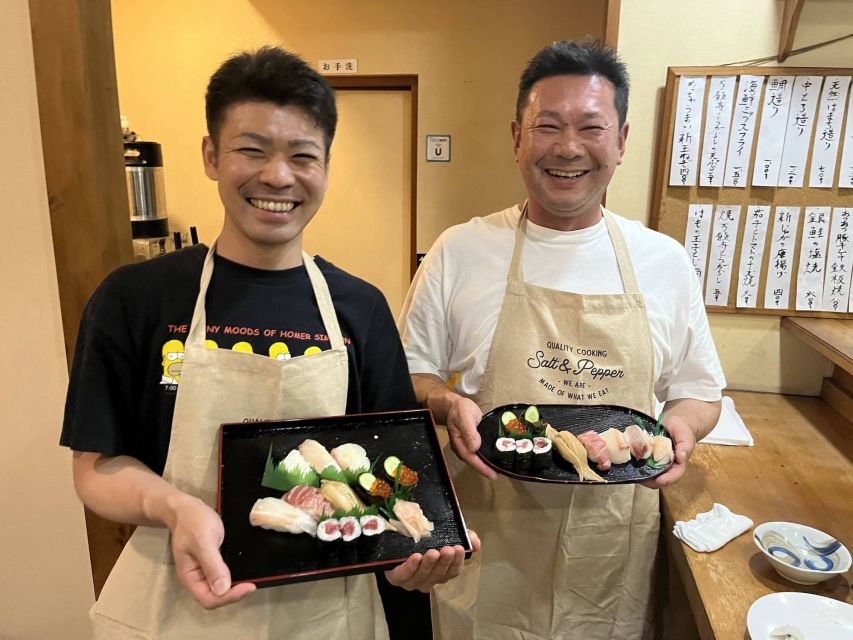
The staff takes photos and videos during the class and shares the files afterward. This is more than a small extra. Your hands are busy, and you will not want to stop every few minutes to reach for your phone.
The photos can capture the steps that are hardest to remember: the first practice, the shaping of nigiri, the rolling process, and the finished plate. You can also use them as a reminder when you try sushi at home.
The arrangement lets you stay involved. You do not need one person in your group to sit out and document everyone else. For families, it means the whole group can take part.
Do not expect a professional photo session. The stated service is a record of the class, not a separate portrait shoot. Still, it is a thoughtful feature and one of the reasons this experience feels more complete than a short cooking demonstration.
Timing, venues, and meeting details
The class can last from 90 minutes to three hours. Check the available start times when booking, since the exact length and schedule may depend on the session. Allow enough time afterward if you have a train, reservation, or timed attraction.
There are two venues around Shijo Karasuma. The organizers choose the venue based on the number of people taking the class and send the exact Google Maps link by email. At the meeting time, look for the welcome board.
This arrangement keeps the class flexible, but it means you should not rely on a single venue printed in your plans. Read the email carefully and check the map before leaving your hotel. Shijo Karasuma is a useful part of Kyoto for getting around, but the exact walk depends on which venue is selected.
One class location has been described as cozy and welcoming, with a view toward the river. That setting is not guaranteed, so consider it a possible bonus rather than a feature to book around.
Family suitability and food restrictions
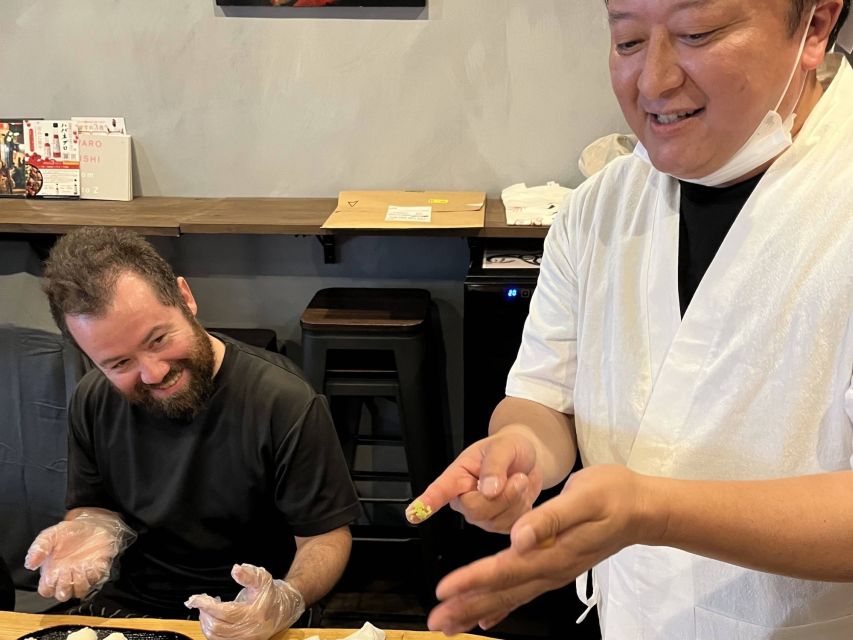
This is a strong choice for families. The practice toy gives children a clear first step, and the teacher can slow down and demonstrate each movement. Several children, including a five-year-old, handled the class well.
The group limit of eight also helps family members stay together without being lost in a large demonstration. Children will still need normal supervision around food and utensils, but the activity itself is structured and approachable.
Food allergies require caution. The experience is not suitable for people with food allergies according to the supplied information. Do not assume that a last-minute request can be handled safely.
Gluten-free needs have been accommodated in at least some classes, and one group received help with translations for other restaurants. That is encouraging, but you should still explain your needs clearly before booking and confirm what can be provided.
Strong fragrances are not allowed. Avoid perfume or heavily scented products, since sushi preparation takes place in a shared food setting where smells can affect the class.
Is $74 a fair price?
At $74, the price sits above the cost of simply eating an inexpensive sushi lunch in Kyoto. That comparison misses the point, though. You are paying for a small cooking lesson, fresh fish purchased at the central market, a chef’s instruction, lunch, soup, drinks, and photo and video files.
The value is strongest if you want to learn something you can repeat at home. Several participants planned to make sushi again after returning home, and that is the right way to think about the cost. You are buying a skill and a memory, not just a plate of food.
The value is less clear if you only want a quick meal or if you already make sushi confidently. The class does not include cutting the fish or preparing the rice, so experienced home cooks may want a more advanced format.
For most first-timers, the price is fair. The small class, fresh ingredients, patient teaching, and included meal make it a fuller experience than a short demonstration.
Who should book this class?
You should consider booking it if you want a practical food activity in Kyoto, especially if you are traveling with children, teenagers, or someone who enjoys learning by doing.
It also suits anyone curious about sushi etiquette. The teacher explains not only how to shape sushi but also how to eat it properly in a restaurant. That makes the class useful before a special sushi dinner later in Japan.
I would be more cautious if you have food allergies, dislike raw fish, or want to learn professional fish preparation. The class may still suit someone who is unsure about raw fish, since one participant who normally did not like it enjoyed the finished meal, but no cooking class can guarantee that the ingredients will match every preference.
The 4.8 rating from 64 reviews fits the experience described here: strong teaching, fresh fish, patient instructors, and a friendly pace. The one consistent limitation to remember is that the preparation work begins before you arrive.
Should you book the Kyoto sushi-making class?
Book it if you want to turn lunch into a hands-on Kyoto activity. The fresh market fish gives the class a local connection, and the progression from toy practice to nigiri to rolled sushi makes the lesson easy to follow.
I especially like that you eat what you make and receive photos afterward. Those details make the experience useful during the trip and memorable once you return home.
Skip it if you want an advanced sushi apprenticeship, full fish butchery, or a guaranteed single venue and fixed duration. For a beginner-friendly, small-group class that combines instruction with a fresh sushi meal, this is a good-value choice.
FAQ
Where does the sushi-making class take place?
The class uses two venues around Shijo Karasuma. The organizers choose the venue based on the number of participants and send the exact location with a Google Maps link by email.
How long does the experience last?
The stated duration ranges from 90 minutes to three hours. Check the available start times and details for your chosen session when booking.
How many people can join the class?
The class is limited to eight participants, making it a small-group experience.
Is the class taught in English?
Yes. Instruction is available in English and Japanese.
What types of sushi will I make?
You begin with practice using a sushi sample toy, then make real nigiri sushi and a sushi roll with a special tool. The exact number of pieces or varieties may vary.
Is lunch included?
Yes. You eat the sushi you make, and the class includes tea or water and Japanese-style dashi soup.
Is the fish fresh?
The organizers buy fish early each morning at Kyoto Central Wholesale Market and prepare it shortly before the class.
Are photos included?
Yes. Photos and videos are taken during the class, and the data is shared with you afterward.
Can people with food allergies join?
The experience is not suitable for people with food allergies. Gluten-free needs have been accommodated in some cases, but you should confirm your requirements before booking.
Just added around Kyoto
- Sekka Cotton Furoshiki Class★ 5.0 · 19 reviews
- Kyoto Sword Experience – includes Museum Ticket/Ninja Experience★ 4.5 · 149 reviews
- Scenic Green Tea Fields of Hidden Kyoto & Local Tea Exp (Private)★ 5.0 · 32 reviews
- Secret Eastern Kyoto Biking Adventure★ 5.0 · 44 reviews
- Private Sake Tasting in Central Kyoto with Sake Sommelier★ 5.0 · 32 reviews
- Samurai School in Kyoto: Samurai for a Day★ 5.0 · 202 reviews
- SHIRAKAWA Japanese Culture Experiences with private English staff★ 5.0 · 16 reviews
- A Privately Guided Photoshoot in Beautiful Kyoto by a Pro★ 5.0 · 18 reviews
Sushi Experiences, compared.
Sushi Making Tokyo Roll and Authentic Japanese Sushi Class
Our verdict →
Sake Omakase in Tokyo: Guided Tasting by Certified Sommeliers
Our verdict →
Browse the lists this tour appears in