
Reviewed · SUMO EXPERIENCES
Tokyo: Not a show- a professional sumo practice with experts
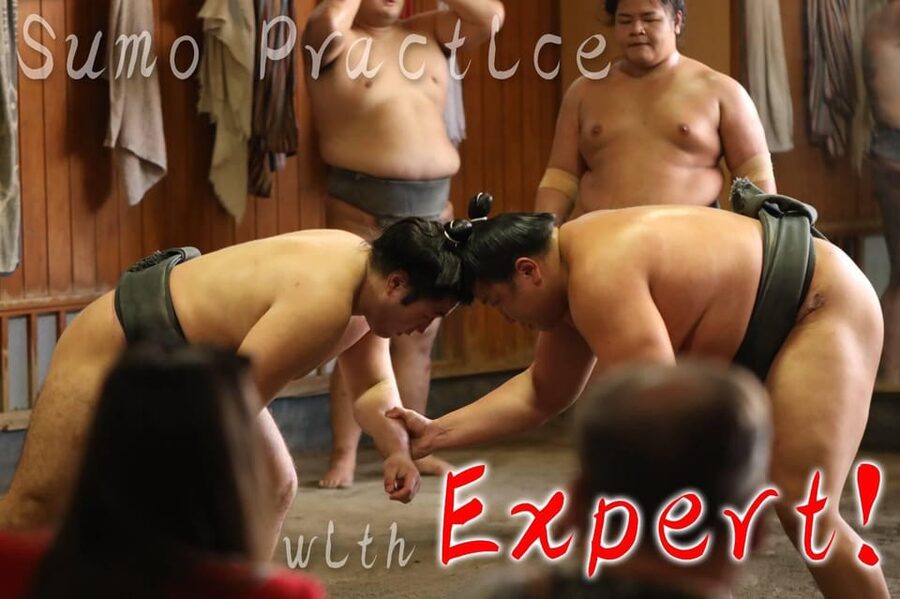
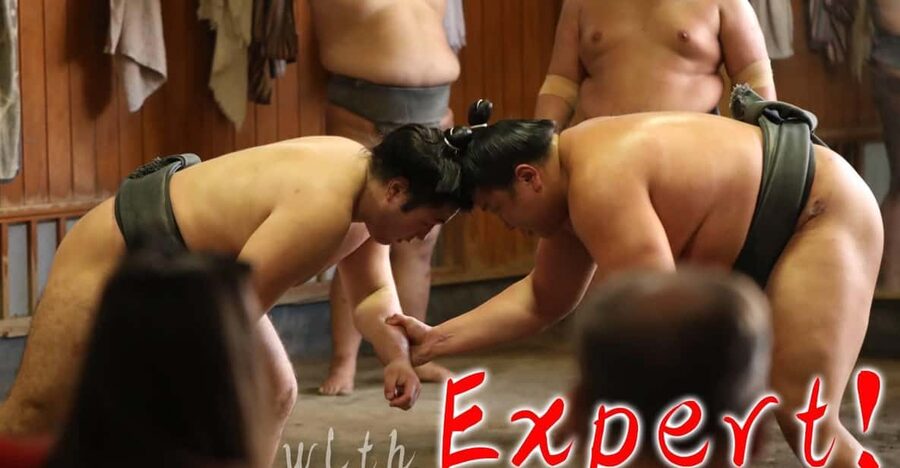
The best part of this Tokyo experience is simple: you watch professional sumo wrestlers train inside a real stable, not actors putting on a tourist show. The practice can be intense, quiet, and surprisingly close. You may see warm-ups, repeated bouts, mentoring, and cool-downs from just a few feet away.
I like the access and the guide, Shinya, whose work as a sumo reporter and photographer gives his explanations real weight. I also like the small group, capped at 10, and the chance to ask questions that rarely get answered during a tournament. The main drawback is comfort: you sit on the floor, often for more than 90 minutes, and the room can feel crowded.
Key points to know before booking
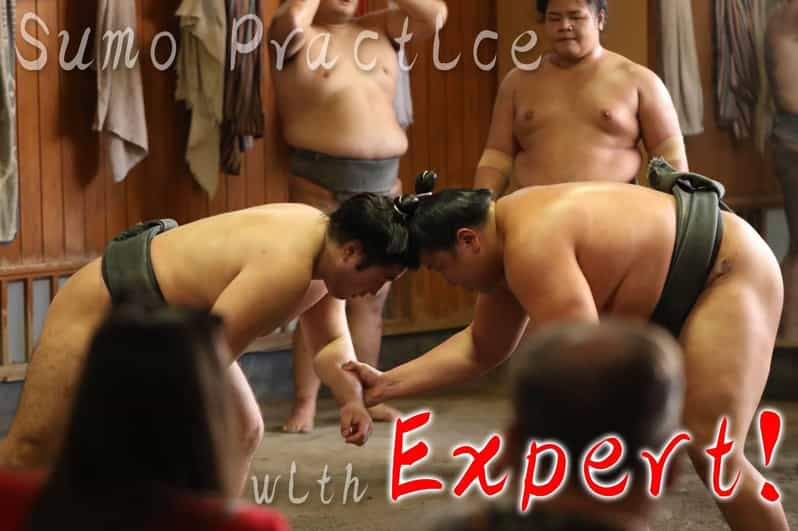
- Real morning practice at Takasago-beya: Watch wrestlers train in an active sumo stable rather than a staged performance.
- Shinya’s reporting background: Ask about rituals, wrestlers, tournaments, rules, and the customs surrounding the sport.
- Very close viewing: Some seating places you only a few feet from the action, so quiet behavior and a switched-off phone matter.
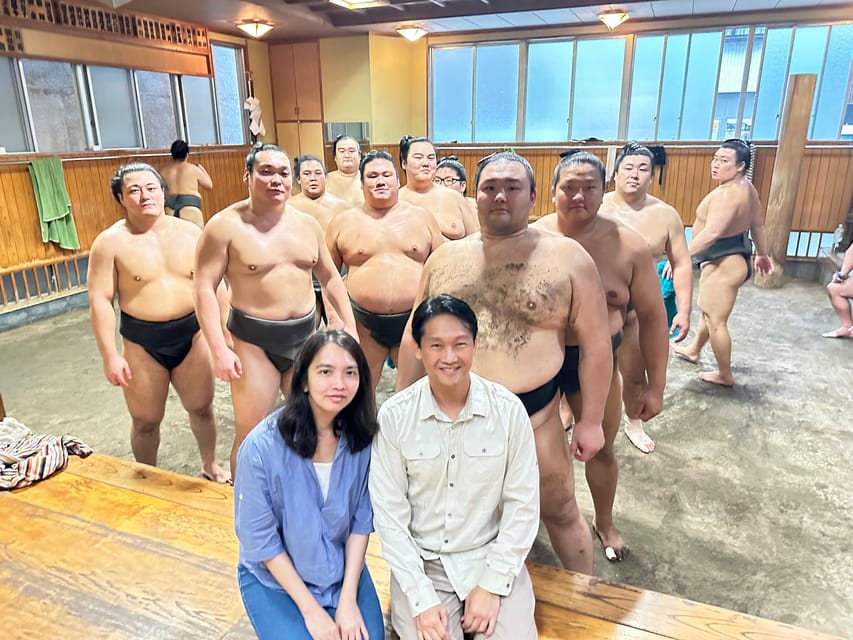
- Photo with a wrestler included: The visit ends with a chance to take a commemorative photo.
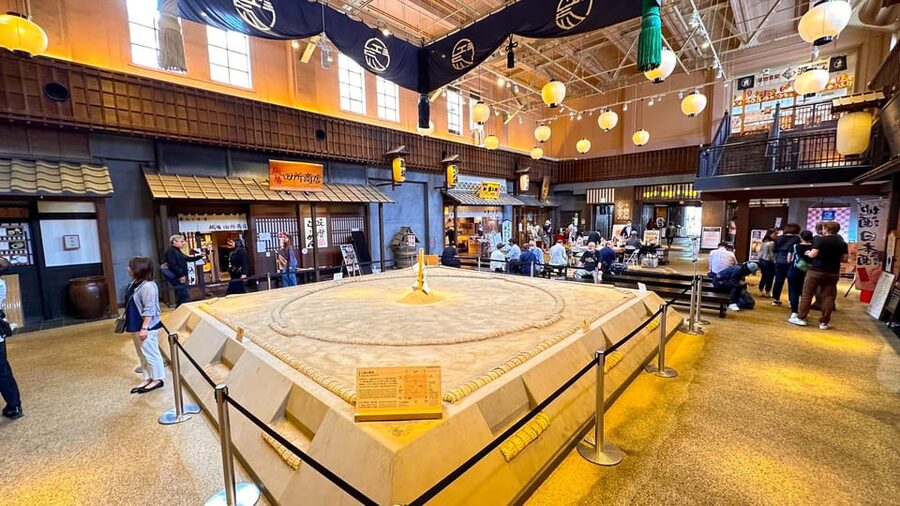
- Ryogoku’s sumo setting: The route adds the Kokugikan and Ryogoku Edo NOREN to the stable visit.
- Floor seating is part of the deal: Cushions are provided, but this may be difficult if you have limited flexibility or dislike sitting low.
Why a real stable is different from a sumo show
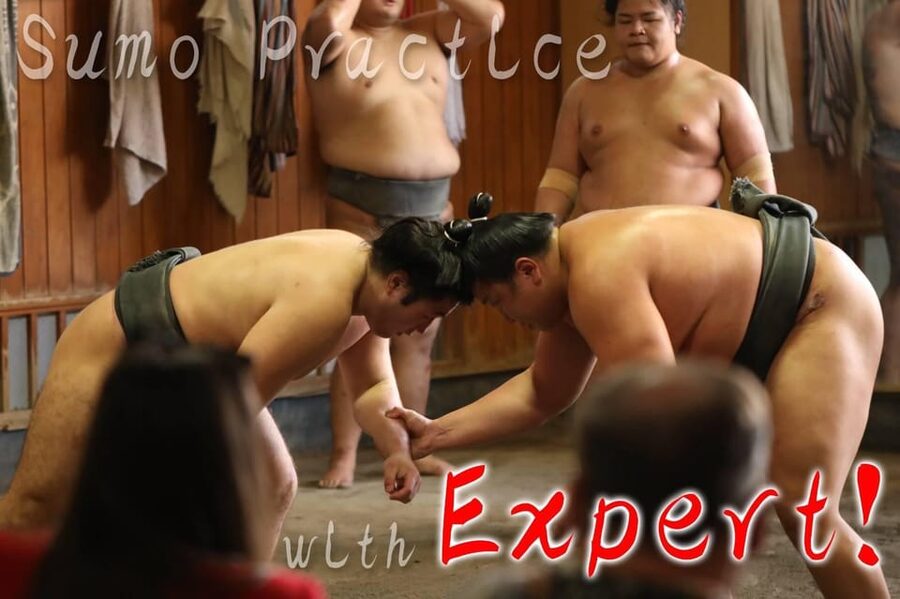
Tokyo offers several sumo-themed activities, but this one is aimed at people who want to see the sport as it is practiced. You are not watching a scripted comedy routine or a simplified demonstration. You are entering a working stable during morning training, with the understanding that the wrestlers are there to practice, not entertain a crowd.
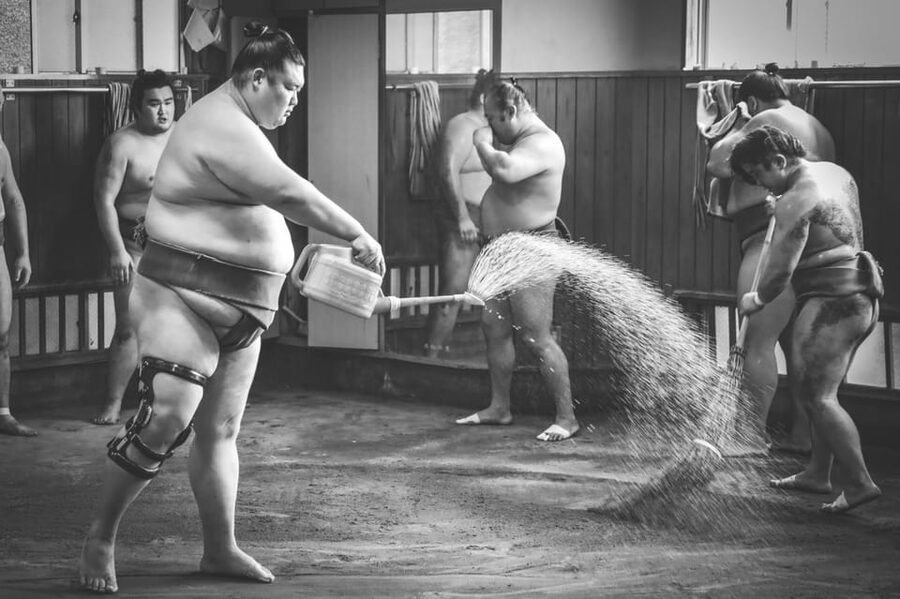
That difference shapes the whole visit. There may be stretches when nobody explains what is happening. You might hear the impact of bodies hitting the floor, see wrestlers repeat the same movement, or watch senior men work with younger wrestlers. The silence and concentration are part of the experience.
This is also why you must behave like a respectful observer. Keep quiet during practice, follow the stable’s instructions, and turn off your phone. You are being allowed into a private part of sumo life, and that access depends on good manners.
The practice has been described as far more intense than expected. Even people who assumed they might get bored found themselves watching closely for an hour or more. Sumo training can look repetitive from a distance, but up close you see strength, timing, discipline, and correction in every movement.
More Sumo Experiences in Tokyo:
- Tokyo: Sumo Show Experience with Chicken Hot Pot and a Photo
★ 4.8 · 6,678 reviews - Tokyo: Sumo Show and Dining Experience
★ 4.8 · 2,742 reviews - the SUMO show
★ 5.0 · 1,960 reviews
Meeting Shinya, the sumo specialist
Shinya is one of the strongest reasons to choose this experience. He works as a sumo specialist and national newspaper journalist, with experience reporting on tournaments and photographing the sport. That gives him a useful position between fan, interpreter, and insider.
You can ask about basic matters such as why wrestlers perform certain rituals, or more difficult questions about training, rankings, and tournament life. The information is not limited to rules. You also get context about customs, the relationship between older and younger wrestlers, and the parts of sumo culture that are not obvious to someone seeing it for the first time.
His English is generally clear enough to follow, though one account found it not perfect. His enthusiasm helps. He uses stories, past tournament memories, and videos to make the subject easier to understand. If you have an interest in Japanese baseball, you might also find common ground with him, since he follows that sport as well.
The guide’s role matters most after the practice. During the training itself, you may not receive constant commentary, since the wrestlers need to work without interruption. One useful improvement would be short explanations of the rituals and exercises as they happen, but the question period and later discussion provide much of the missing context.
If you already know a fair amount about sumo, do not assume this tour is only for beginners. Shinya has been able to answer more technical questions that even experienced fans had struggled to resolve elsewhere.
The visit to Takasago-beya
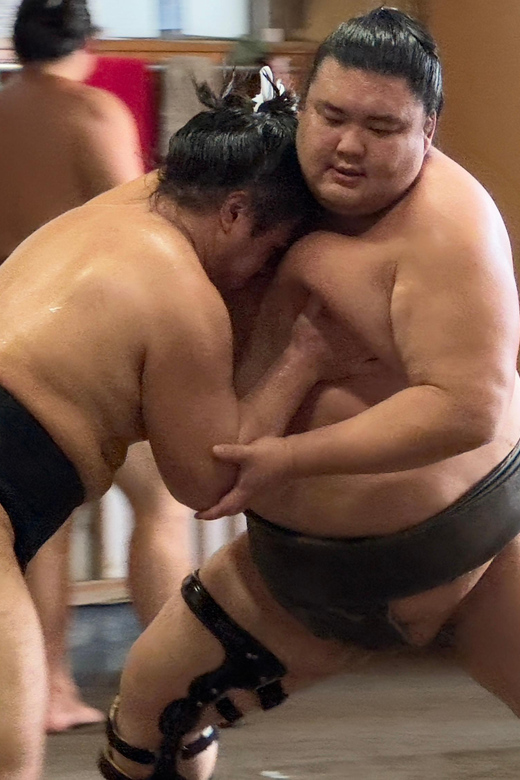
The tour begins near Ryogoku Station, followed by a short walk to Takasago-beya. The stable visit lasts about two hours, though the actual practice portion may occupy roughly an hour or more depending on the day.
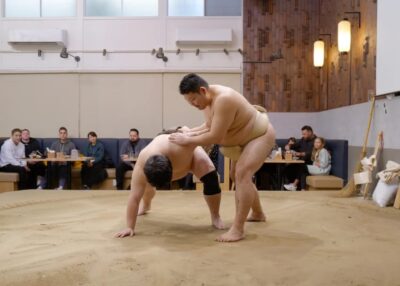
You sit on the floor, with a cushion available. The viewing position can be excellent. Some people have been close enough to see the wrestlers only a few feet away. That proximity lets you notice details that disappear in a large tournament hall, including the way wrestlers prepare, reset, and respond after each bout.
The stable is not arranged like a theater. Your view and comfort depend on where the group sits and how many people are visiting at the same time. One account found the room crowded when more than one group was present. Arriving earlier may help with seating, although the exact timing is controlled by the tour and stable.
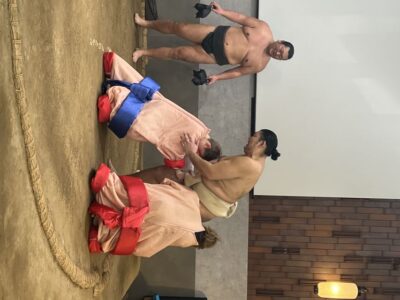
The practice may include warm-ups, sparring, formal training exercises, and cool-downs. You may also see more experienced wrestlers helping younger men. This gives you a better sense of sumo as a demanding daily routine rather than a short contest seen during a tournament.
Do not expect every part to be explained in real time. The stable’s priority is training. Think of the guide’s explanations as a frame around the practice, not a running sports broadcast.
The etiquette you need to follow
The rules for visitors are straightforward, but they matter. Sit quietly, avoid sudden movement, and keep your phone switched off. You are close enough that a ringing device or loud conversation would disrupt the room.
Smoking indoors is not allowed. The activity is not suitable for children under five, and the quiet setting may also test the patience of very young children even if they are older than that.
Wear something that allows you to sit comfortably on the floor. The information provided does not specify a dress code, but floor seating is a central practical issue. If you are heavy, stiff, or not used to sitting low, the position can become uncomfortable after 90 minutes. A cushion is supplied, but it does not turn the seating into a chair.
This is a good place to be honest with yourself. If you need regular standing breaks or cannot sit on the floor, the stable visit may be physically hard. The activity itself is not a performance with a convenient audience setup.
More Shows & Performances in Tokyo:
- Tokyo Shinjuku Sumo Show & Experience with Photo
★ 5.0 · 1,750 reviews - Tokyo: Samurai Restaurant Show Ticket with 2 Drinks
★ 4.5 · 1,307 reviews - Tokyo: Sumo Show and Experience in Shinjuku
★ 4.8 · 1,001 reviews - Tokyo:Luxury Sumo Show Experience & Japanese cuisine & Drink
★ 4.7 · 577 reviews
Photos with the wrestlers
A photo with a sumo wrestler is included. It gives you a personal souvenir, but the photo should be treated as a brief courtesy rather than the main event.
The strongest part of the stable visit comes before the photo, when you watch the wrestlers train at close range. The photograph works best as a respectful finish to an experience centered on observation and learning.
You should also remember that the wrestlers have been training. Keep the moment polite and follow the guide’s directions. The exact photo arrangement may depend on the stable and the day, so do not book this expecting a long meet-and-greet session.
Ryogoku Kokugikan after practice
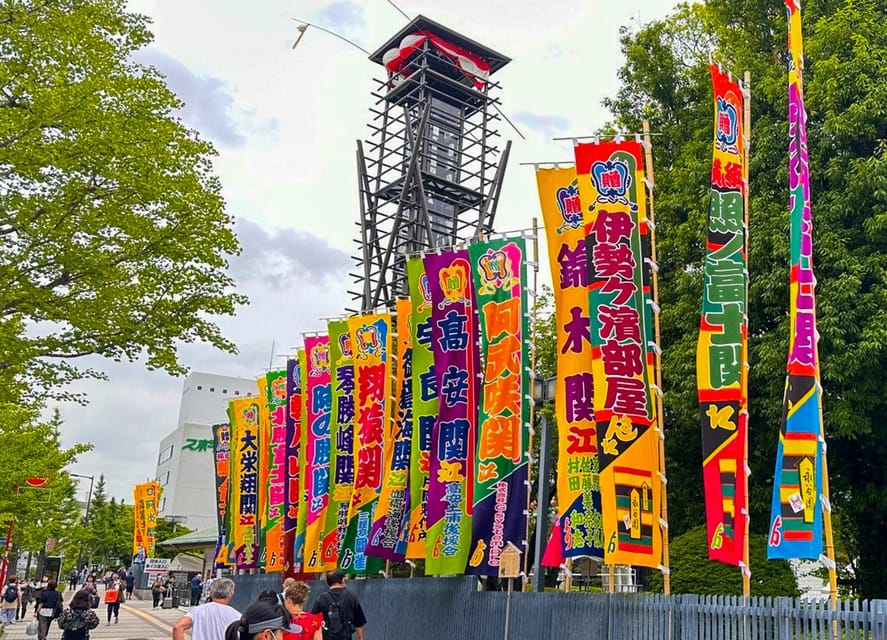
After leaving the stable, the group spends about 15 minutes at Ryogoku Kokugikan, Tokyo’s major sumo venue. This stop gives the morning practice a wider setting.
The Kokugikan is where many visitors first picture sumo: a large arena linked with professional tournaments and the public face of the sport. Seeing it after a stable visit helps you connect the private training room with the formal competition venue.
The stop is short, so do not expect a full museum visit or a tournament. Its value is mainly orientation and context. Shinya can add stories and details that make the building more meaningful than a quick exterior photograph.
Ryogoku Edo NOREN and the final half hour
The final section takes you to Ryogoku Edo NOREN, a food and shopping complex near the station. The guided portion lasts about 15 minutes, followed by roughly 30 minutes for shopping and sightseeing.
This is a useful, lighter finish after the concentrated stable visit. You can look around, browse, and get your bearings in the neighborhood known as Tokyo’s sumo town. It is also where the tour shifts from private practice to a more public presentation of Ryogoku’s food and culture.
Do not treat this part as equal in importance to the stable. The visit to Takasago-beya is the reason to book. Edo NOREN adds local atmosphere and time to explore, but its appeal will depend on how interested you are in shopping and the area itself.
The tour ends at Ryogoku Station, making it easy to continue elsewhere in Tokyo. The route starts at a building near Toei Oedo Line Ryogoku Station, Exit A2, and the operator sends final meeting details before the date. JR Ryogoku Station is about a five-minute walk from the starting point.
Is $103 a fair price?
At $103 per person, this is not a cheap morning activity. You are paying more than you would for a museum ticket or a general neighborhood walk.
The value comes from access. A professional stable is not an ordinary sightseeing stop, and permission to observe training is not something you can assume you will arrange on your own. The small group, English guidance, photo, and specialist question period add to the cost.
I think the price makes sense if sumo is a serious interest, if you could not obtain tournament tickets, or if you want a cultural experience that feels less staged. It is also a strong choice for someone who has lived in Japan and already knows the basics but wants a closer view of professional training.
The value is weaker if you mainly want a lively, family-style activity with constant narration. The practice is quiet and formal. You are paying for authenticity and access, not a polished show.
The operator allows free cancellation up to 24 hours before the start and offers reserve-now, pay-later booking. Check the available start times carefully, since this is a morning practice experience and the schedule can affect the rest of your Tokyo day.
Who will enjoy this most?
I would recommend it to:
- Sumo fans who want to see real training
- First-time visitors curious about Japanese customs and ritual
- Adults who appreciate quiet, respectful cultural experiences
- Families with children over five who can sit still and follow instructions
- Visitors who missed tournament tickets
- People who want to ask detailed questions in English
I would hesitate if you dislike floor seating, need frequent movement, or expect a narrated show from start to finish. I would also be cautious about bringing a very young child. The setting requires quiet attention, and the practice is not designed as entertainment for restless children.
The group limit of 10 is a real advantage. It keeps the discussion personal and makes it easier to ask Shinya about your own interests. Still, the stable itself can feel tight, especially if another group is present.
How this compares with attending a tournament
A tournament gives you the spectacle of formal competition, a full schedule of bouts, rankings, crowds, and the ceremonial side of the sport. This experience gives you something different: access to the work behind those public events.
At the stable, you see preparation rather than a finished contest. You see repetition, fatigue, instruction, and the close physical contact of training. There is no guarantee that every ritual or exercise will be explained as it happens, but you are watching something that is not arranged solely for visitors.
If you can attend a tournament and have room in your schedule, the two experiences would complement each other. If tournament tickets are unavailable, this is a strong substitute, provided you understand that it is not a match day.
Final decision: should you book it?
Book this tour if your priority is authentic access to professional sumo, close viewing, and a guide who can answer serious questions. Shinya’s background adds unusual value, and the stable visit offers a side of the sport that most people cannot see simply by walking around Ryogoku.
Skip it if you need comfortable chairs, constant commentary, or a lighthearted performance. The floor seating can be tiring, the practice demands silence, and the final neighborhood stops are secondary.
For the right person, $103 buys more than a photo. It buys a quiet look at the discipline behind sumo, with enough expert context to help you understand what you are seeing. That makes it one of Tokyo’s better choices for a visitor who wants the real training room rather than a tourist imitation.
FAQ
Where does the tour meet?
The meeting point is near the Toei Oedo Line Ryogoku Station, Exit A2, at ground level. It is about a five-minute walk from the east exit of JR Ryogoku Station.
How long does the activity last?
The total duration is three hours.
How large is the group?
The group is limited to 10 participants.
Which languages are available?
The tour offers English and Japanese. The live guide is listed as English-speaking and Japanese-speaking.
Who leads the tour?
The guide is Shinya, a sumo specialist and journalist with experience covering professional sumo. His background includes reporting and photography.
Can I take a photo with a sumo wrestler?
Yes. A photo with a sumo wrestler is included.
Is there time to ask questions?
Yes. The experience includes a question-and-answer session with a long-time sumo expert.
Do I sit on the floor?
Yes. Customers sit on the floor to watch the practice, and a floor cushion is available.
Is the tour suitable for young children?
Children under five are not permitted. The quiet practice setting also requires visitors to sit respectfully and avoid disturbing the wrestlers.
What is not included?
Food, drinks, and tips are not included.
Can I cancel for a refund?
You can cancel up to 24 hours in advance for a full refund. Reserve-now, pay-later booking is also available.
Just added around Tokyo
- Kawagoe Japanese Food Tour : Unagi Kaiseki and Sake near Tokyo★ 5.0 · 30 reviews
- Kawagoe 4hr Private Tour with Licensed Guide (Kawagoe Dep)★ 5.0 · 13 reviews
- Little EDO Sushi Making workshop in Kawagoe★ 5.0 · 18 reviews
- 【R34】Tokyo:Private Daikoku tour in Modified R34★ 4.9 · 92 reviews
- :Tokyo,Shibuya/ Pro Photography in Kimono / English-Friendly★ 5.0 · 26 reviews
- Tokyo:Celebrate Unique Japanese New Year Tradition Festivity★ 3.9 · 20 reviews
- Tokyo: Allstar Food Tour★ 4.7 · 29 reviews
- Tokyo: West-Side Cycling and Food Tour with Guide★ 5.0 · 37 reviews
Sumo Experiences, compared.
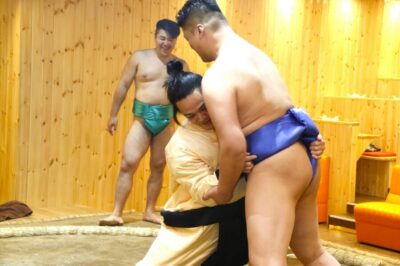
Sumo Show Experience with Chicken Hot Pot and a Photo
Our verdict →
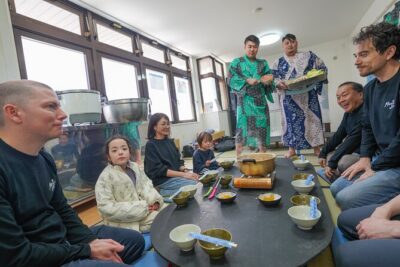
Authentic Sumo Experience in Tokyo: Enter the Sanctuary
Our verdict →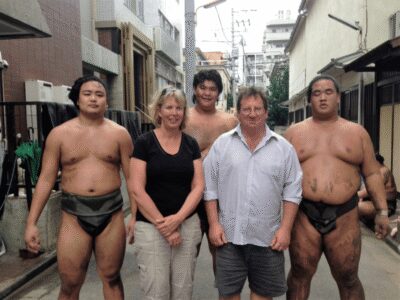

Browse the lists this tour appears in