Reviewed · GUIDED
Tokyo: Tattoo-Friendly Public Bath Experience with Guide
Tokyo’s public baths are wonderfully direct: you wash first, then sit quietly in the hot water with local bathers. This tattoo-friendly sento makes that custom easier to try, especially if you are unsure about being naked or do not know the rules.
I like the short walk from Nippori Station and the small group size, limited to nine people. I also like the personal help from guides such as Annie and Hanh, who explain the process clearly and may walk you back to the station afterward. The main drawback is simple but important: your guide does not accompany you into the bathing area, and men and women bathe separately.
Key points at a glance
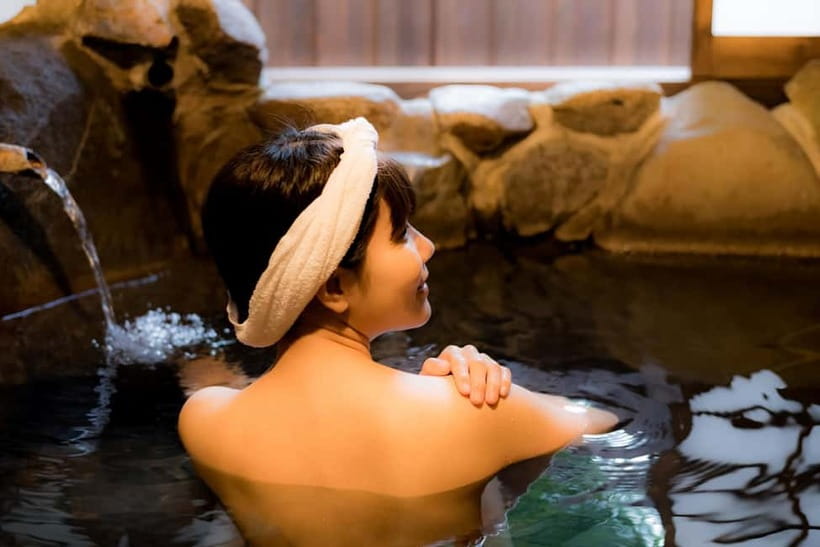
- Tattoo-friendly bathing: You can use this public bath even though tattoos are often restricted at Japanese baths.
- Five minutes from Nippori Station: The meeting point is in front of the taxi stand, followed by a short walk.
- Useful first-timer support: Your guide explains bathing etiquette in English before you enter.
- Everything basic is supplied: Entrance, bath towel, hand towel, shampoo, and body soap are included.
- Small-group setting: The group is limited to nine people, with English, Japanese, and Vietnamese support.
- Local advice after the bath: You can ask your guide about lesser-known Tokyo places while enjoying an optional drink or snack.
Why a sento is worth your time
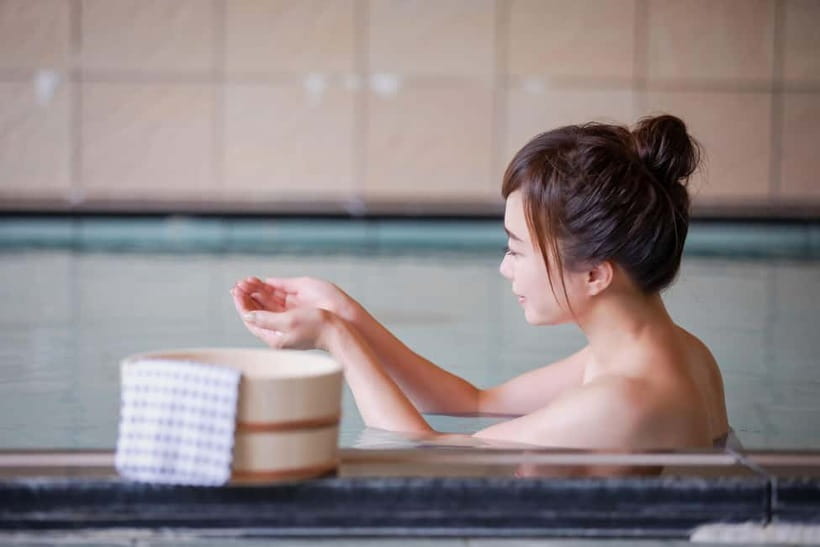
A sento is a Japanese neighborhood bathhouse, not simply a place to get clean. You enter a shared local routine: remove your clothes, wash thoroughly, and then relax in the bath without soap, shampoo, or towels in the water.
That order matters. Many first-time visitors worry about making a mistake, but the etiquette is quite manageable once someone explains it. This experience gives you that explanation before you face the changing room and bathing area alone.
The setting also offers a look at everyday Tokyo that you will not get from major sights. The bath is described as having a retro feel and being used by locals. You are not being taken to a polished attraction built only for foreign visitors. You are being guided into a normal neighborhood custom, with a few helpful guardrails.
The word onsen appears in some descriptions of the experience, but the activity itself is specifically based at a sento, or public bath. You should think of this as a traditional local bathing experience rather than a countryside hot-spring visit.
A few more Tokyo half-days worth comparing
- 1-Day Tokyo Bus Tour
★ 5.0 · 14,250 reviews - Tokyo: TOKYO SKYTREE® Admission ticket
★ 4.5 · 11,192 reviews - Tokyo: teamLab Planets TOKYO Digital Art Museum Entry Ticket
★ 4.6 · 9,779 reviews
Meeting at Nippori Station
You meet your guide in front of the taxi stand outside Nippori Station. This is a practical location, but station areas can be confusing, so allow enough time to find the correct taxi stand rather than arriving at the last second.
From there, you walk for about five minutes. That short walk helps keep the experience focused. You do not spend a large part of your one-hour booking crossing Tokyo, and you return to the same station after the bath.
The meeting point has caused a little confusion for at least one participant, so check the exact location carefully before setting out. One guide, Annie, handled a taxi mix-up by meeting a participant nearby and helping make the journey easier. That suggests the guides can be flexible, but it is still better to arrive at the stated meeting point.
Your guide provides the towel set before entering. You receive a bath towel and a smaller hand towel, along with access to shampoo and body soap. That saves you from buying basic supplies at the bathhouse and makes this a practical choice during a busy sightseeing day.
What your guide explains before bathing
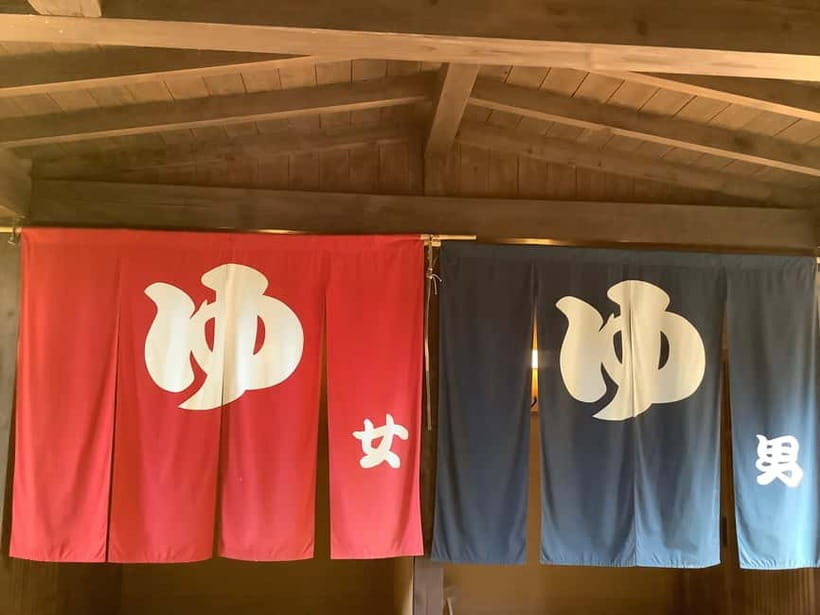
The etiquette briefing is the heart of the experience. You learn what to do before entering the bath, how to wash, and how to behave around other bathers. The explanation is given in English, and the guides also speak Japanese and Vietnamese.
This help is most useful if you have never used a Japanese public bath. You will understand why you must wash before soaking, where the small towel belongs, and why the bath water is for relaxing rather than scrubbing. These are small points, but knowing them removes much of the awkwardness.
The guide also explains the cultural background of sento bathing. That adds meaning to the visit. Instead of treating the bath as an unusual tourist activity, you begin to see it as part of daily life in Japan.
Annie and Hanh have received especially warm praise for being patient, kind, and attentive. Hanh has explained both the background and the practical steps, then walked someone back to the station with a cold drink. Annie has offered city tips and helped with an unexpected meeting problem. Guide assignments can vary, so you should not book on the assumption that one particular person will lead your group.
Entering the bathing area
The bathing areas are separated for men and women. You will be fully naked inside, with no swimsuit option mentioned for this activity.
That is the part most likely to make you nervous. The guide prepares you, but you still enter the bathing area on your own. This is not a private bath experience, and you should be comfortable following the local custom before you book.
Once inside, you wash first with the supplied shampoo and body soap. Then you can use the bath and settle into the heated water. The bath is described as having healing waters, though no specific mineral content or temperature is provided, so do not book it expecting a particular medical or hot-spring treatment.
Your small hand towel is not for the bath water. Keep it out of the tub, usually folded or placed nearby as appropriate. The exact layout may vary, but the pre-bath explanation should give you the basic rules you need.
The guide does not enter the bathing area with you. Some people will prefer this privacy, while others may want more support during the first few minutes. If you are very uneasy about bathing alone, ask your guide every question you can before separating.
More Guided Tours in Tokyo:
- Tokyo 6hr Private Tour with Government-Licensed Guide
★ 5.0 · 3,902 reviews - Tokyo: Shinjuku Local Bar and Izakaya Guided Walking Tour
★ 4.9 · 1,794 reviews - Tokyo: Private City Highlights Tour with Local Guide
★ 4.8 · 1,433 reviews - Tokyo: Tsukiji Fish Market Guided Walking Tour
★ 4.9 · 1,397 reviews
The retro atmosphere and local rhythm
The bathhouse has a retro atmosphere and is beloved by local residents. That matters because the appeal is not just the hot water. You are experiencing a piece of neighborhood life, in a place with a familiar, old-fashioned feel.
A public bath can be a quiet counterpoint to Tokyo’s crowds, signs, shopping streets, and train stations. You sit, soak, and slow down. Some people have reported sleeping especially well after the bath, though that is a personal response rather than a promised result.
Keep your expectations grounded. This is a one-hour activity, not a full spa treatment. You are paying for a guided introduction, entry, towel rental, and basic bathing supplies. The bath itself is the main event, not a long program of treatments or sightseeing.
The time also includes the meeting and walking portions, so your actual time in the water will be less than the full sixty minutes. If you want an unhurried bath, leave room in your day rather than scheduling a train or restaurant reservation immediately afterward.
What happens after your soak
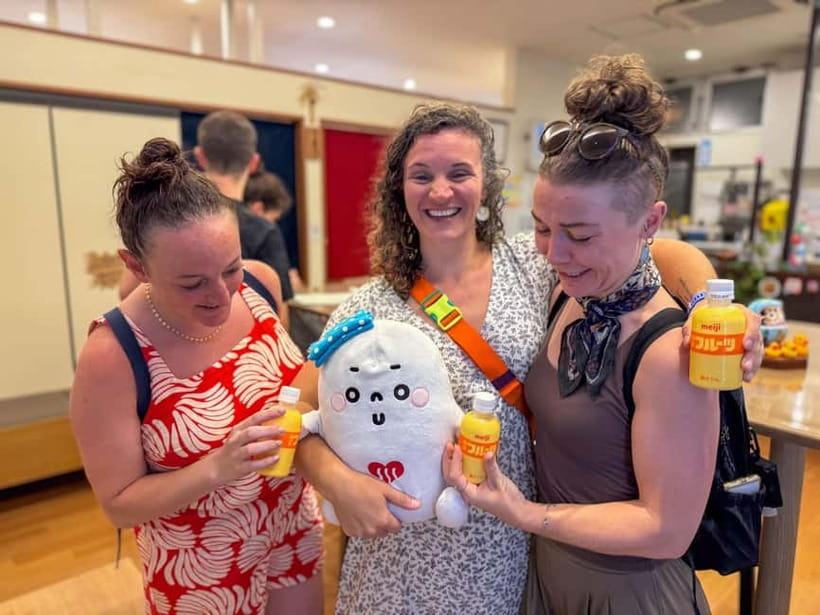
After bathing, you can relax with a local drink or snack at your own expense. The activity does not include food or drinks, but guides may help you choose something simple or point out nearby options.
This short after-bath pause is useful. You can cool down, talk about what you just experienced, and ask for Tokyo suggestions. The guides offer advice on lesser-known places, which may help you shape the rest of your visit around local neighborhoods rather than only major attractions.
The walk back to Nippori Station takes about five minutes. Some guides have accompanied participants back to the station and bought a cold drink, but that should be understood as personal guide hospitality rather than a guaranteed inclusion.
The station return also makes the activity easy to combine with the rest of your day. You can schedule it before dinner, after sightseeing, or during an evening when you want something quieter than another busy district.
Is the $38 price good value?
At $38 per person, the price is reasonable if this is your first Japanese public bath and you want help with the cultural rules. Entrance is included, as are both towels, shampoo, body soap, and the English etiquette guidance. You are also paying for the guide’s time and the small-group format.
If you already know how sento bathing works, you could probably visit a public bath on your own for less. The extra cost here buys confidence and context, not luxury. You avoid guessing at the etiquette, worrying about tattoo restrictions, or trying to work out the process from signs.
The group cap of nine is another part of the value. It is not a private tour, but it is small enough for you to ask questions before entering. The guide can spend more time with the group than on a large coach-style outing.
The optional drink or snack is not covered, so carry some money if you want to linger afterward. Food and drinks are the only clearly listed extra cost, apart from anything you choose to buy elsewhere.
Tattoos, nudity, and comfort level
Tattoo restrictions are a major reason to choose this bath. Many Japanese hot springs and public baths do not allow tattoos, even when the tattoos are small or covered. This location is specifically tattoo-friendly, so you do not have to hide your tattoos or risk being turned away for them.
That does not remove the need for good bath etiquette. You still wash before entering and respect the quiet shared setting. Tattoo-friendly does not mean that the bath operates under different behavior rules.
Nudity is required in the bathing area. Men and women use separate facilities, and the guide will not accompany you into those areas. You should choose this activity only if you can accept that arrangement.
It is also not suitable for children under three. The activity is aimed at couples and small groups, but solo participants can join as well. Anyone who prefers a private bath, swimsuit bathing, or a guide beside them at every step should consider a different option.
The activity is not suitable for participants during their period. This is stated as a restriction, so plan your booking with that in mind.
Who will get the most from this experience
I would recommend it most strongly to you if you meet one or more of these conditions:
- You want to try a sento but are unsure about the rules.
- You have tattoos and need a bath that accepts them.
- You prefer a small cultural activity over a large sightseeing tour.
- You want to meet a local guide who can suggest other Tokyo spots.
- You are comfortable bathing naked in a gender-separated public facility.
- You want a short activity near a major station.
It is particularly good for couples and friends who can encourage one another through the first few minutes. A small group also gives you a chance to compare impressions afterward without turning the bath into a loud social event.
I would be more cautious if you are looking for a private or luxurious spa visit. The strength here is local routine and cultural guidance. The bath is not presented as a high-end wellness facility, and the guide’s role ends at the entrance to the bathing area.
Timing, cancellation, and language support
The activity lasts one hour, with five minutes of walking each way from Nippori Station. Starting times vary, so you need to check availability for the date you want.
English, Japanese, and Vietnamese are available for the guided support. The etiquette explanation is in English for English-language participants, which is the key language service you need for this activity.
You can cancel up to 24 hours before the start for a full refund. You can also reserve now and pay later, which helps if your Tokyo plans are still changing.
The small-group limit is nine people. That is large enough for a little social energy but small enough to keep the briefing useful. If you want the most personal attention, an earlier or less popular time may feel calmer, though no specific time can be guaranteed from the available information.
Should you book the Nippori sento experience?
Book it if you want a clear, low-stress introduction to Japanese public bathing, especially if you have tattoos or feel uncertain about local etiquette. The short route, supplied towels and soap, English guidance, and friendly support from guides such as Annie and Hanh make the experience easy to fit into a Tokyo visit.
Do not book it if you are uncomfortable being fully naked, need a private bath, or expect your guide to stay with you inside. The experience asks you to take the final step alone after the explanation.
For the right person, $38 is fair. You are not paying for a luxury spa. You are paying for access to a tattoo-friendly sento, a local cultural lesson, and enough practical help to let you relax once you reach the bath.
FAQ
Where does the activity meet?
You meet your guide in front of the taxi stand outside Nippori Station.
How far is the sento from Nippori Station?
The walk from the station to the public bath takes about five minutes. The return walk to Nippori Station also takes about five minutes.
Are tattoos allowed?
Yes. The public bath used for this experience is tattoo-friendly, even though tattoos are restricted at many Japanese hot springs and public baths.
Do I have to be naked?
Yes. You will be fully naked in the bathing area. The facilities are separated for men and women.
Will the guide enter the bathing area?
No. The guide explains the etiquette and process before you enter, but does not accompany you inside the bathing area.
What is included in the price?
The price includes the entrance fee, a bath towel, a hand towel, shampoo, body soap, an English bathing etiquette explanation, and an English-speaking guided experience.
Are food and drinks included?
No. Food and drinks are not included. You may optionally enjoy a local drink or snack after the bath at your own expense.
What languages are available?
The activity offers live guide support in English, Japanese, and Vietnamese.
How large is the group?
The experience is limited to nine participants.
Can I cancel if my plans change?
Yes. You can cancel up to 24 hours in advance for a full refund. You can also reserve now and pay later.
Just added around Tokyo
- Kawagoe Japanese Food Tour : Unagi Kaiseki and Sake near Tokyo★ 5.0 · 30 reviews
- Kawagoe 4hr Private Tour with Licensed Guide (Kawagoe Dep)★ 5.0 · 13 reviews
- Little EDO Sushi Making workshop in Kawagoe★ 5.0 · 18 reviews
- 【R34】Tokyo:Private Daikoku tour in Modified R34★ 4.9 · 92 reviews
- :Tokyo,Shibuya/ Pro Photography in Kimono / English-Friendly★ 5.0 · 26 reviews
- Tokyo:Celebrate Unique Japanese New Year Tradition Festivity★ 3.9 · 20 reviews
- Tokyo: Allstar Food Tour★ 4.7 · 29 reviews
- Tokyo: West-Side Cycling and Food Tour with Guide★ 5.0 · 37 reviews
Guided, compared.
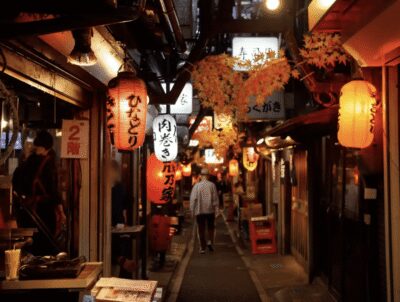
Shinjuku Local Bar and Izakaya Guided Walking Tour
Our verdict →
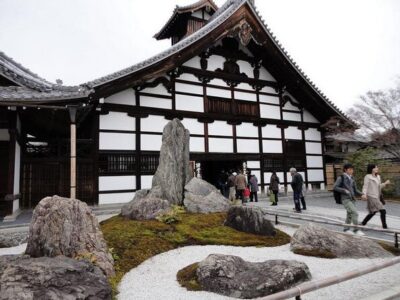
Kyoto Early Morning Tour with English-Speaking Guide
Our verdict →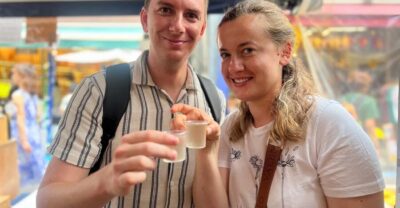
Tokyo 4hr Private Tour with Government-Licensed Guide
Our verdict →